In today’s architectural landscape, customizable steel buildings have emerged as the future of adaptable construction. From residential homes to large commercial facilities, these structures offer unmatched flexibility, durability, and cost-effectiveness. The rise of “meta buildings”—structures designed for multi-functional, modular applications—marks a shift in how developers, homeowners, and business owners approach construction. Steel has become the foundation for design freedom, combining engineering precision with creative customization.
Customization matters not only for visual appeal but also for function and performance. Whether you’re designing a cozy home or a high-traffic retail space, the ability to modify every element—from structure type and layout to insulation and finishes—transforms a standard metal shell into a fully tailored space. Let’s explore how to create high-performance, customizable steel buildings that meet residential or commercial needs efficiently and stylishly.
Understanding the Customization Potential of Metal Buildings
What Makes Metal Buildings So Flexible?
At their core, customizable steel buildings are engineered with modular design principles. Each component—from columns and beams to wall panels and trusses—is pre-fabricated and can be reconfigured easily. This structural adaptability allows for open interiors, multiple spans, and endless design variations. Steel’s high strength-to-weight ratio supports large open spaces without the need for internal load-bearing walls, which means you can create wide workshops, expansive showrooms, or multi-room homes without structural compromise.
Unlike traditional wood or concrete constructions, metal frameworks can be expanded or modified with minimal disruption. This inherent flexibility is why both residential owners and commercial developers increasingly prefer customizable steel buildings for their long-term projects.
Overview: Residential vs. Commercial Custom Needs
Residential customization focuses on comfort, insulation, aesthetics, and functional space utilization—think living areas, storage, and workshop integration. Commercial customization, on the other hand, emphasizes branding, workflow optimization, and compliance with safety or zoning standards. Understanding these distinctions ensures that your customizable steel buildings achieve the right balance between form and function for each specific purpose.
Step-by-Step Guide to Customizing Your Steel Building
1. Define the Purpose of the Building
Residential: Homes, Garages, Workshops
The first step in creating customizable steel buildings is understanding your lifestyle needs and defining how the space will be used. For residential applications, this could mean designing a modern family home, a multi-purpose garage, or a functional workshop. One of the greatest advantages of steel construction lies in its adaptability—walls can be repositioned, mezzanine levels can be added, and floor plans can be easily reconfigured. This flexibility empowers homeowners to evolve their space as needs change over time, from transforming a garage into a guest suite to converting an unused corner into a creative studio.
Modern residential customizable steel buildings also support sustainability. By integrating insulation, energy-efficient glazing, and eco-friendly finishes, homeowners can reduce heating and cooling costs while creating a comfortable, year-round living environment. The clean lines, open interiors, and high ceilings of these structures allow natural light to flow freely, enhancing both aesthetic appeal and comfort.
Commercial: Offices, Retail Stores, Warehouses
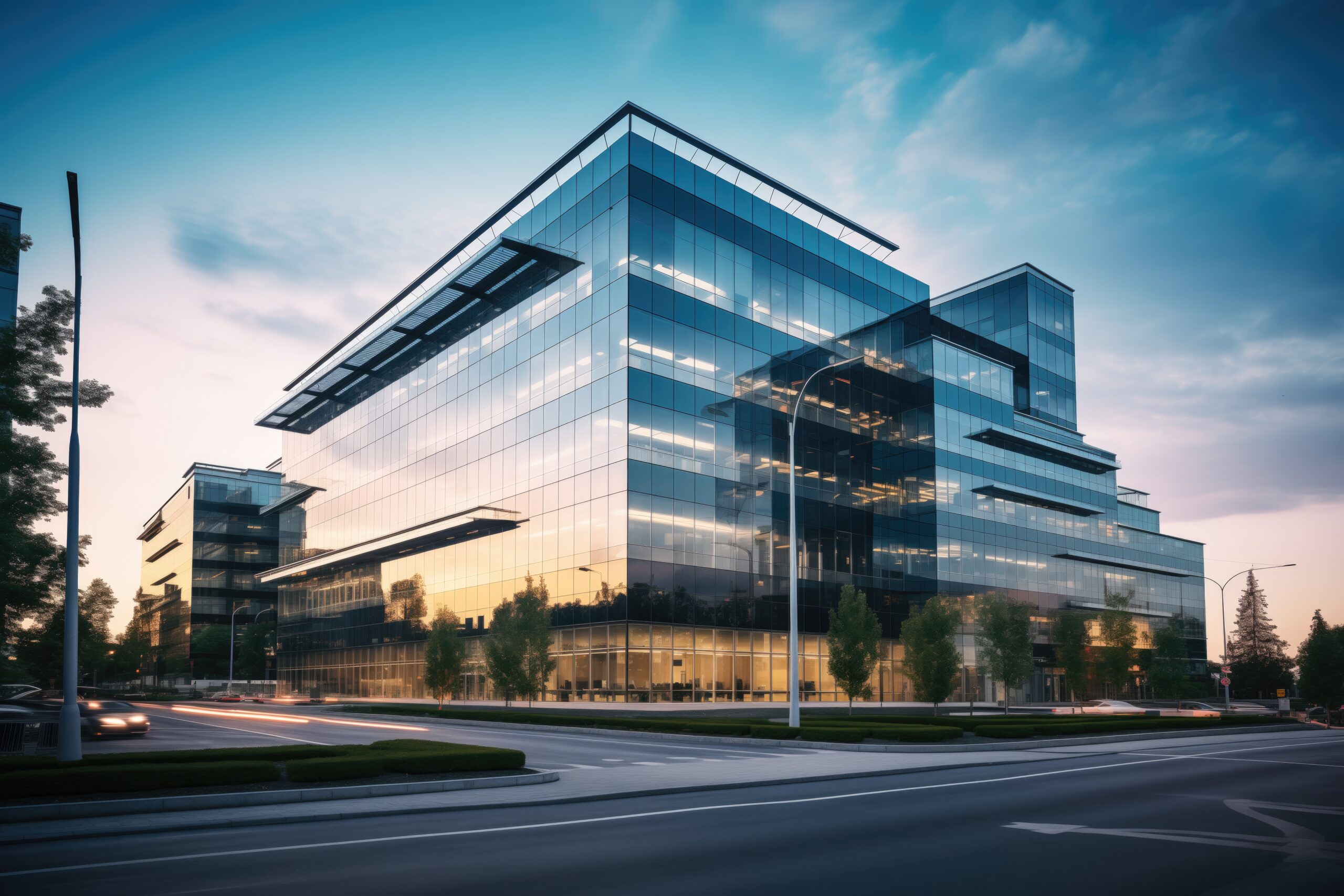
For commercial developers, defining purpose is crucial to optimizing functionality and return on investment. A steel office building must balance professional aesthetics with productivity, while a retail store requires inviting storefronts and efficient foot traffic design. Warehouses, on the other hand, demand space optimization, loading efficiency, and temperature control for stored goods. Each of these commercial applications benefits from the adaptability of customizable steel buildings, which can be engineered for clear-span interiors that support heavy machinery, multi-level racking systems, or collaborative workspaces.
Because of their pre-engineered precision, these structures can incorporate future growth strategies—such as adding an extra bay or extending the roofline—without disrupting existing operations. This makes customizable steel buildings a strategic investment for long-term business development.
2. Choose the Right Building Size and Layout
How to Plan for Current and Future Space Needs
Accurate planning ensures your steel building fits both your current and future requirements. Begin by evaluating the activities that will take place within the building. For residential users, this might include living quarters, storage areas, and hobby rooms. For commercial users, it involves determining space for inventory, offices, or equipment. One of the unique strengths of customizable steel buildings is their scalability—you can expand horizontally or vertically with minimal structural modification.
Because each steel component is modular, adding extensions or new interior partitions becomes simple and cost-effective. A well-planned design phase prevents overbuilding while ensuring that your foundation and framing can support later growth. Think of your steel building as a framework for the future—one that can evolve alongside your lifestyle or business.
Optimizing Interior Flow and Function
Interior flow defines how efficiently occupants move through the space. In residential customizable steel buildings, this means positioning bedrooms for privacy, creating open kitchen-living areas, and ensuring natural ventilation throughout. In commercial buildings, workflow efficiency is key—loading docks should connect logically to storage and distribution zones, while customer areas should promote smooth circulation.
Since steel framing allows large, column-free spans, interior design can remain open and flexible. You can easily rearrange partitions, create mezzanine floors, or add internal stairways without compromising structure or safety.
3. Select Framing and Roof Styles
Popular Framing Options (Rigid Frame, Clear Span)
Framing is the backbone of your design. Rigid frame systems are the most common choice for customizable steel buildings because they provide superior stability, especially for wide spans. Clear-span systems, on the other hand, eliminate interior columns entirely—ideal for gymnasiums, retail centers, or large workshops requiring unobstructed floor space.
The choice depends on both function and form. Rigid frames offer a balance between strength and economy, while clear-span frames maximize usable space. Both systems can be customized for height, roof pitch, and load requirements, giving you engineering precision and aesthetic control.
Roof Designs for Aesthetics and Drainage
Your roof design affects drainage, energy efficiency, and overall appearance. Gable roofs create a classic silhouette suited for homes and small offices, while single-slope roofs enhance drainage in commercial and industrial settings. Monitor-style roofs provide additional daylighting and ventilation, ideal for workshops or agricultural use.
Modern coatings, standing seam systems, and insulation upgrades allow customizable steel buildings to maintain energy efficiency while resisting corrosion and weathering. For visual impact, choose roof colors that complement the wall panels or corporate branding.
4. Customize Exterior Finishes
Wall Panels, Siding, and Color Schemes
Exterior finishes determine first impressions and long-term maintenance requirements. Steel offers an extensive palette of textures and colors—ranging from bold industrial tones to soft, residential palettes. Corrugated, vertical rib, or smooth panels can be mixed and matched for visual contrast. Some homeowners also integrate wood or stone accents to create hybrid facades that blend the strength of steel with natural materials.
The design possibilities are limitless with customizable steel buildings. You can mimic traditional architectural styles or embrace modern minimalism while maintaining durability and low upkeep. High-performance coatings and paint systems further protect against fading, rust, and corrosion.
Blending with Surroundings or Brand Identity
Every building interacts with its environment. For residential settings, blending with nature or neighboring architecture maintains aesthetic harmony. For commercial developments, exteriors should align with corporate identity—incorporating logo colors, signage areas, and façade lighting. The adaptability of customizable steel buildings makes it easy to tailor the exterior image to your vision while keeping long-term maintenance affordable.
5. Add Doors and Windows for Functionality
Garage Doors, Entry Doors, and Loading Bays
Doors and windows are more than simple openings—they define accessibility, safety, and convenience. Residential users may require sectional garage doors or sliding glass entrances, while commercial users might need oversized loading bays or automated roll-ups. Pre-engineered steel frames simplify the integration of these components, ensuring airtight seals and smooth operation.
When planned properly, these features enhance both practicality and architectural style, ensuring that customizable steel buildings meet user-specific access and movement needs.
Natural Light and Ventilation Considerations
Lighting plays a major role in occupant comfort and energy savings. Large windows, skylights, or translucent wall panels can dramatically reduce artificial lighting costs. Meanwhile, ridge vents or wall louvers improve air circulation, keeping interiors cooler and healthier. By integrating these elements from the design stage, customizable steel buildings achieve a perfect balance between efficiency and livability.
6. Insulate for Comfort and Energy Efficiency
Residential Insulation Standards
Insulation transforms metal structures into comfortable living spaces. Materials such as fiberglass batts, rigid foam, or spray insulation help regulate temperature and prevent condensation buildup. In residential customizable steel buildings, insulation also enhances soundproofing—making interiors quieter and more private.
Commercial Energy Codes and Benefits
Commercial users benefit from energy-efficient insulation that complies with building codes and sustainability targets. Reflective roof coatings, insulated metal panels (IMPs), and vapor barriers can drastically cut HVAC energy demands. These enhancements keep customizable steel buildings competitive in operational performance, helping companies meet green building standards and reduce long-term utility costs.
7. Integrate Plumbing, Electrical, and HVAC
Pre-Planned Utility Access in Metal Buildings
Efficient infrastructure planning is essential for comfort and productivity. Pre-engineered openings for plumbing, electrical wiring, and HVAC systems streamline installation and avoid costly modifications later. In customizable steel buildings, these access points are strategically designed within the structure, allowing faster setup and easier maintenance.
Ensuring Compliance and Efficiency
Each system must comply with local safety codes. Electrical conduits should follow fire-rated standards, HVAC ducts should ensure balanced airflow, and plumbing should be properly insulated to prevent condensation. Integrating these elements early guarantees that customizable steel buildings perform optimally under all environmental conditions.
8. Interior Design Options
Partition Walls, Flooring, and Ceilings
The interior design stage transforms a steel shell into a functional and inviting environment. Partition walls allow for flexible room divisions, while flooring materials—ranging from epoxy coatings to hardwood—define both style and function. Suspended or insulated ceilings can improve acoustics and conceal mechanical systems, creating a polished look within customizable steel buildings.
Creating a Comfortable Living or Working Environment
Ultimately, customization is about crafting spaces that feel purposeful and inspiring. Residential users can choose modern minimalist themes with neutral tones and skylit ceilings, while commercial owners may prefer open-concept layouts that reflect their corporate culture. Lighting, color palettes, and furniture placement all contribute to ambiance. Because steel frames support heavy loads and open spans, every interior style—from rustic barn conversions to sleek office suites—can be executed with precision. With thoughtful design, customizable steel buildings merge strength, comfort, and elegance into one cohesive architectural solution.
Steel Building Advantages in Custom Projects
Speed and Ease of Modifications
Pre-engineered components shorten construction timelines significantly. Prefabrication ensures parts arrive ready for assembly, making customizable steel buildings faster to erect and easier to modify later.
Cost Control Compared to Traditional Builds
With fewer materials wasted, shorter construction periods, and minimal maintenance, customizable steel buildings deliver superior cost efficiency. Their predictable budgeting and long-term durability reduce total life-cycle costs.
Structural Strength with Design Flexibility
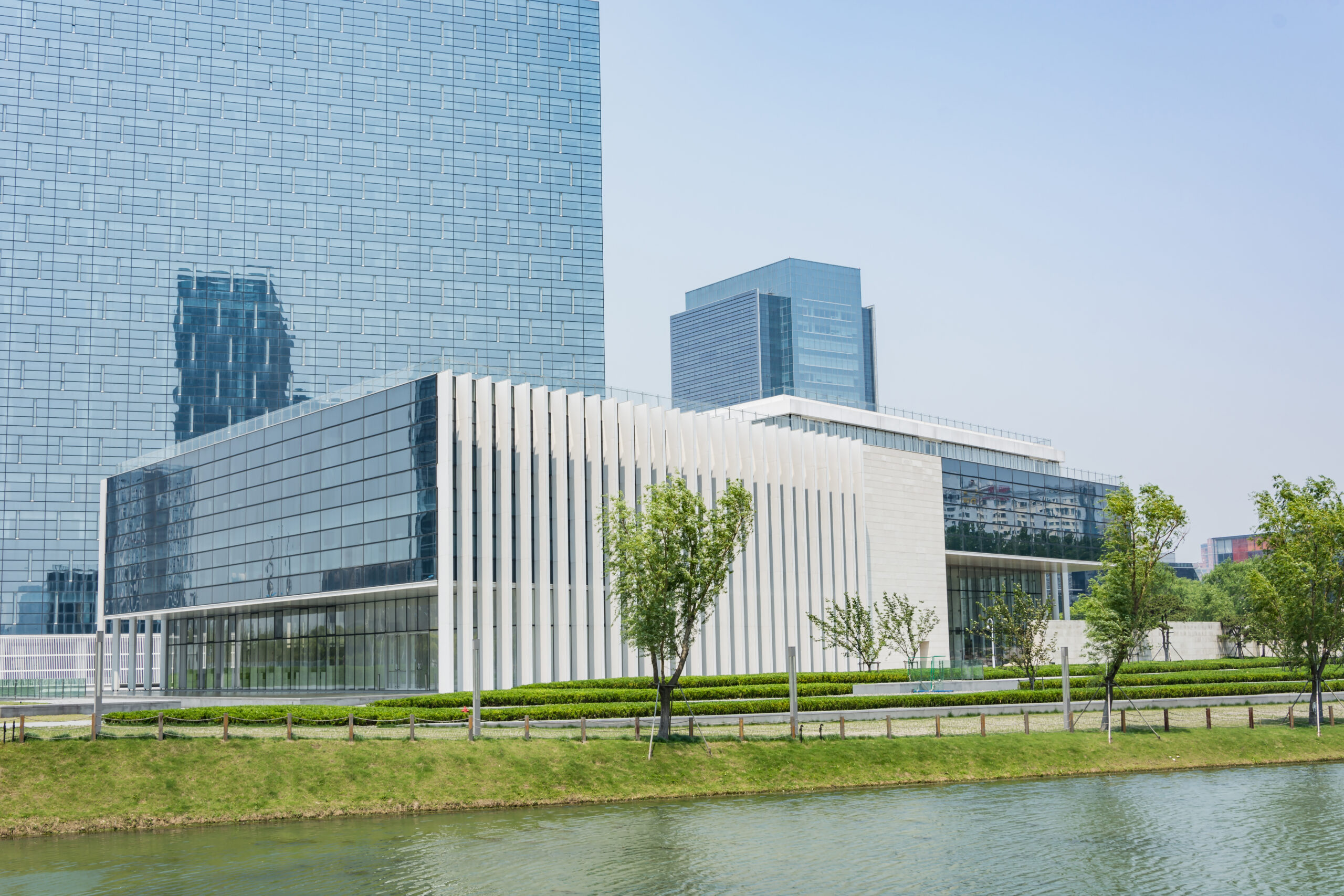
Steel’s tensile strength supports innovative designs and large open spaces without structural risk. From high-rise offices to compact homes, customizable steel buildings provide both robustness and design freedom unmatched by other materials.
Real-World Examples
Customized Metal Homes with Modern Features
Across the globe, residential owners are turning customizable steel buildings into stylish homes. Examples include modern farmhouses with panoramic windows, prefabricated villas with eco-friendly roofs, and hybrid workshops with attached living quarters—all demonstrating steel’s adaptability to diverse lifestyles.
Commercial Metal Buildings with Unique Branding
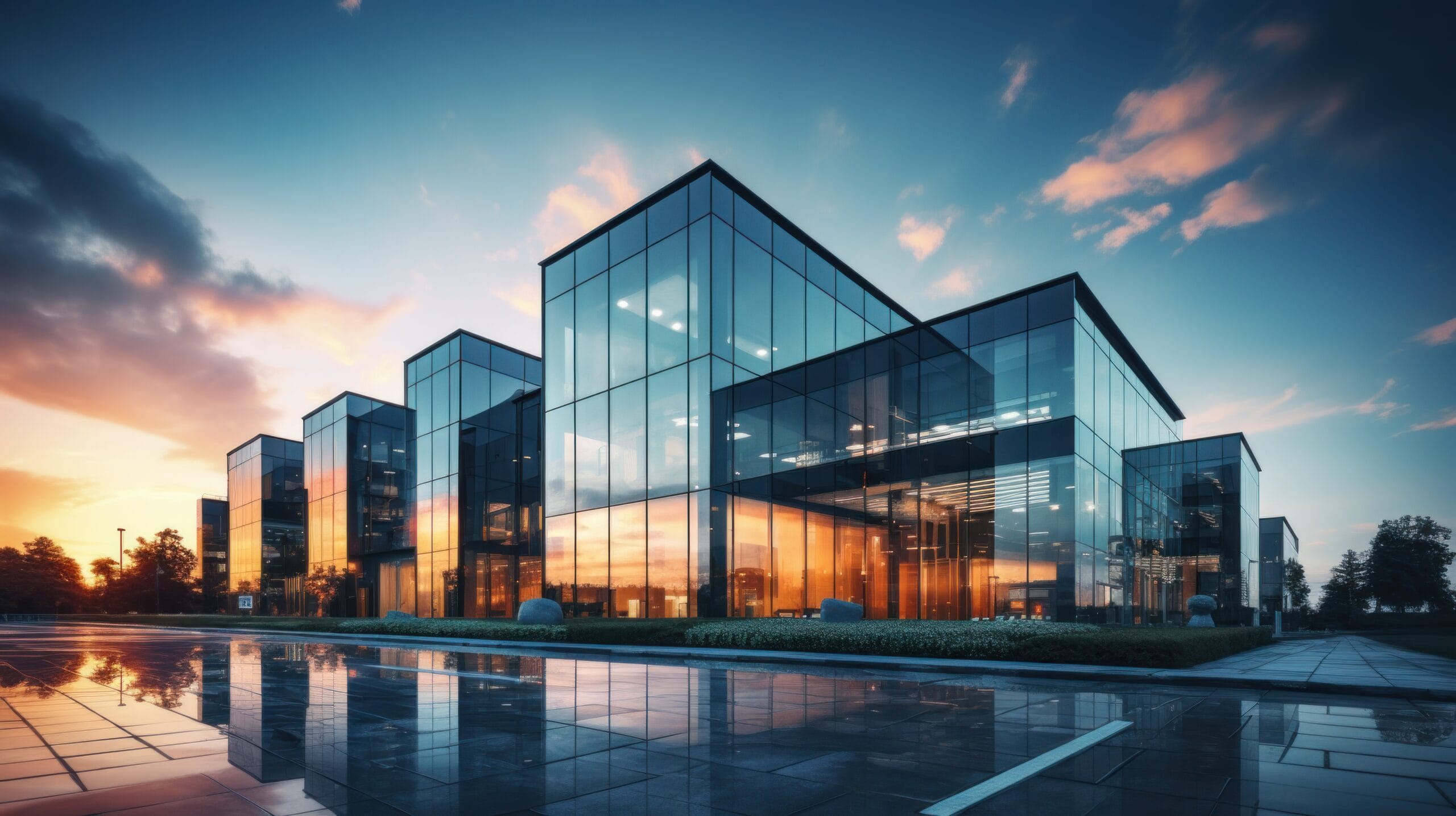
For businesses, customizable steel buildings offer creative branding potential. Automotive showrooms, logistics centers, and retail hubs are incorporating glass façades, custom signage, and color-coded exteriors to reflect corporate identity while maintaining structural efficiency.
Common Mistakes to Avoid During Customization
Overlooking Local Building Codes
Always verify local construction codes before finalizing your design. Some areas have specific rules for wind load, snow load, or seismic resistance. Noncompliance can delay permits and increase costs, even for customizable steel buildings.
Failing to Plan for Future Expansion
Neglecting future needs can limit long-term value. Modular customizable steel buildings allow easy expansion, but it’s important to pre-plan access points, foundation size, and roofline continuity.
Choosing Incompatible Materials or Layouts
Mixing incompatible finishes or poor layout planning can compromise performance. Always consult with experienced engineers to ensure materials and components complement each other in customizable steel buildings.
Conclusion
Metal Building Advantages for Any Use Case
From private homes to large commercial complexes, customizable steel buildings deliver unmatched flexibility, efficiency, and style. They are faster to build, easier to maintain, and designed for expansion—making them a smart investment for any property owner.
Final Thoughts: Smart Design for Maximum Value
Customization transforms functionality into individuality. The ability to tailor every detail ensures that customizable steel buildings meet both operational and aesthetic goals, blending performance with personality.
Getting Started with a Reliable Metal Building Provider
To ensure the success of your project, partner with a trusted steel structure manufacturer. Professional providers offer end-to-end services—from design consultation to fabrication and installation—helping you bring your vision to life efficiently. With expert guidance, your customizable steel buildings can stand as a testament to innovation, strength, and modern design excellence.