The future of metal buildings stands at a critical intersection of technology, materials, and sustainability. Over the past century, metal buildings have gradually expanded from industrial plants and bridges to modern commercial complexes, public facilities, and residential areas. Their flexibility and high strength have played a significant role in urbanization and industrialization.
In the digital and low-carbon era, the future of metal buildings lies not only in a structural form but also in an architectural system that can be deeply integrated with intelligent systems, renewable energy, and the circular economy. This article systematically explores the future of metal buildings, analyzing the driving factors, technological innovations, material advances, sustainable paths, modular production, digital design, and the challenges facing the industry. It aims to provide practitioners and decision-makers with actionable insights and development recommendations.
Why Metal Buildings Hold Enduring Attention
The long-standing interest in the future of metal buildings stems from their unique balance between speed, cost, and sustainability. Compared to traditional concrete systems, metal buildings offer significant advantages in factory production,rapid on-site assembly, and recyclability, meeting the current dual demands for high-efficiency construction and low environmental impact. Global urban expansion is placing unprecedented demands on the speed and quality of building supply, and metal buildings are therefore seen as a key path forward in addressing rapid urbanization and infrastructure renewal. On the supply chain side, metal buildings can also deeply integrate with the manufacturing and logistics industries, creating a more efficient construction ecosystem.
Global Demand and Urban Expansion
Urbanization is driving the demand for large-scale infrastructure and construction, and within this context, metal buildings demonstrate strong market traction. Whether for logistics warehousing, industrial parks, transportation hubs, or public facilities, metal buildings, with their scalability, modularity, and short construction schedules, meet a wide range of pressing construction needs. Particularly in emerging markets, metal buildings offer high production capacity and rapid delivery with low initial investment, helping local governments rapidly expand their industrial and service capabilities. As cities evolve towards higher-density and more flexible spatial combinations, the future of metal buildings also lies in supporting urban renewal, temporary functional replacement, and rapid deployment projects.
Environmental Pressures and Green Buildings
Faced with global carbon neutrality goals and resource constraints, the future of metal buildings must be deeply integrated with green development. Metal materials, especially steel, have high recycling rates and excellent recyclability, giving metal buildings a natural advantage in controlling lifecycle carbon emissions. Furthermore, through optimized structural design, improved thermal insulation, and the integration of renewable energy systems, metal buildings can significantly reduce operational energy consumption. Future metal building projects will increasingly emphasize material traceability, full lifecycle assessments, and coordination with local energy grids—all key dimensions of metal building value.
Cost-Effectiveness and Fast Delivery
The future value of metal buildings is particularly prominent in cost-sensitive and time-sensitive projects. Standardized design and prefabrication enable high-precision factory fabrication, while on-site assembly reduces the impact of climate and construction conditions on project duration, thereby lowering overall costs and time risks. For commercial developers and public investors, the rapid returns and predictability offered by metal buildings make them attractive capital investments. In the future, with the widespread adoption of smart manufacturing technologies and the deepening of supply chain collaboration, the cost structure of metal buildings will continue to improve, providing economical and efficient solutions for a wider range of projects.
Smart Technology Shaping the Future of Metal Buildings
Smart technology is one of the core drivers of the evolution of metal buildings. Integrating the Internet of Things, big data, and artificial intelligence into the design, construction, and maintenance processes of metal buildings can transform them from static structures into self-aware and self-optimizing systems. The future of metal buildings will be shaped by structural health monitoring, dynamic energy consumption management, predictive maintenance, and intelligent indoor environmental adjustments based on occupant behavior. With the help of smart technology, building operators can more efficiently manage lifecycle costs while improving occupant comfort and safety.
IoT Integration in Steel Structures
Embedding sensor networks within the structural system of metal buildings enables real-time monitoring of key indicators such as stress, vibration, temperature, and corrosion. Combined with cloud-based analytics and edge computing, the future of metal buildings can use>Intelligent HVAC and Lighting Systems
Intelligent HVAC and lighting systems are well-suited for metal buildings. Based on sensors and control algorithms, buildings can automatically adjust system operation based on occupancy, outdoor climate, and energy costs, achieving an optimal balance between user experience and energy efficiency. For metal buildings with large spans or high roof trusses, intelligent systems can also significantly reduce energy consumption through zoned control and recycling technologies. The future of metal buildings will focus on more sophisticated energy management, driving proactive energy conservation.
Building Automation and AI Monitoring
Building automation systems, combined with the application of artificial intelligence, are enabling metal buildings to achieve a new level of automation in safety management, fault prediction, and energy optimization. Through video analysis, behavior recognition, and anomaly detection, building management systems can trigger early warnings and automatically execute appropriate response plans before risks occur. This foundation is expected to lead to the development of self-healing maintenance logic for metal buildings, reducing human intervention and shifting maintenance from post-repair to pre-emptive prevention.
Metal Building Material Innovation
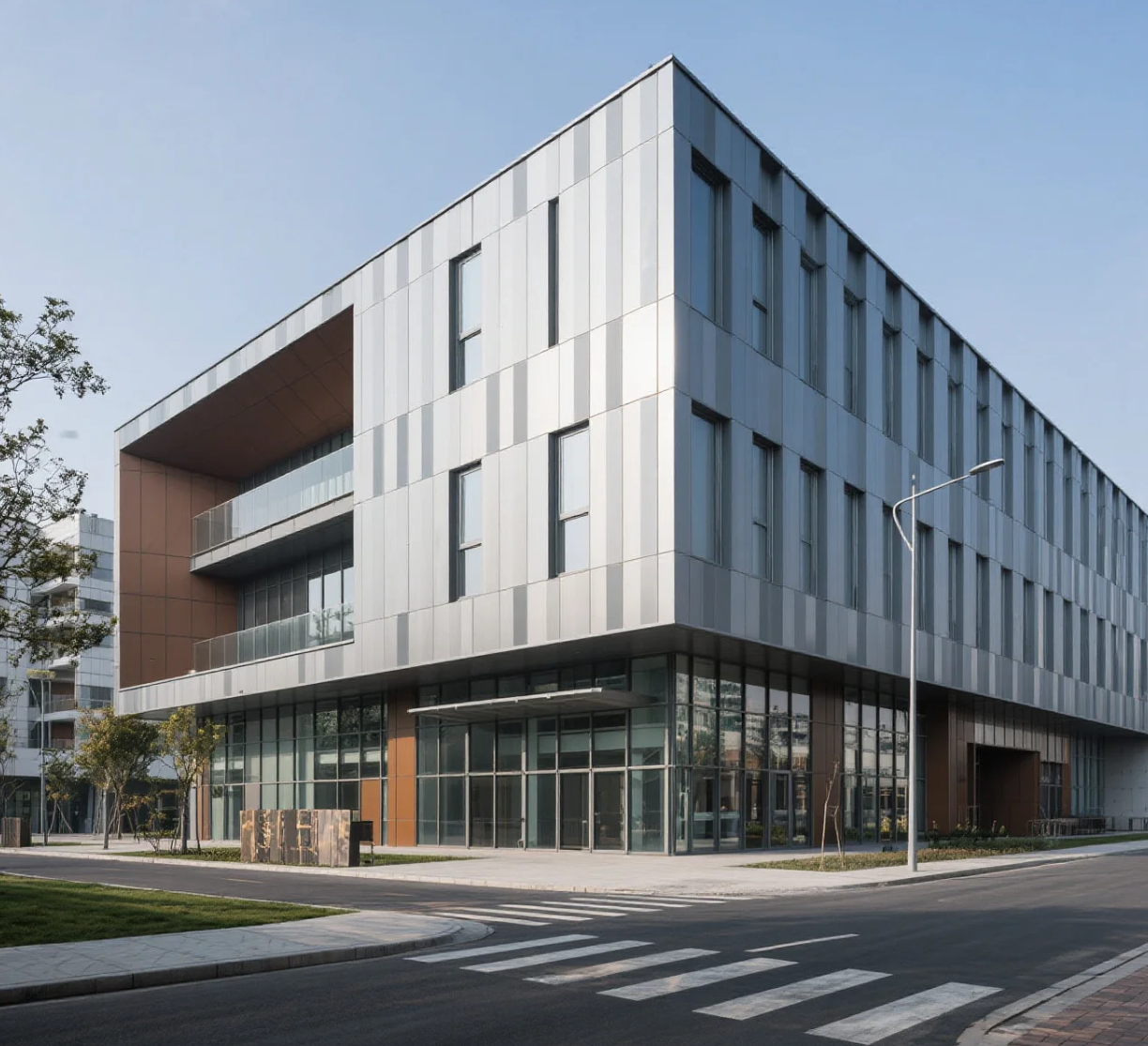
Material innovation is key to the stable development and expanded functionality of metal buildings. New materials not only enhance structural performance but also improve thermal performance, aesthetics, and durability, ensuring the continued competitiveness of metal buildings in the future. From surface treatments to composite materials, from fire and corrosion protection to ultra-lightweight insulation, advances in materials technology will directly determine the applicability of metal buildings in various scenarios.
High-Performance Coated Steel
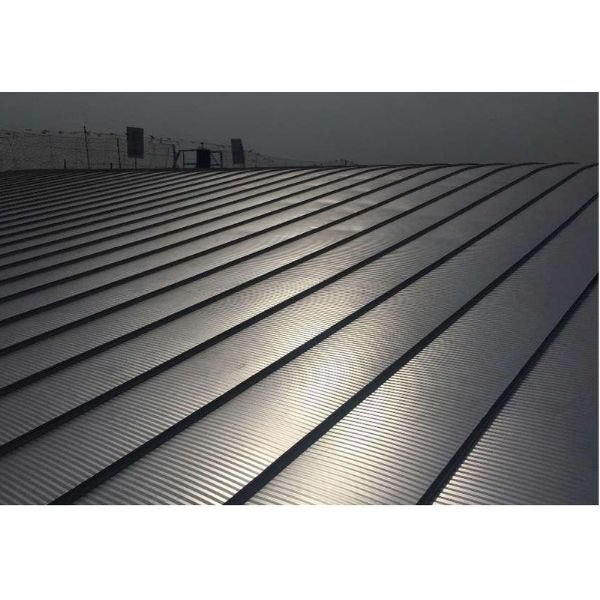
High-performance coated steel offers superior weather resistance and corrosion protection through a multi-layer coating system, making it suitable for coastal, high-humidity, or chemically contaminated industrial environments. This coating also improves appearance consistency and maintenance intervals, making it crucial for projects seeking to reduce long-term O&M costs. The future of metal buildings will rely on high-performance coating technologies to maintain reliability in even more demanding environments.
Fire and Corrosion Resistant Materials
Improving the fire and corrosion resistance of metal buildings is essential for expanding their application in public and residential buildings. A new generation of fire-retardant coatings, corrosion-resistant alloys, and composite protective coating technologies can safeguard structural integrity in extreme environments. With the improvement of relevant regulations and standards, the future of metal buildings will be widely recognized for their higher safety standards.
Lightweight Composite Metal Panels
Lightweight composite metal panels combine a metal outer layer with high-efficiency insulation materials, achieving a balance of strength, thermal insulation, and acoustic insulation, facilitating energy-efficient design for long-span structures. Their manufacturing process is suitable for integration into prefabricated modules, promoting the development of prefabricated buildings. The future of metal buildings will see greater design freedom, driven by lightweight and functional materials.
Sustainability and Environmental Advances
Sustainability has become a key criterion for measuring the value of contemporary architecture, and the future of metal buildings must address this contemporary challenge. Through high recyclability, low-energy operation, and integration with urban energy grids, metal buildings can play a positive role in reducing carbon emissions throughout their lifecycle. Policy guidance, market mechanisms, and technological advancements are jointly driving the development of metal buildings towards a greener future.
Recyclability and Net Zero Goals
The high recycling and reuse rates of metal materials such as steel give metal buildings a unique advantage in achieving the goal of “net zero carbon emissions.” By utilizing low-carbon steel, optimizing smelting processes, and implementing material recycling systems, the future of metal buildings holds the potential to integrate their production and disassembly processes into a closed-loop economy. For governments and businesses, promoting the green transformation of metal buildings is not only an environmental responsibility but also a strategic choice for improving long-term economic benefits.
Solar Panel Integration
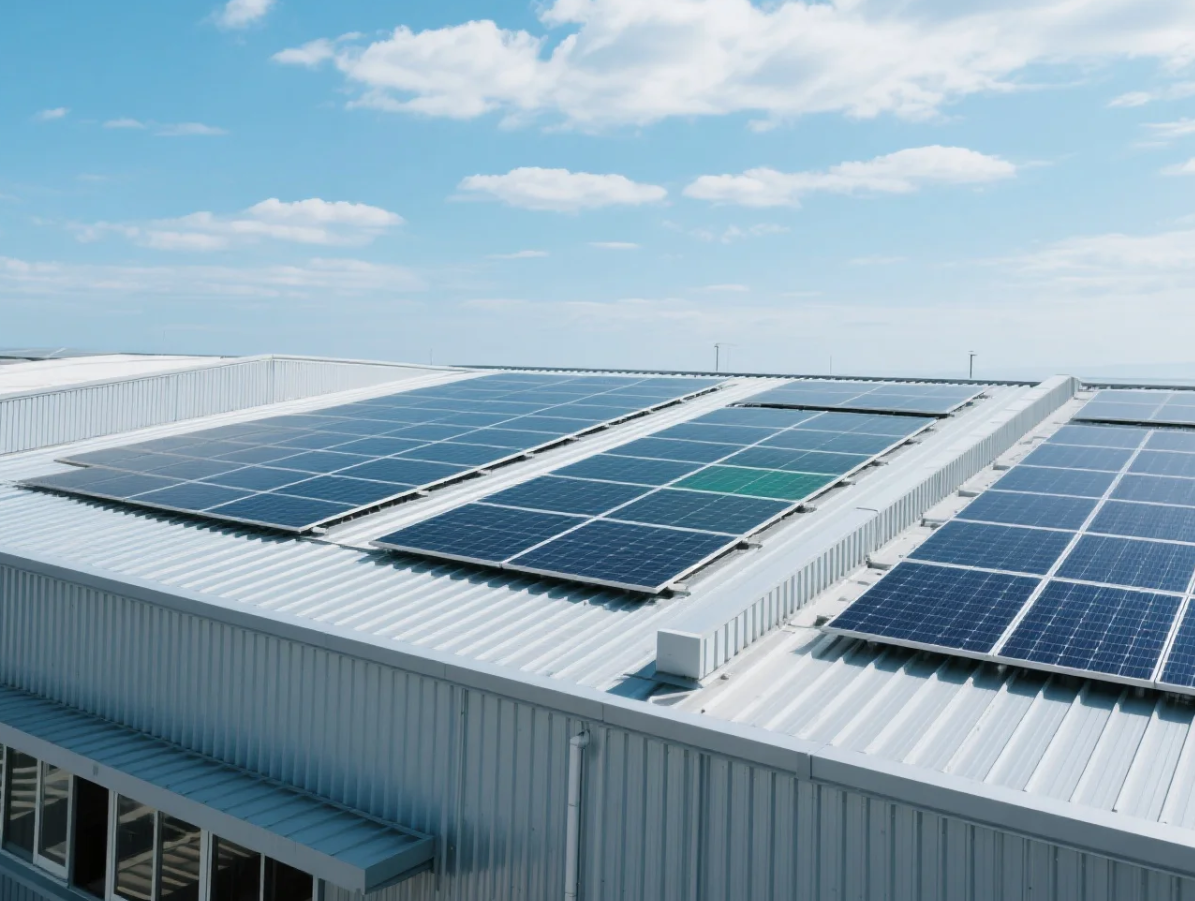
Integrating photovoltaic modules with metal roofs or curtain walls is a key path to achieving energy self-sufficiency in future metal buildings. Integrated photovoltaic designs not only effectively utilize roof space but also improve the building’s thermal load distribution. Combined with energy storage and smart grids, metal buildings can participate in the two-way exchange of urban energy, fulfilling a new role as “buildings as power plants.”
Energy-Efficient Insulation Solutions
High-performance insulation materials, reflective coatings, and double-skin curtain wall technology are key to improving the thermal performance of metal buildings. By combining passive energy-saving design with active energy management, future metal buildings can maintain low operational and maintenance energy consumption in diverse climates, enhancing overall sustainability and occupant comfort.
Prefabricated and Modular Metal Buildings
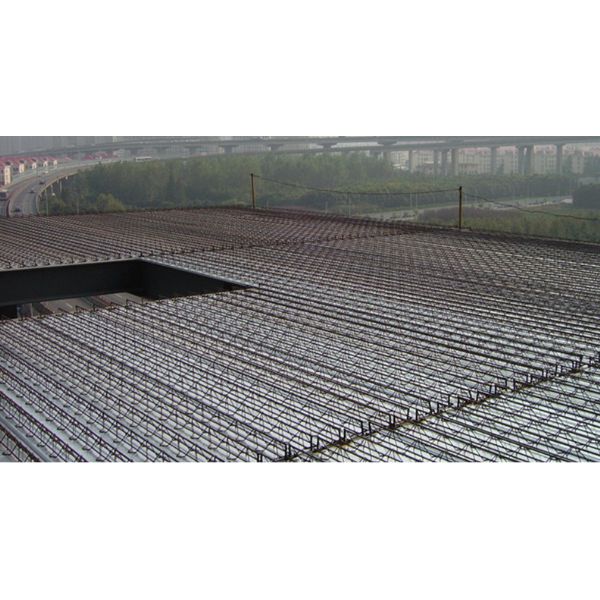
Prefabrication and modularization are key paths to achieving building industrialization, and metal buildings possess inherent manufacturing advantages in this area. Through standardized components, CNC machining, and rapid on-site assembly, projects can significantly shorten construction timelines and improve construction quality. The future of metal buildings will be more reflected in the coordinated optimization of manufacturing and construction.
Factory-Based Panel Systems
Factory-produced metal wall panels, roofing, and joint systems ensure dimensional accuracy and consistency, facilitating transportation and rapid on-site assembly. The use of CNC equipment and robotic welding further improves production efficiency and product quality. The future of metal buildings will be achieved through the deep integration of factory-based and intelligent manufacturing, enabling scalable replication.
Modular Office and Commercial Spaces
Modular design allows for flexible adaptation of building functions, allowing for rapid expansion or contraction based on operational needs. For commercial scenarios requiring rapid iteration and frequent changes, modular metal buildings offer a low-cost, low-risk solution. Metal buildings will play an increasingly important role in meeting the demands of business flexibility.
Reducing Waste and Shortening Construction Time
Prefabricated construction not only reduces on-site construction time, but also reduces material waste and construction noise. Through precise factory support and logistics management, metal building projects can achieve higher resource utilization. The future of metal buildings will gradually extend the “zero waste” concept to the entire construction industry chain.
Customization and Architectural Flexibility
Beyond meeting functional requirements, metal buildings should also respond to aesthetic and personalized needs. Through innovative surface treatments, color applications, and construction, metal buildings can present a diverse urban image. Furthermore, flexible interior plans and adaptable functional zoning allow metal buildings to adapt to evolving future needs.
The Modern Aesthetics of Metal Curtain Walls
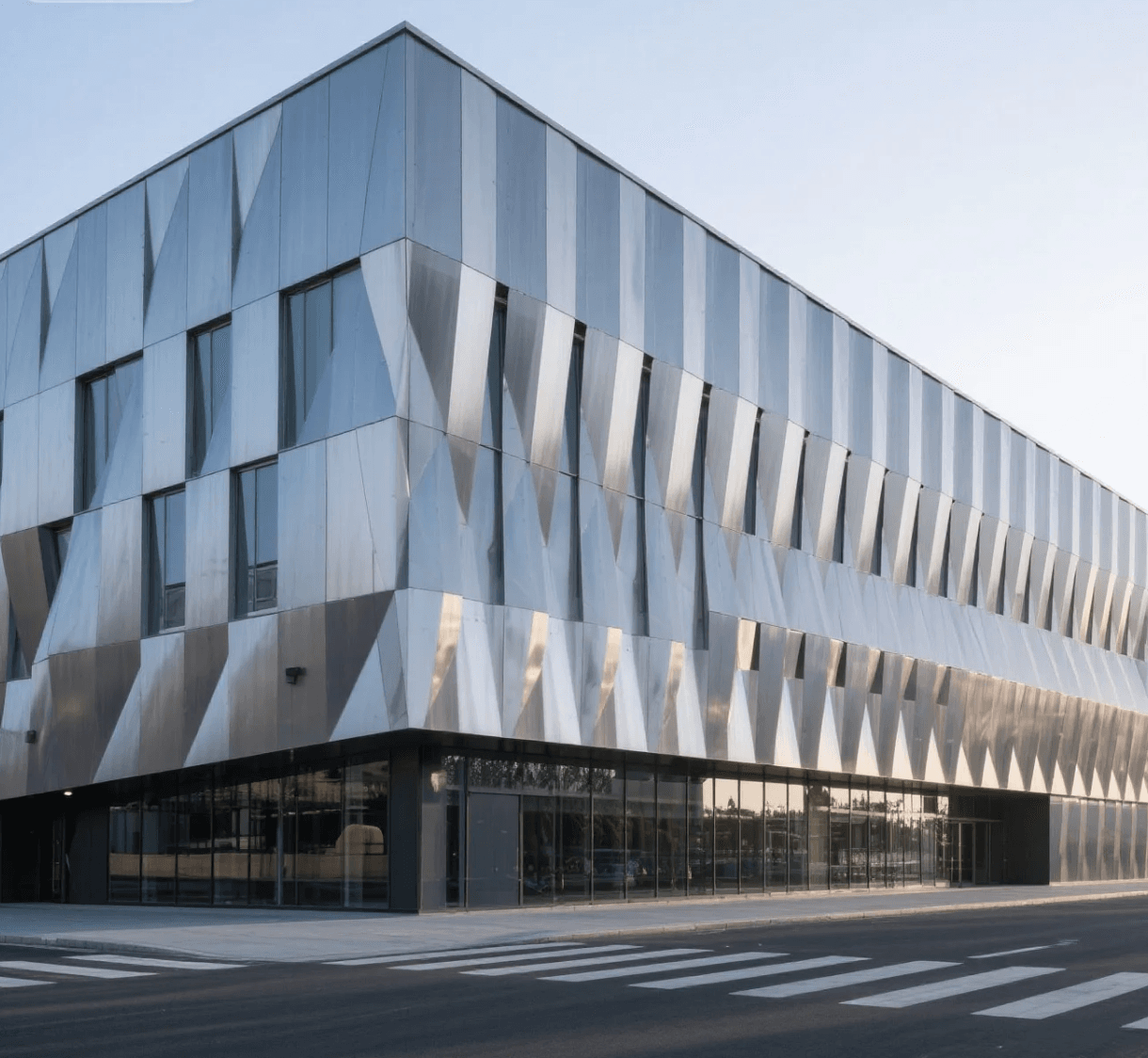
With their plasticity and diverse surface finishes, metal curtain walls have become a key expression of modern architectural facades. By manipulating sunlight angles, material textures, and color combinations, architects can achieve unique visual effects while maintaining structural efficiency. The future of metal buildings will seek a higher degree of integration between aesthetics and engineering.
Adaptability to Multi-Story and Mixed-Use Buildings
Metal frames offer high strength and long spans, giving them a natural advantage in multi-story and mixed-use buildings. The mixed layout of commercial, office, and residential functions places higher demands on structural flexibility and seismic performance. Future metal buildings must meet diverse functional needs while ensuring structural safety and sustainability.
Open Floor Plans and Dynamic Interior Designs
Metal structures support long-span, column-free spaces, expanding possibilities for open-plan offices and warehouse, exhibitions, and public events. Combined with movable partitions, intelligent lighting, and acoustic systems, the building’s interior space can be flexibly adapted to meet user needs. The future of metal architecture will emphasize the multifunctional adaptability of space, creating a higher-value experience for users.
The Application of Digital Tools and BIM in Metal Building Design
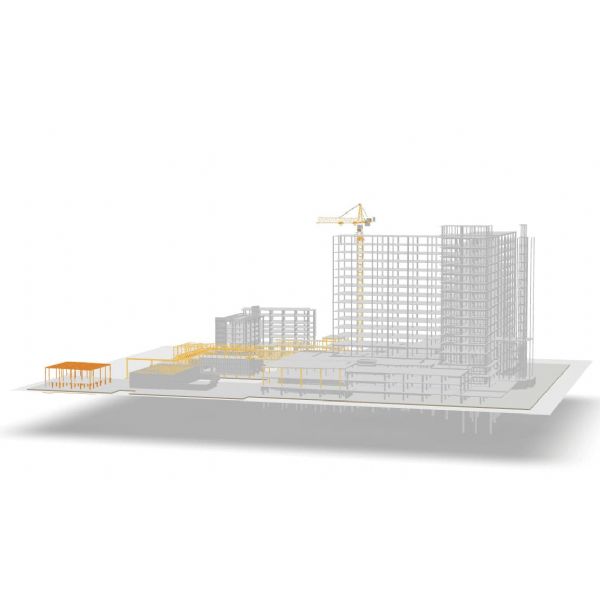
BIM and 3D modeling technology are core tools for collaborative design, manufacturing, and construction. Through a>The Role of Building Information Modeling (BIM)
BIM provides data support throughout the entire lifecycle, from conceptual design to operations and maintenance. For metal buildings, BIM not only optimizes component design and assembly processes but also plays a key role in equipment layout, energy consumption simulation, and maintenance planning. The future of metal buildings will increasingly rely on BIM for refined management and value preservation.
3D Modeling and Virtual Tours
3D modeling and virtual reality technologies allow owners and users to intuitively experience the space before construction, improving decision-making efficiency and reducing change costs. The future of metal buildings will see increased use of virtualization during the design phase for performance simulation and user experience optimization, thereby enhancing overall project quality.
Cloud-based Design Collaboration
Cloud-based collaboration platforms break down geographical constraints and enable real-time collaboration among teams across regions. In complex metal building projects, cloud platforms facilitate data synchronization across design, fabrication, and construction, shortening delivery cycles and increasing transparency. Cloud-based collaboration will become the norm in future metal building project management.
Driving Future Industry Trends
Several industry trends will continue to drive the widespread adoption of metal buildings, including the digital economy’s demand for data centers, the expansion of e-commerce in warehousing and logistics, and the demand for portable buildings in emergency management. The future of metal buildings will demonstrate a high degree of compatibility and application value in these sectors.
Growth of Data Centers and Warehousing
Data centers have a strong demand for high load capacity, excellent heat dissipation, and rapid deployment. Metal buildings, with their scalable structures and heat-optimized roofing systems, are a key option. The logistics and warehousing industries also benefit from the long spans and rapid assembly capabilities of metal buildings. The future of metal buildings will play a central role in supporting digital and logistics infrastructure.
Expansion of Remote/Portable Structures
Portable metal buildings demonstrate the advantages of rapid deployment and high reliability in scenarios such as post-disaster reconstruction, field projects, and temporary medical facilities. Their modularity and reusability make them a crucial component of emergency response systems. The future of metal buildings will play a more active role in enhancing societal resilience.
Applications in Residential and Public Sector Projects
As technology matures and regulations improve, metal buildings are gradually entering the residential and public sector. Their rapid construction and high-quality control capabilities help alleviate housing supply pressures and improve the efficiency of public building delivery. Metal buildings hold great promise for enhancing urban public service capabilities.
Challenges to Overcome
Despite its promising prospects, metal buildings still face several challenges, including global supply chain volatility, a shortage of skilled labor, and inconsistent regulatory standards across regions. Sustainable development in this sector can only be achieved through industrial collaboration, talent development, and policy guidance.
Supply Chain Disruptions
Metal buildings rely heavily on a stable supply of steel and processing equipment. Fluctuations in global raw material prices or logistics systems can impact project costs and schedules. The future of metal buildings requires enhanced resilience through localized supply chains, strategic inventory, and a diversified supplier base.
Skilled Labor Shortage
Despite increasing automation, the fabrication and installation of metal buildings still require a large number of skilled workers, particularly for high-precision welding and on-site installation. The industry should strengthen vocational education and skills training, and promote the integration of industry, academia, and research to cultivate a workforce that meets future needs.
Regulatory and Zoning Restrictions
Building codes and zoning policies vary significantly across countries, potentially limiting the adoption of metal buildings in certain regions. The future of metal buildings requires greater consensus on international standardization, optimized local approval processes, and safety regulations to promote large-scale, cross-regional adoption.
Conclusion
The future of metal buildings is shaped by technological innovation, material advancements, and sustainable development. It can meet the construction needs of rapidly expanding cities while also providing a realistic path to achieving low-carbon goals. Through intelligent integration, prefabrication and modularization, and the use of green materials, metal buildings will further expand their applicability across industrial, commercial, public, and residential sectors. Facing these challenges, the industry needs to invest more in supply chain management, talent development, and regulatory coordination. Looking ahead, the future of metal buildings is not only an extension of engineering practice, but also an architectural concept that integrates technology, humanity, and ecology, worthy of the joint participation and promotion of both businesses and society.