Ordering a steel building is not simply a purchasing decision—it is a technical commitment that affects structural safety, project timelines, installation efficiency, and long-term operational performance. Before any fabrication begins, a complete set of steel building technical documents must be prepared, reviewed, and approved. Skipping this step can result in costly rework, foundation mismatches, fabrication delays, or even structural non-compliance.
In modern industrial and commercial construction, documentation is not paperwork—it is risk control. Whether the project involves warehouses, factories, logistics centers, or heavy industrial facilities, properly prepared steel building technical documents ensure that the manufacturer, engineer, and contractor are aligned before materials are cut and welded.
Introduction – Why Steel Building Technical Documents Matter
Steel buildings are precision-engineered systems. Unlike cast-in-place concrete structures, steel frames are fabricated off-site and delivered to the project location as pre-designed components. Once production begins, changes become expensive and disruptive. That is why every successful project starts with complete and verified steel building technical documents.
Incomplete documentation often leads to:
- Incorrect structural member sizing
- Misaligned anchor bolts and foundation errors
- Cladding installation conflicts
- Unexpected cost increases
- Project schedule overruns
By finalizing technical documentation before placing an order, project owners protect themselves from unnecessary risk and establish a clear technical baseline for fabrication.
What Are Steel Building Technical Documents?
Steel building technical documents refer to the complete set of engineering drawings, calculations, material specifications, and fabrication details required to design, manufacture, and install a steel structure safely and efficiently. These documents serve as the contractual and technical reference point for all stakeholders.
It is important to distinguish between conceptual drawings and fabrication-ready documents. Concept sketches or early architectural layouts may show building dimensions and basic configuration, but they are not sufficient for production. Fabrication-ready documentation must include structural calculations, detailed member sizing, connection specifications, and interface coordination with civil foundations.
Without this level of clarity, misunderstandings can easily arise between designers, contractors, and manufacturers.
General Arrangement (GA) Drawings – The Foundation of the Project
What Are GA Drawings?
GA drawings (General Arrangement drawings) provide the overall layout and geometry of the steel building. They define the structural grid, elevations, building dimensions, roof slope, column spacing, and overall configuration.
In most steel projects, GA drawings act as the primary reference for all downstream detailing and fabrication. They establish the structural framework before individual components are engineered.
Why GA Drawings Must Be Approved Before Ordering
Approving GA drawings is one of the most critical milestones before placing a fabrication order. These drawings confirm that the building configuration matches architectural intent, site requirements, and operational needs.
If GA drawings are not fully reviewed and signed off, the project may encounter:
- Dimensional conflicts with foundation layout
- Incorrect column spacing
- Roof drainage design issues
- Improper crane beam alignment (if applicable)
Once fabrication begins, correcting these errors can significantly increase cost and delay delivery.
Key Information Contained in GA Drawings
Well-prepared GA drawings typically include:
- Building span, length, and clear height
- Structural gridline spacing
- Roof slope and ridge details
- Door and window openings
- Crane system integration (if required)
- Expansion joints and building segmentation
Because GA drawings define the entire structural layout, they are a cornerstone of all steel building technical documents.
Structural Design Calculations
Load Assumptions
Every steel building must be designed to resist specific loads based on its geographic location and intended use. Structural design calculations form an essential part of the steel building technical documents package.
These calculations typically consider:
- Dead load (self-weight of the structure)
- Live load (occupancy or operational loads)
- Wind load (region-specific wind pressure)
- Snow load (if applicable)
- Seismic forces (earthquake considerations)
Load assumptions must comply with local building codes and engineering standards. Designing a structure using incorrect load data can compromise safety and regulatory approval.
Compliance With Local Codes and Standards
Steel structures built in different regions must follow specific codes and design standards. For example, projects in the United States may follow AISC guidelines, while European projects must comply with EN standards.
Therefore, structural calculations included within steel building technical documents must clearly state the design code used. This ensures alignment between the engineering design and regulatory requirements.
Material Specifications and Steel Grades
Steel Material Requirements
Material selection directly affects structural strength, durability, and cost efficiency. Steel grades must be clearly defined within the steel building technical documents, including:
- Steel grade and yield strength
- Plate thickness and section type
- Bolt grade and fastening systems
- Surface preparation requirements
Ambiguity in material specification can result in substitution risks or structural performance discrepancies.
Corrosion Protection and Coating Systems
Environmental exposure plays a significant role in steel building longevity. Projects located in coastal areas, chemical plants, or humid environments may require enhanced corrosion protection.
Technical documentation should specify whether the structure will use:
- Hot-dip galvanization
- Epoxy or polyurethane coating systems
- Multi-layer paint protection
These decisions must be defined before fabrication begins to avoid surface treatment conflicts or additional processing costs.
Connection Details and Fabrication Drawings
Shop Drawings
While GA drawings define the overall geometry of the building, shop drawings move the project into fabrication reality. These detailed documents translate structural design into manufacturable components. Within a complete set of steel building technical documents, shop drawings provide the precise dimensions, bolt locations, weld symbols, plate configurations, and connection layouts required by the factory.
Shop drawings typically include:
- Individual member drawings with exact measurements
- Connection plate details
- Bolt diameter, grade, and quantity
- Welding type, size, and inspection requirements
- Part numbering and marking system
Because steel structures are prefabricated systems, accuracy at this stage determines how smoothly the building can be assembled on site. Even minor dimensional discrepancies may result in installation delays or costly field modifications.
Importance of Reviewing Connection Design
Connection design is one of the most critical engineering elements in any steel building. Connections transfer loads between beams, columns, braces, and foundations. Poorly designed or undocumented connections compromise structural performance.
Therefore, reviewing connection details before placing an order is essential. Properly prepared steel building technical documents ensure that:
- Structural load paths are clearly defined
- Bolt and weld capacities match design loads
- Erection sequencing is considered
- No on-site improvisation is required
Well-engineered connections reduce installation time and improve safety during erection.
Foundation Interface and Anchor Bolt Plans
Anchor Bolt Layout
Steel building fabrication must align precisely with foundation construction. Anchor bolts are cast into concrete before steel erection begins. If anchor bolt positions do not match base plate layouts, significant delays can occur.
For this reason, anchor bolt plans are a mandatory component of steel building technical documents. These drawings define:
- Exact bolt spacing and grid references
- Base plate dimensions
- Embedment depth
- Leveling requirements
Coordination between structural engineers and civil contractors is essential to avoid misalignment.
Coordination With Civil Contractor
Foundation errors are among the most common causes of steel building installation delays. When steel components arrive on site but anchor bolts are incorrectly placed, field corrections may involve costly cutting, drilling, or re-casting.
Complete steel building technical documents provide clear reference information that ensures civil and structural teams work from the same baseline data.
Bill of Materials (BOM) and Quantity Breakdown
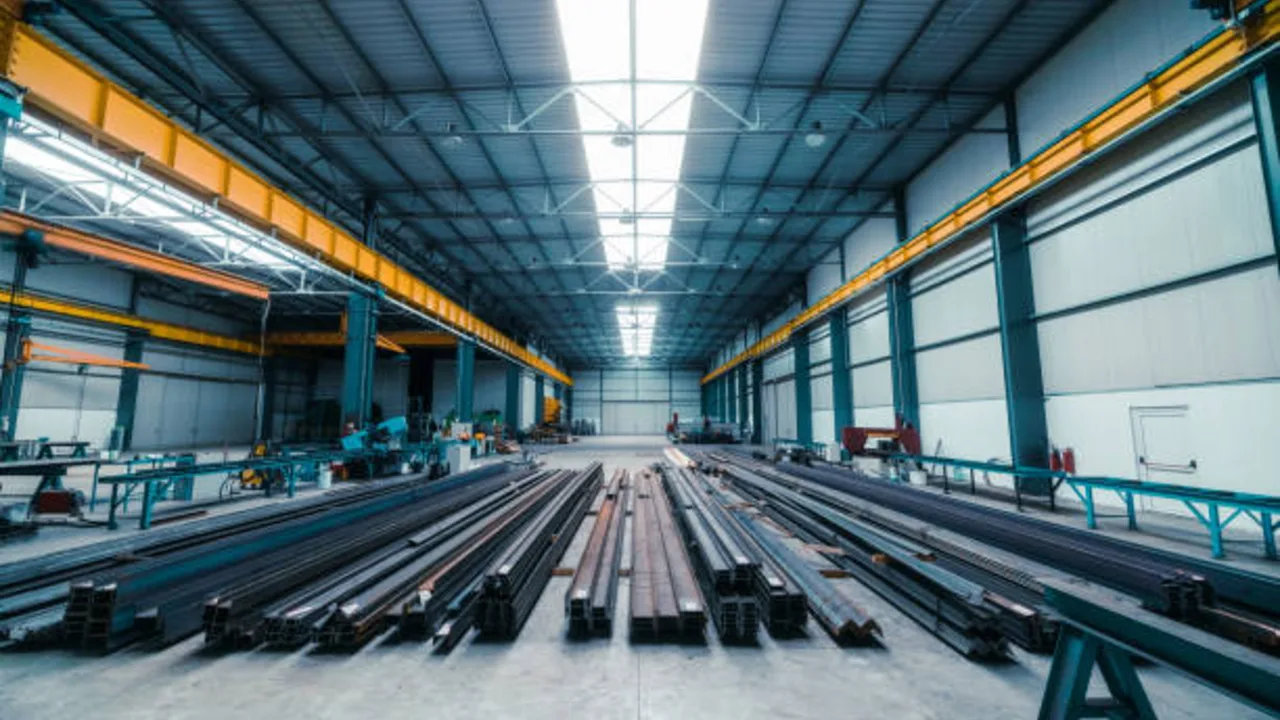
A Bill of Materials (BOM) is more than a pricing tool—it is a technical inventory of the entire steel building system. Within the steel building technical documents, the BOM lists every structural member, plate, bolt, and accessory required for fabrication and assembly.
A comprehensive BOM typically includes:
- Member identification numbers
- Section sizes and lengths
- Total steel weight
- Bolt and fastener quantities
- Secondary structural components
Accurate quantity breakdown ensures cost transparency and prevents disputes during project execution.
Project Specifications and Scope Clarification
Included vs. Excluded Items
One of the most overlooked aspects of ordering steel buildings is scope clarity. Technical documents must clearly define what is included in the supply package and what is excluded.
Typical inclusions may cover:
- Main steel frame
- Secondary members (purlins and girts)
- Connection bolts
- Bracing systems
Excluded items might include:
- Cladding panels
- Insulation systems
- Doors and windows
- Crane systems
Clear scope documentation within steel building technical documents prevents contractual misunderstandings.
Delivery and Packaging Terms
Steel buildings are typically shipped in multiple containers or flat racks. Packaging methods, marking systems, and unloading requirements must be defined before shipment.
Proper documentation should clarify:
- Shipping sequence
- Component marking system
- Installation reference numbering
- Protection measures during transit
These details ensure smooth logistics coordination and efficient on-site erection.
Common Mistakes When Ordering Steel Buildings
Even experienced project owners can make documentation-related mistakes. Some of the most frequent errors include:
- Placing orders without finalized GA drawings
- Ignoring local wind or seismic requirements
- Overlooking connection review
- Failing to coordinate anchor bolt plans
- Assuming conceptual drawings are fabrication-ready
Each of these mistakes can undermine the reliability of steel building technical documents and create unnecessary project risk.
Real Case Study: Thailand Steel Structure Factory Project (860 Tons, 2021)
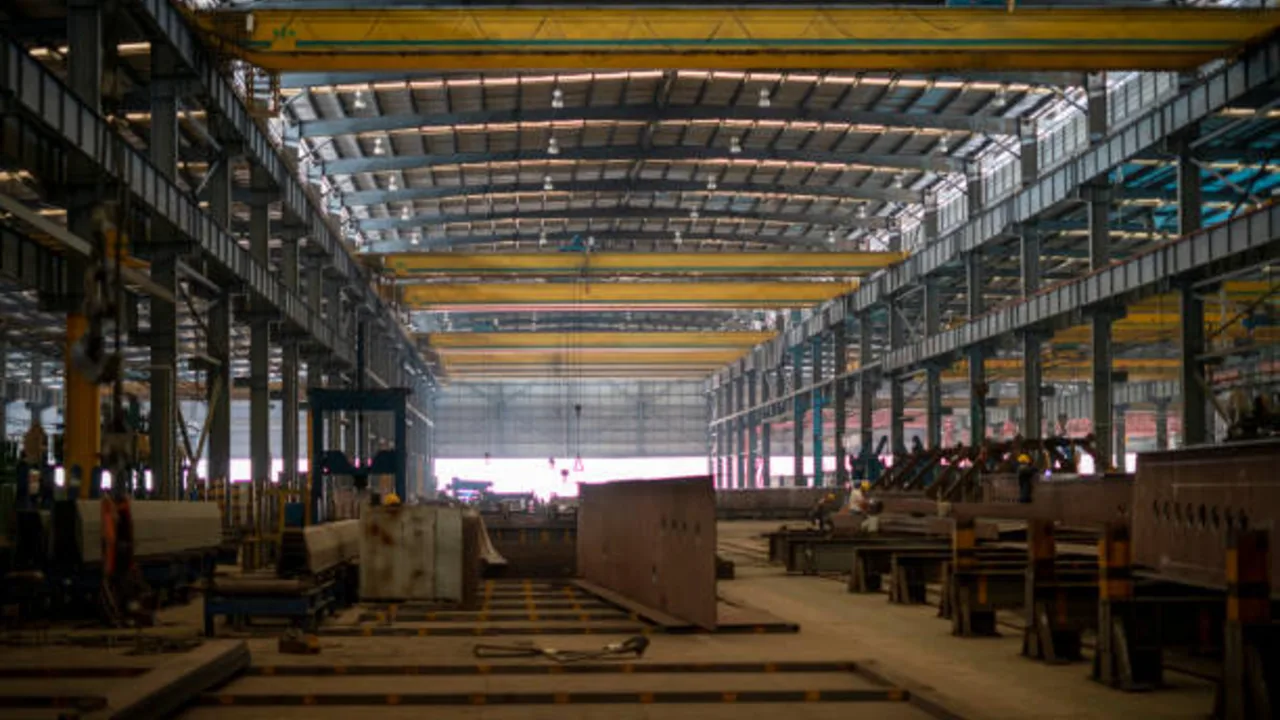
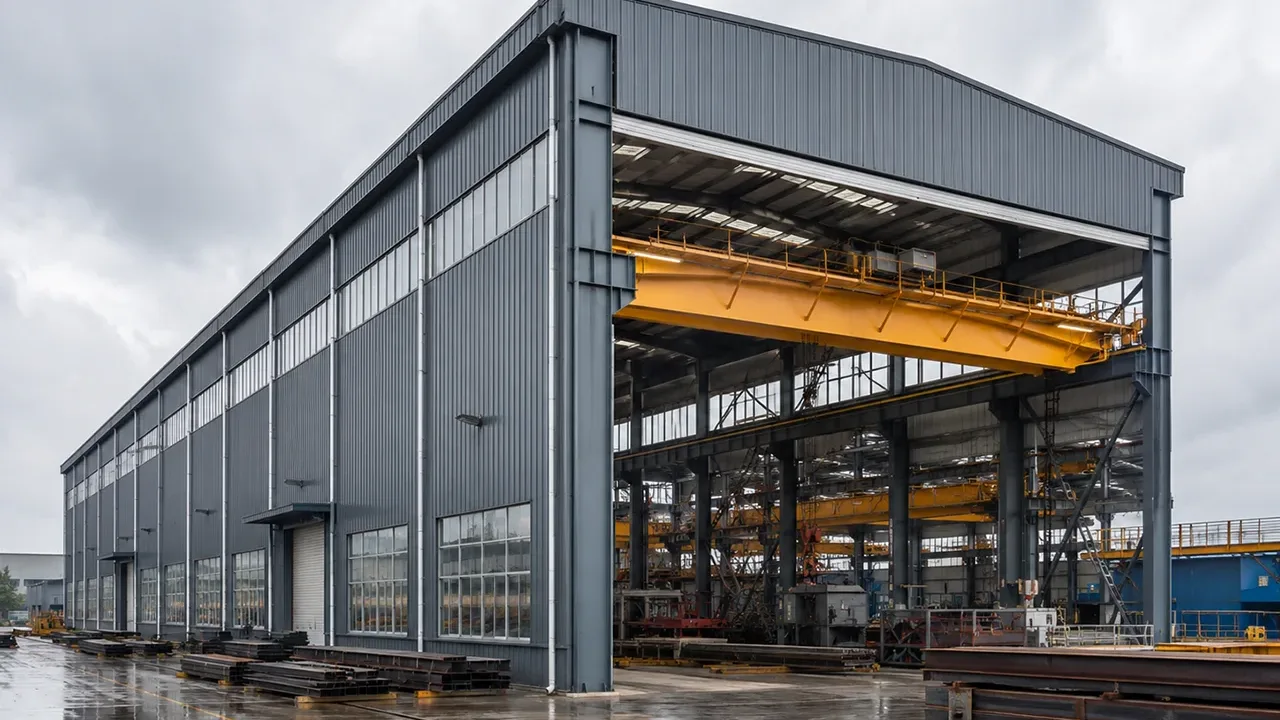
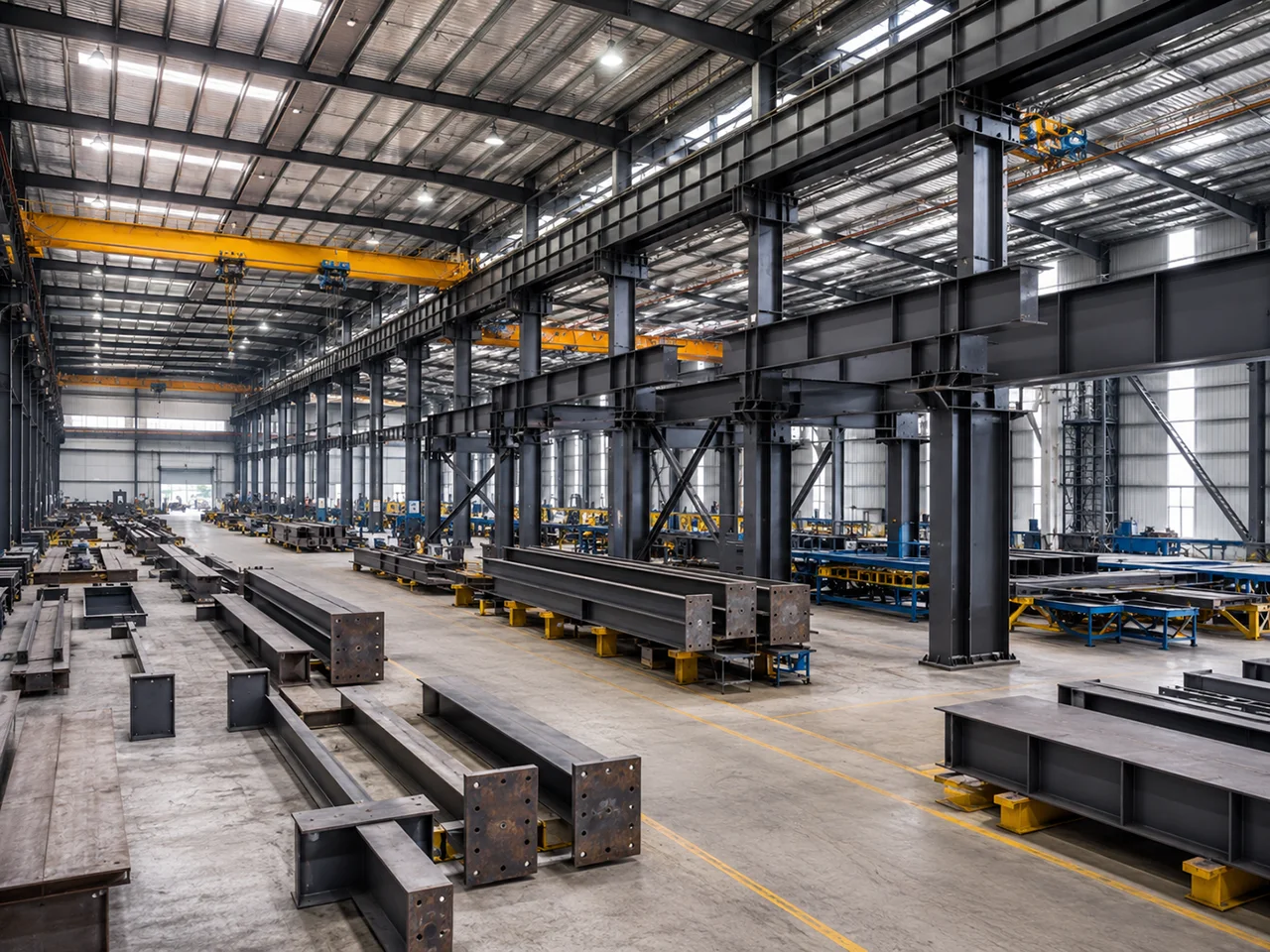
A clear example of how complete steel building technical documents directly influence project success can be found in XTD’s Thailand Steel Structure Factory Project, completed in April 2021. The project involved approximately 860 tons of structural steel and was delivered on schedule through tight coordination between engineering, fabrication, and on-site erection teams — from initial design development to final handover.
Project Overview
The Thailand facility was developed as a modern industrial factory complex, incorporating production workshops, logistics support zones, and auxiliary operational spaces. Before fabrication began, all essential technical documentation was thoroughly finalized and approved. This included General Arrangement (GA) drawings, structural calculations, detailed shop drawings, and anchor bolt layout plans.
By confirming every detail in advance, the project team ensured that fabrication proceeded without ambiguity and that on-site installation aligned precisely with foundation conditions. This proactive documentation process minimized field adjustments and prevented costly rework during erection.
Documentation and Execution Highlights
- Comprehensive GA Drawings established the overall structural layout, ensuring that production areas, crane provisions, and circulation routes were fully aligned with operational requirements.
- Structural Specifications were carefully tailored to meet local load conditions and environmental factors, optimizing performance under Thailand’s climate and operational demands.
- Detailed Shop Drawings enabled high-precision off-site manufacturing, reducing dimensional tolerances and simplifying assembly once materials arrived on site.
- Anchor Bolt and Foundation Coordination ensured seamless integration between steel columns and concrete foundations, eliminating alignment issues during erection.
Upon project completion in April 2021, the client received a complete documentation package, including as-built drawings, material certification records, coating specifications, and maintenance guidance. These documents not only validated construction quality but also provided long-term operational reference for maintenance and potential future expansion.
This real-world case reinforces a simple but critical principle: properly prepared steel building technical documents are not administrative formalities — they are strategic tools that reduce risk, protect timelines, and ensure seamless coordination from engineering design to final installation.
How a Professional Steel Structure Building Company Supports Documentation
Working with an experienced steel structure building company significantly reduces documentation errors. Professional manufacturers provide engineering support before order confirmation, ensuring that all required steel building technical documents are complete and technically sound.
This support may include:
- Preliminary structural review
- Load optimization and value engineering
- Connection detailing assistance
- Foundation interface coordination
- Fabrication feasibility checks
Instead of treating documentation as a formality, a qualified steel structure building company treats it as the backbone of project success.
Conclusion – Documentation First, Fabrication Second
Ordering a steel building without complete and verified steel building technical documents exposes a project to unnecessary risk. From GA drawings and structural calculations to connection details, anchor bolt plans, and material specifications, every document plays a critical role in ensuring structural integrity and construction efficiency.
In modern steel construction, documentation is not optional—it is the foundation of quality control, cost management, and schedule reliability. Before placing a purchase order, project owners should confirm that all technical requirements are clearly defined, reviewed, and approved.
Documentation first. Fabrication second. That sequence protects your investment and ensures your steel building performs as designed.