Overview of Steel Structure Building Solutions
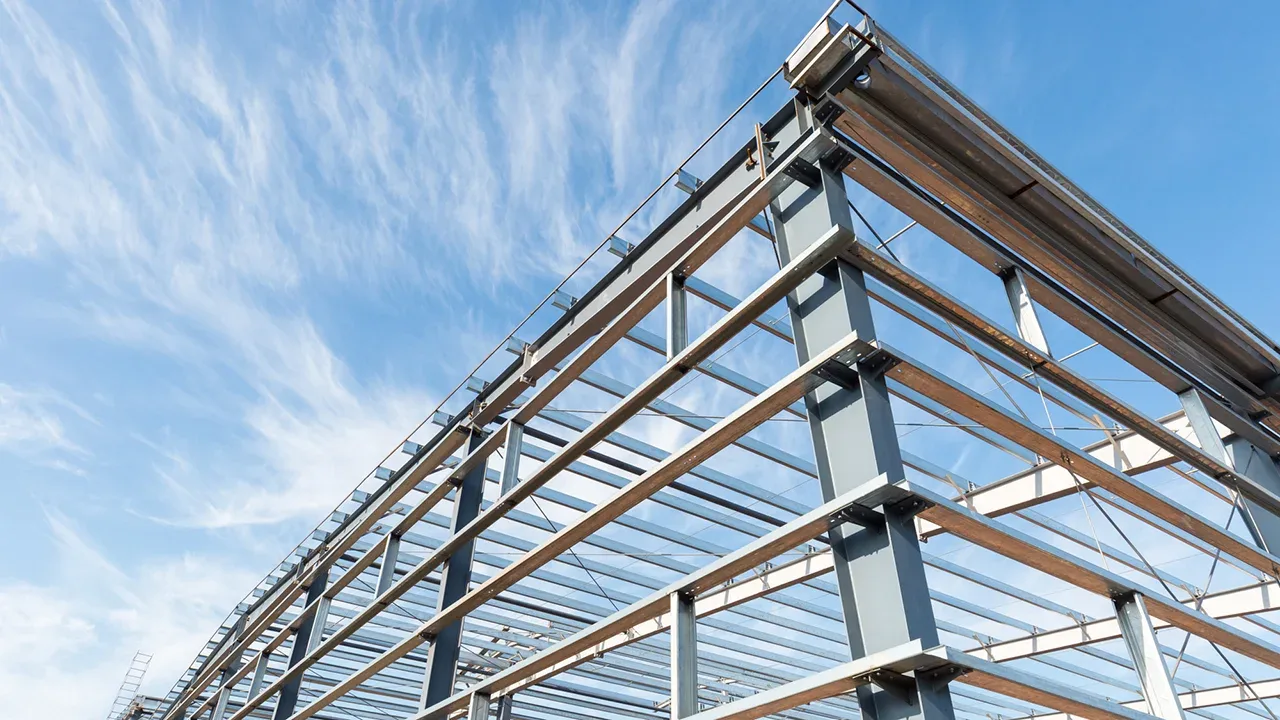
Modern steel buildings are engineered systems designed to provide structural stability while maximizing usable space. Structural steel frames carry the primary loads of the building while allowing flexible interior layouts that can adapt to different operational needs.
In many industrial projects, a steel structure building serves as the core infrastructure supporting manufacturing equipment, logistics operations, or large-scale storage systems. Engineers design these buildings to meet specific operational requirements such as crane loads, heavy machinery installation, and environmental conditions.
Steel construction also enables large column-free spans, which significantly improves interior space efficiency. This advantage is particularly valuable for factories, distribution centers, and transportation facilities where uninterrupted floor areas are essential.
Types of Steel Structure Buildings
Portal Frame Steel Buildings
Portal frame systems are among the most widely used structural solutions for industrial buildings. This structural configuration uses rigid frames composed of steel columns and beams to create long-span spaces with minimal internal supports.
Portal frames are commonly used in:
- Industrial factories
- Logistics warehouses
- Manufacturing workshops
- Agricultural facilities
These systems are popular because they offer an excellent balance between structural efficiency and construction cost.
Space Truss and Long-Span Structures
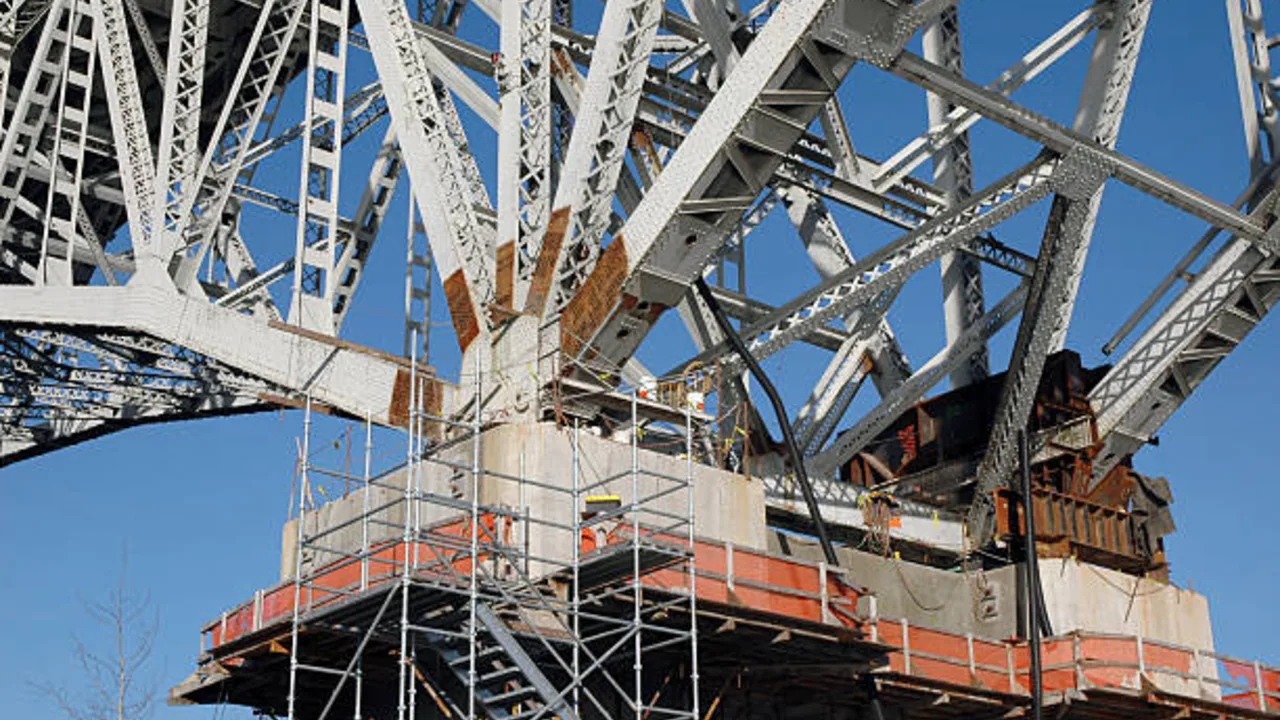
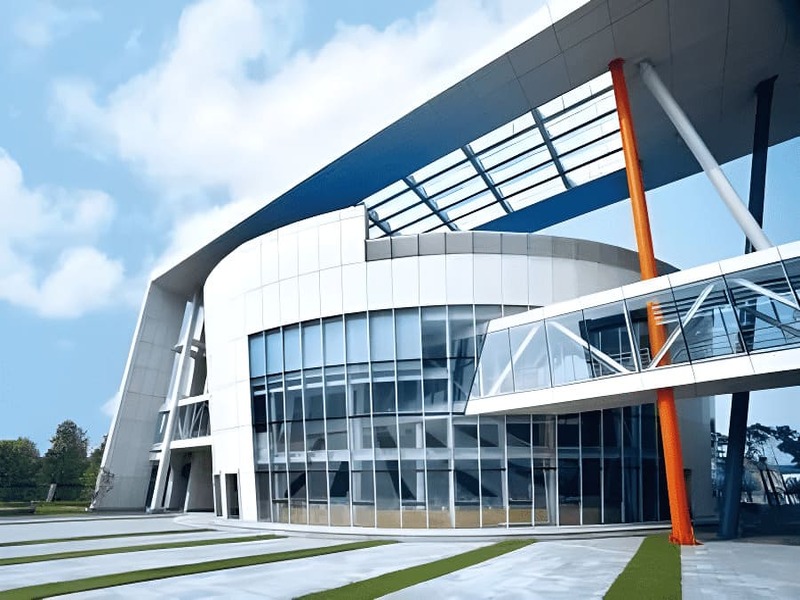
For projects requiring extremely large spans, engineers may adopt space truss or space frame systems. These structures distribute loads through three-dimensional truss networks, allowing roofs to span large distances without intermediate columns.
Such structures are commonly used in stadiums, airport terminals, exhibition halls, and transportation hubs where open interior space is critical.
Multi-Story Steel Buildings
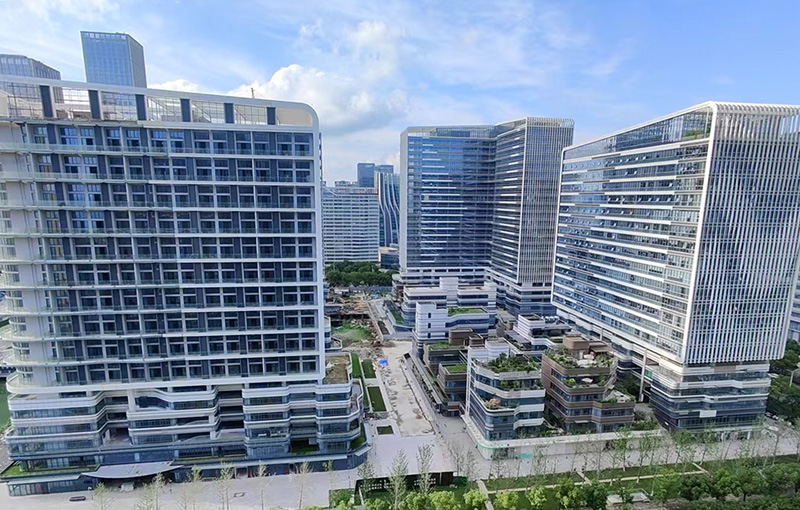
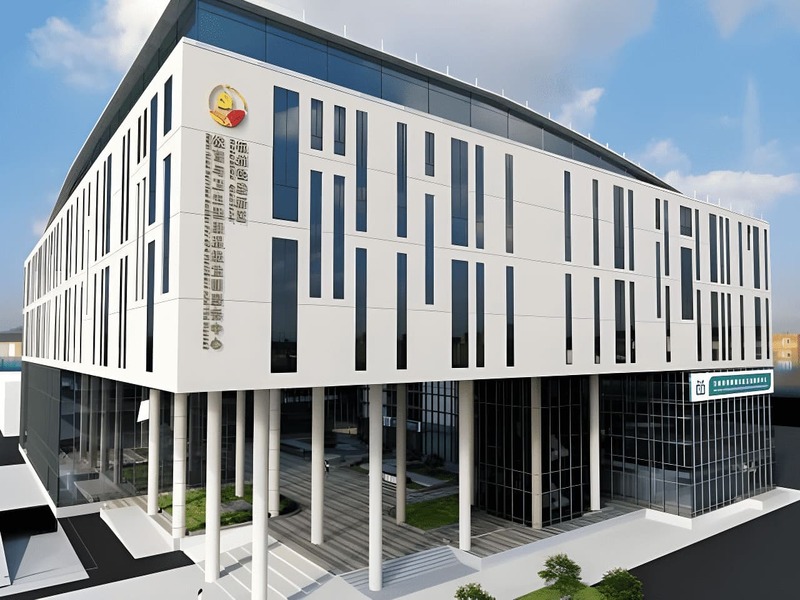
Steel structures can also be applied in multi-story buildings where high load capacity and structural flexibility are required. These systems are often combined with reinforced concrete cores or composite floor systems to achieve both structural stability and architectural efficiency.
Applications of Steel Structure Buildings
Industrial Buildings
Industrial projects represent one of the largest application areas for steel structures. Factories, processing plants, and workshops benefit from the large spans and flexible layouts provided by steel framing systems.
These buildings can accommodate overhead cranes, heavy production equipment, and complex manufacturing lines while maintaining structural safety and operational efficiency.
Logistics and Storage Buildings
Logistics facilities such as distribution centers and large warehouses often rely on steel construction to achieve wide clear spans and high ceilings. A well-designed steel structure building allows logistics operators to optimize storage capacity and streamline material handling processes.
Commercial and Public Buildings
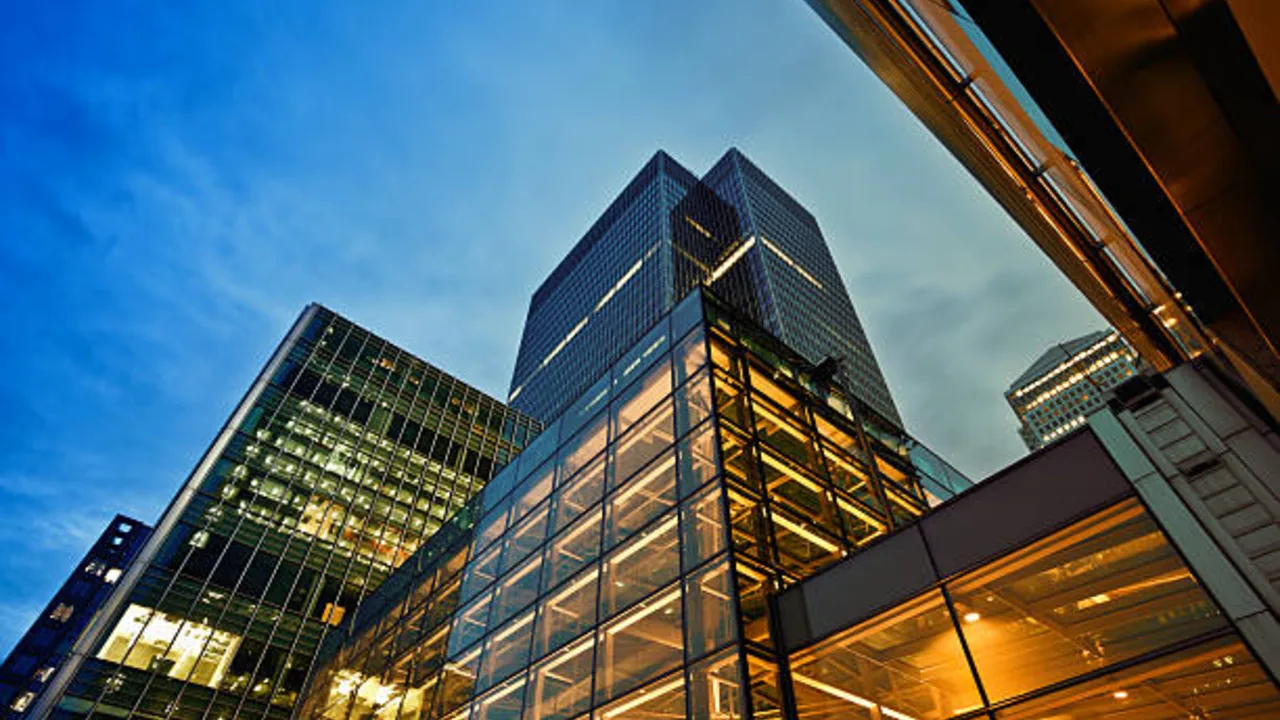
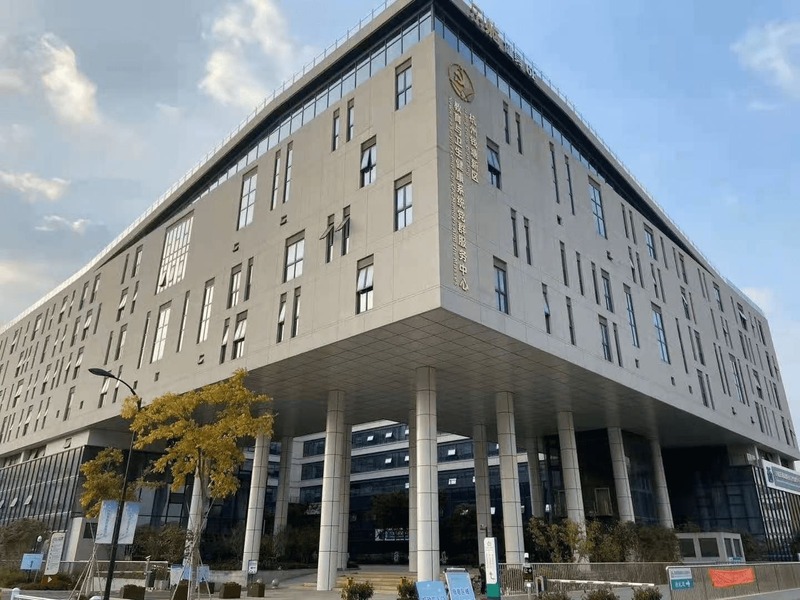
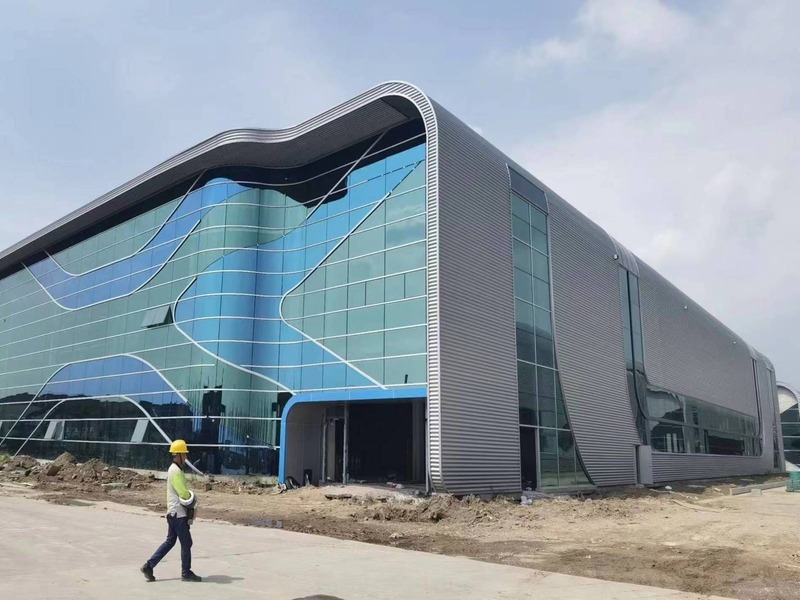
Steel structures are also widely used in commercial projects such as shopping centers, sports facilities, exhibition halls, and transportation terminals. Their ability to support large roofs and complex architectural forms makes them highly versatile for public infrastructure projects.
Structural Design and Engineering Standards
Structural Design Codes
Steel buildings must comply with international structural design standards to ensure safety and long-term durability. Depending on project location and requirements, engineers may follow standards such as:
- AISC structural steel design codes
- European EN standards
- Chinese GB structural specifications
These standards define structural performance requirements for load resistance, material strength, and structural stability.
Structural Load Considerations
The design of a steel building must account for multiple load conditions that affect structural safety. Engineers typically analyze:
- Wind loads
- Seismic loads
- Snow loads
- Operational loads from equipment and cranes
Advanced structural modeling software is used to simulate these conditions and optimize the structural design.
Digital Design and Modeling
Modern steel construction relies heavily on digital engineering tools. Building Information Modeling (BIM) platforms and structural analysis software enable engineers to coordinate architectural design, structural components, and fabrication details before construction begins.
This integrated approach improves design accuracy and reduces the risk of on-site installation conflicts.
Manufacturing and Fabrication Capabilities
Steel Processing and Fabrication
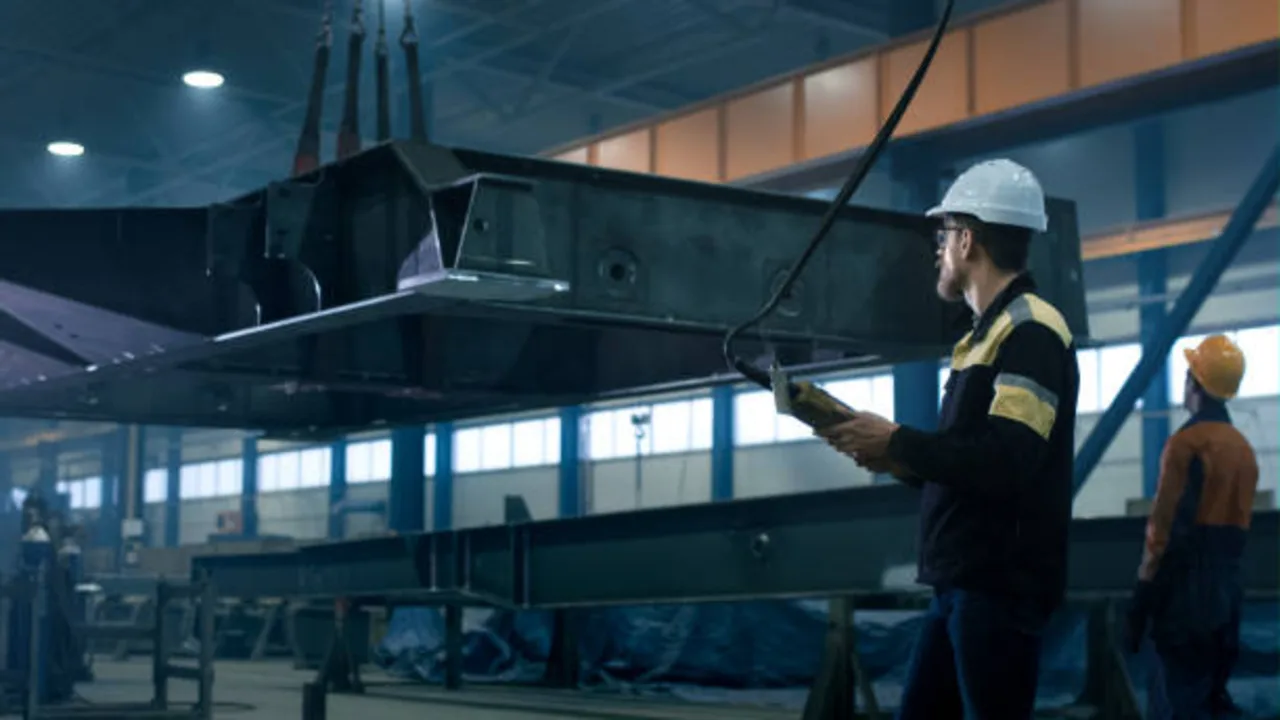
The fabrication of structural steel components typically occurs in specialized manufacturing facilities equipped with advanced machinery. Processes include cutting, welding, drilling, and assembly of structural members.
Factory-based production ensures consistent quality and dimensional accuracy for each component before shipment to the construction site.
Surface Protection and Finishing
To enhance durability and corrosion resistance, steel components often receive protective treatments such as:
- Hot-dip galvanizing
- Industrial anti-corrosion coatings
- Fire-resistant protective systems
These treatments extend the service life of the building and reduce long-term maintenance requirements.
Quality Control and Inspection
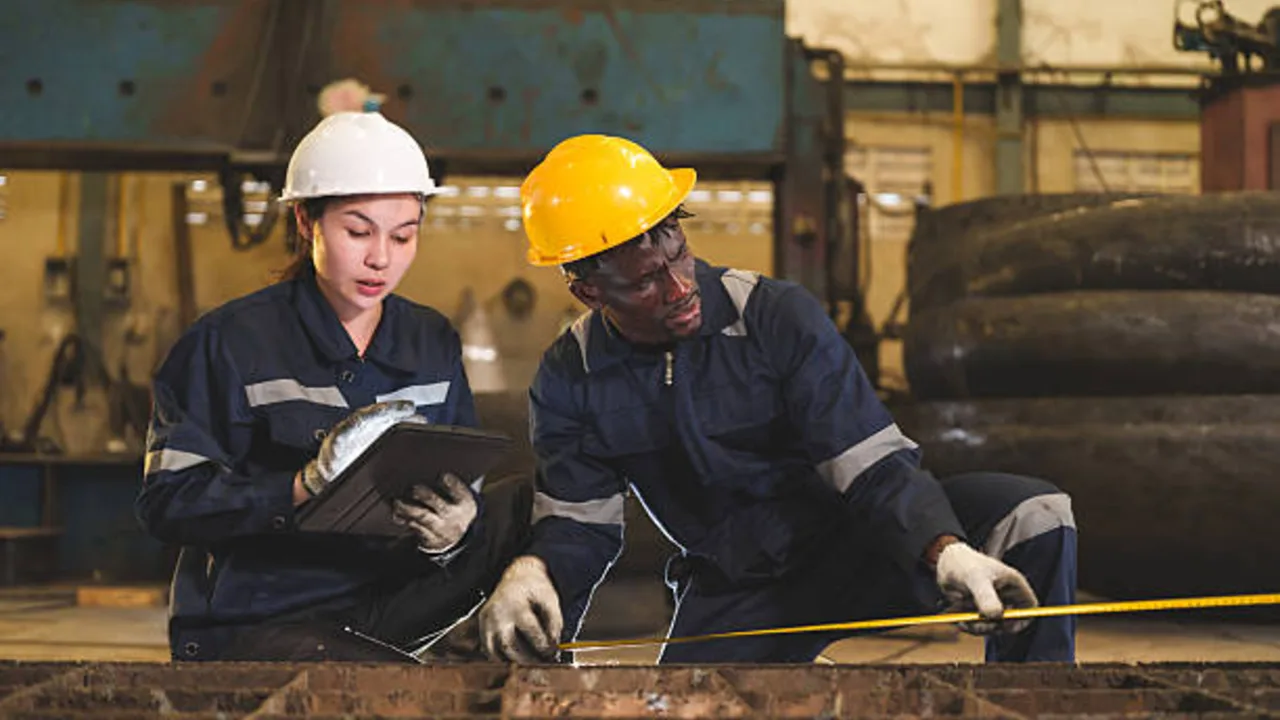
Strict quality control procedures are essential during fabrication. Inspections typically include material verification, weld testing, dimensional checks, and coating inspections to ensure that all components meet engineering specifications.
Construction and Installation Process
Structural Component Fabrication
Most structural components are prefabricated in factories before being transported to the construction site. This approach improves construction efficiency and reduces on-site labor requirements.
Global Logistics and Shipment
After fabrication, structural components are carefully packaged and shipped to project locations. Efficient logistics planning ensures that components arrive in the correct sequence for installation.
On-Site Steel Structure Erection
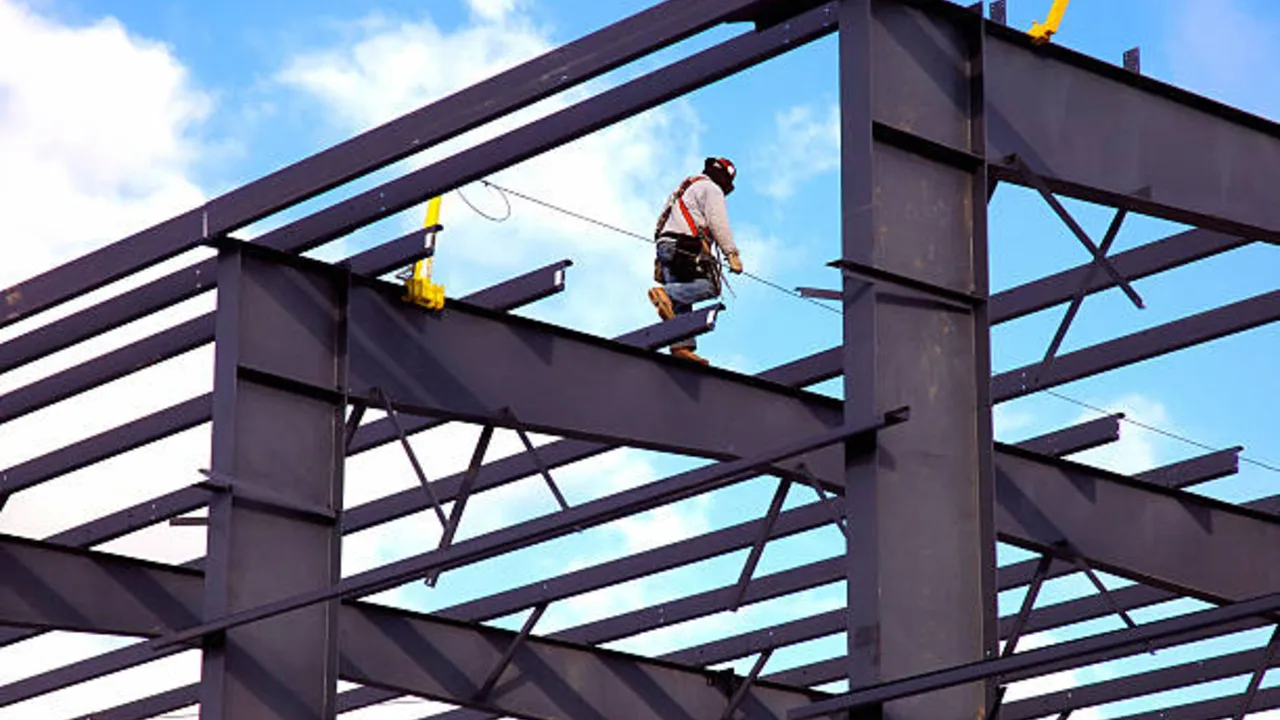
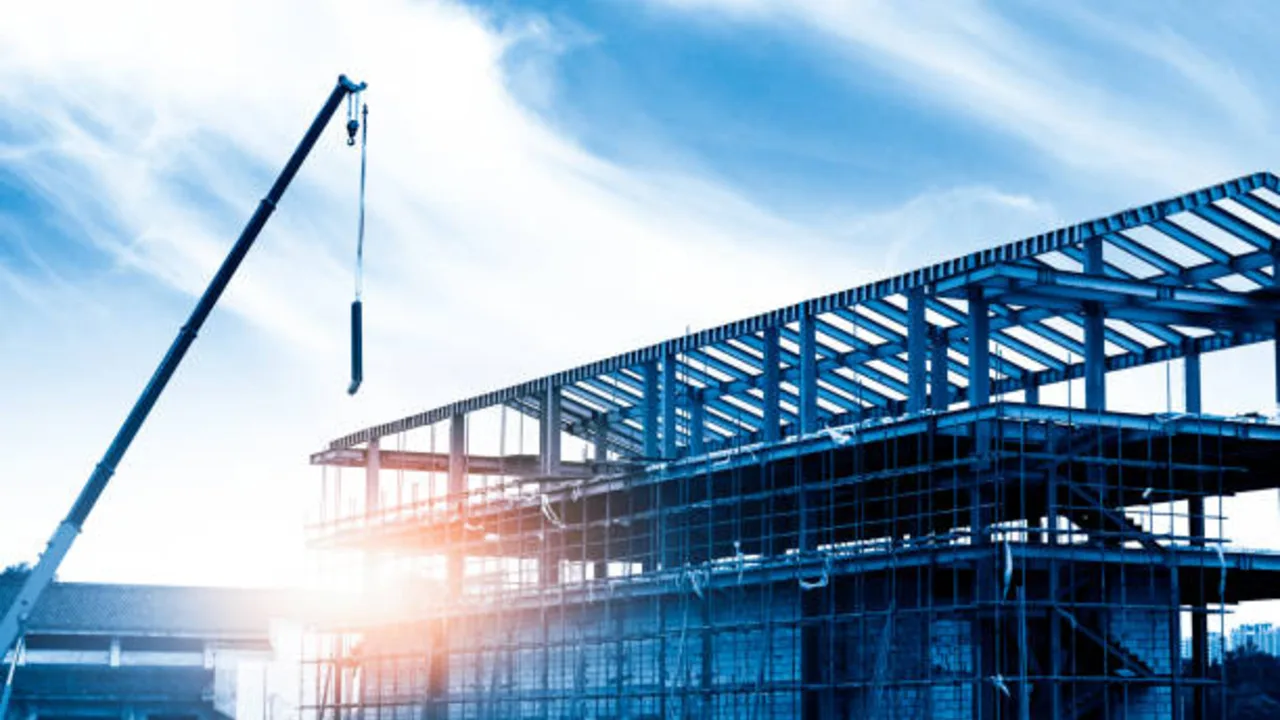
During construction, structural members are assembled and connected using high-strength bolts or welding methods. Accurate alignment and proper installation procedures are essential to ensure the structural integrity of the building.
Advantages of Prefabricated Steel Structure Buildings
Prefabricated construction offers several advantages compared with traditional building methods.
- Faster construction schedules
- Reduced on-site labor requirements
- Improved dimensional accuracy
- Lower overall project costs
- Better quality control
These benefits make prefabricated steel systems an attractive solution for large-scale industrial and commercial projects.
Why Choose a Professional Steel Structure Building Company
Engineering Expertise
Designing a safe and efficient steel building requires experienced structural engineers who understand load analysis, structural behavior, and international design standards.
Manufacturing Capacity
Large-scale manufacturing capability ensures that structural components can be produced efficiently while maintaining strict quality standards.
Global Project Experience
Companies with international project experience are better equipped to manage complex logistics, comply with regional design codes, and deliver projects across different markets.
As a professional provider of steel building solutions, XTD Steel Structure supports global projects with integrated engineering design, manufacturing, and project coordination services.
Frequently Asked Questions About Steel Structure Buildings
What is a steel structure building?
A steel structure building is a construction system where the primary load-bearing framework is made from structural steel components such as beams, columns, and trusses.
How long does steel building construction take?
Because many components are prefabricated in factories, steel buildings typically require shorter construction timelines compared with traditional reinforced concrete structures.
Are steel buildings suitable for large spans?
Yes. Structural steel has excellent strength-to-weight characteristics, allowing engineers to design buildings with large clear spans and minimal internal columns.
What maintenance is required for steel structures?
With proper corrosion protection and periodic inspection, steel buildings require relatively low maintenance and can provide long service lives.
Start Your Steel Structure Building Project
A well-designed steel structure building offers durability, flexibility, and efficient construction for a wide range of industrial and commercial applications. With proper engineering design, high-quality fabrication, and professional project coordination, steel structures can deliver reliable performance for decades.
Whether developing a manufacturing facility, logistics center, or commercial building, working with an experienced steel construction partner ensures that every stage of the project—from design to installation—is executed efficiently and safely.