In industrial construction, time is directly tied to cost. Every delay not only impacts project schedules but also creates cascading effects on labor, equipment utilization, and contractual obligations . In steel projects, where precision and sequencing are critical, even small disruptions can quickly escalate. Understanding steel construction delay causes is therefore essential for maintaining control over both schedule and budget.
Unlike conventional construction, steel structures rely heavily on prefabrication, coordinated logistics, and precise installation sequences. Any breakdown in this system—whether in design, fabrication, or transportation—can halt progress entirely. These steel construction delay causes often emerge from interconnected issues rather than isolated events, making them more difficult to detect and manage.
For companies involved in steel structure construction, early identification of delay risks can significantly improve project outcomes. By recognizing how factors such as rework and logistics disruptions influence timelines, project teams can implement proactive strategies instead of reactive solutions.
Understanding Steel Construction Delay Causes in Industrial Projects
Steel construction delay causes refer to any factor that disrupts the planned schedule of a project. These delays can be categorized into minor delays, which have limited impact, and critical delays, which affect the overall project completion date.
Steel projects are particularly sensitive to delays because of their dependency on sequential workflows. Unlike concrete construction, where some adjustments can be made on-site, steel components are fabricated off-site with high precision. If one stage is delayed, the entire process is affected.
Another important aspect is the relationship between delays and rework. Delays often trigger rework, and rework further extends project timelines. This creates a compounding effect that amplifies both time and cost impacts.
Key Steel Construction Delay Causes Overview
| Project Stage | Primary Delay Cause | Impact on Timeline | Related Risk |
|---|---|---|---|
| Design | Incomplete drawings | Fabrication hold | Rework |
| Procurement | Late material orders | Supply delay | Logistics |
| Fabrication | Production errors | Re-fabrication | Rework |
| Construction | Poor installation planning | Idle time | Productivity loss |
| Logistics | Shipping delays | Site disruption | Logistics |
Design-Related Delay Causes
Incomplete Engineering Drawings
One of the most frequent steel construction delay causes originates from incomplete or unclear engineering drawings. Missing structural details, undefined connections, or incorrect load assumptions can delay the start of fabrication.
When fabrication teams lack sufficient information, they are forced to pause production or request clarifications. These interruptions not only delay manufacturing but also affect downstream activities such as delivery and installation.
In many cases, incomplete drawings lead to rework once errors are identified later in the project lifecycle. This makes early-stage accuracy critical for avoiding schedule disruptions.
Frequent Design Changes
Design changes during execution are another major contributor to delays. While some changes are unavoidable, frequent revisions disrupt workflow continuity.
Each design modification requires updates to drawings, recalculations, and adjustments in fabrication. These changes often trigger a domino effect across procurement, production, and installation.
As a result, design instability becomes a key driver of steel construction delay causes, especially in complex industrial projects.
Poor Coordination Between Disciplines
Steel construction requires seamless coordination between structural, architectural, and MEP systems. When coordination is weak, design clashes become inevitable.
For example, conflicts between steel members and mechanical systems may only be discovered during installation. Resolving these issues on-site requires cutting, welding, or repositioning components—activities that introduce delays and increase rework.
Procurement and Material Supply Delays
Late Material Ordering
Procurement delays are among the most impactful steel construction delay causes. If materials are not ordered on time, fabrication schedules cannot proceed as planned.
Steel projects often operate on tight timelines, and any delay in material availability creates a bottleneck. Late procurement also reduces flexibility in supplier selection, which can further complicate project execution.
Supplier Reliability Issues
The reliability of suppliers plays a critical role in project timelines. Delays in production, inconsistent quality, or communication issues from suppliers can disrupt the entire supply chain.
In cases where materials do not meet specifications, they must be replaced or corrected. This leads to additional rework and extended timelines.
Steel Availability and Market Fluctuation
Global market conditions can affect steel availability, leading to unexpected delays. Shortages or price spikes may force contractors to adjust procurement strategies.
These market-driven disruptions are difficult to control and often become hidden steel construction delay causes in large-scale projects.
Fabrication-Stage Delay Factors
Production Bottlenecks
Fabrication facilities operate with limited capacity. When multiple projects compete for production resources, bottlenecks can occur.
Overloaded factories may struggle to meet deadlines, leading to delays in component delivery. This directly impacts site progress and installation schedules.
Quality Defects in Fabrication
Fabrication errors such as welding defects or dimensional inaccuracies are major contributors to delays. When components fail quality inspections, they must be corrected or re-fabricated.
This introduces additional time and cost, while also affecting downstream activities. In many cases, fabrication defects are one of the most expensive forms of rework.
Lack of Standardization
Highly customized designs reduce fabrication efficiency. Without standardized components, production becomes more complex and time-consuming.
This lack of standardization is a hidden but significant contributor to steel construction delay causes, particularly in projects with unique structural requirements.
Construction-Site Delay Causes
Poor Installation Planning
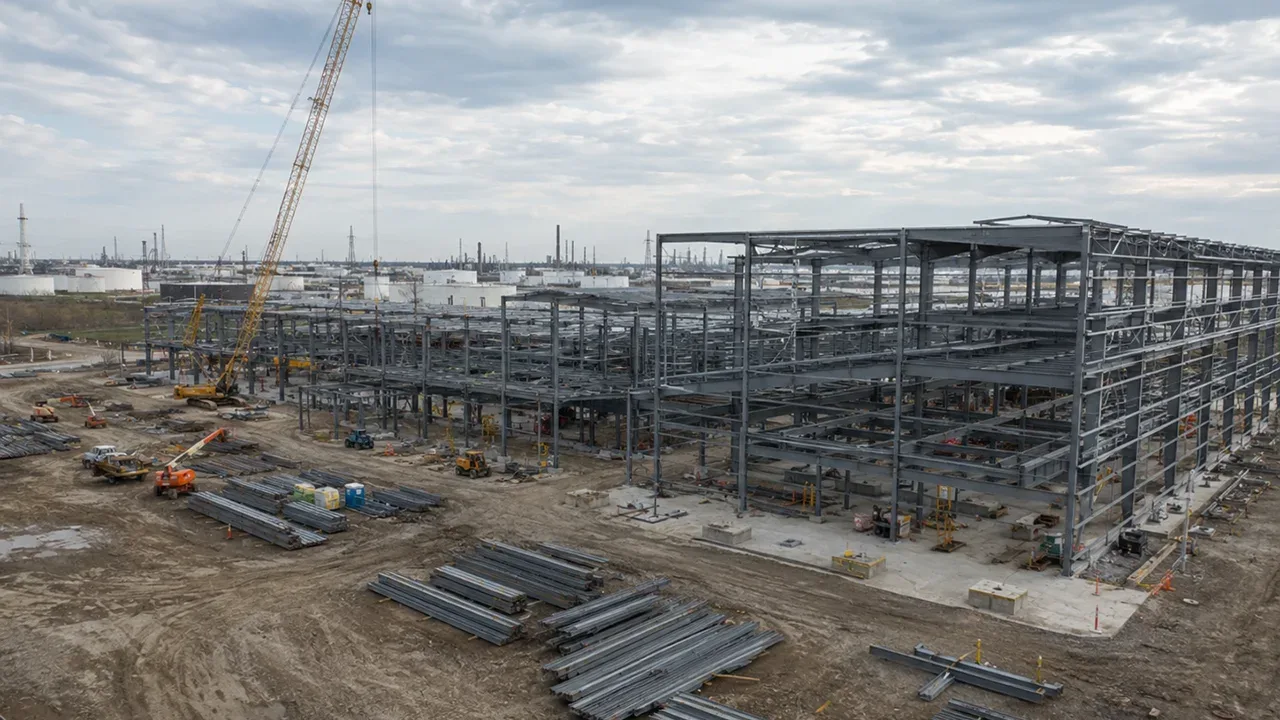
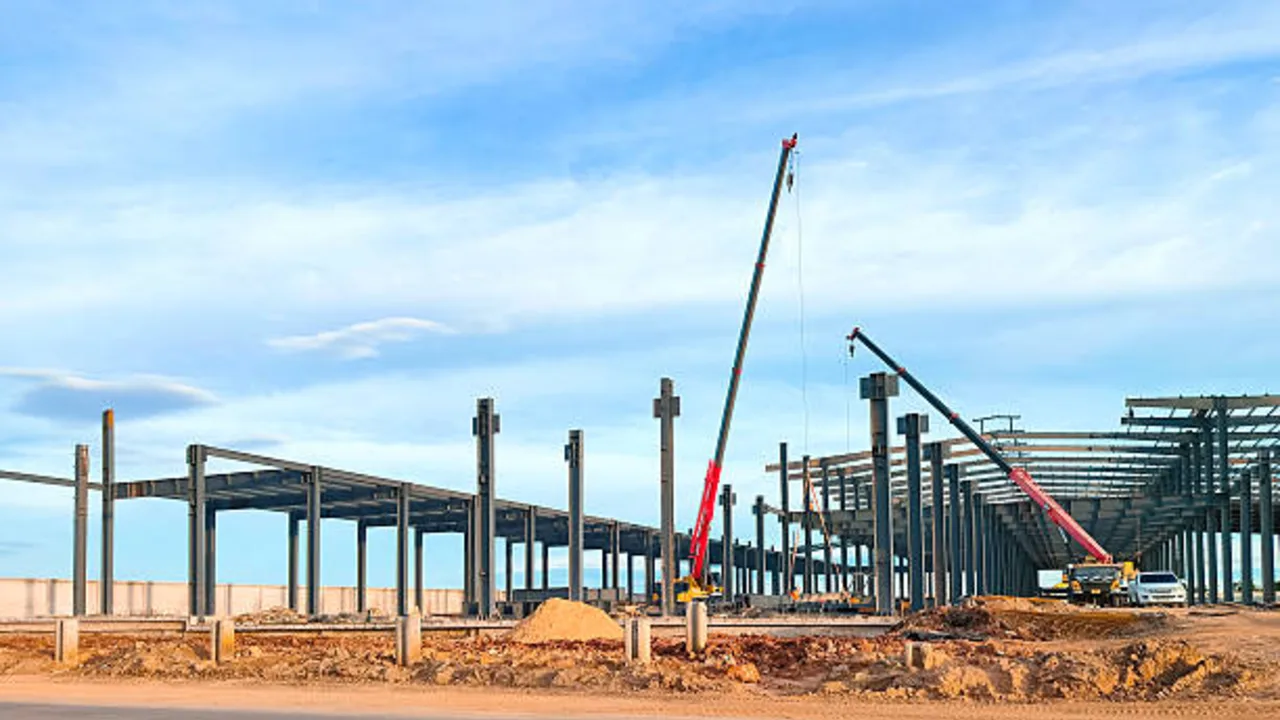
Installation is one of the most time-sensitive phases in steel projects. Without a well-defined erection sequence, site activities can quickly become inefficient. Improper crane allocation, sequencing errors, and lack of coordination between teams often lead to idle time and schedule disruption.
For example, if critical structural members are not installed in the correct order, temporary supports or additional handling may be required. These inefficiencies are common steel construction delay causes that directly impact project timelines.
Site Condition Constraints
Unexpected site conditions are another major contributor to delays. Poor soil conditions, uneven terrain, or unforeseen underground obstacles can disrupt foundation work and delay subsequent activities.
Weather is also a critical factor. Heavy rain, strong winds, or extreme temperatures can halt installation, especially for high-rise or long-span steel structures. These factors often introduce unavoidable delays and increase logistics complexity on-site.
Labor Shortage or Skill Gap
Steel construction requires skilled labor for installation, welding, and alignment. A shortage of experienced workers or inadequate supervision can reduce productivity and increase error rates.
This often leads to rework, which further delays the schedule and increases costs. In large-scale projects, even small inefficiencies in labor performance can accumulate into significant delays.
Logistics and Transportation Delays
Inefficient Delivery Scheduling
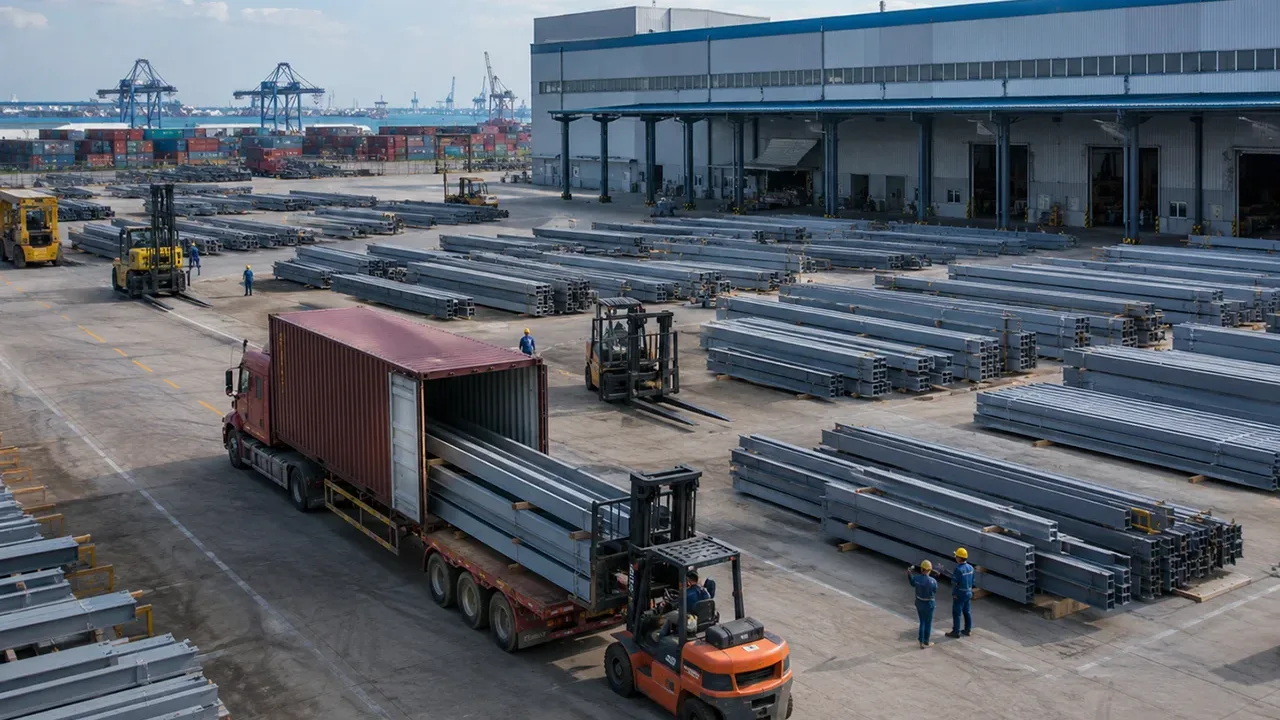
Steel components must arrive on-site in the correct sequence to match the installation plan. Poor delivery scheduling can result in missing critical components or early delivery of non-essential parts.
This mismatch disrupts workflow and creates idle time, making it one of the most overlooked steel construction delay causes.
Damage During Transportation
Improper handling or packaging during transportation can lead to damaged components. These parts must be repaired or replaced before installation, causing delays.
Transportation damage often triggers additional rework, extending both fabrication and construction timelines.
International Shipping and Customs Issues
In global projects, shipping delays due to customs clearance, port congestion, or documentation errors can significantly affect schedules.
These logistics-related issues are difficult to predict and often become critical delay drivers in international steel construction projects.
Project Management Failures
Weak Scheduling System
A lack of structured scheduling is a fundamental cause of delays. Without clear tracking of critical path activities, project teams cannot identify risks early.
This leads to reactive decision-making rather than proactive planning, allowing small delays to escalate into major disruptions.
Poor Communication
Effective communication between stakeholders is essential for project success. Misalignment between owners, contractors, and suppliers can result in delayed decisions and execution errors.
Communication gaps often lead to duplicated efforts, incorrect execution, and increased rework.
Change Order Mismanagement
Uncontrolled change orders are a major source of delays. Each change requires adjustments in design, procurement, and construction.
Without a clear approval process, these changes accumulate and significantly extend project timelines.
Delay Impact vs Root Cause Relationship
| Root Cause | Immediate Impact | Secondary Effect | Long-Term Consequence |
|---|---|---|---|
| Design errors | Drawing revision | Rework | Schedule extension |
| Material delay | Fabrication hold | Idle labor | Cost escalation |
| Fabrication defect | Re-fabrication | Delivery delay | Installation delay |
| Logistics disruption | Missing components | Site idle time | Timeline shift |
| Poor management | Coordination failure | Rework | Project overrun |
How to Reduce Steel Construction Delay Causes
Integrated Project Planning
Aligning design, procurement, and construction planning from the beginning ensures better coordination and fewer disruptions. Integrated planning reduces uncertainty and improves workflow efficiency.
Standardized Steel Systems
Standardization simplifies fabrication and installation processes. It reduces errors, shortens production time, and minimizes rework.
Reliable Supply Chain Management
Working with experienced and reliable suppliers ensures consistent quality and timely delivery. A strong supply chain reduces logistics-related risks.
Digital Project Monitoring
Using digital tools such as BIM and real-time tracking systems allows project teams to monitor progress and identify delays early.
Contingency Scheduling
Adding buffer time to critical activities helps absorb unexpected disruptions without affecting the overall project timeline.
Real Project Insight: Paraguay Steel Warehouse Case
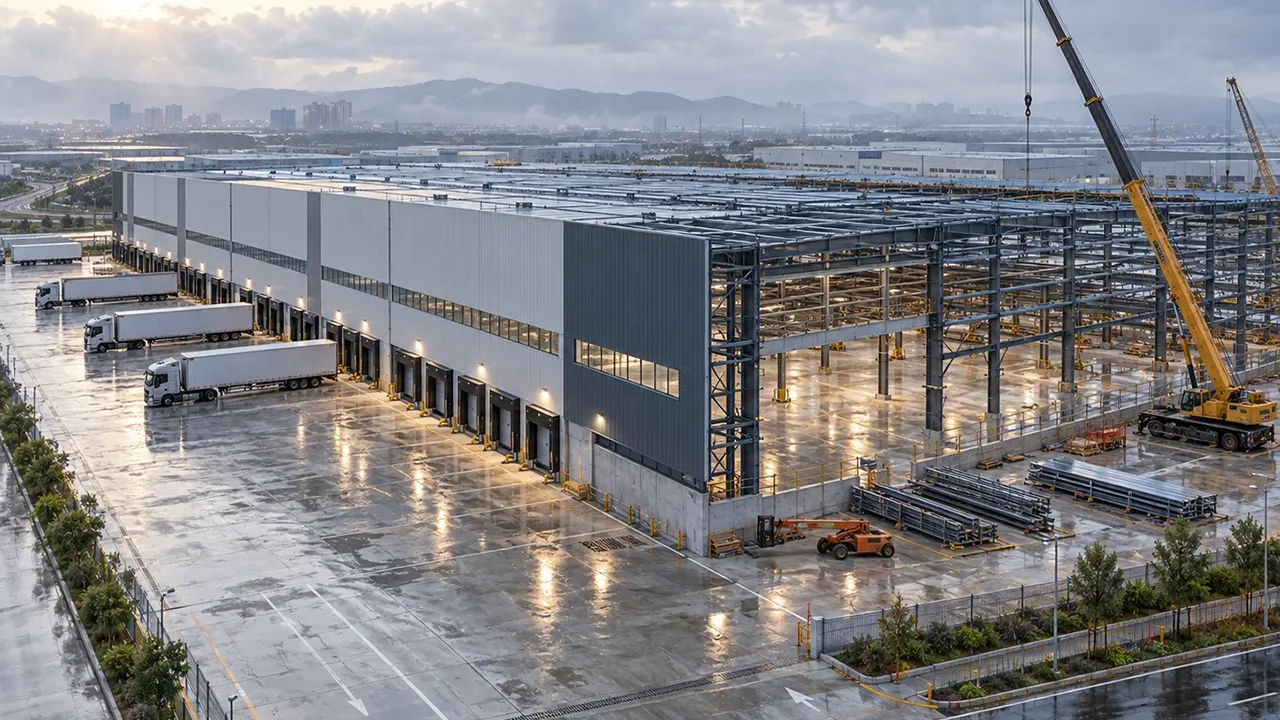
A practical way to understand steel construction delay causes is through real-world execution. The Paraguay steel warehouse project demonstrates how delays can be minimized through integrated planning and system-based execution.
The project involved international logistics, multi-team coordination, and strict delivery schedules. Prefabricated components were produced off-site and delivered in sequence, reducing on-site uncertainty.
By using standardized steel systems and precise scheduling, the project minimized rework and avoided common delay triggers such as misalignment and sequencing errors.
For companies involved in steel structure construction, this project highlights the importance of coordination between engineering, fabrication, and logistics.
Why Steel Projects Require Engineering-Led Execution
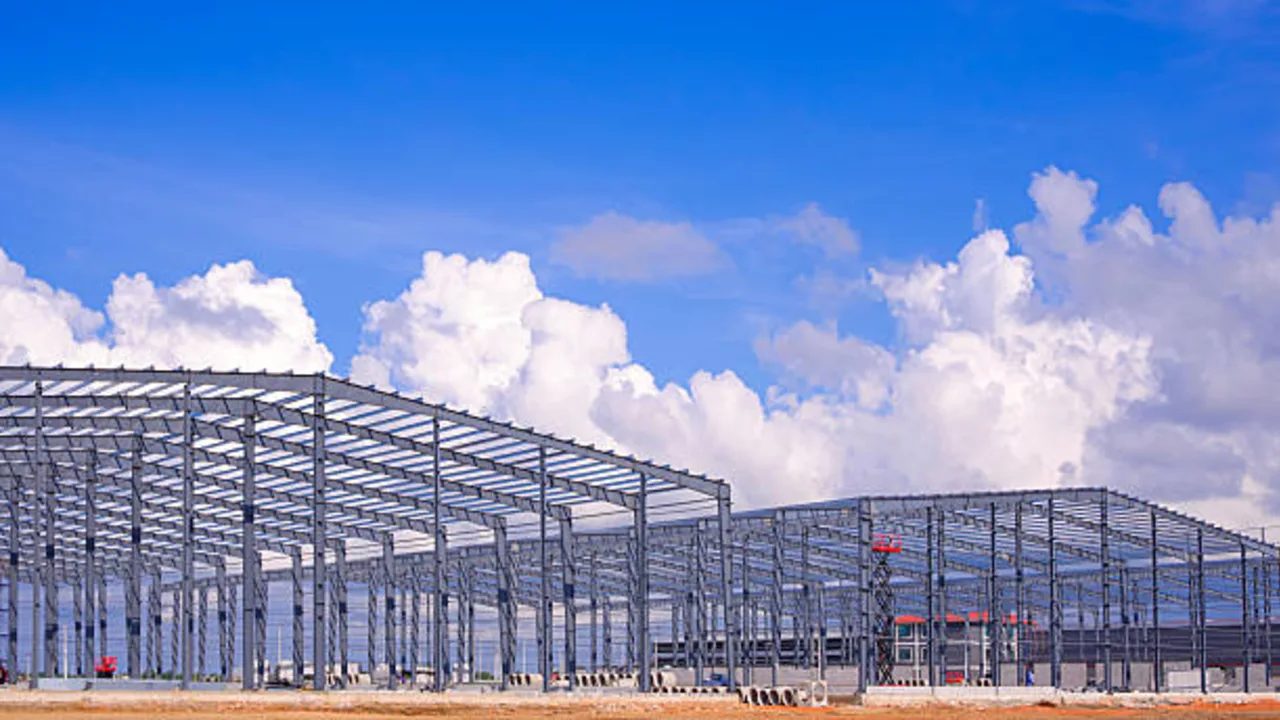
Steel construction is fundamentally different from traditional building methods. It requires precise engineering, detailed planning, and strict execution control.
Without an engineering-led approach, projects are more vulnerable to steel construction delay causes. Errors in one stage can quickly propagate through the entire system.
Organizations that prioritize engineering expertise and system integration are better equipped to deliver projects on time and within budget.
Conclusion
Delays in steel construction projects are rarely caused by a single issue. Instead, they result from a combination of design flaws, procurement inefficiencies, fabrication errors, site constraints, and management failures.
Understanding these steel construction delay causes is essential for improving project performance. By addressing root causes rather than symptoms, project teams can reduce rework, optimize logistics, and maintain schedule integrity.
In an industry where time directly impacts cost, effective delay management is not optional—it is a competitive advantage.
FAQ
What are the main steel construction delay causes?
Common causes include design errors, material delays, fabrication issues, and poor project management.
How does rework affect project timelines?
Rework extends timelines by requiring additional labor, materials, and reinstallation processes.
Why is logistics critical in steel construction?
Steel components must arrive on-site in sequence. Any disruption in logistics can halt installation.
How can design errors delay projects?
Design errors require revisions and adjustments, delaying fabrication and installation.
What role does fabrication play in delays?
Fabrication defects or bottlenecks can delay delivery and disrupt construction schedules.
How can delay risks be reduced?
Through integrated planning, reliable suppliers, and real-time monitoring systems.
What is a critical path in construction?
It is the sequence of activities that directly determines the project completion time.
How do contractors prevent delays?
By using standardized systems, strong coordination, and proactive risk management strategies.