In modern industrial development, logistics is no longer a supporting function—it is a critical driver of project success. Steel construction projects, in particular, rely heavily on the seamless coordination of fabrication, transportation, and on-site installation. When this coordination breaks down, steel construction logistics issues begin to emerge, creating delays, cost overruns, and operational inefficiencies.
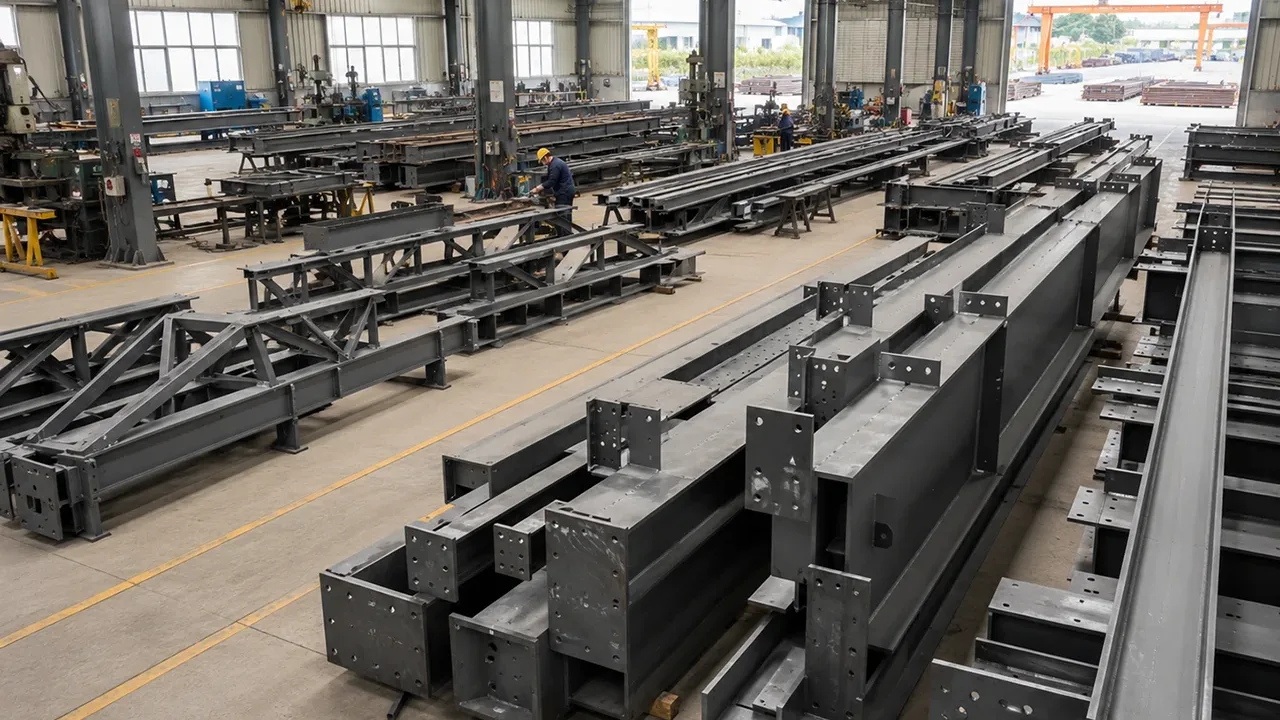
Unlike traditional construction materials, steel components are typically prefabricated in factories and transported over long distances before installation. This introduces multiple dependency points in the supply chain. A disruption at any stage—whether in production, transportation, or delivery—can trigger a cascading effect across the entire project timeline. These disruptions are often categorized as steel construction logistics issues, and they are one of the most underestimated risks in large-scale construction.
For companies involved in china construction steel structure projects, logistics complexity becomes even more significant. International shipping, customs clearance, and multi-modal transport systems all increase the likelihood of transport delay. Understanding how these bottlenecks develop is essential for maintaining schedule reliability and cost control.
Understanding Steel Construction Logistics Issues
Steel construction logistics issues refer to any disruption, inefficiency, or delay in the movement and coordination of materials, components, and equipment throughout a project lifecycle. These issues are not isolated—they are interconnected across design, manufacturing, transportation, and installation phases.
What makes steel construction particularly sensitive to logistics challenges is its reliance on precision and sequencing. Steel components are engineered to fit together with minimal tolerance. If materials arrive out of order or are delayed, installation cannot proceed efficiently. This is where transport delay becomes a critical risk factor.
Additionally, steel construction projects often operate under tight schedules. Fast-track delivery models require synchronized execution across multiple stakeholders. Any deviation from the planned logistics flow can quickly escalate into a major project bottleneck.
Key Logistics Bottlenecks in Steel Structure Construction
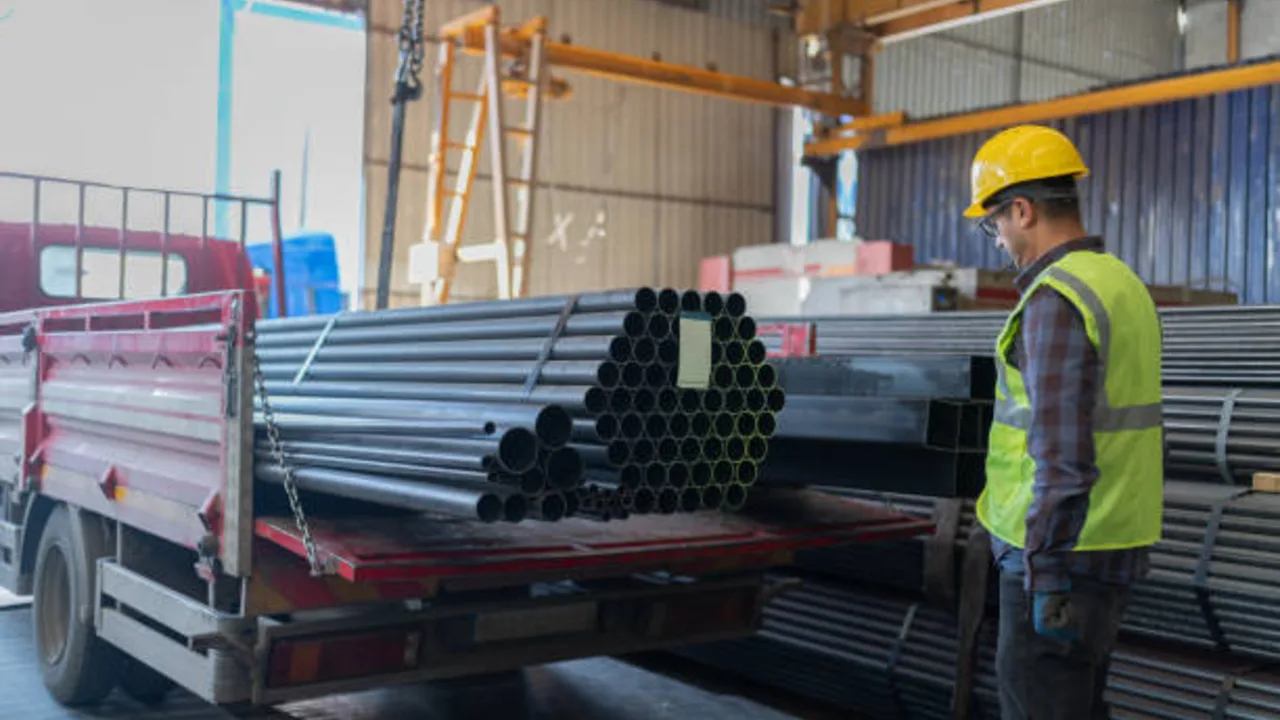
Fragmented Supply Chain
Steel structure projects typically involve multiple vendors, including fabricators, coating providers, transport companies, and on-site contractors. Each participant operates within its own timeline and constraints, which creates fragmentation in the supply chain.
This fragmentation leads to coordination gaps. For example, if fabrication is completed ahead of schedule but transportation is delayed, components may sit idle, increasing storage costs and risk of damage. These inefficiencies are a common source of steel construction logistics issues.
Long-Distance Transportation Challenges
Many steel construction projects involve long-distance or international transportation. Components may be shipped from manufacturing hubs to project sites located in different countries or regions. This introduces multiple layers of logistical complexity, including shipping schedules, port handling, and inland transportation.
Each transition point increases the risk of transport delay. Delays at ports, customs checkpoints, or during inland delivery can disrupt the entire project schedule.
Limited On-Site Storage Capacity
Construction sites often have limited space for storing steel components. This makes logistics planning even more critical. Delivering materials too early can create congestion, while late deliveries can halt installation.
The balance between just-in-time delivery and real-world constraints is difficult to maintain. Poor planning in this area leads directly to steel construction logistics issues.
Transportation-Related Issues in Steel Projects
Transportation is one of the most sensitive phases in steel construction logistics. Unlike standard materials, steel components are often oversized, heavy, and difficult to handle. This creates unique constraints that must be carefully managed.
| Logistics Challenge | Impact on Project | Associated Risk |
|---|---|---|
| Oversized component transport | Requires special permits and route planning | Schedule delay due to regulatory approval |
| Port congestion | Delays unloading and customs clearance | Increased transport delay |
| Improper handling | Damage to components during transit | Rework and cost escalation |
| Multi-modal transfer | Increased coordination complexity | Higher probability of disruption |
Oversized Component Transport Constraints
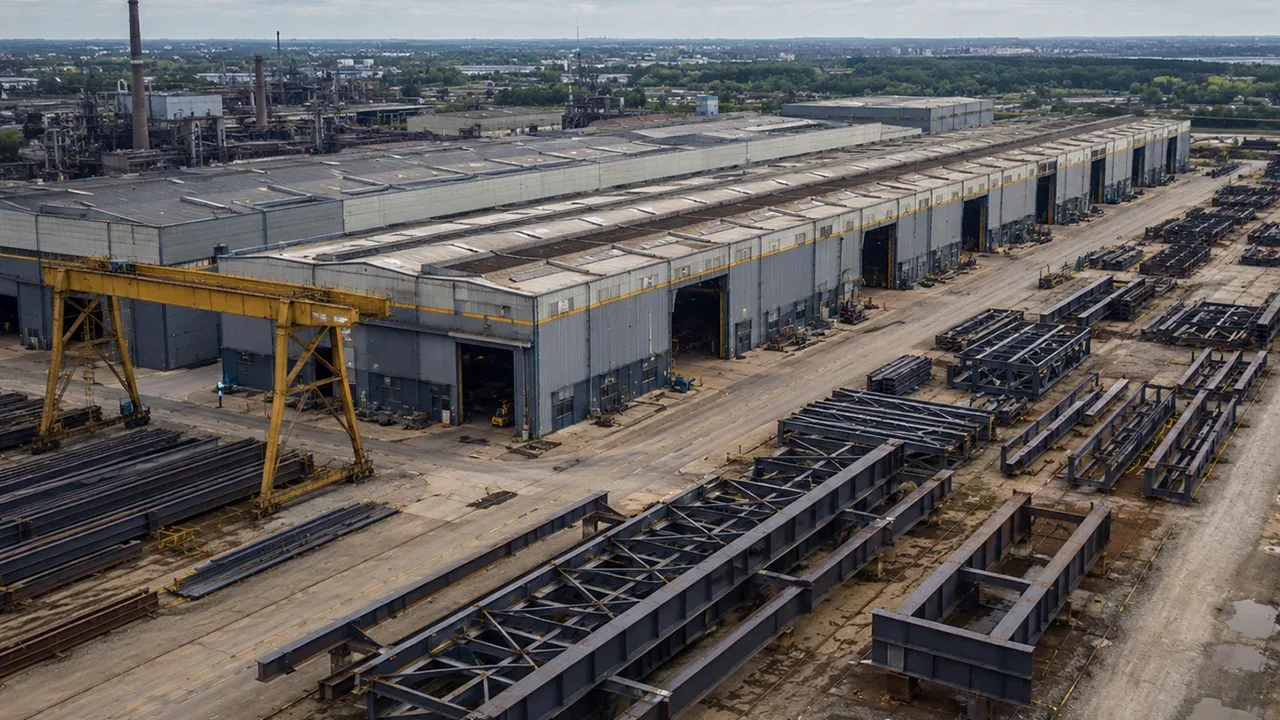
Steel components such as long-span beams and trusses often exceed standard transportation dimensions. Moving these components requires special permits, escort vehicles, and route surveys.
Any delay in obtaining approvals or unexpected route restrictions can lead to significant transport delay. These constraints are a major contributor to steel construction logistics issues.
Transport Delay Due to Infrastructure Limitations
Infrastructure conditions such as road quality, bridge capacity, and port efficiency play a crucial role in logistics performance. In some regions, inadequate infrastructure can slow down transportation or limit access for heavy vehicles.
These limitations increase the likelihood of delays and create additional planning challenges for project teams.
Improper Packing and Handling
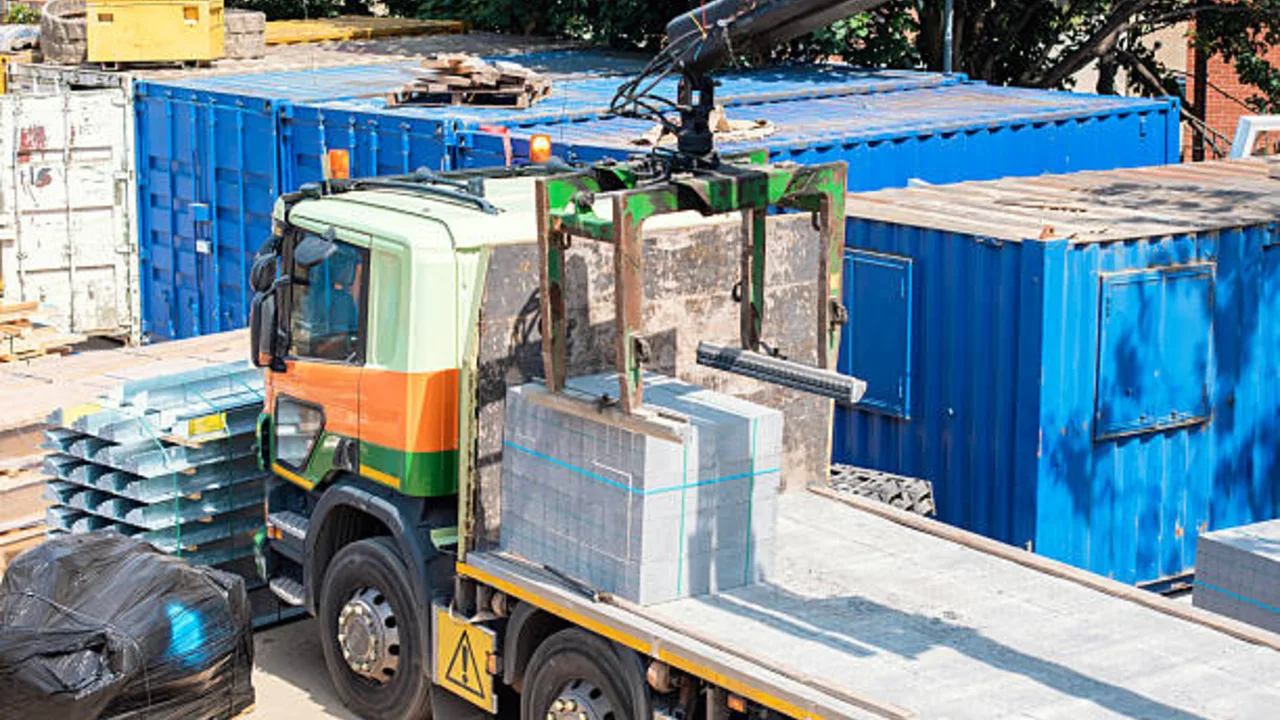
Steel components must be carefully packed and secured to prevent damage during transport. Improper handling can lead to deformation, corrosion, or surface damage.
Damaged components require repair or replacement, which not only increases costs but also contributes to project delays. This makes handling errors a critical factor in steel construction logistics issues.
Fabrication and Delivery Synchronization Problems
Another major source of logistics bottlenecks is the mismatch between fabrication schedules and delivery timelines. Steel construction projects depend on precise synchronization between production and site readiness.
When this synchronization fails, materials may arrive too early or too late—both scenarios create inefficiencies and increase transport delay risks.
Mismatch Between Production and Delivery Schedule
In some cases, fabrication progresses faster than site preparation. This results in components being delivered before they can be installed, leading to storage congestion and increased handling.
In other cases, site readiness is achieved before materials arrive, causing idle labor and equipment. Both scenarios are common steel construction logistics issues.
Lack of Real-Time Tracking
Without real-time visibility into material movement, project teams cannot make informed decisions. Delays may go unnoticed until they impact installation schedules.
Digital tracking systems are still underutilized in many projects, which increases uncertainty and reduces responsiveness.
Supplier Reliability Issues
Supplier performance directly affects logistics efficiency. Delays in fabrication, quality issues, or inconsistent delivery schedules can disrupt the entire supply chain.
Unreliable suppliers amplify steel construction logistics issues and increase overall project risk.
On-Site Logistics Bottlenecks
Poor Material Sequencing
Material sequencing is a critical factor in steel structure installation. Steel components are designed to be assembled in a specific order, and any disruption to this sequence can significantly impact efficiency. When components arrive out of order, installation crews are forced to delay work or rearrange materials on-site.
This not only increases handling time but also raises the risk of damage. Poor sequencing is one of the most common steel construction logistics issues, especially in fast-track projects where timing is tightly controlled.
Crane and Equipment Scheduling Conflicts
Heavy lifting equipment such as cranes plays a central role in steel erection. However, when logistics planning is not aligned with equipment availability, scheduling conflicts arise.
Idle cranes increase operational costs, while overbooked equipment creates delays in installation. These inefficiencies directly contribute to transport delay and overall project disruption.
Congested Construction Site
Limited site space often leads to congestion, especially when materials are delivered in bulk without proper scheduling. A congested site reduces mobility, slows down operations, and increases safety risks.
Managing space effectively is essential to minimize steel construction logistics issues and maintain a smooth workflow.
External Factors Affecting Steel Construction Logistics
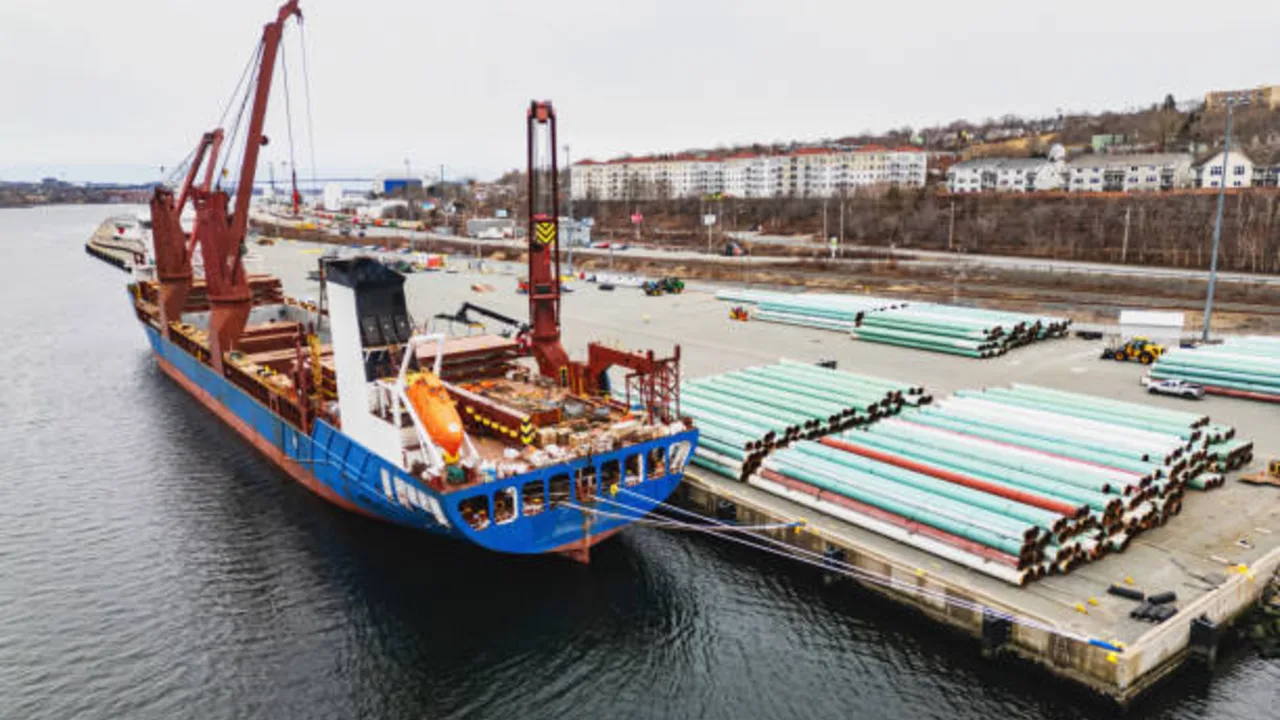
Customs and Regulatory Delays
For international projects, customs clearance is a major risk point. Documentation errors, regulatory changes, or inspection delays can hold materials at ports for extended periods.
These delays are difficult to predict and often result in significant transport delay, affecting the entire construction schedule.
Weather Impact on Transportation
Weather conditions such as heavy rain, storms, or extreme temperatures can disrupt both transportation and on-site activities. Shipping schedules may be delayed, and site access may become restricted.
Weather-related disruptions are unavoidable but must be accounted for in logistics planning.
Global Supply Chain Disruptions
Global events such as economic fluctuations, geopolitical issues, or pandemics can affect supply chain stability. These disruptions can lead to material shortages, increased costs, and unpredictable delivery timelines.
Such uncertainties amplify steel construction logistics issues and require proactive risk management strategies.
How to Mitigate Steel Construction Logistics Issues
Effective mitigation requires a systematic approach that integrates planning, technology, and execution. Companies that succeed in managing logistics bottlenecks typically adopt structured strategies.
| Mitigation Strategy | Key Benefit | Impact on Logistics |
|---|---|---|
| Integrated planning | Aligns design, fabrication, and delivery | Reduces coordination gaps |
| Digital tracking systems | Real-time visibility | Faster response to delays |
| Standardized components | Simplifies transport and installation | Lower risk of disruption |
| Reliable logistics partners | Consistent performance | Reduced uncertainty |
| Contingency planning | Prepared for unexpected events | Minimized transport delay impact |
Integrated Logistics Planning
Successful projects begin with integrated planning that connects design, fabrication, transportation, and installation. This ensures that all stakeholders operate within a unified schedule.
By aligning these phases, project teams can significantly reduce steel construction logistics issues.
Digital Tracking Systems
Modern logistics management relies on digital tools such as GPS tracking, cloud-based platforms, and real-time reporting systems. These tools provide visibility into material movement and enable faster decision-making.
With better data, teams can proactively address potential transport delay risks.
Standardized Component Design
Standardization simplifies both transportation and installation. Components designed with transport constraints in mind are easier to move and handle.
This reduces complexity and minimizes the likelihood of logistics bottlenecks.
Reliable Logistics Partners
Choosing experienced logistics providers is essential for ensuring timely delivery and proper handling of materials. Reliable partners bring expertise in route planning, customs procedures, and risk management.
Buffer Time and Contingency Planning
No logistics plan is immune to disruption. Allocating buffer time and contingency resources helps absorb unexpected delays without affecting the overall project timeline.
Real Project Insight: Overseas Steel Structure Logistics Case
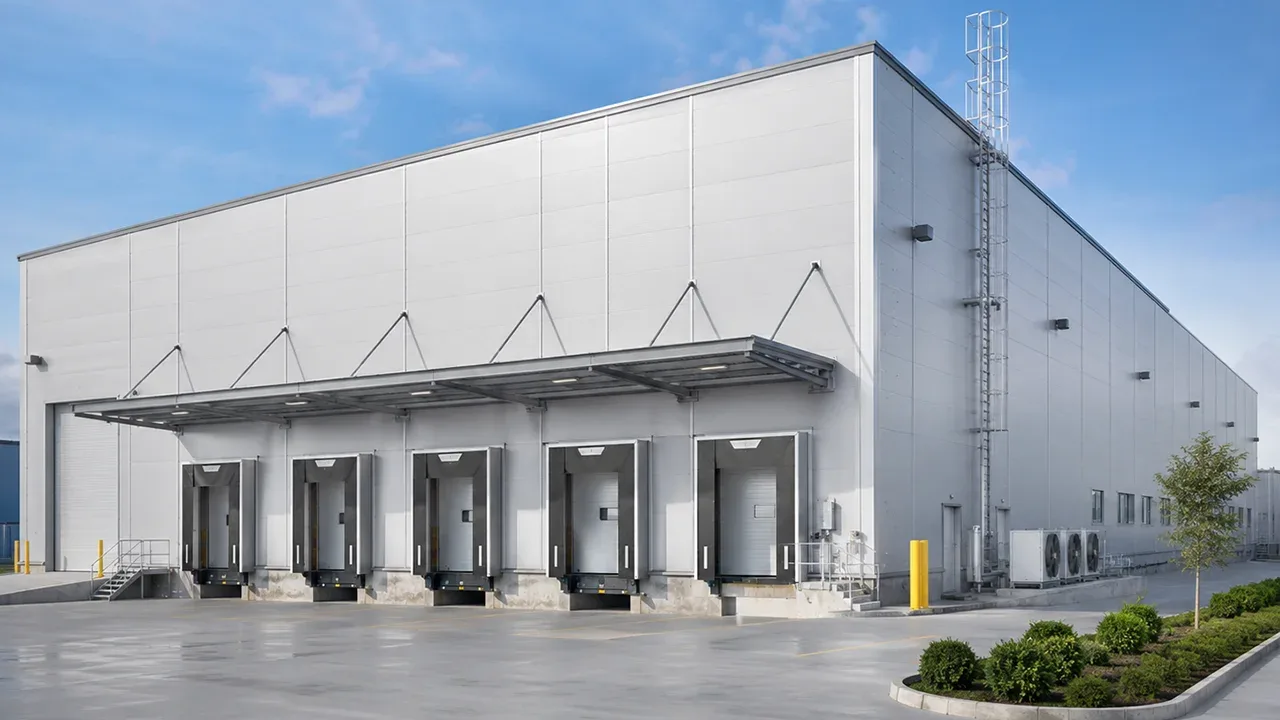
A practical example of managing steel construction logistics issues can be seen in international steel structure projects such as warehouse developments in Southeast Asia and South America.
These projects often involve long-distance shipping from manufacturing bases to overseas construction sites. The logistics process includes factory production, port transportation, international shipping, customs clearance, and final delivery to site.
In such scenarios, transport delay is a constant risk. However, by implementing prefabrication strategies and synchronized delivery schedules, project teams can reduce on-site uncertainty.
For instance, prefabricated components are produced in controlled factory environments while site preparation is ongoing. This parallel workflow improves efficiency and reduces overall project duration.
Additionally, detailed logistics planning ensures that materials arrive in the correct sequence, minimizing handling and avoiding congestion. This approach directly addresses common steel construction logistics issues.
Why Logistics Defines Success in Steel Construction Projects
Logistics is not just a support function—it is the backbone of steel construction project delivery. Without a well-structured logistics system, even the most advanced design and fabrication processes cannot achieve optimal results.
Delays in material delivery can create a domino effect, disrupting installation schedules, increasing costs, and reducing productivity. This is why addressing steel construction logistics issues is essential for project success.
For companies involved in china construction steel structure, adopting a system-driven approach to logistics is critical. Integrated planning, reliable partners, and digital tools all contribute to a more predictable and efficient project outcome.
Conclusion
Logistics bottlenecks in steel structure construction projects are the result of multiple interconnected factors, including supply chain fragmentation, transportation constraints, fabrication mismatches, and external disruptions.
Understanding these steel construction logistics issues allows project teams to implement proactive strategies that reduce risk and improve efficiency.
With the right combination of planning, technology, and execution, companies can overcome logistics challenges and deliver projects on time and within budget.
FAQ
What are the main steel construction logistics issues?
They include transportation delays, poor coordination, supply chain fragmentation, and on-site inefficiencies.
How does transport delay affect steel projects?
It disrupts installation schedules, increases costs, and reduces overall productivity.
Why are steel components difficult to transport?
Because they are large, heavy, and often require special permits and handling.
What is the role of logistics planning?
It ensures synchronization between production, transportation, and installation.
How can transport risks be reduced?
Through better planning, reliable partners, and real-time tracking systems.
What is just-in-time delivery in steel projects?
It is a strategy where materials arrive exactly when needed to minimize storage and handling.
How do overseas projects manage logistics?
By integrating shipping schedules, customs processes, and on-site coordination.
What tools improve logistics efficiency?
Digital tracking systems, project management software, and data analytics tools.