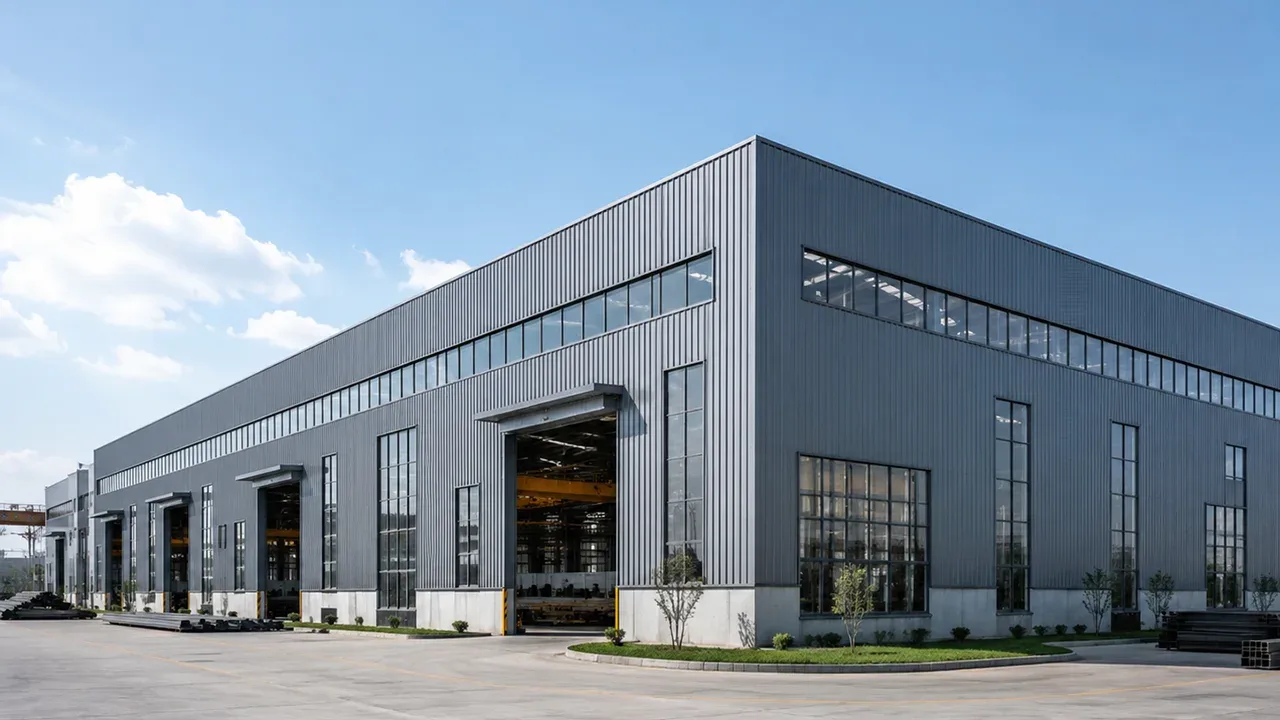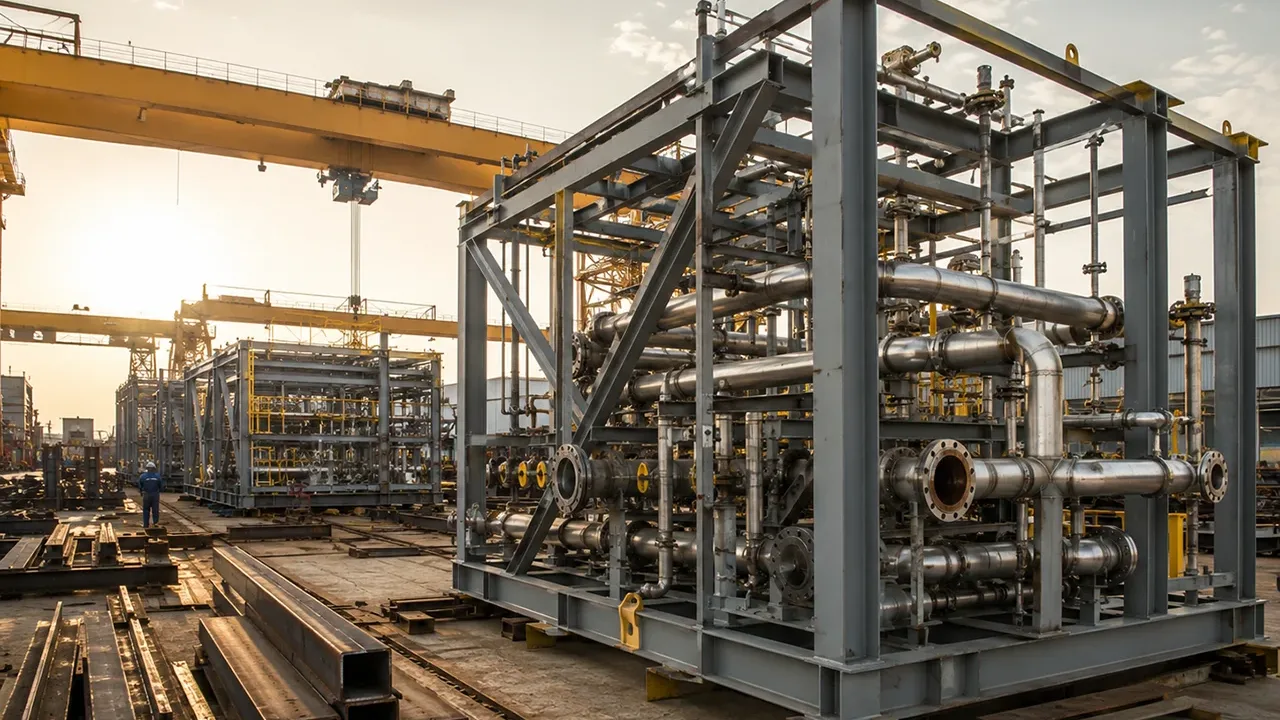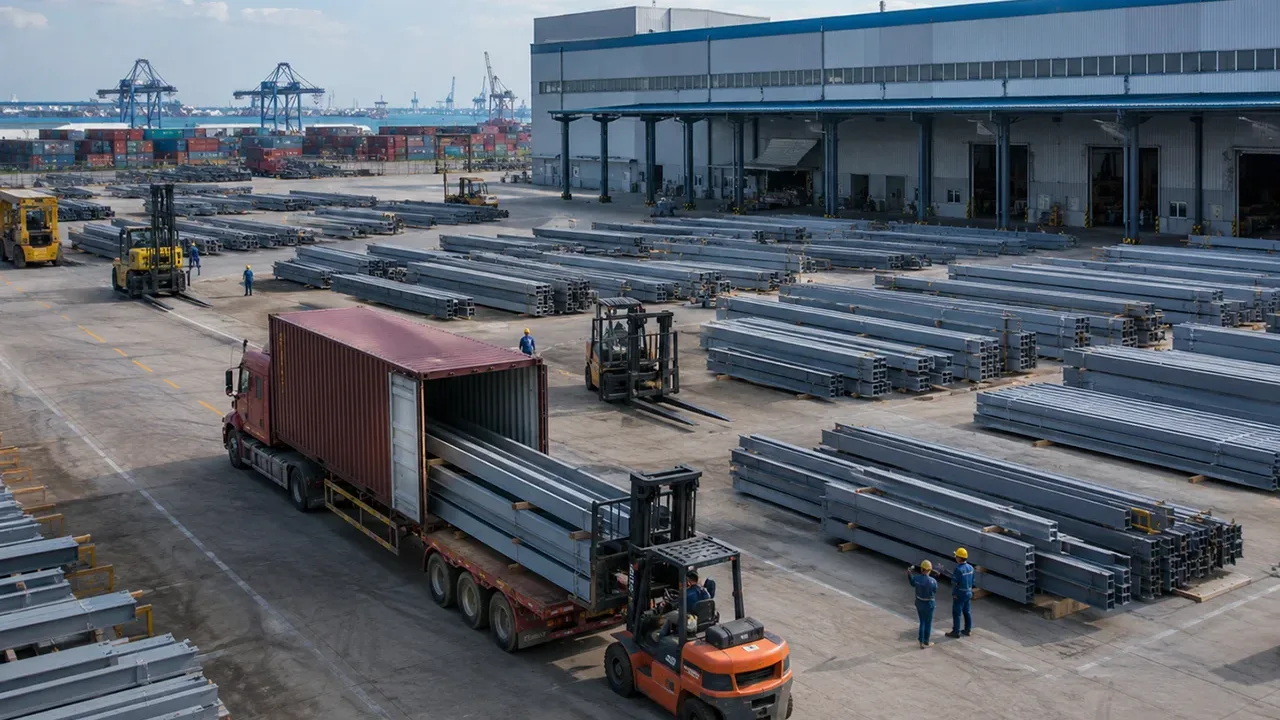
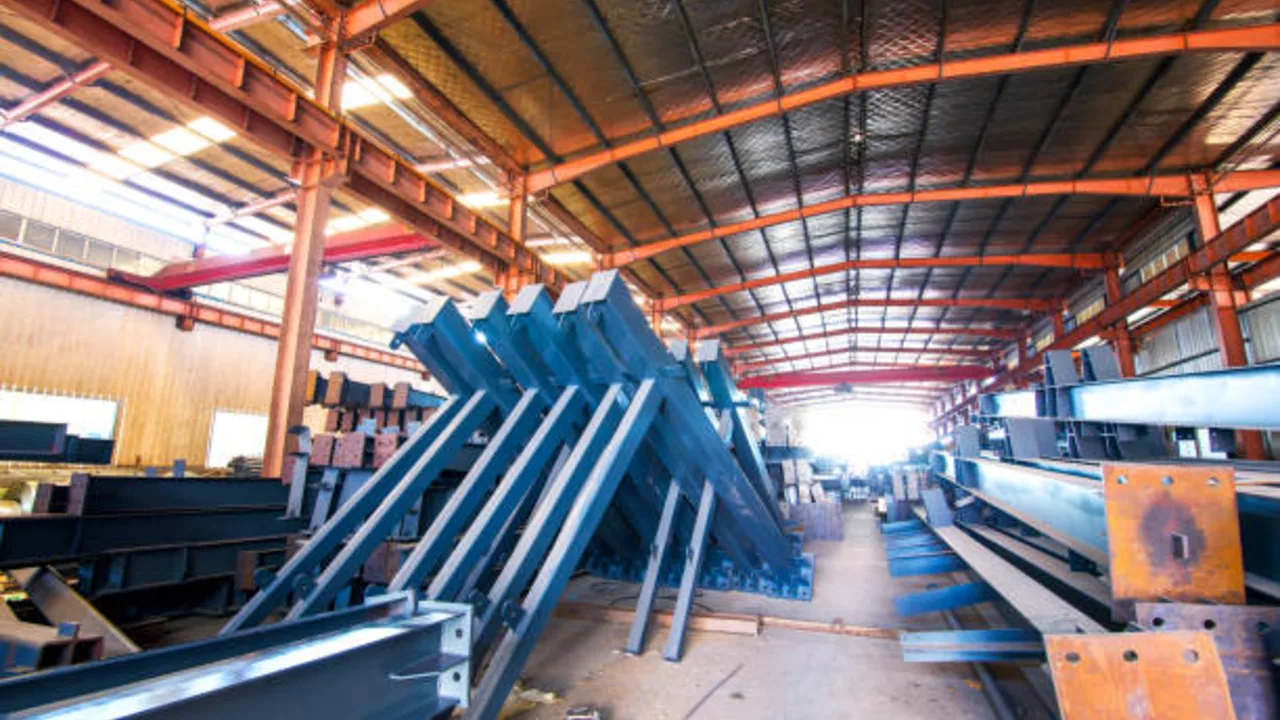
In modern steel construction, precision is everything. Even minor deviations in fabrication can lead to costly delays, on-site modifications, and structural inefficiencies. This is why steel fabrication pre assembly has become a standard practice in high-quality steel structure projects. By verifying components before delivery, fabricators can ensure that every structural element fits perfectly during installation, minimizing risks and improving overall construction performance.
Introduction to Pre-Assembly in Steel Fabrication
Pre-assembly refers to the process of assembling steel components in a controlled environment before they are transported to the construction site. This process allows engineers and quality control teams to verify alignment, connections, and structural integrity in advance. In large industrial and commercial projects, where tolerances are tight and coordination is complex, pre-assembly plays a critical role in ensuring that installation proceeds without unexpected complications.
One of the key aspects of this approach is the use of trial assembly, where selected or complete sections of a structure are temporarily assembled to validate dimensions and connections. This process helps identify discrepancies early, reducing the likelihood of rework during erection.
Importance of Pre-Assembly Checks in Steel Structure Fabrication
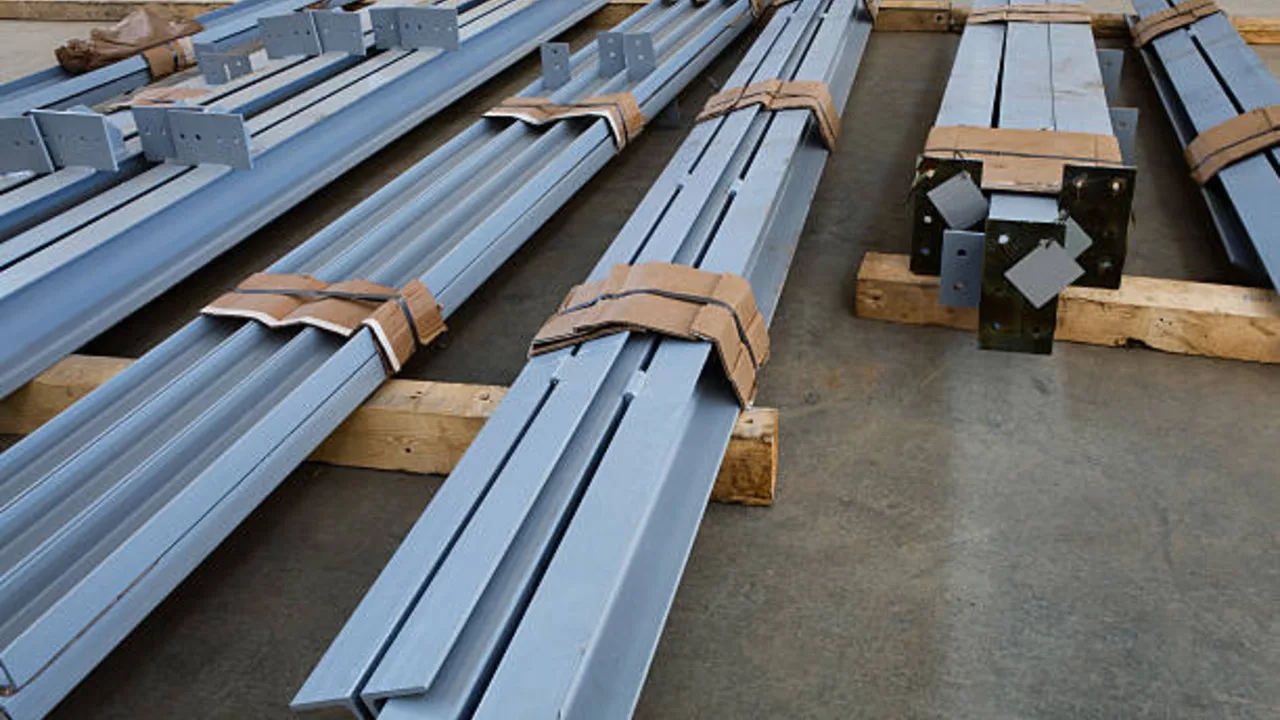
Minimizing On-Site Errors and Rework
Construction sites are dynamic environments where time and efficiency are critical. Without proper verification during fabrication, misaligned bolt holes, incorrect member lengths, or distorted components can disrupt installation. These issues often require immediate correction, which increases labor costs and extends project timelines.
Implementing steel fabrication pre assembly allows fabricators to detect and correct such issues before components leave the factory. By resolving discrepancies early, project teams can significantly reduce on-site errors and avoid costly rework.
Improving Structural Accuracy and Fit-Up
Steel structures rely on precise connections between members to maintain stability and load distribution. Even small deviations in dimensions or angles can affect the overall geometry of the structure. Pre-assembly ensures that all components align correctly, providing confidence that the structure will perform as intended.
Through trial assembly, engineers can verify that beams, columns, and connection plates fit together seamlessly. This level of accuracy is especially important for complex structures such as industrial facilities, warehouses, and large-span buildings.
Enhancing Construction Efficiency and Timeline Control
When components arrive on-site pre-verified and ready for installation, the erection process becomes significantly faster. Workers can focus on assembling the structure rather than correcting fabrication errors. This improves productivity and helps maintain project schedules.
A well-planned steel fabrication pre assembly process also enables better coordination between fabrication and construction teams, ensuring that materials are delivered in the correct sequence for installation.
Types of Pre-Assembly in Steel Fabrication
Full Trial Assembly
Full trial assembly involves assembling an entire structure or a major portion of it within the fabrication facility. This method is commonly used for highly complex structures such as space frames, trusses, and custom industrial systems. By assembling the structure in advance, fabricators can verify every connection and ensure that all components fit together as designed.
Although full trial assembly requires additional space and resources, it provides the highest level of accuracy and reduces uncertainty during installation.
Partial Trial Assembly
In many projects, it is not necessary to assemble the entire structure. Instead, critical sections or key connections are tested through partial trial assembly. This approach focuses on areas where precision is most important, such as load-bearing joints or complex geometries.
Partial pre-assembly is a cost-effective solution that balances quality assurance with operational efficiency, making it a common choice in standard industrial construction.
Modular and Segmental Pre-Assembly
Modular pre-assembly involves assembling sections of a structure into transportable units. These modules are then delivered to the site and connected to form the complete structure. This approach is widely used in prefabricated steel buildings and large industrial facilities.
By combining fabrication and assembly processes, modular construction improves efficiency and reduces the time required for on-site work. It also enhances safety by minimizing the need for complex operations at height.
Key Components Checked During Steel Fabrication Pre Assembly
Structural Members Alignment
One of the primary objectives of pre-assembly is to verify the alignment of structural members such as columns, beams, and bracing systems. Accurate alignment ensures that loads are distributed evenly and that the structure maintains its intended geometry.
Measurements are taken using precision tools to confirm that each component meets design specifications. Any deviations are corrected before the components are shipped to the site.
Connection Points and Bolt Holes
Connection accuracy is critical in steel structures. Bolt holes must be positioned correctly to allow for proper fit-up during installation. Misaligned holes can lead to delays and require on-site modifications, which are both time-consuming and costly.
During steel fabrication pre assembly, connection points are carefully inspected to ensure that all holes align perfectly and that bolts can be installed without difficulty.
Welding Quality and Joint Integrity
Welding plays a vital role in the strength and durability of steel structures. Pre-assembly checks include visual inspections and, in some cases, non-destructive testing to verify weld quality. These inspections help identify defects such as cracks, porosity, or incomplete penetration.
Ensuring weld integrity during the pre-assembly stage reduces the risk of structural issues and enhances long-term performance.
Surface Treatment and Coating Readiness
Before components are shipped, their surfaces must be prepared for protective coatings. This includes cleaning, blasting, and applying primers to prevent corrosion. Pre-assembly provides an opportunity to verify that coatings are applied correctly and that all surfaces are adequately protected.
Step-by-Step Steel Fabrication Pre Assembly Process
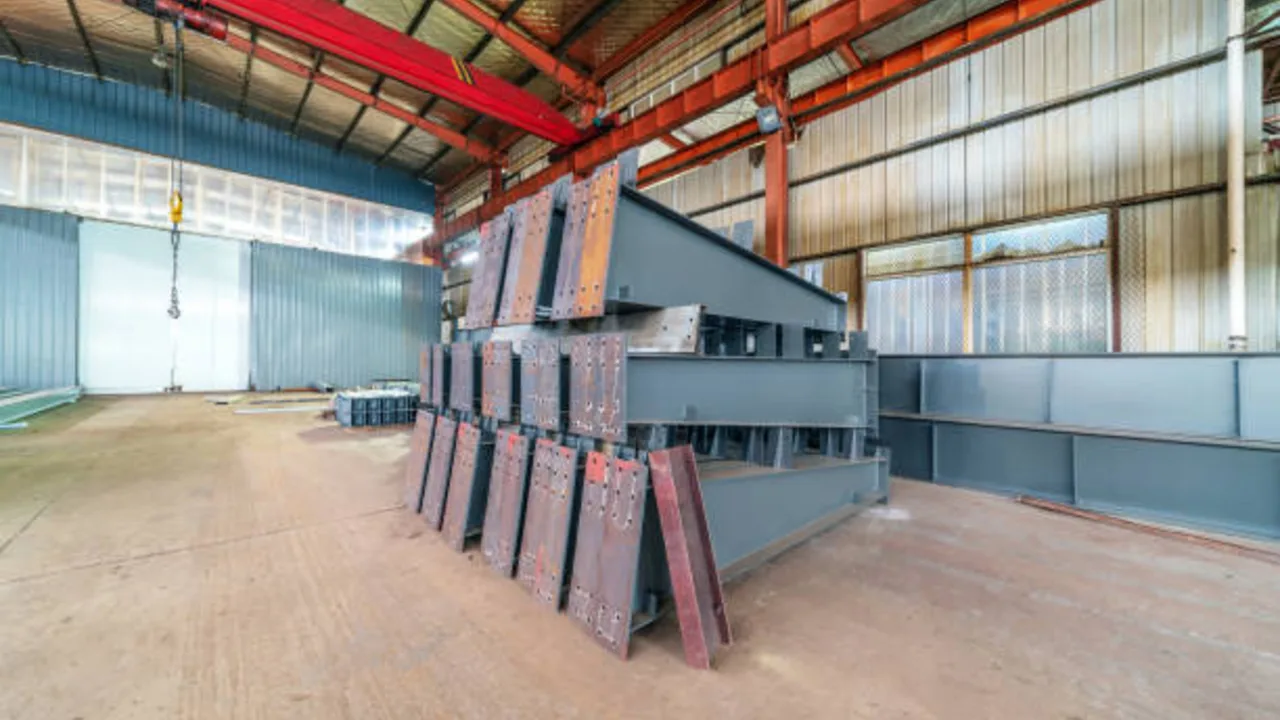
Preparation and Layout Planning
The pre-assembly process begins with detailed planning. Engineers review drawings, specifications, and assembly sequences to determine how components will be arranged. Materials are organized and staged to ensure efficient workflow within the fabrication facility.
Clear planning ensures that the steel fabrication pre assembly process proceeds smoothly and that all necessary tools and equipment are available.
Assembly Execution and Monitoring
Components are assembled according to the planned sequence using cranes, jigs, and fixtures. Skilled workers carefully position each element, ensuring that alignment and fit-up meet design requirements. Supervisors monitor the process to ensure compliance with quality standards.
For more insights into fabrication practices, resources like ScienceDirect provide valuable technical research on structural engineering and construction methodologies.
Measurement, Adjustment, and Correction
During assembly, measurements are continuously taken to verify dimensions and alignment. If discrepancies are identified, adjustments are made immediately. This may involve repositioning components, re-drilling holes, or correcting welds.
The goal is to ensure that all components fit together perfectly before they are transported to the construction site.
Final Inspection and Documentation
Once the assembly is completed and all adjustments have been made, a comprehensive inspection is carried out. Quality control teams verify dimensions, alignment, connection integrity, and surface conditions. Every detail is checked against design drawings and project specifications to ensure compliance.
Detailed documentation is then prepared, including inspection reports, measurement records, and approval certificates. These documents provide traceability and serve as a reference for installation teams on-site. A well-documented steel fabrication pre assembly stage ensures transparency and accountability throughout the project lifecycle.
Role of Trial Assembly in Complex Steel Projects
Large Span Structures and Trusses
In large-span structures such as industrial halls, warehouses, and bridges, even small dimensional errors can accumulate and lead to major misalignment. Trial assembly plays a critical role in validating the geometry of these structures before they are dismantled and shipped.
By assembling key sections in advance, engineers can confirm that all members fit precisely and that load paths are correctly aligned. This minimizes risks during erection and ensures that the final structure meets performance expectations.
Industrial Facilities and Multi-Component Systems
Industrial projects often involve multiple systems that must integrate seamlessly, including structural steel, equipment supports, and access platforms. Pre-assembly allows fabricators to verify interfaces between different components, ensuring that everything aligns correctly during installation.
This is particularly important in facilities with complex layouts, where coordination between various trades is essential for successful project execution.
Export Projects and International Standards Compliance
For export-oriented projects, compliance with international standards is a top priority. Pre-assembly helps ensure that fabricated components meet the required tolerances and specifications before they are shipped overseas.
Given the logistical challenges of international projects, resolving issues after delivery can be extremely costly. Therefore, steel fabrication pre assembly becomes an essential step in ensuring quality and reliability.
Tools and Technologies Used in Pre-Assembly Checks
Laser Measurement and 3D Scanning
Advanced measurement technologies such as laser scanners and total stations provide high-precision data for verifying structural geometry. These tools enable engineers to detect even minor deviations and make necessary adjustments during the pre-assembly stage.
The use of digital measurement systems enhances accuracy and reduces the likelihood of errors during installation.
Digital Modeling and Simulation (BIM)
Building Information Modeling (BIM) allows teams to simulate the assembly process in a virtual environment. This enables early detection of potential conflicts and improves coordination between design and fabrication teams.
When combined with physical trial assembly, BIM provides a comprehensive approach to quality assurance, ensuring that both digital and physical models align perfectly.
Quality Control Instruments
Various instruments are used during pre-assembly checks, including calipers, gauges, torque wrenches, and alignment tools. These instruments ensure that every component meets the required specifications and that connections are properly secured.
Common Challenges in Steel Fabrication Pre Assembly
Dimensional Deviations and Tolerance Issues
Despite careful planning, dimensional deviations can still occur due to material inconsistencies, fabrication errors, or thermal distortion. Identifying these issues during pre-assembly allows for corrective action before components are shipped.
Addressing tolerance issues early is a key advantage of the steel fabrication pre assembly process.
Handling Large and Heavy Components
Steel components are often large and heavy, requiring specialized equipment and sufficient space for handling and assembly. Fabrication facilities must be equipped with cranes and support systems to manage these components safely and efficiently.
Proper planning and resource allocation are essential to overcome these logistical challenges.
Coordination Between Design and Fabrication Teams
Miscommunication between design and fabrication teams can lead to errors and delays. Changes in design must be communicated clearly and implemented accurately during fabrication.
Regular coordination meetings and clear documentation help ensure that all teams are aligned and working toward the same objectives.
Best Practices for Effective Pre-Assembly Checks
Standardized Procedures and Checklists
Establishing standardized procedures and checklists ensures consistency in the pre-assembly process. These guidelines help teams follow best practices and maintain high-quality standards across all projects.
Skilled Workforce and Supervision
Experienced workers and supervisors play a crucial role in ensuring the success of pre-assembly operations. Their expertise allows them to identify potential issues quickly and implement effective solutions.
Continuous Quality Monitoring
Quality control should be an ongoing process throughout fabrication and pre-assembly. Continuous monitoring and feedback help improve processes and prevent recurring issues in future projects.
Conclusion: Why Steel Fabrication Pre Assembly is Essential
In today’s competitive construction environment, precision and efficiency are critical to project success. The steel fabrication pre assembly process provides a reliable way to ensure that all components are accurate, properly aligned, and ready for installation.
By minimizing errors, improving fit-up, and enhancing coordination, pre-assembly significantly reduces risks and supports smoother construction workflows. For companies aiming to optimize their steel structure fabrication process, integrating pre-assembly checks into their operations is a strategic decision that leads to better outcomes and long-term performance.