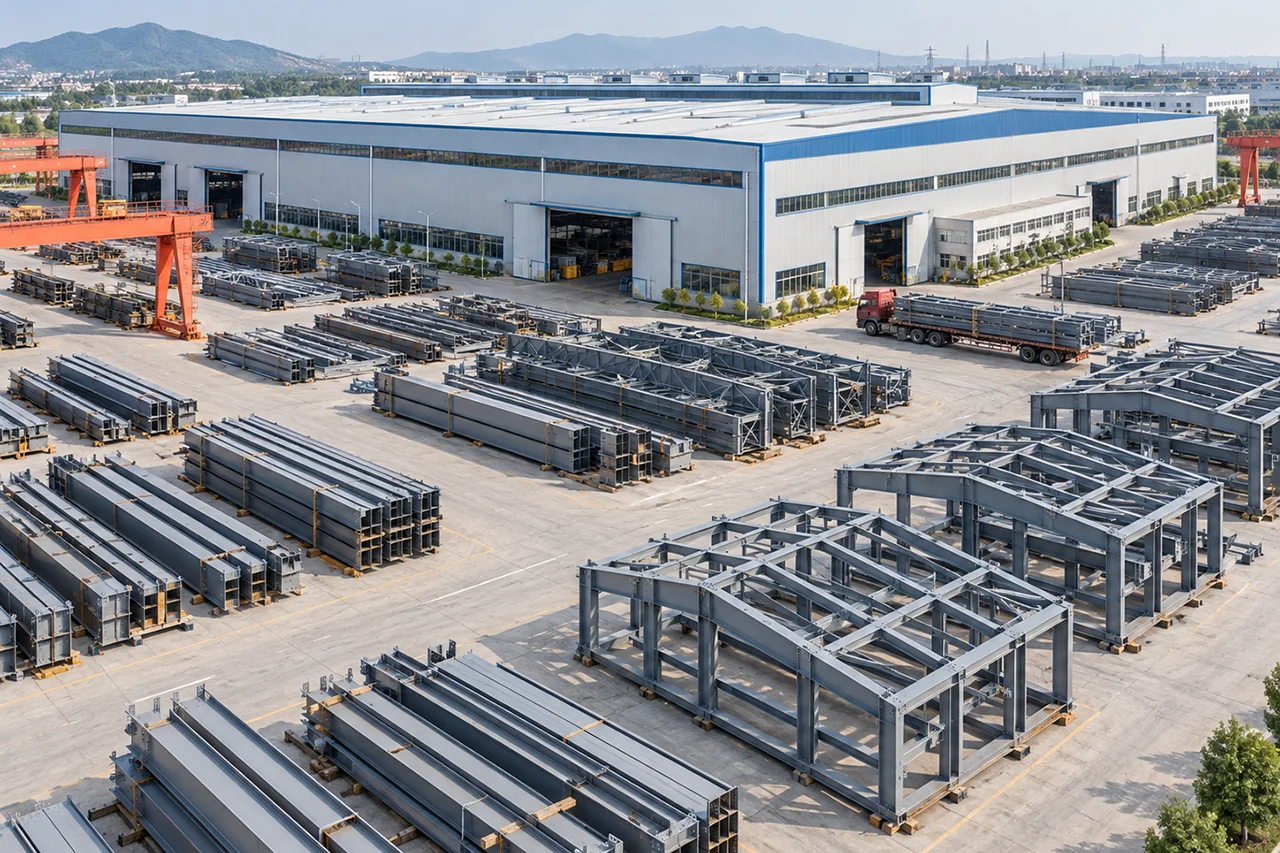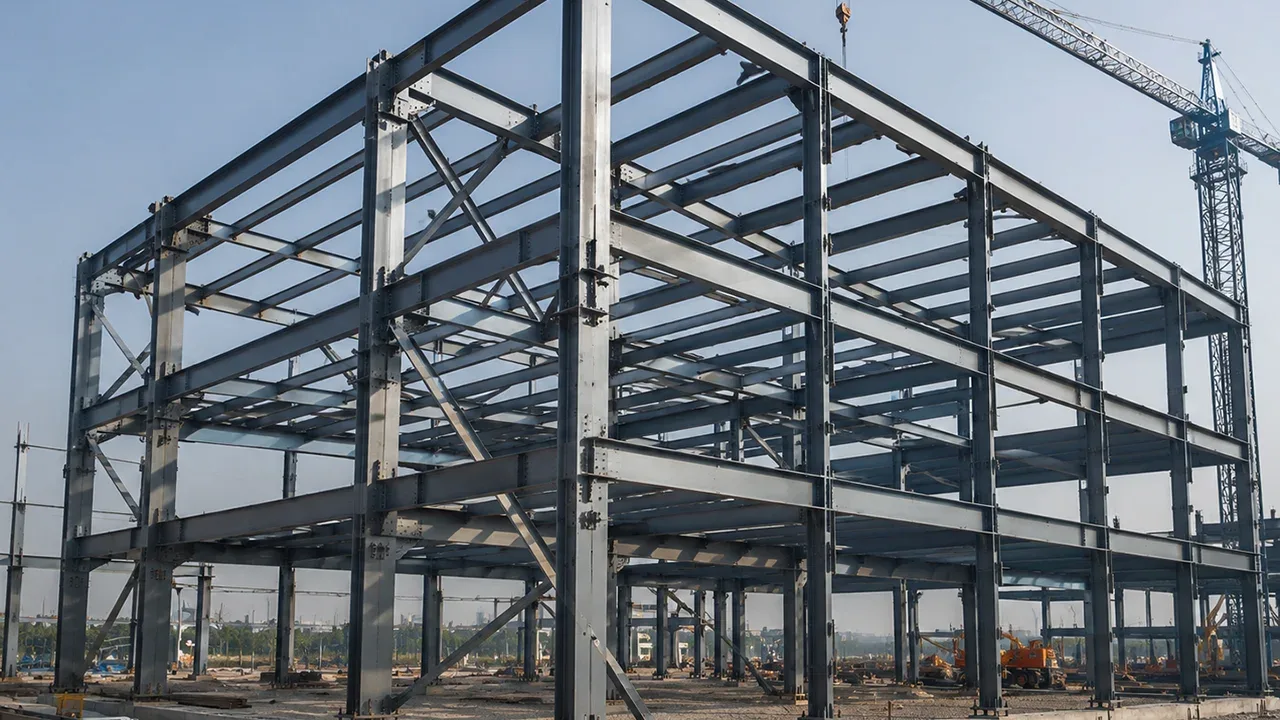
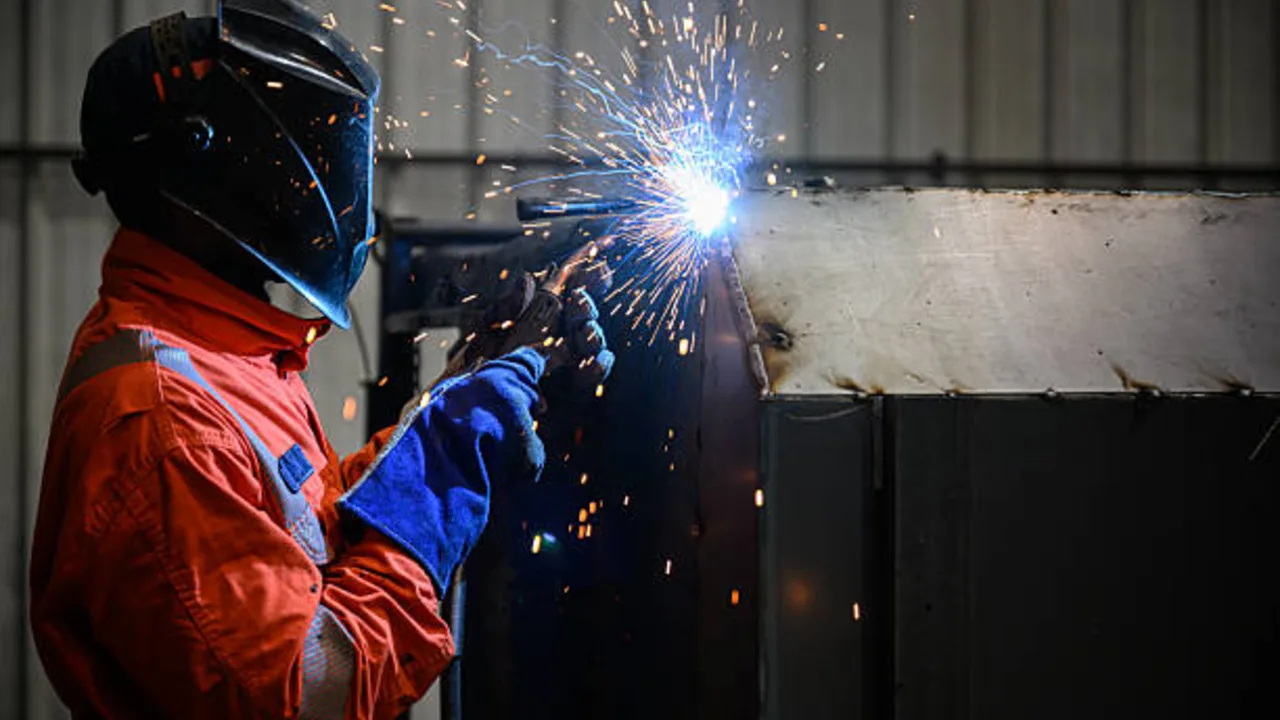
In large-scale industrial construction, steel fabrication rework handling is an unavoidable reality that directly impacts project efficiency, cost control, and structural performance. Even with advanced design systems and skilled labor, fabrication errors, material inconsistencies, and coordination gaps can lead to rework. The key is not simply eliminating rework entirely, but managing it systematically to minimize its negative effects.
Steel fabrication involves multiple interconnected processes, including cutting, welding, fit-up, and assembly. When errors occur at any stage, they can propagate through the workflow, making correction more complex and costly. This is why structured rework handling procedures are essential for maintaining both quality and project timelines.
Understanding Rework in Steel Fabrication
What Is Rework in Steel Fabrication?
Rework in steel fabrication refers to the process of correcting components or assemblies that do not meet the specified design, dimensional tolerances, or quality standards. It typically occurs after inspection identifies deviations from the intended outcome.
It is important to distinguish rework from related concepts:
- Rework: Correcting an existing fabricated component
- Repair: Fixing damage or defects after installation or use
- Redesign: Modifying the original design due to fundamental issues
Unlike redesign, which affects the entire engineering scope, rework is usually localized but can still have significant implications if not properly controlled.
Why Rework Happens in Fabrication Projects
Rework can occur due to a wide range of factors, often involving multiple stakeholders across engineering, procurement, and fabrication teams.
- Human error: Incorrect measurements, misalignment, or improper welding techniques
- Design inconsistencies: Conflicts between drawings, missing details, or unclear tolerances
- Material issues: Incorrect material grades, deformation, or damage during transport
- Communication gaps: Misinterpretation of specifications between departments
In many cases, rework is not caused by a single mistake but by a combination of small errors accumulating across the process.
Impact of Rework on Project Performance
The consequences of poor steel fabrication rework handling extend far beyond the workshop floor. They affect the entire project lifecycle, from production to installation.
Key impacts include:
- Schedule delays: Rework interrupts planned workflows and causes cascading delays
- Cost escalation: Additional labor, materials, and equipment usage increase expenses
- Quality risks: Repeated corrections may weaken structural integrity if not properly controlled
- Reputation damage: Frequent rework reflects poor project management and quality control
For large infrastructure or industrial projects, even minor rework can translate into significant financial and operational consequences.
Common Causes of Rework in Steel Fabrication
Design and Engineering Errors
Design-related issues are among the most critical sources of rework. When engineering drawings are incomplete or inconsistent, fabrication teams are forced to interpret or make assumptions, increasing the risk of errors.
Typical problems include:
- Missing dimensions or unclear tolerances
- Conflicts between structural and architectural drawings
- Inadequate consideration of fabrication constraints
These issues often result in components that do not fit during assembly, requiring re-fabrication or modification.
Fabrication Process Mistakes
Errors during fabrication are another major contributor to rework. These mistakes typically occur due to improper handling, lack of supervision, or inadequate process control.
- Inaccurate cutting leading to dimensional mismatch
- Welding defects such as porosity or lack of fusion
- Improper fit-up causing alignment issues
Without proper inspection checkpoints, these errors may go unnoticed until later stages, increasing correction complexity.
Material and Supply Issues
Material quality plays a crucial role in fabrication accuracy. Any deviation from specifications can result in rework or rejection of components.
- Incorrect material grade supplied
- Damaged or deformed steel sections
- Late delivery causing rushed fabrication
Supply chain issues often create pressure on fabrication timelines, which increases the likelihood of mistakes.
On-Site Installation Problems
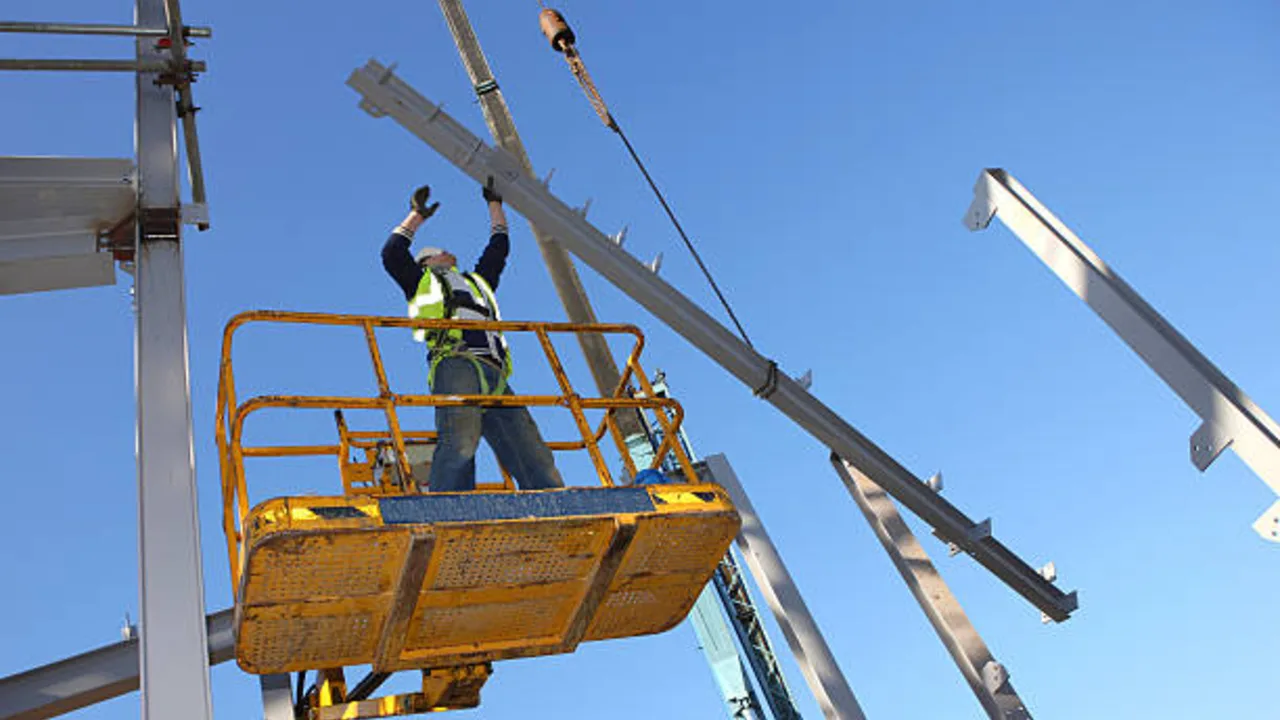
Rework is not limited to the workshop. Installation issues frequently reveal fabrication errors that require correction on-site.
- Misalignment during assembly
- Incorrect bolt hole positioning
- Welding mismatch between components
On-site rework is particularly costly because it involves additional logistics, equipment, and labor coordination.
Types of Rework in Steel Fabrication Projects
Minor Rework
Minor rework involves small corrections that can be completed quickly without significantly affecting project timelines. These tasks are usually handled within the fabrication shop.
- Grinding excess material
- Small weld corrections
- Surface finishing adjustments
Although minor, these corrections still require proper documentation and quality verification.
Major Rework
Major rework requires significant modification of components and may involve partial re-fabrication. This type of rework has a noticeable impact on both cost and schedule.
- Re-cutting structural members
- Re-welding critical joints
- Adjusting misaligned assemblies
Proper planning is essential to ensure that major rework does not disrupt the overall production flow.
Critical Rework
Critical rework involves structural elements that affect safety or load-bearing performance. These cases require engineering evaluation and strict quality control before implementation.
- Structural redesign adjustments
- Replacement of key load-bearing components
- Re-engineering due to safety concerns
In such scenarios, steel fabrication rework handling must be executed with maximum precision and compliance with engineering standards.
Steel Fabrication Rework Handling: Step-by-Step Approach
Step 1: Identification of Rework
The first step in effective steel fabrication rework handling is identifying deviations as early as possible. This is typically achieved through systematic inspection and quality control processes.
- Visual inspection of components
- Dimensional verification using calibrated tools
- Non-destructive testing (NDT) for weld quality
Early detection significantly reduces the cost and complexity of correction.
Step 2: Root Cause Analysis
Once rework is identified, understanding the root cause is essential to prevent recurrence. Simply fixing the issue without analysis can lead to repeated errors.
Common analysis methods include:
- 5 Whys technique
- Fishbone (Ishikawa) diagrams
- Process mapping
This step ensures that corrective actions address the underlying problem rather than just the symptoms.
Step 3: Evaluation of Impact
After identifying the root cause, the next step in steel fabrication rework handling is evaluating the overall impact of the issue. Not all rework requires the same level of response, so understanding its severity is essential for efficient decision-making.
This evaluation typically considers:
- Cost impact: Additional labor, material replacement, and equipment usage
- Structural impact: Whether the defect affects load-bearing performance
- Schedule impact: Potential delays in fabrication or installation
By prioritizing rework based on its impact, project teams can allocate resources more effectively and avoid unnecessary disruptions.
Step 4: Planning the Correction Process
Once the impact is assessed, a structured correction plan must be developed. This stage transforms analysis into actionable steps, ensuring that rework is executed safely and efficiently.
- Define the correction method (repair, replacement, or adjustment)
- Assign skilled personnel and supervisors
- Prepare necessary tools, equipment, and materials
- Establish safety procedures for rework execution
A well-planned correction process minimizes errors during rework and prevents further complications.
Step 5: Execution of Rework
The execution phase is where the correction process is implemented. Precision and control are critical at this stage to ensure that rework resolves the issue without introducing new defects.
Typical rework execution methods include:
- Re-cutting or reshaping steel components
- Grinding and removing defective welds
- Re-welding using approved welding procedures
- Realigning misfitted components using jigs and fixtures
Strict adherence to approved procedures ensures that rework meets both engineering and quality standards.
Step 6: Inspection and Validation
After rework execution, all corrected components must undergo inspection and validation before being approved for further processing or installation.
- Dimensional re-verification
- Weld inspection (visual and NDT methods)
- Quality control documentation and approval
This final step confirms that the rework has successfully restored the component to the required specifications.
Correction Process Strategies in Steel Fabrication
Re-Welding Techniques
Re-welding is one of the most common correction methods in steel fabrication. It involves removing defective weld material and applying a new weld that meets the required standards.
Proper re-welding procedures include controlling heat input, ensuring proper joint preparation, and following qualified welding procedures. According to welding principles, maintaining correct thermal control is essential to avoid additional defects.
Component Replacement
In some cases, replacing a defective component is more efficient than attempting repairs. This is especially true when the defect affects structural integrity or when repair costs exceed replacement costs.
Factors to consider include:
- Extent of damage
- Criticality of the component
- Time required for replacement vs repair
Alignment and Fit-Up Correction
Misalignment is a frequent cause of rework, and correcting it requires precise adjustment techniques. Fabrication teams often use mechanical tools and alignment systems to restore proper positioning.
- Use of hydraulic jacks for repositioning
- Application of jigs and fixtures
- Controlled force to avoid structural damage
Accurate fit-up correction ensures proper load distribution and structural performance.
Surface and Finishing Correction
Surface defects can also require rework, especially in projects with strict finishing or coating requirements.
- Grinding surface irregularities
- Reapplying protective coatings
- Ensuring surface cleanliness before final finishing
These corrections are essential for both aesthetics and long-term durability.
Cost and Time Impact of Rework
Direct Costs
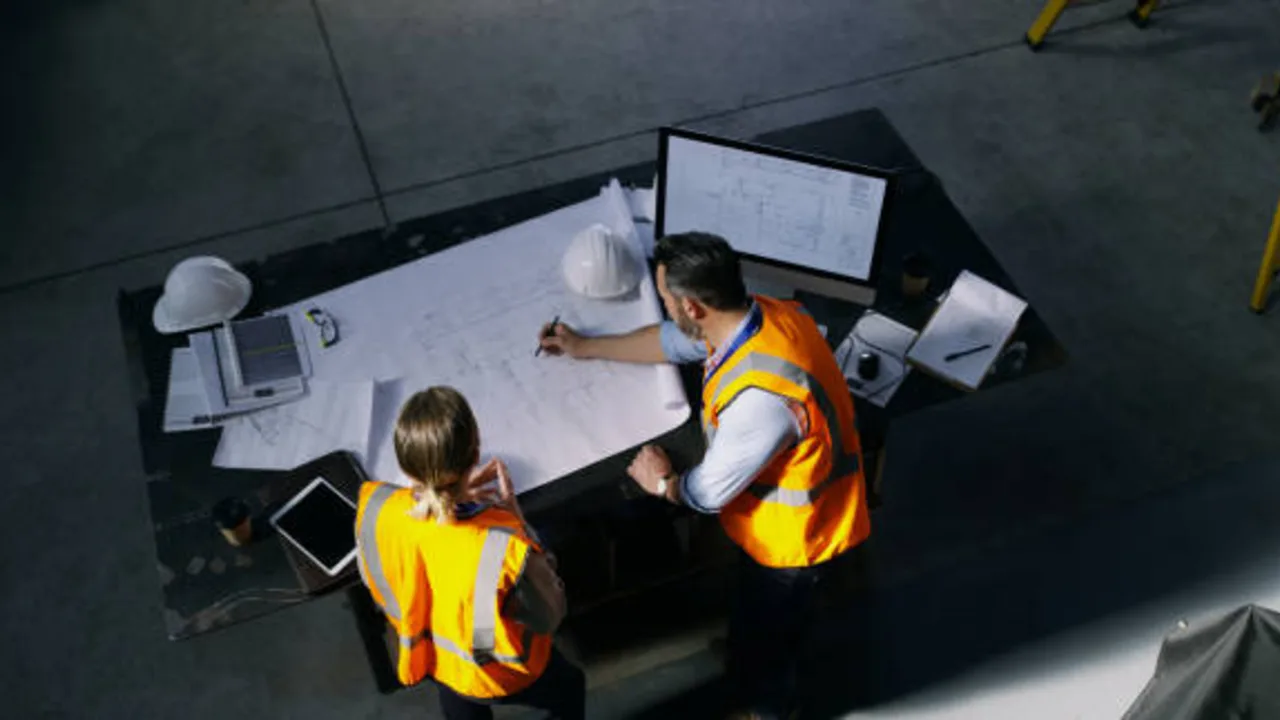
Direct costs are the most immediate and measurable financial impacts of rework. These costs arise directly from the corrective actions required to bring defective components back into compliance with design and quality standards. In steel fabrication projects, direct costs can escalate quickly depending on the scale and complexity of the rework involved.
The primary components of direct costs include:
- Labor for correction work: Skilled labor must be reassigned to perform re-cutting, re-welding, grinding, and reassembly. This often disrupts planned workflows and reduces overall productivity.
- Additional material consumption: Rework may require extra steel sections, filler materials, welding consumables, and protective coatings, especially when components cannot be salvaged.
- Equipment usage and energy costs: Fabrication machinery such as cutting tools, welding machines, and lifting equipment must be reused, increasing operational costs and energy consumption.
In high-volume fabrication environments, even minor rework across multiple components can accumulate into substantial direct costs. Without proper steel fabrication rework handling, these expenses can exceed initial production budgets.
Indirect Costs
Indirect costs are often less visible but can have a more significant long-term impact on project profitability and operational efficiency. These costs extend beyond the fabrication shop and affect the entire project lifecycle.
Key indirect cost factors include:
- Project delays and penalties: Rework disrupts scheduled timelines, potentially leading to contractual penalties, delayed handovers, and client dissatisfaction.
- Reduced productivity: When teams are diverted from planned tasks to handle rework, overall output efficiency decreases, affecting parallel workstreams.
- Increased project management overhead: Additional coordination, inspection, documentation, and supervision are required to manage rework activities effectively.
Beyond these, indirect costs can also include opportunity losses, such as reduced capacity to take on new projects due to resource allocation toward rework.
Hidden Cost Multipliers in Rework
In many steel fabrication projects, the true cost of rework is underestimated because of hidden multipliers. These factors amplify both direct and indirect costs and are often overlooked during initial assessments.
- Cascading delays: A single rework issue can delay multiple downstream processes, including transportation and installation.
- Logistics disruption: Rework may require re-shipping components or additional handling, increasing transportation costs.
- Quality risk amplification: Repeated corrections can introduce new defects if not properly controlled, leading to further rework cycles.
These multipliers highlight the importance of early detection and structured correction processes.
Comparative Impact Table
| Cost Category | Primary Source | Visibility | Impact Scope |
|---|---|---|---|
| Direct Costs | Labor, materials, equipment | High | Immediate fabrication stage |
| Indirect Costs | Delays, productivity loss | Medium | Project-wide |
| Hidden Costs | Coordination, logistics, risk | Low | Long-term and cross-phase |
Understanding these cost layers allows project managers to make more informed decisions and prioritize preventive strategies over reactive corrections.
Time Impact and Schedule Disruption
Time impact is often more critical than cost in fast-track construction projects. Rework interrupts the planned sequence of fabrication and installation, causing ripple effects across the entire schedule.
Typical time-related impacts include:
- Production delays: Fabrication lines must pause or adjust to accommodate rework activities
- Installation delays: Incorrect components cannot be installed, delaying site progress
- Coordination gaps: Multiple teams must reschedule activities, increasing complexity
In large-scale projects, delays caused by rework can compound rapidly, making effective steel fabrication rework handling a critical factor in maintaining schedule integrity.
Best Practices to Minimize Rework
Improved Design Coordination
Many rework issues originate from design inconsistencies. Using advanced tools such as 3D modeling and BIM can help detect clashes and inconsistencies before fabrication begins.
Strict Quality Control System
Implementing structured quality checkpoints throughout the fabrication process ensures early detection of deviations.
- Incoming material inspection
- In-process quality checks
- Final inspection before delivery
Skilled Workforce and Training
A well-trained workforce significantly reduces fabrication errors. Continuous training programs ensure that workers stay updated with modern fabrication techniques and quality standards.
Standardized Fabrication Procedures
Standard operating procedures (SOPs) provide consistency and reduce variability in fabrication processes. Repeatable workflows lead to fewer errors and improved efficiency.
Real Project Insight: Rework Control in Steel Fabrication
Application in Industrial Projects
In industrial-scale fabrication, controlling rework requires an integrated approach combining engineering accuracy, production discipline, and quality control systems. Early detection and structured correction processes play a critical role in maintaining project efficiency.
Example from XTD Steel Structure
In real-world projects, companies like steel structure fabrication factory operations implement strict quality management systems to minimize rework. These include standardized workflows, precise measurement control, and continuous inspection throughout production.
By integrating design, fabrication, and quality control, such facilities significantly reduce the occurrence of major and critical rework, ensuring consistent project delivery.
Choosing the Right Steel Fabrication Partner
Capability in Handling Rework
An experienced fabrication partner understands how to manage rework efficiently without compromising quality or timelines. Their expertise allows them to identify issues early and implement effective correction strategies.
Integrated Quality Management System
Reliable fabrication companies maintain comprehensive quality systems that cover every stage of production, from material inspection to final delivery.
Production and Engineering Coordination
Strong coordination between engineering and production teams ensures that design intent is accurately translated into fabricated components, reducing the likelihood of rework.
Conclusion: Turning Rework into Process Improvement
Rework is often seen as a negative aspect of steel fabrication, but when managed properly, it becomes an opportunity for process improvement. Effective steel fabrication rework handling focuses not only on correcting errors but also on preventing future occurrences.
By implementing structured workflows, investing in skilled labor, and maintaining strict quality control, fabrication teams can reduce rework frequency and improve overall project performance. In the long term, this approach leads to better efficiency, lower costs, and higher-quality steel structures.