Steel plate availability manufacturing is a critical factor that directly influences the efficiency, cost, and feasibility of steel structure projects. Plate thickness is not just a design parameter; it is a supply-driven constraint that can shape engineering decisions, procurement strategies, and project timelines. Understanding these constraints early helps project stakeholders avoid delays and optimize material selection.
Steel plate availability manufacturing refers to the accessibility of specific plate thicknesses required for fabrication and construction. While engineering designs often specify exact thicknesses based on load calculations and safety factors, real-world supply conditions may limit what is actually available from mills.
Manufacturers must align design intent with supply reality. This alignment becomes especially important in large-scale projects where even small material shortages can lead to cascading delays across fabrication and installation stages.
Importance of Plate Thickness in Structural Performance
Plate thickness plays a fundamental role in structural engineering. It determines how steel components respond to loads, environmental conditions, and long-term usage.
- Thicker plates increase load-bearing capacity and structural stability
- Optimized thickness reduces unnecessary material usage and cost
- Correct thickness selection ensures compliance with safety standards
However, specifying a thickness that is difficult to source can introduce procurement challenges. This is why steel plate availability manufacturing must be considered during the early design phase rather than after drawings are finalized.
Common Thickness Ranges and Industry Standards
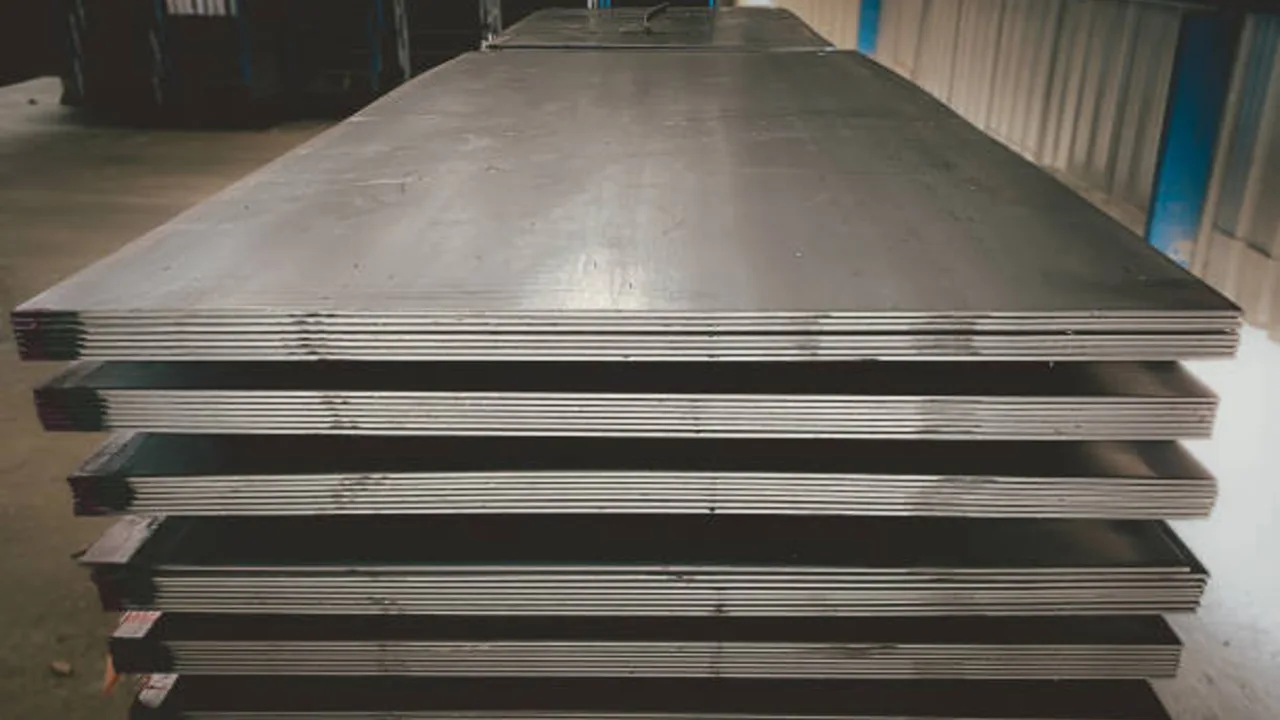
Steel plates are produced in standardized thickness ranges based on mill capabilities and industry demand. Typical categories include thin plates, medium plates, and heavy plates, each serving different applications.
Standard thicknesses are generally easier to procure because they are produced in high volumes. In contrast, non-standard or uncommon thicknesses often require special production runs, which can significantly increase lead times and costs.
Regional differences also affect availability. Some markets may have strong supply for heavy plates, while others focus on lighter structural materials. These variations are a key consideration in steel plate availability manufacturing.
Key Constraints in Steel Plate Availability Manufacturing
Several constraints influence the availability of steel plate thickness in manufacturing. These limitations are often interconnected and can impact both supply and pricing.
Raw Material Supply Limitations
The production of steel plates depends heavily on the availability of raw materials such as iron ore and scrap steel. Disruptions in mining operations, geopolitical factors, or fluctuations in energy prices can directly reduce steel output.
When raw material supply is constrained, mills tend to prioritize high-demand products, which may limit the availability of less common plate thicknesses. This creates a supply limitation that affects project planning and procurement strategies.
Rolling Mill Capacity and Equipment Limits
Steel plates are produced through rolling processes that involve specialized equipment. Each rolling mill is designed to operate within a specific thickness range. Plates outside this range may not be feasible to produce without significant adjustments.
For example, producing ultra-thick plates requires heavy rolling equipment and higher energy input, while very thin plates demand precision rolling technology. Not all mills are equipped to handle both extremes, leading to gaps in steel plate availability manufacturing.
Production Planning and Batch Efficiency
Steel manufacturing is typically organized in production batches to maximize efficiency. Mills prioritize commonly requested thicknesses to maintain productivity and reduce setup time.
Custom thicknesses or low-demand specifications may require dedicated production runs, which are often delayed or deprioritized. This makes it difficult to source specific materials within tight project timelines.
Logistics and Transportation Factors
Transporting steel plates—especially thick and heavy ones—presents logistical challenges. Weight restrictions, handling requirements, and shipping costs all influence how materials are distributed.
In some cases, even if a plate thickness is available at the mill, logistical constraints may delay delivery or increase costs, further complicating steel plate availability manufacturing.
Impact of Supply Limitation on Project Execution
Supply limitation in steel plate availability manufacturing can have a direct and measurable impact on project execution. When required plate thicknesses are not readily available, fabrication schedules may be delayed, affecting downstream activities such as assembly and installation.
Delays in material procurement often lead to idle labor, rescheduling of resources, and increased operational costs. In time-sensitive projects, even minor disruptions in supply can create significant ripple effects across the entire project lifecycle.
In some situations, engineers are forced to revise designs to match available materials. While this approach can keep projects moving, it may compromise efficiency, increase material usage, or require additional engineering validation.
Strategies to Overcome Thickness Availability Constraints
To manage challenges in steel plate availability manufacturing, project teams must adopt proactive strategies that address both design and procurement aspects.
One effective approach is to introduce flexibility in design specifications. Allowing a range of acceptable thicknesses rather than a single fixed value enables procurement teams to source materials more efficiently.
Material substitution is another strategy, where alternative grades or configurations are used to achieve the same structural performance. This requires close collaboration between engineers and manufacturers to ensure safety and compliance.
- Incorporate design flexibility for alternative thickness options
- Use equivalent materials when feasible
- Plan procurement early to secure supply
Early engagement with suppliers also plays a critical role. By understanding market conditions and lead times in advance, manufacturers can better align production schedules with material availability.
Role of Steel Structure Manufacturer in Supply Management
The role of a steel structure manufacturer is central to managing steel plate availability manufacturing constraints. Manufacturers act as the bridge between design requirements and material supply, ensuring that both aspects are aligned.
Experienced manufacturers maintain strong relationships with multiple mills and suppliers, enabling them to source materials from different regions when local availability is limited. They also implement inventory strategies to stock commonly used plate thicknesses, reducing dependency on just-in-time procurement.
Effective communication with clients is equally important. By providing early feedback on material availability, manufacturers help prevent unrealistic specifications and support more practical design decisions.
Global Market Trends Affecting Steel Plate Availability
Steel plate availability manufacturing is heavily influenced by global market dynamics. Demand fluctuations across industries such as construction, energy, and infrastructure can create periods of shortage or surplus.
Trade policies, tariffs, and regional production capacities also play a significant role. For example, export restrictions in major steel-producing countries can limit global supply, affecting availability in other regions.
Understanding these market trends allows manufacturers and project planners to anticipate potential risks and adjust procurement strategies accordingly.
Digital Tools and Forecasting in Steel Supply
Advancements in digital technology have improved visibility and control over steel supply chains. Modern tools enable real-time tracking of material availability, production schedules, and delivery timelines.
Forecasting systems use historical data and market indicators to predict supply trends, helping manufacturers make informed decisions. These tools reduce uncertainty and improve planning accuracy in steel plate availability manufacturing.
By integrating digital solutions, companies can optimize inventory levels, reduce lead times, and respond more effectively to supply limitation challenges.
Real Project Insight: Managing Plate Thickness Constraints in Cambodia Factory Project
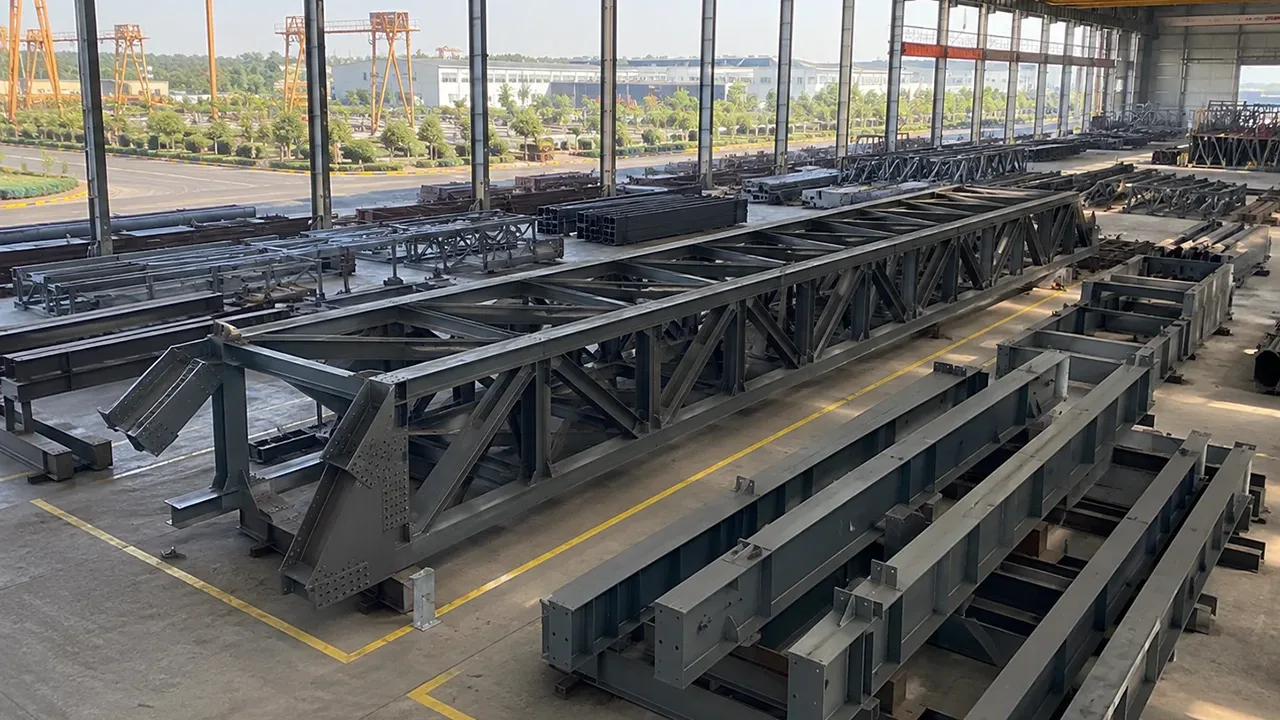
A practical example of steel plate availability manufacturing challenges can be seen in the execution of a steel structure factory project in Cambodia. This project required a balance between structural performance, cost efficiency, and material availability under regional supply conditions.
During the fabrication phase, specific plate thicknesses defined in the initial design were not readily available within the required timeline. This is a common issue in steel plate availability manufacturing, especially in developing markets where local supply chains may not support a full range of plate specifications.
To address this constraint, the engineering and procurement teams implemented a coordinated approach. Instead of delaying the project while waiting for exact plate thicknesses, alternative thickness options were evaluated and approved without compromising structural safety.
- Adjustment of plate thickness within allowable engineering tolerances
- Optimization of structural design to match available materials
- Coordination between design, procurement, and fabrication teams
Another critical factor was sourcing materials from multiple suppliers. By leveraging a broader supply network, the project team minimized the risk of delays caused by supply limitation. This approach reflects how steel plate availability manufacturing can be effectively managed through proactive sourcing strategies.
Fabrication efficiency was also maintained by aligning production schedules with material delivery. Instead of waiting for all materials to arrive, fabrication was sequenced based on available plate thicknesses, allowing continuous progress on-site.
This project highlights the importance of working with an experienced steel structure manufacturer that understands both engineering requirements and supply chain realities. The ability to adapt design and procurement strategies ensured that the project was completed on schedule without compromising quality.
Ultimately, the Cambodia factory project demonstrates how steel plate availability manufacturing constraints can be transformed into manageable variables through technical flexibility, supplier coordination, and strong project management.
Best Practices for Managing Plate Availability
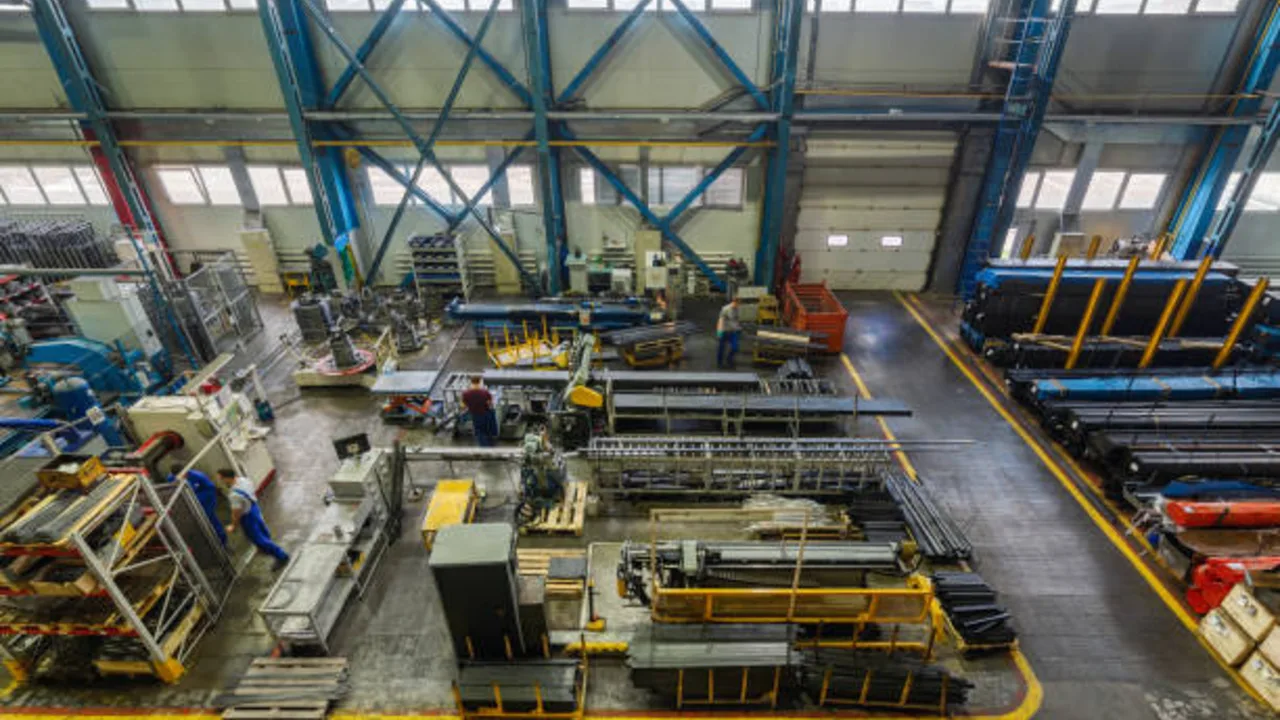
Managing steel plate availability manufacturing effectively requires a combination of strategic planning and operational discipline. Companies that adopt best practices are better positioned to handle supply constraints and maintain project continuity.
- Coordinate design and procurement teams early in the project
- Adopt flexible engineering approaches to accommodate available materials
- Build strong partnerships with suppliers and mills
Regular communication and continuous monitoring of supply conditions are also essential. These practices help identify potential issues early and allow for timely corrective actions.
Conclusion
Steel plate availability manufacturing is a complex challenge that affects every stage of a steel structure project. From design to procurement and fabrication, thickness availability plays a critical role in determining project success.
By understanding the constraints and implementing proactive strategies, manufacturers and engineers can mitigate risks, control costs, and ensure timely delivery. As global demand for steel continues to evolve, managing plate availability will remain a key factor in achieving efficient and reliable project outcomes.