In modern steel fabrication, maintaining consistent quality across large-scale production is a complex challenge. Even with strict controls in place, deviations from specifications can still occur. This is where a structured steel manufacturer NCR handling system becomes essential. NCR, or Non-Conformance Report, is a formal process used to identify, document, and resolve quality issues that do not meet required standards.
Rather than being viewed as a negative event, NCRs serve as a critical quality control mechanism. They provide visibility into problems, enable corrective actions, and help manufacturers prevent recurrence. Without proper NCR management, small defects can escalate into major structural failures, project delays, and increased costs.
For professional steel manufacturers, NCR handling is fully integrated into the quality assurance system. From detection to closure, every step must be controlled, documented, and traceable. This article explores how manufacturers implement NCR handling processes effectively and why it plays a key role in delivering reliable steel structures.
What Is NCR in Steel Manufacturing?
Definition of Non-Conformance Report (NCR)
A Non-Conformance Report (NCR) is an official document used to record any deviation from approved specifications, drawings, or quality standards. In steel manufacturing, this could relate to dimensional inaccuracies, welding defects, material inconsistencies, or surface treatment issues.
The purpose of an NCR is not just to record the issue, but to initiate a structured response. It ensures that every deviation is properly analyzed, corrected, and documented for future reference. In a steel manufacturer NCR handling system, NCRs are treated as controlled quality events rather than isolated incidents.
Common NCR Types in Steel Fabrication
Steel manufacturing involves multiple processes, each with its own potential risks. As a result, NCRs can arise from various sources across the production workflow.
- Dimensional deviations due to incorrect cutting or assembly
- Welding defects such as cracks, porosity, or incomplete penetration
- Material issues including incorrect grades or certification mismatches
- Surface treatment defects like improper coating thickness or corrosion protection failure
Each type of NCR requires a specific approach to investigation and resolution, depending on its impact on structural performance and project requirements.
Why NCR Matters for Manufacturers
In large-scale manufacturing environments, consistency is critical. NCR handling ensures that any deviation is identified early and addressed before it affects downstream processes.
Key benefits include:
- Maintaining compliance with engineering specifications
- Meeting client and regulatory requirements
- Preventing costly rework at later stages
- Improving overall product reliability
Without an effective NCR system, manufacturers risk losing control over quality, which can have serious consequences for both project delivery and reputation.
Role of NCR Handling in Manufacturer Quality Systems
Integration with QA/QC Processes
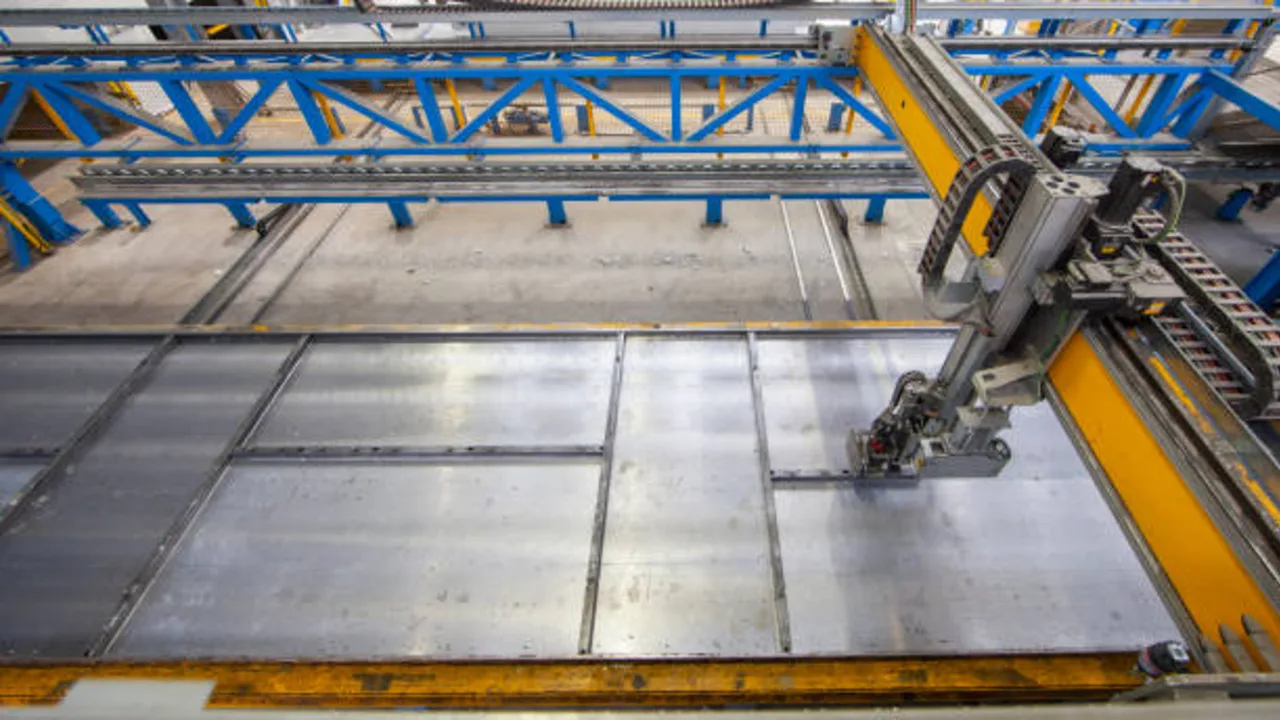
NCR handling is a core component of the broader quality assurance and quality control (QA/QC) framework. It acts as a feedback loop that connects inspection results with corrective actions. Whenever an issue is detected during inspection, it is formally recorded through an NCR, triggering a structured response.
This integration ensures that quality control is not reactive but systematic. Instead of simply fixing problems as they arise, manufacturers use NCR data to understand patterns and improve processes over time.
Impact on Project Delivery
Improper handling of NCRs can significantly disrupt project timelines. Delayed identification or slow response can lead to bottlenecks in production, especially when defects are discovered late in the process.
On the other hand, an efficient steel manufacturer NCR handling system allows for quick detection and resolution. By addressing issues early, manufacturers can minimize disruptions and maintain project schedules.
This proactive approach helps balance quality control with production efficiency, ensuring that neither is compromised.
Link Between NCR and Continuous Improvement
Beyond immediate correction, NCRs play a vital role in continuous improvement. Each NCR provides valuable data about process weaknesses, human errors, or system inefficiencies.
Manufacturers analyze NCR trends to identify recurring issues and implement preventive measures. Over time, this reduces the frequency of defects and enhances overall operational performance.
In this way, NCR handling evolves from a corrective process into a strategic tool for long-term quality improvement.
Step-by-Step NCR Handling Process in Steel Manufacturing
Step 1 – NCR Identification
The NCR process begins with the identification of a non-conformance. This typically occurs during inspections carried out by QA/QC teams, either in the workshop or on-site. Issues may also be reported by production personnel or third-party inspectors.
Early identification is critical. The sooner a defect is detected, the easier and less costly it is to resolve. This is why manufacturers implement multiple inspection checkpoints throughout the production process.
Step 2 – NCR Documentation
Once a non-conformance is identified, it must be documented in detail. This includes a clear description of the issue, reference to applicable drawings or specifications, and supporting evidence such as photographs or measurement records.
Accurate documentation ensures that all stakeholders understand the nature of the problem. It also provides a reliable record for future analysis and auditing purposes.
Step 3 – Root Cause Analysis
After documentation, the next step is to determine the root cause of the issue. This is a critical stage in the steel manufacturer NCR handling process, as it prevents superficial fixes that do not address underlying problems.
Common root causes include:
- Human error due to inadequate training or supervision
- Material defects or incorrect material usage
- Equipment malfunction or improper setup
- Process gaps or unclear work instructions
By identifying the true cause, manufacturers can implement targeted corrective actions rather than temporary solutions.
Step 4 – Corrective Action Plan
Based on the root cause analysis, a corrective action plan is developed. This plan outlines how the issue will be resolved and what steps will be taken to prevent recurrence.
Possible corrective actions include repair, rework, or replacement of affected components. In some cases, process adjustments or additional training may also be required.
The corrective action must be practical, effective, and aligned with project requirements. It should also be approved by relevant quality control personnel before implementation.
Step 5 – Approval and Implementation
Once the corrective action plan is defined, it must be reviewed and approved by the relevant QA/QC authority. This ensures that the proposed solution meets technical requirements and does not introduce new risks.
After approval, the corrective action is implemented on the shop floor or project site. Proper coordination between departments is essential at this stage, as delays or miscommunication can affect production schedules.
Manufacturers typically assign responsibility to specific teams or individuals to ensure accountability. Clear execution tracking is also required to confirm that all corrective steps are completed as planned.
Step 6 – Verification and Closure
After implementation, the corrected work must be re-inspected to verify compliance with specifications. This verification step is critical in the steel manufacturer NCR handling process, as it confirms that the issue has been fully resolved.
If the result meets the required standards, the NCR can be formally closed. All documentation is then archived for traceability and future reference.
In cases where the issue persists, the NCR remains open, and further corrective actions are required. This ensures that no unresolved defects are overlooked.
Common Challenges in Steel Manufacturer NCR Handling
Delayed NCR Reporting
One of the most frequent challenges is delayed reporting of non-conformances. When issues are not documented immediately, they can propagate through multiple production stages, increasing the cost and complexity of correction.
Poor Documentation Quality
Incomplete or unclear NCR reports can lead to confusion and ineffective corrective actions. Without accurate descriptions, supporting data, and proper references, it becomes difficult for teams to understand the problem.
Lack of Root Cause Clarity
Superficial analysis often results in temporary fixes rather than long-term solutions. If the root cause is not properly identified, the same issue may occur repeatedly.
Inefficient Communication Across Teams
NCR handling often involves multiple departments, including production, quality control, engineering, and management. Poor communication between these teams can slow down resolution and create inconsistencies in implementation.
Tools and Systems Used in NCR Management
Manual vs Digital NCR Systems
Traditional NCR management relies on paper-based documentation. While this approach may work in smaller operations, it becomes inefficient in large-scale manufacturing environments.
Modern manufacturers are increasingly adopting digital NCR systems to streamline workflows and improve data accuracy.
NCR Tracking Software
Dedicated NCR tracking tools allow manufacturers to monitor the status of each report in real time. These systems provide visibility into open issues, responsible parties, and deadlines.
Integration with ERP and QA Systems
Advanced NCR systems are often integrated with ERP and quality management platforms. This integration ensures seamless data flow between departments and improves overall process efficiency.
Benefits of Digitalization
Digital NCR management offers several advantages:
- Faster reporting and approval cycles
- Improved traceability and documentation control
- Enhanced data analysis for continuous improvement
- Reduced risk of human error
How Manufacturers Reduce NCR Occurrence
Process Standardization
Standardizing production processes helps minimize variability and reduce the likelihood of defects. Clear work instructions and consistent procedures are essential for maintaining quality.
Worker Training and Qualification
Well-trained personnel are less likely to make errors that lead to NCRs. Manufacturers invest in training programs to ensure that workers understand both technical requirements and quality expectations.
Preventive Quality Checks
Implementing inspection checkpoints throughout the production process allows manufacturers to detect issues early. This prevents defects from progressing to later stages.
Data Analysis of Past NCRs
Analyzing historical NCR data helps identify recurring patterns and areas for improvement. This data-driven approach enables manufacturers to implement preventive measures effectively.
Integration with Steel Structure Manufacturing Workflow
Coordination with Design Team
NCR handling must align with engineering requirements. When non-conformances occur, design teams may need to evaluate whether deviations are acceptable or require correction.
Impact on Fabrication Planning
NCRs can influence production schedules, especially when rework is required. Effective planning ensures that corrective actions are integrated without causing major disruptions.
Link to Production Efficiency
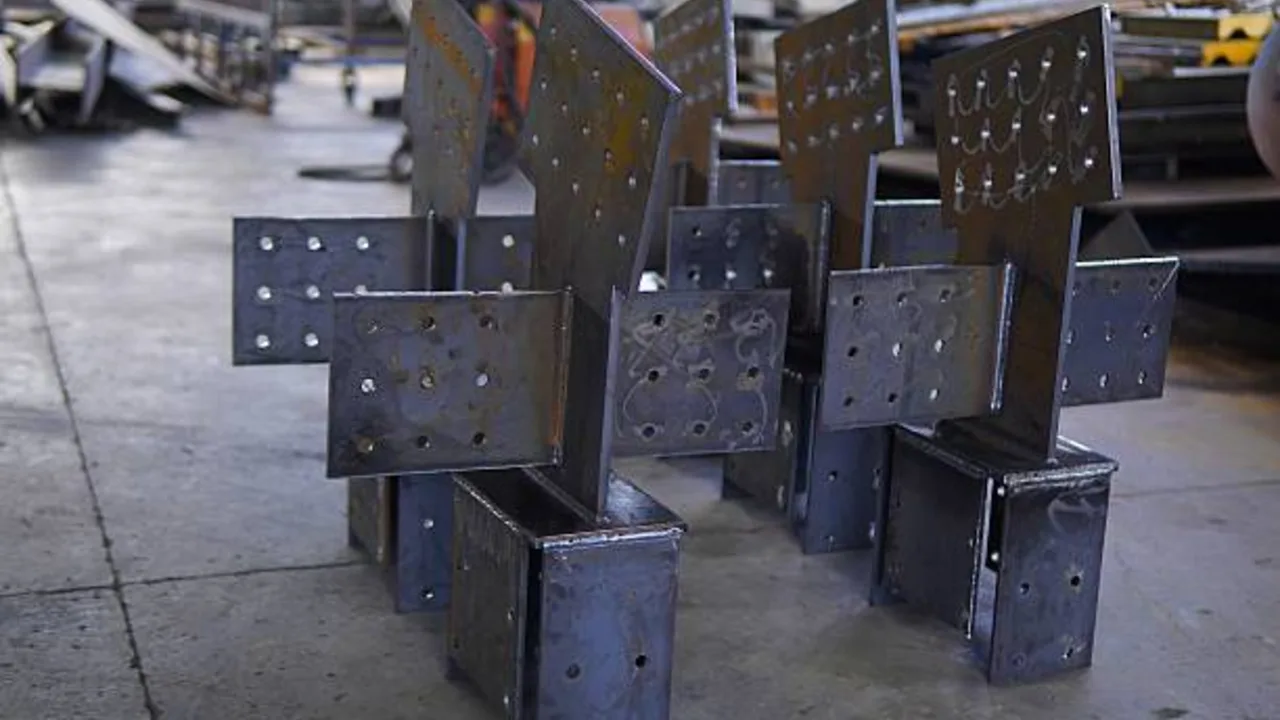
In a professional steel structure workshop manufacturer, NCR handling is embedded within the overall production system. This integration ensures that quality control and manufacturing processes operate in alignment.
By managing NCRs efficiently, manufacturers can maintain productivity while ensuring that quality standards are consistently met.
Real Project Example: NCR Handling in Steel Structure Projects
In real-world steel structure projects, NCR handling plays a critical role in maintaining quality across complex fabrication and installation processes. For example, in large-scale projects such as railway stations or industrial facilities, deviations may occur due to fabrication tolerances, welding inconsistencies, or on-site assembly challenges.
A typical scenario involves a dimensional deviation detected during inspection. An NCR is issued, documenting the discrepancy and referencing design drawings. The engineering team then evaluates the impact and determines whether rework or design adjustment is required.
Once the corrective action is approved, the fabrication team implements the solution, followed by re-inspection to verify compliance. This structured workflow ensures that all issues are resolved systematically without compromising structural integrity.
Such cases highlight how an effective steel manufacturer NCR handling system supports both quality assurance and project delivery.
Best Practices for Effective NCR Handling
Standardized NCR Workflow
Establishing a clear and standardized NCR process is the foundation of effective quality control in steel manufacturing. Without a defined workflow, NCR handling becomes inconsistent, reactive, and highly dependent on individual judgment rather than system control.
A well-structured NCR workflow should clearly define:
- How non-conformances are identified and reported
- Required documentation standards (photos, drawings, measurements)
- Root cause analysis procedures
- Approval hierarchy for corrective actions
- Criteria for verification and closure
Standardization ensures that every NCR follows the same path regardless of project size or complexity. This is especially critical for manufacturers handling multiple projects simultaneously, where consistency across teams and locations is required.
In a mature steel manufacturer NCR handling system, workflows are often documented in quality manuals and reinforced through internal training. This eliminates ambiguity, reduces decision delays, and improves audit readiness.
Fast Response System
Speed is a critical factor in NCR handling. Delayed response to non-conformance issues can lead to cascading problems, especially in sequential manufacturing processes where defects may propagate to downstream operations.
An effective fast-response system focuses on:
- Immediate NCR reporting at the point of detection
- Rapid escalation to responsible teams
- Quick preliminary assessment to determine severity
- Temporary containment actions to prevent further impact
For example, if a welding defect is identified but not addressed promptly, subsequent assembly or coating processes may proceed, resulting in additional rework or material waste.
Manufacturers often implement real-time reporting systems—either digital platforms or integrated QA tools—to ensure that NCRs are visible instantly to all relevant stakeholders. This reduces lag time between detection and action.
Ultimately, a fast response system minimizes production disruption and keeps project timelines under control.
Clear Responsibility Assignment
One of the most common reasons for NCR delays is unclear ownership. When multiple departments are involved—such as production, QA/QC, and engineering—lack of defined responsibility can result in confusion and inaction.
To avoid this, each NCR should have:
- A designated owner responsible for overall coordination
- Clearly assigned roles for investigation, correction, and verification
- Defined deadlines for each stage of the process
This structured accountability ensures that NCRs do not remain open longer than necessary. It also improves communication across teams by establishing a single point of responsibility.
In advanced systems, responsibility is often tracked through NCR management software, where each task is assigned, monitored, and recorded. This creates full transparency and traceability throughout the process.
Strong ownership culture transforms NCR handling from a passive reporting system into an active quality control mechanism.
Continuous Monitoring and Reporting
Effective NCR handling does not stop at issue resolution. Continuous monitoring and reporting are essential for improving long-term performance and preventing recurrence.
Manufacturers track key NCR performance indicators such as:
- Number of NCRs per project or production stage
- Average response and closure time
- Recurring defect types
- Root cause distribution (human, material, process)
By analyzing this data, manufacturers can identify systemic weaknesses and implement targeted improvements. For example, a high frequency of welding-related NCRs may indicate the need for additional welder training or process adjustment.
Regular reporting also supports management decision-making. It provides visibility into quality performance and helps prioritize resource allocation for improvement initiatives.
In a robust steel manufacturer NCR handling framework, NCR data becomes a strategic asset. Instead of merely documenting problems, it drives continuous improvement and enhances overall manufacturing efficiency.
Conclusion: Strengthening Quality Through NCR Systems
Effective NCR handling is a fundamental aspect of modern steel manufacturing. For any steel manufacturer NCR handling system, the ability to identify, analyze, and resolve non-conformances directly impacts product quality and operational efficiency.
By implementing structured NCR processes, manufacturers can maintain high standards, reduce defects, and deliver reliable steel structures. In a competitive industry, a strong NCR system is not just a requirement—it is a key driver of long-term success.