In modern industrial production, workforce capability is one of the most decisive factors in determining manufacturing performance. Nowhere is this more evident than in steel fabrication environments, where precision, repetition, and structural integrity are critical. The concept of steel manufacturing workforce skills goes beyond individual expertise—it represents a structured system that aligns human capability with production demands.
Without a well-defined skill structure, even advanced machinery and optimized processes can fail to deliver consistent results. Poorly matched skills often lead to welding defects, assembly errors, production delays, and safety risks. On the other hand, manufacturers that invest in structured workforce development gain a significant competitive advantage in quality, efficiency, and scalability.
This article explores how workforce skills are organized inside steel manufacturing plants, how welder grading systems function, and how manufacturers maintain consistency across complex production operations.
What Defines Steel Manufacturing Workforce Skills?
Core Skill Categories in Steel Manufacturing
Steel manufacturing involves a wide range of specialized skills distributed across different production stages. These skills can be broadly categorized into four main groups:
- Welding skills – critical for structural integrity and load-bearing performance
- Fabrication and assembly – ensuring precise alignment and structural accuracy
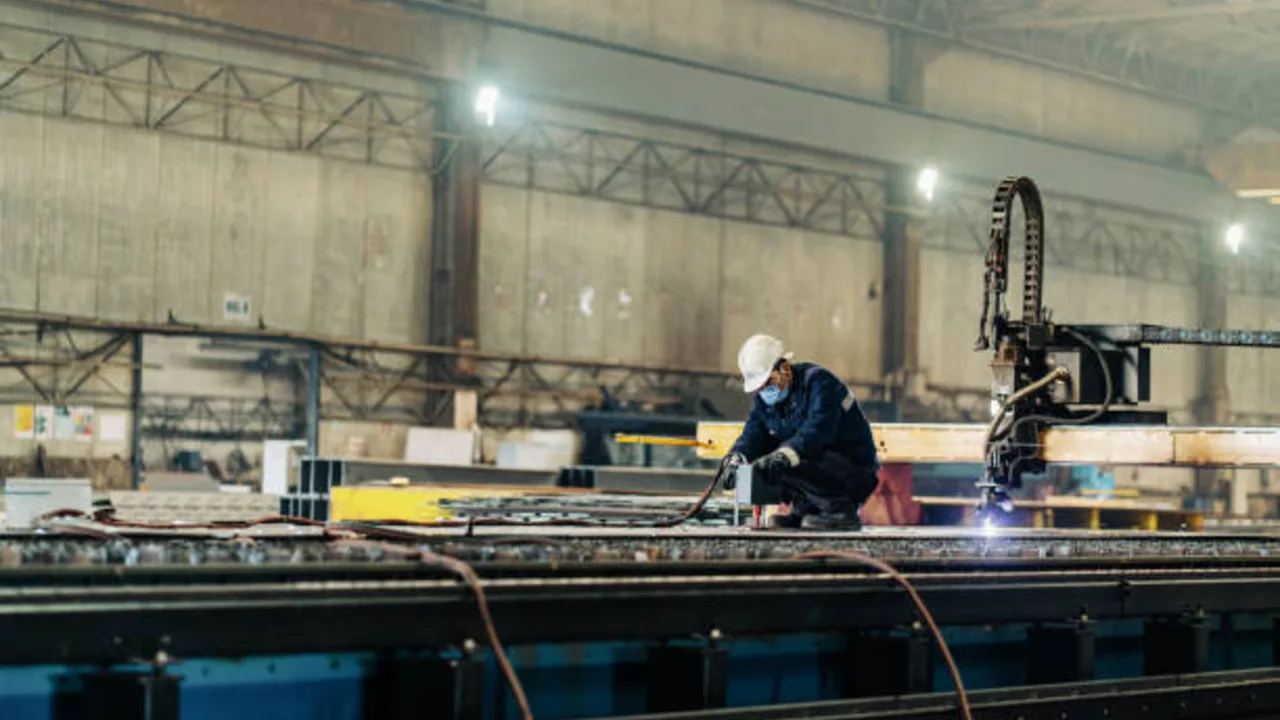
- Machine operation – handling CNC cutting, drilling, and forming equipment
- Quality inspection – verifying compliance with engineering specifications
Each category requires a different level of expertise, and the balance between them defines the overall capability of a manufacturing facility.
Skill vs Role vs Certification
Understanding workforce structure requires distinguishing between skill, role, and certification. Skill refers to the actual ability to perform a task, such as executing a weld or operating a machine. A role defines the job function within the production system, while certification validates that an individual meets specific industry standards.
Manufacturers rely on this layered structure to ensure that tasks are assigned correctly and that performance can be measured objectively.
Why Skill Structure Matters at Scale
In large-scale manufacturing, the repetition of processes amplifies both strengths and weaknesses. A minor skill gap in a single worker can result in hundreds of defective outputs when repeated across production cycles.
This is why steel manufacturing workforce skills must be managed systematically. Consistency is not achieved through individual excellence alone, but through structured distribution of skills across the entire workforce.
Workforce Hierarchy in Steel Manufacturing Plants
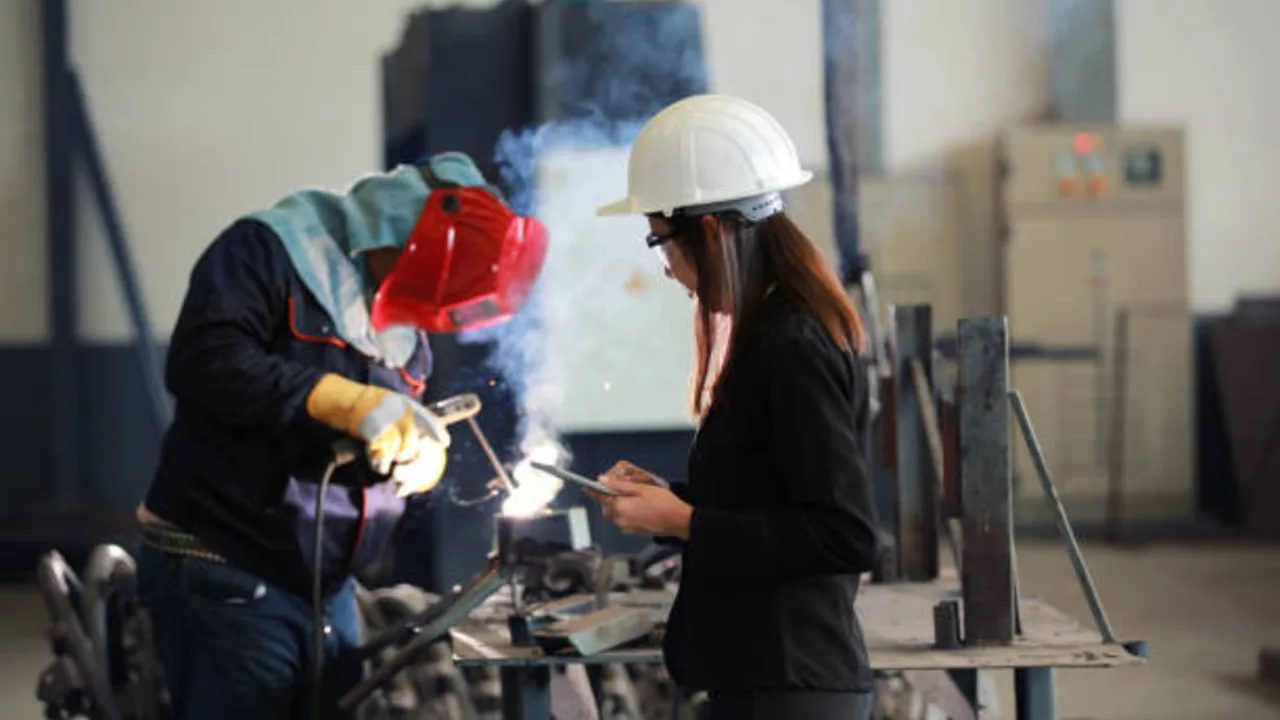
Entry-Level Workers
At the base of the workforce structure are entry-level workers, including helpers, assistants, and material handlers. Although often overlooked, this layer plays a critical role in maintaining workflow continuity and operational efficiency. Their responsibilities typically include transporting raw materials, preparing components for fabrication, organizing tools, and supporting skilled operators during production.
While their tasks may appear simple, they require a high level of discipline and attention to detail. Mistakes at this stage—such as incorrect material identification, improper handling, or poor preparation—can cascade into more serious issues in later stages, including misalignment, welding defects, or production delays.
In well-structured manufacturing environments, entry-level workers are also part of a long-term talent pipeline. Through exposure to real production processes, they gradually develop foundational knowledge that prepares them for advancement into skilled roles. This progression is essential for sustaining steel manufacturing workforce skills over time.
Skilled Operators
Skilled operators form the backbone of steel manufacturing operations. This group includes certified welders, CNC machine operators, fit-up technicians, and assembly specialists. Their work directly determines the quality, precision, and structural integrity of the final product.
Unlike entry-level workers, skilled operators are responsible for executing critical production tasks that require both technical knowledge and hands-on expertise. For example, welders must control parameters such as heat input, travel speed, and electrode angle, while machine operators must ensure precise cutting, drilling, and forming according to engineering specifications.
Operators are typically trained to specialize in specific processes and must strictly follow standardized procedures such as Welding Procedure Specifications (WPS). Consistent adherence to these procedures is essential for maintaining uniform output across large production volumes.
In high-performance manufacturing plants, skilled operators are also evaluated based on measurable indicators such as defect rates, productivity, and compliance with quality standards. This>steel manufacturing workforce skills.
Senior Technicians and Supervisors
Senior technicians and supervisors act as the control layer within the workforce hierarchy. This group includes lead welders, fabrication supervisors, foremen, and QA/QC inspectors. Their primary responsibility is to ensure that production activities are executed correctly and in line with established standards.
From a technical perspective, senior personnel possess advanced knowledge of processes, materials, and quality requirements. They are capable of troubleshooting complex issues, identifying root causes of defects, and implementing corrective actions in real time.
From a managerial standpoint, they coordinate teams, allocate tasks, and monitor workflow efficiency. This dual role makes them essential in bridging the gap between execution and control. Without effective supervision, even highly skilled operators may produce inconsistent results due to lack of coordination or oversight.
Additionally, QA/QC inspectors within this layer play a crucial role in validating output. Through inspections and testing, they ensure that all fabricated components meet engineering and regulatory requirements. Their feedback also contributes to continuous improvement across the production system.
Engineering and Management Layer
At the top of the hierarchy is the engineering and management layer, which defines the overall structure and direction of manufacturing operations. This includes welding engineers, process engineers, production managers, and plant supervisors.
These professionals are responsible for designing workflows, developing procedures, and optimizing production systems. They determine how resources—including manpower, equipment, and materials—are allocated to achieve maximum efficiency and quality.
One of their key responsibilities is aligning workforce capabilities with production requirements. This involves analyzing skill distribution, identifying gaps, and implementing training or recruitment strategies to maintain balance across the organization.
Decisions made at this level directly influence how steel manufacturing workforce skills are structured and utilized. For example, introducing new fabrication technologies may require upgrading workforce skills, while scaling production may demand reorganization of workforce roles.
Ultimately, this layer ensures that the entire workforce operates as an integrated system rather than a collection of individual roles. By combining technical expertise with strategic planning, engineering and management teams drive long-term performance, scalability, and competitiveness in steel manufacturing.
Welder Grading Systems and Their Role
What Is Welder Grading?
Welder grading is a classification system used to categorize welders based on their skill level, experience, and certification status. This system allows manufacturers to assign tasks according to capability, ensuring that complex welds are handled by qualified personnel.
Common Grading Levels
Although grading systems may vary, most manufacturers follow a tiered approach:
- Beginner level – basic welds under supervision
- Intermediate level – standard production welding tasks
- Advanced level – complex joints and critical structures
In addition, position-based certifications such as 1G to 6G define the complexity of welding positions a welder can handle.
Impact of Welder Grading on Production
Proper welder grading ensures that each task is matched with the appropriate skill level. This reduces defect rates, improves efficiency, and enhances overall production reliability.
For example, assigning a complex multi-position weld to an underqualified worker significantly increases the risk of failure.
Integration with WPS Requirements
Welder grading is closely linked to Welding Procedure Specifications. Each WPS defines specific requirements, and only welders with the appropriate qualifications should perform those tasks.
This alignment ensures that procedures are executed correctly and consistently.
Skill Distribution Across Production Processes
Cutting and Material Preparation
This stage typically requires lower skill levels but demands high precision. Errors in cutting can propagate through the entire production process, affecting fit-up and welding accuracy.
Assembly and Fit-Up
Assembly requires moderate skill levels, particularly in aligning components correctly. Misalignment at this stage can lead to welding difficulties and structural issues.
Welding Operations
Welding represents the highest skill requirement within the production chain. It directly determines the structural performance of the final product, making it the most critical stage.
Inspection and Finishing
Inspection involves specialized knowledge and attention to detail. QA/QC personnel must identify defects and ensure compliance with standards, providing feedback for process improvement.
Challenges in Managing Steel Manufacturing Workforce Skills
Skill Gaps in Rapidly Scaling Projects
One of the most common challenges in steel fabrication environments is the mismatch between workforce capacity and project demand. When large-scale projects ramp up quickly, the need for skilled labor often exceeds availability. This creates pressure to assign tasks to underqualified workers, increasing the risk of defects and rework.
Without a structured approach to managing steel manufacturing workforce skills, this gap can significantly impact both production speed and quality consistency.
Inconsistent Skill Levels Across Teams
Even within the same facility, different teams may exhibit varying skill levels. This inconsistency leads to uneven output quality, making it difficult to maintain standardized production results across multiple lines or shifts.
Manufacturers must continuously monitor performance and adjust workforce allocation to minimize these variations.
Balancing Training and Production Pressure
Training is essential, but it requires time and resources. In high-demand production environments, it can be challenging to balance skill development with tight delivery deadlines. As a result, training programs are often delayed or reduced, creating long-term skill gaps.
Retention of Skilled Workers
Experienced workers are highly valuable in steel manufacturing. However, retaining them can be difficult due to competitive labor markets and demanding working conditions. High turnover disrupts continuity and forces manufacturers to repeatedly invest in training new personnel.
How Manufacturers Build a Strong Skill Structure
Structured Training Programs
Professional manufacturers do not rely on informal learning or trial-and-error methods. Instead, they develop structured training programs that systematically build workforce capability over time. These programs typically combine classroom-based instruction with hands-on practical training, ensuring that workers not only understand theoretical concepts but can also apply them in real production environments.
Training is usually designed in progressive stages. Entry-level workers begin with basic tasks such as material handling and simple preparation processes. As they gain experience, they are gradually introduced to more complex operations, including machine handling, assembly, and eventually welding or inspection tasks. This step-by-step progression reduces the risk of errors while accelerating skill development.
In advanced manufacturing environments, training programs are often standardized across departments to ensure consistency. Some manufacturers also integrate simulation tools or controlled training environments where workers can practice without impacting production output.
This structured approach creates a continuous pipeline of qualified personnel, ensuring that steel manufacturing workforce skills are not dependent on external hiring alone but are developed internally. Over time, this reduces operational risk and strengthens long-term workforce stability.
Certification and Requalification
Certification plays a critical role in validating workforce competence. It provides measurable proof that a worker meets specific technical standards required for their role. In steel manufacturing, this is especially important for high-risk operations such as welding, where improper execution can lead to structural failure.
However, certification alone is not sufficient. Skills can degrade over time due to inactivity, changes in processes, or evolving standards. This is why manufacturers implement requalification systems to ensure that workers maintain consistent performance levels.
Requalification may be triggered by several factors:
- Introduction of new materials or welding procedures
- Changes in production technology or equipment
- Detection of recurring quality issues
- Extended periods of inactivity for certain workers
For welding personnel, requalification often involves practical testing under controlled conditions, ensuring alignment with current WPS requirements.
By combining certification with periodic requalification, manufacturers maintain a high level of confidence in their workforce. This ensures that steel manufacturing workforce skills remain reliable, consistent, and aligned with production standards.
Skill-Based Task Allocation
One of the most effective ways to optimize workforce performance is through skill-based task allocation. Rather than assigning tasks randomly or based on availability, professional manufacturers match job complexity with worker capability.
High-complexity tasks—such as multi-position welding, precision assembly, or critical structural joints—are always assigned to experienced and highly qualified personnel. These operations have a direct impact on product quality and structural integrity, making skill alignment essential.
On the other hand, lower-risk or repetitive tasks can be allocated to less experienced workers under supervision. This not only improves efficiency but also serves as a training pathway, allowing workers to gradually develop their skills in a controlled manner.
In more advanced systems, manufacturers use workforce mapping tools or digital tracking systems to monitor individual skill levels, certifications, and performance metrics. This enables dynamic task allocation based on real-time workforce capability.
Effective task allocation reduces defect rates, improves production efficiency, and ensures consistent output quality. More importantly, it allows manufacturers to fully leverage their steel manufacturing workforce skills by placing the right people in the right roles at the right time.
Role of Standardization in Workforce Efficiency
Standard Operating Procedures (SOPs)
SOPs reduce reliance on individual interpretation by providing clear instructions for each task. This ensures that even less experienced workers can perform operations consistently when following defined procedures.
Modular Fabrication Systems
Modular approaches simplify production by breaking complex structures into standardized components. This reduces the skill requirement for certain tasks and improves overall efficiency.
Digital Workforce Management
Modern manufacturing facilities increasingly rely on digital systems to track workforce skills, certifications, and performance. These tools provide real-time visibility into workforce capabilities, enabling better decision-making.
Integration with Steel Structure Manufacturing Workflow
Coordination Between Teams
Steel manufacturing requires close coordination between different departments, including fabrication, welding, and inspection. Each stage depends on the previous one, making teamwork essential for maintaining workflow efficiency.
Impact on Project Delivery
A well-structured workforce directly influences project timelines. Skilled teams can complete tasks faster and with fewer errors, reducing delays and ensuring on-time delivery.
Link to Manufacturing Quality
There is a direct relationship between workforce skill levels and product quality. Manufacturers that invest in workforce development consistently achieve lower defect rates and higher customer satisfaction.
In a professional steel structure workshop manufacturer, workforce skill structure is fully integrated into the production system. This integration ensures that human capability aligns with engineering requirements and operational processes.
Conclusion: Workforce Skills as a Competitive Advantage
In steel manufacturing, technology and equipment alone cannot guarantee success. The true foundation of consistent quality and efficient production lies in the workforce. A structured approach to managing steel manufacturing workforce skills enables manufacturers to scale operations, reduce defects, and maintain high performance across projects.
By investing in training, certification, and systematic workforce management, manufacturers can transform their workforce into a strategic asset. In an increasingly competitive industry, those who master workforce structure will not only meet production demands but also set new standards for reliability and efficiency.