Production delays are one of the most persistent challenges in industrial fabrication, and nowhere is this more evident than in steel manufacturing. Understanding steel manufacturing delay causes is critical for manufacturers aiming to deliver projects on time while maintaining cost efficiency and quality standards.
In a typical steel factory, production is a multi-stage process involving cutting, welding, assembly, surface treatment, and final inspection. A delay in any one of these stages can quickly cascade across the entire workflow. The result is not just missed deadlines, but also increased costs, strained resources, and reduced client satisfaction.
This article explores the real root causes of delays inside steel factories—not theoretical assumptions, but practical issues that arise daily in manufacturing environments. From scheduling failures to process inefficiencies, each factor plays a role in disrupting production flow.
Why Production Delays Are Critical in Steel Manufacturing
Impact on Project Timelines
Steel manufacturing is rarely an isolated process. It is directly linked to downstream activities such as transportation, on-site installation, and project commissioning. When production delays occur, the entire project timeline is affected.
For example, a delay in fabricating steel components can halt construction progress on-site, leading to idle labor and equipment. In large infrastructure or industrial projects, even a minor delay at the factory level can translate into significant setbacks.
Financial and Operational Consequences
Delays in steel production carry immediate financial implications. Manufacturers face increased operational costs due to extended labor hours, additional equipment usage, and rework.
- Idle workforce waiting for upstream processes
- Increased overtime costs to recover schedules
- Logistics rescheduling and storage expenses
Over time, these inefficiencies accumulate, significantly reducing profitability.
Reputation Risks for Manufacturers
In a competitive industry, reliability is just as important as technical capability. Frequent delays can damage a manufacturer’s reputation, making it difficult to secure future contracts.
Clients expect predictable delivery timelines, especially in large-scale projects. Failure to meet these expectations can lead to penalties, disputes, and loss of long-term business relationships.
Major Steel Manufacturing Delay Causes in Factory Operations
Poor Production Planning
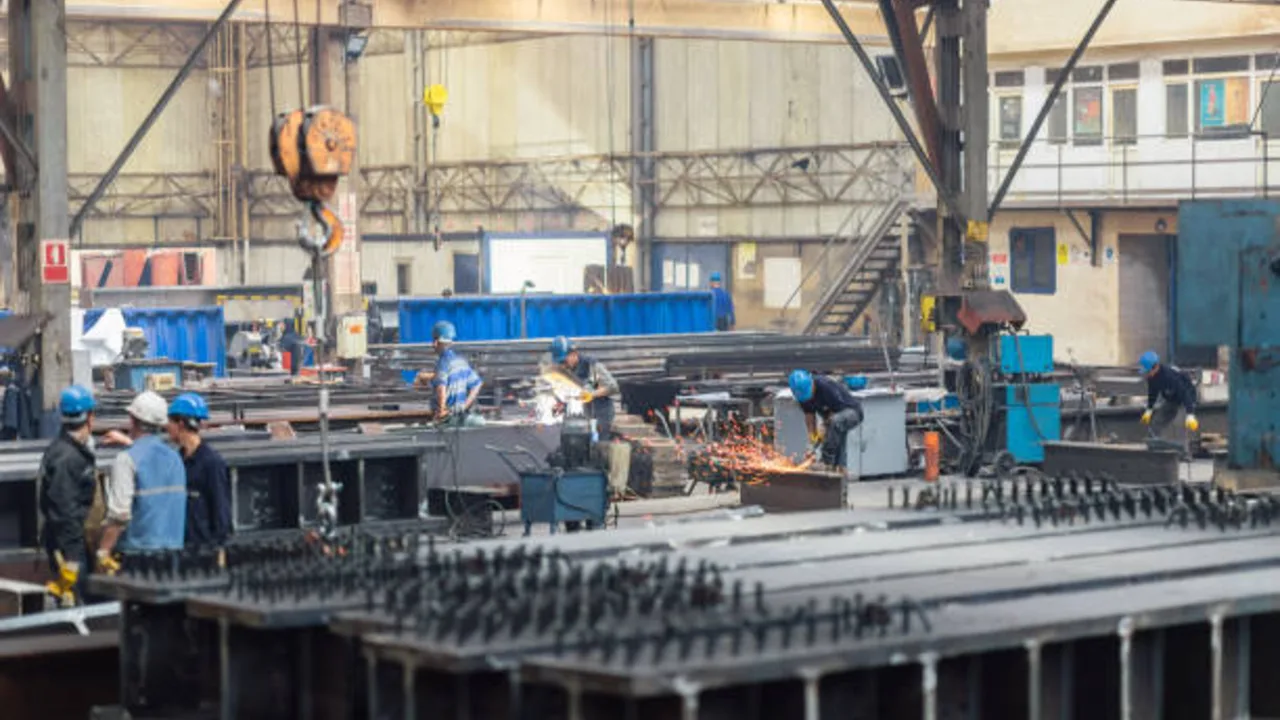
One of the primary steel manufacturing delay causes is inadequate production planning. Without a clear and structured plan, tasks are often executed out of sequence, leading to confusion and inefficiencies.
In many factories, planning is done based on rough estimates rather than detailed process mapping. This results in overlapping activities, underutilized resources, and frequent interruptions.
Scheduling Failure in Multi-Line Production
Steel factories typically operate multiple production lines simultaneously. Cutting, welding, drilling, and painting processes must be synchronized to ensure smooth workflow. However, scheduling failure often disrupts this coordination.
When one department falls behind, it creates bottlenecks in subsequent stages. For example, delayed cutting operations can halt welding activities, which in turn affects assembly and finishing processes.
This chain reaction highlights how critical scheduling accuracy is in preventing delays.
Material Supply Disruptions
Timely availability of raw materials is essential for uninterrupted production. Delays in material delivery or incorrect material specifications can stop production entirely.
Common issues include:
- Late delivery of steel plates or profiles
- Incorrect material grades requiring replacement
- Inventory mismanagement leading to shortages
These disruptions not only delay production but also create additional administrative and logistical challenges.
Equipment Downtime and Maintenance Issues
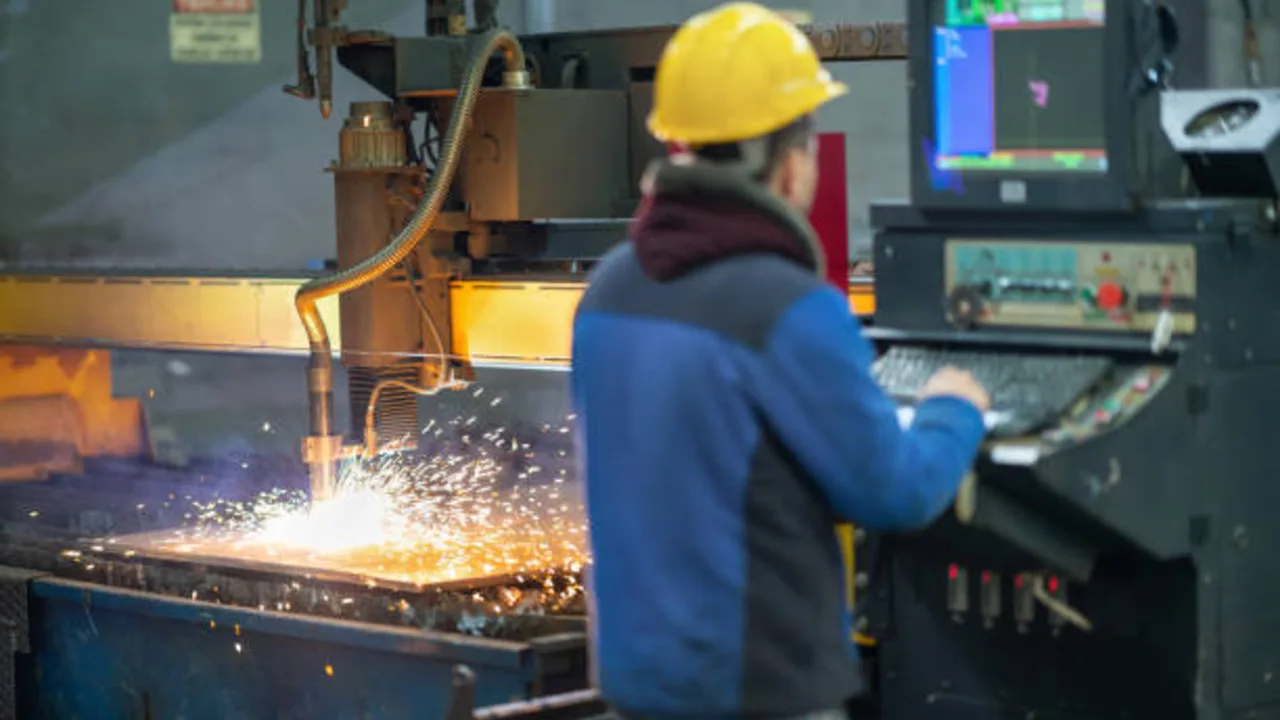
Machinery plays a central role in steel fabrication. When critical equipment such as CNC cutting machines or welding systems fail, production comes to a halt.
In many cases, downtime is caused by a lack of preventive maintenance. Instead of scheduled servicing, repairs are often reactive, leading to unexpected breakdowns during peak production periods.
This unpredictability makes it difficult to maintain consistent output and meet deadlines.
Role of Scheduling Failure in Production Delays
Inefficient Workflow Coordination
Scheduling is not just about assigning tasks—it is about coordinating multiple processes in a way that minimizes idle time and maximizes efficiency. In many steel factories, poor coordination between departments leads to significant delays.
For instance, if the welding team is not informed about delays in cutting, they may remain idle or switch tasks inefficiently. This lack of synchronization reduces overall productivity.
Lack of Real-Time Production Visibility
Another critical factor contributing to steel manufacturing delay causes is the absence of real-time monitoring systems. Without accurate data on production status, managers are forced to make decisions based on outdated or incomplete information.
This often leads to reactive management rather than proactive planning. Problems are addressed only after they occur, rather than being anticipated and prevented.
Overloading Production Capacity
In an attempt to maximize output, some manufacturers accept more orders than their production capacity can handle. This results in overloaded schedules, resource conflicts, and inevitable delays.
When machines, labor, and materials are stretched beyond their limits, efficiency declines. Instead of increasing productivity, overloading often creates more disruptions and slows down the entire process.
Human Factors Behind Steel Manufacturing Delays
Skill Gaps in Workforce
Steel fabrication requires a high level of technical skill, particularly in welding and assembly. Inadequate training or lack of experience can lead to errors that require rework.
These errors not only consume time but also disrupt the planned workflow, contributing to overall delays.
Communication Breakdowns
Effective communication is essential in any manufacturing environment. Misinterpretation of drawings, unclear instructions, or lack of coordination between teams can lead to mistakes.
Even small communication errors can result in incorrect fabrication, requiring components to be modified or remade.
Inadequate Training Systems
Without structured training programs, workers may rely on inconsistent methods or outdated practices. This lack of standardization increases variability in production quality and efficiency.
Over time, these inconsistencies become a major contributor to steel manufacturing delay causes, particularly in large-scale operations where uniformity is critical.
Process Inefficiencies Inside Steel Factories
Poor Workflow Layout
Factory layout plays a major role in production efficiency, yet it is often overlooked as a source of steel manufacturing delay causes. In many steel factories, material flow is not optimized. Components may need to be moved multiple times between cutting, welding, and assembly areas, increasing handling time and the risk of damage.
When workflow is not linear, workers spend more time transporting materials than actually processing them. This creates hidden delays that accumulate across the production cycle.
Lack of Standardization
Standardization is essential for maintaining consistency and efficiency in large-scale manufacturing. Without standardized processes, each team may execute tasks differently, leading to variations in quality and productivity.
For example, inconsistent welding techniques or assembly methods can result in uneven output, requiring additional inspection and correction. Over time, this lack of uniformity becomes a major bottleneck.
Rework Due to Quality Issues
Rework is one of the most expensive and time-consuming contributors to production delays. When defects are identified during inspection, components must be repaired or remanufactured, disrupting the entire workflow.
Common causes of rework include:
- Incorrect fabrication based on outdated drawings
- Poor welding quality requiring repairs
- Dimensional inaccuracies during assembly
Each instance of rework not only delays the current task but also affects downstream processes.
Integration Gaps Between Design and Production
Design Changes Mid-Production
Design modifications during production are one of the most overlooked yet impactful steel manufacturing delay causes. While changes in design are sometimes necessary due to client requirements, site conditions, or engineering improvements, they can significantly disrupt the entire manufacturing workflow when not properly managed.
In steel factories, production is highly sequential. Once cutting, drilling, or welding begins, any revision to drawings can immediately invalidate work that has already been completed. When drawings are updated mid-production, previously fabricated components may no longer meet specifications, forcing manufacturers to either modify or completely remake them.
This leads to several cascading issues:
- Material waste due to scrapped components
- Additional fabrication cycles that consume time and labor
- Disruption of downstream processes such as welding, assembly, and painting
- Reallocation of resources away from planned production tasks
More importantly, these changes create uncertainty within the production schedule. Teams are forced to pause, reassess, and re-sequence tasks, which significantly slows overall progress. In large-scale projects, even a single design revision can ripple across multiple production lines, amplifying steel manufacturing delay causes at every stage.
To mitigate this issue, manufacturers must establish strict change control procedures, ensuring that any design modification is carefully evaluated before implementation. Without this discipline, mid-production changes will continue to be a major source of inefficiency and delay.
Lack of Coordination Between Engineering and Shop Floor
Another critical contributor to steel manufacturing delay causes is the lack of coordination between engineering teams and shop floor operations. Even when designs are technically correct, poor communication can lead to serious execution problems.
In many factories, engineering and production operate in silos. Engineers focus on structural performance and compliance, while shop floor teams prioritize practicality and efficiency. When these perspectives are not aligned, misinterpretations and conflicts are inevitable.
Common coordination issues include:
- Drawings that do not consider fabrication limitations or machine capabilities
- Incomplete or unclear specifications leading to incorrect execution
- Late communication of design updates to production teams
- Inconsistent understanding of tolerances and assembly requirements
For example, an engineer may design a connection detail that is structurally sound but difficult to fabricate with existing equipment. When this reaches the shop floor, workers may either improvise or delay the process while seeking clarification. Both scenarios contribute directly to steel manufacturing delay causes.
Additionally, differences in interpretation of drawings can lead to dimensional errors or incorrect assembly. These mistakes often go unnoticed until later inspection stages, at which point rework becomes unavoidable—further extending production timelines.
Effective integration between engineering and production requires continuous communication and feedback loops. Shop floor teams should be involved early in the design phase to provide practical input, while engineers must ensure that all documentation is clear, complete, and aligned with manufacturing capabilities.
By closing this gap, manufacturers can significantly reduce errors, improve workflow efficiency, and eliminate one of the most persistent steel manufacturing delay causes in factory operations.
Real Project Insight: How Delays Occur in Large Steel Projects
In large-scale steel projects, production delays rarely originate from a single issue. Instead, they are the result of multiple interconnected factors. A delay in material supply can affect cutting schedules, which in turn impacts welding and assembly operations.
This chain reaction demonstrates how tightly integrated the production process is. In a professional steel structure workshop manufacturer, managing these interdependencies is essential for maintaining consistent output.
For instance, if welding is delayed due to manpower shortages, the assembly stage must wait, even if all materials are ready. Similarly, delays in quality inspection can prevent finished components from being dispatched, affecting logistics and site installation.
This interconnected nature of operations makes it clear that addressing steel manufacturing delay causes requires a holistic approach rather than isolated fixes.
How Steel Manufacturers Prevent Production Delays
Advanced Production Planning Systems
Modern steel manufacturers rely on advanced planning tools such as ERP (Enterprise Resource Planning) and MES (Manufacturing Execution Systems). These systems provide detailed scheduling, resource allocation, and progress tracking.
By integrating all production stages into a single platform, manufacturers can identify potential bottlenecks before they occur and adjust plans accordingly.
Real-Time Tracking and Monitoring
Real-time visibility into production status is critical for effective decision-making. Digital dashboards allow managers to monitor progress across different departments and respond quickly to any deviations.
This proactive approach reduces downtime and ensures that issues are addressed before they escalate.
Preventive Maintenance Programs
Regular maintenance of machinery helps prevent unexpected breakdowns. Instead of waiting for equipment to fail, manufacturers schedule maintenance activities based on usage and performance data.
This reduces unplanned downtime and ensures consistent production capacity.
Standardized Operating Procedures
Implementing standardized procedures across all production stages ensures consistency and efficiency. Clear guidelines help workers perform tasks correctly, reducing variability and minimizing errors.
Standardization also simplifies training and improves overall productivity.
Best Practices to Reduce Steel Manufacturing Delay Causes

Improve Scheduling Accuracy
Accurate scheduling is the foundation of efficient production. Manufacturers should use data-driven methods to estimate timelines and allocate resources realistically.
Buffer time should also be incorporated to handle unexpected disruptions without affecting the entire schedule.
Strengthen Cross-Department Communication
Clear and consistent communication between departments is essential. Regular coordination meetings and digital communication tools can help ensure that all teams are aligned.
This reduces misunderstandings and improves workflow synchronization.
Invest in Workforce Training
Skilled workers are key to maintaining production efficiency. Continuous training programs ensure that employees are capable of handling complex tasks and adapting to new technologies.
A well-trained workforce reduces errors, improves quality, and minimizes delays.
Optimize Factory Layout
Reconfiguring factory layout to support a logical workflow can significantly reduce material handling time. A streamlined layout improves efficiency and reduces unnecessary movement.
Implement Data-Driven Decision Making
Using data analytics to monitor performance and identify trends enables manufacturers to make informed decisions. This approach helps address issues proactively rather than reactively.
Over time, data-driven strategies can significantly reduce steel manufacturing delay causes and improve overall operational performance.
Conclusion: Building Delay-Resistant Manufacturing Systems
Production delays in steel factories are rarely caused by a single factor. Instead, they result from a combination of planning issues, scheduling failures, process inefficiencies, and human factors. Understanding these steel manufacturing delay causes is the first step toward building a more reliable manufacturing system.
By integrating advanced planning tools, improving communication, standardizing processes, and investing in workforce development, manufacturers can significantly reduce delays and improve overall efficiency.
In a highly competitive industry, the ability to deliver projects on time is a key differentiator. Manufacturers that prioritize operational discipline and continuous improvement are better positioned to meet client expectations and achieve long-term success.