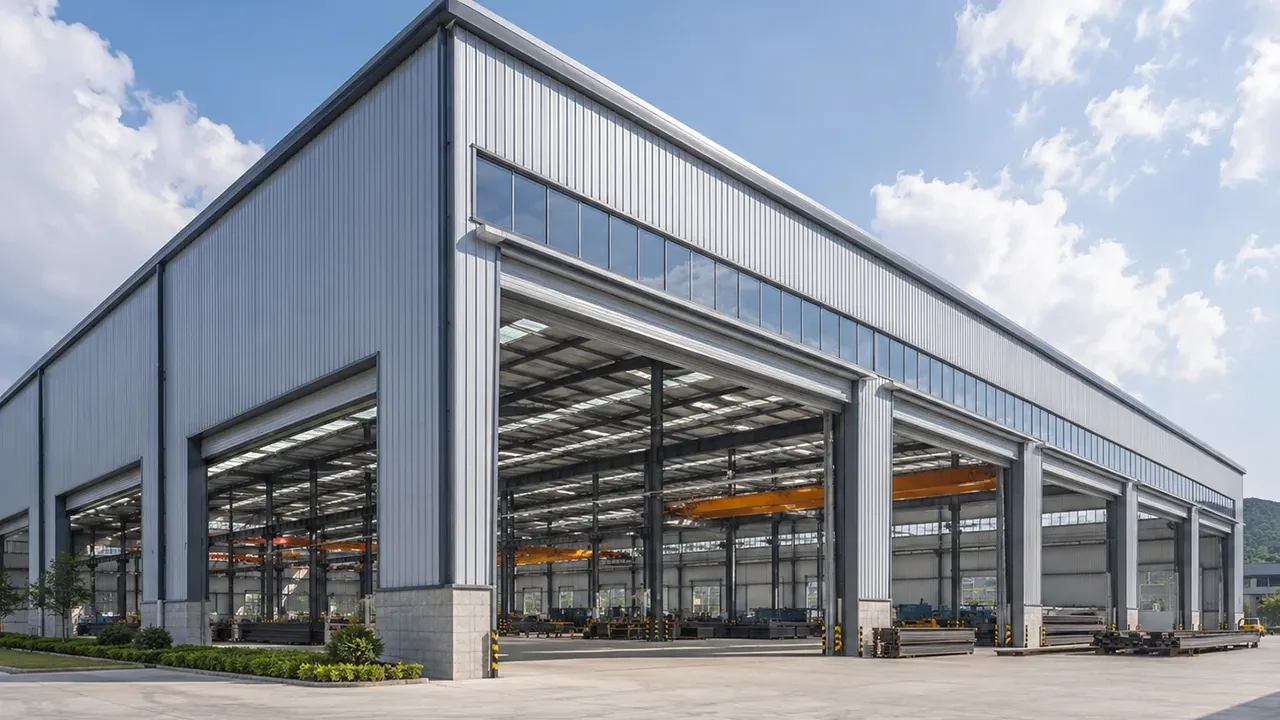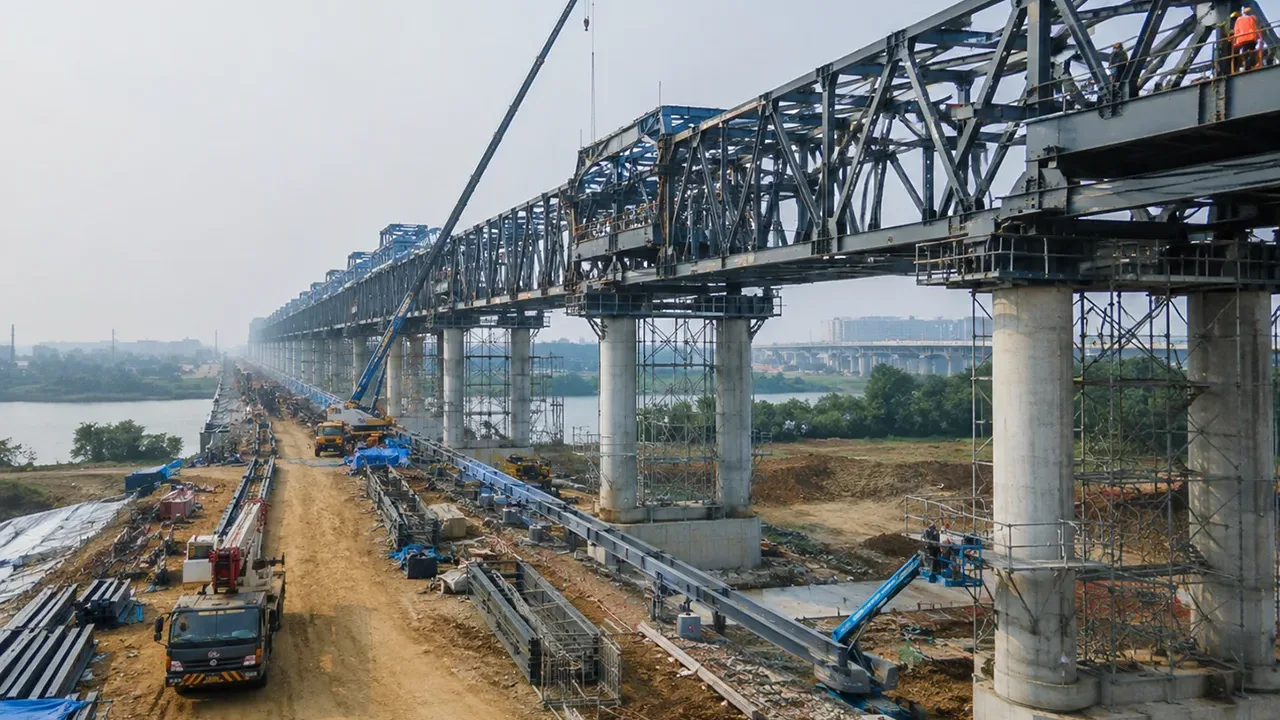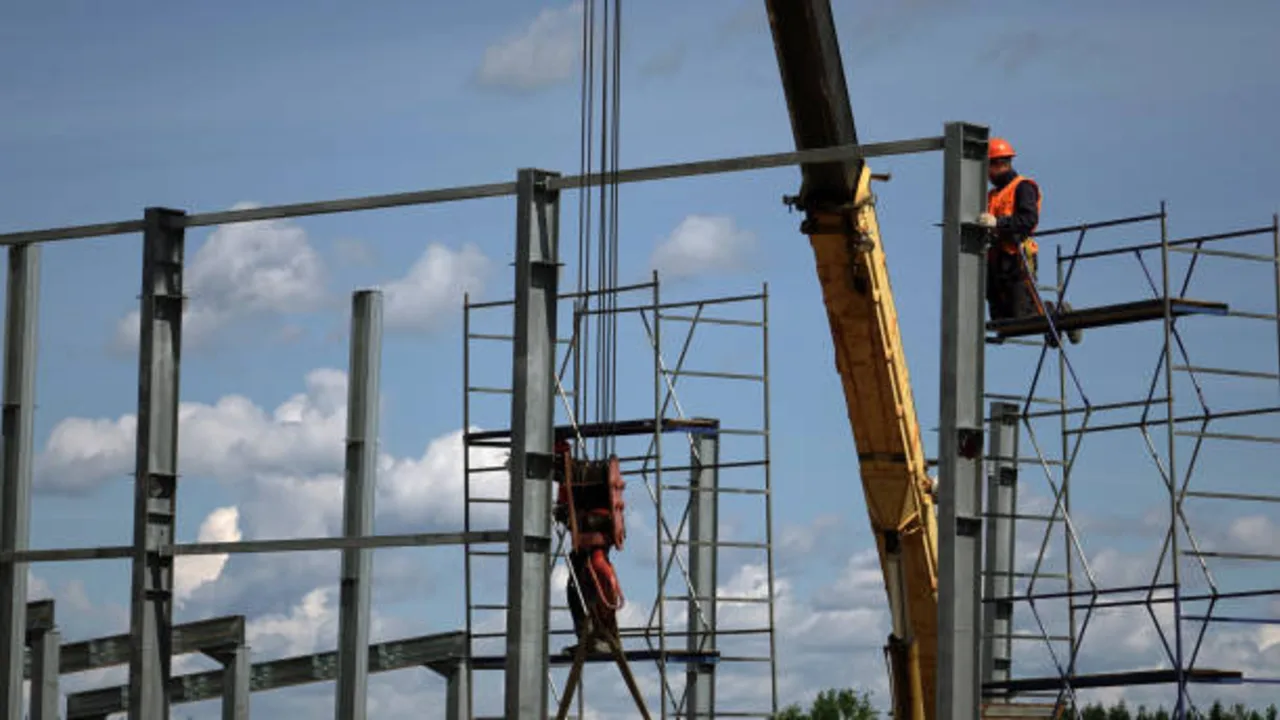
Modern industrial construction increasingly depends on efficient prefabrication systems. Steel structures are now commonly manufactured off-site and transported over long distances before installation. However, the success of prefabrication does not rely only on engineering and fabrication quality. Transportation itself has become a critical stage of project execution.
Without proper protection during logistics, even precisely manufactured steel components can suffer deformation, coating damage, connection misalignment, or safety risks before arriving on site. This is why the prefab steel transport frame has become an essential part of modern steel construction logistics.
A transport frame is more than temporary packaging. It functions as an engineered support system designed to stabilize, protect, and secure steel components during loading, shipping, unloading, and handling. Proper transport frame design improves delivery reliability, reduces project delays, minimizes repair costs, and enhances overall installation efficiency.
As global projects increasingly involve cross-border transportation, container shipping, and multi-stage logistics handling, the importance of engineered transport protection continues to grow. A properly designed prefab steel transport frame helps ensure that steel components maintain structural integrity and installation readiness throughout the entire delivery process.
Why Transport Frames Matter in Prefabricated Steel Projects
The transportation stage exposes steel components to conditions that differ significantly from their final structural environment. During transit, components may experience:
- Vibration
- Dynamic movement
- Temporary lifting stresses
- Road impact loads
- Environmental exposure
- Repeated handling operations
These conditions create risks that cannot be ignored during engineering planning.
A properly engineered prefab steel transport frame minimizes these risks by stabilizing components and distributing loads safely throughout transportation operations.
Transport frames also improve logistics efficiency. Organized loading systems allow safer stacking, faster unloading, and more predictable transportation workflows. This becomes especially important for large industrial projects involving hundreds or thousands of prefabricated components.
Without engineered transport systems, contractors often face:
- Damaged coatings
- Distorted steel members
- Unsafe unloading conditions
- Installation delays
- Unexpected repair costs
As a result, transport engineering has become a key operational component of prefabricated steel project management.
Understanding the Role of a Prefab Steel Transport Frame
Supporting oversized steel components
Many prefabricated steel components are long, heavy, or irregularly shaped. These geometries create handling challenges during transportation and lifting.
The role of a prefab steel transport frame is to provide temporary structural support that maintains stability throughout logistics operations.
Transport frames help distribute loads evenly and reduce stress concentrations that could otherwise damage steel members during transit.
Preventing movement during shipping
One of the biggest transportation risks involves uncontrolled movement of components during transit. Vibration, braking, turning, and road irregularities can all cause shifting if components are not adequately secured.
Transport frame systems reduce movement by:
- Creating stable restraint points
- Preventing rolling or sliding
- Controlling load positioning
- Maintaining component spacing
This improves both transportation safety and delivery quality.
Reducing coating and surface damage
Protective coatings are essential for long-term steel durability. However, coatings can easily become damaged during loading and shipping if components rub against each other or experience uncontrolled impacts.
A properly designed prefab steel transport frame minimizes contact points and protects coated surfaces during transportation.
This reduces the need for coating repairs on site and helps preserve corrosion protection performance.
Improving loading and unloading safety
Transport frames are not only designed for shipping. They also improve safety during loading, unloading, and crane handling operations.
Integrated lifting support systems allow workers to:
- Position loads more safely
- Reduce unstable lifting conditions
- Improve forklift compatibility
- Control component handling more efficiently
For large industrial projects, transport frame design directly influences operational safety performance throughout logistics activities.
Key Engineering Principles in Prefab Steel Transport Frame Design
Load distribution and weight balancing
One of the most important engineering objectives in prefab steel transport frame design is proper load distribution.
Uneven support conditions can create temporary bending stresses, localized deformation, or instability during transport.
Engineers must evaluate:
- Center of gravity locations
- Dynamic transport forces
- Trailer support spacing
- Temporary loading conditions
- Lifting force distribution
Balanced transport systems reduce transportation risks and improve structural protection.
Structural rigidity requirements
Transport frames must possess sufficient rigidity to resist deformation during transportation and lifting.
Weak temporary frames can fail under dynamic loading conditions, potentially causing:
- Component damage
- Unsafe transportation conditions
- Lifting instability
- Cargo shifting
For this reason, structural analysis is often required during prefab steel transport frame development.
Lifting point integration
Transport frame systems are frequently integrated with crane lifting strategies.
Properly designed lifting points help:
- Reduce temporary stresses
- Improve lifting stability
- Prevent structural distortion
- Increase unloading efficiency
Poorly positioned lifting points can create dangerous load imbalances and damage structural components.
As a result, lifting analysis is a critical part of transport engineering.
Transportation vibration resistance
Transportation subjects steel components to continuous vibration and impact loading.
Over long distances, repeated vibration can loosen restraints, damage coatings, or create fatigue-related issues in temporary support systems.
An engineered prefab steel transport frame accounts for:
- Road vibration
- Container movement
- Marine shipping motion
- Repeated impact cycles
These conditions become increasingly important in international projects involving multi-stage transportation.
Frame modularity and reusability
Many manufacturers now design transport frames as reusable modular systems.
Reusable frame systems provide:
- Lower long-term logistics costs
- Standardized handling procedures
- Improved sustainability
- Faster packaging operations
This approach is particularly valuable in high-volume industrial projects with repetitive transportation cycles.
Material Selection for Transport Frames
Steel section selection
The choice of steel sections directly affects transport frame strength, weight, and cost efficiency.
Common transport frame materials include:
- Square hollow sections
- Steel channels
- I-beams
- Temporary welded assemblies
Engineers select sections based on loading conditions, transportation distances, and expected reuse cycles.
Temporary vs reusable frame systems
Some projects use disposable temporary transport frames designed for one-time delivery. Others use reusable systems intended for repeated logistics operations.
The decision depends on:
- Project scale
- Transportation frequency
- International shipping complexity
- Cost-benefit analysis
Large industrial manufacturers often prefer reusable systems because they improve long-term logistics efficiency.
Corrosion protection considerations
Transport frames themselves may also require corrosion protection, especially during marine transportation or long-term outdoor exposure.
Protective methods may include:
- Galvanizing
- Temporary coatings
- Protective wraps
- Moisture-resistant packaging
Proper corrosion control helps maintain transport frame durability and operational reliability.
For additional technical insight into shipping protection and corrosion prevention strategies, refer to this resource from AMPP (Association for Materials Protection and Performance).
Bolted and welded connection strategies
Connection methods directly influence transport frame assembly speed, structural reliability, and reusability.
Bolted systems offer:
- Faster disassembly
- Improved modularity
- Better transport flexibility
- Reduced repair complexity
Welded systems may provide higher rigidity for heavy transportation conditions but often reduce reusability efficiency.
Many modern prefab steel transport frame systems combine both bolted and welded elements to balance strength and operational practicality.
Shipping Protection Strategies for Prefabricated Steel Components
Edge and corner protection
Steel edges and corners are particularly vulnerable during transportation. Impacts during loading, trailer movement, or unloading can damage both structural geometry and protective coatings.
Transport frame systems frequently include:
- Rubber isolation pads
- Protective corner guards
- Spacer systems
- Impact-resistant supports
These features reduce physical damage and improve delivery quality.
Surface coating preservation
Surface coating protection is critical for maintaining long-term durability performance.
Improper transportation handling can cause:
- Paint scratching
- Galvanized surface damage
- Coating separation
- Corrosion exposure
An engineered prefab steel transport frame minimizes direct steel-to-steel contact and protects coated surfaces throughout transportation.
Moisture and environmental protection
Long-distance transportation may expose steel components to rain, humidity, saltwater environments, or temperature variations.
Protection strategies may include:
- Waterproof wrapping systems
- Desiccant moisture control
- Temporary environmental covers
- Ventilation management
These measures help prevent premature corrosion and coating deterioration during shipping.
Securing moving elements during transit
Some prefabricated assemblies contain movable or partially connected components.
Without proper restraint systems, these elements can shift during transportation and create:
- Connection damage
- Surface impact
- Structural distortion
- Transportation safety hazards
Transport frame systems must stabilize all temporary moving parts to ensure safe delivery conditions.
Transport Constraints That Affect Frame Design
Road transportation limitations
Road transport regulations directly affect transport frame dimensions and configuration.
Engineers must consider:
- Maximum legal width
- Bridge height restrictions
- Axle load limits
- Trailer compatibility
- Regional transportation permits
Ignoring these limitations can create major delivery delays and unexpected logistics costs.
Container shipping restrictions
International projects frequently involve container transportation.
Container dimensions impose strict restrictions on:
- Frame height
- Frame width
- Component orientation
- Loading sequence
A properly engineered prefab steel transport frame helps maximize container efficiency while maintaining component protection.
Port handling requirements
Port operations introduce additional handling conditions that transport systems must withstand.
These include:
- Repeated lifting cycles
- Container stacking
- Temporary outdoor storage
- Forklift handling
Transport frame systems designed for international logistics must account for these operational realities.
Crane and forklift compatibility
Efficient unloading requires transport frames to integrate safely with handling equipment.
Proper transport engineering considers:
- Forklift access spacing
- Crane lifting geometry
- Load stability during unloading
- Temporary storage positioning
Improved compatibility reduces unloading risks and increases logistics efficiency.
Transport Frame Design for International Projects
Long-distance shipping risks
International shipping exposes steel components to significantly longer transportation durations and more complex handling environments.
Extended logistics cycles increase exposure to:
- Marine vibration
- Saltwater corrosion
- Repeated handling operations
- Environmental fluctuations
As transportation duration increases, engineered protection becomes increasingly important.
Multi-stage transportation handling
Many global projects involve multiple transportation stages, including:
- Truck transport
- Port handling
- Ocean freight
- Final inland delivery
Each stage introduces different loading conditions and operational risks.
An effective prefab steel transport frame must perform reliably throughout all transportation phases.
Export packing coordination
Export logistics require coordination between fabrication teams, packaging specialists, shipping companies, and customs operations.
Improper coordination can create:
- Shipping delays
- Damaged cargo
- Inefficient container utilization
- Unexpected handling costs
Integrated transport planning improves both delivery reliability and logistics cost control.
Regional transportation regulations
Different countries maintain different transportation standards and regulations.
Transport frame design may require adaptation based on:
- Road regulations
- Port equipment capabilities
- Local lifting standards
- Import handling requirements
For international projects, logistics engineering becomes a highly coordinated global process.
How Digital Engineering Improves Transport Frame Design
3D transport simulations
Modern engineering teams increasingly use digital simulation tools to evaluate transportation behavior before shipment begins.
Simulation models help engineers:
- Analyze component stability
- Predict transport stresses
- Optimize restraint systems
- Reduce transportation risks
These tools improve decision-making accuracy during prefab steel transport frame development.
Structural transport analysis
Temporary transportation conditions can create loading scenarios that differ significantly from final building conditions.
Engineers often perform structural analysis to verify:
- Temporary stress limits
- Lifting deformation behavior
- Frame rigidity
- Support spacing requirements
This analysis helps prevent transport-related structural damage.
BIM coordination for logistics
Building Information Modeling (BIM) increasingly supports logistics planning in prefabricated construction.
BIM improves:
- Transport sequencing
- Container planning
- Lifting coordination
- Site logistics management
For additional insight into BIM-enabled logistics coordination, refer to this resource on Building Information Modeling (BIM).
Transport sequencing optimization
Transport sequencing directly affects unloading efficiency and installation progress on site.
Poor sequencing can create:
- Material congestion
- Excessive crane movement
- Repeated handling operations
- Installation delays
Digital logistics planning helps optimize delivery order and reduce operational inefficiencies throughout construction.
Common Problems Caused by Poor Transport Frame Design
Steel deformation
Improper support spacing or insufficient rigidity can cause temporary deformation during transportation.
Long-span steel members are especially vulnerable to:
- Bending
- Torsional distortion
- Connection misalignment
These issues may require costly repairs or field adjustments before installation.
Damaged coatings
Inadequate restraint systems frequently result in steel-to-steel contact during transit.
This can damage:
- Protective paint systems
- Galvanized coatings
- Surface finishing layers
Coating repairs performed on site often increase labor costs and delay project schedules.
Unsafe lifting conditions
Poorly engineered transport frames may create unstable unloading conditions.
Improper lifting geometry can result in:
- Load imbalance
- Unexpected shifting
- Unsafe crane operations
- Worker safety hazards
For large industrial projects, lifting safety is one of the most critical logistics priorities.
Delivery delays
Transport frame failures or inefficient logistics planning can delay project delivery schedules.
Unexpected transportation issues may require:
- Repacking operations
- Replacement transport equipment
- Emergency repairs
- Additional handling coordination
These disruptions affect both project timelines and overall construction efficiency.
Increased repair costs
Transportation damage frequently creates hidden project expenses.
Repair costs may involve:
- Coating restoration
- Structural straightening
- Connection modification
- Additional inspection procedures
An optimized prefab steel transport frame significantly reduces the likelihood of these avoidable expenses.
Best Practices for Designing a Prefab Steel Transport Frame
| Best Practice | Application | Project Benefit |
|---|---|---|
| Coordinate logistics early | Integrate transport planning during engineering stages | Reduces redesign risks and delivery delays |
| Use standardized frame systems | Apply reusable transport frame configurations | Improves handling efficiency and reduces long-term cost |
| Integrate lifting engineering | Design transport frames with safe lifting geometry | Improves unloading safety and crane efficiency |
| Prioritize shipping protection | Protect coatings and structural geometry during transit | Reduces repair costs and improves installation quality |
| Implement inspection procedures | Verify transport frame stability before shipment | Improves transportation reliability and operational safety |
Each of these practices supports safer and more reliable logistics performance throughout prefabricated construction operations.
Real-World Scenario: Optimized vs Non-Optimized Transport Frames
Consider two industrial steel projects involving similar structural components and transportation distances.
In the first project, transport frame systems were treated as temporary packaging rather than engineered logistics systems. Minimal structural analysis was performed, and lifting coordination was not integrated into the frame design.
During transportation, several steel components shifted within trailers, damaging protective coatings and creating connection misalignment issues. Unloading operations also became difficult because the transport frames lacked proper lifting support points.
As a result:
- Installation schedules were delayed
- Additional repair work became necessary
- Project logistics costs increased
- Operational safety risks rose significantly
In the second project, the engineering team developed an optimized prefab steel transport frame system integrated with logistics planning, crane coordination, and transportation analysis.
The transport frames provided:
- Stable load positioning
- Integrated lifting support
- Improved coating protection
- Efficient unloading procedures
The project achieved smoother transportation operations, fewer repairs, safer handling conditions, and improved installation efficiency.
This comparison demonstrates how engineered transport protection directly affects project execution quality.
Conclusion
In modern prefabricated construction, transportation is no longer a simple delivery activity. It is a critical engineering process that directly affects structural quality, logistics performance, installation efficiency, and project safety.
A properly engineered prefab steel transport frame protects steel components from transportation damage while improving handling efficiency throughout the logistics chain.
As prefabricated steel projects become larger, more international, and more logistically complex, transport frame engineering will continue to play an increasingly important role in project success.
Manufacturers and contractors that integrate transportation engineering early into project planning can significantly reduce operational risks, improve delivery reliability, and enhance overall construction efficiency.
For companies seeking advanced logistics-ready steel systems, working with an experienced prefabricated steel structure building manufacturer can provide major advantages in transportation coordination and project execution.