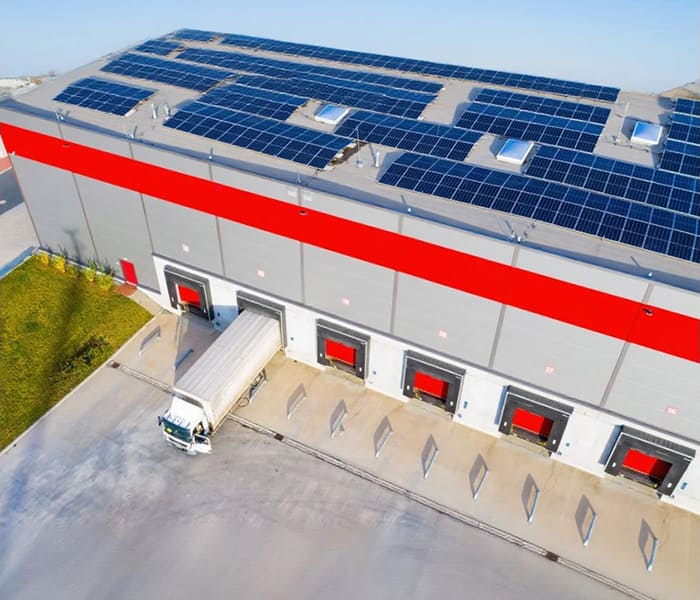
Overview of Steel Structure Warehouse Solutions
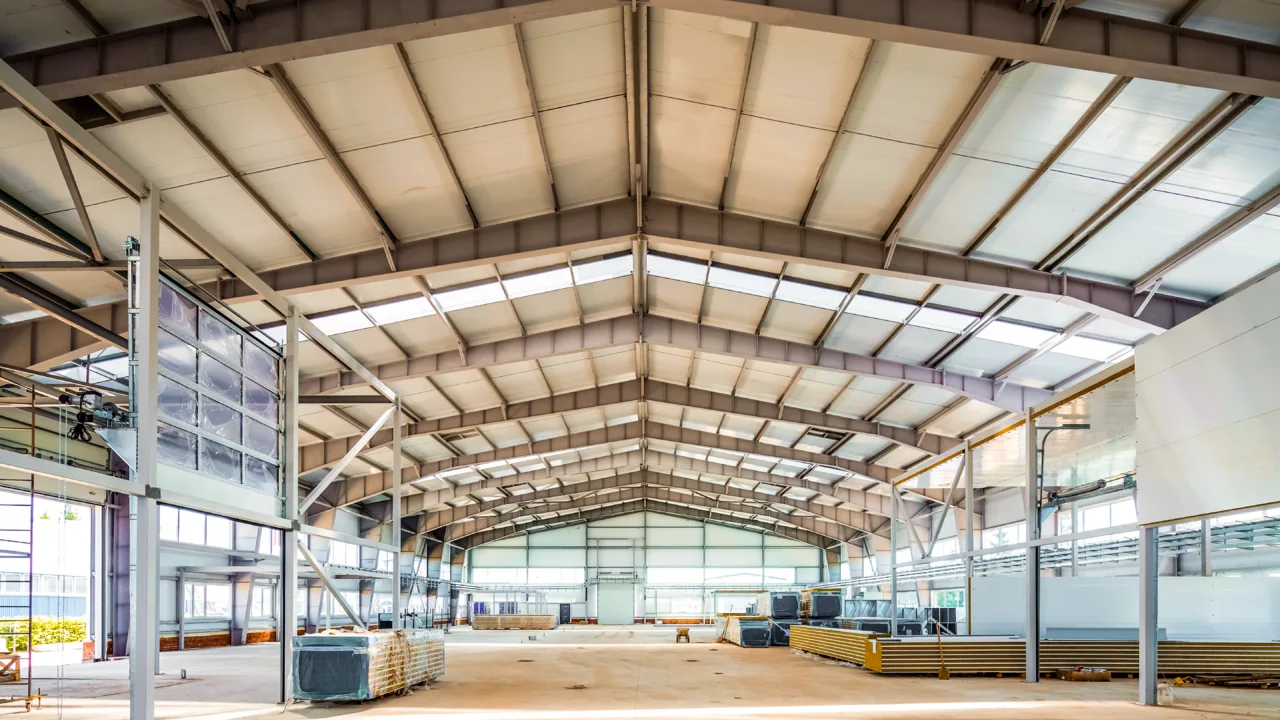
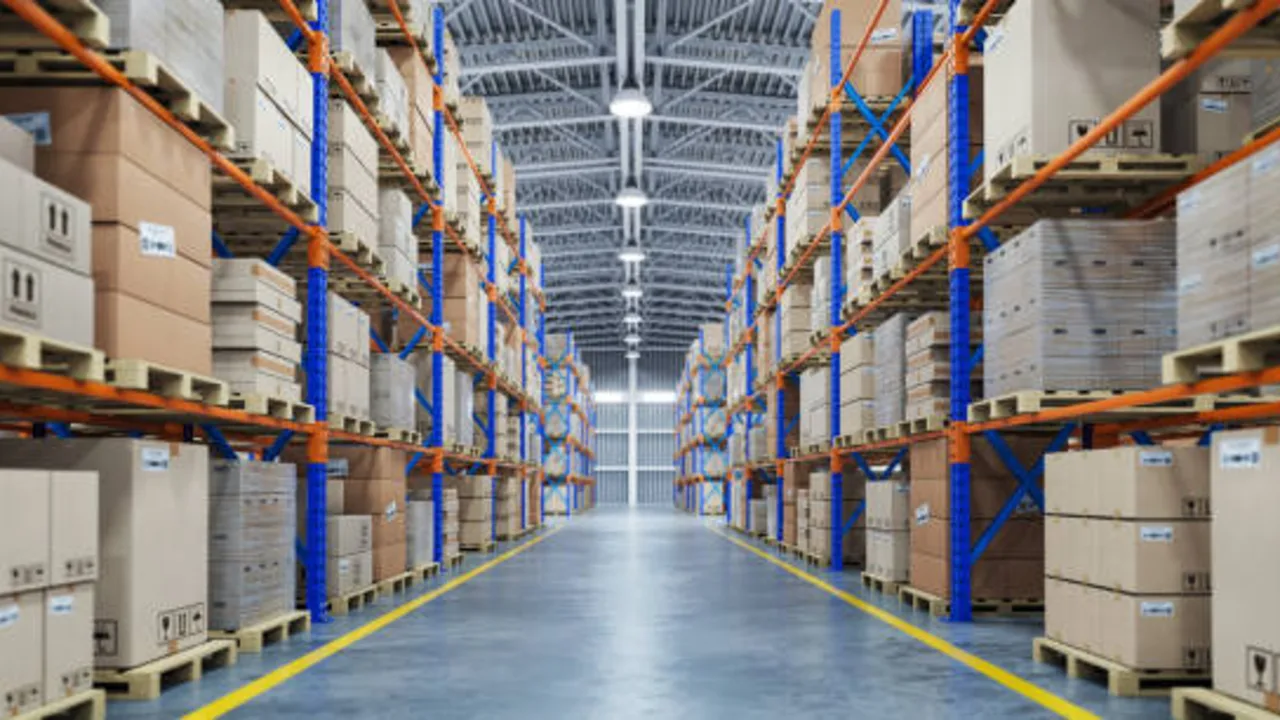
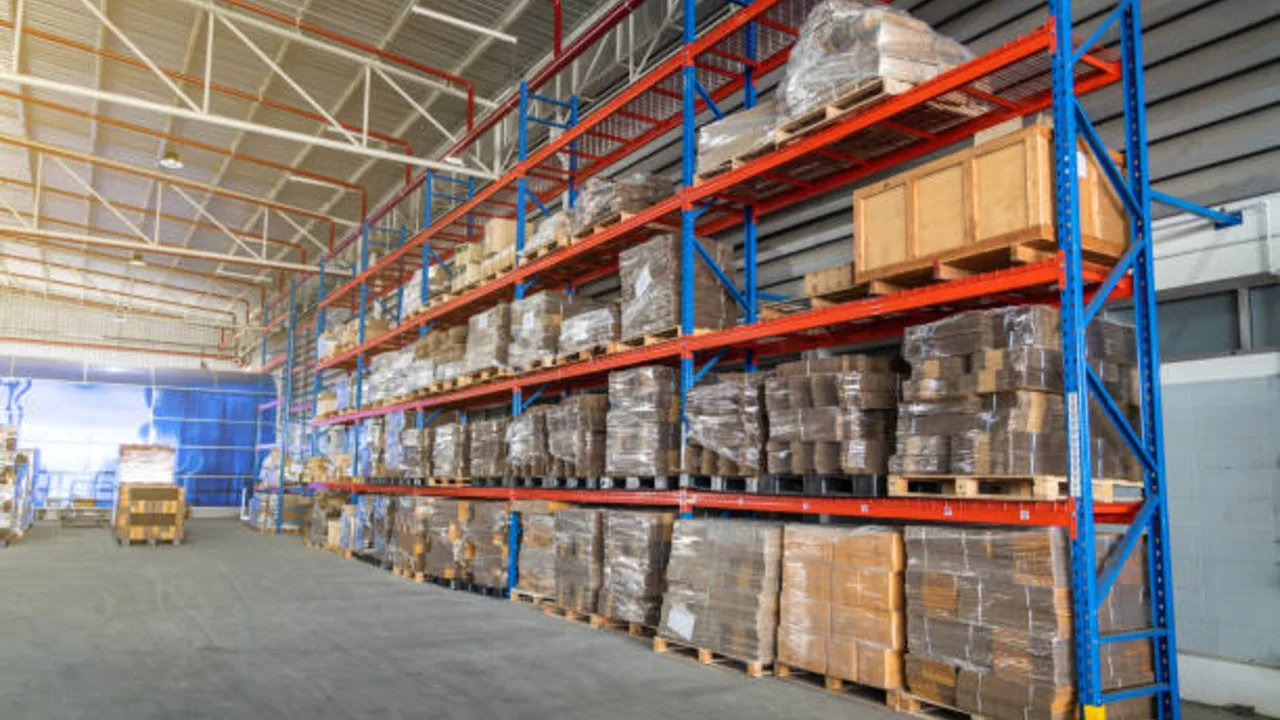
Warehouse buildings must be designed to support large interior volumes, efficient material handling, and long-term structural durability. A well-designed steel structure warehouse allows operators to maximize storage capacity while maintaining smooth logistics flow.
Steel structural systems enable warehouses to achieve large spans and high roof clearances without excessive structural weight. These characteristics are particularly important in modern logistics facilities where vertical storage systems and automated retrieval technologies are increasingly common.
Additionally, steel structures offer modular design possibilities. Warehouses can be expanded or modified as operational needs evolve, allowing companies to scale their logistics infrastructure without rebuilding entire facilities.
Types of Steel Structure Warehouses
Portal Frame Warehouse Structures
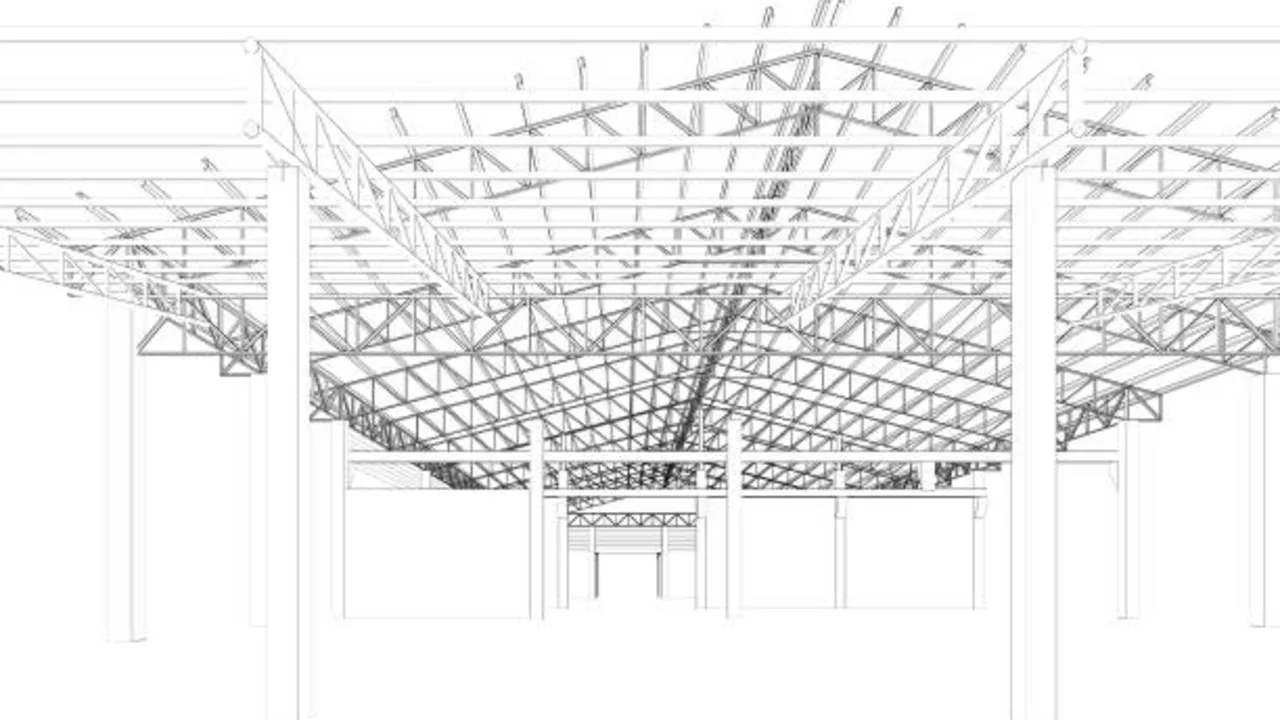
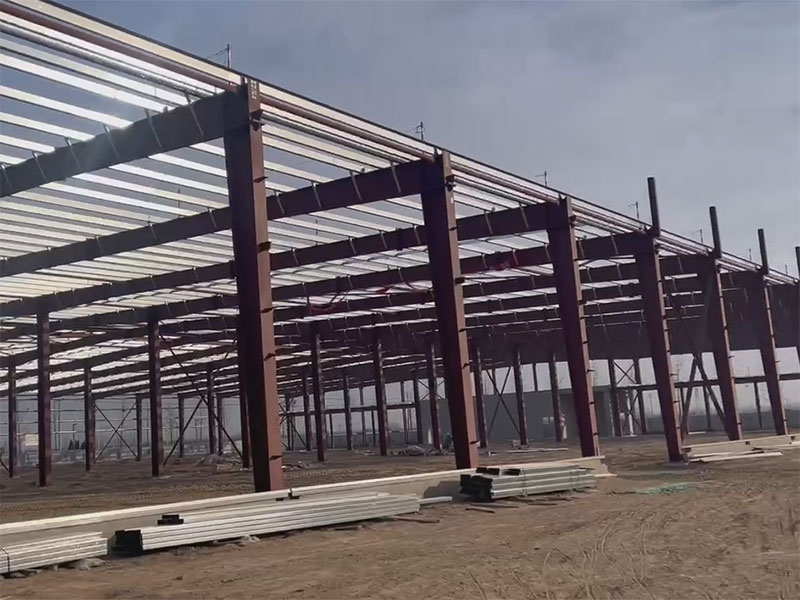
Portal frame structures are the most common configuration used in warehouse construction. This structural system uses rigid frames consisting of steel columns and beams to create wide interior spaces with minimal internal supports.
Portal frame warehouse buildings provide several advantages:
- Cost-efficient structural design
- Large column spacing
- Flexible interior layout
- Fast construction timelines
Because of these characteristics, portal frames are widely used in distribution centers and industrial storage facilities.
Large-Span Distribution Warehouses
Large logistics hubs often require extremely wide interior spaces to accommodate automated conveyor systems, sorting equipment, and high-density storage racks. In such projects, engineers design large-span warehouse structures that minimize internal columns.
These structures allow seamless logistics operations by providing uninterrupted space for equipment movement and goods handling.
Multi-Functional Industrial Warehouses
Many industrial projects require warehouse buildings that integrate both storage and production functions. A steel structure warehouse building can be designed to include manufacturing areas, assembly zones, and storage spaces within the same structural framework.
This integration improves operational efficiency and reduces logistics costs between production and storage areas.
Applications of Steel Structure Warehouses
Logistics and Distribution Centers
Logistics operators rely heavily on steel warehouse facilities for regional and international distribution networks. Large-scale distribution centers require open interior spaces that can support automated sorting systems, truck loading docks, and high-capacity storage racks.
Steel structures provide the structural strength and flexibility necessary for these complex logistics operations.
Industrial Storage Facilities
Manufacturing companies frequently require warehouse facilities to store raw materials, semi-finished goods, and finished products. Steel warehouse buildings provide durable and adaptable environments for industrial storage.
The clear span capability of steel structures also allows easy installation of cranes, conveyors, and other material handling systems.
Cold Storage and Specialized Warehouses
Some warehouses are designed for specialized storage requirements such as cold storage, chemical storage, or agricultural product storage. Steel structural systems can support insulated wall panels, temperature control systems, and specialized ventilation systems required in these facilities.
Structural Design Considerations for Warehouse Buildings
Span and Structural Layout
The structural layout of a warehouse plays a critical role in operational efficiency. Engineers typically design column spacing and roof span dimensions to maximize interior usability.
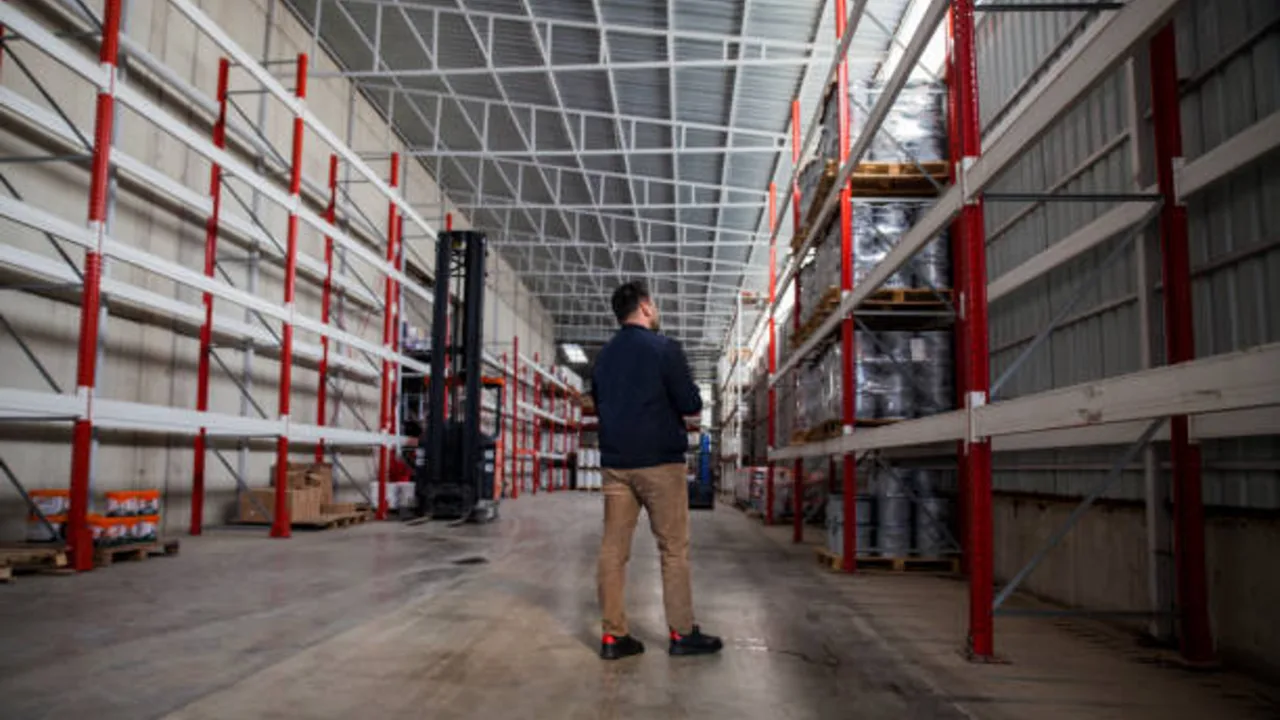
Large spans reduce the number of interior columns, allowing storage systems and logistics equipment to be arranged more efficiently.
Roof Systems and Load Requirements
Warehouse roofs must withstand environmental loads while maintaining structural stability. Structural engineers consider several factors during the design process:
- Wind load resistance
- Snow load capacity
- Roof drainage and water management
- Potential solar panel installation
Proper roof design ensures both structural safety and long-term durability.
Integration with Logistics Systems
Modern warehouses often incorporate automated logistics technologies. Steel structures can be designed to integrate with:
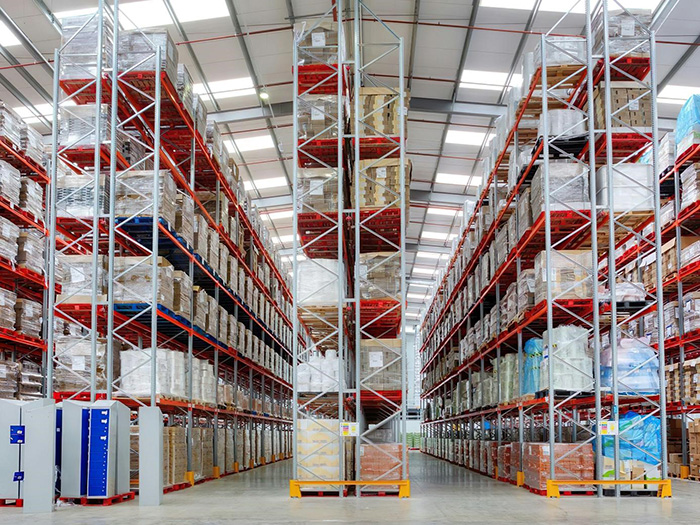
- High-bay racking systems
- Automated storage and retrieval systems
- Conveyor transport systems
- Truck loading and docking platforms
This integration helps optimize logistics operations and increase overall warehouse efficiency.
Steel Structure Warehouse Fabrication and Manufacturing
Structural Steel Processing
The production of structural components for warehouse buildings typically takes place in specialized fabrication facilities. Steel plates and profiles are processed through cutting, drilling, welding, and assembly operations.
Factory fabrication ensures consistent component quality and precise dimensional control before shipment to the construction site.
Surface Treatment and Corrosion Protection
To ensure durability, steel components are often protected with surface treatments designed to prevent corrosion. Common treatments include:
- Hot-dip galvanizing
- Industrial anti-corrosion coatings
- Protective paint systems
These protective measures extend the lifespan of warehouse structures and reduce maintenance costs.
Quality Inspection and Dimensional Control
Strict quality inspection procedures are applied during fabrication. Engineers inspect welding quality, verify dimensional accuracy, and ensure that structural components meet engineering specifications before shipment.
Construction Process for Steel Structure Warehouse
Prefabrication of Structural Components
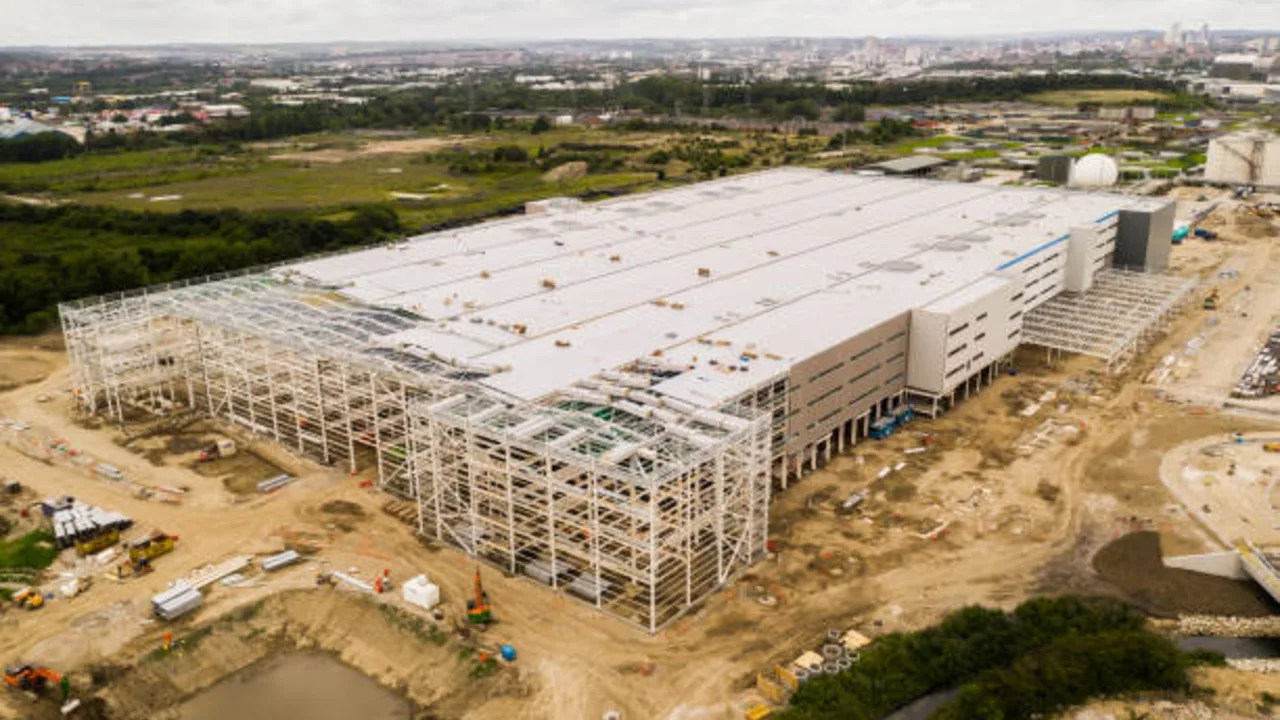
Most structural components of a steel structure warehouse are manufactured in factories before arriving at the project site. Prefabrication allows construction teams to assemble buildings quickly while maintaining structural precision.
Transportation and Project Logistics
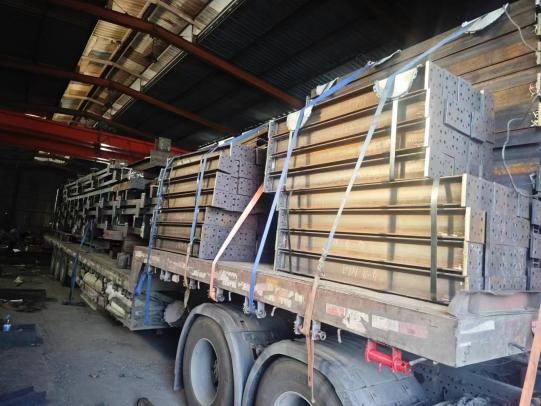
After fabrication, steel components are packaged and transported to the project location. Logistics planning ensures that components arrive in the correct installation sequence to support efficient construction.
On-Site Steel Structure Assembly
At the construction site, steel columns, beams, and roof structures are assembled using high-strength bolts or welding connections. Precise alignment and careful installation procedures ensure structural stability and safety.
Advantages of Prefabricated Steel Structure Warehouses
Prefabricated warehouse structures offer numerous advantages compared with traditional construction methods:
- Faster construction schedules
- Large interior spaces without columns
- Flexible layouts for logistics operations
- Reduced construction labor requirements
- Lower long-term maintenance costs
Because of these benefits, prefabricated warehouses have become a preferred solution for modern logistics and industrial storage projects.
Why Choose a Professional Steel Structure Warehouse Supplier
Engineering Design Capability
Professional structural engineering is essential for designing warehouses that are both safe and operationally efficient. Engineers must carefully analyze loads, building spans, and logistics requirements to optimize the structural system.
Manufacturing Capacity
Large-scale manufacturing facilities enable efficient production of structural components while maintaining consistent quality. Reliable fabrication capacity also ensures stable delivery schedules for large projects.
International Project Experience
Warehouse construction projects often involve international logistics and regulatory requirements. Experienced companies can manage these complexities while ensuring compliance with regional engineering standards.
As an experienced supplier of industrial steel buildings, XTD Steel Structure provides integrated services covering structural design, fabrication, and project coordination for warehouse developments worldwide.
Frequently Asked Questions About Steel Structure Warehouses
What is a steel structure warehouse?
A steel warehouse is a storage facility where the primary load-bearing framework is constructed from structural steel components such as columns, beams, and trusses.
How long does warehouse construction take?
Because structural components are prefabricated in factories, steel warehouse construction can typically be completed faster than conventional concrete building projects.
What span can a steel warehouse achieve?
Depending on structural design and engineering requirements, steel warehouses can achieve large clear spans that allow wide interior storage areas with minimal structural columns.
Are steel warehouses suitable for automated logistics systems?
Yes. Steel warehouse structures can be designed to support automated storage and retrieval systems, high-density racking, and advanced logistics technologies.
Start Your Steel Structure Warehouse Project
A well-designed steel structure warehouse provides the structural reliability, operational flexibility, and construction efficiency required by modern logistics and industrial facilities. With proper engineering design and high-quality fabrication, steel warehouse buildings can support decades of reliable service.
By working with experienced engineering and manufacturing partners, companies can ensure that every stage of a warehouse project—from structural design to installation—is executed efficiently and professionally.