
The global expansion of industrial and infrastructure projects has significantly increased demand for steel-based building systems. From logistics hubs and manufacturing plants to transportation infrastructure and large-span facilities, steel structures are now at the core of modern construction. However, as projects become more technically advanced, a critical issue continues to emerge across many regions — the steel construction labor skill gap.
This gap represents the mismatch between the technical requirements of steel structure projects and the actual capabilities of the available workforce. While steel systems are designed with precision, efficiency, and scalability in mind, their successful execution depends heavily on skilled labor at every stage — from fabrication to erection. Without the right expertise, even the most well-engineered designs can face delays, cost overruns, and quality issues.
In today’s competitive construction environment, the steel construction labor skill gap is no longer a minor operational concern. It has become a strategic challenge that directly impacts project timelines, safety standards, and long-term structural performance. Understanding where these gaps occur — and how they can be managed — is essential for developers, contractors, and any steel structure construction company involved in complex steel projects.
Understanding the Steel Construction Labor Skill Gap
What Defines a Skill Gap in Steel Construction
In steel construction, not all labor is equal. While general labor can handle basic site activities such as material handling or assisting installation, steel structure projects demand a higher level of technical precision. A skill gap occurs when workers lack the ability to execute tasks according to engineering standards and project specifications.
Key competencies required in steel construction include:
- Accurate interpretation of structural and shop drawings
- Precision welding techniques that meet certification standards
- Correct assembly of bolted connections under specified torque
- Understanding of erection sequences and load distribution
When workers are unable to meet these requirements, the consequences extend beyond minor inefficiencies. Errors in steel construction tend to compound quickly, leading to alignment issues, structural stress, and costly rework. This is where the steel construction labor skill gap becomes a major risk factor.
Why the Gap Is Becoming More Severe
Several global trends are contributing to the widening gap between required skills and available labor. One of the primary drivers is the rapid pace of industrialization in emerging markets. Construction demand has surged, but workforce development has not kept up at the same speed.
At the same time, many experienced steel workers in developed markets are aging out of the workforce. Their expertise, built over decades, is not being replaced quickly enough by younger, trained professionals. This creates a knowledge vacuum, particularly in specialized areas such as high-precision welding and complex structural assembly.
Another factor is the increasing complexity of steel structures. Modern projects often involve long-span systems, heavy load-bearing frameworks, and integration with mechanical and industrial equipment. These systems require not just manual skills, but also the ability to understand engineering intent. Unfortunately, training programs in many regions still focus on basic construction skills rather than advanced steel-specific competencies.
Technology has also accelerated faster than labor adaptation. While tools like BIM (Building Information Modeling) and digital fabrication have improved efficiency, they require workers who can interpret digital data and translate it into accurate physical execution. Without proper training, these tools cannot reach their full potential.
Key Areas Where Skill Gaps Are Most Visible
Fabrication-Level Skill Deficiencies
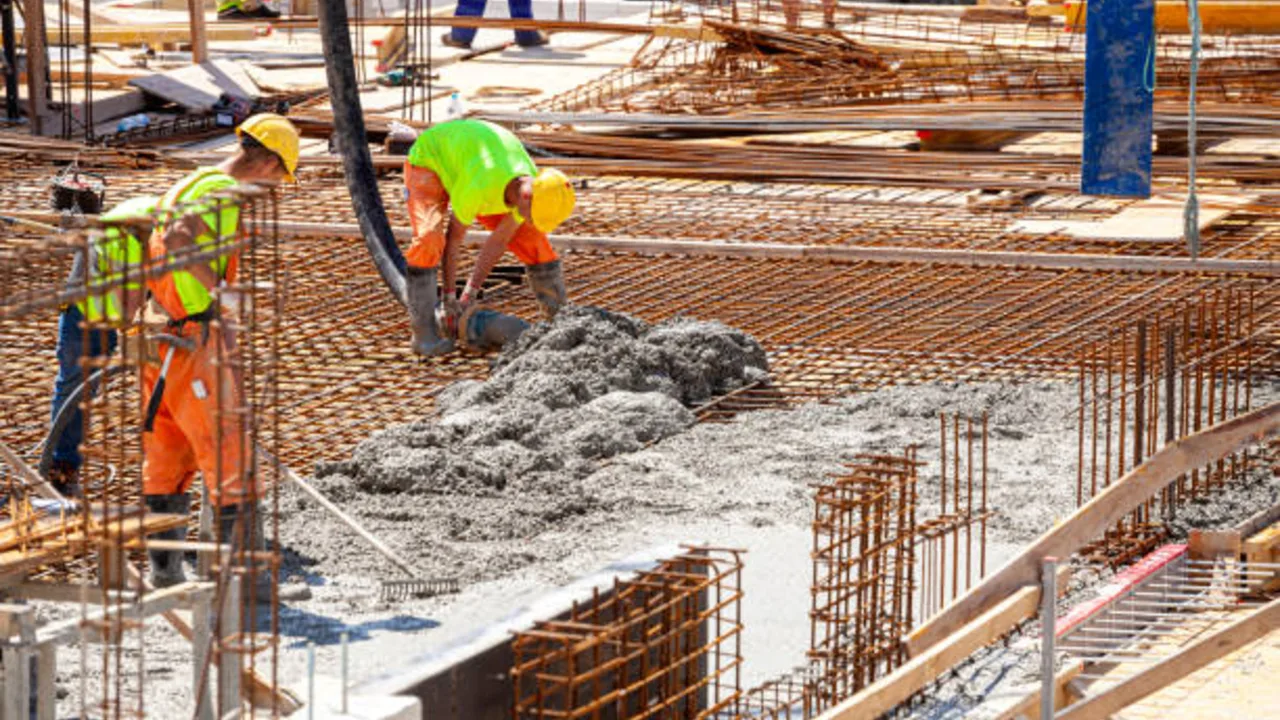
The first stage where skill gaps become evident is during fabrication. Steel components are typically manufactured off-site under controlled conditions, where precision is critical. Even small deviations in cutting, welding, or drilling can create major problems during on-site assembly.
Common fabrication-related issues include:
- Poor welding quality due to lack of certified welders
- Incorrect cutting angles or dimensions
- Misinterpretation of shop drawings
These errors often go unnoticed until the erection phase, where components fail to fit properly. At this point, corrections become significantly more expensive and time-consuming.
Erection and Installation Issues
The erection phase is where the steel construction labor skill gap becomes most visible. Unlike fabrication, which occurs in a controlled environment, erection takes place on-site under varying conditions. Workers must coordinate lifting operations, align structural members, and secure connections — all within tight timelines.
Typical issues during this phase include:
- Misalignment of columns and beams due to inaccurate positioning
- Improper bolt tightening, leading to unstable connections
- Inefficient crane usage caused by poor coordination
These problems not only slow down the project but can also compromise structural safety if not corrected promptly.
Site Coordination and Communication
Another critical area affected by skill gaps is communication on-site. Steel construction projects often involve multiple stakeholders, including engineers, supervisors, contractors, and labor teams. Effective coordination is essential to ensure that everyone is aligned with the project requirements.
However, in many cases, workers lack the ability to fully understand technical instructions or drawings. Language barriers can further complicate communication, especially in international projects where teams are composed of workers from different countries.
Without clear communication, even simple tasks can be executed incorrectly. This increases the reliance on supervision and highlights the importance of structured management systems in addressing the steel construction labor skill gap.
The Role of Supervision in Bridging Skill Gaps
Why Supervision Is Critical
In environments where labor skills are inconsistent, supervision becomes a key factor in maintaining project quality and efficiency. Skilled supervisors act as the bridge between engineering design and on-site execution. They ensure that work is carried out according to specifications and help prevent errors before they escalate.
Effective supervision provides several benefits:
- Ensures compliance with structural and safety standards
- Reduces rework by catching errors early
- Facilitates knowledge transfer to less experienced workers
In many projects, strong supervision can partially compensate for a steel construction labor skill gap. However, it is not a complete solution, especially in highly complex structures where advanced skills are indispensable.
Types of Supervision in Steel Construction
Supervision in steel construction typically operates at multiple levels, each with a specific role:
- On-site technical supervisors who oversee daily operations and ensure correct execution
- Quality control engineers responsible for inspections and compliance checks
- Third-party inspection teams that provide independent verification of work quality
This layered supervision system helps create a safety net that minimizes the impact of skill deficiencies. However, it also adds to project costs, which must be carefully managed.
Supervision vs Skilled Labor: A Cost Trade-Off
One of the key strategic decisions in steel construction is how to balance labor costs with skill levels. In regions where skilled labor is scarce or expensive, companies often rely on less experienced workers supported by strong supervision systems.
While this approach can reduce upfront labor costs, it introduces other challenges. Supervisors must handle increased workloads, and the margin for error becomes narrower. In complex projects, the lack of skilled labor cannot be fully offset by supervision alone.
Ultimately, the most effective approach often involves a hybrid model — combining experienced supervisors with a trained workforce. This balance allows projects to maintain quality while controlling costs, reducing the overall impact of the steel construction labor skill gap.
Regional Differences in Labor Skill Availability
Developed Markets
In developed regions such as North America, Western Europe, and parts of East Asia, the availability of skilled labor in steel construction is generally higher. These markets benefit from established vocational training systems, certification requirements, and strict regulatory frameworks. Workers are typically trained to follow standardized procedures, and quality control systems are deeply embedded in project execution.
However, this higher skill level comes at a cost. Labor expenses in developed markets are significantly higher, which increases overall project budgets. Additionally, even in these regions, the industry is facing an aging workforce problem. Many experienced professionals are nearing retirement, and the pipeline of new skilled workers is not sufficient to replace them at the same rate.
Emerging Markets
In contrast, emerging markets across Southeast Asia, the Middle East, Africa, and parts of Latin America often present a different scenario. Labor costs are lower, but skill levels can vary widely. While some workers have gained experience through repeated project exposure, formal training and certification systems are often limited or inconsistent.
This leads to a more pronounced steel construction labor skill gap, where project execution relies heavily on supervision and external expertise. In many cases, skilled supervisors or specialists are brought in from other countries to guide local labor teams.
The variability in skill levels also creates challenges in maintaining consistent quality across projects. Without standardized training, outcomes can differ significantly depending on the workforce composition.
Case Insight: Southeast Asia and Middle East
Regions such as Southeast Asia and the Middle East have experienced rapid growth in industrial and infrastructure development. Large-scale projects are being delivered at an accelerated pace, often under tight deadlines and high expectations for quality.
In these environments, the steel construction labor skill gap becomes particularly evident. While labor supply is abundant, the availability of highly skilled workers is limited. As a result, project success depends heavily on effective management, supervision, and the ability to integrate diverse teams.
Many projects in these regions adopt a hybrid workforce model, combining local labor with international experts. This approach helps bridge the gap but also requires strong coordination and communication systems to ensure alignment.
Impact of Skill Gaps on Project Performance
Cost Implications
One of the most immediate impacts of the steel construction labor skill gap is increased project cost. When workers lack the necessary skills, errors become more frequent, leading to rework and material waste.
For example, misaligned structural members may require dismantling and reinstallation, while welding defects may necessitate additional inspection and repair. These issues not only consume extra materials but also extend project timelines, increasing labor and equipment costs.
In many cases, the initial savings from hiring lower-cost labor are outweighed by the hidden costs associated with inefficiencies and corrections.
Safety Risks
Safety is another critical concern. Steel construction involves heavy components, elevated work environments, and complex lifting operations. Without proper skills and training, workers are more likely to make mistakes that can lead to accidents.
Improper installation of structural elements can create unstable conditions, while incorrect handling of equipment can increase the risk of injury. A poorly trained workforce not only jeopardizes individual safety but can also expose the entire project to serious liabilities.
Quality and Long-Term Performance
The long-term performance of a steel structure is directly influenced by the quality of its construction. Even minor errors during installation can lead to structural inefficiencies that affect durability and maintenance requirements.
For instance, improper bolt tightening can result in connection slippage, while welding defects can weaken critical joints. Over time, these issues may lead to increased maintenance costs or even structural failure in extreme cases.
This highlights why addressing the steel construction labor skill gap is not just about immediate project delivery, but also about ensuring long-term asset performance.
Common Mistakes Caused by Labor Skill Gaps
Across different projects and regions, certain recurring mistakes can be directly linked to labor skill deficiencies. These errors often appear simple on the surface but can have significant consequences if not properly managed.
- Misalignment of structural members due to inaccurate measurement
- Incorrect bolt torque application leading to weak connections
- Welding defects caused by inadequate technique or lack of certification
- Improper sequencing during erection, resulting in instability or delays
Typical Errors vs Their Consequences
| Error Type | Root Cause | Impact | Solution |
|---|---|---|---|
| Misalignment | Poor measurement skills | Structural stress, rework | Re-calibration and supervision |
| Welding defects | Lack of certified welders | Weak joints, safety risks | Use trained and certified personnel |
| Bolt issues | Improper torque application | Connection failure | Torque training and inspection |
| Sequencing errors | Lack of planning | Delays and instability | Structured erection planning |
Strategies to Address the Steel Construction Labor Skill Gap
Workforce Training Programs
One of the most effective ways to reduce the steel construction labor skill gap is through structured training programs. These can be implemented at multiple levels, including on-site training, partnerships with vocational institutions, and certification systems.
On-site training allows workers to learn directly within the project environment, gaining practical experience under supervision. Vocational partnerships help create a pipeline of trained workers, while certification ensures that skills meet industry standards.
Standardization of Construction Processes
Another important strategy is the standardization of construction methods. By using pre-engineered systems and modular components, companies can reduce the reliance on highly specialized labor.
Standardized systems simplify assembly processes, making it easier for workers to follow instructions and execute tasks accurately. This approach not only improves efficiency but also reduces the likelihood of errors.
Use of Technology
Technology plays an increasingly important role in bridging skill gaps. Tools such as BIM provide visual guidance that helps workers understand complex structures, while digital instructions can improve accuracy during installation.
Emerging technologies like augmented reality are also being used for training purposes, allowing workers to visualize construction processes in a more intuitive way. These tools can significantly enhance workforce capability, even in environments where formal training is limited.
The Role of Steel Structure Construction Companies
The responsibility of addressing the steel construction labor skill gap does not fall solely on workers. Companies involved in steel construction play a critical role in shaping how projects are executed.
A well-established steel structure construction company typically integrates design, fabrication, and erection processes into a unified system. This integration allows for better control over quality, improved coordination, and more effective training of labor teams.
Many leading companies also invest in internal training programs, ensuring that their workforce is equipped with the necessary skills to handle complex projects. By combining standardized processes with experienced supervision, these companies can significantly reduce the risks associated with labor skill gaps.
Balancing Cost vs Skill: Strategic Decision Making
Low-Cost Labor vs High-Skill Workforce
One of the most common dilemmas in steel construction is choosing between low-cost labor and a highly skilled workforce. While hiring cheaper labor can reduce initial expenses, it often leads to higher long-term costs due to inefficiencies and errors.
On the other hand, investing in skilled labor increases upfront costs but can improve productivity, reduce rework, and enhance overall project quality. Finding the right balance is essential for optimizing both cost and performance.
Hybrid Approach
In many cases, the most effective strategy is a hybrid approach. This involves combining local labor with experienced supervisors and key specialists. By doing so, projects can benefit from lower labor costs while maintaining a high level of quality control.
This model also supports knowledge transfer, helping to gradually reduce the steel construction labor skill gap over time.
Future Trends in Labor Skill Development
The future of steel construction is likely to see increased automation and digitalization. Robotics in welding and assembly, along with advanced fabrication technologies, will reduce dependence on manual labor for certain tasks.
At the same time, digital training platforms will make it easier to upskill workers, providing access to standardized learning materials across different regions. These developments have the potential to significantly narrow the steel construction labor skill gap in the coming years.
Practical Recommendations for Project Owners
- Invest in supervision and quality control from the early stages of the project
- Select experienced contractors with proven track records
- Avoid relying solely on the lowest bid when awarding contracts
- Implement structured checkpoints for inspection and approval
Conclusion
The steel construction labor skill gap is a complex challenge that affects every stage of a project, from fabrication to final installation. Its impact extends beyond immediate costs and timelines, influencing safety, quality, and long-term structural performance.
Addressing this issue requires a combination of strategies, including improved training, stronger supervision, standardized processes, and the adoption of advanced technologies. Companies that recognize and proactively manage this challenge will be better positioned to deliver successful projects in an increasingly competitive industry.
Ultimately, bridging the skill gap is not just about improving labor capabilities — it is about building a more resilient and efficient construction ecosystem.