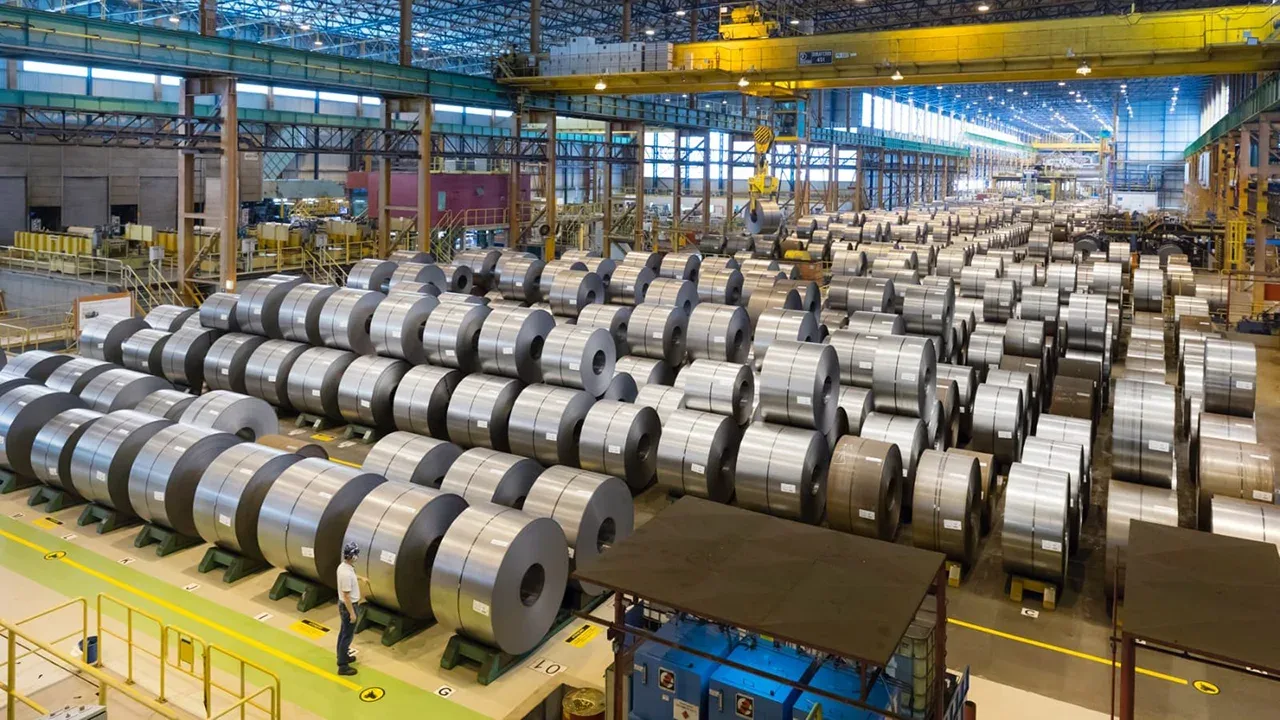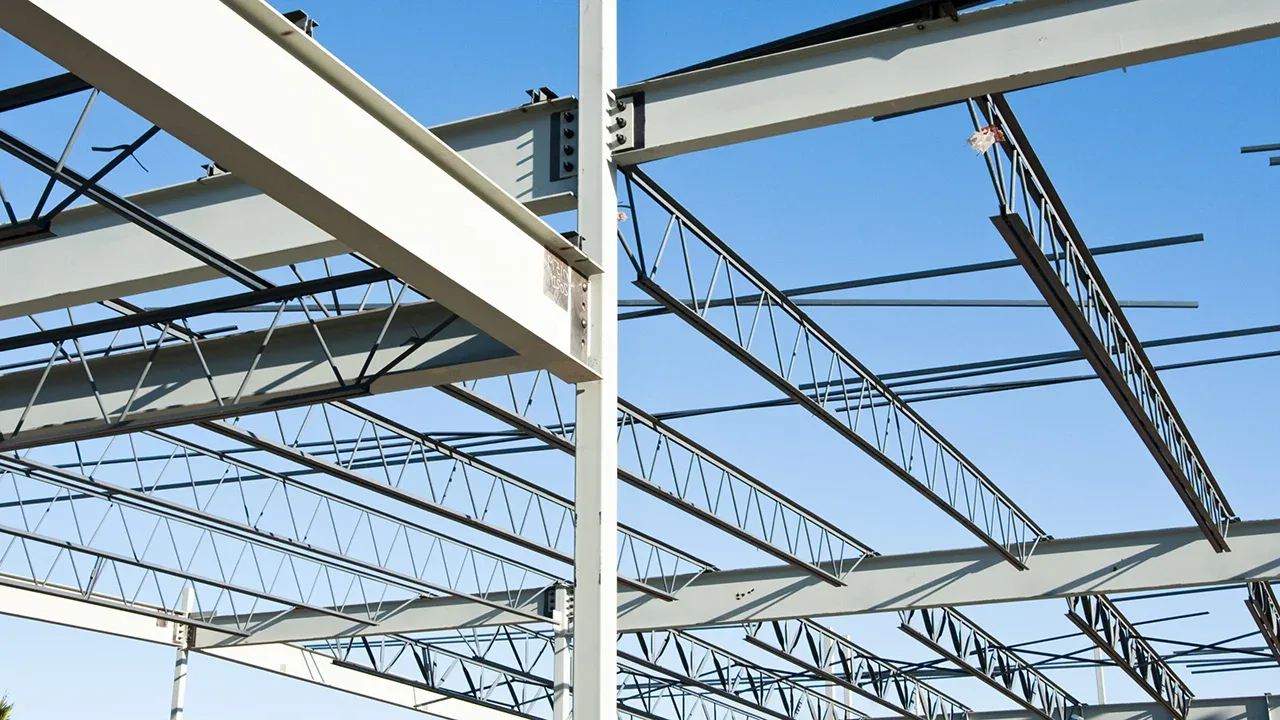
In modern industrial and infrastructure projects, steel construction risk allocation plays a decisive role in determining whether a project is delivered smoothly or becomes entangled in disputes, delays, and cost overruns. Unlike traditional construction systems, steel structure projects rely heavily on off-site fabrication, precision engineering, and tightly coordinated logistics. This makes the distribution of risk between stakeholders not just a contractual formality, but a critical success factor.
From design coordination to fabrication accuracy and site installation sequencing, every stage of steel structure construction introduces specific risks that must be clearly defined and contractually assigned. If these risks are not properly allocated, even minor issues—such as dimensional deviations or delayed shipments—can escalate into significant claims and financial losses.
Effective steel construction risk allocation ensures that each party—whether owner, contractor, or steel supplier—is responsible for the risks they are best equipped to manage. This alignment not only reduces uncertainty but also enhances project efficiency, cost control, and long-term structural performance.
What Is Steel Construction Risk Allocation?
Steel construction risk allocation refers to the contractual process of identifying potential project risks and assigning responsibility for those risks to specific parties involved in the project. These risks may include design errors, fabrication defects, logistics delays, site conditions, or financial uncertainties.
It is important to distinguish risk allocation from risk management. While risk management focuses on identifying and mitigating risks during project execution, risk allocation determines who bears the consequences when those risks materialize. In steel structure projects, this distinction is especially important because multiple stakeholders are involved across different phases of the project lifecycle.
The fundamental principle of effective risk allocation is simple: risks should be assigned to the party that has the greatest ability to control or mitigate them. However, in practice, achieving this balance requires deep technical understanding, clear contract drafting, and alignment between engineering and commercial teams.
Why Steel Projects Are More Sensitive to Risk Allocation
Steel structure construction projects are inherently more sensitive to risk allocation compared to conventional construction due to several key characteristics:
- Prefabrication dependency: Most components are manufactured off-site, leaving limited room for on-site adjustments.
- High precision requirements: Even small dimensional errors can cause installation issues.
- Complex sequencing: Fabrication, transportation, and erection must follow strict timelines.
- Global supply chains: International projects involve shipping, customs, and compliance risks.
- Interface complexity: Coordination between design, fabrication, and installation is critical.
Because of these factors, unclear or poorly structured steel construction risk allocation often leads to disputes that are difficult and costly to resolve.
Key Risk Categories in Steel Structure Construction
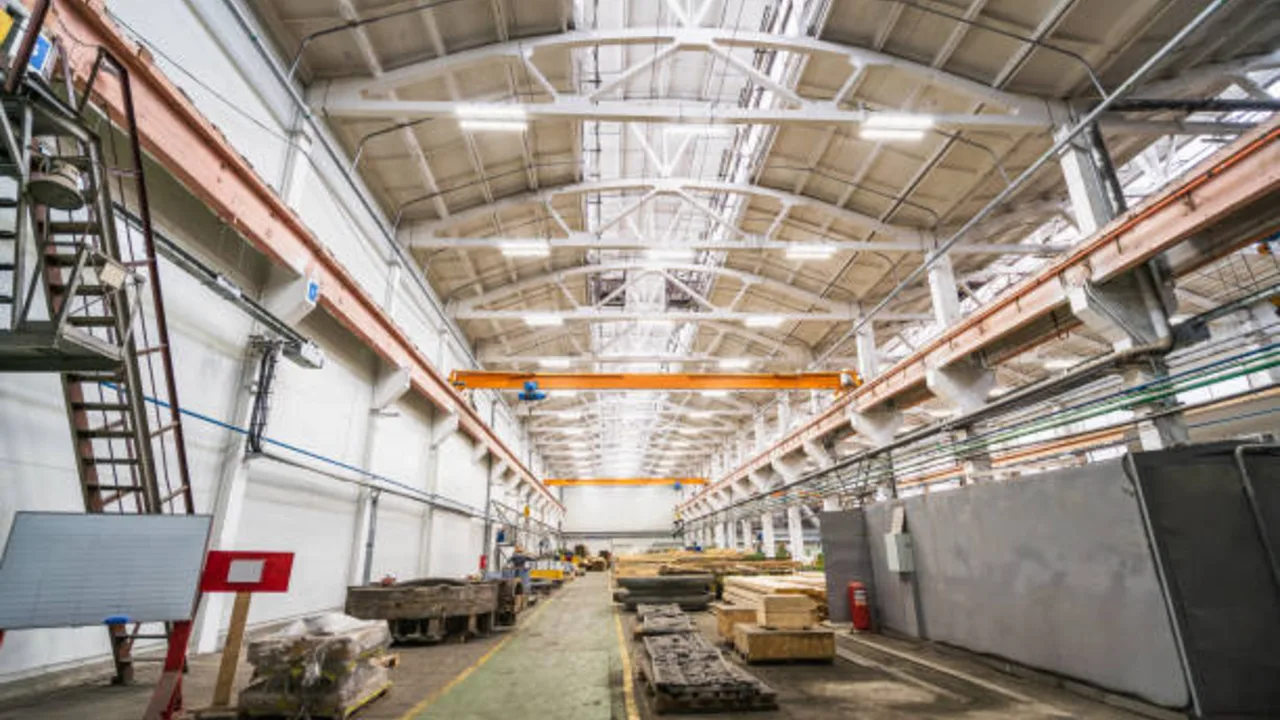
To effectively allocate risk, it is essential to first understand the major categories of risk present in steel structure projects. Each category has distinct characteristics and requires different contractual approaches.
Design Risk
Design risk arises from errors, omissions, or inconsistencies in engineering drawings and specifications. In steel projects, design inaccuracies can have severe consequences because fabrication is based entirely on these drawings.
Common design risks include:
- Incorrect load calculations
- Incomplete connection details
- Mismatch between design standards (e.g., GB, EN, ASTM)
- Lack of constructability consideration
When design risk is not clearly allocated, disputes often occur between designers, contractors, and steel suppliers regarding responsibility for errors.
Fabrication Risk
Fabrication risk is associated with the manufacturing of steel components in the factory. Since steel structures are prefabricated, quality control during fabrication directly impacts project success.
Typical fabrication risks include:
- Material defects or incorrect steel grades
- Welding quality issues
- Dimensional tolerance deviations
- Improper surface treatment or corrosion protection
In most contracts, fabrication risk is primarily assigned to the steel structure supplier, but this must be clearly defined through technical specifications and inspection standards.
Transportation and Logistics Risk
Steel components are often transported over long distances, especially in international projects. This introduces additional risks that must be addressed in the contract.
Key logistics risks include:
- Damage during transportation
- Delays due to port congestion or customs clearance
- Improper packaging or handling
- Loss of components during transit
Depending on the delivery terms (e.g., FOB, CIF), responsibility for these risks may shift between supplier and contractor.
Site Installation Risk
Installation risk occurs during the erection phase of the steel structure. This stage involves heavy lifting, precise alignment, and coordination between multiple teams.
Common installation risks include:
- Misalignment of structural members
- Crane or lifting equipment failure
- Unsafe working conditions
- Weather-related disruptions
These risks are typically allocated to the main contractor, but clear coordination with the steel supplier is essential to avoid interface conflicts.
Financial and Commercial Risk
In addition to technical risks, steel structure projects also face financial and commercial uncertainties that must be addressed contractually.
- Fluctuation in steel material prices
- Delayed payments from the owner
- Currency exchange risks in international projects
- Unexpected cost escalation
Without proper steel construction risk allocation, these financial risks can significantly impact project profitability and cash flow stability.
Typical Risk Allocation Between Parties
In a typical steel structure construction project, risk is distributed among three primary parties: the owner, the contractor, and the steel structure supplier. Each party has distinct responsibilities and risk exposure.
Owner Responsibilities
The owner is generally responsible for providing the project foundation in terms of legal, financial, and site-related conditions. Their responsibilities often include:
- Providing accurate site data and geotechnical information
- Obtaining necessary permits and approvals
- Ensuring timely payments according to contract terms
- Defining project scope and performance requirements
If these responsibilities are not fulfilled, the owner may bear the associated risks, including delays and additional costs.
Contractor Responsibilities
The contractor is responsible for executing the construction works on-site. Their role involves managing resources, coordinating activities, and ensuring safety.
- Site management and supervision
- Installation accuracy and sequencing
- Health and safety compliance
- Coordination with subcontractors and suppliers
Contractors typically bear risks related to construction execution and site operations.
Steel Structure Supplier Responsibilities
The steel structure supplier plays a critical role in delivering high-quality prefabricated components. Their responsibilities include:
- Ensuring material compliance with specifications
- Maintaining fabrication quality and tolerances
- Meeting delivery schedules
- Providing technical support for installation
Given the technical nature of steel fabrication, suppliers are usually assigned risks related to manufacturing defects and quality control.
Standard Risk Allocation Matrix
The following table illustrates a simplified example of how risks are typically allocated in steel structure construction projects:
| Risk Type | Owner | Contractor | Steel Supplier |
|---|---|---|---|
| Design Error | Partial | Partial | Partial |
| Fabrication Defect | No | No | Yes |
| Site Safety | No | Yes | No |
| Delivery Delay | Partial | No | Yes |
| Weather Impact | Yes | Yes | No |
It is important to note that this matrix is not universal. The exact allocation depends on the contract type, project complexity, and negotiation between parties.
Contract Types and Their Impact on Risk Allocation
The type of construction contract has a direct influence on how risks are distributed among stakeholders. Different contract models shift responsibility in different ways, making it essential to select the appropriate structure for each project.
Lump Sum Contracts
In lump sum contracts, the contractor agrees to complete the project for a fixed price. This means that most execution-related risks are transferred to the contractor.
- High cost certainty for the owner
- Greater financial risk for the contractor
- Strong incentive for efficiency
However, if steel construction risk allocation is not carefully defined, contractors may include risk premiums in their pricing.
EPC Contracts
Engineering, Procurement, and Construction (EPC) contracts place comprehensive responsibility on the contractor, covering design, procurement, and construction.
- Single point of responsibility
- Reduced coordination burden for the owner
- Higher risk concentration on contractor
This model is commonly used in large-scale industrial and infrastructure projects where integrated delivery is critical.
Design-Build Contracts
Design-build contracts integrate both engineering and construction responsibilities under a single entity. This structure reduces fragmentation and minimizes conflicts between design intent and construction execution.
In the context of steel construction risk allocation, this model offers several advantages:
- Improved coordination between design and fabrication teams
- Reduced likelihood of design-related disputes
- Faster project delivery due to overlapping phases
However, it also means that the contractor assumes a broader range of risks, including design accuracy and constructability. Properly structured contract clause provisions are essential to define boundaries clearly.
Unit Price Contracts
Unit price contracts are based on measurable quantities and predefined rates. This model provides flexibility when project scope is uncertain or likely to change.
- Shared risk between owner and contractor
- Greater transparency in cost adjustments
- Suitable for projects with evolving designs
While this approach reduces pricing uncertainty, it requires strong cost control mechanisms and detailed measurement procedures to prevent disputes.
Critical Contract Clauses for Risk Allocation
Clearly defined contract clause provisions are the backbone of effective steel construction risk allocation. Without precise wording, even well-intentioned agreements can lead to conflicting interpretations.
Scope of Work Clause
The scope of work clause defines the exact responsibilities of each party. In steel structure projects, this includes design boundaries, fabrication deliverables, and installation obligations.
- Prevents scope gaps and overlaps
- Clarifies interface responsibilities
- Reduces ambiguity in execution
A poorly defined scope is one of the most common causes of disputes in steel structure construction projects.
Force Majeure Clause
This clause addresses events beyond the control of the contracting parties, such as natural disasters, political instability, or global supply chain disruptions.
- Defines qualifying events
- Specifies notification requirements
- Outlines entitlement to time or cost relief
In international steel projects, force majeure clauses have become increasingly important due to global logistics uncertainties.
Delay and Liquidated Damages Clause
The delay clause establishes consequences for failing to meet project deadlines. Liquidated damages (LDs) are pre-agreed financial penalties for delays.
- Encourages timely completion
- Provides predictable compensation for the owner
- Reduces the need for lengthy dispute resolution
Proper calibration of LDs is critical. Excessive penalties can lead to inflated bid prices, while insufficient penalties may fail to incentivize performance.
Warranty and Defect Liability Clause
This clause defines the contractor’s or supplier’s responsibility for defects after project completion.
- Specifies warranty duration
- Defines types of covered defects
- Outlines repair or replacement obligations
For steel structures, this often includes issues related to welding quality, corrosion protection, and structural integrity.
Change Order Clause
Changes are inevitable in construction projects. The change order clause provides a structured mechanism for handling modifications to scope, design, or specifications.
- Defines approval procedures
- Establishes pricing methods
- Allocates time and cost impacts
Without a clear change order process, projects can quickly become entangled in disputes over additional work and compensation.
Important Contract Clauses and Their Purpose
| Clause | Purpose | Risk Covered |
|---|---|---|
| Force Majeure | Protection against external events | Natural disaster, political risk |
| Liquidated Damages | Penalty for delays | Schedule risk |
| Warranty | Ensures quality after completion | Defect risk |
| Variation / Change Order | Controls scope changes | Scope and cost risk |
Common Risk Allocation Mistakes in Steel Projects
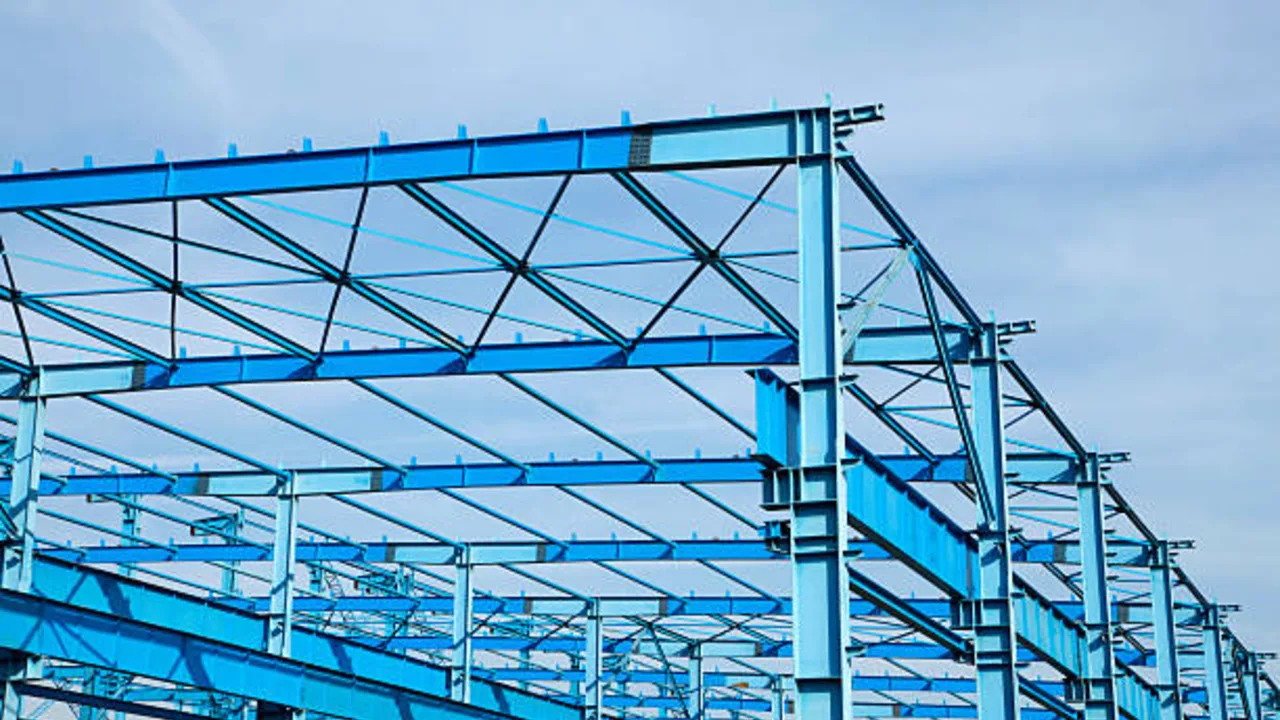
Despite the importance of steel construction risk allocation, many projects still suffer from avoidable mistakes that lead to inefficiencies and disputes.
Overloading Risk to One Party
Assigning excessive risk to a single party—typically the contractor—can create defensive behavior and inflated pricing. Contractors may include significant contingencies to cover uncertain risks, increasing overall project cost.
Unclear Interface Responsibilities
One of the most critical issues in steel projects is the interface between design, fabrication, and installation. If responsibilities are not clearly defined, disputes can arise over:
- Who is responsible for correcting design errors
- Who bears the cost of re-fabrication
- Who handles on-site adjustments
Ignoring Logistics Risks
Transportation risks are often underestimated, especially in export-oriented projects. Delays at ports, customs issues, or damage during shipping can disrupt the entire project schedule.
Poor Documentation
Incomplete or ambiguous documentation—such as unclear drawings or missing specifications—can lead to conflicting interpretations and costly rework.
Risk Allocation in International Steel Projects
International projects introduce additional layers of complexity to steel construction risk allocation. These challenges must be carefully addressed in the contract to avoid cross-border disputes.
Cross-Border Regulatory Challenges
Different countries have varying construction standards, codes, and regulatory requirements. Misalignment between these standards can create compliance risks.
- Differences in design codes (e.g., EN vs ASTM)
- Local certification requirements
- Import/export regulations
Currency and Payment Risks
Fluctuations in exchange rates can significantly impact project costs, especially when contracts are denominated in foreign currencies.
- Exchange rate volatility
- Delayed international payments
- Financing constraints
Cultural and Legal Differences
Differences in legal systems and business practices can affect contract interpretation and dispute resolution.
- Variation in contract law frameworks
- Communication barriers
- Different expectations regarding risk sharing
Strategies to Optimize Steel Construction Risk Allocation
Optimizing steel construction risk allocation requires a combination of technical expertise, contractual clarity, and collaborative project management.
Early Contractor Involvement (ECI)
Involving contractors and steel suppliers early in the design phase can significantly reduce risk.
- Improves constructability
- Reduces design errors
- Enhances coordination between stakeholders
Clear Technical Specifications
Detailed and precise specifications help eliminate ambiguity and ensure alignment between design and fabrication.
- Material standards
- Fabrication tolerances
- Inspection and testing requirements
Integrated Project Delivery (IPD)
IPD promotes collaboration among all parties by sharing risks and rewards. This approach encourages transparency and collective problem-solving.
Digital Tools and BIM Integration
Building Information Modeling (BIM) and digital tools play an increasingly important role in reducing risk.
- Clash detection before construction
- Improved visualization and coordination
- Enhanced accuracy in fabrication and installation
Case-Based Risk Allocation Example
Consider an industrial steel factory project where responsibilities are clearly divided among stakeholders:
- Design handled by a specialized engineering consultant
- Fabrication performed by a steel structure supplier
- Installation executed by a construction contractor
Through well-defined contract clause provisions and balanced steel construction risk allocation, the project achieved:
- Reduced disputes between parties
- Improved schedule adherence
- Better cost control
This example demonstrates how proper risk allocation can directly contribute to project success.
Role of Steel Structure Specialists in Risk Reduction
Experienced steel structure specialists play a crucial role in minimizing project risks. Their engineering expertise and manufacturing capabilities enable them to address challenges proactively.
- Design for Manufacturing (DFM) improves efficiency
- Standardization reduces variability
- Close coordination between factory and site ensures accuracy
By integrating technical knowledge with contractual clarity, these specialists help optimize steel construction risk allocation and enhance overall project performance.
Future Trends in Risk Allocation for Steel Construction
Digital Contracting
Emerging technologies are transforming how contracts are managed, with digital platforms enabling automated compliance and real-time tracking.
Performance-Based Contracts
Contracts are increasingly shifting toward performance-based models, where payment is tied to measurable outcomes rather than predefined inputs.
Supply Chain Risk Management
Global disruptions have highlighted the importance of supply chain resilience. Future contracts will place greater emphasis on managing and mitigating supply chain risks.
FAQ – Steel Construction Risk Allocation
1. What is steel construction risk allocation?
It is the process of assigning responsibility for project risks to specific parties through contractual agreements.
2. Who should bear fabrication risks?
Fabrication risks are typically assigned to the steel structure supplier, as they control manufacturing processes.
3. How do contracts handle delays in steel projects?
Delays are usually addressed through liquidated damages clauses and schedule extension provisions.
4. What are the most important contract clauses?
Key clauses include scope of work, force majeure, delay penalties, warranty, and change order provisions.
5. How is risk allocated in EPC contracts?
In EPC contracts, most risks are transferred to the contractor, who is responsible for design, procurement, and construction.
6. Can risk allocation reduce project cost?
Yes, balanced risk allocation reduces uncertainty and prevents excessive contingency pricing.
7. What happens if risk is not clearly defined?
Unclear risk allocation often leads to disputes, delays, and increased project costs.
8. How to negotiate risk allocation effectively?
Effective negotiation requires technical understanding, clear documentation, and alignment between stakeholders.
Conclusion
Steel construction risk allocation is not merely a contractual exercise—it is a strategic framework that determines the success or failure of a project. By clearly defining responsibilities, aligning risks with capabilities, and incorporating robust contract clause provisions, stakeholders can significantly reduce uncertainty and improve project outcomes.
In steel structure construction, where precision, coordination, and logistics play critical roles, proper risk allocation becomes even more essential. Projects that invest in clear contractual structures and collaborative approaches are more likely to achieve efficient delivery, cost control, and long-term performance.