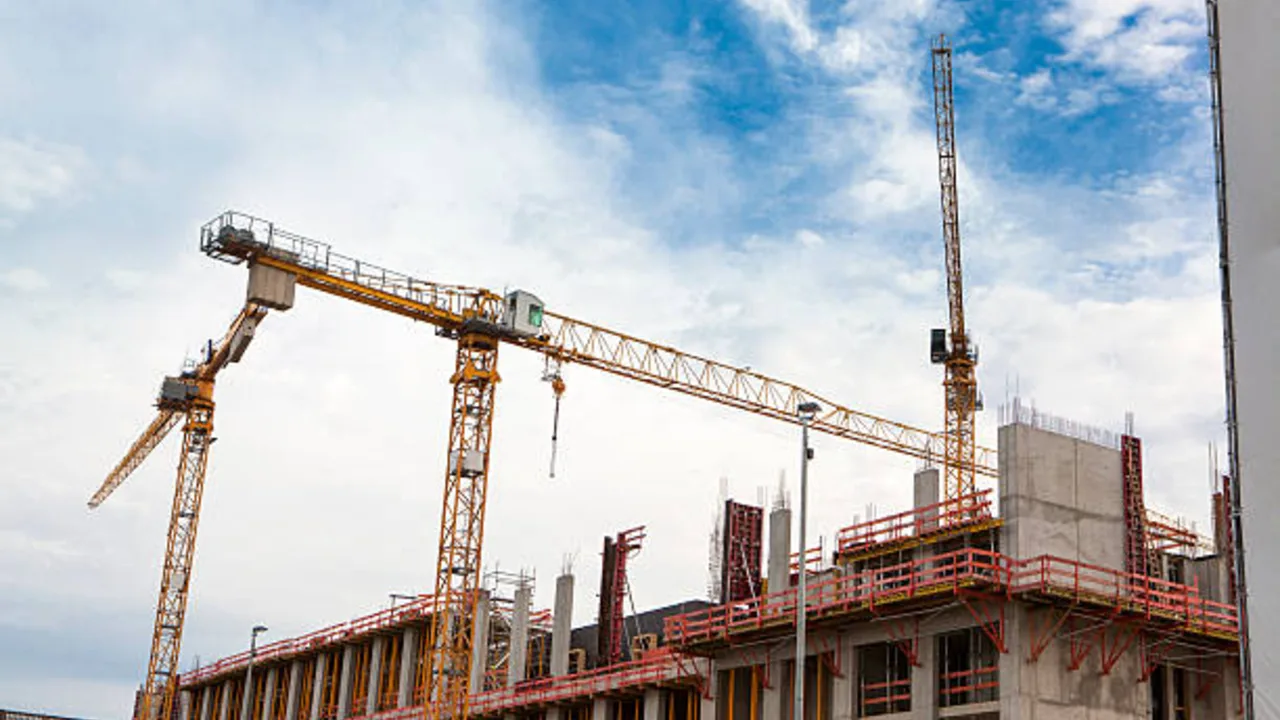
In modern project delivery, temporary works steel construction plays a decisive role in ensuring safety during the most vulnerable stage of a building’s life cycle — erection. While permanent structural systems are designed to resist long-term loads, the structure is often at its weakest before all elements are fully connected. During this transitional phase, incomplete load paths and partial framing create instability risks that must be carefully managed.
Temporary works refer to the engineered systems installed to support, stabilize, or protect a structure during construction. In steel projects, this commonly includes temporary bracing, erection supports, anchoring systems, and staged stabilization methods. These systems are not optional add-ons; they are critical structural safeguards. Without properly designed temporary measures, even a well-engineered steel building can experience excessive sway, local buckling, or progressive collapse under wind or construction loads.
This article explores the engineering principles behind temporary works steel construction, the phases where stability is most critical, and the best practices that ensure safe and efficient project delivery.
What Is Temporary Works in Steel Construction?
Temporary works steel construction refers to structural systems that are installed during the erection phase to maintain alignment, resist lateral forces, and ensure overall stability before the permanent structure becomes self-supporting. These works are typically removed once the final structural system is fully connected and capable of carrying design loads independently.
Common examples include:
- Temporary bracing cables or rigid diagonal members
- Erection props and shoring towers
- Temporary anchorage to foundations or ground deadmen
- Stability frames installed between columns
- Access platforms that provide structural restraint
Steel structures are particularly sensitive during erection because they rely heavily on interconnected systems — beams, columns, diaphragms, and bracing — to function properly. Before all these components are installed, the structure lacks redundancy. Temporary works therefore act as an interim structural system, ensuring that each erection stage remains safe and controlled.
Why Temporary Works Steel Construction Is Critical for Stability
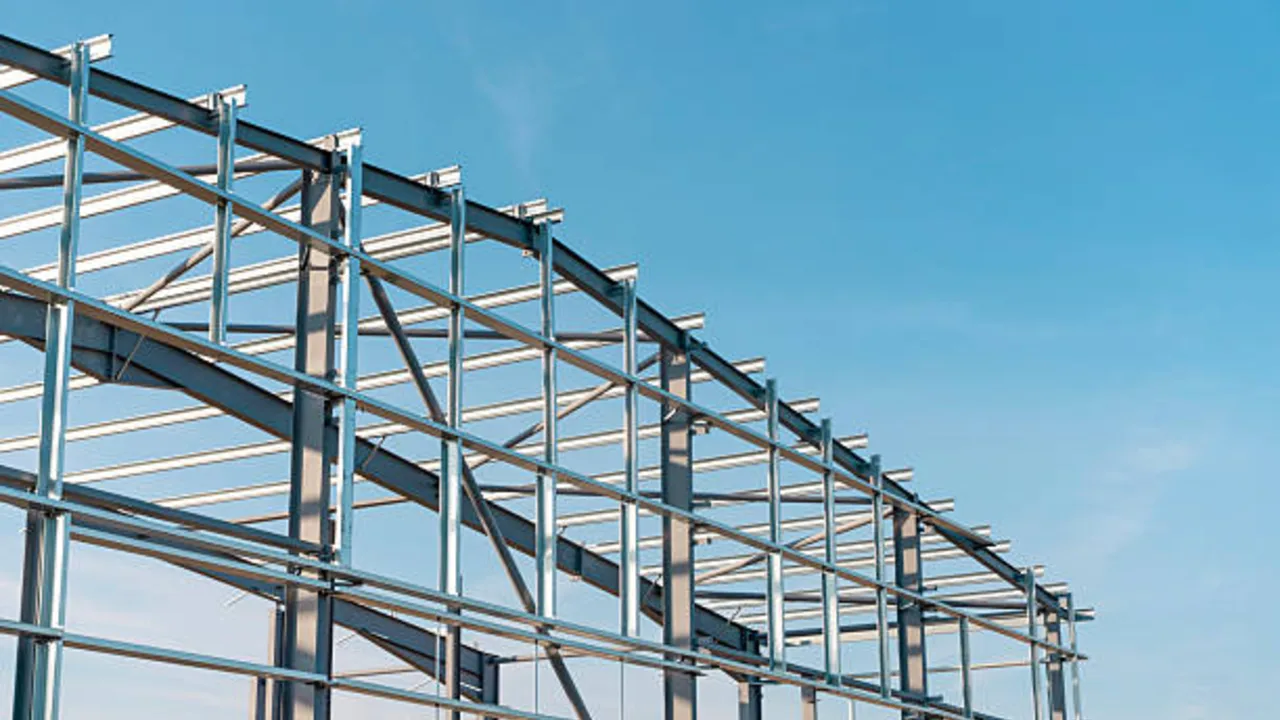
Steel members are strong and efficient when fully integrated into a complete framing system. However, during erection, columns may stand without lateral restraint, beams may lack diaphragm action, and bracing systems may not yet be installed. In this partially completed condition, the structure behaves very differently from its final design model.
Without adequate temporary bracing, several failure mechanisms can occur:
- Column buckling due to unrestrained slenderness
- Lateral torsional buckling of beams before decking installation
- Overturning instability from wind loads
- Progressive collapse triggered by local instability
The challenge in temporary works steel construction lies in the fact that the structure has incomplete load paths. In its final state, forces transfer through a coordinated system of beams, braces, and diaphragms down to the foundation. During erection, that load path may not yet exist. Wind loads, for example, may act on a single erected frame without adjacent bays to provide stiffness.
Temporary works therefore create an artificial load path during construction. By providing lateral restraint and torsional control, temporary bracing ensures that the structure maintains geometric integrity until the permanent stability system is complete.
Key Phases Where Temporary Bracing Is Required
Foundation to First Column Erection
The moment a steel column is erected and bolted to its base plate, it becomes vulnerable. Even with anchor bolts installed, tolerances and erection gaps may allow slight movement. A slender column subjected to moderate wind pressure can experience significant lateral displacement if no temporary restraint is provided.
Temporary bracing at this stage often consists of diagonal cables anchored to the ground or to adjacent stable points. These braces prevent overturning and maintain plumb alignment until beams and additional frames are connected.
Beam Installation Before Decking
Steel beams are highly efficient in bending but can be unstable in torsion when unrestrained. Before floor decking or roof sheeting is installed, beams lack diaphragm action. This makes them susceptible to lateral torsional buckling under self-weight or construction loads.
In temporary works steel construction, intermediate bracing or tie members are frequently installed to restrain the compression flange. These measures provide short-term stability until permanent decking or slab systems create a rigid diaphragm.
Roof Framing Before Cladding
Large-span steel warehouses and industrial buildings are particularly vulnerable at the roof stage. Once rafters are erected but before roof panels and permanent bracing systems are installed, the frame may lack adequate lateral stiffness. Wind loads acting on exposed rafters can generate significant sway.
Temporary bracing between frames, often using cable systems or temporary rigid members, is essential to prevent frame rotation or collapse. In long-span portal structures, completing one bay does not necessarily guarantee overall stability — the interaction between bays must be considered carefully.
Long-Span or Portal Frame Structures
Portal frames rely on moment connections and bracing systems to achieve global stability. During erection, when only part of the frame is assembled, bending moments may not be distributed as intended. The partially erected structure may behave as a cantilever rather than a complete portal.
Temporary works steel construction in these projects often involves staged erection plans, where specific sequences are followed to ensure that each newly installed frame is immediately stabilized before moving on to the next bay.
Engineering Principles Behind Temporary Stability Design
Designing temporary works is not guesswork — it requires structured engineering analysis. The loads acting during construction can differ significantly from final design conditions. In many cases, wind loads during erection govern temporary stability more than gravity loads.
Key considerations include:
- Self-weight of erected members
- Crane loads and lifting forces
- Construction live loads from workers and equipment
- Wind loads on partially completed frames
- Dynamic effects during installation
Temporary works steel construction must evaluate reduced structural redundancy. Unlike the final structure, where multiple load paths exist, erection stages may rely on a limited number of members to resist forces. This increases the importance of accurate load combinations and staged analysis.
Modern engineering practice often uses staged structural modeling to simulate erection sequences. By analyzing each phase independently, engineers can determine where additional temporary bracing is required to maintain stability before the permanent system is fully operational.
Types of Temporary Bracing Systems in Steel Construction
In temporary works steel construction, selecting the appropriate bracing system depends on structural geometry, wind exposure, erection sequence, and site constraints. The goal is always the same: maintain stability during each stage without obstructing construction progress.
Cable Bracing Systems
Cable bracing is one of the most commonly used temporary solutions. Steel wire ropes or tensioned cables are installed diagonally between columns or frames and anchored to stable points. These systems are lightweight, quick to install, and cost-effective.
The advantage of cable bracing lies in flexibility and speed. However, because cables only resist tension, they must be carefully oriented and pre-tensioned. Slack cables provide little benefit. Proper inspection and tension control are therefore essential to ensure reliability during erection.
Rigid Diagonal Bracing
Rigid temporary braces, typically made of steel angles, hollow sections, or channels, provide higher stiffness than cables. They resist both tension and compression, offering more predictable structural behavior.
Rigid bracing is particularly useful in tall or slender steel frames where lateral displacement must be tightly controlled. While heavier and slightly more time-consuming to install, rigid braces often provide superior geometric control, especially in windy environments.
Temporary Portal Frames
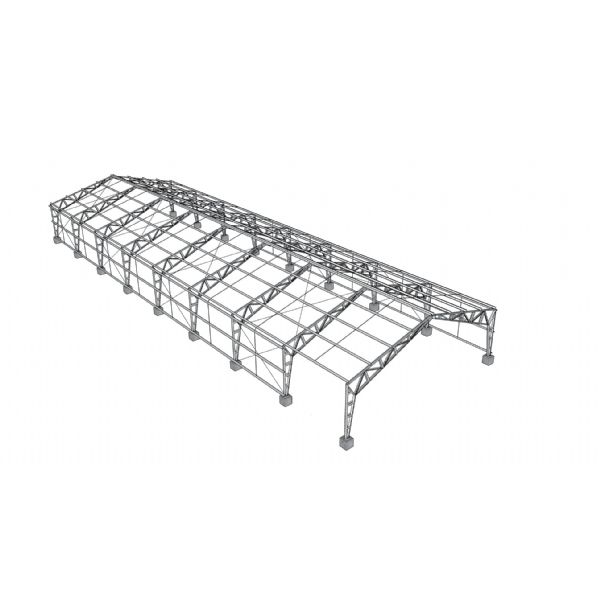
For long-span industrial buildings and warehouses, temporary portal frames may be installed to stabilize partially completed bays. These frames function as interim structural systems until permanent bracing and roof diaphragms are completed.
This approach is often used in large-scale steel structure building construction projects where multiple bays are erected sequentially. By stabilizing each bay before proceeding, contractors reduce cumulative instability risks.
Deadman Anchors and Ground Anchorage Systems
In cases where overturning forces are significant, ground anchoring systems are used. Deadman anchors — buried concrete blocks or heavy counterweights — provide resistance against uplift and lateral forces. These are common in high-wind zones or coastal construction sites.
Anchorage design must consider soil bearing capacity and pull-out resistance. Poor anchoring can compromise the entire temporary works steel construction strategy.
Risk Assessment and Failure Scenarios
History has shown that structural failures during erection often stem from inadequate temporary measures rather than permanent design flaws. The absence of properly engineered temporary bracing can lead to rapid instability under moderate wind conditions.
Common failure triggers include:
- Removing temporary bracing too early
- Deviating from approved erection sequence
- Underestimating wind loads on partially completed frames
- Poor communication between engineering and site teams
- Improper installation or inspection of temporary supports
Unlike permanent structural failures, erection-stage collapses tend to occur suddenly because redundancy is limited. A single unstable frame can initiate progressive collapse across adjacent bays. This highlights why temporary works steel construction must be treated as a formal engineering discipline — not merely a site improvisation.
Coordination Between Design Team and Site Team
Effective temporary works steel construction requires coordination between multiple stakeholders. The structural engineer designs the permanent system, but the temporary works engineer must evaluate erection stages independently. Contractors then execute installation according to method statements and drawings.
Clear responsibility allocation is essential. Key roles typically include:
- Structural Engineer: Defines permanent stability systems.
- Temporary Works Engineer: Designs interim bracing and staged supports.
- Contractor / Site Supervisor: Implements and inspects temporary systems.
Detailed erection method statements should outline sequence, load assumptions, inspection checkpoints, and removal criteria. Temporary bracing should never be removed until the permanent system has demonstrably achieved full stability.
Documentation and Compliance Requirements
Temporary works must be documented with the same rigor as permanent structures. Proper documentation improves traceability, accountability, and regulatory compliance.
Typical documentation includes:
- Temporary works drawings
- Engineering calculation reports
- Erection method statements
- Inspection and approval checklists
- Wind monitoring protocols
In many jurisdictions, temporary works steel construction requires formal review and sign-off by qualified engineers. Site audits may verify that installed bracing matches approved drawings. Maintaining documentation reduces liability and enhances project safety culture.
Best Practices for Managing Temporary Works in Steel Projects
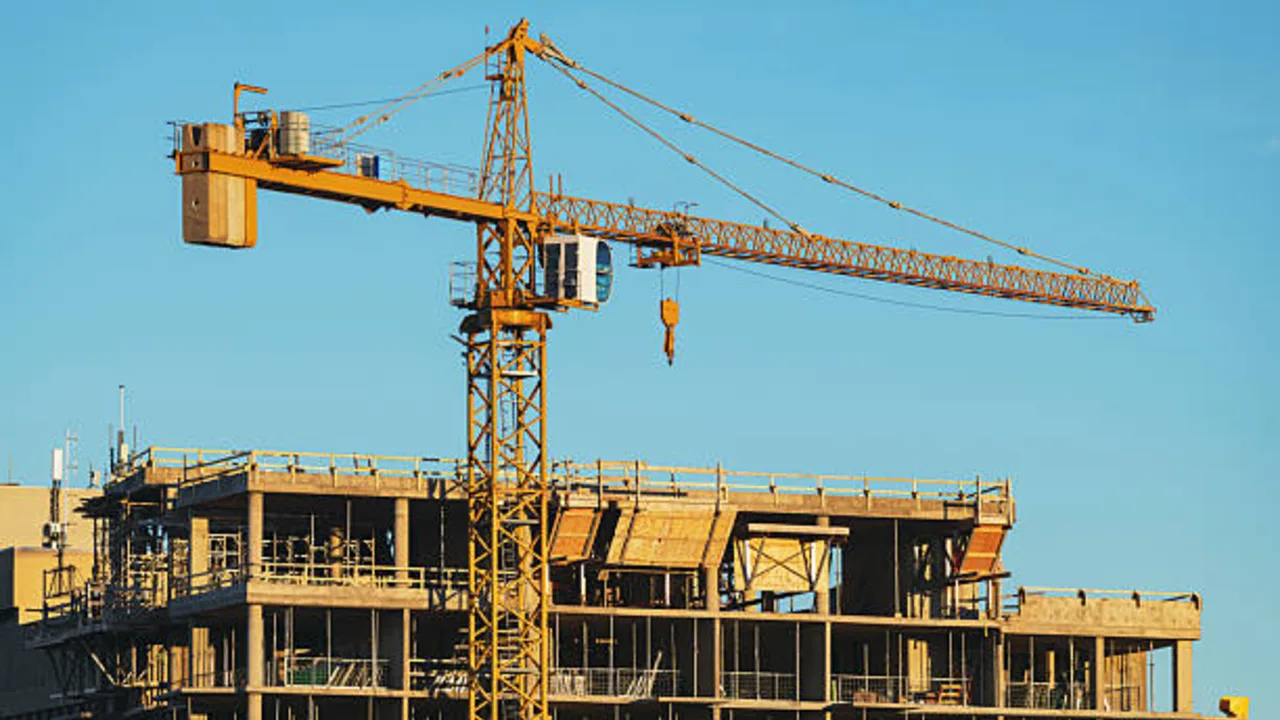
Proactive planning is the foundation of successful temporary works steel construction. Rather than treating temporary bracing as a reactive measure, leading projects integrate stability analysis during the early design phase.
Best practices include:
- Incorporating erection sequencing into structural modeling
- Performing staged wind load assessments
- Installing bracing immediately after member erection
- Maintaining strict inspection routines
- Monitoring weather forecasts during critical erection phases
- Removing temporary supports progressively and methodically
Wind monitoring deserves special attention. Even moderate gusts can generate amplified forces on incomplete steel frames. Having predefined wind speed thresholds for stopping work significantly reduces risk.
Conclusion: Stability Before Permanence
Temporary works steel construction is not a secondary consideration — it is a structural necessity. Steel buildings achieve strength and efficiency through integrated systems, but during erection those systems are incomplete. Without adequate temporary bracing, stability cannot be guaranteed.
Engineering discipline, staged analysis, clear documentation, and strict adherence to erection procedures transform temporary works from a risk factor into a safety assurance mechanism. Ultimately, permanent structural integrity begins with temporary stability. Projects that prioritize temporary works design reduce accidents, prevent costly delays, and ensure that steel structures reach their full performance potential safely and efficiently.