In structural steel fabrication, welding is one of the most critical processes influencing strength, durability, and long-term performance. A key factor in welding quality is controlling welding heat input limits steel. Heat input directly affects the metallurgical properties of steel, including grain structure, toughness, and residual stress distribution.
Improper control of heat input can lead to serious defects such as distortion, cracking, or reduced mechanical performance. Whether the issue is excessive or insufficient heat, both conditions can compromise weld integrity. Understanding how heat input interacts with weld parameters is essential for achieving consistent and reliable results in structural applications.
This article explores the fundamentals of welding heat input limits steel, the key variables involved, and practical strategies for maintaining optimal welding performance.
Understanding Welding Heat Input Limits Steel
Heat input in welding refers to the amount of thermal energy introduced into the material per unit length of weld. It is typically measured in kilojoules per millimeter (kJ/mm) and calculated using the following formula:
Heat Input = (Voltage × Current × 60) / (Travel Speed × 1000)
This calculation shows how welding heat input limits steel are directly influenced by electrical and operational variables. Maintaining heat input within specified limits ensures that the weld achieves the required strength without damaging the base material.
In structural steel projects, heat input limits are defined to control metallurgical transformations. Excessive heat can cause grain growth, while insufficient heat can lead to incomplete fusion. Both scenarios reduce weld quality and structural reliability.
Key Weld Parameters Affecting Heat Input
Welding Current
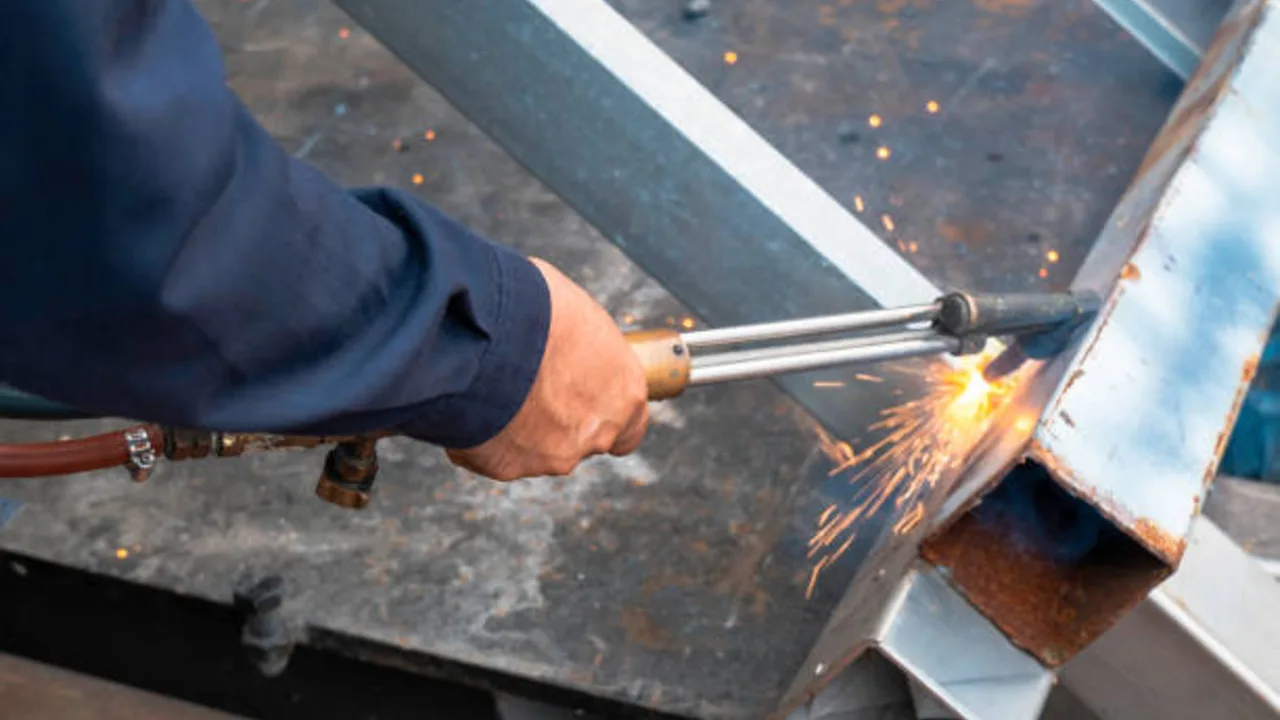
Welding current is one of the primary factors influencing heat input. Higher current increases the amount of heat delivered to the weld pool, improving penetration but also raising the risk of overheating. Controlling current is essential for maintaining welding heat input limits steel within acceptable ranges.
Voltage Settings
Voltage affects the arc length and heat distribution. Higher voltage spreads heat over a wider area, which can reduce penetration but increase overall heat input. Balancing voltage with current is critical for achieving stable arc conditions and proper weld formation.
Travel Speed
Travel speed has a direct inverse relationship with heat input. Slower travel speeds result in higher heat input, while faster speeds reduce it. Proper speed control is necessary to avoid excessive heat accumulation or insufficient fusion.
Heat Input and Cooling Rate
Heat input influences the cooling rate of the weld. High heat input leads to slower cooling, which can produce coarse grain structures. Low heat input results in rapid cooling, increasing the risk of brittle microstructures. Managing this balance is essential for maintaining mechanical properties.
Effects of Excessive Heat Input in Steel Welding
Exceeding welding heat input limits steel can have significant negative effects on structural performance. One of the most critical issues is grain coarsening in the heat-affected zone (HAZ). Larger grain structures reduce toughness and increase susceptibility to cracking.
Excessive heat input also contributes to distortion. As steel expands and contracts unevenly during welding, residual stresses develop. These stresses can lead to misalignment and affect dimensional accuracy in fabricated components.
Another concern is the reduction of yield strength. Prolonged exposure to high temperatures may alter the material properties, making the steel less capable of carrying design loads.
Effects of Low Heat Input
While excessive heat input is problematic, insufficient heat input can also compromise weld quality. Low heat input may result in lack of fusion, where the weld metal does not properly bond with the base material.
Incomplete penetration is another common issue associated with low heat input. This creates weak joints that may fail under load. Additionally, rapid cooling can increase hardness and brittleness, leading to potential cracking.
Maintaining welding heat input limits steel within the optimal range is therefore essential for avoiding both extremes and ensuring weld integrity.
Material Considerations in Heat Input Control
Carbon Steel vs High-Strength Steel
Different steel grades respond differently to heat input. Carbon steel is generally more tolerant, while high-strength steels are more sensitive to thermal cycles. Strict control of welding heat input limits steel is especially important when working with advanced materials.
Thickness of Steel Plates
Plate thickness affects heat distribution and retention. Thicker sections require higher heat input to achieve proper penetration, but they also retain heat longer. This can increase the risk of overheating if not properly managed.
Preheating Requirements
Preheating is often used to control cooling rates and prevent cracking. By raising the base metal temperature before welding, the risk of thermal shock is reduced. Preheating also helps maintain consistent weld parameters during the process.
Practical Methods to Control Welding Heat Input
Controlling welding heat input limits steel requires a combination of technical knowledge and practical execution. Several methods can be applied to maintain heat input within specified limits.
Adjusting Weld Parameters
Operators can control heat input by adjusting current, voltage, and travel speed. Fine-tuning these weld parameters allows precise control over the welding process and helps maintain consistent quality.
Multi-Pass Welding Techniques
Using multiple weld passes instead of a single high-heat pass helps distribute heat more evenly. This approach reduces the risk of overheating and improves overall weld quality.
Interpass Temperature Monitoring
Monitoring interpass temperature is essential in multi-pass welding. Maintaining appropriate temperature limits prevents excessive heat buildup and ensures consistent weld properties.
Welding Procedure Specification (WPS)
A Welding Procedure Specification (WPS) defines the required weld parameters, including heat input limits. Following a WPS ensures that welding heat input limits steel are consistently maintained across all operations.
In Part 2, we will explore real project applications, monitoring technologies, and best practices for ensuring optimal heat input control in large-scale fabrication projects.
Measurement and Monitoring of Welding Heat Input
Accurate measurement is essential for controlling welding heat input limits steel. Without proper monitoring, even well-defined weld parameters may drift during operation, leading to inconsistent weld quality. Both manual and digital methods are used to calculate and verify heat input in real time.
Manual Heat Input Calculation
Welders and inspectors often calculate heat input using recorded values of current, voltage, and travel speed. While this method is effective for verification, it depends heavily on accurate data collection and consistent operator performance.
Digital Welding Systems
Modern welding equipment includes integrated monitoring systems that automatically track weld parameters. These systems provide continuous feedback, helping operators maintain welding heat input limits steel within specified ranges.
Real-Time Monitoring Tools
Advanced fabrication environments use real-time monitoring tools that record and analyze welding data. These tools enable immediate detection of deviations and allow corrective action before defects occur.
Real Case Project: Heat Input Control in Heavy Steel Fabrication
A heavy industrial fabrication project involving offshore structural modules provides a strong example of managing welding heat input limits steel. The project required welding thick high-strength steel plates under strict performance requirements.
During initial production, excessive heat input was observed in several weld joints due to slow travel speed and high current settings. This resulted in grain coarsening in the heat-affected zone and increased distortion in large structural components.
To address the issue, the fabrication team revised weld parameters, reducing current and increasing travel speed to bring heat input within acceptable limits. Interpass temperature controls were also implemented to prevent heat accumulation during multi-pass welding.
The project further adopted digital monitoring systems to track welding heat input limits steel in real time. This ensured consistent control across multiple welders and shifts.
As a result, weld quality improved significantly, distortion was reduced, and the structure met all mechanical performance requirements. This case highlights the importance of proactive monitoring and parameter optimization in large-scale fabrication.
Preventive Strategies in Steel Fabrication
Pre-Welding Planning
Effective planning is critical for maintaining welding heat input limits steel. Selecting appropriate welding procedures, defining acceptable parameter ranges, and preparing detailed WPS documentation help reduce the risk of errors.
Operator Training and Qualification
Skilled welders play a key role in controlling heat input. Proper training ensures that operators understand how weld parameters influence heat input and how to adjust them under varying conditions.
Quality Control Systems
Quality control processes, including inspection and testing, help verify that welding heat input limits steel are consistently maintained. Regular audits and documentation improve traceability and accountability.
Best Practices for Maintaining Welding Quality
Achieving consistent weld quality requires disciplined execution and adherence to best practices:
- Maintain Consistent Weld Parameters: Avoid unnecessary fluctuations in current, voltage, and travel speed.
- Follow Approved Procedures: Always comply with the Welding Procedure Specification (WPS).
- Monitor Heat Input Continuously: Use appropriate tools to track welding heat input limits steel during operation.
- Perform Regular Inspections: Ensure welds meet design and quality requirements.
Importance of Heat Input Control in Structural Integrity
Controlling welding heat input limits steel is directly linked to structural integrity. Proper heat input ensures that welds achieve the required strength and toughness while minimizing residual stress.
In applications subjected to cyclic loading, such as bridges and industrial structures, heat input control also influences fatigue resistance. Poorly controlled heat input can accelerate crack initiation and reduce service life.
By maintaining optimal heat input, fabricators can enhance long-term durability and ensure that structures perform as intended under operational conditions.
Role of Professional Fabrication Expertise
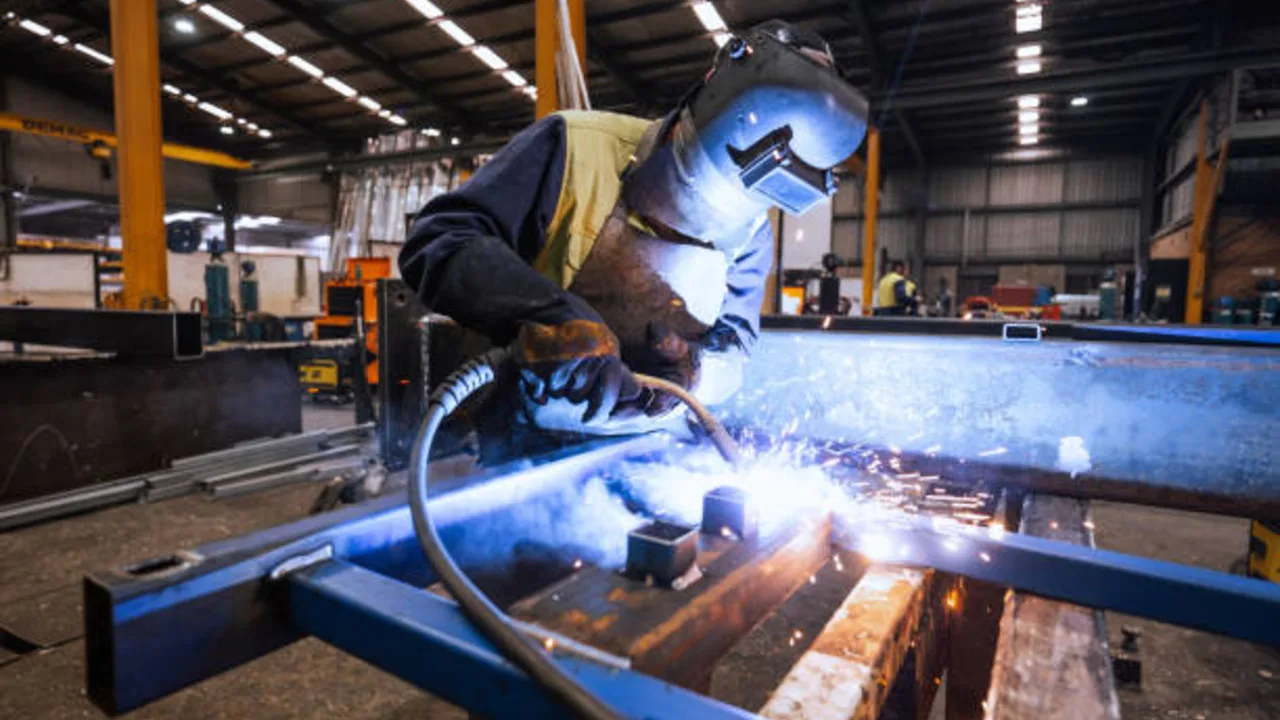
Managing welding heat input limits steel requires experience, technical knowledge, and disciplined execution. Complex projects benefit from working with specialists in heavy steel structure fabrication who understand the interaction between weld parameters and structural performance.
Experienced fabrication teams implement advanced monitoring systems, adhere to strict quality standards, and optimize welding processes to achieve consistent results. Their expertise ensures that heat input is controlled effectively across all stages of production.
Conclusion
Welding heat input is a critical factor in structural steel fabrication that directly affects weld quality and performance. Maintaining welding heat input limits steel within defined ranges prevents defects, ensures structural integrity, and improves long-term durability.
By understanding the role of weld parameters, applying effective control methods, and adopting best practices, fabricators can achieve reliable and high-quality welds. In modern structural projects, precise heat input management is not just a technical requirement—it is a key driver of overall project success.