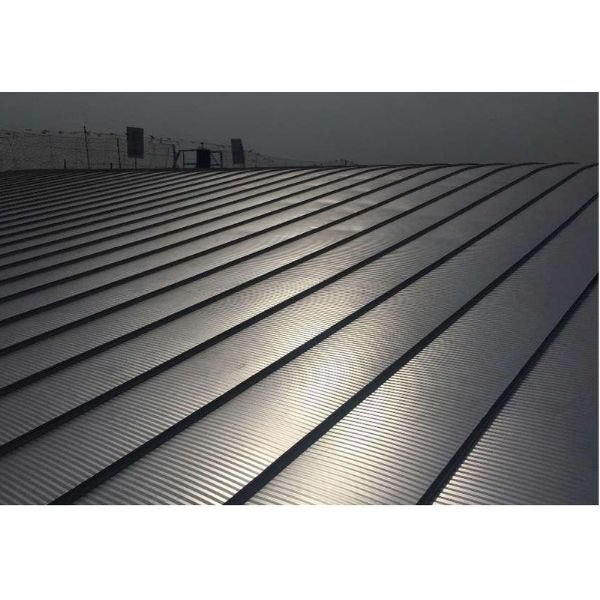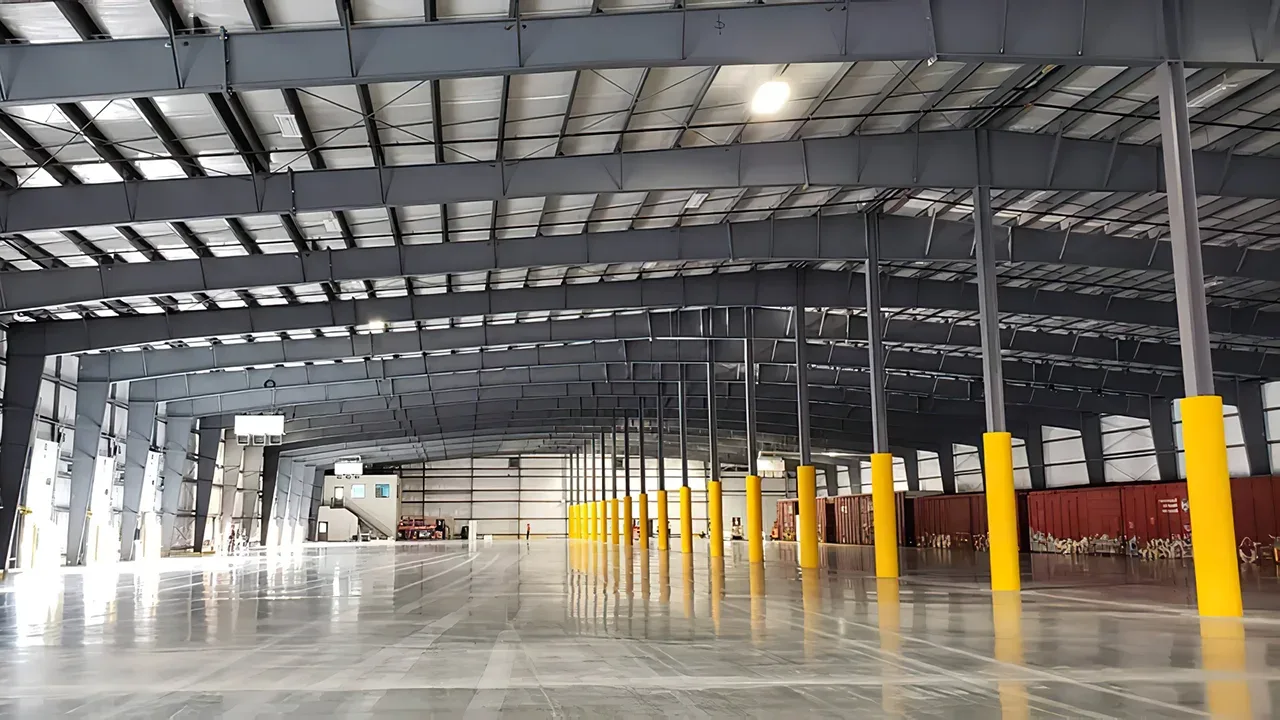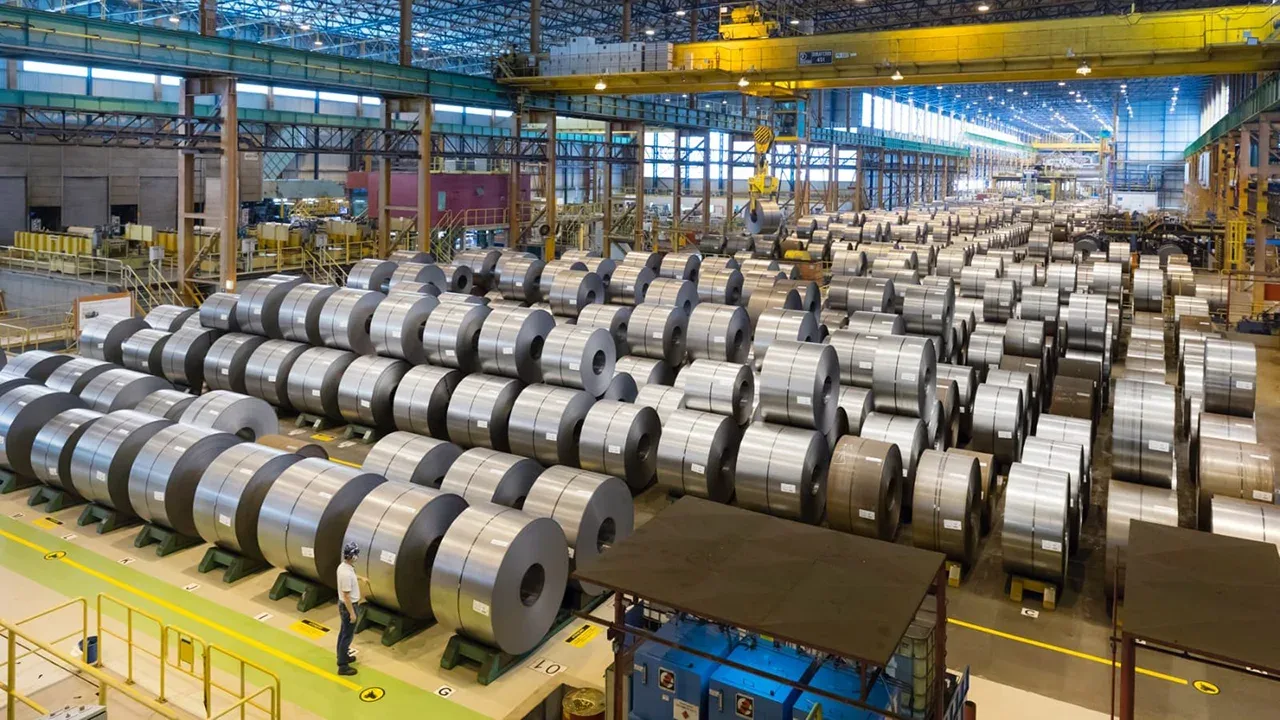

Industrial factories that handle chemicals, solvents, or aggressive processing materials present one of the most challenging environments for structural steel. In these facilities, steel components are constantly exposed to airborne contaminants, moisture, temperature changes, and chemical reactions that can accelerate corrosion. Without proper factory corrosion protection chemicals planning, structural members may deteriorate much faster than expected, leading to costly repairs, operational risks, and reduced building lifespan.
Corrosion is not only a maintenance issue—it is a structural reliability issue. When steel begins to corrode, its cross-section is gradually reduced, protective coatings fail, and connections become weaker. In factories where production runs continuously, unexpected structural damage can result in downtime, safety hazards, and expensive shutdowns. For this reason, corrosion protection must be considered during the design stage, not after the building is already in operation.
Modern industrial engineering recognizes that corrosion control in chemical environments requires a combination of proper material selection, protective coatings, structural detailing, and maintenance planning. By applying the correct factory corrosion protection chemicals strategy, engineers can significantly extend the service life of industrial buildings while maintaining safe and efficient production conditions.
Why Chemical Exposure Accelerates Corrosion in Steel Factories
Steel corrosion occurs naturally when metal reacts with oxygen and moisture, but in chemical factories this process can be greatly accelerated. Industrial environments often contain gases, vapors, liquids, and dust particles that react with steel surfaces, breaking down protective layers and allowing corrosion to spread more quickly.
Types of Chemicals Commonly Found in Industrial Factories
Many industrial processes release substances that can attack steel structures. These may include acids, alkaline materials, salts, solvents, and chemical fumes produced during manufacturing. Even when these substances are present in low concentrations, continuous exposure over time can damage protective coatings and initiate corrosion.
Factories involved in chemical production, fertilizer processing, food manufacturing, metal treatment, or wastewater treatment often create highly corrosive environments. In these cases, selecting the correct factory corrosion protection chemicals system becomes essential to maintain structural durability.
How Airborne Contaminants Attack Steel Surfaces
In many factories, corrosion does not occur because steel is directly immersed in chemicals, but because airborne particles settle on structural surfaces. Chemical vapors may condense on beams, columns, roof members, and connection plates, creating a thin but aggressive layer that slowly damages the coating system.
When combined with humidity, these contaminants form electrolytes that accelerate electrochemical reactions on the steel surface. This type of corrosion is particularly dangerous because it can spread over large areas without being immediately visible.
The Role of Humidity, Temperature, and Condensation
Environmental conditions inside factories often make corrosion worse. High humidity, temperature fluctuations, and poor ventilation can cause condensation to form on steel surfaces. When moisture remains on the surface for long periods, the protective coating becomes more vulnerable to chemical attack.
Warm production areas that cool down at night are especially prone to condensation. In chemical factories, the condensed moisture may contain corrosive substances, further increasing the need for proper factory corrosion protection chemicals design.
Why Enclosed Factory Environments Can Worsen Corrosion
Unlike outdoor structures, factory buildings often trap contaminants inside. Chemical fumes, dust, and moisture can accumulate in enclosed spaces, especially in areas with limited airflow. Roof structures, crane beams, and high-level steel members are often exposed to these conditions for long periods without regular cleaning.
Because industrial buildings frequently operate around the clock, these corrosive conditions may be present continuously. Without adequate protection, structural steel can experience long-term deterioration that affects both safety and performance.
Common Corrosion Risks in Steel Factory Buildings
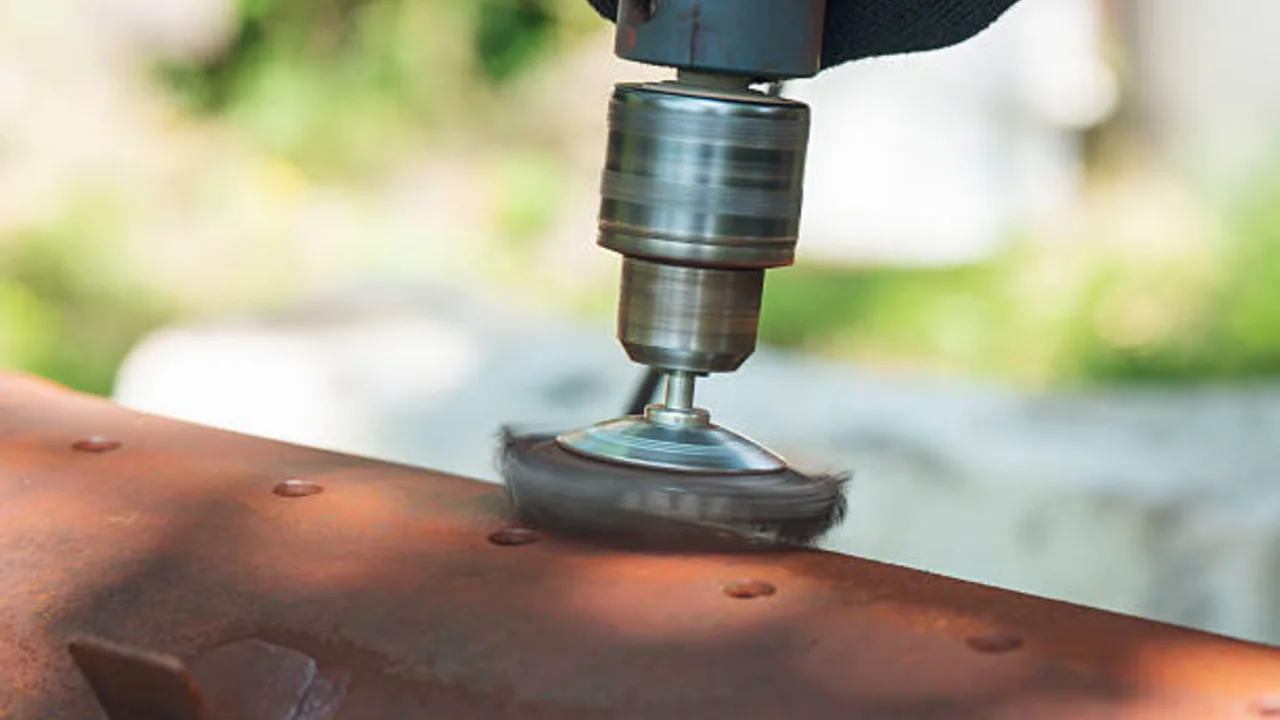
Not all parts of a factory are exposed to the same level of corrosion risk. Some structural elements are more vulnerable because of their location, function, or exposure to chemicals. Understanding these high-risk areas allows engineers to apply the correct factory corrosion protection chemicals and protective design strategies.
Structural Frames and Primary Steel Members
Columns, rafters, and main structural beams carry the primary load of the building, so corrosion in these members is especially critical. Even small amounts of material loss can reduce structural capacity over time. In chemical factories, these members may be exposed to fumes rising from production lines or chemical storage areas.
Protective coatings for primary steel members must be selected based on the expected exposure level, not only on standard environmental conditions.
Roof Systems and Purlins Exposed to Fumes
Roof structures are often exposed to warm air, vapor, and chemical fumes that rise during production processes. Because these areas are difficult to access, corrosion may go unnoticed until it becomes severe.
Purlins, bracing members, and roof trusses should always receive a corrosion protection system suitable for chemical environments. Using an appropriate coating system in these locations can greatly extend the service life of the roof structure.
Wall Cladding Support Systems
Secondary steel members that support wall panels are frequently located near process equipment, pipelines, or storage areas. These members may be exposed to splashes, leaks, or chemical mist, making them highly vulnerable to corrosion.
Although these components are not always considered primary structure, failure of cladding supports can create safety hazards and increase maintenance costs. For this reason, they should also be included in the overall factory corrosion protection chemicals strategy.
Connections, Bolts, and Weld Zones
Connections are often the most sensitive parts of a steel structure. Bolts, welds, and connection plates may have small gaps where moisture and chemicals can accumulate. These crevices create ideal conditions for corrosion to start and spread.
Special attention must be given to protecting connection areas with the correct coating thickness and proper application procedures. In aggressive chemical environments, standard paint systems may not provide sufficient protection.
Floor-Adjacent Steel in Wet Process Areas
Steel members located near the floor are often exposed to water, cleaning chemicals, or process liquids. In factories with washing lines, chemical tanks, or wastewater systems, the lower part of the structure may experience the highest corrosion rate.
Designing these areas with suitable materials, drainage, and protective coatings is essential for long-term durability. Proper planning of factory corrosion protection chemicals helps prevent premature deterioration in these high-risk zones.
Factory Corrosion Protection Chemicals: What Engineers Need to Consider
Effective corrosion prevention in industrial buildings cannot rely on paint alone. In factories where chemicals, fumes, or aggressive materials are present, engineers must evaluate the entire environment before selecting protective systems. Choosing the correct factory corrosion protection chemicals requires understanding the type of exposure, expected service life, maintenance capability, and structural importance of each steel component.
A well-planned corrosion protection strategy starts during the design phase. Waiting until construction is complete often leads to limited options, higher costs, and reduced durability. By analyzing chemical exposure conditions early, engineers can select the most suitable coating system and protection method for each part of the factory.
Understanding the Chemical Environment Before Design
Different industrial processes create different corrosion risks. Acidic environments, alkaline processes, salt exposure, and solvent vapors all affect steel differently. A coating that performs well in one factory may fail quickly in another if the chemical conditions are not the same.
Before finalizing the structural design, engineers should identify:
- Type of chemicals present in production
- Concentration of airborne contaminants
- Temperature and humidity levels
- Frequency of washing or cleaning operations
- Areas with direct chemical contact
This information allows the selection of the correct factory corrosion protection chemicals system and prevents premature coating failure.
Matching Protection Methods to Exposure Severity
Not all parts of a factory require the same level of protection. Areas exposed to strong chemicals, high humidity, or constant condensation need a more resistant system than dry storage areas or office zones.
Industrial corrosion protection is often classified into different exposure categories, ranging from mild indoor conditions to highly aggressive chemical environments. Each category requires a different coating thickness, material type, and surface preparation method.
Using a single protection method for the entire building may seem simpler, but it often leads to either unnecessary cost or insufficient protection. A targeted approach based on exposure level provides better long-term performance.
Short-Term Resistance vs Long-Term Durability
Some protective coatings provide good short-term resistance but degrade quickly when exposed to chemicals over many years. In industrial factories that operate continuously, long-term durability is usually more important than initial cost.
Selecting high-quality factory corrosion protection chemicals may increase construction cost slightly, but it can significantly reduce maintenance, repair, and downtime over the building’s lifecycle. For critical production facilities, durability should always be the priority.
Why Corrosion Protection Must Be Planned Early
Once the structural design is completed and fabrication begins, changing the corrosion protection system becomes difficult. Certain coatings require specific surface preparation, controlled application conditions, or special detailing that must be considered before manufacturing.
Early planning allows engineers to:
- Select suitable steel grades
- Design details that avoid moisture traps
- Specify the correct coating system
- Plan inspection and maintenance access
Integrating factory corrosion protection chemicals into the design stage ensures that the factory structure can withstand chemical exposure throughout its service life.
Choosing the Right Coating System for Chemical Exposure
One of the most important elements of corrosion protection in industrial factories is the coating system. A properly designed coating system provides a barrier between the steel surface and the surrounding environment, preventing moisture and chemicals from reaching the metal.
In chemical factories, the coating system must be carefully selected based on exposure conditions, expected service life, and maintenance requirements.
Primer, Intermediate, and Topcoat Functions
Most industrial coating systems consist of multiple layers, each with a specific purpose. The primer bonds to the steel surface and provides the first level of protection. The intermediate layer increases thickness and resistance, while the topcoat protects against chemicals, UV exposure, and mechanical damage.
A complete coating system is usually more effective than a single-layer paint, especially in aggressive environments. Each layer must be compatible with the others to ensure proper performance.
Epoxy Coating System for Aggressive Environments
Epoxy coatings are widely used in chemical factories because they provide strong resistance to moisture, solvents, and many industrial chemicals. These coatings create a dense barrier that prevents corrosive substances from reaching the steel surface.
In areas with high humidity, frequent washing, or chemical fumes, an epoxy-based coating system is often recommended as part of the factory corrosion protection chemicals strategy.
Polyurethane Topcoats for Durability and Finish Retention
Polyurethane coatings are commonly used as the final layer in industrial coating systems. They provide good resistance to UV radiation, abrasion, and weathering, making them suitable for both indoor and outdoor factory structures.
When combined with epoxy primers, polyurethane topcoats create a durable coating system that can withstand long-term exposure to harsh industrial conditions.
When to Use Specialized Chemical-Resistant Coating Systems
In factories with strong acids, alkalis, or highly corrosive vapors, standard industrial paint may not be sufficient. In these cases, specialized chemical-resistant coatings must be used.
These systems may include high-build epoxy, vinyl ester coatings, or other advanced materials designed for extreme environments. Although they are more expensive, they provide much longer service life and better protection for critical structural components.
Selecting the correct factory corrosion protection chemicals for these environments is essential to prevent rapid structural deterioration.
Limitations of Standard Paint Systems in Factories
Standard paint systems designed for normal indoor environments often fail quickly in chemical factories. Thin coatings, poor surface preparation, or incompatible materials can lead to blistering, peeling, and rust formation.
Once corrosion starts under the coating, it can spread unnoticed until serious damage occurs. For this reason, industrial factories should never rely on basic paint solutions when chemical exposure is expected. A properly engineered coating system is necessary to ensure long-term reliability.
Hot-Dip Galvanizing vs Paint Systems in Chemical Factories
In industrial environments where steel is exposed to moisture, chemicals, and aggressive vapors, selecting the correct protection method is critical. Two of the most commonly used solutions are hot-dip galvanizing and multi-layer coating systems. Each method has advantages and limitations, and the best choice depends on the level of exposure and the required service life. In many cases, combining both methods provides the most reliable factory corrosion protection chemicals strategy.
Advantages of Hot-Dip Galvanizing
Hot-dip galvanizing protects steel by applying a zinc layer that acts as both a barrier and a sacrificial coating. Even if the surface is scratched, the zinc continues to protect the steel underneath. This makes galvanizing highly effective in environments with moisture or mild chemical exposure.
Galvanized steel requires minimal maintenance and provides consistent protection across the entire surface, including edges and corners. For factory structures located in humid or semi-corrosive environments, galvanizing can be an efficient and durable solution.
Where Galvanizing May Be Insufficient
In factories with strong chemical exposure, galvanizing alone may not provide enough resistance. Certain acids, alkalis, or solvents can attack the zinc layer and reduce its protective ability over time. High temperatures and continuous chemical vapors can also shorten the life of galvanized coatings.
In these conditions, relying only on galvanizing may lead to premature corrosion. Additional protection, such as a specialized coating system, is often required to achieve long-term durability.
Duplex Systems for Enhanced Corrosion Resistance
A duplex system combines galvanizing with a paint or epoxy coating. The zinc layer provides base protection, while the coating adds chemical resistance and additional thickness. This combination significantly increases the lifespan of the structure.
Duplex systems are widely used in factories with chemical processes, wastewater treatment areas, or environments where corrosion risk is high. When properly applied, this approach offers one of the most effective factory corrosion protection chemicals solutions for industrial steel buildings.
Cost vs Lifecycle Performance Comparison
Choosing the cheapest protection method often leads to higher long-term costs. Repairs, repainting, and structural replacement can interrupt production and increase maintenance expenses. In chemical factories that operate continuously, downtime may be more expensive than the original construction.
A well-designed corrosion protection system should be evaluated based on lifecycle cost rather than initial price. Investing in high-quality factory corrosion protection chemicals and coating systems usually results in lower maintenance and longer service life.
Design Strategies That Improve Corrosion Protection
Protective coatings alone cannot prevent corrosion if the structural design allows moisture or chemicals to accumulate. Good detailing and layout planning play a major role in ensuring that corrosion protection systems perform as intended. Engineers should always combine coating selection with proper structural design to achieve reliable factory corrosion protection chemicals performance.
Avoiding Moisture Traps and Crevice Details
Small gaps, overlaps, and enclosed spaces can trap moisture and chemicals, creating ideal conditions for corrosion. These areas are difficult to clean and inspect, allowing corrosion to develop unnoticed.
During design, structural connections should be detailed to avoid water accumulation. Smooth surfaces, proper sealing, and adequate spacing between members help reduce the risk of hidden corrosion.
Improving Drainage Around Steel Components
Water is one of the main factors that accelerate corrosion. In factories where cleaning, washing, or liquid processing occurs, drainage must be carefully planned. Steel members should not be placed in locations where water can collect for long periods.
Sloped surfaces, drainage holes, and properly designed floor systems help keep structural steel dry. When combined with the correct factory corrosion protection chemicals, good drainage greatly improves durability.
Ventilation Design for Chemical Process Areas
Poor ventilation allows chemical fumes and moisture to remain inside the building, increasing the risk of corrosion. Areas with strong chemical processes should have adequate airflow to remove vapors before they settle on structural steel.
Proper ventilation design not only improves worker safety but also protects the building structure. In chemical factories, airflow planning should be considered part of the overall corrosion protection strategy.
Access Planning for Inspection and Maintenance
Even the best protection system requires periodic inspection. If structural members cannot be reached safely, corrosion damage may not be detected until it becomes severe.
Platforms, walkways, and maintenance access points should be included in the design. This allows coatings to be inspected, repaired, and replaced when necessary, ensuring that the factory corrosion protection chemicals system continues to perform over time.
Inspection and Maintenance Planning for Corrosion-Prone Factories
Corrosion protection does not end after construction. Factories exposed to chemicals require regular inspection and maintenance to ensure that coatings remain effective. A planned maintenance program helps identify problems early and prevents small defects from becoming serious structural issues.
Routine Coating Inspection Schedules
Industrial buildings should follow a scheduled inspection program based on the severity of the environment. Highly corrosive factories may require yearly inspections, while less aggressive environments can be checked less frequently.
Inspections should focus on coating condition, discoloration, blistering, rust spots, and damaged areas. Early detection allows repairs to be made before corrosion spreads.
Early Signs of Corrosion Damage
Corrosion often begins in small areas such as joints, welds, or edges where coating thickness may be lower. Signs of early damage include paint peeling, rust stains, surface bubbling, or coating cracks.
If these signs are ignored, corrosion can spread under the coating and weaken the steel. Repairing damage at an early stage is much easier and less expensive.
Repair Methods for Localized Coating Failure
When coating damage is limited to a small area, local repair can usually restore protection. The damaged surface must be cleaned, prepared, and recoated using compatible materials. Using the same coating system as the original specification ensures proper adhesion and performance.
In aggressive chemical environments, repair materials should match the original factory corrosion protection chemicals specification to maintain durability.
Lifecycle Maintenance Planning for Industrial Buildings
Large industrial buildings are expected to operate for decades, so maintenance planning should cover the entire service life. Protective coatings may need to be renewed after a certain number of years, depending on exposure conditions.
Including maintenance costs in the initial design evaluation helps ensure that the factory remains safe and operational without unexpected expenses.
Factory Layout and Process Zoning for Better Corrosion Control
Factory layout plays an important role in controlling corrosion risk. Different production areas may expose structural steel to different levels of chemicals, moisture, and temperature. Proper zoning helps reduce damage by limiting exposure to the most aggressive conditions.
In a modern factory steel structure, engineers often separate chemical processing zones from storage, assembly, and office areas. This reduces the amount of structural steel exposed to corrosive environments and makes it easier to apply targeted protection methods.
Separating Chemical Process Zones
Processes that release strong fumes or liquids should be located in designated areas with higher protection levels. Structural steel in these zones may require thicker coatings or specialized materials.
Separating these areas also prevents corrosion from spreading to the rest of the building.
Protecting Structural Steel Near Wet Operations
Washing lines, tanks, and cooling systems create constant moisture. Steel located near these operations must receive stronger protection than steel in dry areas.
Using the correct factory corrosion protection chemicals in wet zones helps prevent rapid deterioration and reduces long-term repair costs.
Using Enclosed or Shielded Areas for Aggressive Processes
In some factories, highly corrosive processes are placed inside enclosed rooms or protected areas. This limits the exposure of the main structural frame and allows special materials to be used only where necessary.
This approach is especially effective in large industrial buildings where maintaining the integrity of the main structure is critical.
Real Project Example: Corrosion Protection in Large Industrial Buildings
Real industrial projects demonstrate how important corrosion planning is in chemical environments. Large-span factory buildings often contain multiple production zones, each with different exposure conditions. Without proper protection, structural steel may deteriorate at different rates across the building.
In large industrial facilities, engineers typically combine coating systems, galvanizing, and careful layout planning to achieve reliable factory corrosion protection chemicals performance. High-risk areas receive stronger protection, while less exposed areas use standard systems to control cost.
Projects involving chemical processing, fertilizer production, or wastewater treatment often require advanced coating systems and strict inspection procedures. These projects show that corrosion protection must be integrated into structural design, not added later.
Future Trends in Corrosion Protection for Industrial Steel Buildings
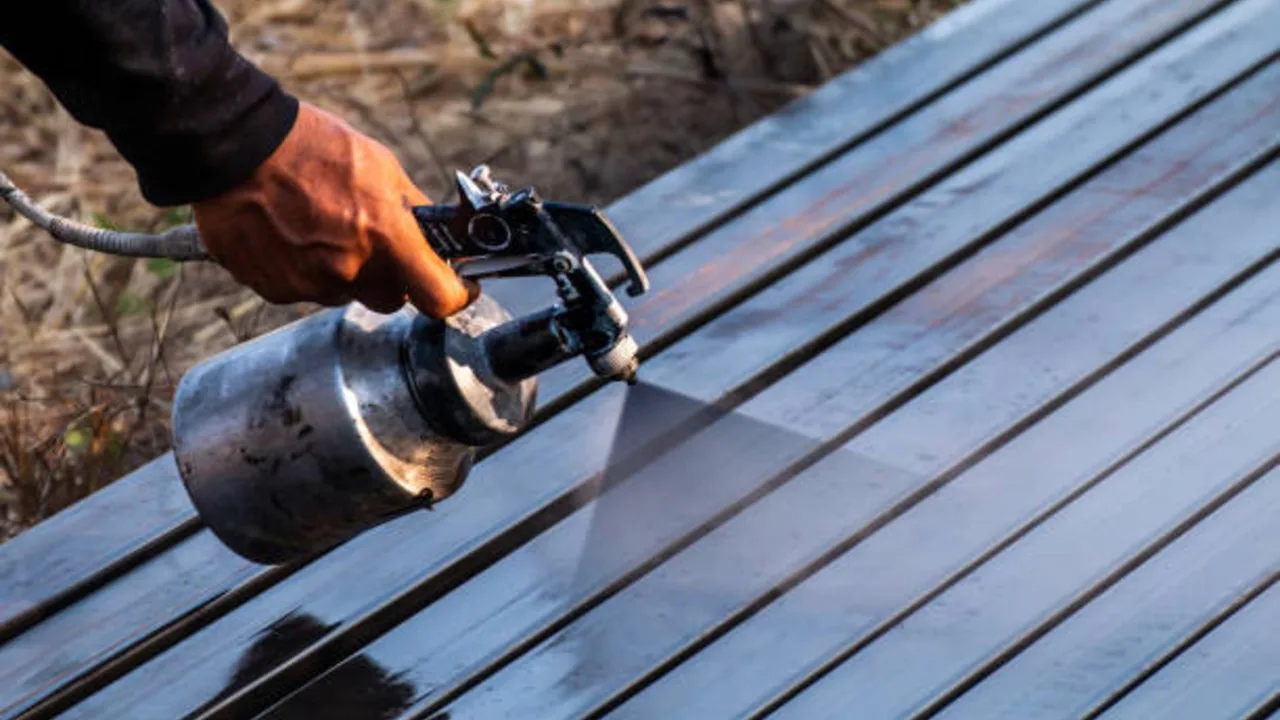
As industrial environments become more complex, corrosion protection technology continues to improve. New materials and monitoring systems allow engineers to design factories that last longer and require less maintenance.
Advanced Coating Technologies
Modern coating materials offer better resistance to chemicals, higher temperatures, and mechanical damage. High-performance epoxy, polyurethane, and hybrid coatings provide longer service life than traditional paint systems.
These technologies are becoming standard in factories with aggressive environments.
Smart Inspection and Predictive Maintenance
Digital inspection tools and monitoring systems can detect corrosion before it becomes visible. Sensors and inspection software allow maintenance teams to track coating condition and plan repairs more efficiently.
Predictive maintenance reduces unexpected downtime and extends building life.
Integrated Corrosion Planning in Industrial Design
Modern factory design increasingly includes corrosion protection as part of the initial engineering process. Structural layout, material selection, ventilation, and coating specification are planned together to achieve the best performance.
By integrating design and protection strategies early, engineers can create industrial buildings that remain safe and durable even in harsh chemical environments.
Conclusion
Chemical exposure creates one of the most demanding conditions for industrial steel buildings. Without proper planning, corrosion can reduce structural strength, increase maintenance cost, and shorten the lifespan of the factory.
Effective protection requires a combination of coating selection, structural detailing, ventilation design, and maintenance planning. By applying the correct factory corrosion protection chemicals strategy and using a suitable coating system, engineers can ensure that steel factory buildings remain reliable even in aggressive environments.
In modern industrial construction, corrosion protection is not an optional upgrade—it is a fundamental part of designing safe and durable factory structures.