Industrial factories contain heavy machinery, moving equipment, overhead cranes, forklifts, and continuous production lines operating in the same environment. In such conditions, proper spacing between equipment, structures, and work areas is essential to prevent accidents and ensure efficient workflow. This is why factory safety clearance zones play a critical role in the design of modern industrial buildings.
Safety clearance zones refer to the minimum required distance between machines, structural elements, storage areas, and traffic routes. These spaces allow safe movement of workers, proper operation of equipment, and access for maintenance or emergency situations. Without well-planned factory safety clearance zones, factories may experience frequent interruptions, safety risks, and reduced productivity.
In steel industrial buildings, clearance planning becomes even more important because these factories often use long-span structures, overhead cranes, and high-capacity production lines. A large open layout gives flexibility, but it also requires precise planning to make sure all equipment spacing follows engineering standards.
Modern factory design therefore includes clearance planning as part of the structural layout, not as a secondary adjustment. When engineers define factory safety clearance zones during the early design stage, the building can support safe operation, efficient workflow, and future expansion without costly modifications.
Why Safety Clearance Zones Are Critical in Steel Factories
Steel factories and heavy industrial plants operate with high loads, moving materials, and complex machinery systems. In these environments, even small layout mistakes can lead to serious safety hazards. Proper factory safety clearance zones ensure that machines operate safely, workers can move freely, and maintenance work can be performed without stopping production.
Unlike small workshops, large industrial buildings must consider multiple types of clearance at the same time, including structural spacing, equipment spacing, and safety access. If these zones are not clearly defined, the factory layout may become unsafe or inefficient.
Definition of Factory Safety Clearance Zones
Factory safety clearance zones are the minimum distances required between machines, walls, columns, cranes, storage areas, and walkways. These distances are defined by engineering standards, safety regulations, and operational requirements.
Clearance zones ensure that equipment can operate without interference, workers can move safely, and emergency access is always available. In large industrial plants, proper factory safety clearance zones must be calculated before construction begins.
Risks of Insufficient Spacing
When machines are installed too close to each other, the risk of accidents increases. Operators may not have enough space to control equipment safely, and maintenance work becomes difficult. In extreme cases, insufficient clearance can cause collisions between machines, forklifts, or crane loads.
Poor spacing can also affect productivity. If material handling paths are blocked or too narrow, workflow slows down and production efficiency decreases. This is why factory safety clearance zones must always be considered during factory layout planning.
Structural Clearance vs Equipment Clearance
It is important to understand that structural clearance and equipment clearance are not the same. Structural clearance refers to the distance between columns, beams, roof structures, and walls. Equipment clearance refers to the space required for machines, operators, and moving parts.
In a modern steel factory, both types must be planned together. The structural grid must allow enough space for machines, and equipment layout must fit within the structural frame. Proper coordination between structural engineers and production planners is essential for accurate factory safety clearance zones.
Types of Clearance Zones Inside Industrial Factories
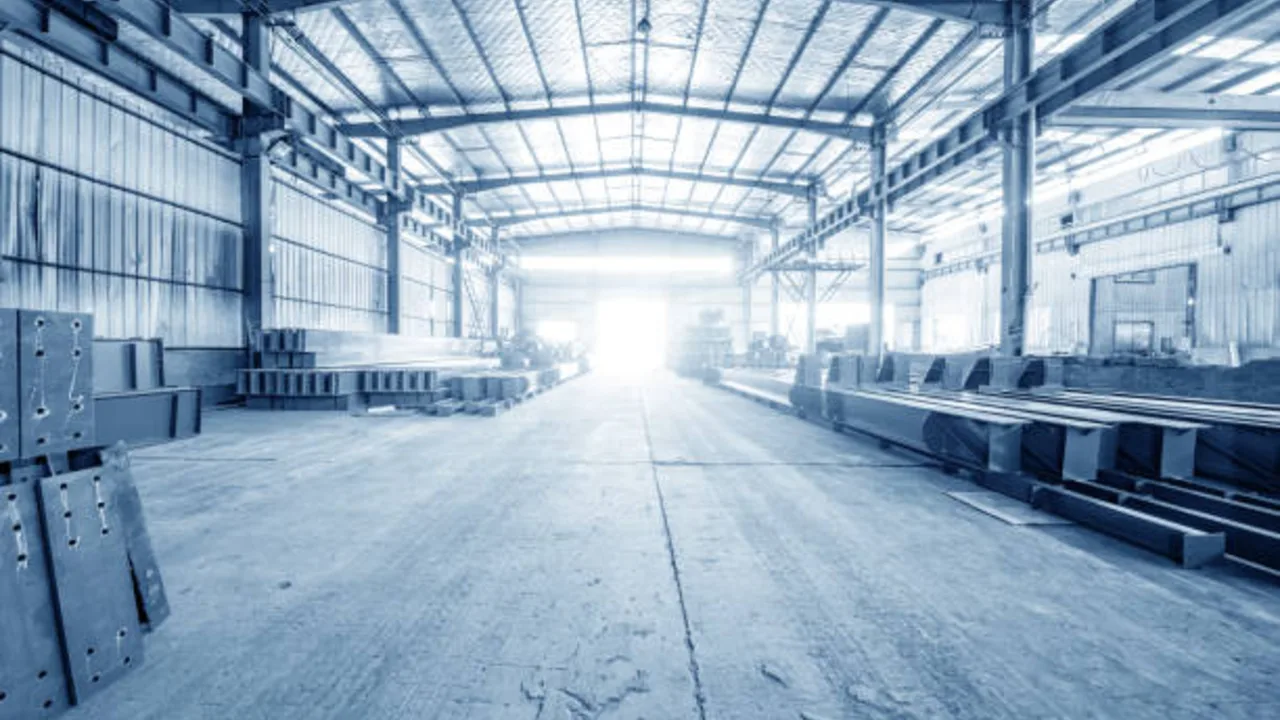
Different areas inside a factory require different types of safety spacing. A production machine may need operator space, a crane needs vertical clearance, and forklifts need travel lanes. Engineers must identify all required clearance zones before finalizing the building layout.
By defining these zones early, factory safety clearance zones can be integrated into the structural design instead of being forced into the building after construction.
Machine Operating Clearance
Every machine requires space for safe operation. Operators need room to control the machine, load materials, and perform inspections. Moving parts also require free space to avoid collision with nearby equipment.
Machine manufacturers usually provide minimum spacing guidelines, but engineers often increase the clearance to improve safety and allow future adjustments.
Overhead Crane Clearance
Many steel factories use overhead crane systems to move heavy materials. Crane operation requires both horizontal and vertical clearance. The crane must move freely along the runway beam, and the hook must have enough space above machines and storage areas.
If crane clearance is not planned correctly, the crane may not be able to reach certain areas, or the load may collide with equipment. This makes crane clearance one of the most important factory safety clearance zones in heavy industrial buildings.
Maintenance Access Clearance
Machines require regular inspection and maintenance. Engineers must provide enough space around equipment so that technicians can access motors, panels, and mechanical parts safely.
Maintenance clearance is often forgotten during layout planning, but it is essential for long-term operation. Without proper space, repairs become difficult and downtime increases.
Emergency Exit Clearance
Safety regulations require clear access to emergency exits, fire equipment, and evacuation routes. These paths must remain free at all times and cannot be blocked by machines or storage.
Emergency clearance zones must be visible, accessible, and wide enough for workers to leave the building quickly. Proper factory safety clearance zones help ensure that emergency procedures can be carried out safely.
Vehicle and Forklift Clearance
Industrial factories often use forklifts, trucks, and automated vehicles to move materials. These vehicles need clear travel lanes with enough width for turning and passing.
If forklift paths are too narrow, collisions may occur. Engineers must calculate the turning radius and required lane width before defining the final layout. Proper vehicle spacing is a key part of factory safety clearance zones.
Engineering Standards for Factory Safety Clearance Zones
Designing proper factory safety clearance zones requires more than basic layout planning. Industrial buildings must follow engineering standards, safety regulations, and operational guidelines to ensure that all equipment, structures, and work areas have sufficient space. These standards help prevent accidents, allow safe maintenance, and ensure that the factory can operate efficiently over the long term.
In large steel factories, clearance requirements are often defined during the structural design stage. Once the column grid, roof height, and crane system are determined, engineers must verify that all equipment spacing meets safety requirements before construction begins.
Industrial Safety Codes and Guidelines
Most countries have industrial safety regulations that define minimum spacing for machinery, walkways, exits, and fire protection systems. These rules may come from occupational safety organizations, building codes, or industry standards.
Engineers must review these regulations before finalizing the factory layout. Ignoring safety codes can lead to unsafe working conditions, legal problems, or the need for costly modifications after the building is completed.
Proper factory safety clearance zones help ensure that the factory complies with safety standards while maintaining efficient production flow.
Clearance Requirements for Heavy Equipment
Large machines such as presses, cutting lines, rolling machines, and welding systems require additional space compared to small equipment. These machines may have moving parts, vibration zones, or loading areas that extend beyond the machine body.
Engineers must include operating clearance, maintenance clearance, and safety distance when positioning heavy equipment. If the spacing is too small, operators may not have enough room to work safely, and the risk of damage increases.
Careful planning of factory safety clearance zones allows heavy equipment to operate without interfering with nearby machines or structures.
Crane Runway Safety Spacing
Overhead cranes are common in steel factories, fabrication plants, and heavy manufacturing facilities. The crane system requires proper spacing between runway beams, roof structure, and equipment below.
Vertical clearance must be sufficient for the crane hook and load to move safely. Horizontal clearance must allow the crane to travel without hitting columns, lights, or ventilation systems.
Incorrect crane spacing can limit the usable area of the factory or create safety hazards. Because of this, crane clearance is one of the most critical factory safety clearance zones in industrial building design.
Fire Safety Distance Requirements
Fire protection systems require clear access around equipment, electrical panels, and exits. Fire extinguishers, hydrants, and alarm systems must be reachable without obstruction.
In addition, some machines that generate heat or sparks must be placed at a safe distance from walls, storage areas, or flammable materials. Engineers must include these safety distances when planning the factory layout.
Proper fire clearance is an essential part of factory safety clearance zones and must always be included in the design.
Factory Layout Planning for Proper Equipment Spacing
A safe factory is not created by equipment alone. The overall layout of the building must allow materials, workers, and machines to move without conflict. Layout planning is therefore one of the most important steps in defining factory safety clearance zones.
When engineers design the factory layout, they must consider production flow, storage areas, maintenance access, and safety routes at the same time. A good layout improves efficiency and reduces the risk of accidents.
Production Line Spacing
Production lines often include multiple machines arranged in sequence. Each machine needs enough space for loading, unloading, and operator movement. If the spacing is too small, workers may not be able to move safely between machines.
Engineers must also consider future changes. Extra clearance allows new equipment to be installed without rebuilding the entire layout. This makes proper factory safety clearance zones important for long-term flexibility.
Material Flow Paths
Materials must move smoothly from one process to another. If the path is blocked or too narrow, production slows down and accidents may occur.
Material flow paths must be wide enough for forklifts, carts, or automated vehicles. These paths should also avoid crossing operator work zones whenever possible.
Planning material flow correctly helps maintain safe and efficient factory safety clearance zones.
Storage and Rack Clearance
Factories often include storage racks, raw material areas, and finished product zones. These areas require space for loading, unloading, and inspection.
Clearance around storage racks must allow forklifts to move safely and prevent materials from falling or hitting nearby equipment. Engineers must also ensure that storage areas do not block emergency exits or maintenance access.
Proper spacing in storage zones is an important part of factory safety clearance zones.
Office and Control Room Separation
Many factories include offices, control rooms, or laboratories inside the same building. These areas require quieter and safer environments compared to production zones.
Engineers usually separate these spaces using walls, buffer zones, or distance from heavy equipment. This separation reduces noise, vibration, and accident risk.
Good separation planning helps maintain effective factory safety clearance zones while keeping the factory comfortable and safe for all workers.
Safety Clearance Design in a factory steel structure
Steel industrial buildings provide excellent flexibility for layout planning, which makes them ideal for designing accurate factory safety clearance zones. Because steel structures can create large column-free spaces, engineers have more freedom to arrange machines, crane systems, and traffic paths safely.
When designing clearance zones in a modern factory steel structure, structural planning must be coordinated with equipment layout from the beginning of the project.
Advantages of Steel Structures for Safety Layout
Steel structures allow long spans and wide interior spaces without many columns. This makes it easier to maintain safe distances between machines and work areas.
Prefabricated steel components also allow precise positioning of structural elements, which helps engineers control spacing more accurately. These advantages make steel buildings suitable for projects that require strict factory safety clearance zones.
Long-Span Buildings and Open Clearance
Long-span roof systems reduce the number of interior columns. With fewer obstructions, machines can be arranged with better spacing, and forklift or crane movement becomes safer.
Open interior space also makes it easier to create separate zones for production, storage, and maintenance. This improves both safety and workflow efficiency.
Because of these benefits, long-span design is commonly used when factory safety clearance zones must meet strict industrial requirements.
Column Grid Planning for Safe Spacing
The column grid defines the basic structure of the factory. If the column spacing is too small, machines may not fit properly, and safety clearance becomes difficult to maintain.
Engineers usually select a column grid that matches the equipment size and production layout. By planning the grid correctly, factory safety clearance zones can be maintained without wasting space.
Proper grid planning is one of the most important steps in industrial factory design.
Roof Height and Crane Clearance
Roof height affects vertical clearance inside the factory. Machines, cranes, and storage racks may require significant headroom. If the roof is too low, equipment cannot operate safely.
Engineers must calculate the required height based on crane hook travel, machine height, lighting, and ventilation systems. Adequate vertical space is essential for correct factory safety clearance zones.
In steel factories, roof height can be adjusted easily during design, which makes it easier to meet clearance requirements.
Structural Design Factors Affecting Clearance Zones
The structural design of an industrial building has a direct impact on factory safety clearance zones. Even if equipment layout is well planned, incorrect structural dimensions can reduce usable space and create safety problems. For this reason, engineers must coordinate structural design and factory layout from the beginning of the project.
In steel industrial buildings, structural flexibility allows engineers to adjust spans, column positions, and roof height to meet clearance requirements. However, these decisions must be made early in the design stage to avoid conflicts during construction.
Column Spacing
Column spacing determines the usable floor area inside the factory. If columns are placed too close together, machines may not fit properly, and safe movement around equipment becomes difficult.
Large industrial factories usually use wide column spacing to provide enough room for machines, forklifts, and maintenance access. Proper column spacing helps maintain correct factory safety clearance zones without limiting production layout.
When the column grid matches the equipment arrangement, the factory becomes safer and more efficient.
Beam Depth and Headroom
Roof beams and structural members affect the available headroom inside the building. If beams are too deep or placed too low, they may reduce the vertical clearance required for machines or cranes.
Engineers must consider beam depth when calculating the required building height. In factories with overhead cranes, even small reductions in headroom can limit crane operation.
Maintaining sufficient headroom is an important part of factory safety clearance zones, especially in heavy industrial plants.
Crane Beam Position
Overhead crane systems require precise positioning of runway beams and support columns. The crane must travel smoothly along the entire length of the building without obstruction.
Incorrect crane beam height or spacing can reduce the safe lifting area and create dangerous conditions. Engineers must check crane clearance in both horizontal and vertical directions.
Because cranes carry heavy loads, their clearance zones must always be included in factory safety clearance zones during structural design.
Mezzanine and Platform Clearance
Some factories include mezzanine floors, maintenance platforms, or equipment decks. These structures reduce the open space inside the building and must be planned carefully.
If mezzanine levels are placed too low, they may block crane operation or reduce machine clearance. If they are too high, maintenance access may become difficult.
Proper design ensures that additional platforms do not interfere with factory safety clearance zones.
Common Mistakes in Factory Clearance Design
Even experienced engineers can make mistakes when planning industrial layouts. Clearance problems often appear after equipment installation, when it becomes difficult or expensive to change the structure. Understanding common errors helps prevent safety risks and costly modifications.
Too Narrow Equipment Spacing
One of the most common mistakes is placing machines too close together. This may save space at first, but it creates problems during operation and maintenance.
Operators may not have enough room to work safely, and repair work becomes difficult. Over time, poor spacing can reduce productivity and increase accident risk.
Proper factory safety clearance zones must always allow extra space beyond the minimum requirement.
Ignoring Maintenance Space
Another frequent mistake is forgetting maintenance access. Machines need space for inspection, repair, and part replacement.
If there is no room to open panels or remove components, the machine may need to be moved for maintenance, which causes downtime.
Including maintenance clearance in factory safety clearance zones is essential for long-term operation.
Incorrect Crane Clearance
Crane clearance problems can be very serious. If the crane hook cannot reach certain areas or if the load hits equipment, the factory may not function properly.
Crane height, beam position, and travel path must be calculated carefully during design. Any mistake in crane clearance affects the entire production process.
This is why crane spacing must always be part of factory safety clearance zones.
Poor Emergency Access
Emergency exits, fire equipment, and evacuation paths must always remain clear. Blocking these areas with machines or storage materials creates dangerous conditions.
Safety regulations require clear access at all times, and engineers must include these paths in the layout plan.
Proper emergency access is one of the most important factory safety clearance zones.
Future Trends in Factory Safety Layout Design
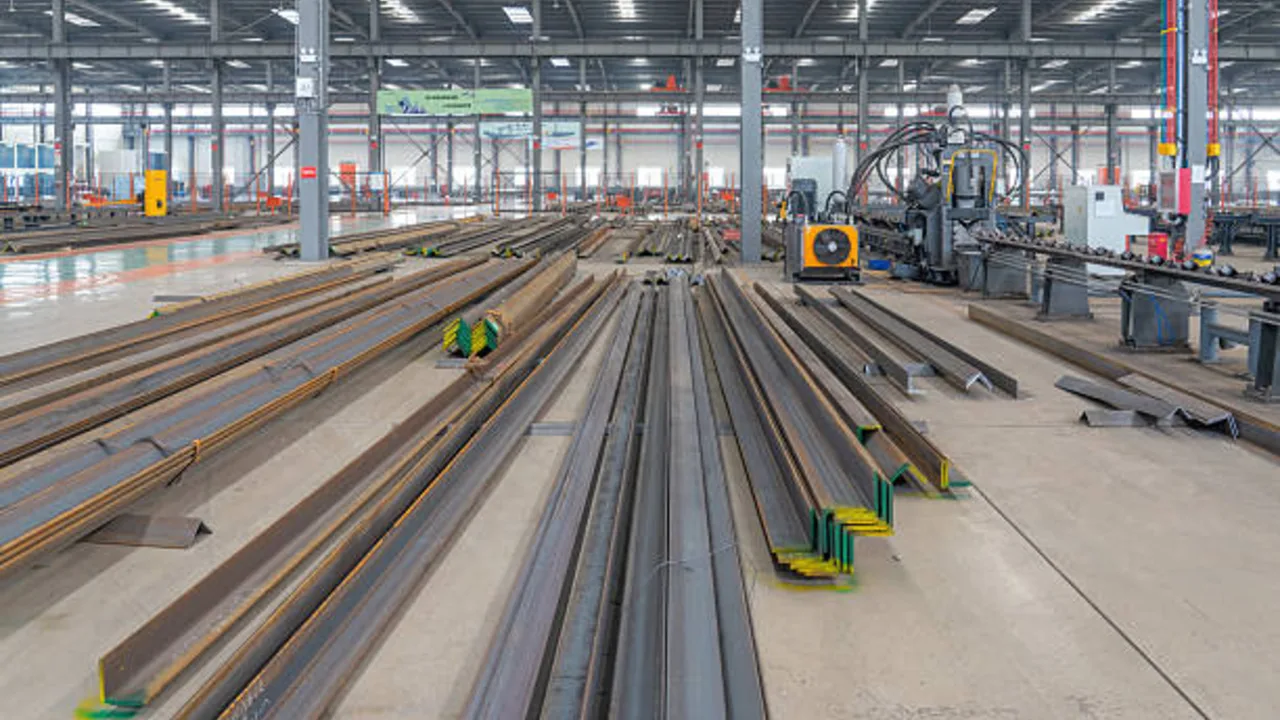
As industrial factories become more advanced, layout planning is also improving. Modern engineering tools allow designers to simulate equipment placement, movement paths, and safety distances before construction begins.
These technologies make it easier to design accurate factory safety clearance zones and reduce the risk of mistakes.
Digital Layout Simulation
3D modeling software allows engineers to create a virtual factory before building it. Machines, cranes, and workers can be placed in the model to check spacing and movement.
Simulation helps identify clearance problems early, saving time and cost during construction.
AI Safety Planning
Artificial intelligence tools can analyze factory layouts and suggest safer spacing between equipment. These systems can predict collision risks and recommend better clearance zones.
AI-based planning is becoming more common in large industrial projects.
Modular Factory Design
Modern factories are often designed using modular structural systems. This allows the building to be expanded or rearranged without major reconstruction.
Modular design makes it easier to maintain proper factory safety clearance zones even when new equipment is added.
Flexible Steel Structures
Steel structures provide the flexibility needed for modern factory layouts. Long spans, adjustable column grids, and prefabricated components allow engineers to create safe and efficient spaces.
Because of this flexibility, steel buildings are widely used in projects that require strict factory safety clearance zones.
Project Example: Safety Clearance Planning in a Modern Steel Factory
A real industrial project shows how proper engineering design helps maintain accurate factory safety clearance zones in large production facilities. One example is the
Hebei Jin’ou Medical Equipment Phase 2 steel structure factory project, a modern industrial building designed to support precision manufacturing, logistics operations, and safe equipment layout inside a large-span steel structure.
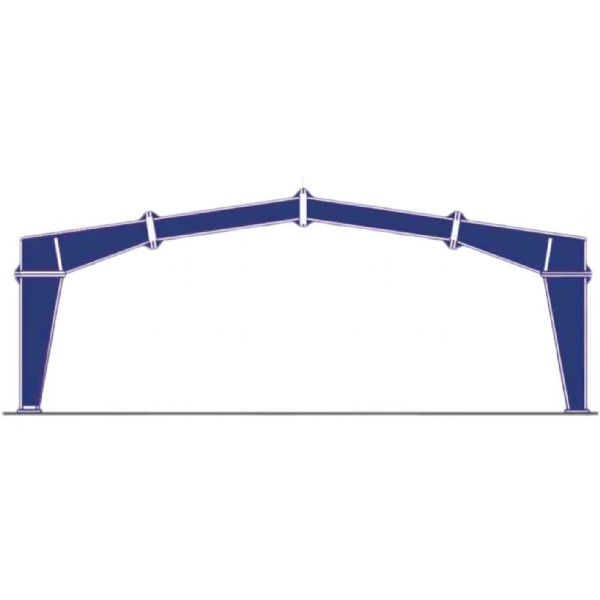
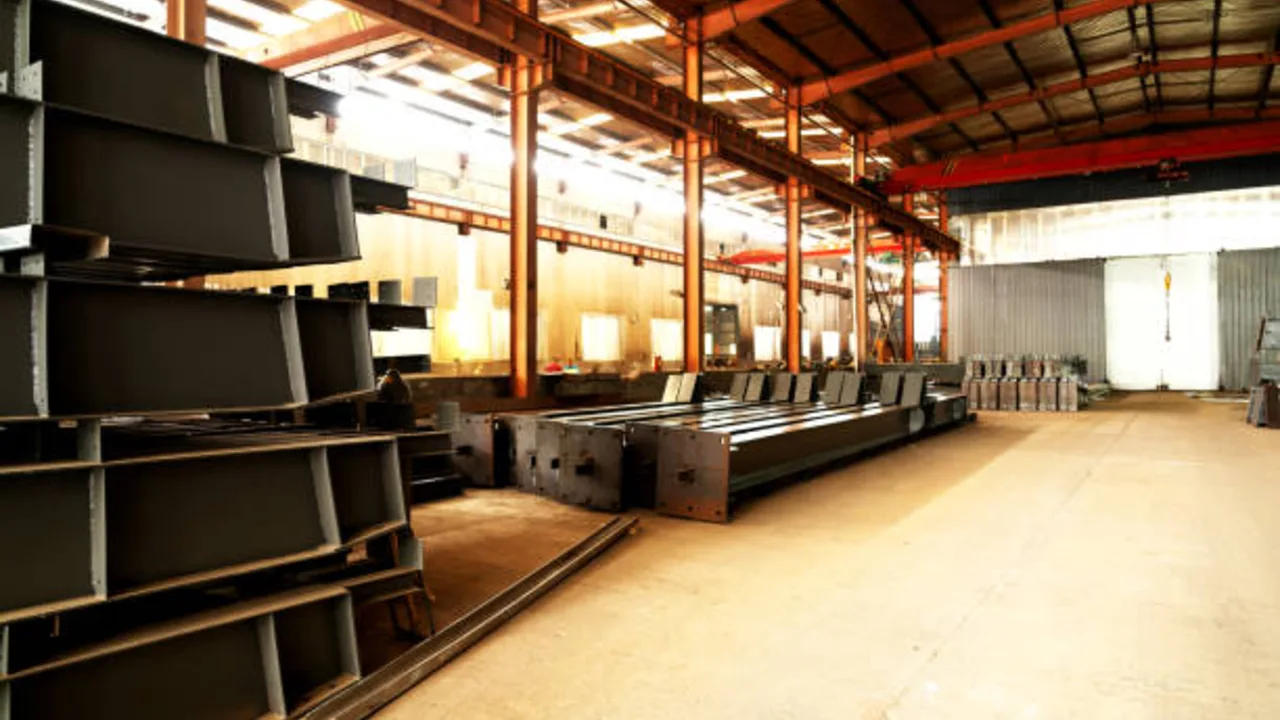
The project covers approximately 13,000 square meters and uses a standardized portal rigid frame structural system, which provides large open interior space with minimal columns. This type of structure allows engineers to define clear equipment spacing, safe traffic routes, and maintenance access zones without structural limitations. :contentReference[oaicite:0]{index=0}
Because the factory is used for medical equipment manufacturing, the layout required strict planning of machine spacing, operator movement areas, and material flow paths. Engineers designed the structural grid, roof height, and column spacing to ensure that all production lines could operate safely while maintaining proper factory safety clearance zones across the workshop.
The open-span steel structure also made it possible to create independent zones for production, storage, inspection, and administrative areas. This separation helps reduce interference between machines and improves overall safety inside the factory. Wide internal spans allow forklifts, cranes, and workers to move freely without blocking emergency routes or maintenance access.
In addition, the portal frame system provides enough vertical clearance for equipment installation, overhead lifting, and ventilation systems. Adequate headroom is an important factor in maintaining safe clearance around machines and crane operations in heavy industrial buildings.
In modern projects built with a factory steel structure, safety clearance zones are usually defined together with structural design. By coordinating equipment layout with column grid and roof height, engineers can ensure that the factory remains safe, efficient, and adaptable for future production changes.
The Hebei Jin’ou Phase 2 project demonstrates that accurate structural planning, modular steel design, and proper layout coordination make it possible to maintain reliable factory safety clearance zones while supporting high-efficiency industrial production.
Conclusion
Proper spacing inside an industrial building is essential for safety, efficiency, and long-term operation. By carefully planning factory safety clearance zones, engineers can ensure that machines operate safely, workers can move freely, and maintenance can be performed without difficulty.
Structural design, equipment layout, and safety regulations must all be considered together. Steel industrial buildings provide the flexibility needed to create wide open spaces, accurate column grids, and sufficient headroom for safe operation.
With correct planning and engineering, factory safety clearance zones can be integrated into the building from the beginning, allowing the factory to operate safely and efficiently throughout its entire service life.