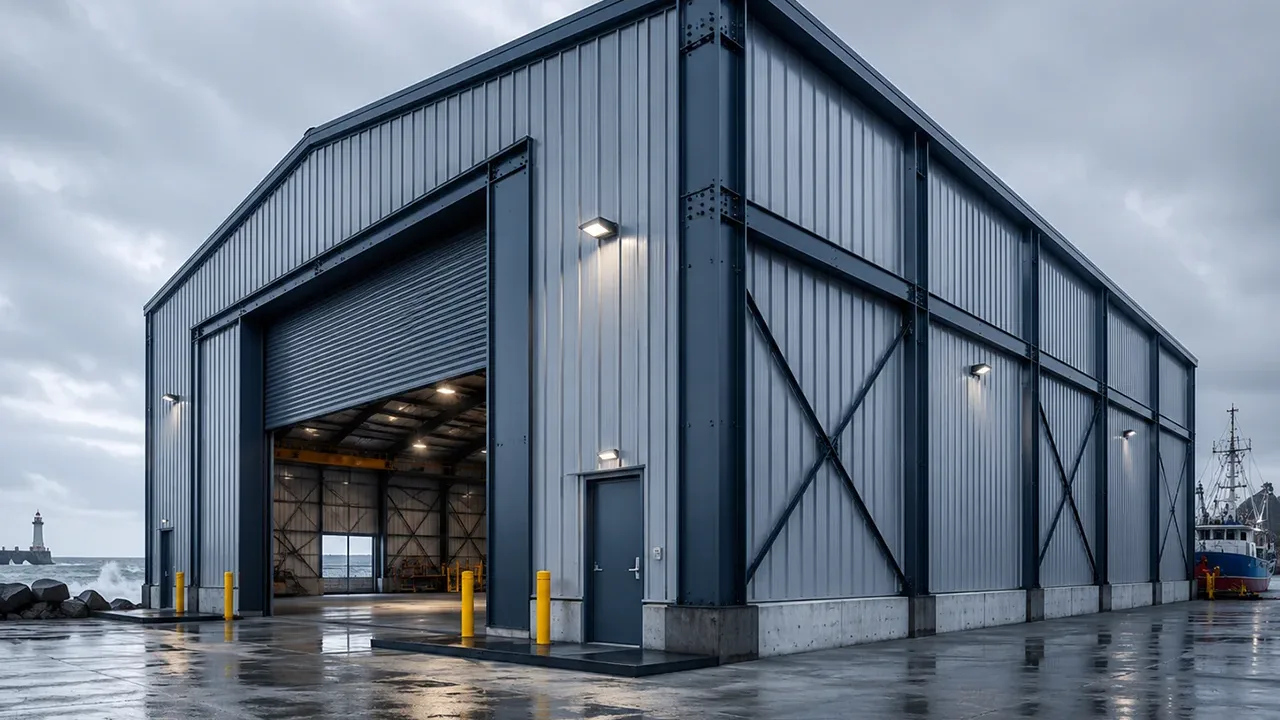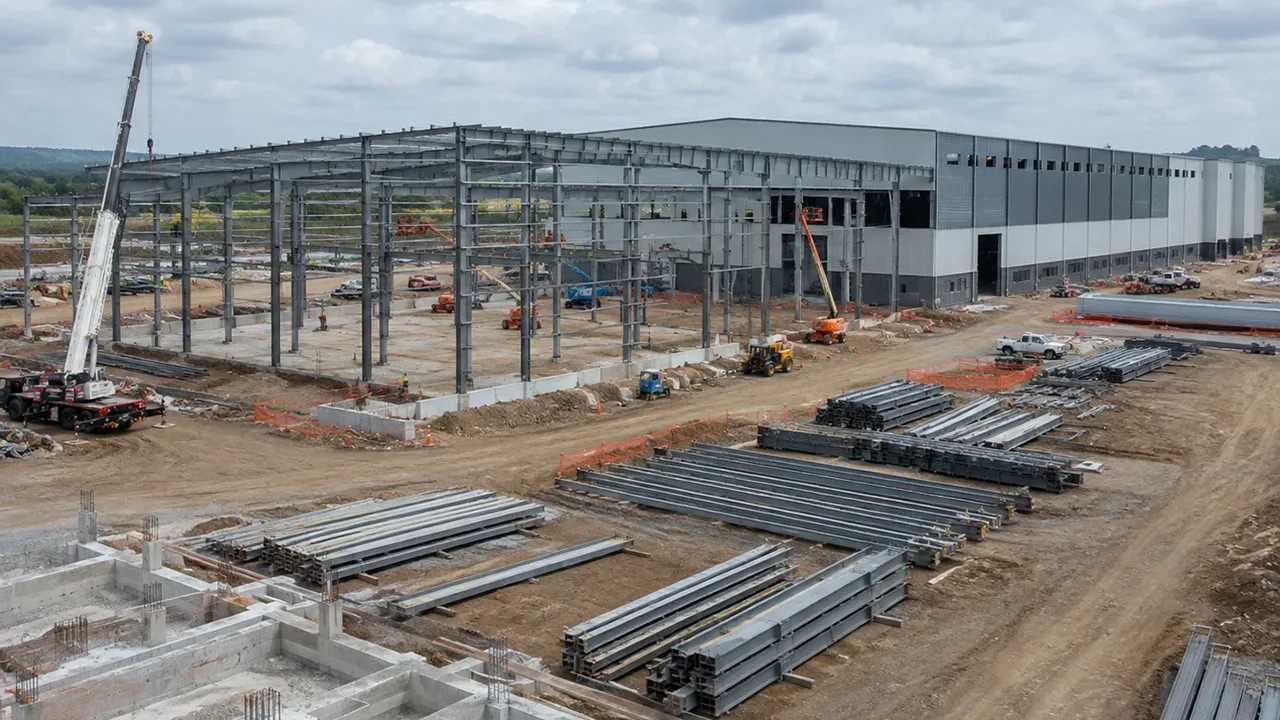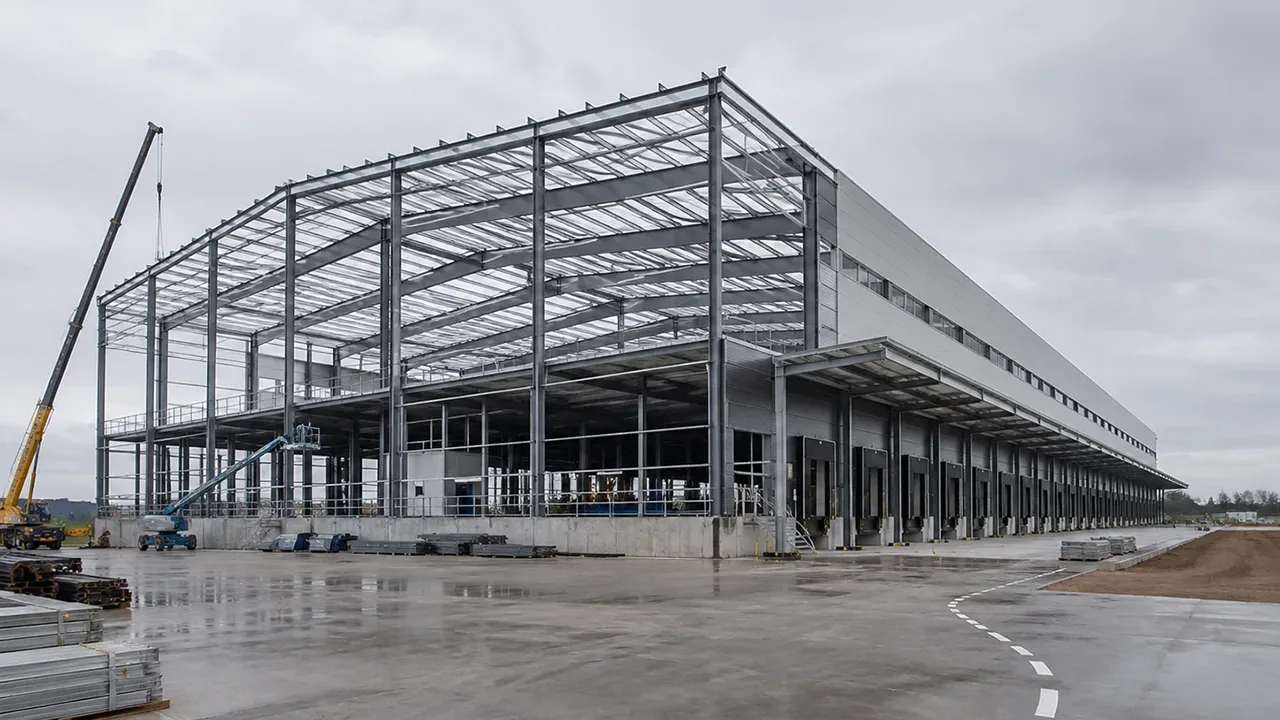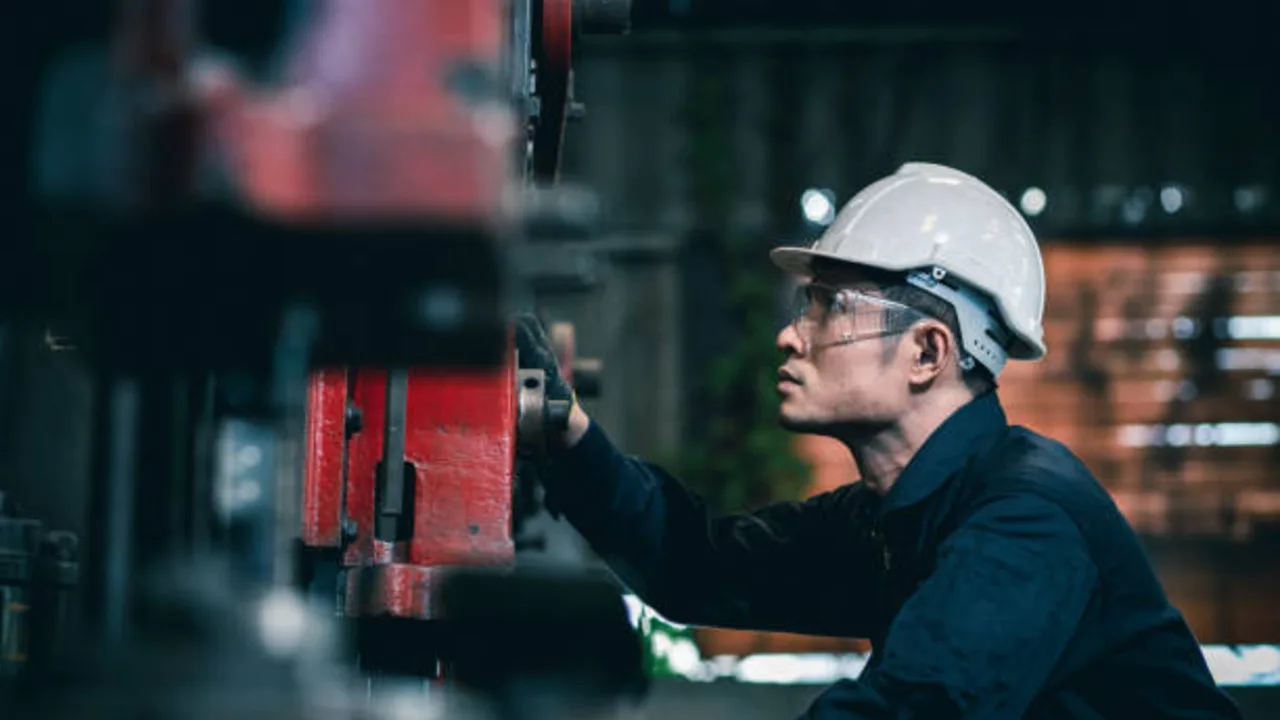
Industrial steel factories are built with one clear expectation: long service life. A well-designed steel factory is not a short-term asset—it is expected to support continuous production, heavy equipment, and operational growth for decades. However, structural longevity does not depend on design alone. Without a structured steel factory maintenance planning strategy, even the most robust steel buildings can experience premature degradation, safety risks, and rising operational costs.
Maintenance planning for steel factories goes far beyond fixing visible damage. It is a systematic process that integrates inspection cycles, corrosion management, and lifecycle cost control into daily operations. When maintenance is treated as a strategic function rather than an emergency response, factory owners gain greater predictability, reduced downtime, and long-term asset protection.
This article explains how steel factory maintenance planning supports long-term industrial use by addressing structural integrity, environmental exposure, inspection cycles, and cost efficiency. It is written for factory owners, engineers, and operations managers who view maintenance as an investment—not an expense.
Why Steel Factory Maintenance Planning Is Critical for Longevity
Steel factories are typically designed for a service life of 30 to 50 years, and in many cases even longer. During this lifespan, the structure is continuously exposed to mechanical loads, vibration from machinery, temperature fluctuations, humidity, and in some environments, corrosive chemicals. Without a clear maintenance framework, small defects can gradually escalate into structural risks.
Steel factory maintenance planning ensures that structural performance remains aligned with original design assumptions. Regular inspections identify early signs of fatigue, deformation, or corrosion before they affect load-bearing capacity. Planned maintenance also prevents unexpected shutdowns that can disrupt production schedules and supply chains.
From a financial perspective, maintenance planning protects capital investment. Factories that rely on reactive repairs often face higher long-term costs due to emergency labor, unplanned downtime, and accelerated material replacement. In contrast, a structured maintenance approach spreads costs predictably over time and extends the effective lifespan of the facility.
Understanding the Structure of a Steel Factory Building

Effective steel factory maintenance planning begins with understanding how a factory is constructed and how loads are transferred through the structure. A typical steel structure factory building consists of primary and secondary structural systems, each requiring different inspection and maintenance priorities.
Primary Structural Components
Primary structural components form the backbone of a steel factory. These elements are responsible for carrying vertical and horizontal loads generated by equipment, cranes, wind, and seismic forces. Any degradation in these components can directly affect structural safety.
Primary components typically include steel columns, main beams, portal frames, roof trusses, and bracing systems. Maintenance planning for these elements focuses on structural alignment, connection integrity, and material condition. Even minor issues at critical joints can have disproportionate structural consequences if left unaddressed.
Secondary Structural Components
Secondary components support the building envelope and contribute to overall stability but are not usually the main load-bearing elements. These include purlins, girts, roof sheeting, wall cladding, and fasteners.
Although secondary components may seem less critical, their condition directly affects environmental protection. Damaged cladding or loose fasteners can allow moisture ingress, which accelerates corrosion in primary steel members. For this reason, steel factory maintenance planning must address secondary systems with equal consistency.
Why Different Components Require Different Maintenance Approaches
Not all structural elements age at the same rate or face the same risks. Primary steel members are sensitive to load-related fatigue, while secondary components are more exposed to weathering and corrosion. Maintenance planning must therefore prioritize inspection methods, frequency, and repair thresholds based on component function rather than applying a one-size-fits-all approach.
Core Elements of Steel Factory Maintenance Planning
A reliable maintenance plan for steel factories is built on three core elements: inspection strategy, maintenance methodology, and documentation. These elements work together to transform maintenance from a reactive task into a controlled engineering process.
Structural Inspection Strategy
Inspection is the foundation of steel factory maintenance planning. A structured inspection strategy combines routine visual checks with periodic detailed assessments performed by qualified personnel. Visual inspections identify obvious defects such as corrosion, deformation, or loose connections, while detailed inspections verify alignment, thickness loss, and connection performance.
High-risk zones—such as column bases, roof connections, crane supports, and drainage points—should always receive special attention. These areas experience higher stress concentrations or environmental exposure and are more prone to long-term deterioration.
Planned Maintenance vs Reactive Maintenance
One of the defining differences between short-lived and long-lasting steel factories is whether maintenance is planned or reactive. Reactive maintenance responds to failures after they occur, often under time pressure and at higher cost. Planned maintenance anticipates deterioration and addresses it before it affects production or safety.
From an engineering standpoint, planned maintenance preserves structural performance margins. From an operational standpoint, it minimizes production interruptions. This is why steel factory maintenance planning should be integrated into overall factory management rather than treated as a separate technical task.
Documentation and Maintenance Records
Maintenance records are often overlooked, yet they play a critical role in long-term asset management. Inspection reports, repair logs, coating histories, and modification records provide essential data for future decision-making.
Well-maintained documentation allows engineers to track degradation trends, adjust inspection cycles, and forecast future maintenance costs. In regulated industrial environments, proper records also support compliance audits and insurance requirements.
Designing an Effective Inspection Cycle
An inspection cycle is the operational backbone of steel factory maintenance planning. Without a clearly defined inspection rhythm, maintenance activities become inconsistent, reactive, and difficult to track over time. A well-structured inspection cycle ensures that structural conditions are reviewed systematically, risks are identified early, and corrective actions are scheduled with minimal disruption to production.
Inspection cycles should be aligned with the factory’s operating intensity, environmental exposure, and structural complexity. Heavy-duty production facilities with cranes, high vibration equipment, or corrosive processes require more frequent inspections than light industrial buildings. The goal is not excessive inspection, but intelligent inspection based on risk.
What Is an Inspection Cycle in Steel Factories?
An inspection cycle defines how often different parts of a steel factory are examined, what inspection method is used, and who is responsible for the assessment. In effective steel factory maintenance planning, inspection cycles are tiered rather than uniform.
Routine inspections focus on visible conditions and operational issues, while periodic inspections assess structural performance in more detail. Long-term inspections evaluate whether the building continues to meet its original design assumptions.
Factors That Influence Inspection Frequency
There is no universal inspection interval suitable for all factories. Inspection frequency should be adjusted based on several key factors:
- Production load intensity and vibration levels
- Presence of overhead cranes or heavy moving equipment
- Environmental exposure such as humidity, chemicals, or coastal air
- Age of the steel structure
- Previous inspection findings and repair history
As part of steel factory maintenance planning, inspection frequency should be reviewed regularly and adjusted when operating conditions change.
Sample Inspection Cycle Framework
| Inspection Type | Scope | Frequency | Main Objective |
|---|---|---|---|
| Routine Visual Check | Roof, walls, drainage, visible steel | Monthly | Detect early signs of damage or leakage |
| Operational Inspection | Connections, crane zones, joints | Quarterly | Verify structural behavior under load |
| Detailed Structural Inspection | Main frames, columns, bracing | Annually | Assess alignment, corrosion, deformation |
| Comprehensive Condition Review | Entire structure and envelope | Every 3–5 years | Evaluate long-term performance and lifecycle risks |
This structured approach allows steel factory maintenance planning to remain proactive and data-driven.
Corrosion Risks in Steel Factory Environments
Corrosion is one of the most persistent threats to long-term steel factory performance. Even in facilities designed with corrosion protection in mind, environmental exposure and operational conditions can gradually degrade steel surfaces if not properly managed.
In steel factory maintenance planning, corrosion control is not a one-time action but a continuous process that combines inspection, prevention, and timely intervention.
Common Causes of Corrosion in Steel Factories
Steel factories are often exposed to multiple corrosion triggers simultaneously. Common causes include moisture accumulation, condensation on cold surfaces, chemical fumes, and airborne industrial pollutants.
Factories located in coastal regions face additional risks due to salt-laden air, while heavy industrial facilities may experience accelerated corrosion from process-related emissions. Without targeted maintenance planning, these factors can significantly shorten the effective lifespan of the structure.
High-Risk Corrosion Zones
Corrosion rarely occurs uniformly across a steel factory. Certain zones are consistently more vulnerable and should be prioritized in steel factory maintenance planning:
- Column bases near ground level where moisture accumulates
- Roof connections exposed to condensation and leaks
- Drainage points and gutter interfaces
- Bolt groups, fasteners, and hidden joints
Targeted inspection of these zones allows early detection before corrosion compromises structural capacity.
How Corrosion Impacts Structural Performance
Corrosion gradually reduces the effective cross-section of steel members. While early-stage corrosion may appear cosmetic, advanced corrosion can significantly reduce load-bearing capacity and connection strength.
In severe cases, corrosion leads to stress redistribution, increased deflection, and fatigue cracking. This is why corrosion monitoring is a core element of responsible steel factory maintenance planning.
Corrosion Prevention and Control Strategies
Effective corrosion management combines design-level protection, material selection, and ongoing maintenance. No single solution is sufficient on its own.
Protective Coatings and Surface Treatments
Protective coatings are the first line of defense against corrosion. Common systems include galvanization, epoxy-based primers, and multi-layer industrial paint systems.
In maintenance planning, coating condition should be evaluated regularly. Touch-up repairs, rather than full recoating, can significantly extend coating life when applied at the correct time.
Design-Level Corrosion Mitigation
Good factory design supports easier maintenance. Proper drainage, adequate ventilation, and avoidance of water traps reduce corrosion risk significantly.
Although these measures are implemented during design, steel factory maintenance planning must ensure they remain functional throughout the building’s life.
Maintenance-Based Corrosion Control
Maintenance-based corrosion control focuses on early intervention. Once corrosion exceeds acceptable limits, steel replacement or reinforcement becomes necessary, increasing cost and downtime.
By integrating corrosion thresholds into inspection reports, maintenance teams can make informed decisions on repair timing, balancing safety and cost efficiency.
Cost Planning and Budgeting for Long-Term Maintenance
One of the primary goals of steel factory maintenance planning is cost predictability. Maintenance costs should be planned, not surprised.
Well-maintained steel factories typically experience lower total lifecycle costs than facilities that rely on emergency repairs. Planned inspection, coating renewal, and minor repairs cost significantly less than structural rehabilitation after prolonged neglect.
Typical Maintenance Cost Categories
| Cost Category | Description | Cost Behavior |
|---|---|---|
| Inspection | Routine and detailed assessments | Low but recurring |
| Minor Repairs | Fasteners, coatings, small replacements | Moderate and predictable |
| Major Repairs | Steel replacement, reinforcement | High if delayed |
| Downtime Loss | Production interruption | Often underestimated |
By allocating budgets based on inspection findings and long-term forecasts, steel factory maintenance planning transforms maintenance into a controllable operational cost rather than a financial risk.
Integrating Maintenance Planning with Production Operations
One of the biggest challenges in steel factory maintenance planning is aligning maintenance activities with ongoing production. Factories are designed to operate continuously, and unplanned shutdowns can lead to significant financial losses. For this reason, maintenance planning must be integrated into operational management rather than treated as an isolated technical task.
Effective integration ensures that inspections and repairs are performed with minimal disruption while still maintaining structural safety and compliance. When maintenance and production teams collaborate, potential conflicts can be resolved before they impact output.
Minimizing Downtime During Maintenance
Downtime reduction begins with scheduling. Maintenance activities should be planned during off-peak production periods, shift changes, or scheduled production stoppages whenever possible. For large steel factories, phased maintenance allows different zones of the building to be inspected or repaired without halting the entire operation.
In steel factory maintenance planning, minor interventions performed early often prevent major repairs that require extended shutdowns later.
Coordination Between Maintenance and Production Teams
Maintenance planning is most effective when production managers, safety officers, and maintenance engineers share information regularly. Equipment relocation, access arrangements, and safety controls must be coordinated to ensure inspections can be carried out efficiently.
Clear communication protocols reduce risk and ensure that maintenance work supports production goals rather than competing with them.
Maintenance as Part of Operational Risk Management
Structural degradation is an operational risk, even if it is not immediately visible. By incorporating steel factory maintenance planning into broader risk management strategies, factory operators can proactively address issues that might otherwise lead to accidents, compliance violations, or insurance disputes.
Real-World Cases: How Maintenance Planning Extends Steel Factory Service Life
In real industrial environments, the benefits of steel factory maintenance planning are rarely theoretical. They are reflected in longer equipment life, fewer structural problems, and more stable operations. The following real-world style cases illustrate how structured maintenance planning directly supports long-term steel factory use.
Case 1: Column Base Corrosion Detected Before Structural Capacity Was Affected
A heavy manufacturing plant operating for more than 15 years began noticing surface rust around several column bases near exterior walls. At the time, no visible deformation or cracking was present, and production was unaffected.
Because the factory followed a documented inspection cycle, these areas were flagged during a routine annual structural inspection.
Action Taken:
- Local removal of corrosion and surface cleaning
- Thickness measurement of affected steel sections
- Application of new protective coating system
- Improvement of local drainage around column bases
Result:
- Corrosion progression stopped
- No reduction in load-bearing capacity
- Major steel replacement avoided
This case shows how early detection through steel factory maintenance planning prevents small defects from becoming structural problems.
Case 2: Roof Leakage Leading to Accelerated Secondary Steel Deterioration
In a steel fabrication workshop, minor roof leaks were reported during heavy rain seasons. Initially, the issue was treated as a cladding problem only.
During a scheduled operational inspection, maintenance staff found corrosion forming on purlins and fasteners below the leaking areas.
Action Taken:
- Replacement of damaged roof sheets
- Re-sealing of roof connections
- Cleaning and recoating of affected purlins
- Update of inspection checklist to include roof drainage points
Result:
- Water ingress eliminated
- Secondary steel corrosion controlled
- Primary structure protected from future exposure
This demonstrates how maintenance planning links envelope condition directly to structural durability.
Case 3: Crane Support Fatigue Identified Through Periodic Inspection
A logistics-oriented steel factory with overhead cranes conducted detailed structural inspections every year. During one inspection, minor cracking was detected at several crane beam connection zones.
Although crane operation remained normal, analysis indicated early-stage fatigue caused by long-term cyclic loading.
Action Taken:
- Local strengthening of affected connections
- Replacement of worn bolts
- Adjustment of crane operating procedures
Result:
- Fatigue cracking arrested
- Crane service life extended
- No unplanned shutdown required
This case highlights how steel factory maintenance planning protects both building structure and production systems.
Case 4: Planned Coating Renewal Avoiding Large-Scale Rehabilitation
A steel factory located in a high-humidity environment scheduled full coating condition assessments every five years. At year ten, widespread coating degradation was observed, but steel section loss was still minimal.
Action Taken:
- Surface preparation of exposed steel
- Application of new multi-layer protective coating system
- Revision of future coating inspection intervals
Result:
- Corrosion progression slowed significantly
- Structural rehabilitation postponed for decades
- Maintenance cost remained predictable
This demonstrates how planned intervention is far more economical than reactive structural repair.
Key Takeaway: Across different factory types and operating conditions, real-world experience consistently shows that structured steel factory maintenance planning turns maintenance into a controlled, predictable process that protects structural integrity and extends service life.
Common Mistakes in Steel Factory Maintenance Planning
Despite the availability of engineering knowledge and best practices, many steel factories still experience avoidable maintenance problems. These issues often stem from planning gaps rather than technical limitations.
Inconsistent Inspection Cycles
Skipping inspections or extending inspection intervals without technical justification is a common mistake. Over time, this creates blind spots where corrosion or fatigue can progress unnoticed.
Ignoring Early Signs of Corrosion
Minor corrosion is often dismissed as cosmetic damage. However, in steel structures, early corrosion is a warning sign. Effective steel factory maintenance planning treats surface corrosion as a trigger for investigation, not neglect.
Lack of Maintenance Documentation
Without accurate records, maintenance decisions become guesswork. Missing inspection reports or repair histories make it difficult to assess structural trends or justify future maintenance budgets.
Treating Maintenance as a One-Time Activity
Maintenance planning is not a one-off exercise. Steel factories evolve as production equipment changes, loads increase, or environmental conditions shift. Maintenance plans must be reviewed and updated accordingly.
Best Practices for Long-Term Steel Factory Use
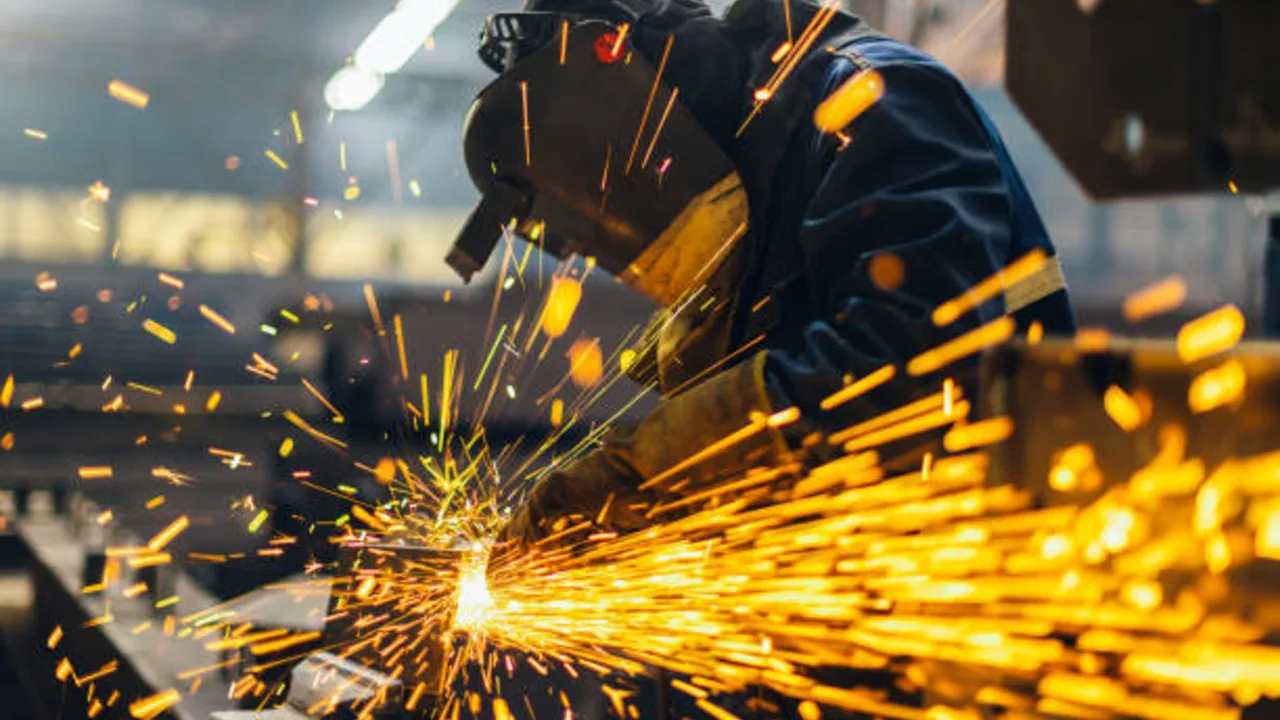
Factories that achieve long service life share common maintenance principles. These practices support both structural reliability and operational efficiency.
Integrate Maintenance Planning at the Design Stage
Although this article focuses on existing factories, the most effective steel factory maintenance planning begins at the design stage. Access for inspection, drainage detailing, and coating selection all influence long-term maintenance effort.
Standardize Inspection Checklists
Standardized inspection checklists improve consistency and reduce the risk of overlooked defects. They also simplify training and knowledge transfer within maintenance teams.
Work with Experienced Steel Structure Specialists
Complex structural issues should be assessed by professionals with experience in steel industrial buildings. Their input helps prioritize repairs and avoid unnecessary interventions.
Review and Update the Maintenance Plan Regularly
A maintenance plan should be treated as a living document. Inspection findings, repair outcomes, and operational changes should all feed back into ongoing steel factory maintenance planning.
Conclusion: Maintenance Planning as a Strategic Asset
Long-term industrial success depends not only on production capacity, but also on the reliability of the physical infrastructure that supports it. Steel factory maintenance planning provides a structured approach to preserving structural integrity, managing corrosion, optimizing inspection cycles, and controlling lifecycle costs.
When maintenance is planned, documented, and integrated with operations, steel factories can safely support decades of continuous use. Rather than viewing maintenance as a cost burden, forward-thinking operators recognize it as a strategic asset—one that protects capital investment, ensures worker safety, and sustains production efficiency over the long term.