Steel warehouses are designed to support heavy loads, large clear spans, and long operational lifecycles. However, without a well-planned warehouse corrosion protection strategy, even the strongest steel structure can gradually deteriorate under environmental exposure. Corrosion is not just a cosmetic issue—it directly affects structural integrity, safety, maintenance costs, and long-term asset value.
In modern industrial development, warehouse corrosion protection has become a critical engineering consideration rather than an afterthought. From coastal logistics hubs to high-humidity manufacturing facilities, steel warehouses are constantly exposed to moisture, pollutants, temperature fluctuations, and chemical environments. If corrosion is not properly controlled, the result can be premature structural degradation, costly repairs, and operational downtime.
This guide explains the key principles, engineering methods, and material strategies behind effective warehouse corrosion protection, helping developers, contractors, and facility owners make informed decisions from the design phase onward.
Why Warehouse Corrosion Protection Matters
Economic Impact of Corrosion
Corrosion is one of the most underestimated cost drivers in steel construction. Studies across industrial sectors show that corrosion-related maintenance can represent a significant percentage of total lifecycle expenses. Without proactive warehouse corrosion protection, steel members may require frequent repainting, reinforcement, or even replacement.
The financial impact includes:
- Increased maintenance labor and material costs
- Operational interruptions during repair work
- Reduced structural lifespan
- Higher insurance and compliance costs
When corrosion reaches critical load-bearing components such as columns, roof trusses, or beam connections, repairs become complex and expensive. A well-designed warehouse corrosion protection system reduces these long-term risks and stabilizes total cost of ownership.
Safety and Structural Integrity
Corrosion weakens steel by reducing cross-sectional thickness. Even minor rust formation, if left untreated, can expand and accelerate deterioration. In large-span warehouses, where structural members support roofing systems, cranes, and suspended equipment, structural reliability is non-negotiable.
Effective warehouse corrosion protection ensures that:
- Primary load-bearing members maintain design capacity
- Roof systems remain stable under wind and snow loads
- Connection points resist fatigue and long-term stress
- Fasteners and anchor bolts do not lose structural performance
Engineering teams must treat corrosion control as part of structural safety—not merely as surface finishing.
Environmental Exposure Factors
The environment plays a defining role in determining the level of warehouse corrosion protection required. Steel warehouses located in coastal zones face chloride exposure from salt air, which accelerates oxidation. Industrial zones often contain airborne chemicals such as sulfur dioxide, which increases corrosion rates. Tropical climates introduce high humidity and condensation cycles that further intensify corrosion risk.
Common high-risk environments include:
- Coastal logistics terminals
- Chemical processing areas
- High-humidity agricultural storage facilities
- Cold-storage warehouses with condensation cycles
Understanding environmental classification is the first step in selecting the appropriate coating system and material specification.
Common Causes of Corrosion in Steel Warehouses
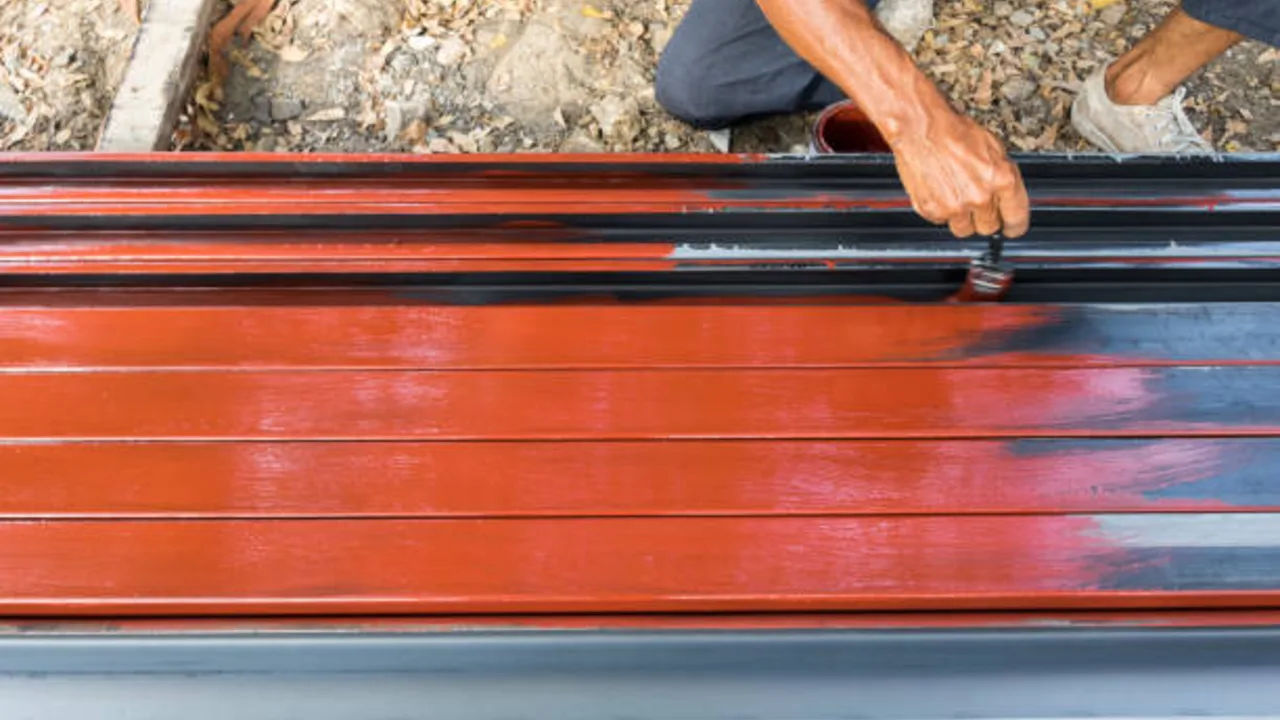
To implement effective warehouse corrosion protection, it is essential to understand how corrosion forms and spreads in industrial buildings.
Atmospheric Corrosion
This is the most common type of corrosion affecting steel warehouses. It occurs when moisture and oxygen react with exposed steel surfaces. In humid environments, condensation forms on steel components, creating an electrolyte layer that accelerates oxidation.
Even in seemingly dry environments, daily temperature changes can cause micro-condensation inside roof panels and structural cavities, making atmospheric corrosion a hidden long-term threat.
Galvanic Corrosion
Galvanic corrosion occurs when two dissimilar metals come into electrical contact in the presence of an electrolyte, such as water. For example, if stainless steel fasteners are installed directly on untreated carbon steel members without insulation, galvanic reaction may occur.
Proper warehouse corrosion protection design requires compatible material selection and insulation between dissimilar metals to prevent electrochemical reactions.
Chemical and Industrial Exposure
Warehouses storing fertilizers, chemicals, industrial solvents, or corrosive goods face elevated corrosion risks. Airborne chemical vapors can attack protective coatings and penetrate weak points in steel surfaces.
In these environments, selecting the right coating system becomes critical. Standard paint layers may not be sufficient for aggressive industrial atmospheres.
Condensation and Poor Ventilation
One of the most overlooked corrosion triggers is poor ventilation. Inadequate airflow allows moisture to accumulate, particularly under roofing sheets and in enclosed structural cavities. Over time, trapped moisture compromises even well-applied warehouse corrosion protection layers.
Design strategies such as roof ventilation systems, vapor barriers, and controlled airflow significantly reduce condensation-related corrosion.
Warehouse Corrosion Protection Methods
Multiple engineering solutions are available for effective warehouse corrosion protection. The selection depends on environmental exposure, project budget, expected service life, and maintenance planning.
Hot-Dip Galvanizing
Hot-dip galvanizing is one of the most reliable corrosion protection methods. In this process, steel components are immersed in molten zinc, forming a metallurgical bond between zinc and steel. The resulting zinc layer provides both barrier protection and sacrificial protection.
Advantages include:
- Long service life (often 20–50+ years depending on environment)
- Uniform coverage including edges and corners
- Low maintenance requirements
- Strong resistance to mechanical damage
For coastal or high-humidity projects, galvanizing significantly enhances warehouse corrosion protection, especially for primary structural members.
Protective Coating System Applications
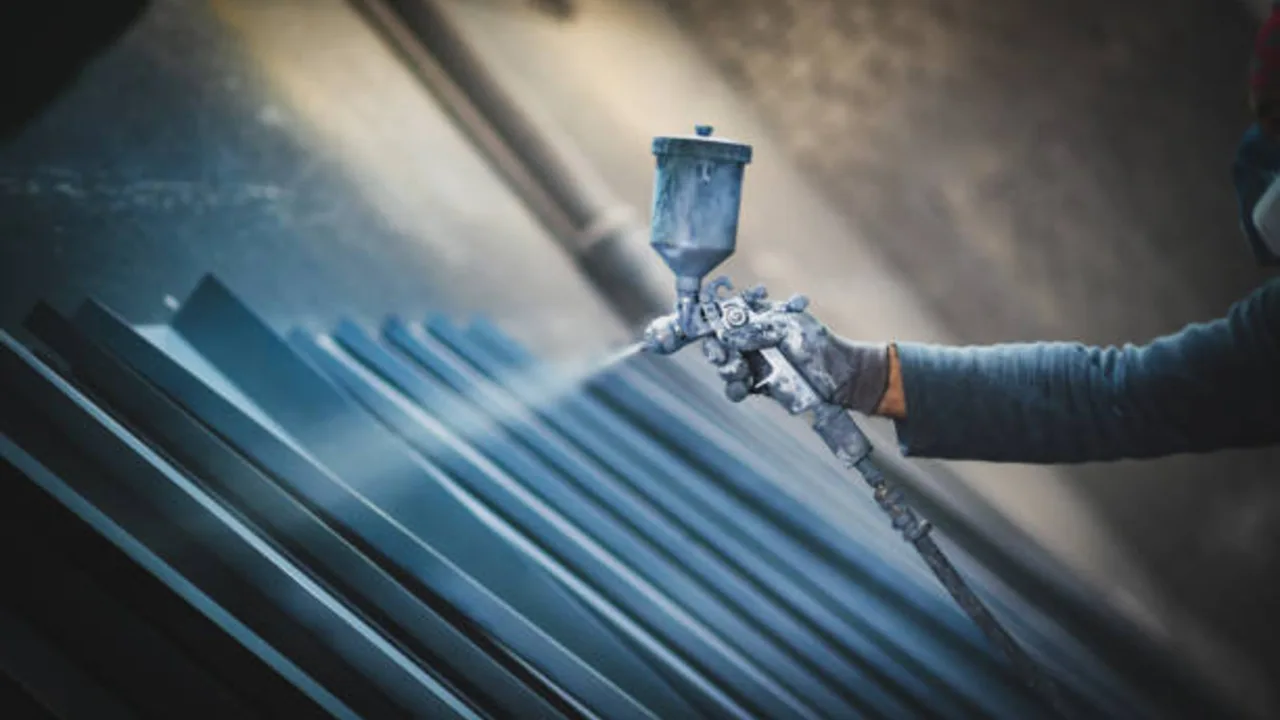
A properly engineered coating system is widely used in steel warehouses. Unlike simple paint layers, a professional coating system consists of multiple layers working together to prevent moisture penetration and chemical attack.
A typical industrial coating system includes:
- Surface preparation (sandblasting to Sa 2.5 or equivalent)
- Zinc-rich primer for corrosion resistance
- Epoxy intermediate layer for barrier strength
- Polyurethane topcoat for UV protection and durability
The total dry film thickness (DFT) of the coating system is carefully specified according to environmental classification. Thicker systems are required for C4 or C5 corrosion environments.
When applied correctly, a high-performance coating system forms a continuous barrier that significantly enhances warehouse corrosion protection while maintaining aesthetic appearance.
Advanced Coating System Technologies
Beyond traditional paint applications, modern warehouse corrosion protection increasingly relies on advanced coating technologies engineered for aggressive environments. These systems are designed to extend service life while reducing maintenance frequency.
Common advanced coating system solutions include:
- Zinc-rich epoxy primers – Provide cathodic protection similar to galvanizing.
- High-build epoxy coatings – Offer excellent chemical resistance for industrial storage facilities.
- Polyurethane topcoats – Deliver UV stability and long-term color retention.
- Intumescent fire-resistant coatings – Combine fire protection with corrosion resistance.
Selecting the correct coating system depends on environmental classification (ISO 12944 categories), required durability period, and project lifecycle expectations. In high-risk environments, multi-layer coating systems are essential for reliable warehouse corrosion protection.
Weather-Resistant Steel Options
Weathering steel (such as Corten-type alloys) forms a protective oxide layer that reduces further corrosion. While not suitable for every environment, it can be used in specific warehouse applications where aesthetic rust patina is acceptable and environmental exposure is moderate.
However, in coastal or chemical environments, weathering steel alone is insufficient. Integrated warehouse corrosion protection strategies combining galvanization and coating systems provide superior reliability.
Comparing Corrosion Protection Systems
Table: Comparison of Protection Methods
| Method | Durability | Cost Level | Best Environment | Maintenance Requirement |
|---|---|---|---|---|
| Hot-Dip Galvanizing | High (20–50+ years) | Medium | Coastal / High Humidity | Low |
| Basic Paint System | Low–Medium | Low | Dry Inland Areas | High |
| Industrial Coating System | High | Medium–High | Industrial / Chemical Zones | Medium |
| Galvanizing + Coating (Duplex) | Very High | High | Extreme Coastal / C5 | Very Low |
The duplex system (galvanizing combined with a coating system) offers the highest level of warehouse corrosion protection by combining barrier and sacrificial mechanisms.
Designing for Corrosion Prevention
Effective warehouse corrosion protection begins at the design stage. Structural detailing plays a major role in preventing moisture accumulation and corrosion hotspots.
Proper Drainage Design
Standing water accelerates corrosion. Roof drainage systems, gutter placement, and downpipe design must prevent water pooling on structural members.
Roof Slope Optimization
A properly calculated roof slope ensures fast water runoff, reducing exposure time. Poor roof design can compromise even the best coating system.
Joint Sealing and Fastener Protection
Connections and fasteners are often the weakest points in warehouse corrosion protection. Using galvanized bolts, protective caps, and sealants prevents localized corrosion.
Ventilation and Moisture Control
Ventilation systems reduce condensation risk. Ridge vents, wall louvers, and vapor barriers significantly enhance overall corrosion resistance.
Maintenance Planning for Long-Term Warehouse Corrosion Protection
Even the best protection system requires inspection. A structured maintenance plan ensures warehouse corrosion protection performance remains consistent over decades.
Inspection Intervals
Annual visual inspections identify early coating damage, rust spots, or joint failures before they escalate.
Recoating Cycles
Industrial coating systems typically require recoating every 10–20 years depending on environment classification.
Spot Treatment Strategy
Localized damage can be repaired through surface preparation and patch coating without full-system replacement.
Lifecycle Cost Strategy
When evaluating protection methods, developers should compare upfront cost against 30–50 year lifecycle savings. Strong warehouse corrosion protection significantly reduces long-term capital expenditure.
Case Examples of Corrosion Protection in Steel Warehouses
Case 1: Coastal Logistics Warehouse
Located near a marine port, this warehouse faced high salt exposure. Engineers selected a duplex protection system combining hot-dip galvanizing and a heavy-duty coating system. The result was enhanced warehouse corrosion protection with minimal maintenance over 25 years.
Case 2: Tropical High-Humidity Warehouse
In a tropical climate with constant humidity above 80%, condensation was a major risk. Design improvements included enhanced ventilation, insulated roof panels, and zinc-rich primers. This integrated strategy improved warehouse corrosion protection reliability.
Case 3: Chemical Storage Facility
A warehouse storing fertilizers required chemical-resistant epoxy coatings. Standard paint systems failed during early testing, but a specialized industrial coating system provided durable warehouse corrosion protection under aggressive exposure.
Cost Considerations of Warehouse Corrosion Protection
Table: Cost Breakdown of Protection Systems
| Component | Cost Impact | Notes |
|---|---|---|
| Surface Preparation | Medium | Critical for coating adhesion |
| Galvanizing Process | Medium | Higher upfront, lower maintenance |
| Industrial Coating System | Medium–High | Depends on thickness & layers |
| Inspection & Maintenance | Low–Medium | Recurring lifecycle cost |
Although high-performance systems increase initial investment, they drastically reduce repair and replacement expenses. For developers sourcing a steel structure warehouse china, evaluating corrosion strategy during early engineering is essential for long-term asset stability.
How to Choose the Right Coating System
Selecting the optimal coating system requires:
- Environmental classification (ISO category)
- Expected service life (15, 25, or 50 years)
- Budget vs lifecycle return analysis
- Maintenance accessibility
Professional engineering consultation ensures the selected system aligns with both structural design and financial planning.
Future Trends in Warehouse Corrosion Protection
Innovation continues to improve warehouse corrosion protection technologies. Emerging trends include nano-coatings, low-VOC sustainable systems, and smart coatings capable of indicating early corrosion activity.
As sustainability standards rise globally, environmentally friendly coating system solutions are becoming standard practice in modern industrial construction.
Shouning County Edible Fungi Warehouse
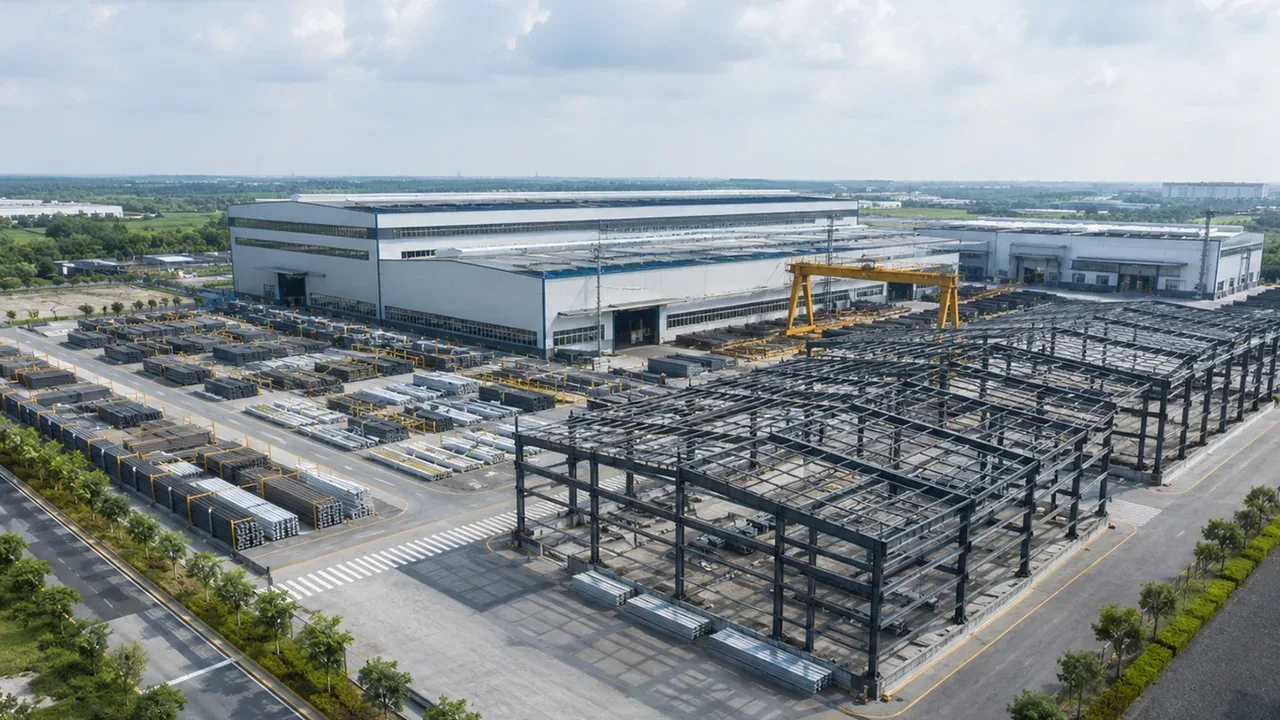
One of XTD Steel Structure’s landmark industrial buildings is the Shouning County Edible Fungi Whole Industry Chain Development Project (Phase I) — a large-scale steel warehouse designed to support agricultural processing, storage, and logistics needs in eastern China.
This impressive facility covers 54,000 m² of column-free interior space and is engineered with a standard portal frame system to maximize functional flexibility, efficient workflow zones, and future expansion potential.
Steel was chosen as the core structural material due to its high strength, adaptability, and speed of installation — characteristics that align with modern demands for industrial buildings that are both durable and cost-effective.
In a project of this scale, warehouse corrosion protection plays an important role in ensuring long-term performance. Located in a region with varied weather conditions, the warehouse design incorporates corrosion-resistant steel materials and proper protective layers to guard against moisture, humidity, and material exposure over decades of heavy industrial use. This approach helps maintain structural integrity, minimizes maintenance, and supports operational reliability — especially for a facility expected to serve as a strategic hub in Shouning County’s edible fungi supply chain.
FAQ
How long does warehouse corrosion protection last?
Depending on environment and system selection, 15–50+ years.
Is galvanizing better than paint?
Galvanizing offers stronger sacrificial protection, while coating systems provide barrier and aesthetic benefits. Duplex systems combine both advantages.
How often should recoating be done?
Typically every 10–20 years in moderate environments.
What is the best coating system for coastal warehouses?
A duplex system (galvanizing + industrial coating system) provides superior warehouse corrosion protection in coastal zones.
Can corrosion protection reduce long-term costs?
Yes. Strong warehouse corrosion protection significantly lowers lifecycle repair expenses.
Conclusion
Effective warehouse corrosion protection is not optional—it is a structural necessity. By combining proper design detailing, high-performance coating system technologies, galvanization, and structured maintenance planning, steel warehouses can achieve decades of reliable service life.
For industrial developers, logistics operators, and investors, corrosion protection should be evaluated at the engineering stage—not after construction. A proactive strategy ensures structural safety, cost stability, and long-term asset performance.