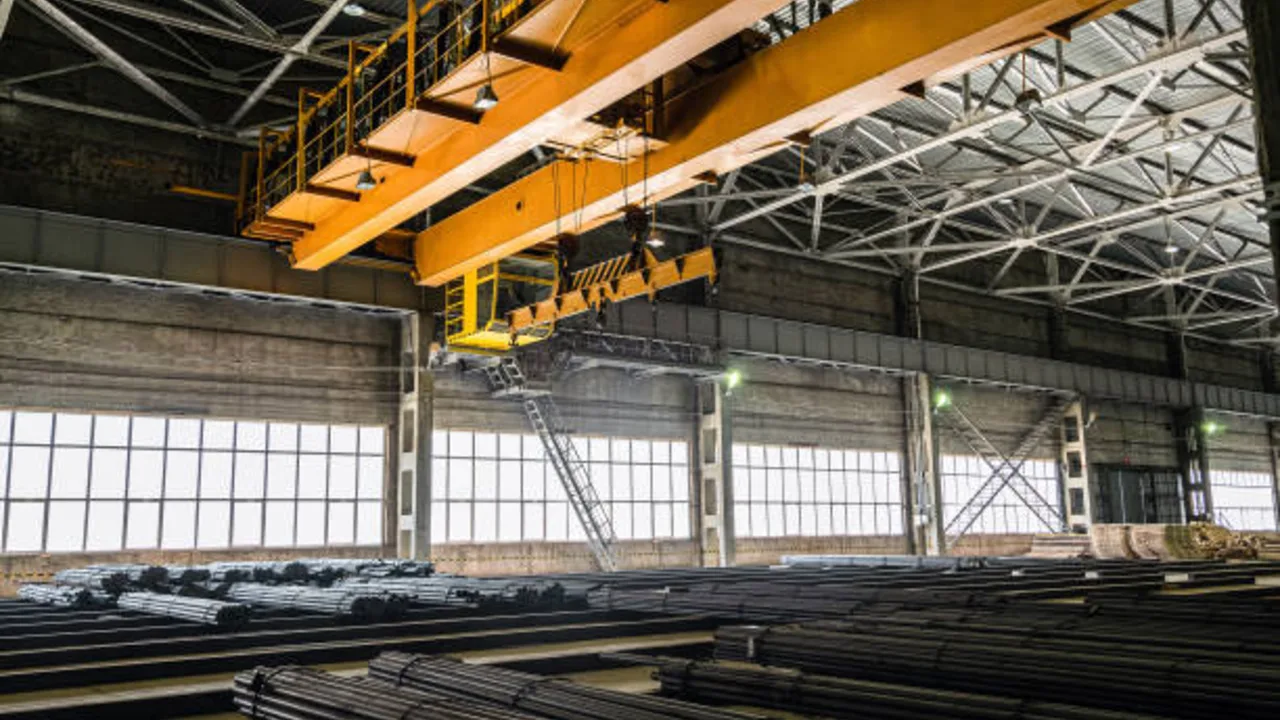
In modern industrial environments, overhead cranes are essential for material handling, equipment movement, and continuous production operations. In steel manufacturing plants and heavy industrial workshops, cranes often operate across long spans and carry substantial loads. Because of these operational demands, crane runway beam alignment becomes one of the most critical structural considerations in steel factory construction.
Runway beams serve as the structural support for crane rails and transfer dynamic crane loads to the main building frame. If these beams are not installed with precise alignment, the crane system may experience uneven wheel loading, increased wear on mechanical components, and potential safety hazards. Therefore, ensuring accurate crane runway beam alignment is not only a structural engineering requirement but also a key factor in maintaining reliable industrial operations.
In steel factories where cranes operate daily under heavy loads, even small deviations can accumulate into significant operational problems. Proper alignment depends heavily on rigorous tolerance control during fabrication, installation, and structural inspection. Engineers must integrate design accuracy, construction workflow planning, and measurement verification to ensure that runway beams remain within acceptable alignment limits.
Understanding Crane Runway Beam Alignment in Steel Factories
Crane runway beams form a specialized structural system designed to support overhead cranes traveling along rails mounted on top of the beams. The function of this system is to transfer vertical and lateral forces from crane wheels into the steel frame and ultimately into the foundation.
Proper crane runway beam alignment ensures that crane wheels remain evenly loaded while traveling along the rail path. Misalignment can introduce additional stress into the crane structure, rails, and supporting beams. Over time, these stresses may lead to premature component failure or unsafe operating conditions.
In a steel factory environment, crane systems typically run continuously throughout the workday. Heavy lifting cycles generate repeated dynamic loads that require precise structural geometry. Maintaining correct alignment allows cranes to move smoothly along their designated path without generating excessive vibration or mechanical friction.
Structural Role of Runway Beams
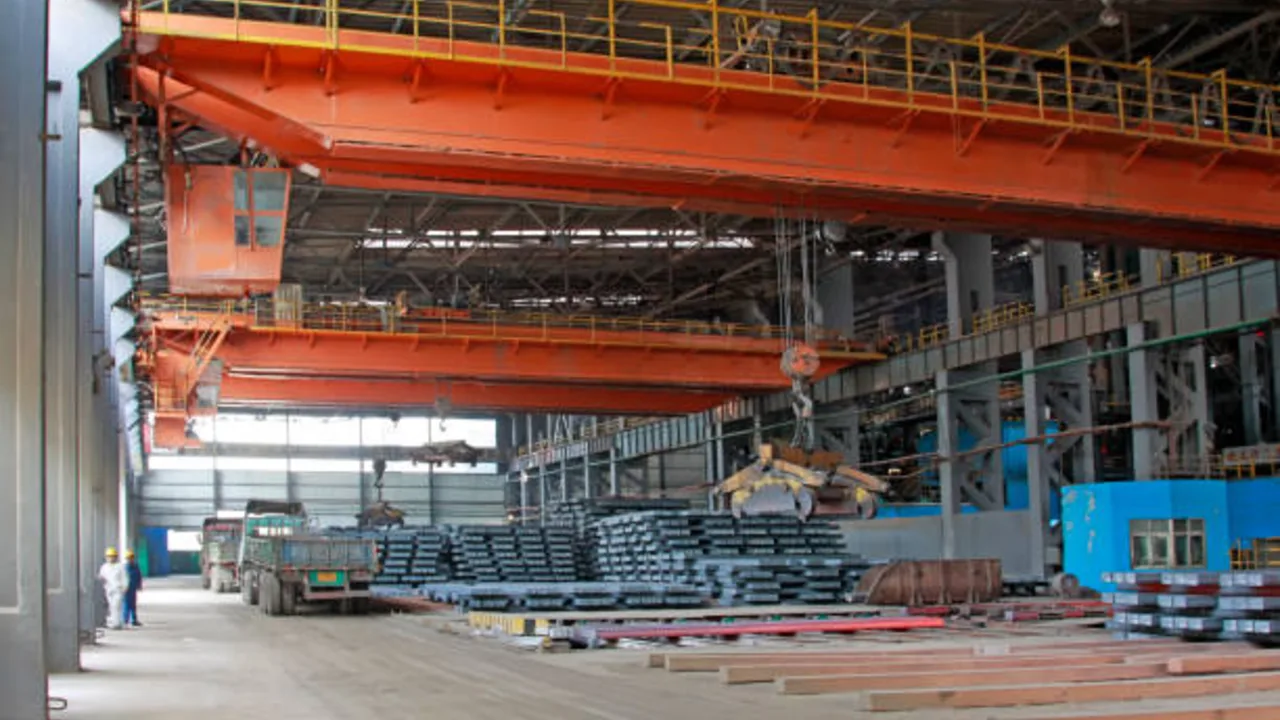
Runway beams act as the primary load-bearing members supporting crane rails. They receive wheel loads from the crane and distribute these forces through the steel frame. Because crane loads are often highly concentrated and dynamic, the structural stability of runway beams depends on both strength and accurate positioning.
When crane runway beam alignment is achieved correctly, loads are evenly distributed across columns and connections. This balanced load transfer protects the structural integrity of the building and reduces localized stress concentrations.
Mechanical Interaction Between Crane and Structure
The crane system interacts directly with rails installed on runway beams. These rails guide crane wheels along a fixed path. If alignment errors occur, crane wheels may experience lateral forces that were not considered in the original design.
Improper crane runway beam alignment can cause cranes to skew during operation. Skewing leads to additional friction between wheels and rails, increasing wear and requiring frequent maintenance. Over time, this mechanical stress may reduce crane efficiency and increase operational downtime.
Engineering Principles Behind Crane Runway Beam Alignment
Accurate runway beam installation relies on a combination of structural engineering calculations and strict tolerance control procedures during construction. Alignment requirements are typically defined by industrial building standards and crane manufacturer specifications.
Tolerance Control in Industrial Steel Buildings
Tolerance control refers to the acceptable limits of dimensional variation allowed during fabrication and installation. In steel factory construction, these limits are carefully defined to ensure that structural components fit together correctly and function as intended.
For crane runway beams, tolerance control applies to beam elevation, horizontal alignment, rail spacing, and column positioning. Maintaining these tolerances ensures that crane systems operate smoothly without generating excessive structural stress.
Horizontal and Vertical Alignment Requirements
Two key dimensions define crane runway beam alignment: horizontal straightness and vertical level consistency.
Horizontal alignment ensures that runway beams form a straight path along the crane travel direction. Even small lateral deviations can create side loads on crane wheels. Vertical alignment ensures that beam elevations remain consistent along the entire runway system, preventing uneven wheel loads.
Maintaining both horizontal and vertical precision requires careful measurement during steel erection and installation.
Column Placement and Structural Geometry
Runway beams are typically supported by steel columns integrated into the factory structure. The position of these columns directly affects beam alignment.
If column placement deviates from the design grid, the resulting misalignment can propagate through the runway beam system. For this reason, accurate column installation and foundation positioning are essential steps in achieving correct crane runway beam alignment.
Common Causes of Runway Beam Misalignment
Several factors can contribute to alignment problems during steel factory construction. Understanding these risks helps engineers implement preventative measures during design and construction.
Fabrication Tolerance Accumulation
During steel fabrication, minor dimensional variations are unavoidable. Individual components such as beams, connection plates, and bolt holes may vary slightly within manufacturing tolerances.
If multiple small deviations occur across several components, they may accumulate into a larger alignment error when assembled. Without careful tolerance control, these deviations may affect overall crane runway beam alignment.
Installation Errors on Site
Field installation conditions introduce additional complexity. Crane runway beams must be positioned at precise elevations and aligned with structural columns.
Improper leveling during erection or incorrect bolt tightening sequences may shift beam positions. Even small installation errors can influence crane rail alignment and cause operational issues.
Structural Movement Over Time
Steel factory structures are subject to environmental and operational influences throughout their service life. Thermal expansion, building settlement, and repeated crane loading can gradually alter structural geometry.
If these factors are not considered during design, they may compromise long-term crane runway beam alignment. Engineers must account for these conditions when designing connection details and expansion allowances.
Construction Workflow for Accurate Runway Beam Alignment
Achieving reliable crane runway beam alignment requires a carefully planned construction workflow. Survey preparation, installation sequencing, and precision measurement all play critical roles.
Survey and Layout Preparation
Before structural erection begins, survey teams establish reference lines and grid points using total stations or laser measurement systems. These reference points define the exact positions for columns and runway beams.
Accurate survey control provides the foundation for maintaining tolerance control throughout the construction process.
Controlled Steel Erection Sequence
During erection, columns and beams are installed in a specific sequence designed to maintain structural geometry. Temporary supports may be used to stabilize components before final alignment adjustments are completed.
Careful sequencing ensures that the installation of one component does not introduce misalignment into the overall structure.
Precision Adjustment Before Final Fixing
Before final bolt tightening or welding, engineers verify beam alignment using precision instruments. Adjustments may include shim plates, temporary supports, or minor repositioning.
These final adjustments ensure that the completed system achieves the required crane runway beam alignment necessary for safe crane operation.
Inspection and Measurement Techniques
Inspection plays a crucial role in verifying crane runway beam alignment. Engineers use both modern digital tools and traditional surveying techniques to confirm structural accuracy.
Laser Alignment Systems
Laser measurement systems provide highly accurate readings for beam elevation and horizontal positioning. These tools allow engineers to quickly identify alignment deviations and make adjustments before final installation.
Laser systems are especially useful for long crane runway spans where manual measurement may be less efficient.
Traditional Survey Methods
Optical leveling instruments and manual measurement tools remain valuable for verifying structural geometry. Survey teams often use these methods as secondary checks to confirm laser measurement results.
Maintaining redundancy in measurement methods improves reliability and supports effective tolerance control.
Continuous Monitoring During Construction
Rather than waiting until installation is complete, engineers typically verify alignment throughout the erection process. Continuous monitoring prevents cumulative alignment errors and ensures that crane runway beams remain within acceptable tolerance limits.
Project Example: Crane Runway Beam Alignment in a Heavy Steel Factory
A practical example of crane runway beam alignment challenges can be seen in a heavy equipment manufacturing facility located in Southeast Asia. The factory was designed as a large-span industrial building equipped with multiple 20-ton overhead cranes operating along parallel bays. Because the cranes were responsible for moving steel components across the production line, precise crane runway beam alignment was critical to maintaining safe and efficient operations.
During the early construction phase, engineers discovered that minor column placement deviations had occurred during foundation installation. Although each deviation remained within acceptable structural limits, the accumulated variation along the crane runway line created a measurable alignment offset. This offset risked introducing lateral stress into the crane wheels during operation.
To resolve the issue, the construction team implemented an adjustment process using calibrated survey equipment and temporary support systems. Engineers first mapped the actual column grid positions and compared them with the design model. Using these measurements, they recalculated the optimal beam position to restore proper crane runway beam alignment while maintaining the required tolerance control limits.
Shim plates were installed at specific connection points to fine-tune beam elevation, and adjustable supports allowed the erection team to correct horizontal alignment. The process required close coordination between survey engineers, structural engineers, and the installation crew. Once the adjustments were completed, a full laser alignment inspection confirmed that the runway beams met the required alignment standards.
After commissioning, the crane system operated smoothly with minimal wheel wear and no measurable skewing during movement. The project demonstrated that careful tolerance control and proactive alignment correction are essential for ensuring reliable crane runway beam alignment in large industrial buildings.
Impact of Poor Crane Runway Beam Alignment
Improper crane runway beam alignment can have serious consequences for both structural systems and crane operation. Even small alignment errors may generate additional mechanical stresses that accumulate over time.
Operational Problems
When crane runway beams are misaligned, crane wheels experience uneven loading while traveling along the rail path. This condition increases friction and accelerates wear on wheels, rails, and mechanical components. Maintenance intervals become shorter, and operational efficiency declines.
Repeated mechanical strain may eventually require costly repairs or crane system shutdowns.
Structural Stress Concentration
Misalignment can also introduce unexpected forces into the supporting structure. Runway beams and columns may experience additional bending stresses that were not included in the original design calculations.
Over time, these stresses may lead to fatigue cracking or deformation in critical structural components.
Safety Risks
In severe cases, crane misalignment may create unsafe operating conditions. Excessive lateral forces can increase the risk of crane derailment or uncontrolled movement. For factories that rely on overhead cranes for daily production, these risks must be carefully managed through precise crane runway beam alignment.
Best Practices for Maintaining Alignment Stability
Achieving proper alignment during construction is only the first step. Long-term structural performance requires ongoing monitoring and maintenance.
Designing for Tolerance Control
Engineers often incorporate adjustable connections or alignment allowances into runway beam design. These features allow minor adjustments during installation and help maintain tolerance control over time.
Flexible connection details can also accommodate small structural movements caused by temperature changes or building settlement.
Construction Quality Management
Effective quality management procedures ensure that installation teams follow proper erection sequences and alignment verification protocols. Regular inspection during construction prevents small deviations from developing into larger structural problems.
Maintenance and Periodic Inspection
Once the factory becomes operational, periodic inspections help ensure that crane runway beam alignment remains within acceptable limits. Engineers typically monitor rail wear patterns, crane wheel performance, and beam deflection during routine maintenance checks.
Early detection of alignment issues allows corrective action before operational problems develop.
Why Crane Runway Beam Alignment Matters in Steel Factory Design
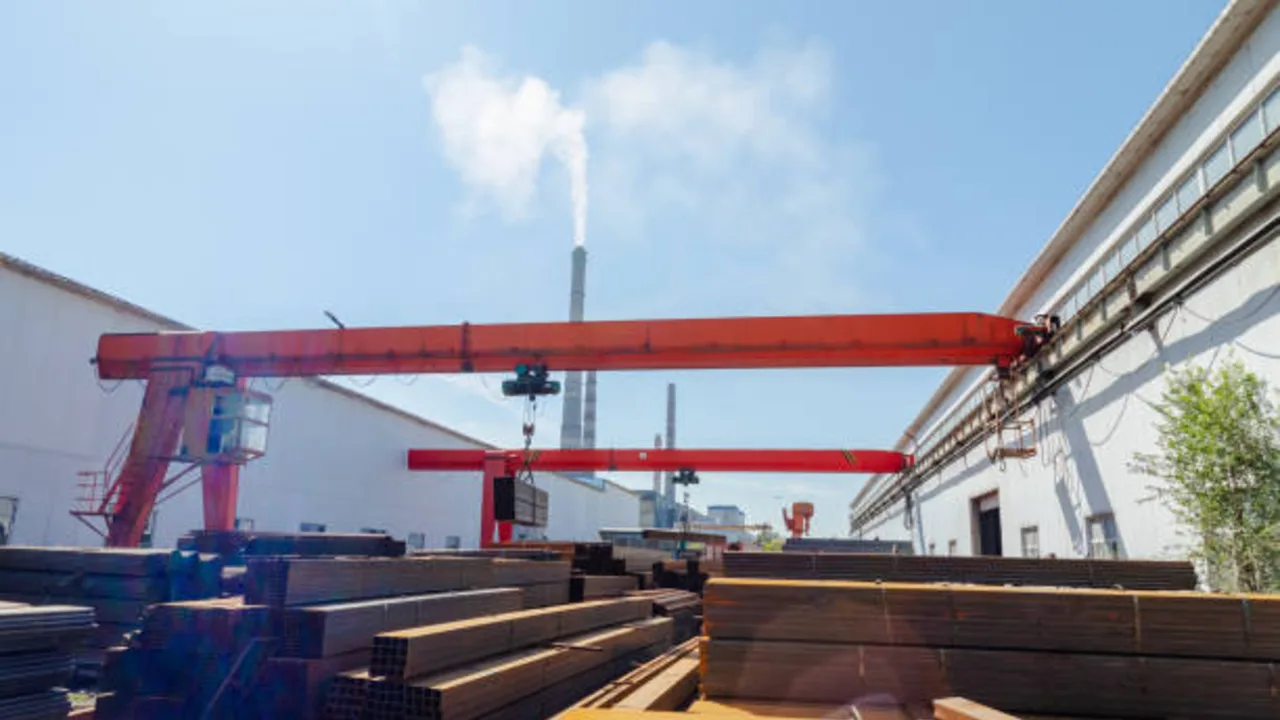
Crane runway beam alignment is a key factor in the performance of industrial steel structures. Precise alignment ensures smooth crane operation, balanced load distribution, and long-term structural reliability.
In projects involving heavy industrial buildings, coordination between structural engineers, fabrication teams, and installation crews is essential. Experienced professionals involved in factory steel structure projects understand how structural geometry, tolerance control, and installation precision interact to achieve reliable crane runway beam alignment.
Conclusion
Crane runway beam alignment plays a crucial role in the safety and efficiency of steel factory operations. Accurate alignment ensures that crane loads are properly transferred through the structural frame while minimizing mechanical wear and operational risk.
By integrating careful design calculations, strict tolerance control, precise installation workflows, and ongoing inspection programs, engineers can maintain reliable crane runway beam alignment throughout the lifecycle of industrial steel buildings. Properly aligned runway systems not only protect structural integrity but also support safe and productive factory operations for many years.