Overview of Steel Structure Factory Buildings
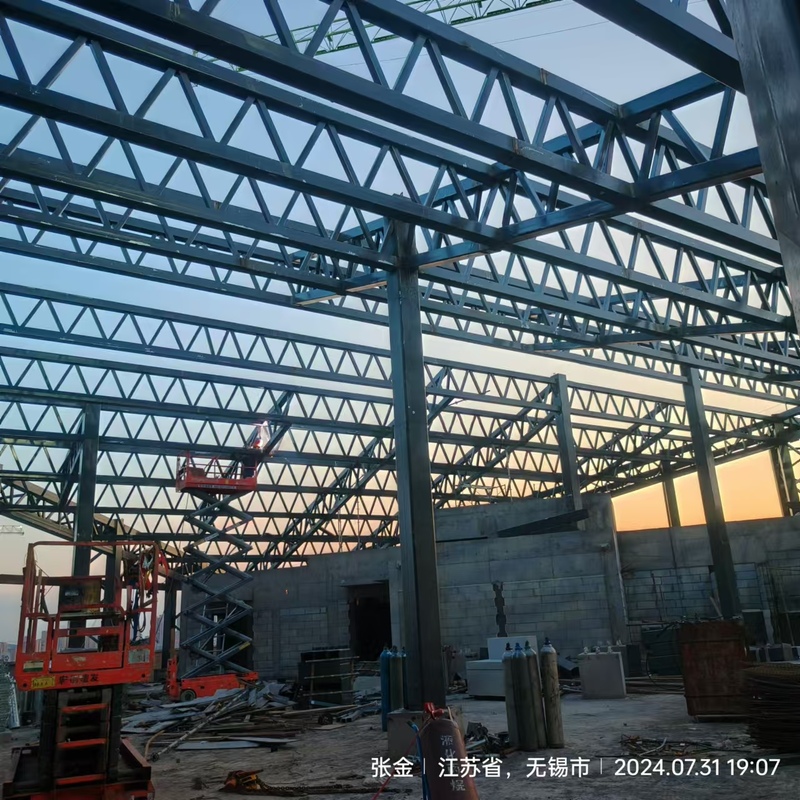
A steel structure factory is an industrial building whose main load-bearing system is made of structural steel. These buildings are designed to support manufacturing equipment, production lines, overhead cranes, and heavy operational loads while maintaining large interior space for efficient workflow.
Steel structures are widely used for factory construction because they offer high strength, lighter weight compared with concrete, and excellent structural stability. With proper engineering design, steel factory buildings can operate safely for decades even under demanding industrial conditions.
Modern factory construction often uses prefabricated steel systems that allow structural components to be produced in manufacturing plants before installation. This approach ensures consistent quality and reduces on-site construction time.
Characteristics of Steel Structure Factory Buildings
Large Span Structural Design
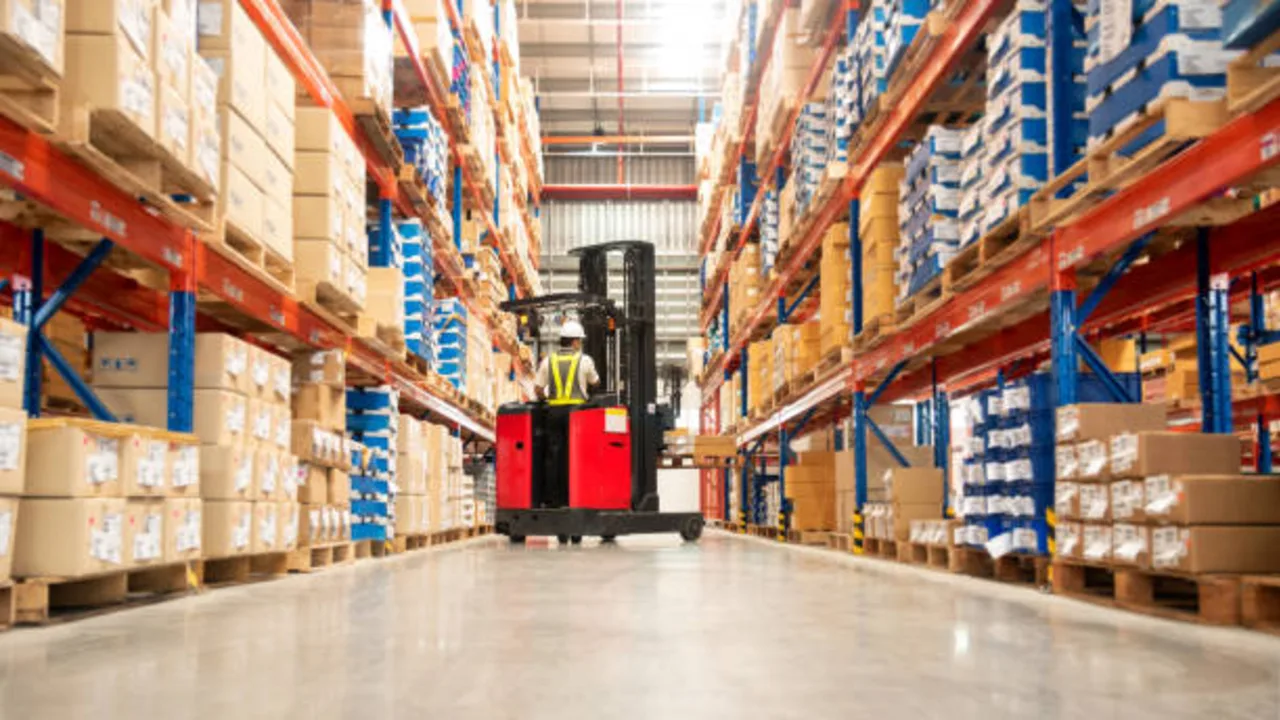
One of the most important advantages of a steel structure factory is the ability to create large-span buildings with fewer interior columns. Wide interior space allows production lines, storage areas, and equipment to be arranged efficiently.
Large-span steel structures are especially important for factories that require flexible layouts, automated production systems, or overhead crane operation.
High Load Capacity
Factory buildings must support heavy machinery, production equipment, and crane systems. Steel structures have excellent load-bearing capacity, allowing engineers to design buildings that safely handle dynamic and static loads.
High-strength steel columns and beams ensure that the structure remains stable even under continuous industrial operation.
Flexible Expansion Capability
Industrial production often changes over time, and factory buildings must adapt to new equipment or increased capacity. A factory steel structure can be designed with modular systems that allow future extension without affecting existing operations.
This flexibility makes steel structures ideal for long-term industrial planning.
Types of Steel Structure Factory Projects
Manufacturing Plant Buildings
Manufacturing plants are one of the most common applications for a steel structure factory. These buildings must provide stable structural support while allowing efficient workflow for production lines.
Steel structures allow engineers to design factories with large open areas, high ceilings, and strong support for heavy equipment.
Industrial Workshop Structures
Workshops used for fabrication, maintenance, or assembly often require flexible layouts and durable structural systems. Steel structure workshops provide strong support for industrial operations while allowing easy modification when production needs change.
Heavy Industry Steel Factories
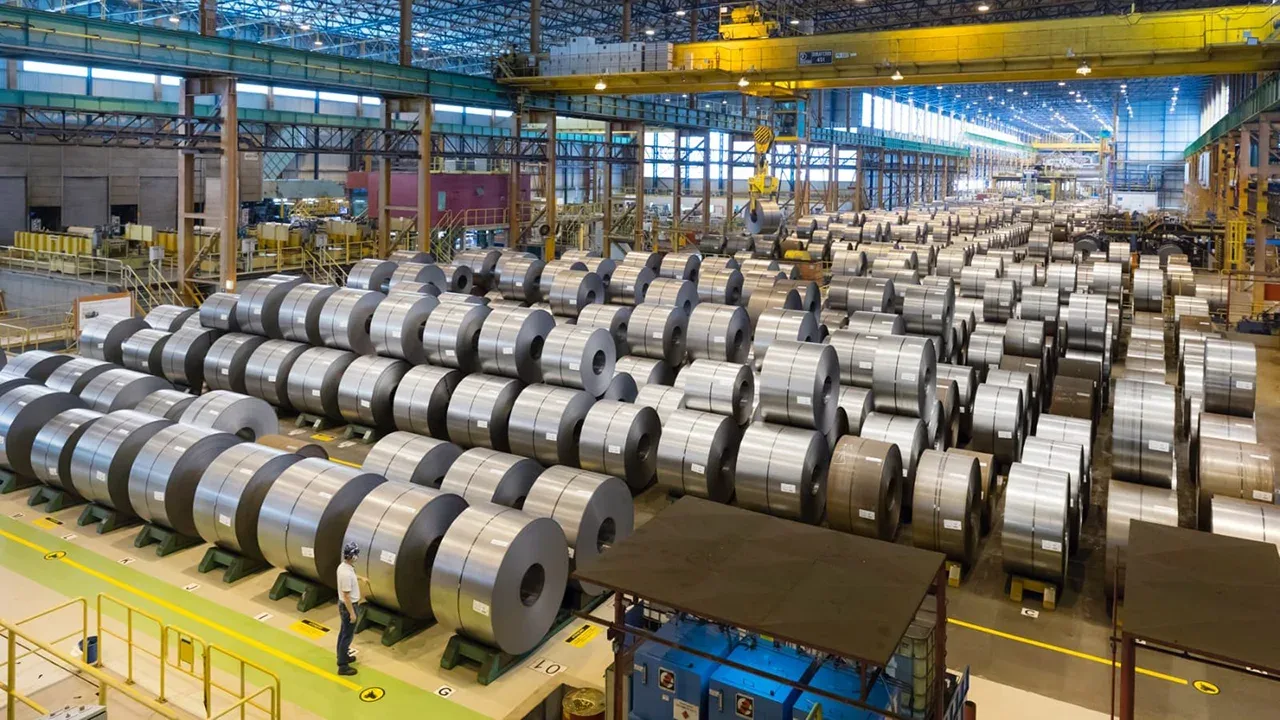
Heavy industrial facilities such as steel processing plants, machinery factories, and energy equipment plants require high load capacity and large-span structures. Steel construction allows these buildings to support crane systems, large equipment, and high roof heights.
These projects require accurate engineering design and precise fabrication to ensure long-term structural safety.
Structural System Used in Steel Structure Factory
Portal Frame Steel Structure
The portal frame is the most common structural system used in a steel structure factory. It provides a cost-effective solution for industrial buildings with medium to large spans.
Portal frame systems allow fast construction, efficient material usage, and reliable structural performance.
Truss and Long-Span Structures
For factories that require very large interior space, truss structures or long-span steel systems are often used. These systems allow wider spans and higher roof clearance without increasing the number of columns.
Long-span steel structures are commonly used in heavy industry, logistics factories, and large manufacturing plants.
Composite Steel Structure Systems
Some factory projects use composite structural systems combining steel and concrete. These systems are suitable for multi-level industrial buildings or facilities with complex load requirements.
Composite structures provide high strength while maintaining the flexibility of steel construction.
Steel Structure Factory Construction Process
Engineering Design
The construction of a steel structure factory begins with engineering design. Engineers analyze building loads, equipment requirements, environmental conditions, and production layout before determining the structural system.
Accurate design ensures that the factory building will operate safely and efficiently.
Steel Structure Fabrication
After design approval, structural components are fabricated in steel manufacturing workshops. The fabrication process includes cutting, drilling, welding, and assembling steel members according to detailed drawings.
Factory fabrication ensures high precision and consistent quality.
Factory Building Installation
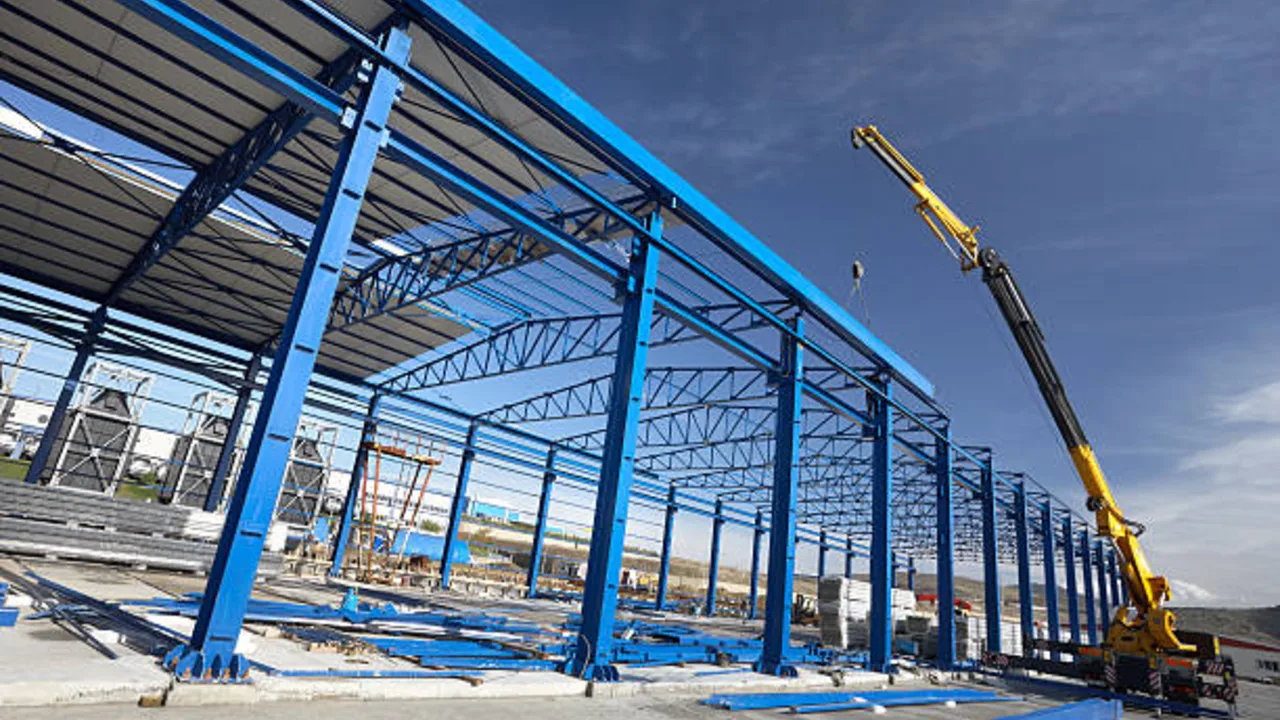
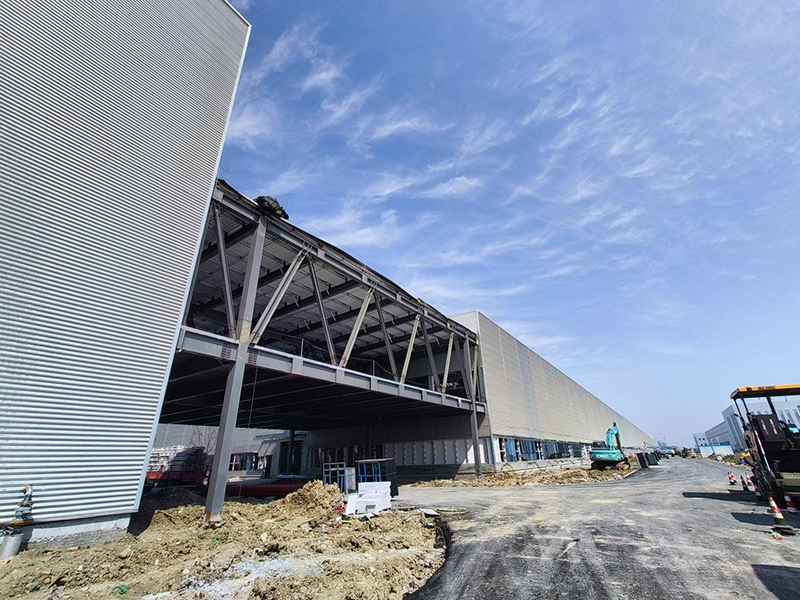
After fabrication, steel components are transported to the project site for installation. Construction typically starts with column erection, followed by beam installation and roof structure assembly.
Once the main frame is completed, wall panels, roof panels, and other systems are installed to finish the factory building.
Advantages of Steel Structure Factory Buildings
Choosing a steel structure factory provides many benefits compared with traditional construction methods:
- Faster construction time
- Lower foundation cost due to lighter weight
- High strength and durability
- Flexible layout for industrial production
- Easy maintenance and modification
These advantages make steel factory buildings the preferred solution for modern industry.
Why Choose a Professional Steel Structure Factory Supplier
Engineering Experience
Industrial buildings require accurate engineering design and professional structural calculation. Experienced suppliers understand the special requirements of factory construction and can provide optimized solutions.
Manufacturing Capacity
Large factory projects require suppliers with strong fabrication capability. Modern steel manufacturers operate large workshops equipped with advanced machines to ensure production efficiency and quality.
International Project Capability
Many industrial projects are built overseas and require reliable export experience. Professional suppliers can coordinate engineering, fabrication, shipping, and installation support.
As a global supplier of industrial building systems, XTD Steel Structure provides integrated solutions for factory construction including engineering design, structural fabrication, and project coordination.
Applications of Steel Structure Factory
Steel factory buildings are widely used in many industries, including:
- Manufacturing plants
- Machinery factories
- Steel processing facilities
- Logistics factories
- Energy and equipment plants
The flexibility of steel structures allows factory buildings to be customized for different industrial needs.
Frequently Asked Questions
What is a steel structure factory building?
A steel structure factory building is an industrial building whose main load-bearing system is made of structural steel.
Why use steel structure for factory construction?
Steel structures provide high strength, fast construction, and flexible layout, making them ideal for industrial buildings.
How long does steel factory construction take?
Because most components are prefabricated, steel factory construction is usually faster than concrete construction.
Can factory buildings be expanded later?
Yes. Steel structure factories can be designed with modular systems that allow future expansion.
Build Your Steel Structure Factory with a Professional Supplier
A well-designed steel structure factory ensures safe operation, efficient production, and long-term durability. With proper engineering, precise fabrication, and professional installation, steel factory buildings provide reliable solutions for modern industrial projects.
With extensive experience in industrial construction, XTD Steel Structure supports global clients with engineering, manufacturing, and project coordination for steel factory buildings.