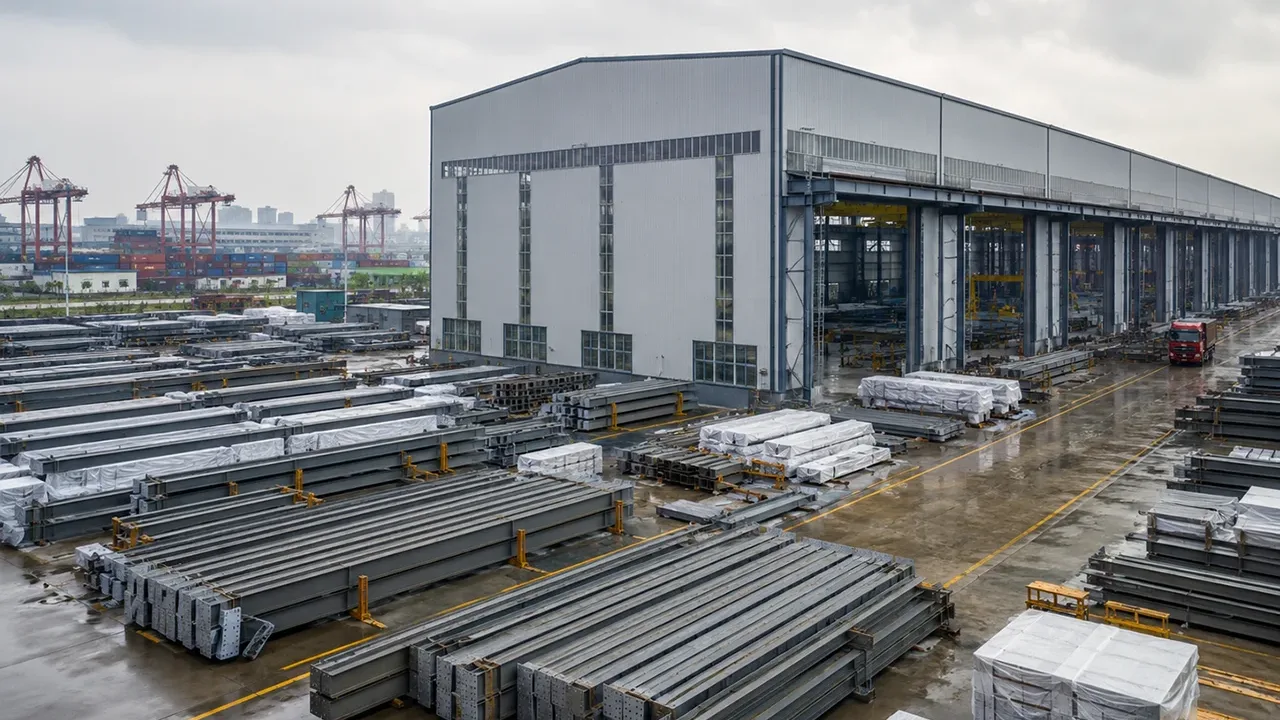
Active industrial facilities often need expansion, modification, or structural upgrades while production continues. In these situations, construction cannot follow the same approach used for empty sites. Instead, engineers must carefully plan every step of the process using a method known as active factory construction sequencing. This approach ensures that new structures can be built safely without interrupting ongoing operations.
In modern industrial projects, factories rarely shut down completely for construction. Stopping production can result in significant financial losses, supply chain disruption, and operational delays. Because of this, many factory owners choose phased construction strategies that allow building work and production activities to occur at the same time. However, without proper planning, working inside an active facility can create serious safety risks, structural conflicts, and workflow problems.
Steel industrial buildings require especially careful sequencing because large-span frames, overhead cranes, and heavy machinery all depend on precise structural alignment. When construction is performed inside an operating facility, the order in which columns, beams, and roof systems are installed becomes critical. A well-planned active factory construction sequencing strategy helps maintain structural stability, protect workers, and keep production running without interruption.
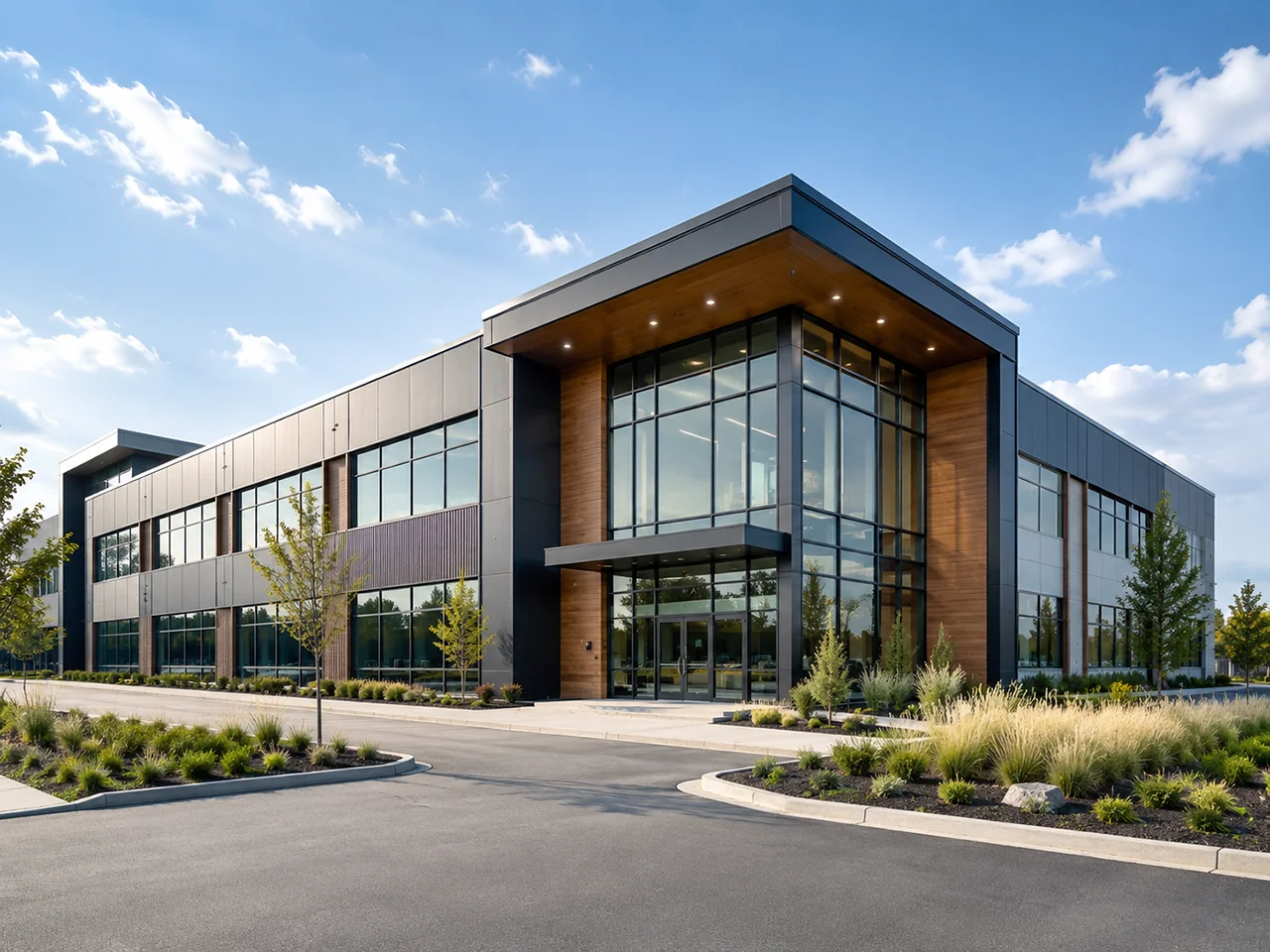
In large industrial projects designed as a modern steel structure factory, sequencing is often considered during the early engineering stage rather than during construction. Engineers must coordinate layout planning, structural design, and operational workflow to ensure that each phase of the project can be completed safely while the factory remains active.
Why Construction Sequencing Is Critical in Operating Factories
Building inside an operating factory is fundamentally different from building on an empty construction site. In active facilities, engineers must work around running equipment, moving materials, and workers performing daily tasks. Because of these constraints, active factory construction sequencing becomes one of the most important parts of project planning.
Continuous Production Constraints
Most industrial factories cannot stop production for long periods of time. Manufacturing lines, material processing equipment, and logistics systems often run continuously across multiple shifts. Even a short shutdown may cause delays in delivery schedules or financial losses for the owner.
For this reason, construction work must be carefully scheduled so that it does not interfere with production. Engineers must determine which areas can be temporarily isolated, which machines must remain operational, and which activities can only be performed during planned shutdown windows. Without proper sequencing, construction work may block access routes, disrupt workflows, or create unsafe working conditions.
Limited Work Zones
Active factories usually have limited available space for construction. Storage areas, production lines, and equipment zones occupy most of the building, leaving only small sections available for structural work. This means construction must often be performed in phases, moving from one zone to another while the rest of the factory continues operating.
Temporary barriers, protective walls, and safety corridors are often required to separate construction areas from production zones. These measures help reduce the risk of accidents but also make construction more complex. A detailed active factory construction sequencing plan ensures that each phase of work can be completed without interfering with factory operations.
Coordination With Factory Operations
Successful construction inside an operating facility depends on close coordination between the construction team and the factory management team. Work schedules must match production schedules, and some structural tasks may only be possible during specific time periods.
For example, installing large steel beams or lifting heavy equipment may require temporary shutdown of certain machines or clearing of transport routes. These activities must be planned in advance so that the impact on production is minimized. Proper sequencing allows engineers to organize construction activities around factory operations instead of forcing the factory to stop working.
Common Challenges in Active Factory Site Construction
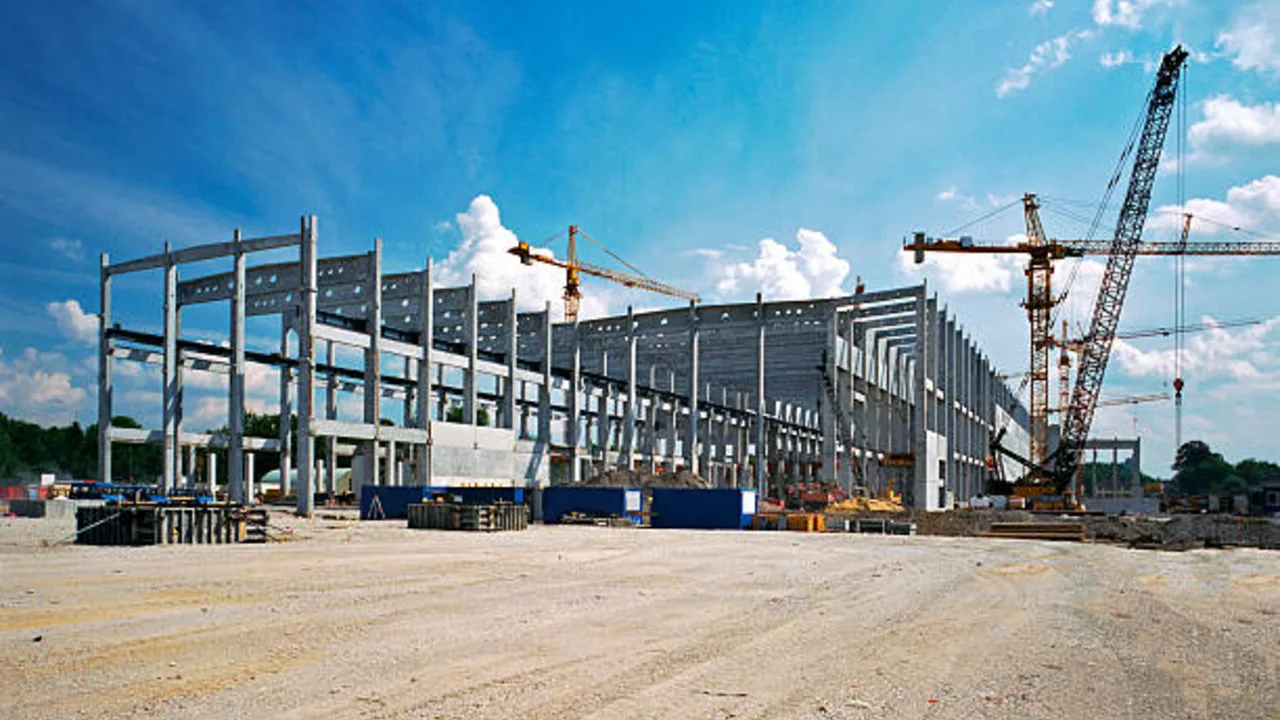
Working inside an active industrial site presents challenges that do not exist in normal construction projects. Engineers must consider safety, structural stability, and operational continuity at the same time. Without careful planning, even small mistakes in sequencing can cause serious delays or safety hazards.
Working Around Running Machinery
In many factory expansion or retrofit projects, construction takes place only a few meters away from operating machines. These machines may generate vibration, noise, and heat, all of which can affect construction work. Workers must follow strict safety procedures to prevent accidents while operating equipment continues running nearby.
Because of these conditions, construction tasks must be scheduled in a logical order. Structural frames must be installed in a way that does not block machine access, interfere with material handling, or reduce production efficiency. Proper active factory construction sequencing helps maintain safe separation between construction activities and ongoing operations.
Maintaining Worker Safety
Safety is one of the biggest concerns when building inside an active factory. Both construction workers and factory employees are present at the same time, often working in close proximity. Without clear separation zones and controlled access routes, the risk of accidents increases significantly.
Temporary fencing, warning systems, and controlled entry points are commonly used to protect both groups of workers. In addition, engineers must plan the order of construction so that unstable structures are never left unsupported while workers are nearby. Careful sequencing ensures that every phase of the project remains structurally safe.
Noise, Dust, and Vibration Control
Construction activities such as cutting steel, welding, drilling, and lifting heavy components can create noise and vibration that affect factory operations. In facilities with precision equipment, excessive vibration may damage machinery or reduce product quality.
Dust control is also important, especially in factories that produce electronics, food products, or sensitive materials. To reduce these risks, construction work is often divided into small phases, allowing protective measures to be installed before major structural work begins. A well-planned active factory construction sequencing strategy helps control these environmental effects while construction continues.
Temporary Structural Support
In some factory upgrade projects, existing structural members must be modified or replaced while the building is still in use. Removing columns or beams without proper support can create serious structural risks. Engineers must design temporary supports that hold the load until the new structure is installed.
The order in which structural elements are removed and installed is extremely important. Incorrect sequencing can cause unexpected load transfer, leading to deformation or even collapse. This is why sequencing is considered a critical part of engineering design in active factory construction.
Restricted Crane Operation
Large steel structures usually require cranes for lifting beams, roof trusses, and heavy equipment. However, operating cranes inside an active factory is often difficult because space is limited and production equipment may block lifting paths.
In some cases, lifting operations must be performed at night or during scheduled shutdown periods. In other cases, smaller cranes or special lifting methods must be used. Proper active factory construction sequencing allows engineers to plan lifting operations in a way that avoids conflicts with factory activities.
Engineering Principles of Active Factory Construction Sequencing
Effective active factory construction sequencing is not only a scheduling task—it is an engineering process that must be planned together with structural design, factory layout, and operational workflow. When construction takes place inside a working industrial facility, every phase must be analyzed to ensure that loads remain stable, access routes stay open, and production activities continue safely.
Because steel factory buildings often use large-span frames and integrated crane systems, the order of installation directly affects structural behavior. Engineers must determine how each structural element will carry load during every stage of construction, not only after the building is completed.
Phase-Based Planning
Phase-based planning is the foundation of any successful active factory project. Instead of building the entire structure at once, the project is divided into smaller zones, and each zone is completed in a controlled sequence. This phased work approach allows production to continue in one area while construction takes place in another.
During phase planning, engineers identify which areas can be temporarily isolated, which areas must remain operational, and how workers and materials will move safely between zones. A clear phase diagram helps prevent conflicts between construction activities and factory operations.
In large industrial expansion projects, phased work is often the only way to maintain production while adding new structural frames, roof systems, or equipment platforms.
Load Transfer Control
One of the most important aspects of active factory construction sequencing is controlling how structural loads are transferred during each stage of the project. When new steel frames are installed next to existing structures, the load path may change before the final structure is complete.
Engineers must calculate how columns, beams, and roof trusses behave during temporary conditions. In some cases, temporary supports or additional bracing must be installed to keep the structure stable until the full frame is completed.
Incorrect load transfer during construction can cause misalignment, excessive stress, or structural damage. For this reason, sequencing plans are often reviewed together by structural engineers, construction managers, and factory operators before work begins.
Temporary vs Permanent Structures
Active factory construction frequently requires temporary structures that allow the building to remain stable while modifications are made. These temporary elements may include support frames, lifting platforms, protective walls, or temporary roofs.
The challenge is that temporary structures must work together with the permanent structure without interfering with production. Engineers must decide when temporary supports should be installed, when they can be removed, and how they will affect the building during each phase.
Careful planning ensures that the factory remains safe and functional throughout the entire construction process.
Sequencing Structural Frames
In steel factory projects, the order of installing columns, beams, and roof members must follow a precise sequence. Unlike small buildings, large-span industrial frames rely on correct alignment to maintain stability. If beams are installed before the supporting frame is complete, the structure may not be able to carry the load safely.
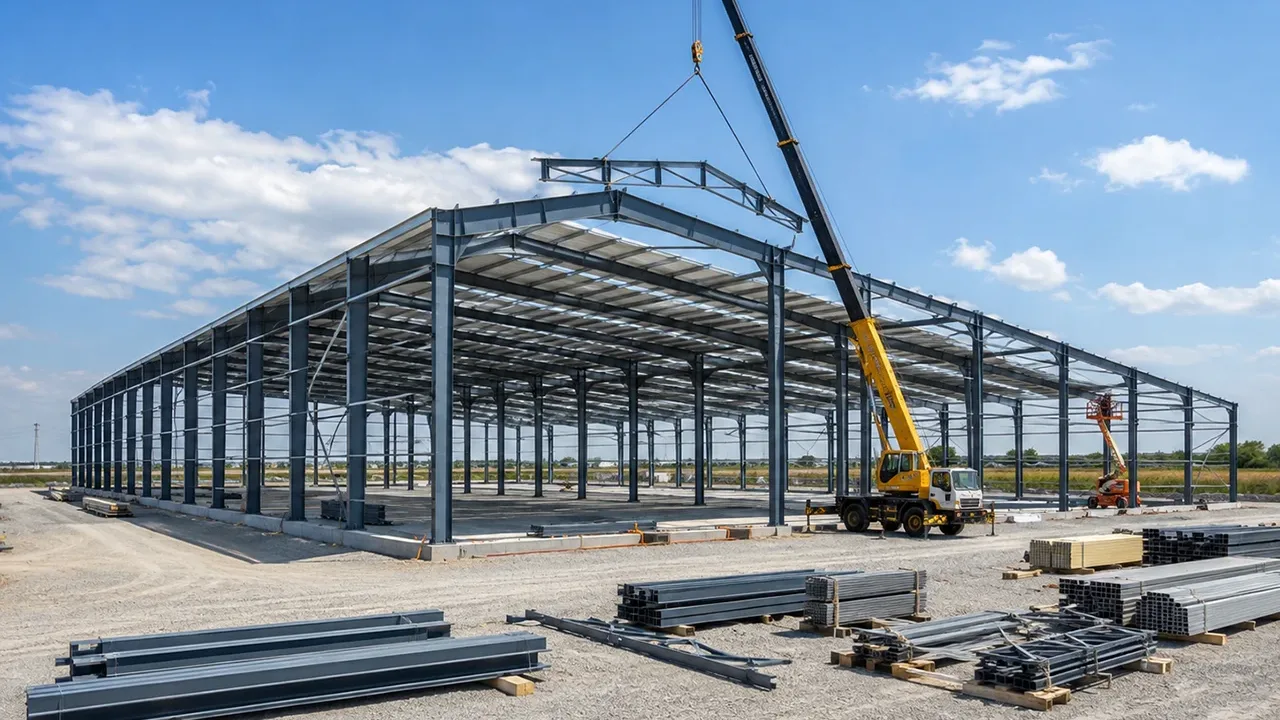
When construction takes place in an active facility, sequencing becomes even more complex. Engineers must consider how to install new frames without blocking equipment, crane rails, or transport paths. Often, structural frames are erected in sections so that part of the building can remain in operation while the rest is under construction.
This method allows factories to expand step by step while maintaining production.
Shutdown Window Planning
Some construction tasks cannot be performed while the factory is operating. Installing large roof trusses, modifying crane beams, or connecting new structural frames may require temporary shutdown of equipment.
These shutdown periods are usually very limited, so work must be prepared in advance. Materials must be ready, workers must be scheduled, and lifting equipment must be positioned before the shutdown begins.
Proper active factory construction sequencing allows engineers to complete critical work within short shutdown windows, minimizing the impact on production.
Phased Work Strategy for Steel Factory Expansion
Factory expansion projects are one of the most common situations where active factory construction sequencing is required. Instead of building a completely new facility, owners often choose to extend existing buildings, add new bays, or install additional production lines. These projects must be carefully planned so that construction and manufacturing can continue at the same time.
Steel structures are especially suitable for phased work because prefabricated components can be installed quickly, reducing the time required on site.
Zone-by-Zone Construction
In zone-by-zone construction, the factory is divided into multiple sections, and each section is built separately. While one zone is under construction, the other zones continue operating normally. After the first zone is completed, work moves to the next area.
This method reduces the risk of stopping production and makes it easier to control safety conditions. Protective barriers, temporary walls, and controlled access points are often used to separate construction zones from active work areas.
Parallel Operation and Construction
In many projects, construction and production must occur at the same time within the same building. This requires careful coordination of work schedules, material delivery, and equipment movement.
For example, heavy lifting may be scheduled during low-production hours, while welding or assembly work may be performed during normal shifts. By planning construction activities around factory operations, engineers can maintain productivity while the project continues.
This approach is only possible with a detailed active factory construction sequencing plan.
Temporary Walls and Isolation Areas
Temporary walls and isolation areas are often installed to separate construction work from production zones. These barriers help control dust, noise, and safety risks, allowing both activities to continue at the same time.
Isolation areas may also include temporary doors, sealed partitions, and protected walkways. In some factories, air filtration systems are used to prevent dust from entering sensitive production areas.
These protective measures are especially important in factories that produce electronics, food products, or precision components.
Night or Weekend Construction
When construction cannot be safely performed during normal operating hours, work may be scheduled at night or on weekends. This allows heavy lifting, structural installation, or equipment relocation to occur when fewer workers are present.
Although night construction can increase labor cost, it often reduces the risk of production delays. Many large industrial projects rely on this method to complete critical phases without stopping the factory.
Equipment Relocation Strategy
In some factory upgrade projects, machines must be moved temporarily to create space for construction. This requires careful planning to avoid damaging equipment or interrupting production.
Engineers must decide the order in which equipment will be relocated, when it will be reinstalled, and how utilities such as power, air, and water will be reconnected. These steps must be coordinated with structural work to ensure that both construction and production remain safe.
A clear relocation plan is an essential part of any active factory construction sequencing strategy.
Structural Design Considerations for Active Factory Projects
Successful active factory construction sequencing depends not only on planning but also on the structural design of the building itself. When engineers know that construction will take place while the factory is operating, the structural system must be designed to allow phased installation, temporary support, and flexible expansion. Steel structures are often preferred for these projects because they provide high strength, modular assembly, and fast installation.
In many industrial projects, the structural layout is developed together with the sequencing plan. This ensures that new frames can be added without interrupting production and that temporary conditions remain safe throughout the construction process.
Modular Steel Frame Advantage
Modular steel framing systems are ideal for factories that require phased construction. Because steel components are fabricated off site and assembled on site, installation can be completed quickly with minimal disruption to operations.
Modular frames also allow engineers to add new bays, extend roof spans, or modify layouts without changing the entire building. This flexibility makes steel structures highly suitable for projects where construction must occur inside an operating facility.
In a modern steel structure factory, modular design allows expansion to be completed step by step while production continues in the existing building.
Prefabrication to Reduce Site Time
Prefabrication plays an important role in reducing the risks of construction inside active factories. When structural members are manufactured in the factory, on-site work time is significantly reduced. This means less noise, less dust, and fewer safety conflicts with ongoing operations.
Prefabricated beams, columns, and roof trusses can be delivered ready for installation, allowing construction teams to complete structural work within short time windows. This is especially important when work must be done during limited shutdown periods.
Using prefabrication together with proper active factory construction sequencing helps keep the project on schedule while maintaining safe working conditions.
Bolted Connections vs Welding
Connection type is another important consideration in active factory projects. Bolted connections are often preferred over welding because they require less time, produce less heat, and create less smoke and vibration.
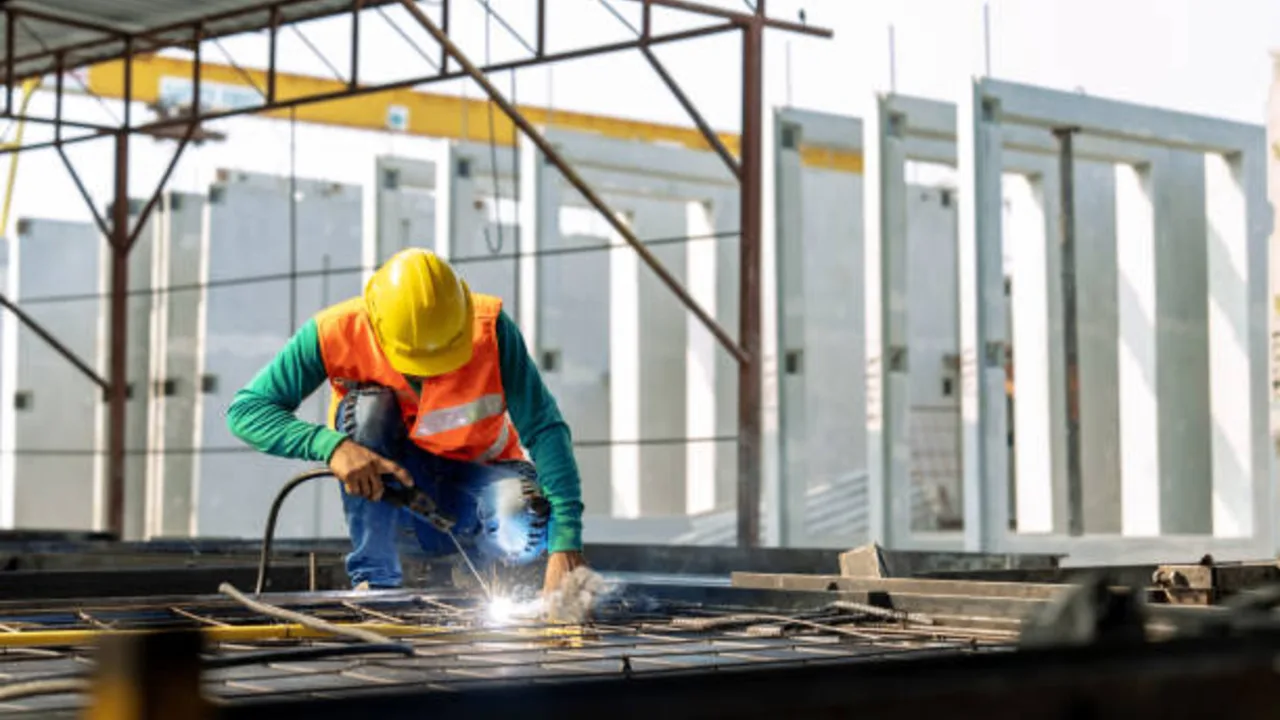
Welding inside an operating factory may require additional fire protection measures and ventilation systems. In contrast, bolted connections can be installed quickly and safely, making them more suitable for phased construction.
By designing the structure with bolted joints, engineers can simplify sequencing and reduce the impact of construction on factory operations.
Crane-Compatible Design
Many industrial factories use overhead cranes for material handling. When new structures are added, the design must allow crane systems to continue operating during construction.
This may require temporary crane rail supports, phased installation of runway beams, or special lifting plans that avoid interference with existing equipment. Structural engineers must coordinate crane design with the construction sequence to ensure that production can continue safely.
Proper coordination between crane systems and structural frames is a key part of active factory construction sequencing in heavy industrial facilities.
Flexible Grid Layout
A flexible column grid makes it easier to perform phased construction. When structural spacing is consistent, new bays can be added without changing the existing layout. This reduces the need for major modifications and simplifies installation.
Flexible grid design also allows engineers to isolate construction zones more easily. Temporary walls, safety barriers, and equipment relocation plans can be organized according to the structural grid, improving both safety and efficiency.
Because of these advantages, grid planning is often considered early in the design of large industrial factories.
Safety Planning for Active Factory Construction
Safety is one of the most critical aspects of any active factory construction sequencing plan. When construction workers and factory employees share the same space, clear safety procedures must be established to prevent accidents.
Safety planning includes physical separation, controlled access routes, emergency systems, and coordination with the factory safety team. Without these measures, even small construction tasks can become dangerous.
Worker Separation Zones
Construction areas must be clearly separated from production areas. Physical barriers, warning signs, and controlled entry points help prevent workers from entering unsafe zones.
Separation zones also reduce the risk of falling objects, equipment collisions, and unauthorized access. In many projects, temporary fencing or partition walls are installed to define construction boundaries.
These zones must be included in the sequencing plan so that safety conditions remain consistent throughout each phase.
Temporary Walkways
During construction, normal walking paths inside the factory may be blocked. Temporary walkways must be provided to allow workers to move safely between different areas.
These walkways should be clearly marked, protected from falling objects, and separated from heavy equipment routes. In some cases, elevated walkways are used to keep workers away from construction activities.
Planning safe movement routes is an essential part of active factory construction sequencing.
Fire and Electrical Safety
Construction inside operating factories increases the risk of fire and electrical accidents. Welding, cutting, and drilling must be controlled to prevent sparks from reaching flammable materials or live equipment.
Temporary electrical systems must also be carefully installed to avoid overloading circuits or interfering with factory power supply. Safety inspections should be performed at every stage of construction to ensure compliance with regulations.
Proper sequencing helps reduce these risks by controlling when and where hazardous work is performed.
Emergency Access Routes
Even during construction, emergency routes must remain open at all times. Fire exits, vehicle access roads, and safety corridors cannot be blocked by materials or equipment.
Sequencing plans must include clear access paths for emergency response. In large factories, this may require temporary roads or alternate exit routes during certain phases of construction.
Maintaining emergency access is a basic requirement for safe active factory projects.
Coordination With Factory Safety Team
Construction teams must work closely with the factory safety department. Safety rules, work permits, and operating procedures must be agreed upon before construction begins.
Regular meetings are often required to review progress, update the sequencing plan, and identify new risks. This coordination ensures that both production and construction can continue without accidents.
In complex projects, safety coordination is just as important as structural design.
Project Example: Factory Expansion Without Stopping Production
A real industrial project demonstrates how proper active factory construction sequencing allows construction to take place without interrupting manufacturing. One example is the
Insulator Group Jiangxi Base spatial grid structure project, a large-scale industrial facility designed to support heavy production while maintaining structural efficiency.
The project includes long-span steel structures, large production halls, and heavy equipment zones that must operate continuously. Because of the scale of the facility, construction had to be carefully planned in phases so that production areas could remain active while new structural sections were installed.
In projects like this, engineers often divide the building into multiple zones and complete one zone at a time. Temporary barriers and safety partitions are used to isolate the work area, while production continues in the remaining sections of the factory.
Large-span steel systems are especially suitable for phased construction because prefabricated members can be installed quickly. This reduces downtime and allows critical work to be completed within short shutdown periods.
Facilities designed as a modern steel structure factory often use modular frames and prefabricated components, making it possible to expand or upgrade the building without stopping operations. By combining structural planning, phased work strategy, and careful sequencing, engineers can complete complex industrial projects while keeping the factory running.
Future Trends in Live Factory Construction
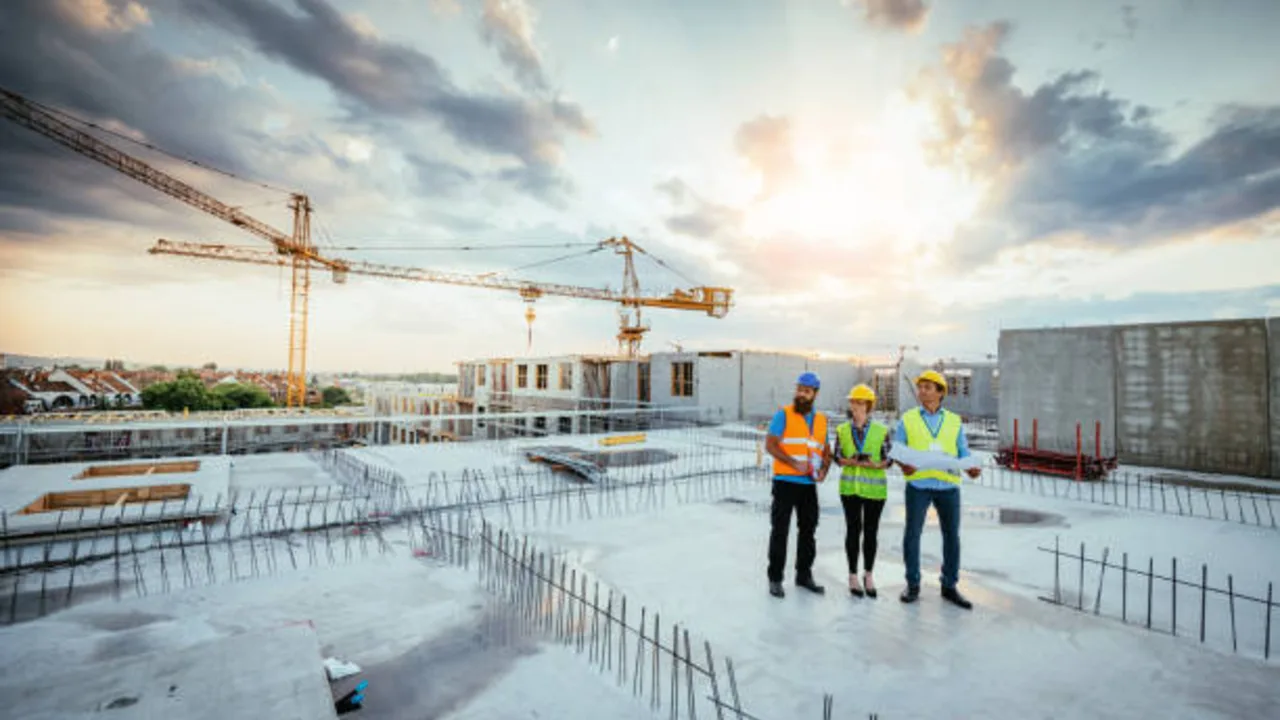
As industrial facilities become more advanced, construction methods are also evolving. Modern technology allows engineers to simulate construction steps before work begins, making active factory construction sequencing more accurate and safer than in the past.
Digital Construction Planning
Digital planning tools allow engineers to visualize each phase of construction and identify potential conflicts before work starts. This reduces errors and helps coordinate construction with factory operations.
BIM Sequencing Simulation
Building Information Modeling (BIM) can simulate the entire construction sequence in 3D. Engineers can test different scenarios, check load conditions, and verify that equipment and workers have enough space to operate safely.
BIM sequencing is becoming a standard tool for large industrial projects.
Modular Installation Methods
Modular construction allows structural components to be assembled quickly with minimal on-site work. This is especially useful for projects inside active factories where time and space are limited.
Prefabricated modules can be installed during short shutdown periods, reducing the impact on production.
Off-Site Fabrication
Off-site fabrication reduces the amount of cutting, welding, and drilling required inside the factory. This improves safety and reduces noise and dust during construction.
Many modern steel factory projects rely on off-site fabrication combined with precise sequencing plans.
Smart Safety Monitoring
New safety technologies allow real-time monitoring of construction zones. Sensors, cameras, and digital tracking systems can help detect unsafe conditions and prevent accidents.
These systems are especially useful in active factory environments where many activities happen at the same time.
Conclusion
Construction inside an operating industrial facility requires careful planning, precise engineering, and strict safety control. Without proper active factory construction sequencing, even small modifications can create serious risks for both workers and production.
By using phased work strategies, modular steel structures, prefabrication, and detailed sequencing plans, engineers can complete complex projects without stopping factory operations. Steel structural systems provide the flexibility needed to build, expand, and upgrade industrial facilities while maintaining stability and safety.
Companies such as XTD Steel Structure emphasize the importance of integrating structural design, construction planning, and operational workflow when building modern industrial plants. With the right sequencing strategy, even large-scale projects can be completed inside active factories while production continues normally.