Industrial factories are complex environments where structural efficiency, operational safety, and long-term maintenance must be considered together. While much attention is usually given to production layout and structural strength, roof maintenance is often overlooked during early design stages. In large industrial buildings, proper factory roof maintenance access planning is essential to ensure safe inspection, repair, and servicing of roof structures throughout the life of the facility.
Steel factory buildings typically feature large-span roofs, high elevations, and integrated mechanical systems such as ventilation units, skylights, and crane supports. Without planned access routes, maintenance personnel may be forced to use unsafe climbing methods or temporary equipment, increasing the risk of accidents. For this reason, modern industrial engineering requires that factory roof maintenance access be included as part of the initial building design rather than added after construction.
In a modern steel structure factory, roof areas must allow safe movement for workers while maintaining structural integrity and operational efficiency. Proper access planning not only improves safety, but also reduces maintenance cost, prevents unexpected downtime, and extends the service life of the building.
Why Factory Roof Maintenance Access Is Critical in Industrial Buildings
Industrial roofs are not just protective covers. They support insulation systems, drainage components, skylights, ventilation equipment, cable trays, and sometimes crane-related structures. Because these elements require regular inspection, safe access to the roof becomes a fundamental part of industrial building design.
Without proper factory roof maintenance access, even simple maintenance tasks can become dangerous and time-consuming. Workers may need to climb structural members, use temporary ladders, or walk on roof panels not designed to support human weight. These conditions increase safety risks and make routine inspection difficult.
In large industrial buildings, maintenance is not occasional — it is continuous. Roof leaks, corrosion, fastener loosening, and equipment servicing all require periodic access. Planning access routes in advance ensures that maintenance work can be performed safely and efficiently without interrupting production.
Common Roof Structures in Steel Factory Buildings
Different types of roof systems are used in industrial steel buildings, and each presents unique challenges for maintenance access planning. Understanding these structural configurations helps engineers design safe and effective factory roof maintenance access solutions.
Portal Frame Roof Systems
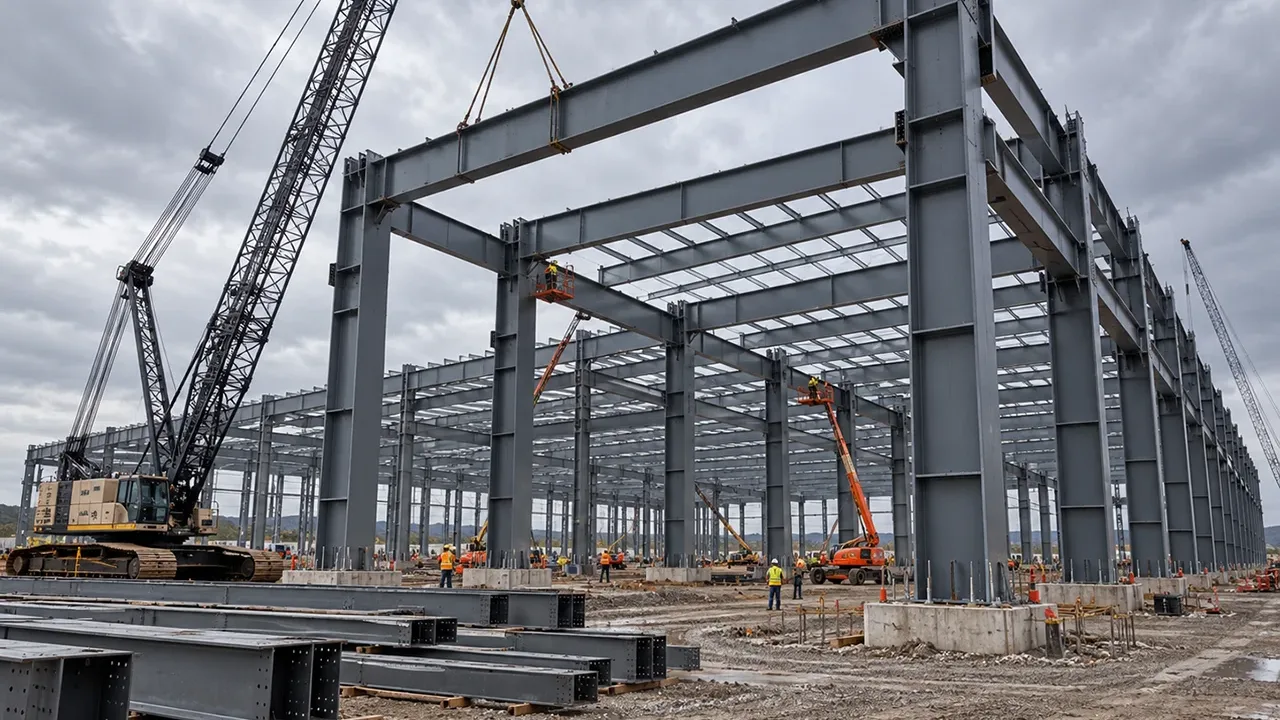
Portal frame structures are one of the most common roof systems used in industrial factories. They provide large clear spans with minimal internal columns, making them ideal for manufacturing and storage facilities. However, the sloped roof geometry and high elevation make roof access more complicated.
In many portal frame factories, roof panels are not designed to support direct foot traffic. Walking on unsupported panels can cause damage or structural failure. For this reason, dedicated walkways, ladders, and maintenance platforms must be included when designing factory roof maintenance access.
Another challenge with portal frame roofs is the presence of skylights and ventilation openings. These components create fragile areas that must be protected with guardrails or safety covers to prevent accidents during maintenance work.
Space Frame and Long-Span Roof Structures
Large industrial plants often use space frame or truss roof systems to achieve very wide spans. These structures allow factories to operate heavy equipment and overhead cranes without obstruction, but they also increase the complexity of maintenance access.
Because long-span roofs may reach significant heights, safe access cannot rely on temporary ladders alone. Permanent stairs, internal ladders, and roof walkways are typically required to ensure safe movement. In these buildings, proper factory roof maintenance access planning must consider both vertical access and horizontal movement across the roof.
Space frame roofs may also support lighting systems, suspended equipment, and cable installations. Maintenance personnel must be able to reach these locations safely without stepping on unsupported roof sheets.
Roof Structures With Overhead Crane Systems
Many heavy industrial factories use overhead crane systems integrated into the main structural frame. These cranes operate on runway beams located near the roof level, which creates additional structural elements that may interfere with access routes.
When cranes are present, roof maintenance becomes more complicated because access paths must avoid crane rails, electrical systems, and moving equipment. Engineers must carefully plan factory roof maintenance access so that maintenance workers can reach roof areas without interfering with crane operation.
In a well-designed steel structure factory, crane systems, roof structure, and maintenance routes are planned together. This integrated approach ensures that the building remains safe for both production and maintenance activities.
Risks of Poor Maintenance Access in Factory Roof Areas
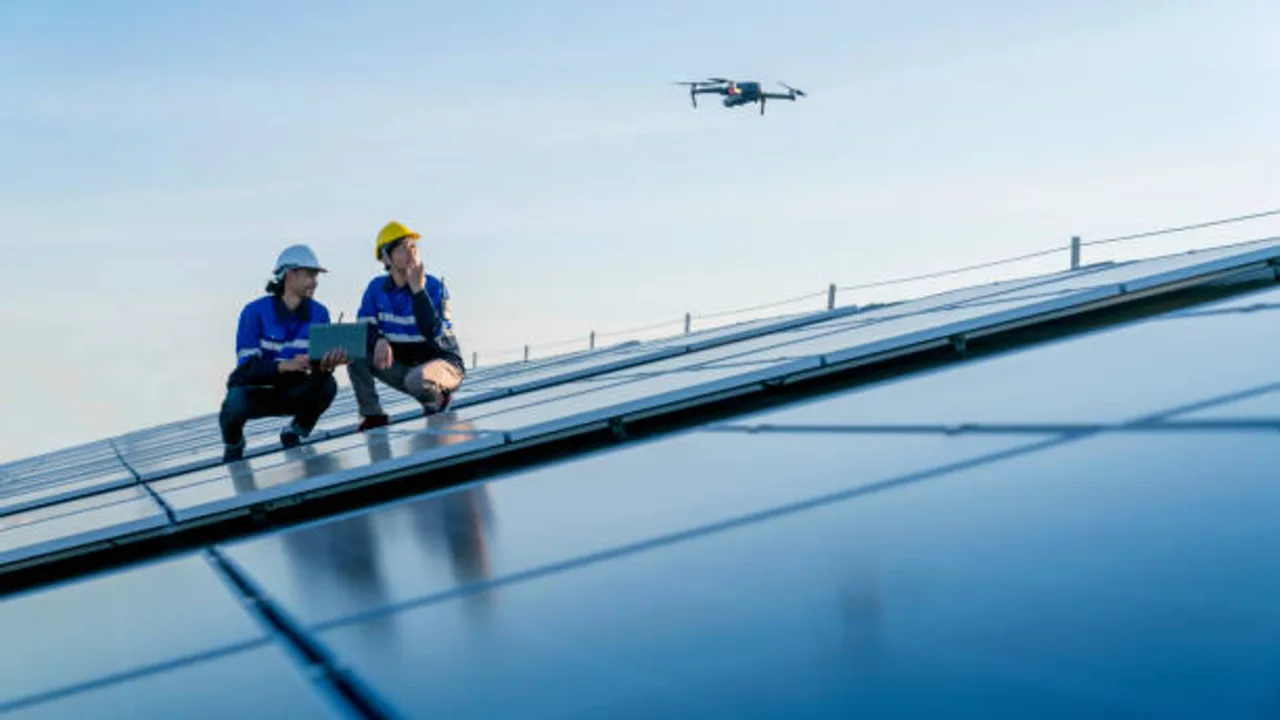
Failing to plan safe roof access during the design stage can create serious problems later. Many industrial accidents occur not because of structural failure, but because workers must perform maintenance in unsafe conditions. Proper factory roof maintenance access design reduces these risks and ensures that the building remains safe throughout its service life.
Safety Hazards for Workers
The most obvious risk of poor access planning is worker injury. Without permanent ladders, guardrails, or walkways, maintenance personnel may need to climb structural members or stand on unstable surfaces. This increases the risk of falling from height, which is one of the most common causes of industrial accidents.
Roof panels in steel factories are often thin metal sheets designed for weather protection, not for supporting people. Walking directly on these panels without reinforcement can cause deformation or collapse. A proper factory roof maintenance access system prevents workers from stepping on unsafe areas.
Fall protection systems such as lifelines, anchor points, and guardrails must be included in the design to ensure safe working conditions. These systems are much easier to install during construction than after the building is completed.
Inspection Difficulties
When roof access is difficult, regular inspection may be delayed or skipped. Small problems such as loose fasteners, minor leaks, or early corrosion can go unnoticed until they become serious structural issues.
Industrial buildings operate in harsh environments, including vibration, temperature change, moisture, and dust. These conditions make periodic inspection essential. Without planned factory roof maintenance access, maintenance teams may not be able to reach all parts of the roof safely.
As a result, damage may spread across large areas before repairs are performed, increasing both cost and downtime.
Higher Long-Term Maintenance Cost
Poor access planning often leads to higher maintenance expenses over time. If workers cannot reach equipment easily, repairs take longer and require additional temporary structures such as scaffolding or lifting platforms.
Temporary access equipment increases labor cost and may interrupt factory operation. In contrast, a well-designed factory roof maintenance access system allows maintenance to be performed quickly without affecting production.
Over the life of an industrial building, the cost of proper access planning is small compared to the cost of repeated unsafe or inefficient maintenance work.
Engineering Principles for Factory Roof Maintenance Access
Designing a safe and efficient factory roof maintenance access system requires more than simply adding a ladder to the building. Engineers must consider structural load capacity, worker safety, equipment location, and long-term maintenance needs. Access routes should be planned during the early design stage so that they integrate naturally with the building structure rather than being added later as temporary solutions.
In large industrial buildings, roof access must allow workers to move safely both vertically and horizontally. This means providing secure entry points, stable walking surfaces, and fall protection systems that comply with industrial safety standards.
Safe Access Path Design
Every industrial roof should have clearly defined maintenance routes. These routes guide workers safely from the ground level to the roof and across the roof surface. A well-designed factory roof maintenance access plan typically includes fixed ladders, internal stairs, roof walkways, and maintenance platforms.
Access paths should avoid fragile roof panels, skylights, and unsupported areas. Instead, walkways should be placed along structural members where the load can be safely transferred to the main frame. This prevents damage to roof panels and reduces the risk of accidents.
Safe access path design also improves efficiency. When workers can reach equipment quickly, inspection and repair tasks take less time and cause less disruption to factory operations.
Load Capacity of Roof Structure
Industrial roof systems are not always designed to support human traffic. Many roof panels are intended only to carry wind, snow, and insulation loads. If maintenance workers walk directly on these panels, structural damage may occur.
For this reason, factory roof maintenance access planning must include reinforced zones where foot traffic is expected. These zones may use thicker panels, additional purlins, or dedicated steel walkways supported by the main structure.
Engineers must calculate the load from workers, tools, and maintenance equipment when designing these areas. Proper load design ensures that the roof remains safe throughout the building’s lifetime.
Fall Protection Systems
Working at height is one of the most dangerous tasks in industrial maintenance. A complete factory roof maintenance access system must include fall protection measures to prevent accidents.
Common fall protection solutions include:
– Lifeline systems for safety harness attachment
– Guardrails along roof edges
– Anchor points for maintenance workers
– Safety cages on ladders
– Anti-slip walkway surfaces
These safety systems should be permanently installed and positioned along maintenance routes. Installing them during construction is far easier and more reliable than adding them later.
In modern industrial projects, fall protection is not optional. It is a required part of safe factory design.
Compliance With Safety Standards
Industrial buildings must comply with national and international safety regulations. These rules often specify requirements for ladder angle, railing height, platform width, and fall protection equipment.
When designing factory roof maintenance access, engineers must ensure that the building meets all applicable safety codes. This includes both structural safety standards and occupational safety regulations.
In a professionally designed steel structure factory, maintenance access, structural strength, and safety systems are designed together to meet these requirements without reducing building efficiency.
Access Solutions for Steel Factory Roof Maintenance
There are several practical solutions used in industrial buildings to provide safe roof access. The correct combination depends on the size of the building, roof height, equipment layout, and maintenance frequency. A good factory roof maintenance access design usually uses multiple access methods to ensure full coverage of the roof area.
Fixed Roof Ladders
Fixed ladders are one of the simplest and most reliable access methods. They are usually installed on the exterior or interior wall of the building and provide permanent vertical access to the roof.
Industrial ladders should include safety cages or fall protection systems when the height exceeds safety limits. The ladder should also connect directly to a safe roof walkway instead of leading to unsupported panels.
Fixed ladders are commonly used in medium-height factory buildings where roof access is required for inspection, cleaning, or equipment servicing.
Internal Access Stairs
For large factories, internal stairs are often safer and more convenient than external ladders. Stairs allow workers to carry tools and equipment more easily, which improves maintenance efficiency.
Internal stairs are usually located near technical rooms, crane platforms, or service corridors. In large industrial buildings, combining stairs with roof walkways creates a complete factory roof maintenance access system.
Stairs also provide safer evacuation routes in case of emergency, which makes them a preferred solution in high-roof industrial facilities.
Roof Walkways and Catwalk Systems
Roof walkways are essential for safe horizontal movement across large factory roofs. These walkways are typically installed above structural members so that the load is transferred directly to the main frame.
Walkways often use steel grating or anti-slip panels to prevent slipping during rain or dust conditions. Guardrails may also be installed along walkways when the roof slope or height creates a fall risk.
In large-span buildings, catwalk systems may be suspended below the roof structure to provide safe access to lighting, ventilation equipment, or crane components. These systems are especially useful in a modern steel structure factory where roof height can exceed several meters.
Maintenance Platforms Near Equipment
Industrial roofs often contain equipment such as ventilation units, air handling systems, skylights, and cable trays. Maintenance platforms should be installed near these components to allow safe inspection and repair.
Platforms provide stable working space and prevent workers from standing directly on roof panels. They also make it possible to service equipment without using temporary scaffolding.
When designing factory roof maintenance access, engineers should identify all equipment locations in advance and include platforms where regular maintenance will be required.
Safety Railings and Lifeline Systems
In addition to walkways and ladders, roof edges and high-risk areas must include protective systems. Safety railings prevent accidental falls, while lifeline systems allow workers to attach safety harnesses when working near edges.
Lifeline systems are especially important on sloped roofs or in areas where guardrails cannot be installed. Anchor points should be placed along maintenance routes so that workers remain protected at all times.
These systems are standard in modern industrial construction and are considered an essential part of any reliable factory roof maintenance access design.
Roof Layout Planning to Improve Safety
Effective factory roof maintenance access depends not only on ladders and walkways, but also on how the roof layout is planned during the design stage. A well-organized roof structure makes maintenance safer, faster, and more efficient. Engineers must consider the location of equipment, access routes, and structural supports before construction begins.
When roof layout planning is ignored, workers may need to cross unsafe areas to reach equipment. This increases the risk of accidents and may cause damage to roof panels. Proper planning ensures that maintenance paths are clear, stable, and easy to use throughout the building’s lifetime.
Separating Maintenance Routes From Production Zones
Maintenance access should not interfere with production activities. In many factories, roof access points are located near production areas, which can create safety conflicts between maintenance workers and operating equipment.
A good factory roof maintenance access design separates maintenance routes from main production zones whenever possible. Access ladders and stairs should be placed in service areas, utility rooms, or side walls of the building. This allows maintenance work to be performed without interrupting factory operations.
In a properly designed steel structure factory, engineers plan access locations together with production layout so that both safety and efficiency are maintained.
Designing Access Near HVAC and Skylights
Industrial roofs often contain ventilation units, exhaust fans, skylights, cable trays, and other equipment that require regular inspection. Access routes should lead directly to these locations without requiring workers to walk across unsupported panels.
Skylights are particularly dangerous because they may look strong but cannot support human weight. Guardrails, covers, or marked walkways should be installed around these areas to prevent accidents.
When planning factory roof maintenance access, engineers should identify all roof equipment early and provide safe paths to each location. This prevents the need for temporary solutions later.
Planning Access During Factory Design Stage
The safest and most economical time to plan roof access is during the initial building design. Adding ladders, platforms, and reinforcement after construction is usually more expensive and less effective.
During the design stage, engineers can integrate access systems into the structural frame. Walkways can be supported by beams, platforms can be attached to columns, and ladders can be placed where they do not interfere with production equipment.
Early planning also makes it easier to meet safety regulations. Modern industrial projects require that factory roof maintenance access be included in the engineering drawings, not added as an afterthought.
Material and Structural Design for Safe Roof Access
The materials used in roof construction have a direct impact on safety. Thin metal panels, insulation layers, and waterproof membranes are not designed to carry maintenance loads. Therefore, additional structural elements are required to create safe access areas.
Proper material selection ensures that factory roof maintenance access remains safe even after years of use.
Anti-Slip Surfaces
Roof surfaces may become slippery due to rain, dust, oil, or ice. Walkways and platforms should use anti-slip materials such as steel grating, textured plates, or coated panels to reduce the risk of slipping.
Anti-slip surfaces are especially important in outdoor areas where weather conditions cannot be controlled. Installing these materials along maintenance routes greatly improves worker safety.
Reinforced Roof Zones
Areas where workers are expected to walk must be reinforced to support additional load. Reinforcement may include thicker roof panels, additional purlins, or dedicated steel walkway frames.
Without reinforcement, roof panels may bend or fail under human weight. A properly designed factory roof maintenance access system ensures that all walking areas are structurally supported.
Durable Walkway Materials
Maintenance walkways must resist corrosion, vibration, and long-term use. Steel grating, galvanized steel plates, and aluminum walkways are commonly used because they provide strength and durability.
In industrial environments with high humidity or chemicals, corrosion protection is especially important. Using durable materials reduces maintenance cost and ensures that access systems remain safe over time.
Weather Protection Considerations
Factory roofs are exposed to sun, rain, wind, and temperature changes. Access systems must be designed to withstand these conditions without losing strength.
Drainage should be planned so that water does not collect on walkways. Fasteners must resist corrosion, and materials should be suitable for outdoor use. These details are essential for reliable factory roof maintenance access in long-term industrial operation.
Worker Safety Requirements for Roof Maintenance
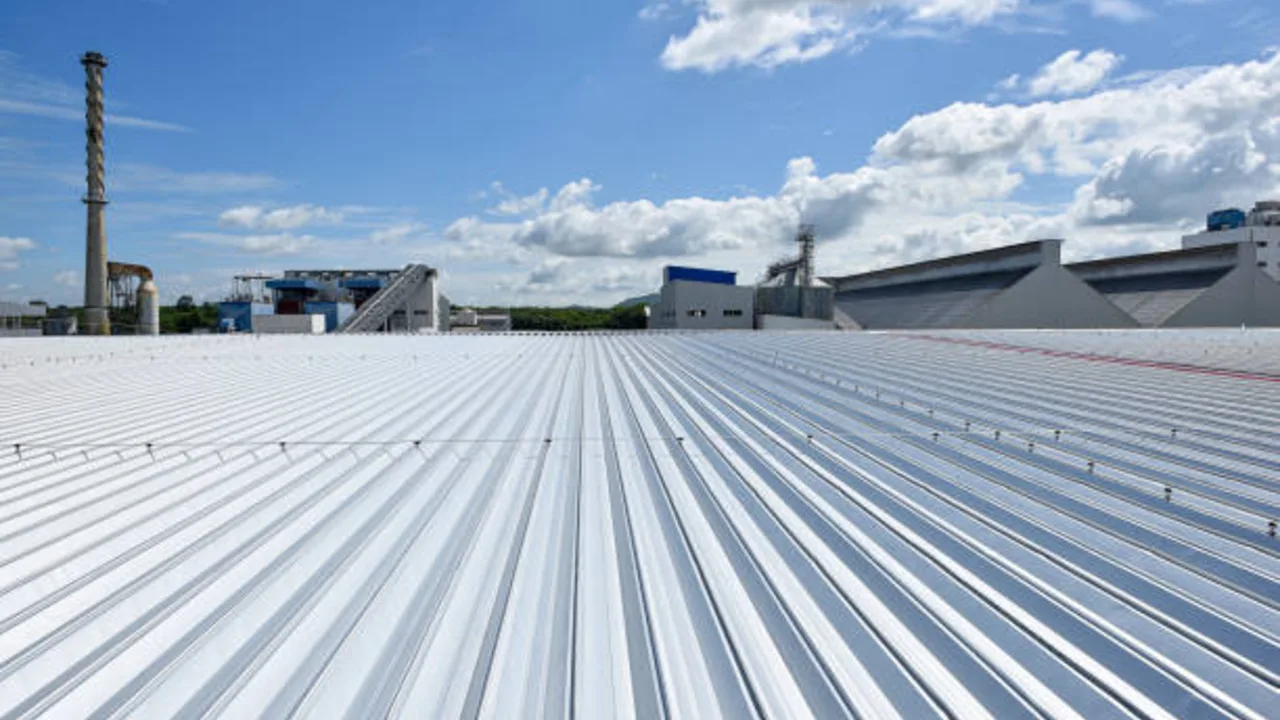
Industrial safety regulations require that all maintenance work at height be performed under controlled conditions. A complete factory roof maintenance access system must include not only structural elements, but also safety procedures and protective equipment.
Proper safety design reduces accidents and helps factories comply with workplace regulations.
Fall Protection Rules
Fall protection is mandatory when working on elevated structures. Workers should always have access to guardrails, lifeline systems, or anchor points when performing roof maintenance.
Edges of the roof, skylight openings, and high platforms must be protected with railings or covers. Safety harness attachment points should be placed along maintenance routes so that workers remain protected at all times.
These requirements must be considered during the design of factory roof maintenance access, not after construction.
Safe Maintenance Procedures
Even with good access systems, maintenance work should follow safe procedures. Workers must use approved routes, wear safety equipment, and avoid stepping on unsupported areas.
Clear marking of walkways and restricted zones helps prevent accidents. Signs, color markings, and safety labels should be installed along access paths.
Safe procedures combined with proper structural design create a reliable maintenance system for industrial buildings.
Training and Inspection Protocols
Maintenance personnel should be trained to use roof access systems correctly. Training should include ladder safety, fall protection use, and emergency procedures.
Regular inspection of ladders, walkways, and safety equipment is also necessary. Damaged or corroded components must be repaired immediately to keep the factory roof maintenance access system safe.
In modern industrial projects, maintenance planning is treated as part of engineering design, not just operational management.
Roof Maintenance Access Planning in Large Industrial Steel Factories
A practical example of proper factory roof maintenance access planning can be seen in the
Pingqian International Nantong Industrial Park steel factory project, a large-scale industrial building designed and constructed using a standardized portal frame steel structure system.
Located in Nantong, the project has a total building area of about 85,000㎡ and uses approximately 3,600 tons of structural steel, creating large-span roof areas that require careful maintenance planning. Because of the building’s size and height, safe access to roof zones, ventilation equipment, and structural components was an important part of the engineering design. Proper maintenance routes allow workers to inspect the roof safely without stepping on unsupported panels or interfering with factory operations.
In projects of this scale, factory roof maintenance access must be considered during the structural design stage. Portal frame systems create wide open spaces, but they also increase roof height and reduce natural access points. Engineers therefore include ladders, walkways, and reinforced maintenance paths to ensure that inspection and repair can be performed safely throughout the building’s service life.
This type of planning is common in a modern
steel structure factory, where roof safety, structural strength, and operational efficiency must be designed together. By integrating maintenance access into the original engineering drawings, the factory can maintain long-term performance while meeting industrial safety requirements.
Conclusion
Roof maintenance is an unavoidable part of industrial building operation, and safe access must be planned from the beginning. Without proper factory roof maintenance access, maintenance work becomes dangerous, inefficient, and expensive.
By designing safe ladders, walkways, platforms, and fall protection systems, engineers can ensure that roof inspection and repair can be performed without risk. Structural reinforcement, proper layout planning, and durable materials all contribute to a reliable maintenance system.
In modern industrial projects, maintenance access is considered an essential part of building engineering. Companies specializing in industrial construction understand that a well-designed steel structure factory must provide not only structural strength, but also safe and efficient access for long-term maintenance.