Industrial production environments are not always dry and clean. Many manufacturing processes generate large amounts of moisture, steam, or water vapor that can significantly affect building performance. Without proper factory high humidity design, excess moisture can lead to corrosion, condensation, equipment damage, and unsafe working conditions. In steel factory buildings, humidity control is especially important because steel structures are highly durable but can be vulnerable to long-term exposure to moisture if not properly protected.
Factories used for food processing, textile production, chemical manufacturing, coating lines, and washing operations often operate under high humidity conditions. In these environments, water vapor accumulates in the air and condenses on cold surfaces such as steel beams, roof panels, and wall cladding. If condensation is not controlled, water droplets can fall onto machinery, products, and floors, causing operational problems and safety risks.
Modern industrial engineering recognizes that environmental conditions must be considered as part of structural design. A well-planned factory high humidity design integrates ventilation systems, insulation layers, material protection, and building layout planning to prevent moisture accumulation inside the factory. When humidity control is included from the early design stage, steel factory buildings can maintain long service life, stable production conditions, and safe working environments.
Why High Humidity Is Critical in Industrial Production Areas
High humidity is not only an environmental issue — it is also a structural, mechanical, and operational challenge. Industrial buildings that operate in humid conditions must be designed differently from standard dry factories. Without proper planning, moisture can damage structural components, reduce equipment reliability, and increase maintenance costs over time.
Sources of Humidity in Factories
Many industrial processes generate moisture as part of normal production. Washing lines, cooling systems, chemical reactions, and steam-based manufacturing all release water vapor into the air. In enclosed factory buildings, this moisture can accumulate quickly if ventilation and dehumidification systems are not designed correctly.
Common sources of humidity in factories include:
- Wet processing lines
- Food and beverage production
- Textile and dyeing operations
- Chemical and coating processes
- Cooling towers and refrigeration systems
- Cleaning and washing equipment
Because modern factories often use large enclosed steel buildings, the volume of air inside the structure is high, but moisture can still concentrate in specific production zones. This makes factory high humidity design an essential part of industrial building engineering.
Effects of Humidity on Steel Structures
Steel is one of the strongest and most efficient construction materials, but it must be properly protected in humid environments. When moisture accumulates on steel surfaces, corrosion can develop over time. Even when protective coatings are applied, continuous exposure to high humidity can shorten the life of structural components if the building is not designed to control condensation.
Condensation often forms on roof panels, beams, and wall cladding when warm humid air contacts cooler surfaces. In large factory buildings, this can create dripping water that falls onto equipment and work areas. Without proper factory high humidity design, these problems can become severe, especially in factories that operate continuously.
Impact on Equipment and Production
High humidity does not only affect the building structure. Industrial equipment can also suffer from excessive moisture. Electrical systems are particularly sensitive to condensation, and moisture can cause short circuits, sensor errors, and unexpected shutdowns.
Machinery exposed to humid air may develop rust or require more frequent maintenance. In precision manufacturing environments, even small amounts of condensation can affect product quality. For example, coating lines, electronics production, and packaging operations often require controlled humidity levels to maintain stable results.
Proper factory high humidity design helps protect both the building and the production system by maintaining stable environmental conditions throughout the facility.
Worker Safety and Comfort
Humidity also affects workers. High moisture levels can make floors slippery, increase the risk of mold growth, and reduce air quality. In hot and humid factories, workers may experience fatigue more quickly, which can reduce productivity and increase accident risk.
Industrial safety standards in many countries require factories to maintain acceptable temperature and humidity levels to protect workers. Designing a factory with proper ventilation, insulation, and moisture control systems is therefore not only a technical requirement but also a safety responsibility.
Factories designed with correct factory high humidity design principles provide a more stable indoor climate, reduce maintenance problems, and improve overall production reliability.
Engineering Principles of Factory High Humidity Design
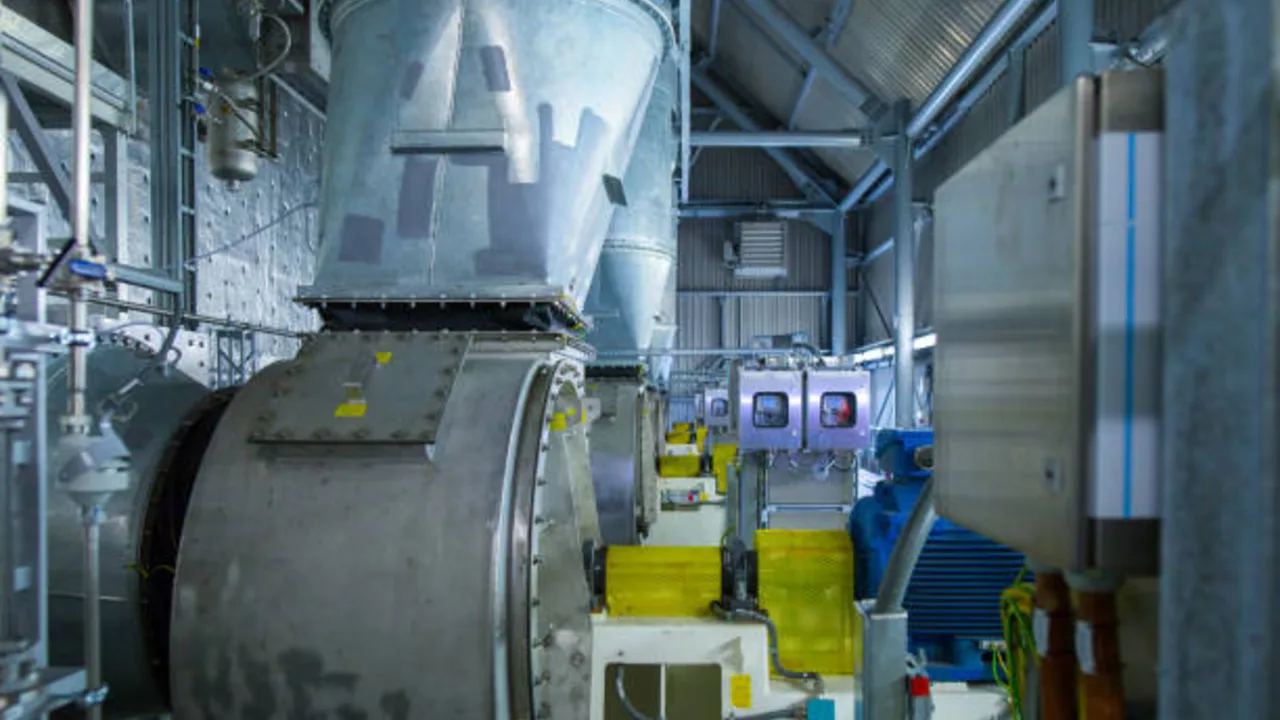
Effective factory high humidity design requires more than simply adding ventilation fans or installing insulation. Humidity control must be integrated into the structural, mechanical, and architectural design of the factory. Engineers must understand how moisture behaves inside large industrial buildings and how temperature, airflow, and material selection influence condensation and corrosion.
In steel factory buildings, humidity problems are often related to the interaction between warm moist air and cold structural surfaces. When these conditions are not properly managed, condensation forms on roof panels, steel beams, and wall systems. Over time, this can damage coatings, increase corrosion risk, and affect both equipment and production processes.
Moisture Control vs Temperature Control
Many people assume that humidity problems can be solved simply by lowering temperature, but moisture control and temperature control are not the same. Humidity depends on the amount of water vapor in the air, not just the air temperature. In large industrial buildings, warm air can hold significant moisture, and when this air cools, condensation may occur.
Proper factory high humidity design must consider:
- Air temperature
- Relative humidity
- Dew point temperature
- Surface temperature of steel components
- Airflow movement inside the building
Without understanding these factors, factories may experience condensation even when ventilation systems are installed.
Condensation Mechanism in Steel Buildings
Condensation occurs when humid air contacts a surface that is colder than the dew point temperature. This is very common in steel factory buildings because steel conducts heat quickly. Roof panels and structural members can become cooler than the surrounding air, especially at night or during seasonal temperature changes.
Typical condensation locations include:
- Roof panels
- Wall cladding
- Steel beams
- Crane runway girders
- Ventilation ducts
If condensation forms repeatedly, water droplets may fall from the roof onto production lines. This is one of the most common problems in factories without proper factory high humidity design. Preventing condensation requires insulation, vapor barriers, and controlled airflow.
Airflow Management in Large Steel Factories
Air movement plays a major role in controlling humidity. In large-span factory buildings, air can become trapped in certain zones, allowing moisture to accumulate. Poor airflow often leads to localized condensation problems even when the overall building ventilation seems sufficient.
To achieve effective factory high humidity design, engineers must plan airflow carefully by using:
- Roof ventilators
- Sidewall louvers
- Mechanical exhaust systems
- Fresh air intake systems
- High-volume low-speed fans
Proper airflow design ensures that humid air is removed before condensation can occur on structural surfaces.
Structural Design Considerations for Humid Environments
Structural design must also adapt to humid conditions. Steel factory buildings used in high humidity production areas often require additional protection compared to standard industrial buildings.
Important structural considerations include:
- Anti-corrosion coating systems
- Galvanized structural components
- Proper drainage design
- Roof insulation systems
- Water-resistant wall assemblies
When these elements are included in the early design stage, the building can maintain long-term durability even in demanding environments. A properly engineered factory high humidity design reduces maintenance cost, prevents structural damage, and improves reliability of industrial operations.
Material Selection for High Humidity Factory Buildings
Choosing the correct materials is essential for factories that operate in humid conditions. Steel structures themselves are strong and efficient, but without proper protection, moisture exposure can reduce their lifespan. Material selection must therefore be part of the overall factory high humidity design strategy.
Anti-Corrosion Steel Coating Systems
Protective coatings are the first line of defense against humidity-related damage. Steel components in humid factories are often treated with galvanizing, epoxy coatings, or polyurethane systems to prevent corrosion.
Common protection methods include:
- Hot-dip galvanizing
- Epoxy primer coating
- Polyurethane finish coating
- Stainless steel components for critical areas
These systems help prevent rust formation and extend the service life of structural members in high humidity environments.
Insulated Sandwich Panels for Condensation Control
Wall and roof panels play a major role in preventing condensation. Insulated sandwich panels are widely used in humid factories because they provide both thermal insulation and moisture control.
These panels typically include:
- Outer metal sheet
- Insulation core
- Inner metal sheet
The insulation layer reduces temperature difference between inside air and structural surfaces, which helps prevent condensation. In many industrial projects, insulated panels are a key component of effective factory high humidity design.
Roof Insulation and Vapor Control Layers
Roof systems are the most common location for condensation problems. Warm humid air naturally rises toward the roof, where it may contact cooler surfaces. Without proper insulation, water droplets can form and drip onto production equipment.
To prevent this, factory roofs often include:
- Thermal insulation layers
- Vapor barrier membranes
- Anti-condensation coatings
- Double-layer roof systems
These solutions help maintain stable surface temperature and reduce moisture accumulation inside the building.
Floor and Drainage Design
High humidity factories often include washing processes, cooling systems, or liquid handling operations. Floor design must allow water to drain properly to prevent standing moisture.
Important design features include:
- Sloped concrete floors
- Drainage channels
- Waterproof floor coatings
- Corrosion-resistant floor finishes
Proper drainage planning supports overall factory high humidity design by preventing water accumulation that could increase indoor humidity levels.
Ventilation and Dehumidification Systems
Ventilation plays a critical role in effective factory high humidity design. In production environments where moisture is constantly generated, air must be continuously exchanged to prevent vapor accumulation. Without proper ventilation, humidity levels can rise quickly, increasing the risk of condensation, corrosion, and equipment damage.
In steel factory buildings, ventilation systems must be designed according to building size, production type, and moisture load. Large-span structures require carefully planned airflow paths to ensure that humid air does not remain trapped inside the building.
Natural Ventilation vs Mechanical Ventilation
Natural ventilation can be effective in some factories, especially when humidity levels are moderate. Roof ventilators, ridge vents, and sidewall louvers allow warm moist air to escape naturally. However, in high humidity production areas, natural ventilation alone is often not enough.
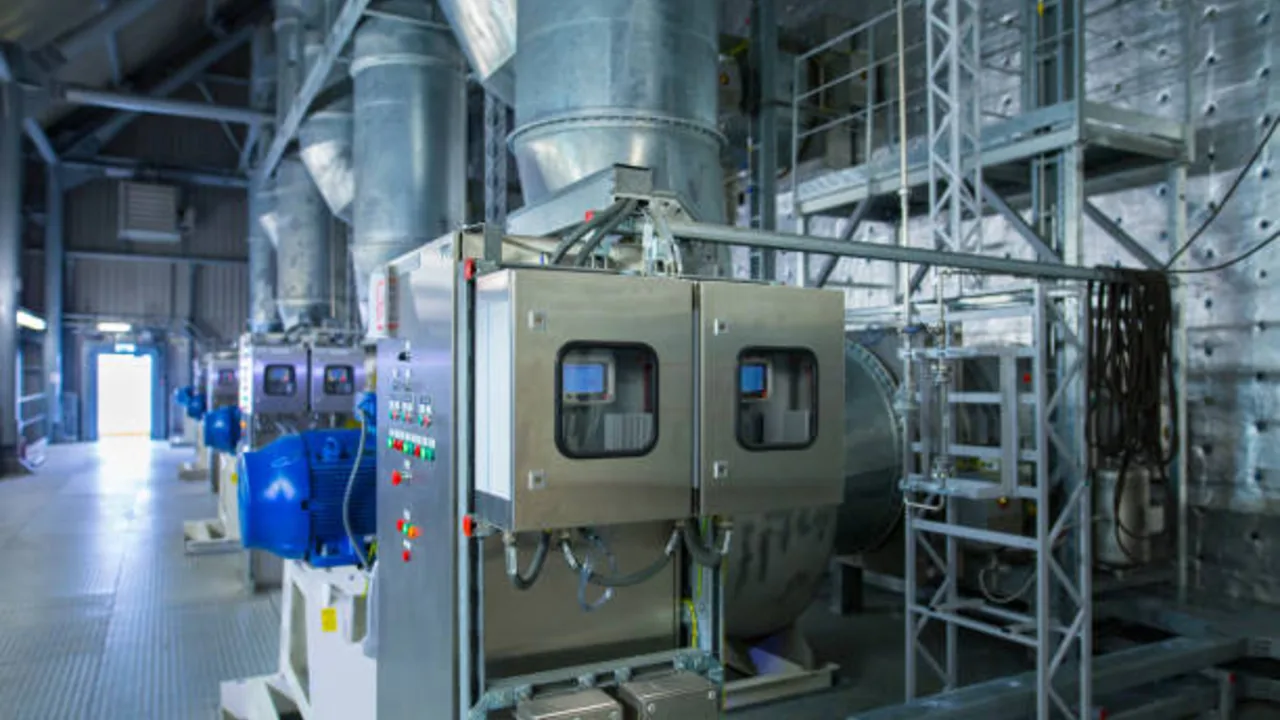
Mechanical ventilation systems provide controlled airflow and are commonly used in factories with heavy moisture production. Exhaust fans, air handling units, and forced air systems help remove humid air and maintain stable indoor conditions.
A well-designed factory high humidity design often combines natural and mechanical ventilation to achieve reliable performance under different operating conditions.
Industrial Exhaust Systems
Exhaust systems are essential for removing moisture directly from production zones. In factories with washing lines, steam processes, or chemical reactions, humidity is usually concentrated in specific areas. Installing local exhaust systems prevents moisture from spreading across the entire building.
Common exhaust solutions include:
- Roof exhaust fans
- Wall-mounted exhaust units
- Ducted extraction systems
- Process ventilation hoods
These systems help maintain lower humidity levels and reduce the chance of condensation on structural components.
Dehumidifier Systems in Production Areas
In some industries, ventilation alone cannot maintain the required humidity level. Dehumidifiers are often used in factories where precise environmental control is necessary. These systems remove moisture from the air and keep humidity within a specified range.
Dehumidification is commonly required in:
- Electronics manufacturing
- Food processing
- Pharmaceutical production
- Coating and painting lines
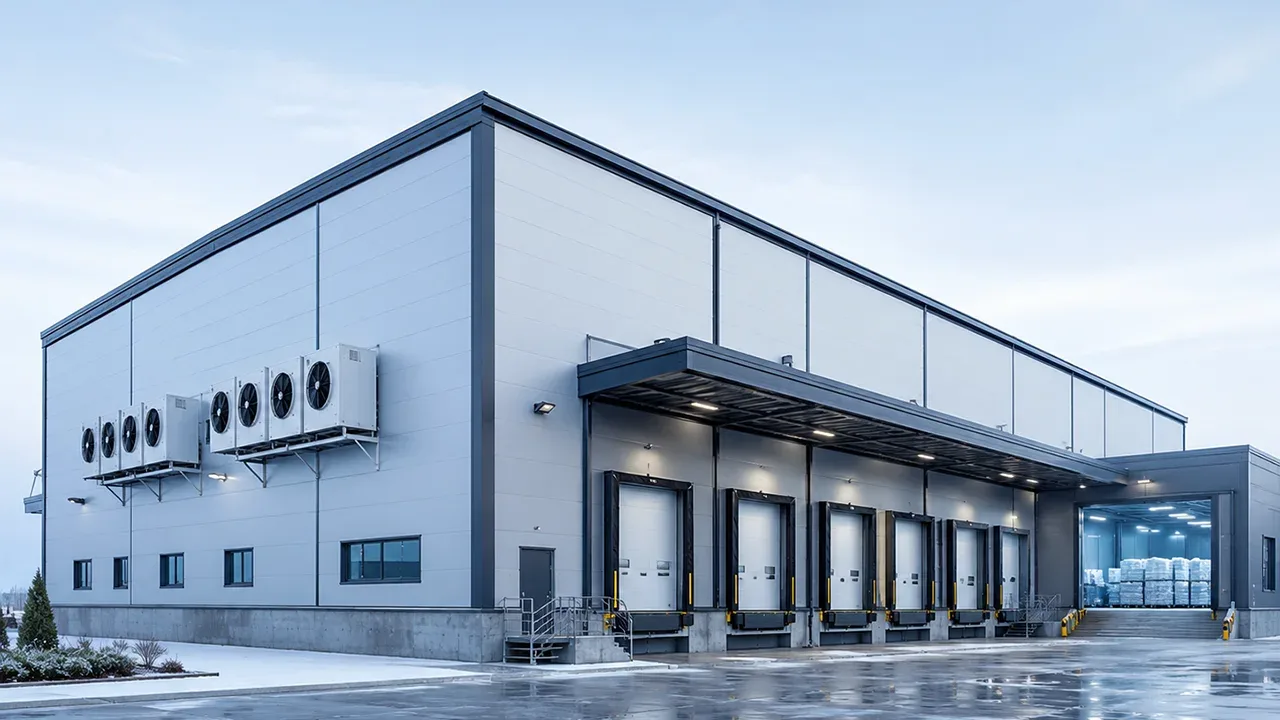
- Cold storage facilities
Including dehumidification equipment as part of factory high humidity design ensures stable production conditions and protects both structure and machinery.
Airflow Zoning in Large Factory Buildings
Large industrial buildings often contain areas with different humidity levels. Instead of treating the entire building as one space, engineers divide the factory into zones. High humidity production areas are separated from dry zones to reduce moisture transfer.
Zoning strategies may include:
- Separate ventilation systems
- Partition walls
- Air curtains
- Pressure-controlled rooms
Proper zoning improves the efficiency of ventilation systems and is an important part of modern factory high humidity design.
Factory Layout Design for High Humidity Zones
Building layout has a major influence on humidity control. A factory designed without considering moisture sources may experience condensation problems even when ventilation systems are installed. Planning the internal layout correctly allows engineers to control how humid air moves through the building.
Separating wet and dry production areas is one of the most effective strategies in factory high humidity design.
Separating Wet Production Areas
Processes that generate moisture should be grouped together instead of being distributed across the building. This makes it easier to install local ventilation and prevents humidity from spreading into sensitive production zones.
Typical wet areas include:
- Cleaning lines
- Cooling systems
- Steam processes
- Chemical mixing areas
By concentrating these operations in one zone, engineers can design targeted humidity control systems.
Buffer Zones for Dry Areas
Factories often contain offices, storage areas, control rooms, or precision production lines that require lower humidity. Buffer zones should be placed between wet and dry areas to reduce moisture transfer.
Buffer spaces may include:
- Corridors
- Maintenance rooms
- Utility areas
- Storage rooms
These intermediate spaces act as environmental barriers and help maintain stable conditions in sensitive areas.
Equipment Placement Strategy
Heavy equipment that produces heat and moisture should not be located directly under roof areas where condensation is likely to occur. Proper equipment placement reduces the chance of water dripping onto machines.
In large industrial buildings, layout planning must be coordinated with structural design. A properly designed factory steel structure allows flexible equipment arrangement while maintaining efficient airflow and drainage.
Structural Bay Planning in Steel Factory Layout
Column spacing and structural bay arrangement can affect airflow and humidity distribution. Large-span steel buildings allow engineers to organize production zones more efficiently. Wide bays make it easier to separate humid and dry areas without structural limitations.
This flexibility is one of the reasons why steel buildings are commonly used for high humidity industrial environments.
Condensation Control in Steel Roof and Wall Systems
Condensation is one of the most common problems in humid factories. When warm moist air contacts cooler surfaces, water droplets form and may drip onto equipment or products. Preventing condensation is a key objective of factory high humidity design.
Roof Drip Problems in Humid Factories
Roof panels are usually the coldest surfaces in a factory building. During temperature changes, condensation may form on the underside of the roof. In large buildings, this can result in water dripping across wide areas.
Roof condensation can cause:
- Equipment damage
- Product contamination
- Safety hazards
- Corrosion of steel members
Proper insulation and ventilation are required to prevent this problem.
Anti-Condensation Membrane
Anti-condensation membranes can be installed under roof panels to absorb moisture and prevent dripping. These materials temporarily hold water vapor and allow it to evaporate when conditions change.
This solution is commonly used in steel factory buildings where humidity levels are high but full insulation systems are not required.
Double Layer Roof Systems
Double-layer roof systems provide better thermal control and reduce condensation risk. An insulated roof keeps the interior surface temperature closer to indoor air temperature, preventing moisture from forming.
Typical systems include:
- Insulated sandwich roof panels
- Metal roof with insulation blanket
- Roof + ceiling combination
These designs are widely used in modern factory high humidity design.
Thermal Bridge Prevention
Thermal bridges occur when heat transfers through structural members, creating cold spots where condensation can form. Steel beams and purlins can act as thermal bridges if not properly insulated.
To prevent this, designers may use:
- Thermal break materials
- Insulated connections
- Continuous insulation layers
Reducing thermal bridges improves both energy efficiency and humidity control.
Real Project Example — High Humidity Industrial Facility
A practical example helps illustrate the importance of proper factory high humidity design in real industrial construction. In large manufacturing facilities where moisture-producing processes are involved, structural planning, insulation, and ventilation must be considered together.
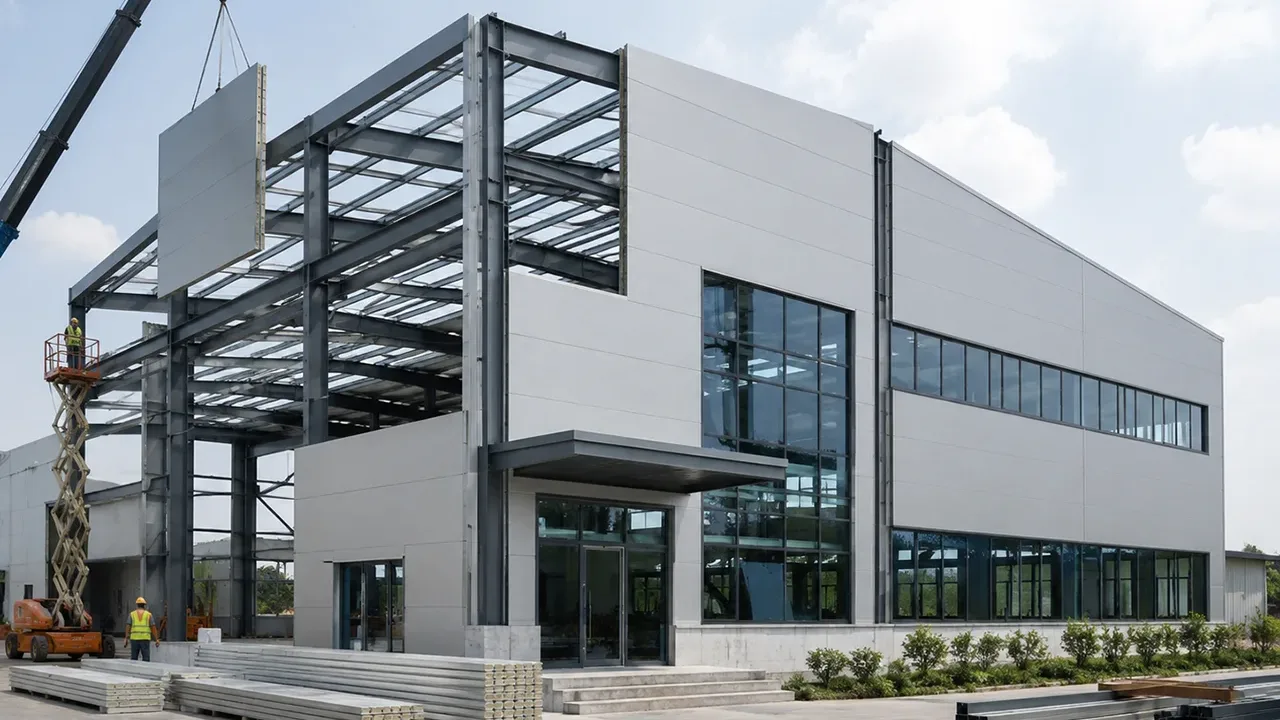
In one large-span industrial project, the building was designed using a spatial steel structure system to create wide column-free production areas. This layout allowed flexible placement of wet production lines while keeping sensitive equipment in controlled zones.
Because the facility included washing processes and cooling systems, humidity levels were expected to remain high during operation. To prevent condensation, the design included insulated roof panels, anti-corrosion coatings, and mechanical ventilation systems. Local exhaust units were installed above wet production areas to remove moisture before it could spread across the building.
Projects like these demonstrate that successful humidity control depends on both environmental engineering and structural planning. A properly designed steel factory can operate safely even in demanding production conditions when factory high humidity design principles are applied from the beginning.
Future Trends in Humidity-Controlled Factory Design
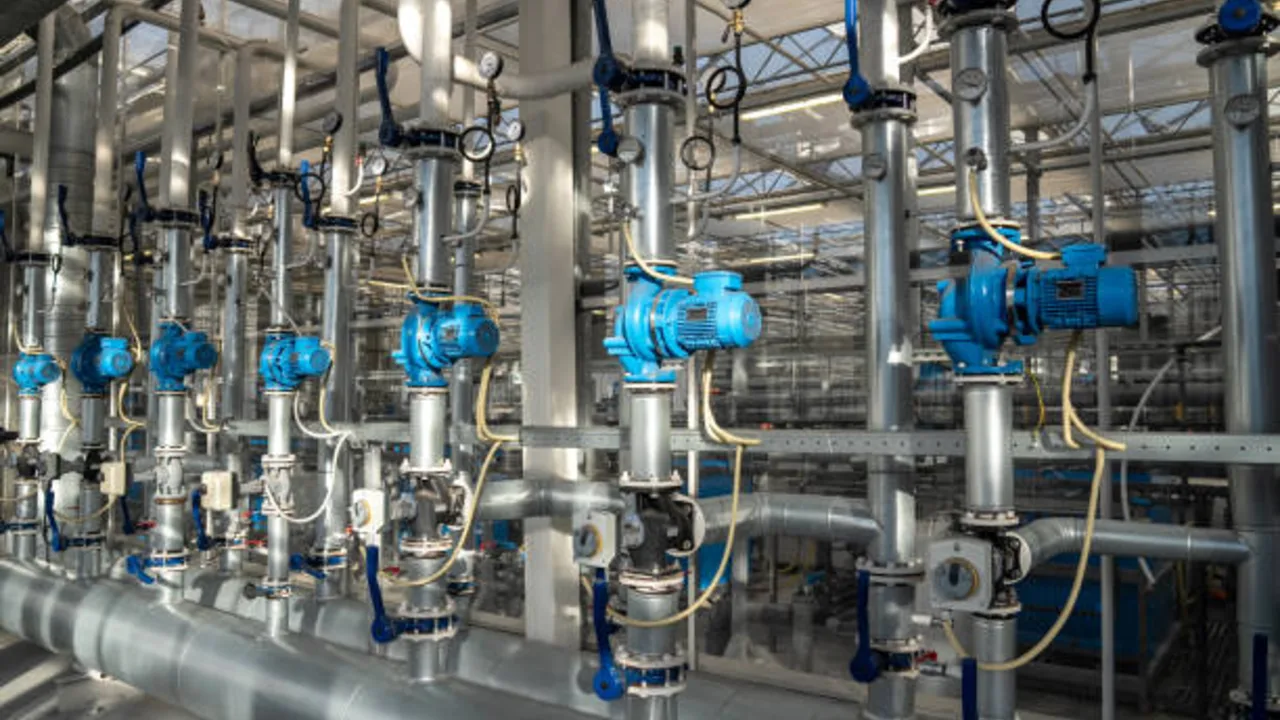
As industrial production becomes more advanced, environmental control systems are also evolving. Modern factories increasingly use smart monitoring and automated climate control to maintain stable conditions.
Smart Climate Control Systems
Sensors can monitor temperature and humidity in real time and automatically adjust ventilation or dehumidification systems. This allows factories to maintain optimal conditions without manual adjustment.
Sensor-Based Humidity Monitoring
Humidity sensors installed in different zones help engineers detect problems early. When humidity rises in one area, the system can increase airflow or activate dehumidifiers.
Advanced Coating Technology
New anti-corrosion coatings provide better protection for steel structures exposed to moisture. These coatings extend the service life of buildings used in humid environments.
Integrated Environmental Design in Steel Factories
Modern industrial projects integrate structural design, ventilation, insulation, and environmental control from the early planning stage. This integrated approach results in more reliable performance and lower maintenance cost.
Conclusion
High humidity is one of the most challenging conditions in industrial building design. Without proper planning, moisture can cause corrosion, condensation, equipment failure, and unsafe working environments. Effective factory high humidity design combines structural protection, ventilation systems, insulation, and layout planning to control moisture inside the building.
Steel factory buildings provide flexibility and strength, but they must be designed carefully for humid production areas. When humidity control is included from the beginning, factories can achieve long service life, stable production conditions, and safe operation even in demanding industrial environments.