Structural safety is one of the most important considerations in industrial building design. Modern factories often contain heavy equipment, overhead cranes, long-span roofs, and complex utility systems. Because of these factors, the structure must not only be strong but also able to remain stable even if part of the system fails. This concept is known as factory structural redundancy, and it plays a critical role in the design of large industrial buildings.
In engineering, redundancy means providing additional load paths or backup structural elements so that the building can continue to stand even when one component is damaged. In steel factories, redundancy is especially important because the structure often supports heavy dynamic loads and operates continuously for many years. Without proper factory structural redundancy, a local failure may lead to progressive collapse or serious damage.
Modern industrial projects require engineers to consider risk mitigation from the earliest design stage. Instead of designing a structure that only meets minimum strength requirements, engineers must design systems that can tolerate unexpected conditions such as overload, impact, or connection failure. Proper redundancy planning allows the factory to maintain safety and operation even when problems occur.
Large industrial facilities built with steel structural systems benefit greatly from redundancy strategies. Steel structures are flexible, modular, and capable of carrying large loads, but they must be designed carefully to prevent chain reactions if one member fails. By applying factory structural redundancy principles, engineers can reduce risk, improve safety, and increase the reliability of the building.
What Structural Redundancy Means in Industrial Buildings
Structural redundancy refers to the ability of a building to remain stable even when one part of the structure stops working. In industrial construction, redundancy is achieved by designing multiple load paths, additional bracing, or backup structural members. This ensures that the load can be redistributed instead of causing immediate failure.
In large factories, redundancy is not optional. Because industrial buildings often operate under heavy loads and harsh conditions, the structure must be able to resist unexpected events without collapse. For this reason, factory structural redundancy is considered a key requirement in modern steel factory design.
Definition of Structural Redundancy
Structural redundancy means that more than one structural element can carry the same load. If one beam, column, or connection fails, other members can take over the load and keep the building stable.
In simple buildings, redundancy may not be critical, but in industrial factories the consequences of failure are much greater. A single structural problem can stop production, damage equipment, or create safety hazards.
Because of these risks, engineers design factory structural redundancy to ensure that no single failure can cause total collapse.
Difference Between Strength and Redundancy
Strength and redundancy are not the same. Strength means the structure can carry the expected load, while redundancy means the structure can survive unexpected conditions.
A strong structure without redundancy may fail suddenly if one member breaks. A redundant structure can redistribute the load and remain stable.
In factory design, both strength and factory structural redundancy are required to ensure safety.
Why Factories Need Redundant Systems
Factories are different from ordinary buildings because they contain heavy machinery, moving equipment, and dynamic loads. Overhead cranes, production lines, and storage systems create forces that change over time.
Because of these conditions, the structure must be able to handle overload or accidental damage. Redundant systems provide extra safety by allowing the building to continue functioning even if part of the structure is damaged.
Without factory structural redundancy, the risk of progressive collapse increases.
Importance in Large Steel Buildings
Steel factories often use long-span frames and large open spaces. These designs are efficient but can be sensitive to local failure.
If one column or connection fails in a long-span building, the load may suddenly transfer to other members. Without redundancy, this can cause a chain reaction.
For this reason, factory structural redundancy is especially important in steel structures where large areas depend on a limited number of primary members.
Why Structural Redundancy Is Important in Factory Design
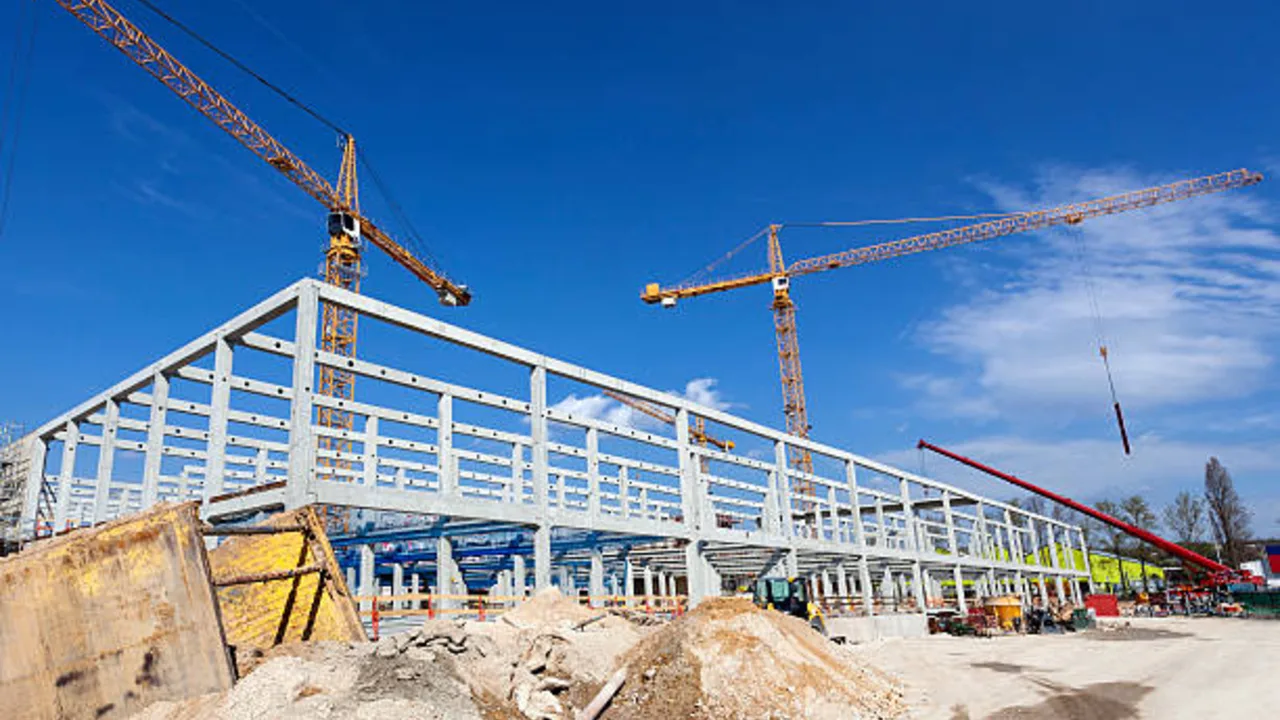
Industrial buildings must remain safe not only under normal conditions but also during unexpected events. Equipment impact, overload, extreme weather, or construction defects can all create situations that were not part of the original design.
Redundancy allows the structure to tolerate these situations without collapse. In modern engineering, factory structural redundancy is one of the main methods used to reduce risk in large industrial projects.
Preventing Progressive Collapse
Progressive collapse occurs when failure of one structural member causes other members to fail in sequence. This type of failure can happen quickly and may affect a large part of the building.
Redundant design prevents this by providing alternative load paths. If one member fails, the load is transferred safely to other parts of the structure.
Preventing progressive collapse is one of the main reasons for using factory structural redundancy.
Maintaining Operation After Damage
Factories often operate continuously, and shutting down production can be very expensive. If the structure has redundancy, local damage may not require stopping the entire operation.
For example, if one beam is damaged, the remaining structure may still support the load until repair is completed.
This ability to continue operation is an important advantage of factory structural redundancy.
Safety Requirements in Industrial Projects
Modern building codes require higher safety levels for industrial structures. In many cases, the design must consider accidental loads, equipment impact, or partial failure.
Redundancy helps meet these requirements by ensuring that the structure can resist unexpected conditions.
In large steel factories, safety regulations often require multiple bracing systems, strong connections, and backup load paths.
Risk in Long-Span Structures
Long-span steel factories are efficient because they provide large open spaces, but they also carry higher risk. When the span is large, fewer columns support the entire roof.
If one column or beam fails, the load on the remaining members increases quickly.
Factory structural redundancy reduces this risk by distributing loads through additional structural elements.
Common Risks in Steel Factory Structures
Steel factory buildings are designed to support heavy loads, large spans, and continuous operation. However, these same features can also create structural risks if the design does not include proper redundancy. Industrial buildings are exposed to dynamic loads, equipment impact, environmental forces, and long-term fatigue. Because of these conditions, factory structural redundancy must be considered during the design stage to reduce the possibility of sudden failure.
Understanding the typical risks in steel factory structures helps engineers decide where redundancy is required and how additional safety systems should be added.
Overhead Crane Loads
Many industrial factories use overhead crane systems to move heavy materials. Crane loads are not constant. They move along the runway beams and create dynamic forces on columns and connections.
If the crane load is higher than expected or if the runway beam connection fails, the force may be transferred to other structural members. Without factory structural redundancy, this transfer can overload nearby beams or columns.
Redundant bracing, stronger connections, and backup support frames are often used to reduce crane-related risk.
Equipment Concentrated Loads
Factories often contain heavy machines placed in specific areas. These concentrated loads can create high stress in the floor or structural frame.
If one support fails, the load may shift suddenly to adjacent members. Without multiple load paths, this can cause progressive damage.
Redundancy allows the structure to redistribute the load safely and prevents local failure from affecting the entire building.
Roof Load and Ponding
Industrial roofs usually have large spans and low slopes. During heavy rain, water may accumulate on the roof. This effect, called ponding, increases the load on beams and purlins.
If the structure does not have enough stiffness or backup support, the additional load may cause excessive deflection.
By designing factory structural redundancy into the roof system, engineers can ensure that the structure remains stable even when unexpected water load occurs.
Seismic and Wind Load
In many regions, factories must resist earthquakes and strong wind. These forces may act in directions that are different from normal load conditions.
If the structure relies on only one bracing system, failure of that system may lead to collapse.
Redundant bracing, additional frames, and stronger connections allow the building to remain stable even when one part is damaged.
Because industrial buildings are large, seismic and wind resistance often require higher levels of factory structural redundancy than ordinary buildings.
Connection Failure Risk
In steel structures, connections are critical points. Bolts, welds, and plates transfer loads between members. If a connection fails, the load path may suddenly change.
Without redundancy, connection failure may cause a chain reaction.
For this reason, engineers often design multiple connection paths, extra bolts, or additional plates to ensure that the structure can still carry load after local damage.
Connection redundancy is one of the most important parts of factory structural redundancy.
Basic Redundancy Strategies in Steel Factory Design
To improve safety, engineers use several common redundancy strategies in industrial buildings. These strategies provide alternative load paths and prevent local failure from spreading.
In large factories, redundancy must be planned together with structural layout, equipment arrangement, and future expansion requirements.
Multiple Load Paths
One of the main principles of redundancy is providing more than one path for load transfer. Instead of relying on a single beam or column, the structure should allow the load to move through different members.
If one element fails, the load can be carried by other parts of the structure.
Multiple load paths greatly reduce the chance of sudden collapse and are a key part of factory structural redundancy.
Extra Bracing Systems
Bracing systems provide stability against horizontal forces such as wind, earthquake, and crane movement.
In many factories, additional bracing is added even if the minimum design does not require it. This extra bracing helps maintain stability if one brace is damaged.
Redundant bracing is especially important in long-span steel buildings.
Redundant Columns
In some factory designs, extra columns are placed in critical areas to provide additional support.
These columns may not carry full load under normal conditions, but they can help prevent collapse if another column fails.
Redundant columns are often used near crane supports, heavy equipment zones, or large openings.
Backup Structural Members
Backup members are additional beams, ties, or supports that increase structural reliability.
For example, secondary beams may be installed to support the roof if the main beam is damaged. Tie beams can connect frames and help share load.
Adding backup members is a common way to improve factory structural redundancy without major cost increase.
Independent Structural Zones
Large factories can be divided into separate structural zones. Each zone can support itself without depending entirely on the rest of the building.
If one zone is damaged, the other zones remain stable.
Independent zoning is often used in very large steel factories to prevent progressive collapse.
Redundancy Design in Long-Span Steel Factories
Long-span steel factories require special attention to redundancy because large areas are supported by fewer structural members. If one member fails, the effect can spread quickly.
To reduce this risk, engineers use additional safety measures in long-span buildings. These measures ensure that the structure can continue to carry load even if part of the system is damaged.
Portal Frame Redundancy
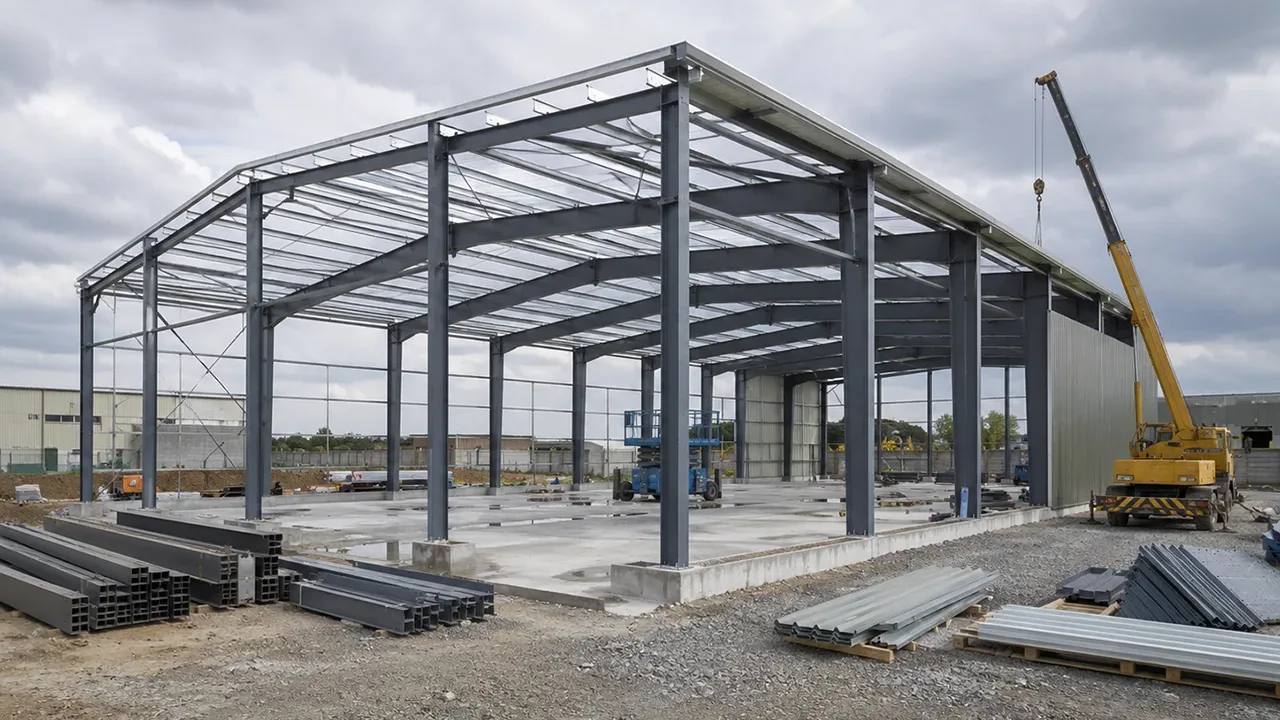
Portal frames are commonly used in steel factories. These frames provide large open space but rely on strong connections between columns and rafters.
Redundancy can be added by using additional bracing, tie beams, or secondary frames.
These elements help redistribute load if one frame is damaged.
Truss System Backup
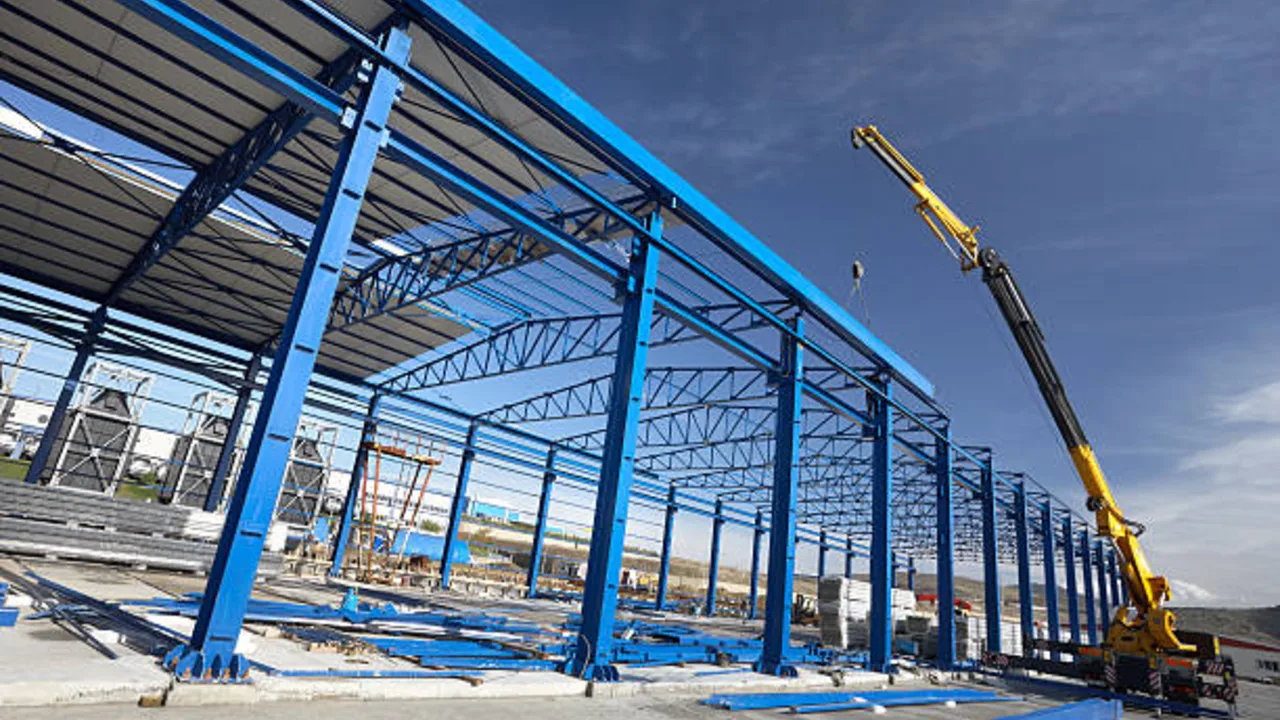
In factories with truss roofs, the truss carries the main load. If one member fails, the entire truss may become unstable.
To prevent this, engineers may design secondary supports or additional bracing that allows the load to be transferred to nearby members.
Backup support systems improve factory structural redundancy in truss structures.
Crane Beam Support Safety
Crane beams carry heavy moving loads, so they must have strong support.
Redundancy may include additional brackets, stronger column connections, or extra support frames.
These measures prevent crane failure from damaging the entire structure.
Roof System Stability
Roof systems must remain stable even when part of the structure is damaged. Secondary purlins, tie rods, and bracing can help keep the roof in place.
Stable roof design is essential for factory structural redundancy, especially in buildings with large spans.
Redundancy in Modern steel structure factory building Design
Modern industrial facilities are larger, more complex, and more heavily loaded than older factories. Because of this, structural design must go beyond basic strength calculations. Engineers must also consider how the building will behave if part of the structure is damaged. In a modern steel structure factory building, factory structural redundancy is a key requirement to ensure safety, reliability, and long-term operation.
Redundancy allows the factory to continue functioning even when unexpected conditions occur. Heavy equipment, crane loads, impact, or extreme weather can create situations that were not part of the original design. With proper redundancy, the structure can redistribute loads and avoid sudden collapse.
Why Steel Factories Need Extra Safety
Steel factories often operate under heavy and dynamic loads. Machines may be replaced, cranes may be upgraded, and production lines may change over time. These changes can increase structural stress.
If the structure has no redundancy, even a small overload may cause failure. With factory structural redundancy, the building can tolerate higher stress and remain safe.
Extra safety is especially important in factories that run continuously, where shutdown is difficult or expensive.
Future Expansion and Redundancy
Many industrial buildings are designed for future expansion. Additional bays, cranes, or equipment may be added later.
When redundancy is included in the original design, expansion can be done safely without major structural changes. Extra bracing, reserve capacity, and independent zones allow new loads to be added without overstressing the building.
Planning for future growth is one of the reasons why factory structural redundancy is required in modern projects.
Maintenance Without Shutdown
Factories often need repair or maintenance while production continues. If the structure has redundant support, one member can be repaired while others carry the load.
For example, a damaged beam may be replaced while the rest of the frame remains stable.
Redundant design allows maintenance work without stopping the entire factory, which is a major advantage in industrial operation.
International Design Standards
Modern construction standards require higher safety levels than in the past. Codes such as AISC, EN, and other international standards recommend redundancy in important structures.
Industrial buildings, especially steel factories, are considered critical facilities. Because of this, designers must include backup load paths, additional bracing, and strong connections.
Following these standards ensures that factory structural redundancy meets safety requirements for large projects.
Risk Mitigation Through Structural Redundancy
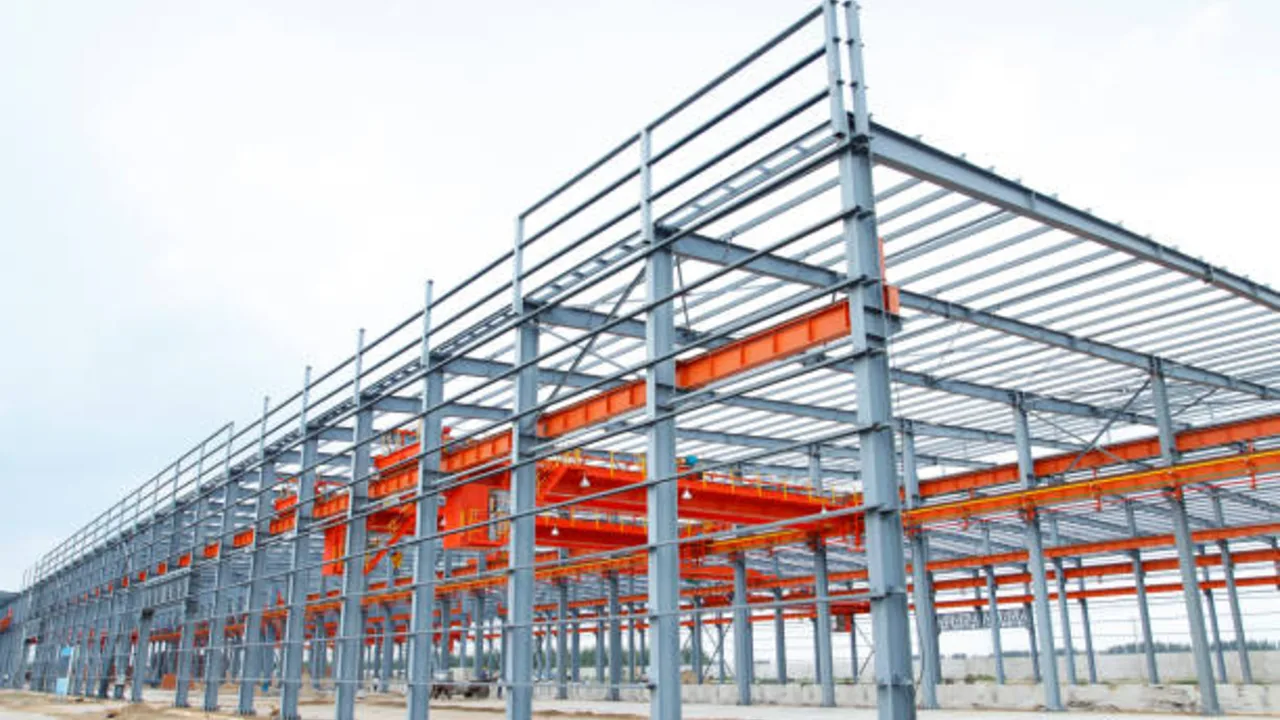
One of the main purposes of redundancy is risk mitigation. Instead of preventing every possible failure, engineers design the structure so that failure of one part does not cause total collapse.
This approach makes industrial buildings safer and more reliable, especially in projects with heavy equipment and long spans.
Load Redistribution
When redundancy is present, loads can move to other members if one element fails. This prevents overload in a single location.
Load redistribution is one of the most important functions of factory structural redundancy.
Failure Isolation
Redundant design allows damage to remain local. If one area fails, the rest of the building remains stable.
This is achieved by dividing the structure into zones, using independent frames, or adding extra supports.
Failure isolation reduces the risk of progressive collapse.
Damage Tolerance
No structure can be completely free of damage during its life. Impact, fatigue, corrosion, or overload may occur.
Redundant systems allow the building to tolerate damage without losing stability.
Damage tolerance is a key goal of factory structural redundancy in industrial design.
Emergency Stability
In extreme situations such as earthquake, fire, or accidental impact, the structure must remain standing long enough for evacuation and repair.
Redundant bracing, extra columns, and multiple connections help keep the building stable during emergency conditions.
Emergency stability is required in many industrial design codes.
Operational Continuity
Factories often cannot stop production. If the structure fails, the financial loss can be very high.
Redundancy helps keep the building operational even after partial damage. This improves reliability and reduces downtime.
For this reason, factory structural redundancy is not only a safety feature but also an economic advantage.
Project Example — Structural Redundancy in Steel Factory Design
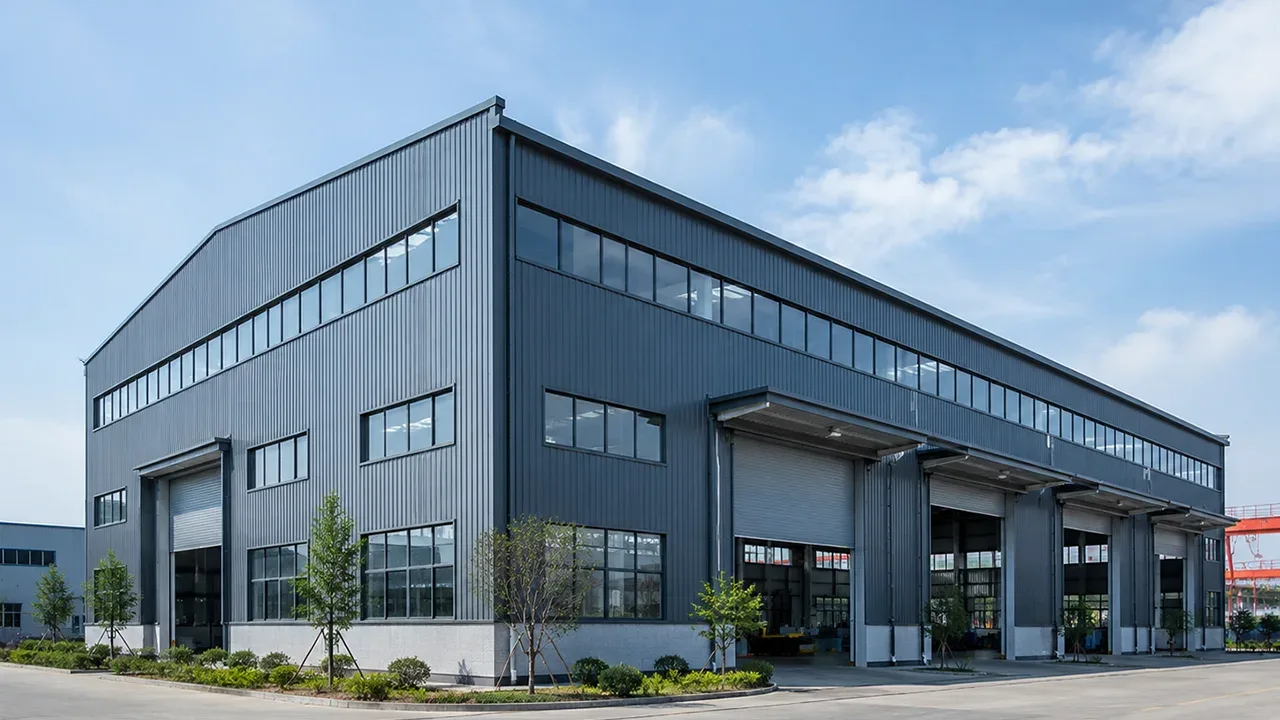
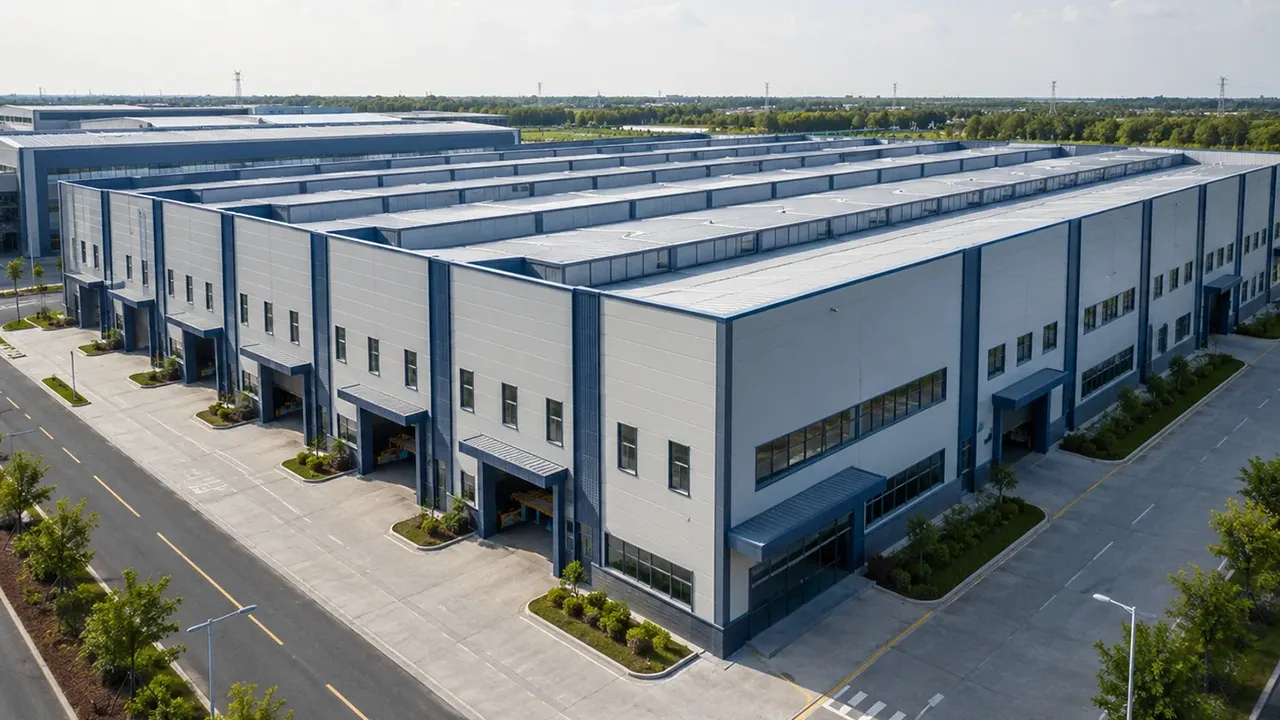
In a large industrial project completed by XTD Steel Structure, the factory building used a long-span steel frame system designed for heavy equipment and overhead crane operation. Because the building had wide spans and high load requirements, redundancy was included in the structural design from the beginning.
Additional bracing systems were installed between frames to provide backup stability. Crane beams were supported by reinforced column connections, and the roof structure included secondary members to prevent progressive collapse in case of local damage.
The building was designed as a modern steel structure factory building, allowing the structure to be divided into independent zones. If one section required repair, the rest of the factory could continue operating safely.
This project demonstrates how factory structural redundancy improves safety, reliability, and long-term performance in large industrial facilities.
Advanced Redundancy Methods in Industrial Buildings
Modern engineering uses advanced tools to design safer structures. Instead of relying only on experience, engineers now use simulation, digital modeling, and performance analysis to improve redundancy.
These methods allow designers to predict how the building will behave if part of the structure fails.
BIM Structural Simulation
Building Information Modeling (BIM) allows engineers to simulate structural behavior before construction.
By testing different failure scenarios, designers can add redundancy where it is needed most.
BIM helps optimize factory structural redundancy in large projects.
Performance-Based Design
Performance-based design focuses on how the structure behaves under real conditions, not only under theoretical loads.
This method allows engineers to design buildings that remain stable even under extreme situations.
Performance-based design is often used in important industrial facilities.
Seismic Redundancy
In earthquake zones, redundancy is especially important. Additional bracing, stronger connections, and flexible frames help the building survive seismic movement.
Seismic redundancy ensures that the structure can absorb energy without collapse.
Digital Monitoring Systems
Some modern factories use sensors to monitor structural performance. These systems can detect movement, stress, or damage.
Monitoring allows engineers to identify problems early and maintain safety.
Digital monitoring works together with factory structural redundancy to provide long-term reliability.
Conclusion
Structural redundancy is an essential part of modern industrial building design. Large steel factories must remain safe even when unexpected conditions occur. By providing multiple load paths, extra bracing, and backup structural members, engineers can prevent progressive collapse and maintain safe operation.
Factory structural redundancy improves safety, allows future expansion, and reduces risk in long-span industrial buildings. In modern steel structure factory building projects, redundancy is not optional — it is a fundamental requirement for reliable and durable construction.