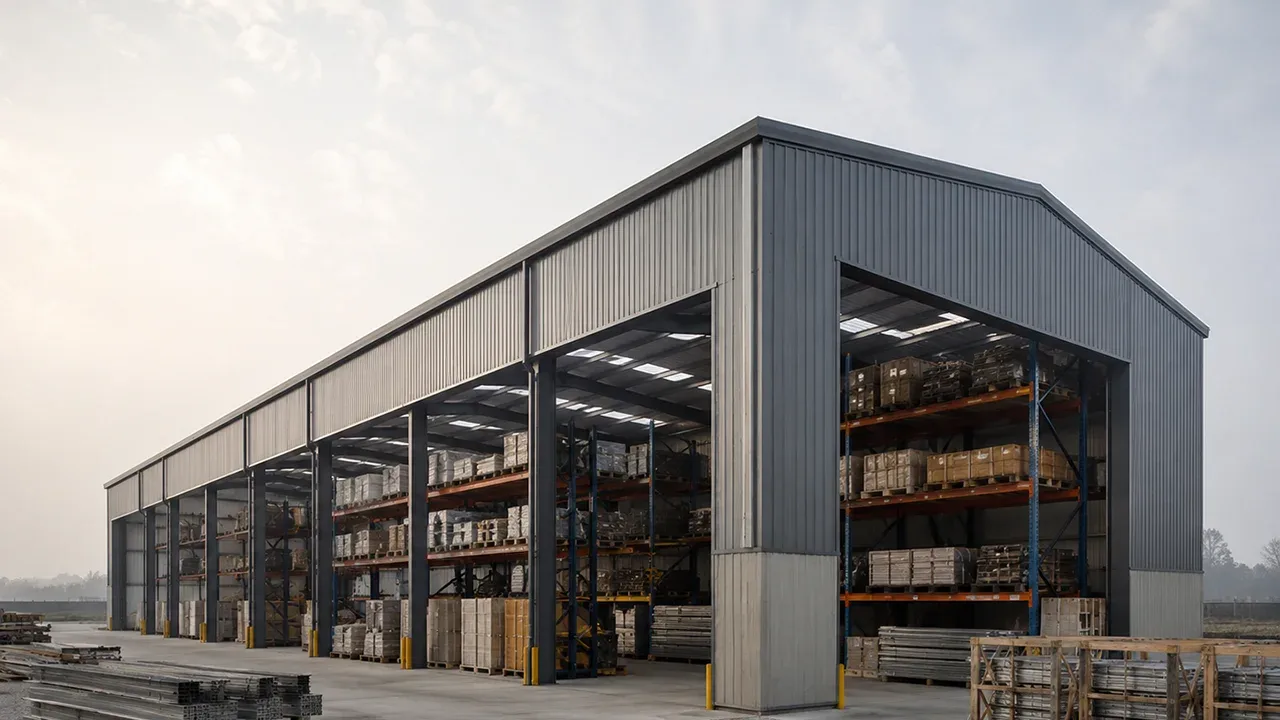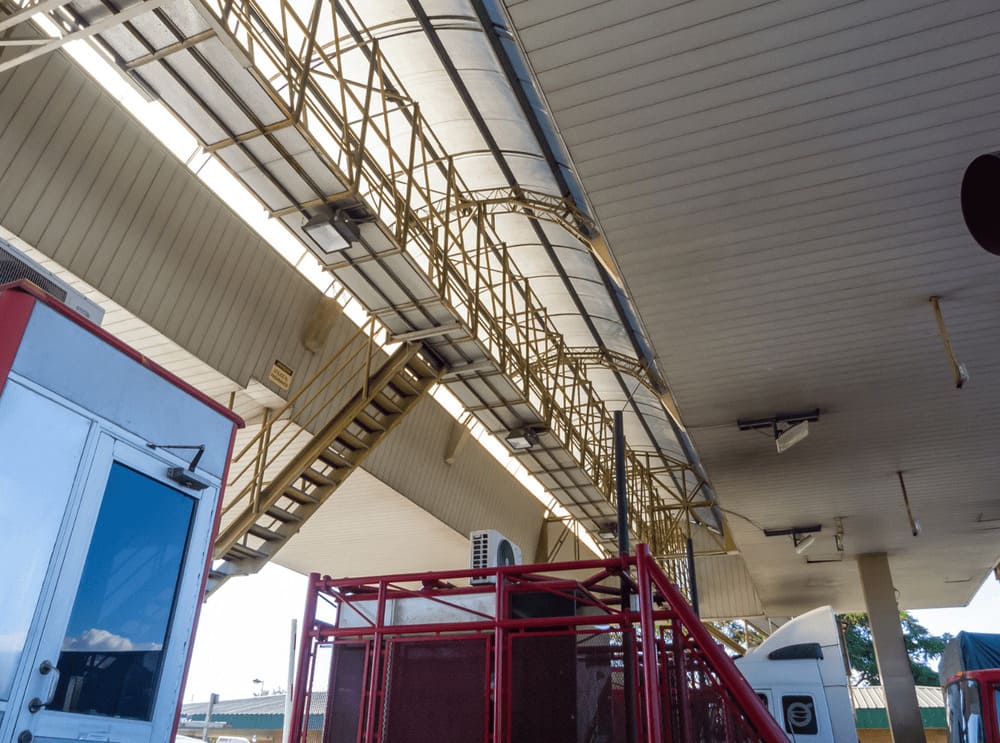
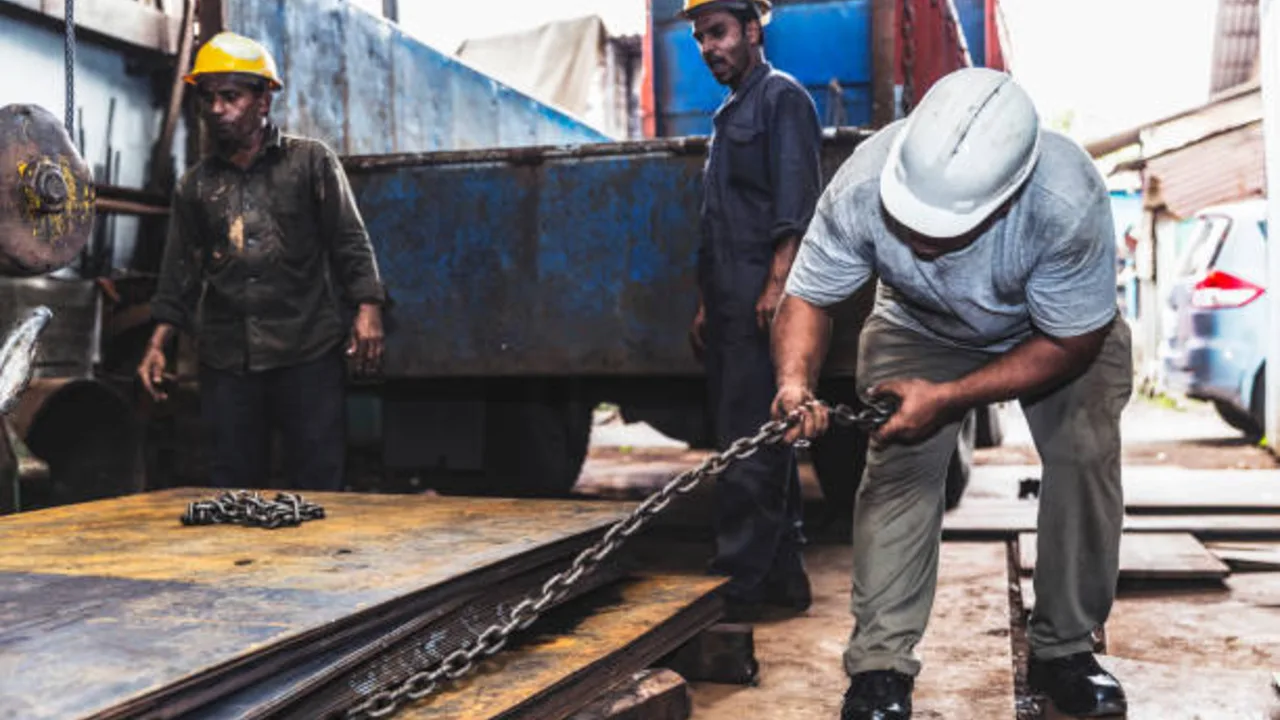
Industrial warehouses are designed for long service life, often expected to operate for decades without major structural changes. However, long-term performance does not happen automatically. Without proper maintenance, even well-designed buildings can develop structural problems, safety risks, and operational inefficiencies. For this reason, warehouse maintenance planning is an essential part of industrial facility management, especially for large logistics centers, manufacturing warehouses, and steel structure storage buildings.
A modern warehouse is more than just a storage space. It must support heavy loads, continuous traffic, environmental exposure, and sometimes complex mechanical systems such as cranes, conveyors, or automated storage equipment. Over time, these conditions create wear on structural members, roofing systems, floors, and protective coatings. If maintenance is not planned correctly, small defects may develop into serious failures.
In long-span industrial buildings, maintenance planning must be considered from the design stage. Engineers must anticipate how the building will be inspected, how components will be repaired, and how operations can continue during maintenance work. A good warehouse maintenance planning strategy allows the facility to remain safe, efficient, and cost-effective throughout its entire service life.
One of the key elements of maintenance planning is defining a clear inspection cycle. Regular inspections help identify early signs of damage, corrosion, leakage, or structural movement. By following a scheduled inspection cycle, facility managers can correct problems before they become expensive repairs or safety hazards.
Maintenance planning is particularly important in large industrial warehouses built with steel structures. These buildings often use long-span frames, lightweight roof systems, and prefabricated components that require periodic inspection to maintain performance. With proper warehouse maintenance planning, companies can extend the lifespan of the building, reduce downtime, and protect their investment.
Why Maintenance Planning Is Critical for Warehouses
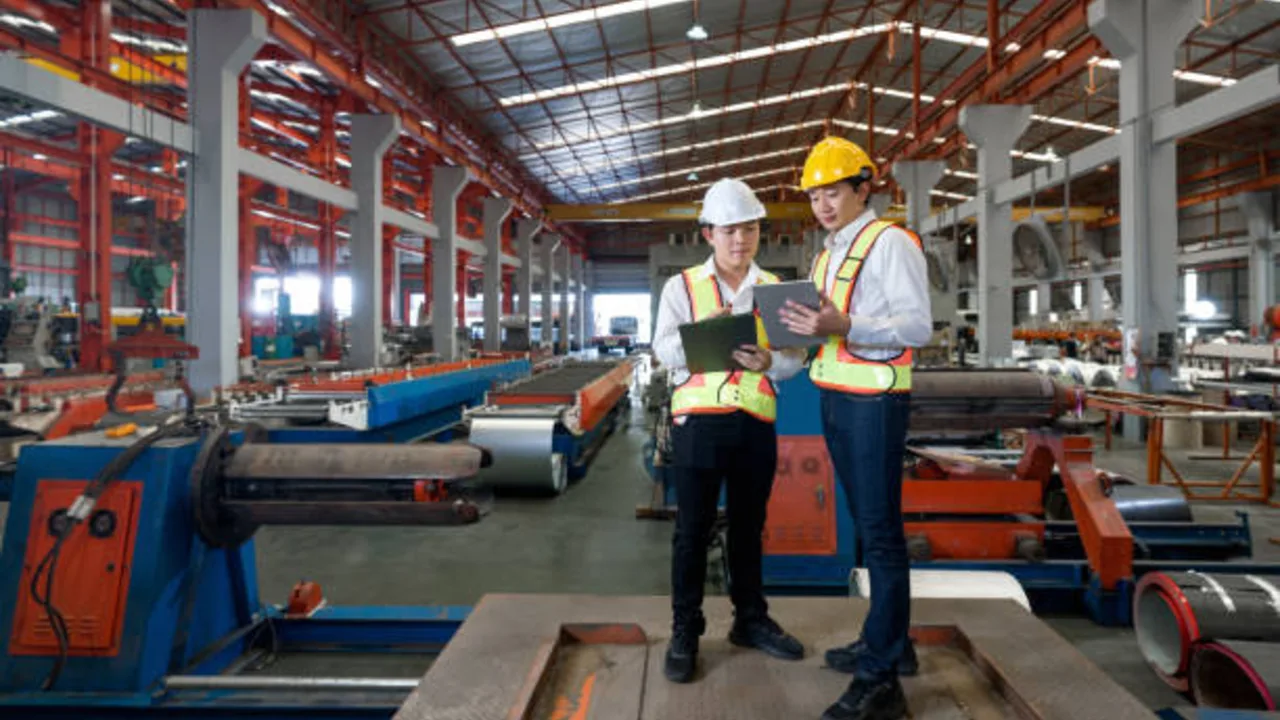
Warehouses are expected to operate continuously for many years, often with minimal interruption. Unlike temporary buildings, industrial warehouses must remain safe and functional under changing loads, weather conditions, and operational requirements. Because of this, maintenance cannot be left to chance. A structured warehouse maintenance planning system ensures that the building remains reliable throughout its life.
Long Service Life Expectations
Industrial warehouses are usually designed for long-term use, often 30 years or more. During this time, the building may experience thousands of loading cycles, temperature changes, and environmental exposure. Steel members may expand and contract, roof panels may loosen, and protective coatings may deteriorate.
Without regular maintenance, these small changes accumulate and can reduce structural performance. Warehouse maintenance planning ensures that the building is inspected regularly and repaired when necessary, allowing it to reach its full design life.
Cost of Neglect
Ignoring maintenance can lead to expensive repairs. A small roof leak, if not repaired early, may cause insulation damage, corrosion, and even structural weakening. Loose bolts or damaged connections can create safety risks that require major repair work.
Preventive maintenance is always cheaper than emergency repair. By following a proper warehouse maintenance planning program, companies can control repair costs and avoid unexpected shutdowns.
Safety and Structural Reliability
Safety is one of the main reasons for regular maintenance. Warehouses often contain heavy equipment, high storage racks, and large numbers of workers. Structural problems such as roof deformation, floor cracks, or connection failure can create serious hazards.
Regular inspections and scheduled repair work help ensure that the building remains safe. A well-designed inspection cycle allows engineers to check critical components before problems become dangerous.
Operational Continuity
Many warehouses operate 24 hours a day, especially in logistics and manufacturing industries. Stopping operation for emergency repair can cause serious financial loss. Maintenance planning helps avoid unexpected shutdown by detecting problems early.
With a clear warehouse maintenance planning system, maintenance can be scheduled during low-activity periods, allowing the facility to continue operating without interruption.
Role of Inspection Cycle
An inspection cycle is the foundation of any maintenance plan. It defines how often different parts of the warehouse must be checked. Some components require daily observation, while others may only need annual inspection.
For example, roof drainage systems may require seasonal inspection, while structural frames may only need detailed review once per year. By defining a clear inspection cycle, maintenance becomes organized and predictable. A proper inspection cycle is one of the most effective ways to make warehouse maintenance planning reliable and efficient.
Common Problems in Poorly Maintained Warehouses
When maintenance is ignored or performed irregularly, warehouses can develop many types of problems. These problems may start small but can become serious if not corrected in time. Understanding common failures helps engineers create better warehouse maintenance planning systems.
Roof Leakage
Roof leakage is one of the most common issues in industrial warehouses. Over time, sealants, fasteners, and roof panels may loosen or deteriorate. Heavy rain, temperature change, and wind can make the problem worse.
If leakage is not repaired quickly, water can damage insulation, electrical systems, and stored goods. In steel buildings, moisture may also cause corrosion of structural members. Regular roof inspection should always be part of warehouse maintenance planning.
Corrosion in Steel Members
Steel structures are strong and durable, but they must be protected from corrosion. In humid environments or chemical storage warehouses, corrosion may develop faster.
Paint coatings, galvanizing, or protective layers must be checked regularly. If corrosion is found early, it can usually be repaired easily. If ignored, it may reduce the strength of the structure.
Maintenance planning should include periodic inspection of columns, beams, and connections.
Floor Damage
Warehouse floors are exposed to heavy loads from forklifts, trucks, and storage racks. Over time, cracks, wear, and surface damage may appear.
Damaged floors can affect equipment operation and create safety hazards. Repairing floor problems early is an important part of warehouse maintenance planning.
Drainage Problems
Drainage systems must remain clear to prevent water accumulation. Blocked gutters or downpipes may cause roof ponding or water entering the building. Drainage inspection should be included in the inspection cycle, especially before rainy seasons.
Connection Looseness
Steel buildings use bolted and welded connections. Vibration, temperature change, and repeated loading may cause bolts to loosen over time. Loose connections can affect structural stability. Regular checking of connections is necessary for long-term safety.
How Maintenance Planning Should Be Designed
Effective warehouse maintenance planning does not happen randomly. It must be designed as a structured system that defines how inspections are performed, how repairs are scheduled, and who is responsible for each task. In industrial warehouses, maintenance planning should begin during the design stage and continue throughout the life of the building.
A good maintenance plan includes inspection procedures, documentation rules, repair standards, and budget allocation. When these elements are defined clearly, the warehouse can operate safely for many years without unexpected failures.
Define Inspection Cycle
The inspection cycle is the foundation of maintenance planning. Different parts of the warehouse require inspection at different intervals. For example, roofs and drainage systems may need seasonal inspection, while structural members may only need detailed checks once per year.
A typical inspection cycle may include daily visual checks, monthly condition reviews, and annual structural inspections. By following a fixed inspection cycle, problems can be detected early and repaired before they grow into major issues.
Without a defined inspection cycle, maintenance becomes irregular and unreliable.
Record Keeping System
Every inspection and repair should be recorded. A maintenance log allows engineers to track the condition of the building over time. This helps identify recurring problems and predict future repairs.
Documentation should include inspection dates, detected defects, repair actions, and responsible personnel. A good record system makes warehouse maintenance planning more accurate and easier to manage.
In large facilities, digital maintenance systems are often used to store inspection reports and schedules.
Preventive vs Corrective Maintenance
Maintenance can be divided into preventive maintenance and corrective maintenance. Preventive maintenance is planned work done before problems occur, while corrective maintenance is repair after damage has already happened.
Preventive maintenance is usually more efficient because it avoids unexpected downtime. For example, repainting steel members before corrosion appears is cheaper than replacing damaged components later.
Warehouse maintenance planning should focus mainly on preventive maintenance supported by a regular inspection cycle.
Assign Responsibility
Maintenance planning must define who is responsible for inspection, repair, and reporting. In large warehouses, different teams may handle structural inspection, mechanical systems, and safety equipment.
Clear responsibility ensures that no part of the building is ignored. Without assigned responsibility, maintenance tasks may be delayed or forgotten.
A good warehouse maintenance planning system always includes defined roles for maintenance personnel.
Budget Planning
Maintenance requires budget allocation. Even when no damage is visible, inspections and preventive work still cost money. If maintenance is not included in the operating budget, repairs may be postponed until problems become serious.
Planning a yearly maintenance budget helps keep the building in good condition. Regular small expenses are much cheaper than major repair work after failure.
Maintenance Planning in Large Industrial Warehouses
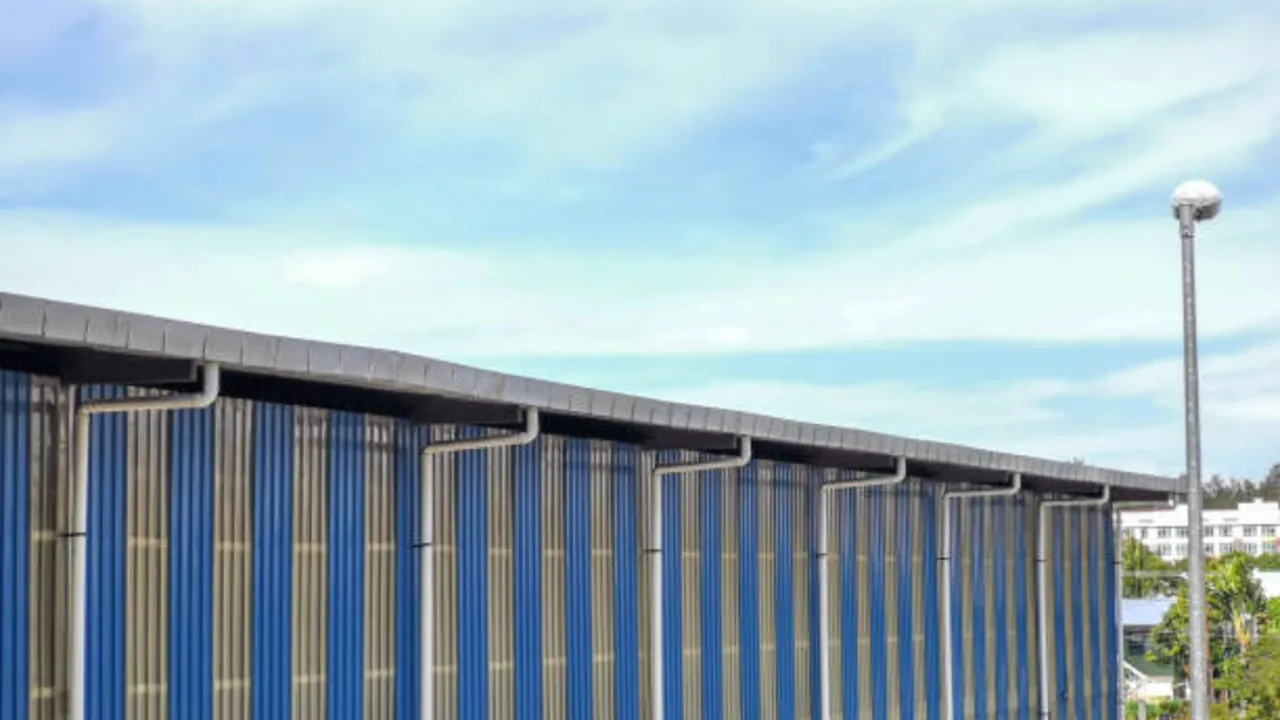
Large industrial warehouses require more detailed maintenance planning than small buildings. Because of their size, structural span, and heavy operational loads, even small defects can affect a large part of the building.
Proper warehouse maintenance planning for industrial facilities must consider structural systems, roofing, equipment loads, and environmental exposure.
Long-Span Structure Challenges
Many warehouses use long-span steel frames to create wide open space without columns. These structures are efficient but require regular inspection to ensure that deflection, connection stress, and vibration do not create long-term problems.
Long-span roofs must be checked for deformation, loose fasteners, and water accumulation. Maintenance planning should include periodic structural inspection to ensure stability.
Roof and Cladding Maintenance
Roof panels and wall cladding protect the building from weather. Over time, fasteners may loosen, sealants may age, and panels may move due to temperature change.
Regular inspection of roof and wall systems should be included in the inspection cycle. Damaged panels must be repaired quickly to prevent water leakage and corrosion.
Roof maintenance is one of the most important parts of warehouse maintenance planning.
Crane System Inspection
Some warehouses include overhead cranes or lifting equipment. These systems add additional load to the structure and require regular inspection.
Crane beams, rails, and connections must be checked for wear, alignment, and fatigue. If crane systems are not maintained properly, they may damage the building structure.
Maintenance planning must include inspection of all mechanical and lifting systems.
Fire Protection Systems
Fire protection equipment such as sprinklers, alarms, and extinguishers must be inspected regularly. Warehouses often store valuable goods, so fire safety is critical.
Maintenance planning should include periodic testing of fire protection systems according to local regulations.
Drainage Inspection
Drainage systems must remain clear to prevent water accumulation on the roof or around the building. Blocked gutters can cause ponding, which increases roof load. Drainage inspection should be part of the regular inspection cycle, especially before rainy seasons. Good drainage maintenance helps extend the life of the building and reduces repair cost.
Maintenance Requirements in Modern steel structure warehouse Buildings
Modern industrial warehouses are commonly built using steel structural systems because they provide large clear spans, fast construction, and high flexibility. However, steel buildings also require proper maintenance to ensure long-term performance. In a modern steel structure warehouse, warehouse maintenance planning must consider corrosion protection, connection stability, roof condition, and future expansion requirements.
Advantages of Steel Structure for Long-Term Use
Steel structures are durable and efficient, but their performance depends on regular inspection and proper protection. Unlike concrete buildings, steel members are exposed to environmental conditions and must be protected by coatings or galvanizing.
With proper warehouse maintenance planning, steel structures can remain in service for decades without major repair.
Corrosion Protection Inspection
Protective coatings prevent corrosion in steel members. Over time, paint layers may wear off, especially in humid or chemical environments.
Maintenance planning should include periodic inspection of coatings and repainting when necessary. Early repair prevents structural damage and reduces cost.
Bolted Connection Checks
Most steel buildings use bolted connections. These connections may loosen due to vibration, temperature change, or repeated loading.
Regular inspection should verify bolt tightness and check for deformation or damage. Connection inspection should always be part of the inspection cycle.
Roof Panel and Fastener Inspection
Roof panels, screws, and sealants may deteriorate over time. Loose fasteners can cause leakage, and damaged panels can allow water to enter the building.
Roof inspection should be performed regularly, especially after storms or extreme weather.
Roof maintenance is one of the key tasks in warehouse maintenance planning.
Planning for Future Expansion
Many industrial warehouses are expanded after several years of use. Maintenance planning should keep structural drawings, inspection records, and load data so that future modifications can be done safely.
Good documentation makes expansion easier and safer.
Inspection Cycle Strategy for Long-Term Use
A clear inspection cycle is the most important part of warehouse maintenance planning. Different components require different inspection frequency depending on their importance and exposure.
Daily Visual Checks
Operators should observe the building during normal work. Any unusual noise, deformation, leakage, or damage should be reported immediately.
Daily observation helps detect problems early.
Monthly Inspection
Monthly inspection may include checking roof condition, drainage, floor damage, and visible structural elements.
Small problems can usually be repaired easily if found early.
Annual Structural Inspection
Once per year, a detailed structural inspection should be performed. Engineers should check connections, beams, columns, and roof systems.
Annual inspection is essential for long-term safety.
Major Overhaul Cycle
Every few years, a more detailed inspection and repair program may be required. This may include repainting, replacing panels, or strengthening connections.
This long inspection cycle ensures that the warehouse remains safe for long-term use.
Maintenance Documentation System
All inspections and repairs should be recorded. A maintenance record helps track building condition and plan future work.
Good documentation is a key part of professional warehouse maintenance planning.
Real Project Example of Long-Term Warehouse Maintenance
In a large industrial warehouse project, long-term maintenance planning was included from the design stage. The building used long-span steel frames with a large roof area and heavy storage load.
Engineers created a detailed inspection cycle that included roof inspection, connection checks, and drainage cleaning. Maintenance records were stored digitally so that every repair could be tracked.
Because of this planning, the warehouse remained in good condition for many years without major structural repair. This example shows that warehouse maintenance planning is not only about repair, but about protecting the entire investment.
Conclusion
Long-term performance of industrial buildings depends on proper warehouse maintenance planning. Regular inspection, defined inspection cycle, and preventive repair help keep the building safe and efficient. In modern steel structure warehouse buildings, maintenance planning protects structural stability, reduces cost, and ensures reliable operation for many years. A well-planned maintenance system is not an extra cost, but an essential part of industrial warehouse management.