In today’s construction landscape, projects are increasingly being executed in constrained environments where space, access, and operational flexibility are limited. Urban densification, redevelopment of brownfield sites, and infrastructure expansion have made steel construction restricted site scenarios more common than ever. These conditions introduce unique challenges that require precise planning, engineering expertise, and highly coordinated execution.
Unlike open construction sites, restricted locations impose physical and logistical constraints that directly impact how materials are delivered, how structures are assembled, and how teams operate on-site. Limited access routes, tight working zones, and surrounding structures all contribute to complexity. As a result, steel construction restricted site projects demand a different approach compared to conventional construction environments.
For developers and contractors working with a steel structure construction company, understanding these constraints early in the project lifecycle is essential. By identifying risks related to limited access and urban site conditions, stakeholders can implement strategies that reduce delays, improve safety, and maintain cost efficiency.
What Defines a Steel Construction Restricted Site?

A steel construction restricted site is typically characterized by limited physical space, constrained access for equipment and materials, and the presence of surrounding structures or infrastructure. These sites are often located in dense urban environments where construction activities must coexist with ongoing public and commercial operations.
One of the defining features of such sites is limited access. Delivery routes may be narrow, restricted by traffic regulations, or shared with public transportation systems. This limits the size and frequency of material deliveries and requires careful logistical coordination.
In addition, restricted sites usually have minimal or no laydown area for storing materials. Components must often be delivered and installed immediately, increasing reliance on precise scheduling. Compared to conventional construction sites, these constraints significantly elevate the level of planning required for successful project execution.
Key Challenges in Steel Construction Restricted Site Projects
Limited Access for Equipment and Materials
Access limitations are among the most critical challenges in steel construction restricted site projects. Large cranes, heavy transport vehicles, and oversized steel components may not be able to reach the site directly. This forces contractors to adapt by using smaller equipment, segmented deliveries, or alternative lifting strategies.
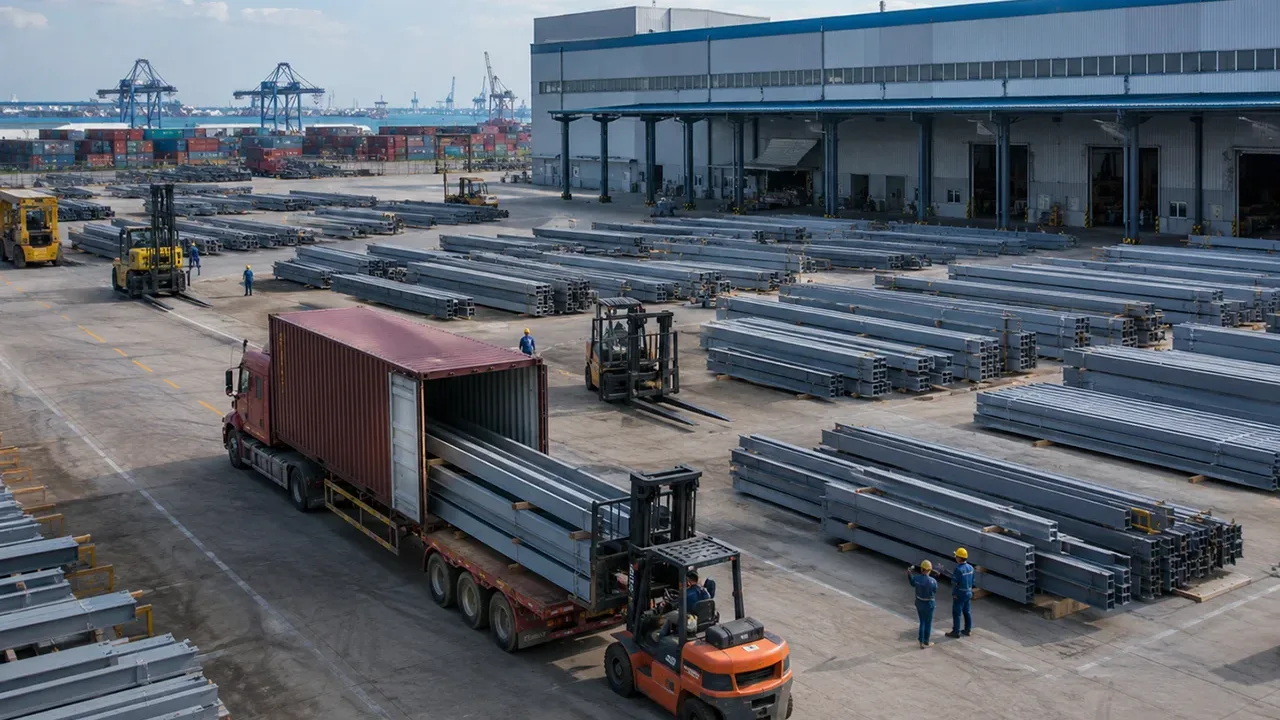
Material handling becomes more complex when delivery windows are restricted. In many urban site projects, transportation must be scheduled during off-peak hours to avoid traffic disruption. These constraints increase logistical pressure and require precise coordination between suppliers and on-site teams.
Space Constraints and Work Sequencing
The absence of sufficient working space introduces additional challenges in construction sequencing. Without a dedicated staging area, activities must be carefully planned to avoid interference between trades and equipment.
In a steel construction restricted site, sequencing becomes a critical factor. Structural components must be installed in a specific order, often with little room for adjustment. Any deviation can disrupt the entire workflow, leading to delays and increased costs.
Just-in-time delivery strategies are commonly adopted in these environments. Materials arrive exactly when needed, minimizing on-site storage requirements but increasing dependence on accurate scheduling.
Safety Risks in Urban Site Environments
Safety management is significantly more complex in restricted construction sites, especially in densely populated areas. The proximity to pedestrians, vehicles, and neighboring buildings increases the risk of accidents.
Ensuring worker safety in confined spaces requires additional measures such as controlled access zones, temporary barriers, and strict operational protocols. In many urban site projects, safety planning must also address public protection, including overhead shielding and traffic diversion systems.
Noise, Vibration, and Environmental Restrictions
Construction activities in urban areas are often subject to strict regulations regarding noise levels, vibration limits, and working hours. These restrictions can significantly impact project timelines.
For example, heavy lifting operations or welding activities may only be permitted during specific hours. This limits productivity and requires careful scheduling to ensure that critical tasks are completed within allowable time windows. Such constraints are a common contributor to delays in steel construction restricted site projects.
Design Strategies for Restricted Site Steel Construction
Modular and Prefabricated Steel Components
One of the most effective approaches to managing steel construction restricted site challenges is the use of modular and prefabricated components. By shifting a significant portion of the work to controlled factory environments, on-site activities can be minimized.
Prefabrication reduces installation time, improves quality control, and limits the need for extensive on-site fabrication. This is particularly valuable in limited access environments where space and time are constrained.
Optimized Structural Design for Installation Efficiency
Design optimization plays a critical role in facilitating efficient construction. Structural systems should be designed with installation in mind, reducing the need for complex lifting operations and minimizing connection points.
Simplified connections and standardized components allow for faster assembly, which is essential in restricted environments where delays can have cascading effects. Efficient design directly contributes to reducing risks associated with steel construction restricted site conditions.
Lightweight vs Heavy Steel Decision
Material selection is another important consideration. Lightweight steel components are easier to transport and install, making them suitable for sites with severe access constraints. However, they may require additional engineering considerations to meet performance requirements.
On the other hand, heavier steel sections may offer structural advantages but can be difficult to handle in restricted environments. Choosing the right balance between weight, strength, and constructability is essential for project success.
Logistics Planning Under Limited Access Conditions
Just-in-Time Delivery Strategy
In steel construction restricted site projects, just-in-time delivery is often the only viable approach. Materials are delivered in precise sequences aligned with installation schedules, eliminating the need for on-site storage.
This strategy requires strong coordination between suppliers, transport providers, and construction teams. Any delay in delivery can disrupt the entire workflow, making reliability a key factor.
Micro-Logistics Planning
Micro-logistics refers to detailed planning of material movement within and around the construction site. This includes defining delivery routes, unloading points, and internal transport paths.
In urban site environments, micro-logistics must account for traffic patterns, pedestrian movement, and regulatory constraints. Effective planning reduces congestion and improves overall efficiency.
Night-Time or Off-Hour Deliveries
To overcome traffic restrictions, many projects schedule deliveries during night-time or off-peak hours. This approach minimizes disruption to surrounding areas and allows for smoother logistics operations.
However, working outside standard hours introduces additional challenges, including increased labor costs and safety considerations. These factors must be carefully managed to ensure project efficiency.
Equipment Selection for Restricted Site Construction
Compact Cranes and Specialized Lifting Equipment
Equipment selection is a critical factor in steel construction restricted site projects. Traditional large-scale cranes may not be suitable due to space limitations and access restrictions. Instead, compact cranes, mobile cranes, or tower cranes with optimized positioning are often used.
These machines are designed to operate within confined spaces while still providing sufficient lifting capacity. However, their limited reach and capacity require careful planning to ensure that all structural elements can be installed efficiently.
Alternative Lifting Methods
In situations where cranes cannot be deployed effectively, alternative lifting methods must be considered. These may include manual hoisting systems, gantry cranes, or temporary lifting frames.
While these methods can be effective in limited access environments, they often require additional labor and time. As a result, their use must be carefully evaluated to balance efficiency and cost.
Pre-Assembled Units to Reduce Lifting Cycles
Another strategy to optimize lifting operations is the use of pre-assembled structural units. By assembling components off-site or in nearby controlled areas, the number of lifting cycles required on-site can be reduced.
This approach not only improves efficiency but also minimizes disruption in tight working environments, making it a valuable solution for steel construction restricted site conditions.
Construction Sequencing in Tight and Urban Sites
Vertical vs Horizontal Construction Strategy
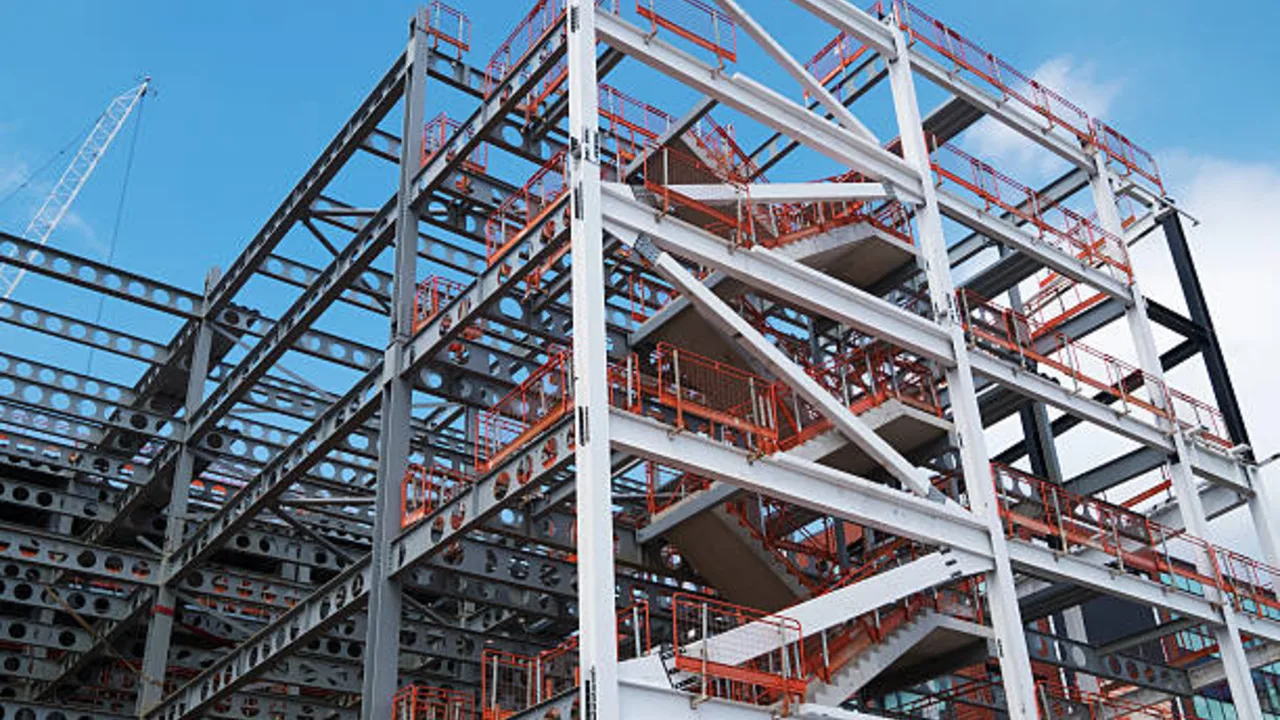
In restricted environments, construction sequencing must be adapted to the available space. Vertical construction strategies, where the structure is built upward rather than spread across the site, are often preferred.
This approach reduces the need for extensive ground space and allows for more efficient use of limited working areas. However, it requires precise coordination and careful planning to avoid bottlenecks.
Multi-Stage Installation Planning
Breaking the project into multiple stages or zones allows teams to work within confined spaces more effectively. Each stage is completed before moving to the next, ensuring that space constraints are managed systematically.
In a steel construction restricted site, this phased approach helps maintain workflow continuity and reduces the risk of interference between different activities.
Parallel vs Sequential Workflow
Balancing parallel and sequential workflows is another key consideration. While parallel execution can improve speed, it may increase congestion and safety risks in tight environments.
Sequential workflows, on the other hand, provide better control but may extend project timelines. Finding the right balance is essential for optimizing both efficiency and safety.
Project Management Approaches for Restricted Sites
Real-Time Coordination and Communication
Effective communication is essential in steel construction restricted site projects. Real-time coordination between design teams, contractors, and suppliers ensures that all activities are aligned.
Digital tools such as project management platforms and real-time tracking systems can significantly improve visibility and decision-making, reducing the likelihood of errors and delays.
Risk Management and Contingency Planning
Restricted site projects are inherently high-risk due to their complexity. Identifying potential risks early and developing contingency plans is crucial.
These plans may include alternative delivery routes, backup equipment options, and schedule buffers. Proactive risk management helps minimize disruptions and maintain project stability.
Stakeholder Coordination in Urban Projects
Urban construction projects involve multiple stakeholders, including local authorities, neighboring businesses, and the public. Coordinating with these parties is essential to ensure smooth project execution.
Permits, traffic management plans, and community engagement strategies must be carefully managed to avoid conflicts and delays. This level of coordination is a defining characteristic of successful urban site construction projects.
Real Project Insight: Steel Construction in Urban Restricted Conditions
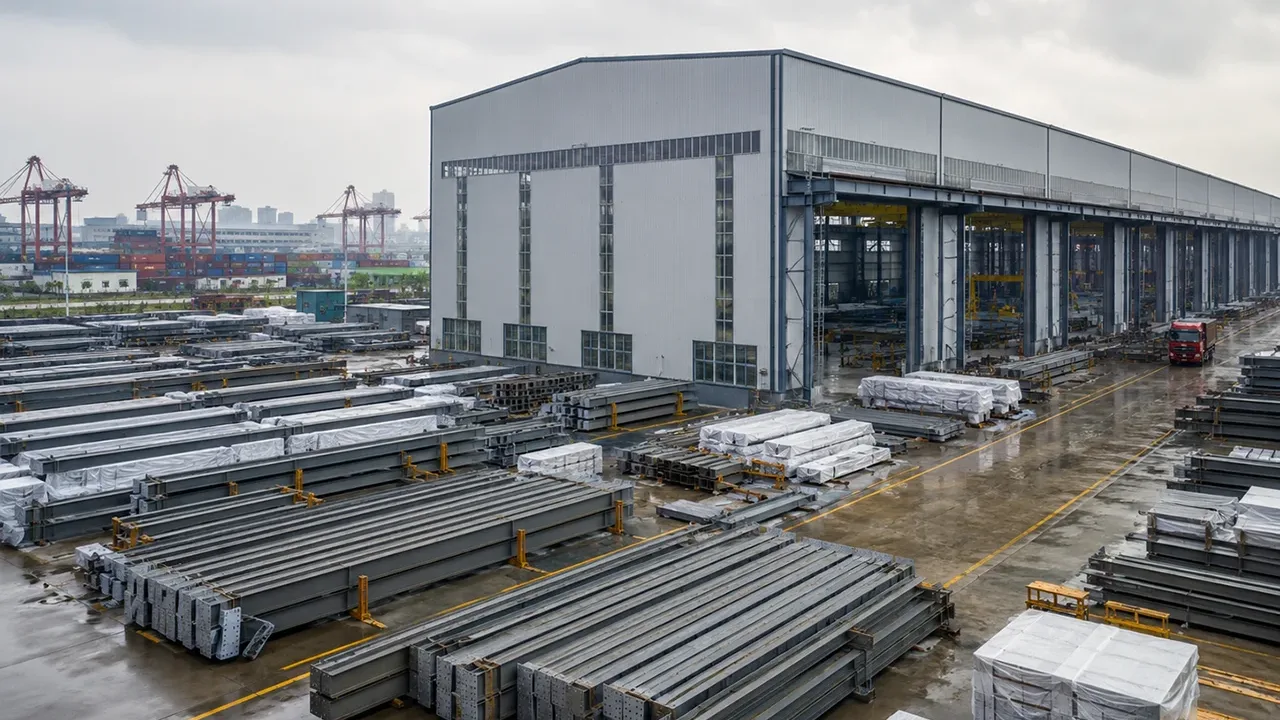
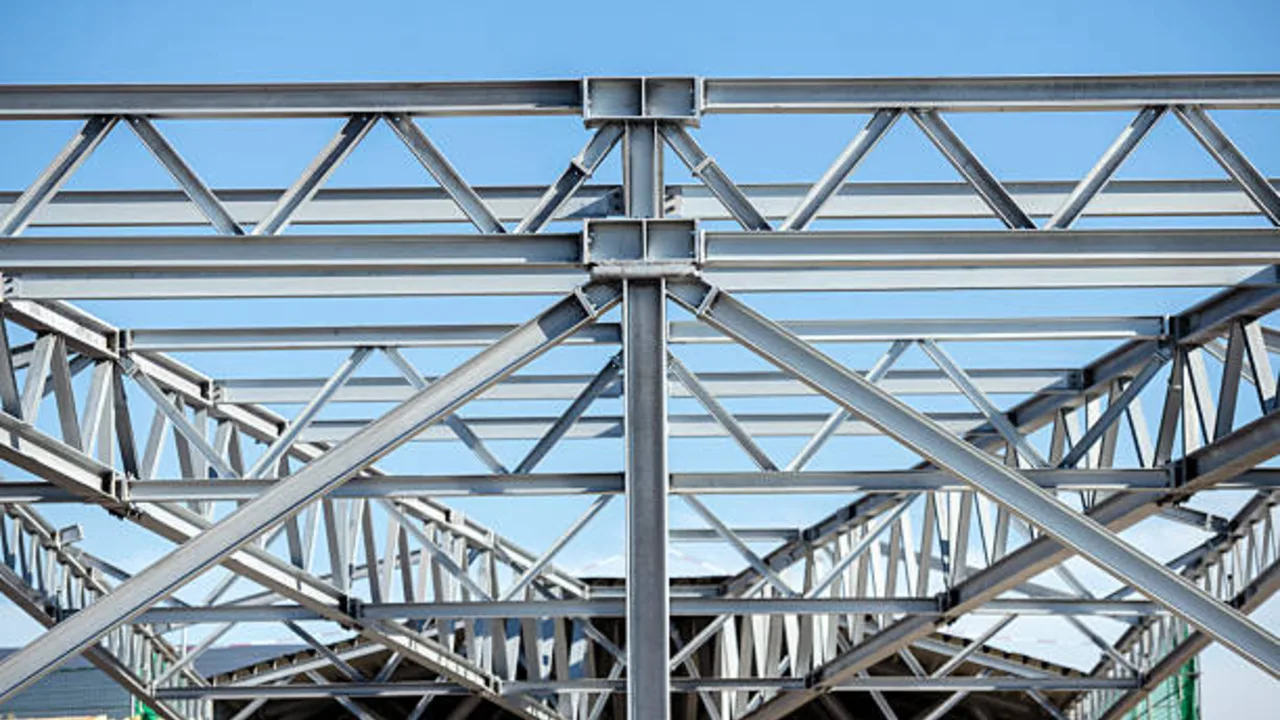
A practical way to understand steel construction restricted site challenges is by examining real-world projects. Many steel warehouse and industrial structures are built in environments with limited access, requiring innovative solutions in design and execution.
For example, in projects where delivery routes are constrained, prefabricated steel components are often transported in smaller segments and assembled on-site. This approach reduces logistical pressure while maintaining structural integrity.
In addition, optimized sequencing and careful coordination allow construction teams to work efficiently within tight spaces. By aligning design, logistics, and installation strategies, these projects demonstrate how steel construction restricted site constraints can be effectively managed.
Why Experience Matters in Restricted Site Steel Construction
Executing projects in restricted environments requires more than standard construction practices. It demands a deep understanding of engineering, logistics, and on-site operations. Without this expertise, projects are more vulnerable to delays, safety risks, and cost overruns.
An experienced steel structure construction company can anticipate challenges and implement strategies that ensure efficient execution. From optimized design to precise logistics planning, expertise plays a critical role in delivering successful outcomes.
Conclusion
Steel construction in restricted site conditions presents a unique set of challenges that require specialized solutions. From design optimization and logistics planning to equipment selection and project management, every aspect must be carefully coordinated.
Understanding the complexities of a steel construction restricted site allows stakeholders to make informed decisions and implement effective strategies. By addressing constraints related to limited access and urban site environments, projects can achieve both efficiency and safety.
Ultimately, success in restricted site construction depends on proactive planning, technical expertise, and strong coordination across all project phases.
FAQ
What is a restricted site in steel construction?
A restricted site is a construction location with limited space, constrained access, and surrounding obstacles that affect project execution.
Why is steel suitable for urban site construction?
Steel allows for prefabrication and fast assembly, making it ideal for environments with limited space and tight schedules.
How does limited access affect project cost?
Limited access increases logistical complexity, requires specialized equipment, and may lead to higher labor and transportation costs.
What is just-in-time delivery in construction?
It is a strategy where materials are delivered exactly when needed, reducing the need for on-site storage.
What equipment is used in tight construction sites?
Compact cranes, mobile lifting equipment, and alternative hoisting systems are commonly used.
How to manage safety in restricted construction areas?
By implementing controlled access zones, safety barriers, and strict operational protocols.
Can prefabrication reduce construction risk?
Yes, prefabrication reduces on-site work, improves quality, and minimizes errors.
How do contractors handle urban construction constraints?
They use detailed planning, coordination with authorities, and adaptive construction strategies.