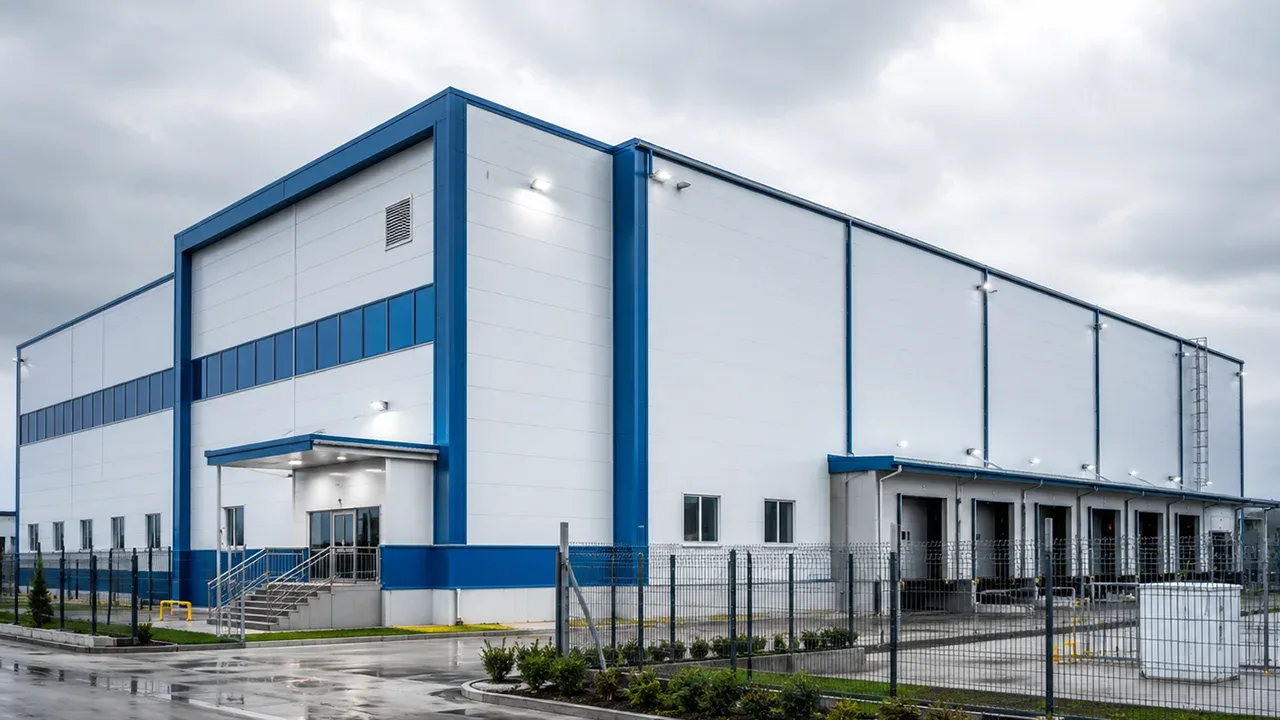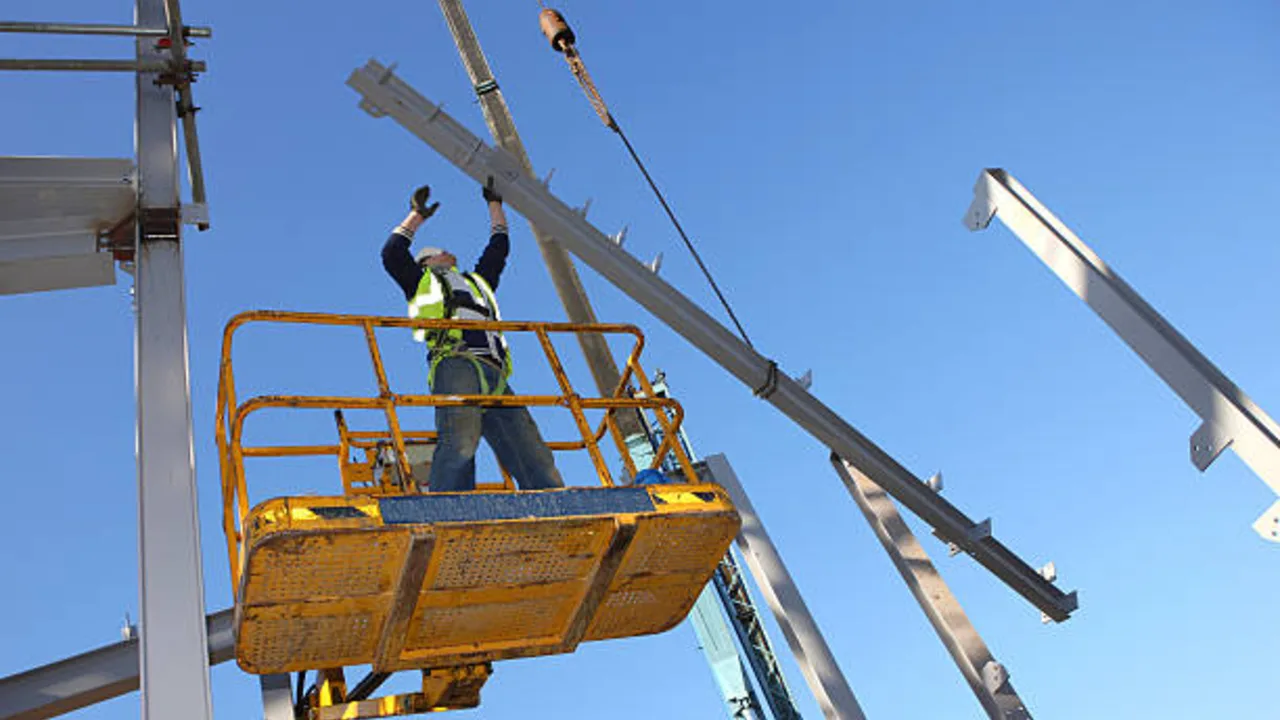
In modern steel projects, lifting operations are among the most critical and high-risk activities on site. From erecting heavy columns to installing long-span beams, every lift involves complex coordination between equipment, personnel, and structural elements. A well-prepared steel structure lifting plan is essential to ensure that these operations are executed safely, efficiently, and without disruption to the overall construction schedule.
Unlike routine construction tasks, lifting operations involve dynamic loads, height-related risks, and dependency on mechanical systems such as cranes and rigging equipment. Even minor miscalculations in weight, crane positioning, or lifting sequence can lead to serious safety incidents or costly delays. This is why a comprehensive steel structure lifting plan is not optional—it is a fundamental requirement for project success.
For contractors involved in steel structure construction, lifting planning must be integrated into both design and execution phases. By understanding key variables such as crane radius and load chart limitations, project teams can develop precise lifting strategies that minimize risk and maximize productivity.
What Is a Steel Structure Lifting Plan?
A steel structure lifting plan is a detailed engineering and operational document that defines how structural components will be lifted, transported, and installed on site. It includes technical calculations, equipment selection, rigging configurations, and step-by-step lifting procedures.
This plan serves as a bridge between design and construction, ensuring that every lifting activity aligns with structural requirements and site constraints. It is typically developed by engineers in collaboration with construction managers and lifting specialists.
In steel construction projects, lifting plans are closely linked to erection sequencing. The order in which components are installed must be carefully coordinated with lifting operations to maintain structural stability throughout the process.
Key Components of a Steel Structure Lifting Plan

Load Identification and Weight Calculation
The foundation of any steel structure lifting plan is accurate load calculation. This includes not only the weight of the structural member but also additional factors such as rigging equipment, lifting accessories, and safety allowances.
Errors in weight estimation can lead to crane overloading or inefficient equipment selection. Therefore, engineers must verify all load data and include appropriate safety factors to account for uncertainties.
Crane Selection and Capacity Planning
Choosing the right crane is essential for successful lifting operations. Different types of cranes—such as mobile cranes, crawler cranes, and tower cranes—offer varying capacities and operational advantages.
The selected crane must be capable of handling the load under specific site conditions, including lifting height, reach, and ground stability. Proper crane selection is a key element of an effective steel structure lifting plan.
Crane Radius Consideration
Crane radius refers to the horizontal distance between the crane’s center of rotation and the load being lifted. This parameter has a direct impact on lifting capacity.
As the crane radius increases, the lifting capacity decreases. In restricted or congested sites, managing crane radius becomes particularly challenging. Engineers must carefully position cranes to maintain safe operating conditions while achieving the required reach.
Ignoring crane radius limitations is a common cause of lifting inefficiencies and safety risks in steel construction projects.
Load Chart Interpretation
A load chart is a critical reference document that defines a crane’s lifting capacity under different configurations. It provides information based on boom length, crane radius, and operating conditions.
Understanding how to read and interpret load charts is essential for safe lifting operations. Misinterpretation can result in overloading, which poses serious safety hazards.
Experienced engineers and operators use load charts to determine safe lifting limits and to plan crane positioning accurately.
Rigging Design and Configuration
Rigging systems are responsible for connecting the load to the crane. This includes slings, shackles, hooks, and spreader beams. Proper rigging design ensures that loads are evenly distributed and securely handled during lifting.
Incorrect rigging can lead to load imbalance, slippage, or equipment failure. Therefore, rigging configurations must be carefully designed as part of the steel structure lifting plan.
Site Constraints and Their Impact on Lifting Plans
Limited Space and Crane Positioning
In many projects, especially those in urban environments, space limitations significantly affect crane positioning. Restricted sites may not allow optimal crane placement, forcing engineers to adjust lifting strategies.
These constraints can increase crane radius and reduce lifting capacity, making precise planning essential.
Ground Bearing Capacity
The ground must be capable of supporting the weight of the crane and the load. Weak soil conditions can lead to instability or even crane tipping.
Engineers must assess ground bearing capacity and implement measures such as crane mats or foundation reinforcement when necessary.
Surrounding Structures and Obstacles
Nearby buildings, utilities, and infrastructure can interfere with lifting operations. Clearance must be carefully evaluated to prevent collisions and ensure safe movement of loads.
Obstacle management is a key consideration in any steel structure lifting plan, particularly in congested construction sites.
Lifting Sequence Planning in Steel Construction
Integration with Erection Sequence
Lifting operations must align with the overall erection sequence of the structure. Installing components in the wrong order can compromise stability and create unsafe conditions.
A well-coordinated steel structure lifting plan ensures that each lift contributes to the structural integrity of the building.
Maintaining Structural Stability During Lifting
During erection, partially completed structures may lack full stability. Temporary bracing and support systems are often required to maintain balance.
Engineers must evaluate load paths and ensure that each lifting step does not introduce excessive stress or instability.
Multi-Crane Lifting Strategy
In complex projects, multiple cranes may be used simultaneously to lift large or irregular components. This is known as tandem lifting.
Multi-crane operations require precise synchronization and communication. Any mismatch in movement can create dangerous load conditions.
Safety Considerations in Steel Structure Lifting Plans
Risk Assessment and Hazard Identification
Safety is the primary objective of any steel structure lifting plan. Before lifting operations begin, a comprehensive risk assessment must be conducted to identify potential hazards such as falling loads, crane instability, equipment failure, and human error.
Each risk should be evaluated based on its likelihood and potential impact, followed by the implementation of control measures. These may include exclusion zones, load testing, and redundant safety systems.
Communication and Signal Systems
Effective communication between the crane operator, riggers, and site supervisors is essential during lifting operations. Miscommunication can result in incorrect movements, leading to accidents or structural damage.
Standardized signal systems—whether hand signals or radio communication—must be established and clearly understood by all team members involved in the lift.
Weather and Environmental Factors
Environmental conditions, particularly wind, play a significant role in lifting safety. Strong winds can cause load sway, making it difficult to control the lifting process.
A steel structure lifting plan should include clear guidelines on acceptable weather conditions and define thresholds for suspending operations. Monitoring environmental conditions in real time is critical for maintaining safety.
Real Project Insight: Steel Structure Lifting Execution
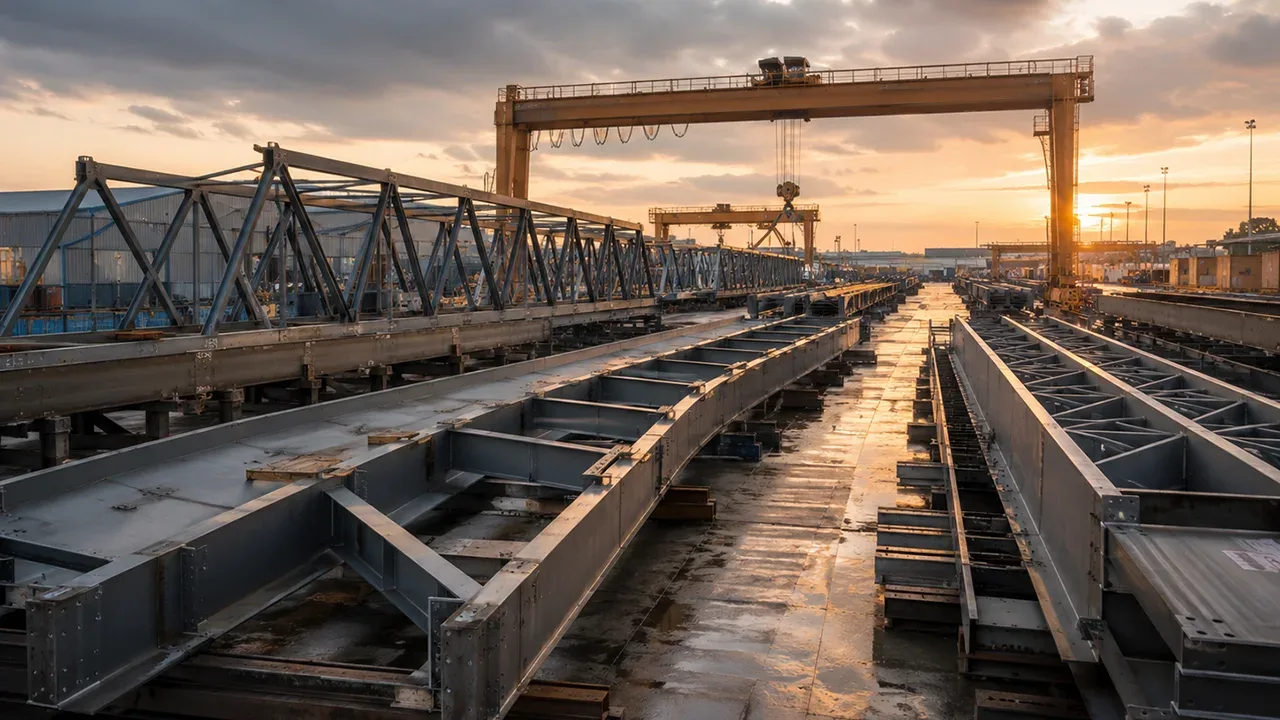
Real-world projects provide valuable insights into how steel structure lifting plan strategies are applied in practice. In large-scale steel construction, lifting operations often involve heavy components, tight schedules, and complex site conditions.
For example, projects involving long-span steel beams or heavy industrial frames require precise coordination between crane operations and structural alignment. Accurate lifting plans ensure that each component is positioned correctly without the need for rework.
In addition, proper planning of crane positioning, load distribution, and sequencing helps reduce downtime and improve overall efficiency. These projects demonstrate how a well-executed steel structure lifting plan directly contributes to both safety and productivity.
Common Mistakes in Lifting Plan Preparation
Underestimating Load Weight
One of the most common mistakes is underestimating the actual weight of the load. This can result from incomplete data or failure to account for rigging equipment and additional attachments.
Underestimating weight can lead to crane overloading, which poses serious safety risks and may damage equipment.
Ignoring Crane Radius Limitations
Failure to consider crane radius is another critical issue. As radius increases, lifting capacity decreases significantly. Ignoring this factor can result in unsafe lifting conditions and operational inefficiencies.
Misinterpreting Load Charts
Incorrect reading of a load chart can lead to selecting inappropriate crane configurations. This mistake often occurs when operators do not fully understand chart parameters or fail to consider site-specific conditions. Proper training and verification are essential to avoid such errors.
Poor Communication and Coordination
Even with a technically sound lifting plan, poor communication among team members can lead to execution failures. Lack of coordination can result in delays, safety incidents, or incorrect installation.
Clear roles, responsibilities, and communication protocols must be established before lifting operations begin.
Why Professional Planning Matters in Steel Structure Lifting
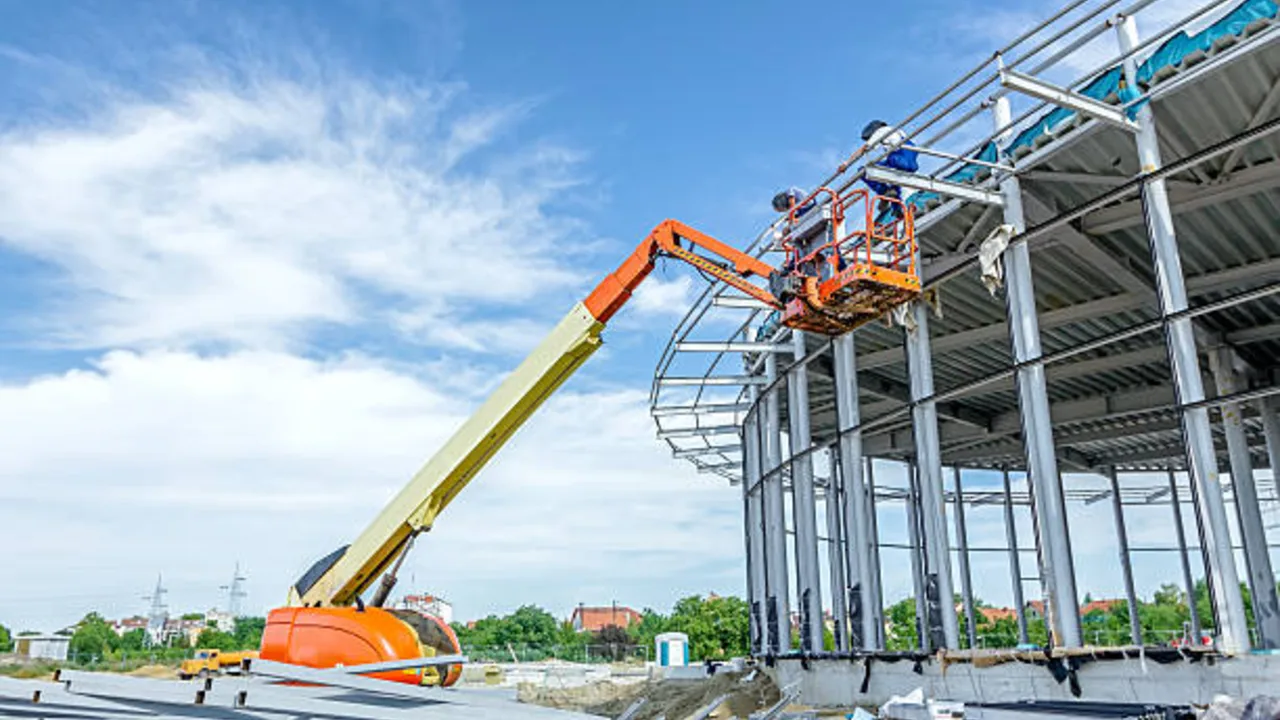
Lifting operations are inherently high-risk and require a combination of engineering expertise and field experience. A well-developed steel structure lifting plan ensures that all variables—from load calculations to crane positioning—are properly addressed.
Working with an experienced steel structure construction team allows project stakeholders to minimize risk and improve efficiency. Professional planning not only enhances safety but also reduces delays and overall project costs.
Conclusion
The preparation of a steel structure lifting plan is a critical component of successful steel construction projects. From load calculation and crane selection to sequencing and safety management, every detail must be carefully considered.
Understanding factors such as crane radius and load chart limitations enables engineers to design lifting strategies that are both safe and efficient. Proper planning ensures that lifting operations support the overall project schedule rather than disrupt it.
Ultimately, effective lifting plan preparation is not just about moving steel—it is about ensuring structural integrity, protecting workers, and delivering projects on time and within budget.
FAQ
What is a steel structure lifting plan?
It is a detailed plan that defines how structural components are lifted, transported, and installed safely on site.
Why is crane radius important in lifting?
Crane radius directly affects lifting capacity. A larger radius reduces the crane’s ability to safely lift heavy loads.
How do you read a load chart?
A load chart shows the crane’s capacity based on boom length, radius, and configuration. It must be interpreted accurately to ensure safe lifting.
What factors affect crane lifting capacity?
Key factors include crane radius, boom length, ground conditions, and load weight.
What is tandem lifting?
Tandem lifting involves using two or more cranes to lift a single load, requiring precise coordination.
How can lifting safety be ensured?
Through proper planning, risk assessment, communication systems, and adherence to safety protocols.
What are common lifting plan mistakes?
Common mistakes include incorrect load calculations, ignoring crane radius, and misreading load charts.
How does lifting planning impact project cost?
Efficient planning reduces delays, prevents rework, and minimizes equipment and labor costs.