Weather conditions are often underestimated in construction planning, yet they play a decisive role in project execution—especially during steel erection. Unlike enclosed construction environments, steel structures are typically assembled in open sites, directly exposed to environmental factors. Among these, rain presents one of the most disruptive challenges. Without proper steel erection rain protection, even short periods of rainfall can compromise quality, safety, and project timelines.
Steel, while strong and durable, is highly sensitive to moisture during certain stages of construction. Before protective coatings are fully applied, exposed surfaces are vulnerable to oxidation. At the same time, wet conditions interfere with installation precision, welding quality, and worker safety. These issues rarely occur in isolation; instead, they create a chain reaction that leads to rework, delays, and increased costs.
For teams involved in steel structure construction, managing rain exposure is not just a reactive task—it requires proactive planning and structured execution. Effective steel erection rain protection strategies ensure that construction quality is maintained even under unpredictable weather conditions, while also supporting long-term corrosion prevention and structural reliability.
Why Steel Erection Rain Protection Is Critical
The importance of steel erection rain protection goes beyond temporary inconvenience. Moisture directly affects both the short-term construction process and the long-term performance of the structure. When steel surfaces are exposed to rain before proper treatment, oxidation can begin almost immediately, especially in humid environments.
This early-stage corrosion is often invisible at first but can significantly reduce coating adhesion later. If protective paint systems are applied over inadequately prepared surfaces, the lifespan of the coating system is compromised. Over time, this leads to maintenance issues, premature degradation, and higher lifecycle costs.
Additionally, rain introduces variability into construction conditions. Surface friction decreases, equipment performance becomes less predictable, and precision tasks such as alignment and bolting become more difficult. These factors increase the likelihood of errors, making steel erection rain protection a critical component of both quality control and risk management.
Key Risks of Rain Exposure During Steel Erection
Surface Corrosion Before Coating
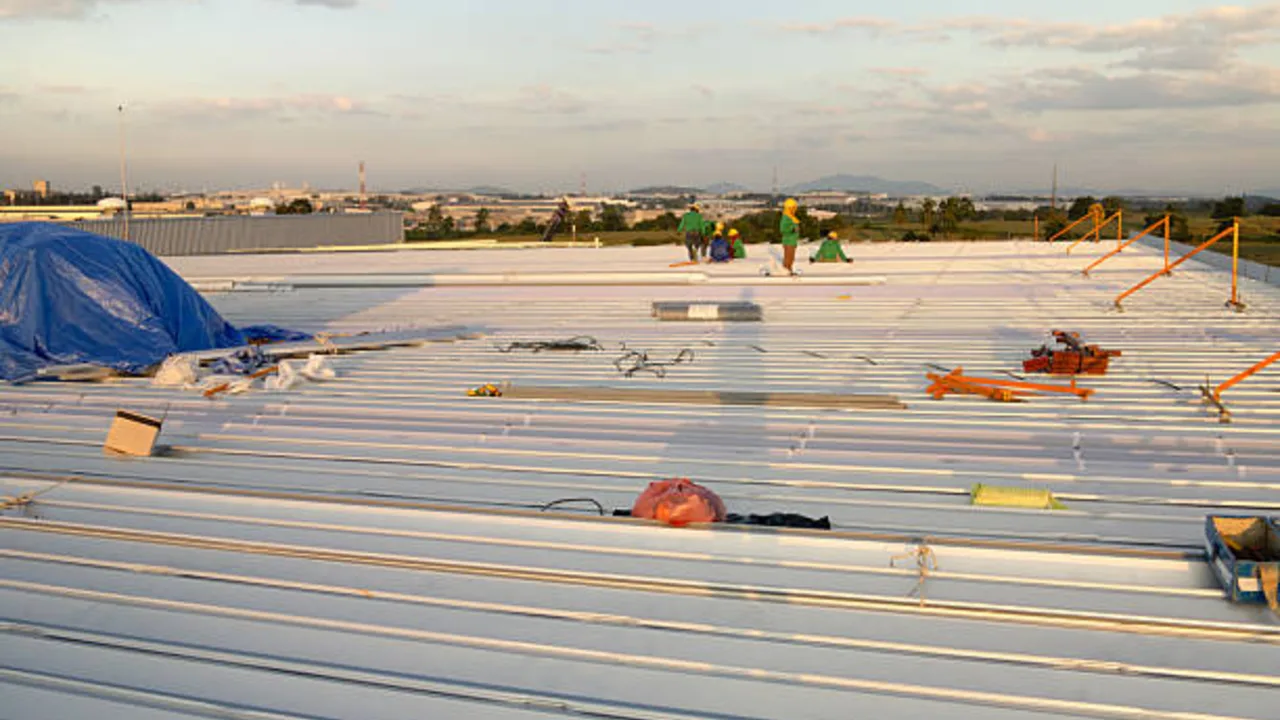
One of the most immediate consequences of rain exposure is surface corrosion. When steel arrives on-site without final coating systems, it is typically protected only by a temporary primer. This primer is not designed to withstand prolonged exposure to moisture.
Rainwater, combined with airborne contaminants, accelerates oxidation. Even a thin layer of rust can compromise the effectiveness of subsequent coatings. In many cases, additional surface preparation—such as cleaning or re-blasting—is required, increasing both time and cost.
Welding Quality Degradation
Welding operations are particularly sensitive to environmental conditions. Moisture on steel surfaces or in the surrounding air can introduce hydrogen into the weld, leading to defects such as cracking or porosity.
These defects may not always be visible immediately but can fail during inspection or under load conditions. Repairing defective welds is both time-consuming and costly, making rain a major risk factor in erection quality.
Safety Hazards on Site
Rain significantly increases safety risks during steel erection. Wet surfaces reduce traction, making it more difficult for workers to move safely on beams and platforms. Tools and equipment become harder to handle, and visibility may be reduced.
Heavy machinery such as cranes also becomes less stable on wet ground. Combined with wind and reduced friction, this creates hazardous lifting conditions. Electrical risks further increase when rainwater interacts with temporary power systems.
Project Delays and Cost Impact
Rain-related disruptions often lead to schedule delays. Work may need to be paused entirely during heavy rainfall, or productivity may decrease under light rain conditions. These delays have a cascading effect on project timelines.
Extended schedules increase labor costs, equipment rental fees, and indirect expenses. In addition, rework caused by moisture-related defects further contributes to overall cost escalation. Without proper steel erection rain protection, these impacts become unavoidable.
Pre-Erection Planning for Rain Protection
Weather Forecast Integration
Effective rain protection begins long before steel components arrive on-site. Integrating weather forecasting into project planning allows teams to anticipate high-risk periods and adjust schedules accordingly.
Instead of reacting to unexpected rainfall, project managers can sequence erection activities to minimize exposure. Critical tasks such as welding or coating can be scheduled during favorable weather windows, reducing the risk of disruption.
This proactive approach transforms steel erection rain protection from a reactive measure into a strategic planning tool.
Site Drainage Preparation
Proper site drainage is essential for maintaining stable working conditions. Accumulated water not only affects equipment mobility but also increases the likelihood of material contamination.
Temporary drainage systems, such as trenches or pumps, help redirect water away from work areas. Ground stabilization techniques, including gravel layers or compacted surfaces, further improve site conditions during rainfall.
By controlling water accumulation, projects can maintain productivity even under wet conditions.
Material Storage Strategy
Steel components must be stored in a way that minimizes exposure to moisture. Direct contact with the ground should be avoided, as it increases the risk of water accumulation and corrosion.
Elevated storage systems, combined with protective coverings, help keep materials dry. Proper spacing between components also allows for air circulation, reducing condensation.
These simple yet effective measures play a key role in corrosion prevention before installation begins.
Material Protection Measures Before Installation
Protective Coatings and Primers
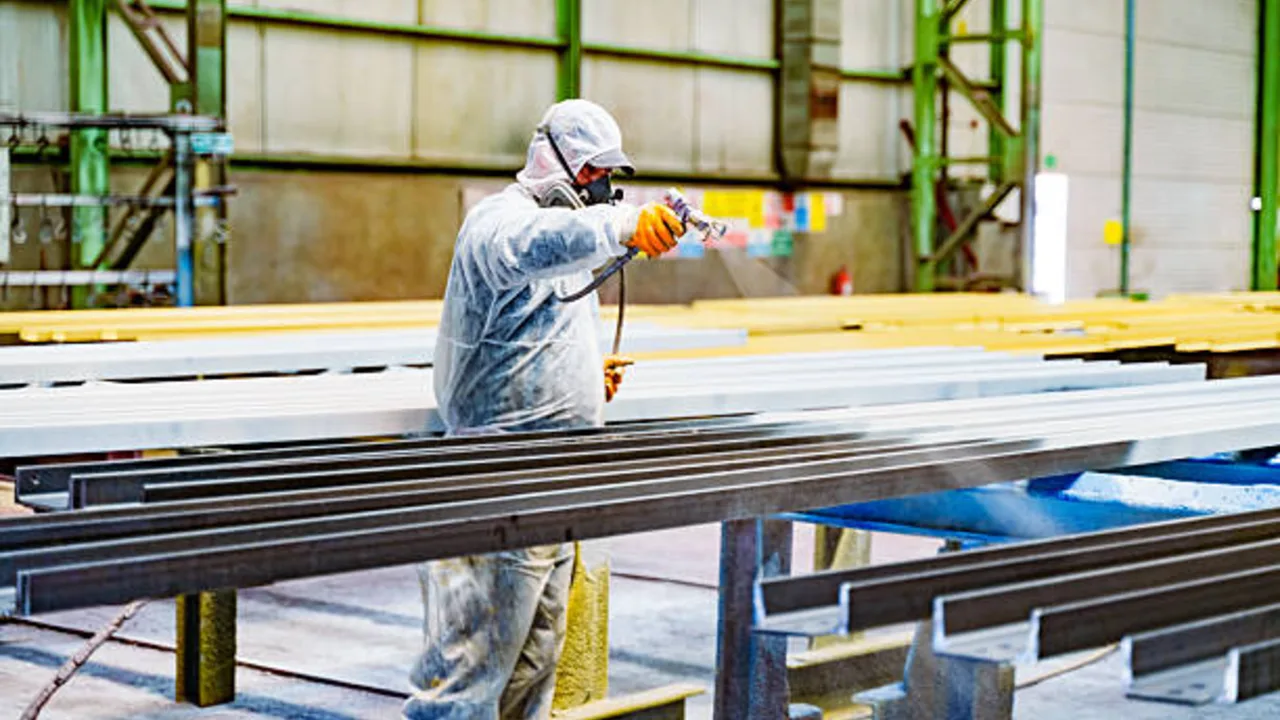
Applying protective primers in the fabrication stage is one of the most effective ways to reduce moisture-related risks. These coatings provide a temporary barrier against corrosion during transportation and storage.
However, it is important to understand their limitations. Primers are not designed to replace final coating systems, and prolonged exposure to rain can still lead to degradation.
Regular inspection of coated surfaces is necessary to ensure that protection remains effective throughout the erection phase.
Use of Waterproof Covers
Waterproof covers, such as tarpaulins or temporary shelters, are widely used to protect steel components from rain. These covers must be properly secured to prevent water ingress and allow adequate ventilation.
Improper covering can trap moisture, creating conditions for accelerated corrosion. Therefore, protection systems must balance water resistance with airflow.
Handling and Transportation Protection
Rain protection should extend beyond the construction site. During transportation, steel components are exposed to varying weather conditions. Covered transport systems help reduce direct exposure to rain.
Careful handling during unloading is equally important. Components should not be placed in standing water or exposed areas without immediate protection.
Maintaining control over moisture exposure at every stage is essential for effective steel erection rain protection.
On-Site Steel Erection Rain Protection Techniques
Temporary Shelter Systems
One of the most effective ways to manage rain exposure during erection is the use of temporary shelter systems. These can range from simple tarpaulin covers to modular, movable roofing structures that protect specific work zones.
Instead of attempting to cover the entire site, targeted protection allows critical activities—such as welding or bolting—to continue under controlled conditions. This localized approach improves efficiency while maintaining quality standards.
When properly implemented, temporary shelters significantly reduce the impact of weather disruptions and enhance overall steel erection rain protection.
Controlled Welding Environment
Maintaining a dry environment for welding is essential. Welding tents or enclosed work areas help isolate critical operations from rain and humidity. These setups prevent moisture from contaminating weld joints and reduce the risk of defects.
In addition, preheating techniques can be used to remove residual moisture from steel surfaces before welding. Combined with environmental control, this ensures weld integrity and compliance with inspection standards.
Immediate Surface Treatment
When steel surfaces become wet, immediate action is required. Water should be removed using cloths, air blowers, or drying equipment. Any visible rust must be cleaned before further work continues.
In some cases, temporary protective coatings may need to be reapplied. These rapid-response measures are critical to maintaining surface quality and preventing long-term corrosion issues.
Corrosion Prevention Strategies During Rainy Conditions
Surface Preparation Standards
Proper surface preparation is the foundation of effective corrosion prevention. Before applying any coating, steel surfaces must be clean, dry, and free from contaminants.
Rain introduces moisture and impurities that can compromise coating adhesion. Therefore, strict surface preparation standards must be enforced, even under schedule pressure.
Coating Application Timing
Coating should never be applied to wet or damp surfaces. Environmental conditions—including humidity, temperature, and surface dryness—must meet specified requirements before application.
Applying coatings under unsuitable conditions can result in blistering, peeling, or premature failure. Proper timing is a key factor in long-term corrosion prevention.
Inspection and Quality Control
Inspection plays a vital role in identifying moisture-related issues. Surface cleanliness, coating thickness, and early signs of rust must be carefully monitored.
Regular inspections ensure that problems are addressed before they escalate, reinforcing the effectiveness of steel erection rain protection strategies.
Equipment and Workforce Management in Rain Conditions
Crane and Equipment Safety Measures
Heavy equipment operation becomes more complex during rain. Ground stability must be continuously monitored to ensure safe crane operation. Anti-slip measures and load control procedures should be strictly enforced.
Operators must also adjust lifting strategies based on reduced visibility and changing environmental conditions.
Worker Safety Protocols
Worker safety is a top priority in wet conditions. Personal protective equipment (PPE), including anti-slip footwear and rain-resistant clothing, is essential.
In addition, workers should receive training on operating safely in rain, including hazard recognition and emergency response procedures.
Work Suspension Criteria
Not all work can continue during rainfall. Clear criteria must be established to determine when erection activities should be paused. Factors such as rain intensity, wind speed, and visibility must be considered.
Stopping work at the right time prevents accidents and reduces the risk of costly errors.
Real Project Insight: Managing Rain During Steel Erection
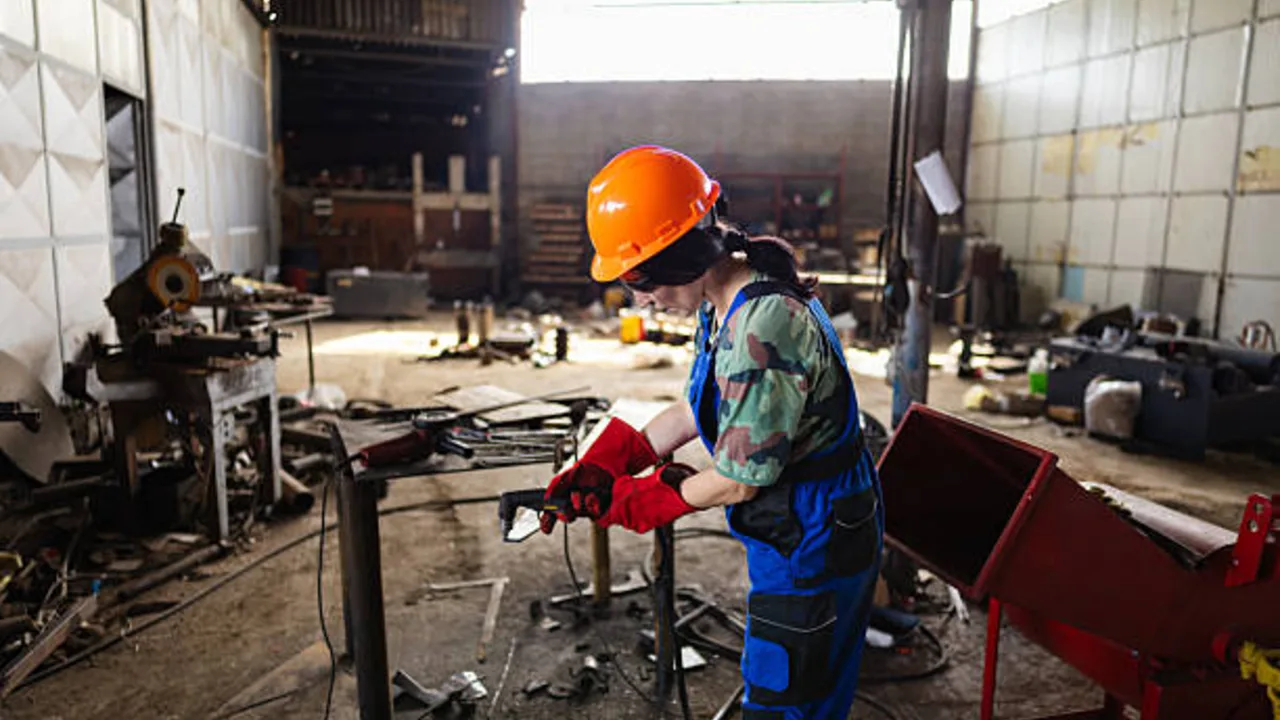
Real-world projects demonstrate that effective steel erection rain protection is not about eliminating risk entirely, but about managing it systematically. In large-scale international warehouse and industrial projects, rain exposure is often unavoidable.
Successful teams adopt a combination of planning, prefabrication, and on-site control measures. Prefabricated components reduce on-site work duration, limiting exposure to weather conditions. At the same time, structured logistics planning ensures that materials arrive when needed, minimizing storage time in open environments.
Another key lesson is the importance of flexibility. Teams that can quickly adapt—by rescheduling tasks, deploying temporary shelters, or reallocating resources—are better equipped to handle unpredictable weather.
For companies involved in steel structure construction, these practical strategies highlight how integrated systems can significantly reduce corrosion prevention challenges and maintain project efficiency even under adverse conditions.
Why Professional Steel Structure Construction Matters
Steel erection under changing weather conditions requires more than basic construction knowledge. It demands a deep understanding of engineering, materials, and execution strategies.
Without this expertise, projects are more vulnerable to delays, defects, and long-term durability issues. Professional teams are able to integrate steel erection rain protection into every stage of the project, from planning to final inspection.
For developers and contractors, working with experienced partners in steel structure construction ensures that quality, safety, and cost control are maintained—even in challenging environmental conditions.
Conclusion
Rain is an unavoidable factor in many construction projects, but its impact can be effectively managed. Understanding the principles of steel erection rain protection allows project teams to maintain quality, protect materials, and ensure safety.
From early planning and material protection to on-site control and inspection, every stage plays a role in minimizing risk. When these strategies are properly implemented, projects can proceed with confidence—even under unpredictable weather conditions.
Ultimately, integrating rain protection into the overall construction strategy is essential for achieving durable, cost-effective, and high-quality steel structures.
FAQ
What is steel erection rain protection?
It refers to methods used to protect steel structures from rain during installation to ensure quality and safety.
Why is rain dangerous during steel erection?
Rain can cause corrosion, reduce welding quality, and create safety hazards.
How does rain cause corrosion?
Moisture reacts with steel surfaces, leading to oxidation and rust formation.
Can welding be done in the rain?
Welding should not be performed in wet conditions unless proper protection systems are in place.
What are the best corrosion prevention methods?
Proper surface preparation, protective coatings, and moisture control are essential.
When should erection be stopped due to weather?
Work should stop during heavy rain, strong winds, or unsafe visibility conditions.
How to protect steel materials on-site?
Use elevated storage, waterproof covers, and controlled handling procedures.
What is the role of planning in rain protection?
Planning helps anticipate risks, optimize scheduling, and reduce weather-related disruptions.