In modern construction, productivity is no longer just an operational concern — it is a strategic driver of project success. Steel structure projects, in particular, operate under tight schedules, high precision requirements, and strict cost control. As global demand for industrial buildings, logistics hubs, and infrastructure continues to grow, the ability to measure and improve performance has become critical. This is where steel construction productivity metrics play a central role.
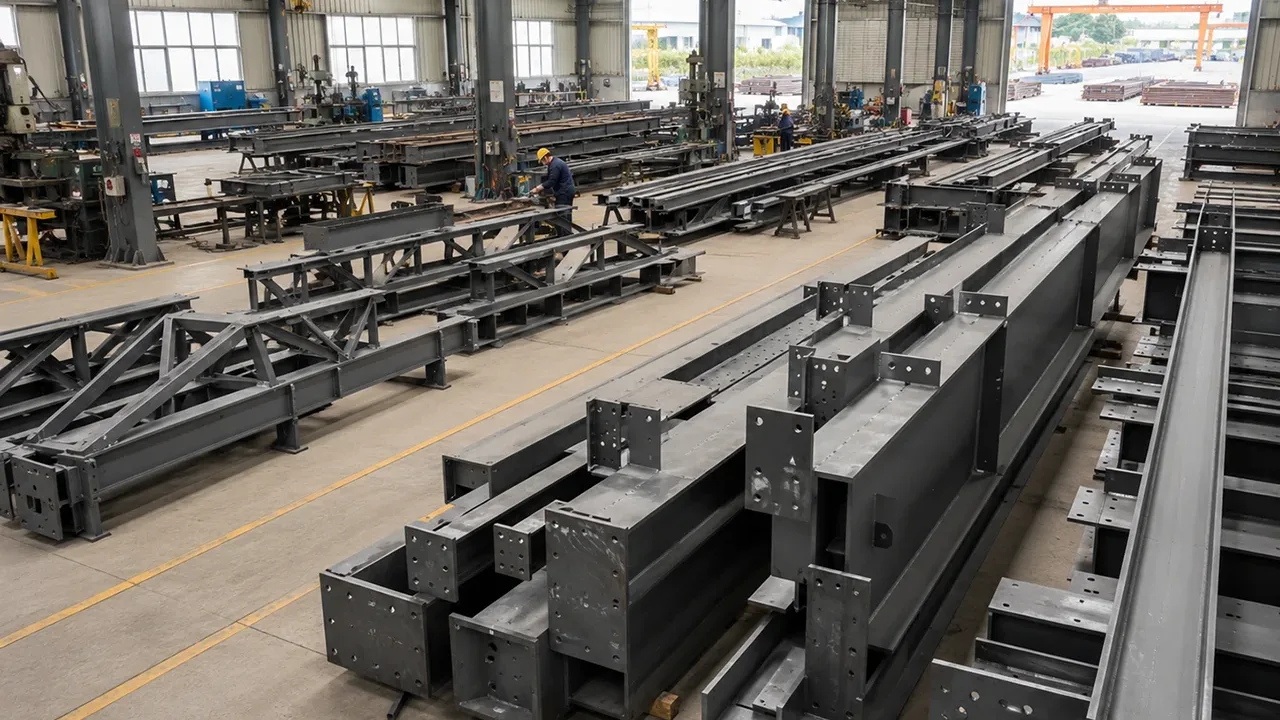
Unlike traditional construction methods, steel construction involves a high degree of prefabrication, coordination, and sequencing. Fabrication, transportation, and erection must be aligned precisely to avoid delays and inefficiencies. Without clear measurement systems, project teams often rely on assumptions rather than data, leading to inconsistent outcomes.
At the core of productivity measurement is the concept of output rate — how much work is completed within a given period. Whether measured in tons erected per day or components installed per shift, output rate provides a tangible way to evaluate performance. For developers, contractors, and any steel structure construction company, understanding productivity is essential for delivering projects on time and within budget.
What Are Steel Construction Productivity Metrics
Definition and Core Concept
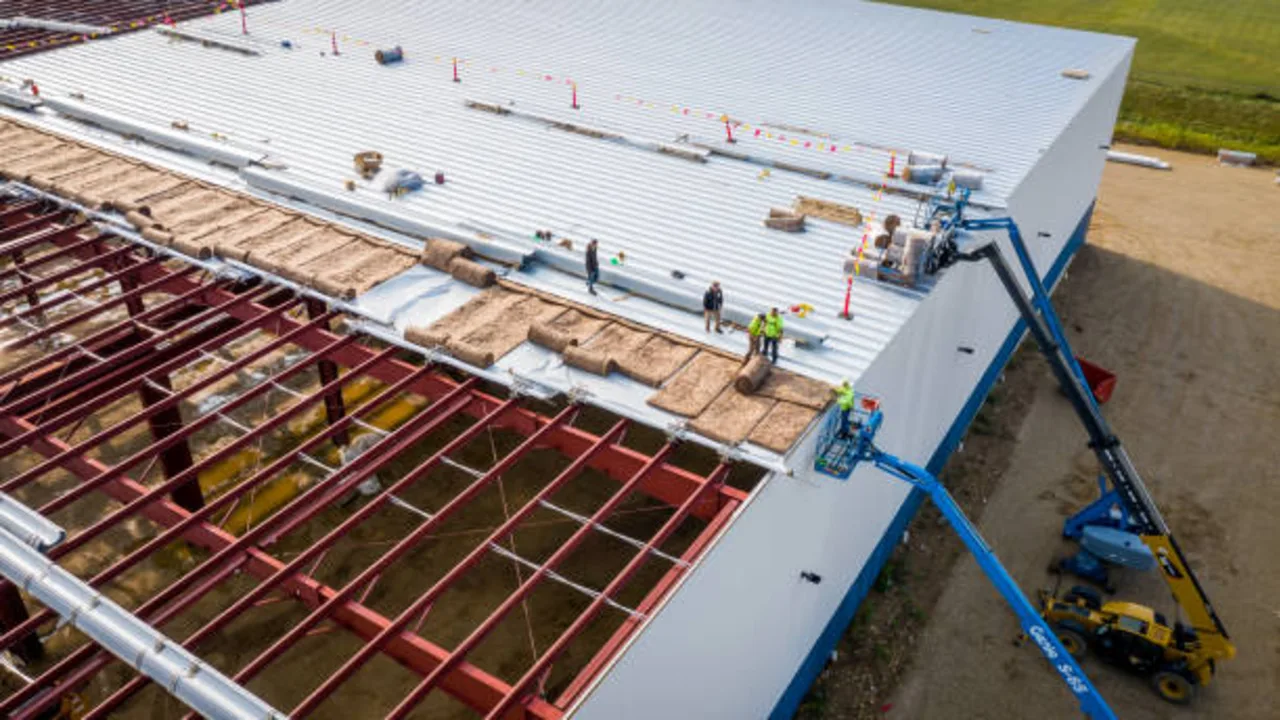
Productivity in steel construction refers to the relationship between output and input. Output typically represents completed work, such as installed steel tonnage, while input includes labor, equipment, and time. Steel construction productivity metrics are the measurable indicators used to evaluate how efficiently these inputs are converted into output.
It is important to distinguish between efficiency and productivity. Efficiency focuses on minimizing waste, while productivity measures actual performance outcomes. A project can be efficient but still have low productivity if the output is insufficient.
By using structured metrics, project teams can move from subjective assessments to data-driven decision-making. This allows for better planning, more accurate forecasting, and improved overall performance.
Why Metrics Matter in Steel Projects
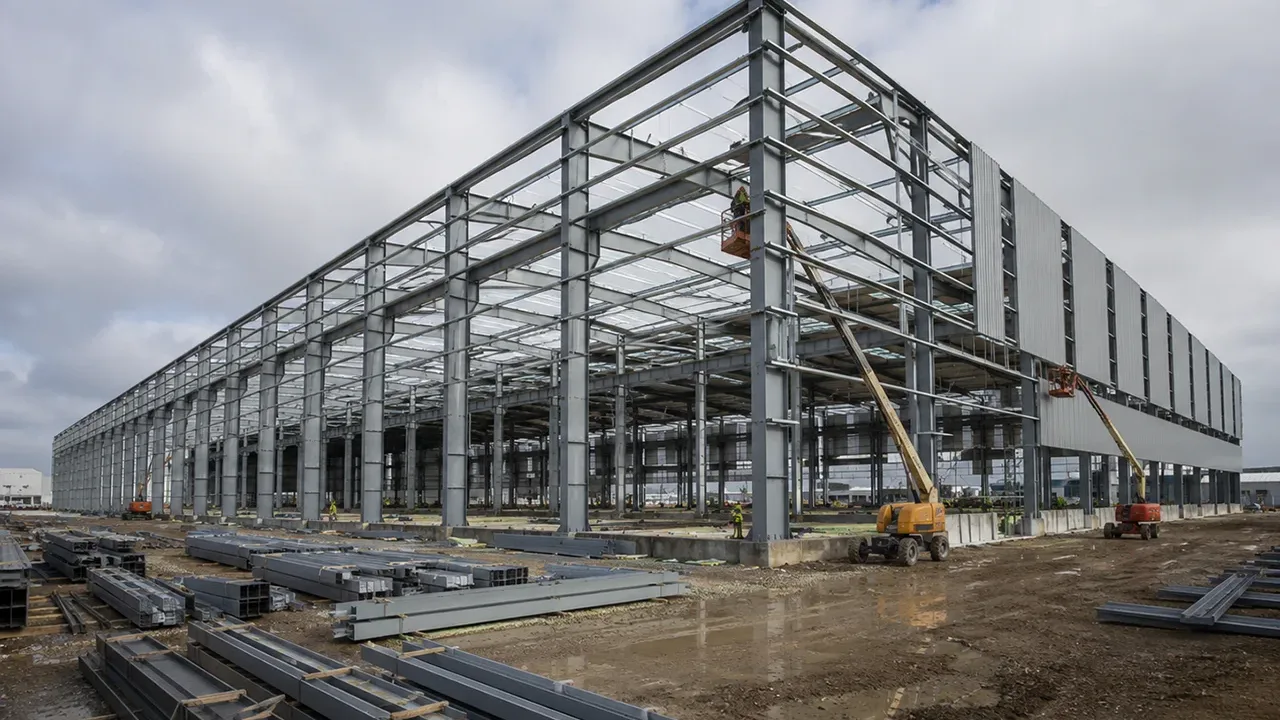
Steel construction projects are highly sensitive to coordination. Fabrication delays can affect site installation, while erection issues can disrupt subsequent activities. Without proper measurement, these issues may go unnoticed until they significantly impact the schedule.
Steel construction productivity metrics provide visibility into project performance. They help identify bottlenecks, track progress, and evaluate whether resources are being used effectively. In large-scale projects, this level of insight is essential for maintaining control.
Additionally, productivity metrics support cost management. By understanding how much output is achieved per unit of input, project managers can estimate labor costs more accurately and adjust strategies when performance falls below expectations.
Key Productivity Indicators in Steel Construction
Output Rate as a Primary Metric
The most fundamental productivity indicator in steel construction is the output rate. This metric measures how much work is completed within a specific timeframe. It can be expressed in various units, depending on the activity:
- Tons of steel erected per day
- Number of components installed per shift
- Square meters of structure completed per week
The output rate is particularly valuable because it provides a direct link between planning and execution. By comparing planned output with actual performance, project teams can quickly identify deviations and take corrective action.
However, output rate is not a fixed value. It varies depending on factors such as project complexity, site conditions, and workforce capability. Understanding these variations is key to interpreting steel construction productivity metrics accurately.
Labor Productivity
Labor productivity measures the amount of output generated per worker or per crew. In steel construction, this is often calculated as tons installed per worker per day. This metric is highly influenced by skill level, experience, and supervision.
Skilled workers can complete tasks more efficiently and with fewer errors, leading to higher productivity. In contrast, inexperienced labor may require additional supervision and time, reducing overall performance.
Effective supervision plays a critical role in optimizing labor productivity. By guiding workers, ensuring proper sequencing, and resolving issues quickly, supervisors can significantly improve output without increasing labor costs.
Equipment Productivity
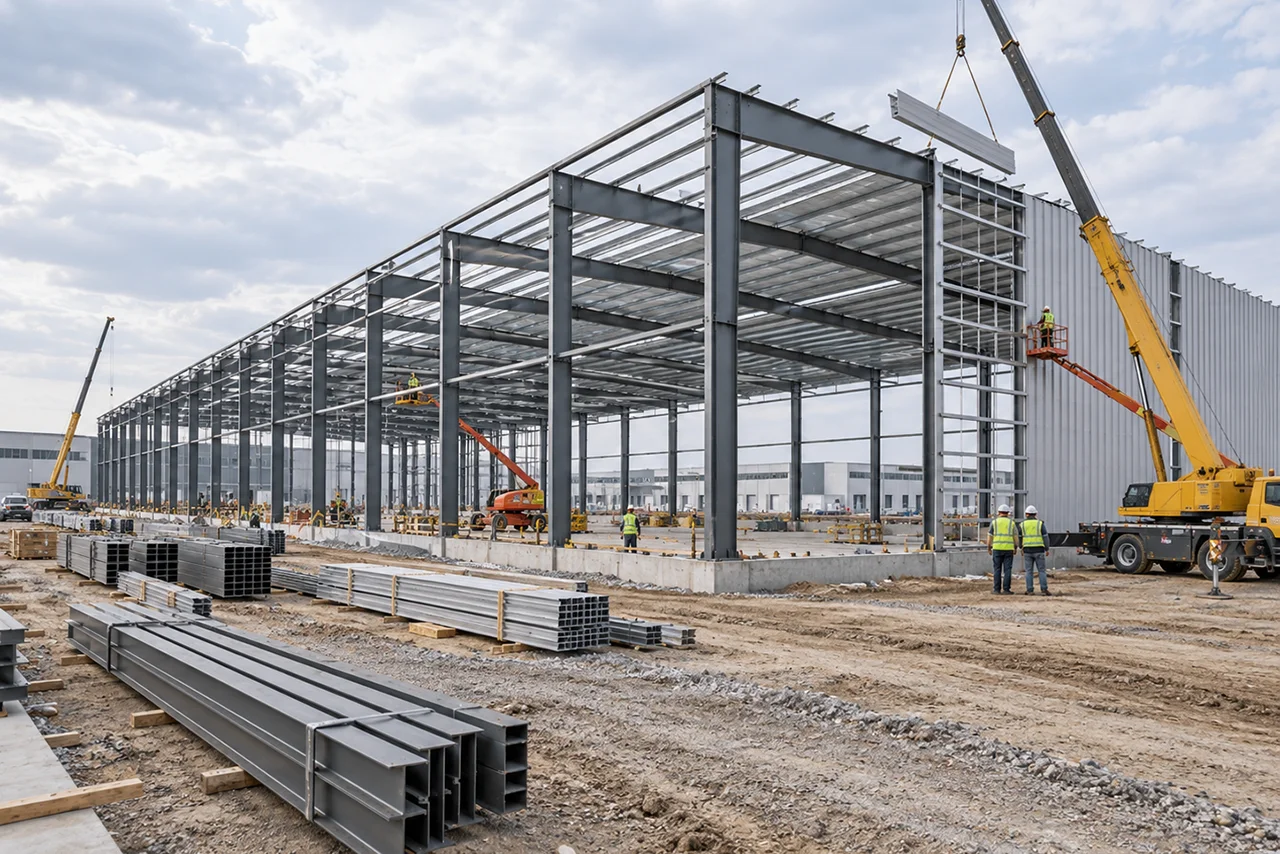
Equipment productivity focuses on how effectively machinery is utilized during construction. In steel erection, cranes are among the most critical pieces of equipment. Their performance directly affects installation speed.
Key indicators of equipment productivity include:
- Lifting cycle time
- Number of lifts per hour
- Equipment utilization rate
Optimizing these factors can significantly increase the output rate. For example, reducing crane idle time or improving coordination between lifting and installation teams can lead to substantial productivity gains.
Time-Based Metrics
Time-based metrics provide additional insights into productivity. These include cycle time, installation duration per component, and idle time. By analyzing how time is spent on different activities, project teams can identify inefficiencies and optimize workflows.
For instance, if installation takes longer than expected, it may indicate issues with coordination, worker skill levels, or equipment performance. Addressing these issues can improve overall steel construction productivity metrics and enhance project outcomes.
Typical Productivity Benchmarks
Productivity benchmarks serve as reference points for evaluating performance. While actual values vary depending on project conditions, industry averages provide useful guidance for planning and assessment.
| Activity | Metric | Typical Range | Notes |
|---|---|---|---|
| Fabrication | tons/day | 50–150 | Depends on automation level |
| Erection | tons/day | 20–80 | Influenced by crane capacity |
| Welding | joints/day | 30–100 | Highly skill dependent |
| Installation | components/day | 10–50 | Site conditions impact output |
These benchmarks should not be treated as fixed targets. Instead, they provide a baseline for comparison. Each project must be evaluated based on its unique conditions, including design complexity, workforce capability, and site environment.
Factors Affecting Steel Construction Productivity
Workforce Skill Level
The skill level of the workforce is one of the most influential factors in determining productivity. Skilled workers are able to interpret drawings accurately, execute tasks efficiently, and minimize errors. In contrast, less experienced workers often require additional supervision and time, which can reduce overall performance.
Training programs and continuous skill development are essential for improving workforce capability. When workers understand both the technical requirements and the sequence of operations, they can perform tasks more effectively, directly improving steel construction productivity metrics.
Site Conditions
Site conditions play a critical role in shaping productivity outcomes. Factors such as weather, accessibility, and available working space can significantly impact how efficiently work is carried out.
For example, limited space may restrict equipment movement, while adverse weather conditions can delay installation activities. Proper site planning and risk management are necessary to mitigate these challenges and maintain consistent output rates.
Project Complexity
The complexity of a steel structure directly affects productivity. Standardized projects with repetitive components typically achieve higher output rates due to simplified processes and predictable workflows. On the other hand, custom or highly complex structures require more time for alignment, adjustment, and verification.
Connection types, structural geometry, and integration with other systems all contribute to project complexity. Understanding these factors helps in setting realistic productivity targets and interpreting steel construction productivity metrics accurately.
Supervision and Management
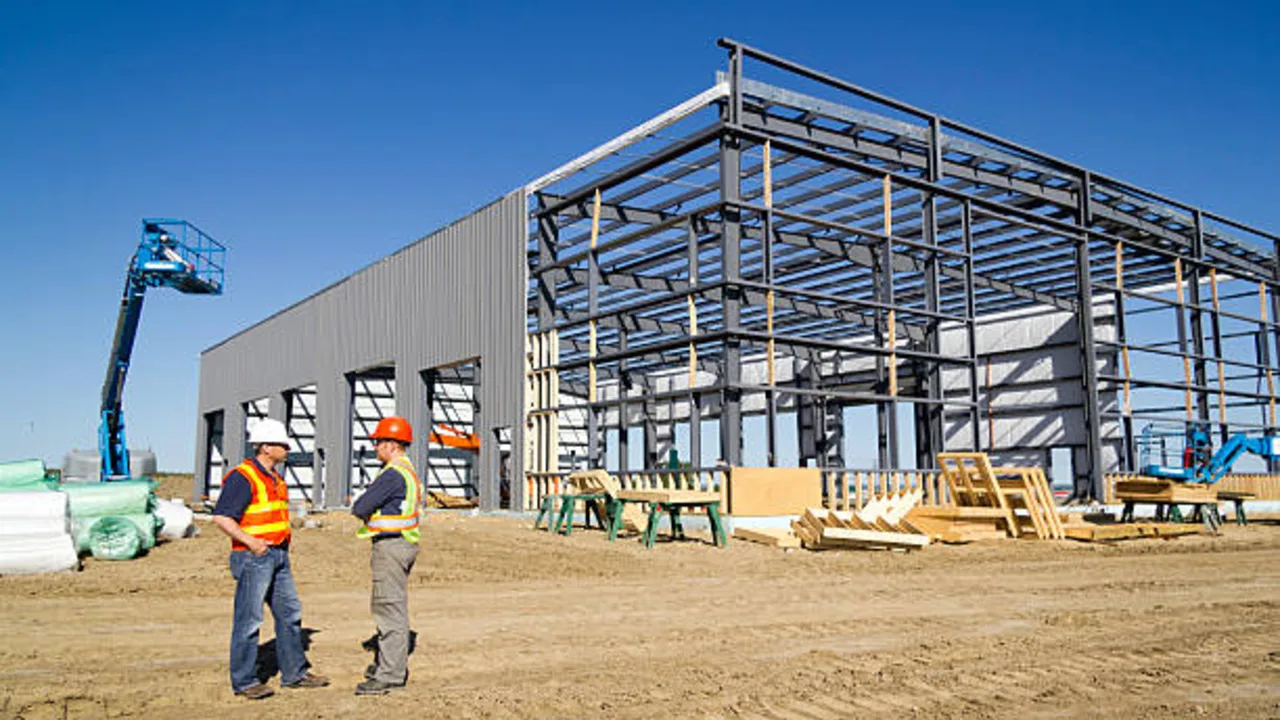
Effective supervision is essential for maintaining productivity. Supervisors ensure that work is carried out according to plan, coordinate between teams, and resolve issues in real time. Without proper supervision, even skilled workers may struggle to maintain consistent performance.
Management systems also play a key role. Clear communication, structured workflows, and efficient decision-making processes all contribute to higher productivity levels.
Measuring Productivity on Site
Data Collection Methods
Accurate productivity measurement begins with reliable data collection. Traditional methods include manual tracking through daily logs and reports. While these methods are still widely used, they can be time-consuming and prone to human error.
Digital tools offer a more efficient alternative. Real-time monitoring systems, mobile applications, and integrated project management platforms allow for faster and more accurate data collection. These tools enable project teams to track progress continuously and respond to issues immediately.
Daily Productivity Tracking
Daily tracking is essential for maintaining control over project performance. By recording the amount of work completed each day, project teams can compare actual output with planned targets.
This comparison helps identify deviations early. If output falls below expectations, corrective actions can be implemented before delays accumulate. Consistent tracking also provides valuable data for analyzing trends and improving future projects.
Productivity Calculation Methods
Productivity is typically calculated using simple ratios. The most common formula is:
Productivity = Output / Input
Where output represents completed work and input includes labor, time, and equipment. More advanced calculations may incorporate multiple variables to provide a more detailed analysis.
Benchmark comparisons are also widely used. By comparing actual performance with industry standards or previous projects, teams can evaluate whether productivity levels are acceptable.
Common Productivity Issues in Steel Construction
Despite careful planning, productivity challenges are common in steel construction projects. Identifying these issues early is critical for maintaining performance.
- Delays in material delivery disrupting workflow
- Poor coordination between fabrication and erection teams
- Rework caused by errors or misalignment
- Equipment downtime due to maintenance or scheduling issues
| Issue | Cause | Impact | Solution |
|---|---|---|---|
| Rework | Skill gaps or errors | Delays and cost increase | Training and supervision |
| Idle time | Poor planning | Reduced output | Improved scheduling |
| Equipment delays | Maintenance issues | Downtime | Preventive maintenance |
| Miscommunication | Coordination gaps | Errors and inefficiency | Structured communication systems |
Strategies to Improve Steel Construction Productivity
Workforce Optimization
Optimizing the workforce is one of the most effective ways to improve productivity. This includes providing training, organizing crews efficiently, and assigning tasks based on skill levels.
Task specialization can also enhance performance. When workers focus on specific activities, they develop expertise that leads to faster and more accurate execution.
Process Standardization
Standardization reduces variability and simplifies workflows. Pre-engineered systems and modular construction methods allow for more predictable execution, reducing the reliance on highly specialized labor.
Standardized processes also make it easier to measure and compare steel construction productivity metrics, providing clearer insights into performance.
Technology Integration
Technology plays an increasingly important role in productivity improvement. BIM enables better planning and visualization, while digital tracking systems provide real-time performance data.
Automation in fabrication further enhances efficiency by reducing manual errors and increasing production speed. Together, these technologies create a more controlled and efficient construction environment.
The Role of Steel Structure Construction Companies
Companies involved in steel construction have a significant influence on productivity outcomes. A well-organized steel structure construction company integrates design, fabrication, and erection processes into a cohesive system.
This integration improves coordination, reduces delays, and ensures that all stages of the project are aligned. Companies that invest in training, technology, and management systems are better positioned to achieve high productivity levels.
Balancing Productivity and Quality

Risks of Over-Optimization
While improving productivity is important, excessive focus on output can lead to negative consequences. Cutting corners to increase speed may compromise quality and safety, resulting in long-term issues.
Sustainable Productivity Approach
A balanced approach is essential. Productivity improvements should be achieved without sacrificing quality. This requires integrating quality control into every stage of the project and maintaining strict standards.
Future Trends in Productivity Measurement
The future of construction productivity lies in data-driven decision-making. Advanced analytics, artificial intelligence, and real-time monitoring systems are transforming how productivity is measured and managed.
Smart construction sites equipped with sensors and digital platforms can provide continuous feedback, enabling proactive management and continuous improvement.
Real Project Insight: State Grid Shanghai Huangdu 500kV UHV Tower Project
To better understand how steel construction productivity metrics are applied in real-world conditions, it is useful to examine large-scale infrastructure projects such as the State Grid Shanghai Huangdu 500kV UHV tower utility structures. This project represents a high-demand, precision-driven steel construction environment where productivity measurement is not optional, but essential.
Ultra-high voltage (UHV) transmission projects are among the most complex forms of steel structure construction. These structures must support long-distance power transmission while maintaining structural stability under extreme environmental conditions. According to industry data, UHV steel tower projects often involve massive steel volumes and strict engineering requirements, making productivity control critical for successful delivery :contentReference[oaicite:0]{index=0}.
In this project, the construction process required strict coordination between fabrication, transportation, and on-site erection. Each tower component had to be manufactured with high precision and assembled efficiently in the field. This is where steel construction productivity metrics such as output rate, installation cycle time, and labor productivity became key performance indicators.
For example, the erection of utility steel towers depends heavily on lifting efficiency and sequencing. Any delay in crane operations or misalignment during assembly can significantly reduce the overall output rate. By closely monitoring daily installation volumes and comparing them against planned targets, project teams can identify inefficiencies early and optimize workflows.
Another important aspect of this project is the role of standardization. UHV tower systems often use repeatable structural modules, which allow for more predictable productivity outcomes. This makes it easier to benchmark performance and improve consistency across different work zones.
Supervision also plays a critical role in maintaining productivity in such large-scale infrastructure projects. With multiple teams working simultaneously, real-time coordination is necessary to ensure that each activity aligns with the overall construction schedule. Strong supervision ensures that output rate remains stable while minimizing rework and delays.
Ultimately, projects like the State Grid Shanghai Huangdu 500kV UHV tower demonstrate how productivity measurement is directly linked to project success. By applying structured steel construction productivity metrics, contractors can maintain control over performance, reduce uncertainty, and deliver complex steel structures with greater efficiency and reliability.
Practical Recommendations for Project Owners
- Define clear productivity targets at the start of the project
- Monitor output rate regularly to track performance
- Invest in supervision and skilled labor
- Select experienced contractors with proven capabilities
Conclusion
Steel construction productivity metrics are essential tools for managing modern steel structure projects. By providing measurable insights into performance, they enable better planning, improved efficiency, and more predictable outcomes.
From output rate to labor and equipment productivity, these metrics help project teams identify opportunities for improvement and address challenges proactively.
Ultimately, productivity is not just about working faster — it is about working smarter. With the right systems, tools, and expertise, companies can achieve consistent, high-quality results in an increasingly competitive industry.