In steel construction projects, material management extends far beyond procurement and delivery. One of the most overlooked yet critical aspects of project execution is how materials are stored on site. Improper storage can lead to damage, delays, safety risks, and unnecessary costs. As projects become larger and more complex, the importance of structured steel construction site storage becomes increasingly evident.
Steel components are often fabricated off-site and delivered in phases. This means that site storage acts as a transitional buffer between fabrication and erection. If this buffer is not managed correctly, it can disrupt workflow, create bottlenecks, and negatively impact productivity.
Effective storage is not just about space allocation — it is about protection, accessibility, and control. Ensuring proper material protection is essential to preserve structural integrity, maintain surface quality, and avoid costly rework. For contractors and developers involved in steel structure construction, optimizing storage practices is a key factor in achieving project efficiency.
What Is Steel Construction Site Storage
Definition and Scope
Steel construction 2“0-site storage refers to the organized handling, placement, and protection of steel materials within a construction site before installation. This includes a wide range of materials, such as structural components, connection hardware, and prefabricated assemblies.
Storage requirements can vary depending on project scale and duration. Temporary storage is typically used for materials that will be installed within a short timeframe, while longer-term storage may be required for phased construction schedules.
Regardless of duration, the objective remains the same: maintain material condition, ensure accessibility, and support efficient workflow.
Role in Construction Workflow
Site storage plays a critical role in linking fabrication and erection activities. Materials must be stored in a way that aligns with the construction sequence. If components are not readily accessible or are stored incorrectly, installation crews may face delays.
Proper storage planning ensures that materials are available when needed, reducing idle time and improving coordination between teams. This directly contributes to smoother project execution and better overall performance.
Types of Steel Materials Stored On Site
Structural Steel Components
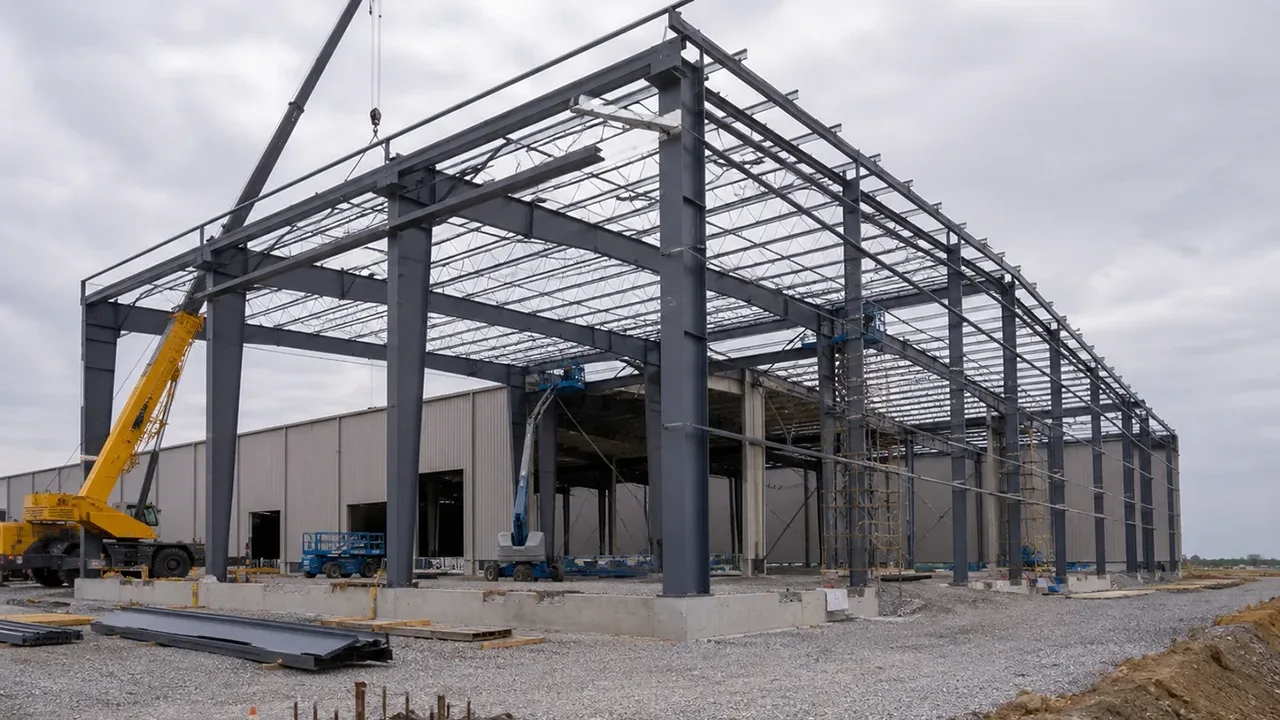
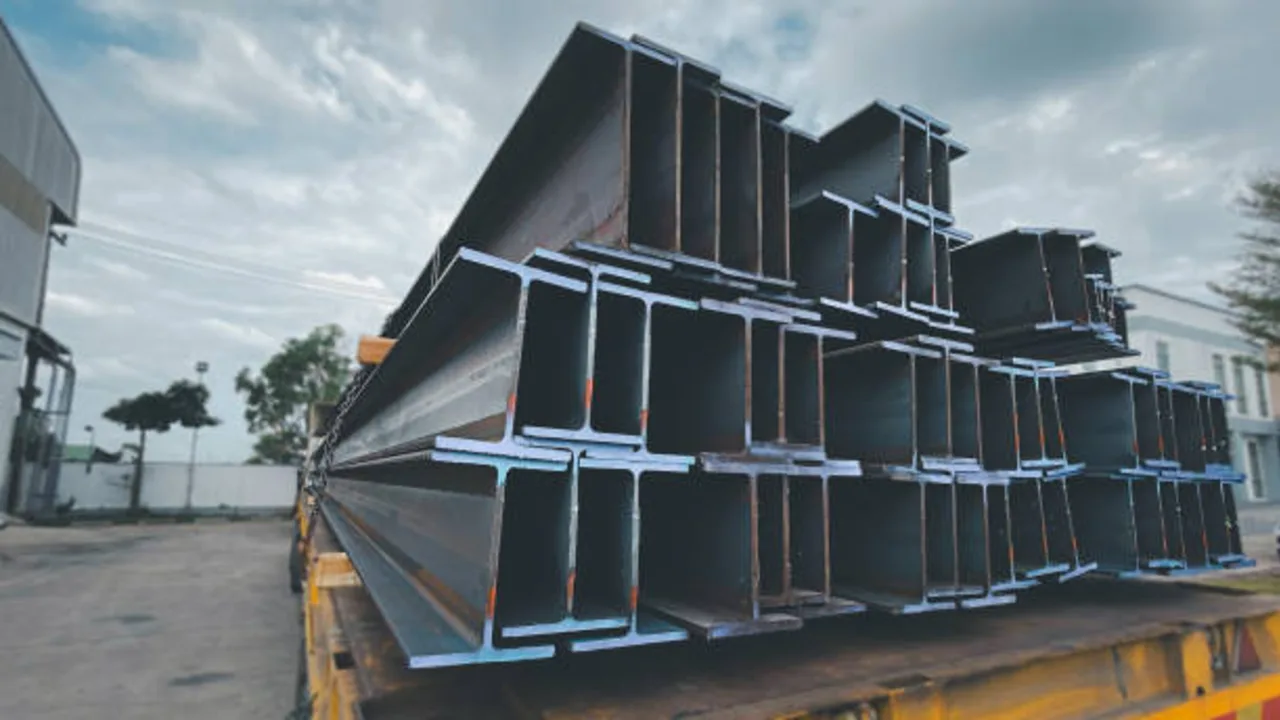
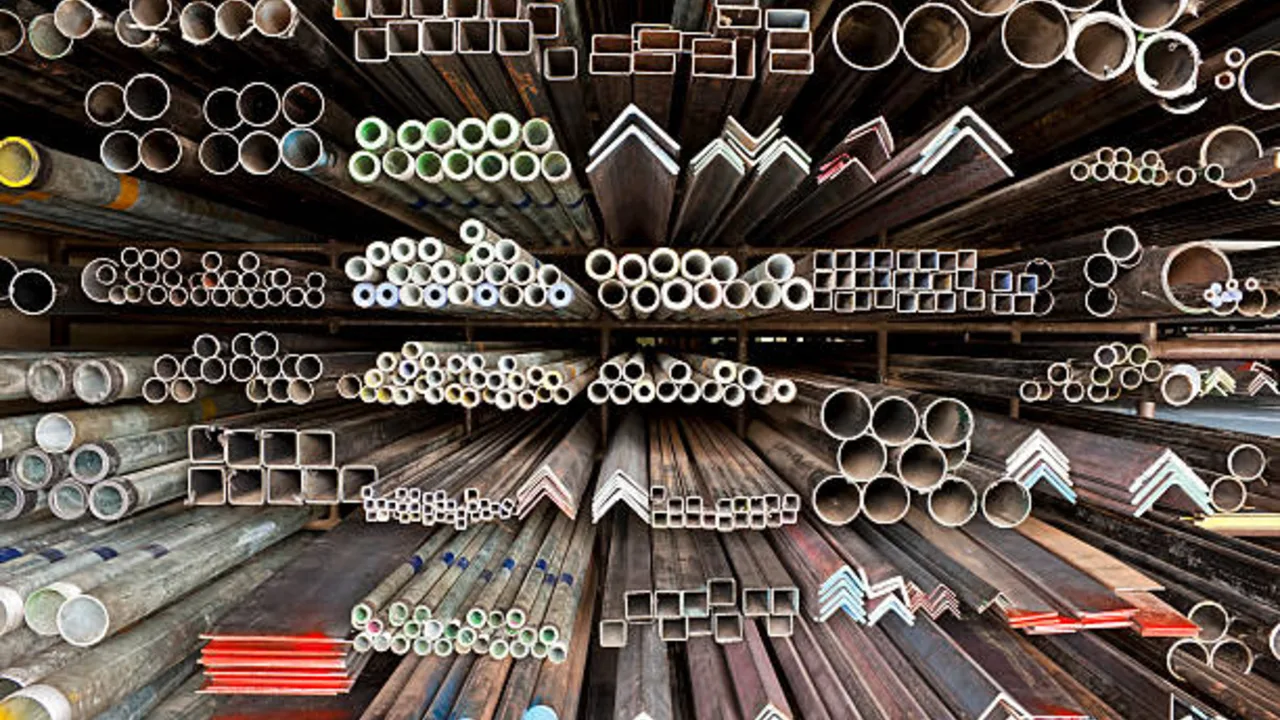
Structural steel elements such as beams, columns, and trusses are among the largest materials stored on site. These components require careful handling due to their size, weight, and shape.
Improper stacking or support can lead to deformation or surface damage. Therefore, storage methods must account for load distribution and stability.
Connection Materials
Connection materials include bolts, nuts, washers, and plates. Although smaller in size, these components are critical for structural integrity.
They are often stored in containers or designated areas to prevent loss and contamination. Moisture exposure can also affect their performance, making proper storage essential.
Coated and Finished Steel
Many steel components arrive on site with protective coatings, such as paint or galvanization. These finishes are designed to prevent corrosion, but they can be easily damaged during handling or storage.
Special care must be taken to avoid scratches, impacts, and prolonged exposure to harsh conditions. Maintaining coating integrity is a key aspect of steel construction site storage.
Key Risks in Steel Construction Site Storage
Corrosion and Environmental Exposure
One of the primary risks in steel storage is corrosion caused by exposure to moisture and environmental conditions. Rain, humidity, and standing water can accelerate the deterioration of steel surfaces.
Without adequate material protection, even short-term exposure can lead to surface rust, which may require cleaning or recoating before installation.
Physical Damage
Physical damage is another common issue. Improper stacking, inadequate support, or careless handling can result in bending, scratching, or denting of steel components.
Such damage not only affects appearance but can also compromise structural performance if not addressed properly.
Material Loss and Misplacement
On large construction sites, managing material inventory can be challenging. Without proper organization and tracking, materials can be misplaced or even lost.
This leads to delays, additional procurement costs, and disruptions in the construction schedule.
Material Protection Strategies
Protection from Weather
Protecting materials from weather is essential for maintaining quality. This can be achieved through the use of covers, shelters, or temporary roofing systems.
Drainage planning is equally important. Storage areas should be designed to prevent water accumulation, reducing the risk of corrosion.
Ground Protection
Steel materials should never be placed directly on the ground. Elevating materials using supports, sleepers, or pallets helps prevent contact with moisture and dirt.
This also improves air circulation, which further reduces the risk of corrosion.
Coating and Surface Protection
Additional protective measures, such as temporary coatings or protective films, can be applied to sensitive surfaces. These measures are particularly important for finished or pre-treated components.
Proper handling practices must also be enforced to avoid damaging protective layers during movement and storage.
Site Layout Planning for Efficient Storage
Zoning of Storage Areas
Effective steel construction site storage begins with a well-organized site layout. One of the most important strategies is zoning — dividing the site into designated areas based on material type, usage sequence, and handling requirements.
For example, structural components can be stored in one zone, connection materials in another, and coated or sensitive items in protected areas. This separation reduces confusion, improves accessibility, and minimizes the risk of damage.
Zoning should also align with the construction sequence. Materials required earlier should be placed closer to installation points, while later-phase materials can be stored further away. This approach reduces unnecessary movement and improves efficiency.
Accessibility and Movement
Storage planning must consider how materials will be accessed and transported across the site. Crane positioning, lifting paths, and transportation routes should be clearly defined.
Materials should be arranged in a way that allows direct access without requiring excessive repositioning. Poor accessibility can slow down operations and increase labor effort, directly affecting productivity.
Clear pathways for equipment and workers are also essential for maintaining smooth operations and preventing bottlenecks.
Safety Considerations
Safety is a critical aspect of storage planning. Improperly stored materials can create hazards such as unstable stacks, falling objects, or blocked access routes.
Storage areas should be designed with safety in mind, including proper spacing, stable stacking methods, and clearly marked pathways. Regular inspections are necessary to ensure compliance with safety standards.
Storage Methods for Steel Materials
Horizontal vs Vertical Storage
Steel materials can be stored either horizontally or vertically, depending on their size, shape, and handling requirements. Horizontal storage is commonly used for beams and long members, as it provides better stability.
Vertical storage may be used for certain components to save space, but it requires additional support systems to prevent tipping or instability.
Choosing the appropriate method is essential for both safety and material protection.
Stacking Techniques
Proper stacking techniques are crucial for preventing damage and ensuring stability. Materials should be stacked evenly, with weight distributed uniformly across supports.
Spacing between layers allows for easier handling and reduces the risk of surface damage. Overloading or uneven stacking can lead to deformation or collapse.
Consistent stacking practices contribute to safer and more efficient steel construction site storage.
Specialized Storage Systems
In some projects, specialized storage systems such as racks, containers, or covered storage yards are used. These systems provide additional protection and organization.
For high-value or sensitive materials, enclosed storage may be necessary to ensure optimal material protection. Selecting the right storage system depends on project requirements and environmental conditions.
Inventory Management in Steel Storage
Tracking Systems
Effective inventory management is essential for controlling materials on site. Tracking systems can range from manual logs to advanced digital platforms.
Digital systems provide real-time visibility of material status, location, and usage. This improves accuracy and reduces the risk of loss or misplacement.
Identification Methods
Clear identification of materials is necessary for efficient retrieval and installation. Tags, labels, and coding systems help ensure that each component can be easily located.
Standardized identification methods also support coordination between teams and reduce the likelihood of errors.
Stock Rotation
Stock rotation is an important practice for minimizing long-term exposure and maintaining material quality. The first-in, first-out (FIFO) method is commonly used to ensure that older materials are used before newer deliveries.
This approach reduces the risk of corrosion or degradation caused by prolonged storage.
Impact of Storage on Project Performance
Cost Impact
Poor storage practices can lead to significant cost increases. Material damage, rework, and replacement all contribute to higher project expenses.
Investing in proper steel construction site storage helps prevent these issues and improves cost efficiency.
Schedule Impact
Storage inefficiencies can also affect project timelines. Missing or inaccessible materials can delay installation activities and disrupt the construction sequence.
Well-organized storage ensures that materials are available when needed, supporting timely project completion.
Quality Impact
Material condition directly affects construction quality. Corrosion, deformation, or surface damage can compromise structural performance and appearance.
Maintaining proper storage conditions is essential for ensuring that materials meet quality standards.
Common Storage Mistakes and Their Consequences
| Mistake | Cause | Impact | Solution |
|---|---|---|---|
| Improper stacking | Poor planning | Material damage | Structured stacking methods |
| Exposure to rain | Lack of cover | Corrosion | Weather protection systems |
| Mixed materials | No zoning | Delays and confusion | Organized storage layout |
| Lack of tracking | No inventory system | Material loss | Tracking and identification systems |
Best Practices for Steel Construction Site Storage
Standardization
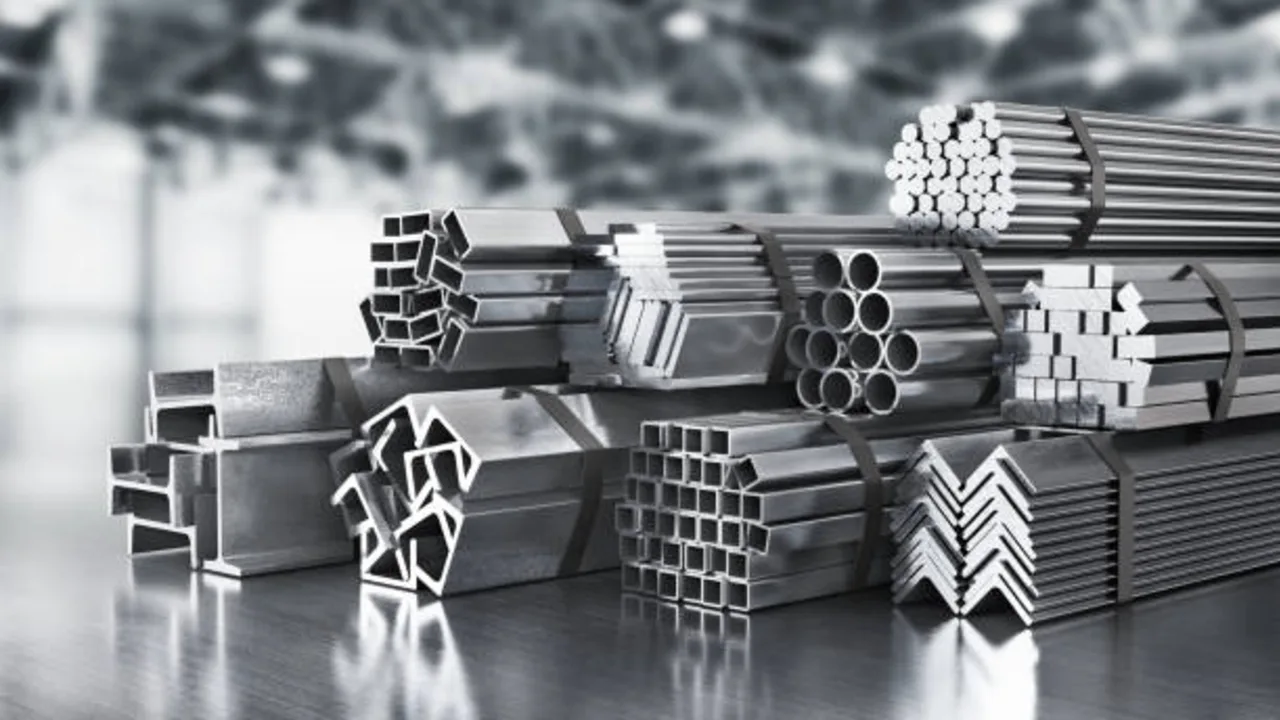
Standardized storage procedures help ensure consistency across the project. Defined guidelines for handling, stacking, and protection reduce variability and improve efficiency.
Workforce Training
Training workers on proper storage practices is essential. Awareness of handling techniques and protection requirements helps prevent damage and improves overall performance.
Supervision and Control
Regular supervision ensures that storage practices are followed correctly. Inspections and monitoring help maintain compliance and identify issues early.
Role of Steel Structure Construction in Storage Management
Storage management is closely linked to overall project execution. A professional steel structure construction approach integrates storage planning with design, fabrication, and installation.
This integration improves coordination, reduces delays, and ensures that materials are handled efficiently throughout the project lifecycle.
Real Project Insight: Industrial Steel Construction Material Flow
In large-scale industrial projects, efficient material storage plays a decisive role in maintaining productivity. Projects involving high volumes of steel components require precise coordination between delivery, storage, and installation.
For example, in complex industrial developments, materials are often delivered in multiple phases. Without proper storage planning, this can lead to congestion, misplacement, and delays.
By implementing structured steel construction site storage systems, project teams can maintain steady workflows and ensure that materials are always available when needed.
Future Trends in Steel Construction Site Storage
The future of site storage is increasingly driven by technology. Digital inventory systems, real-time tracking, and smart logistics solutions are transforming how materials are managed.
Automated storage systems and data-driven planning allow for greater accuracy and efficiency. These innovations reduce manual effort and improve overall project control.
Practical Recommendations
- Plan storage layout early in the project
- Implement consistent material protection measures
- Use tracking systems for better inventory control
- Align storage with construction sequencing
Conclusion
Steel construction site storage is a critical component of successful project execution. It directly affects cost, schedule, and quality, making it an essential focus area for project teams.
By implementing proper storage strategies and ensuring effective material protection, contractors can reduce risks and improve overall performance.
Ultimately, efficient storage is not just about organization — it is about enabling smoother workflows, better coordination, and more reliable project outcomes.