In modern construction, steel structures are widely recognized for their strength, flexibility, and efficiency. From industrial plants to large-span public buildings, steel has become the backbone of global infrastructure development. However, despite its advantages, failures in steel construction projects still occur—and when they do, the consequences are often severe.
These failures are not limited to structural collapses. They include performance issues, excessive deformation, premature corrosion, and even operational inefficiencies that compromise the intended use of a building. The financial losses, project delays, safety risks, and reputational damage associated with such failures make it critical to understand their root causes.
This is where steel construction failure lessons become invaluable. By analyzing past mistakes through detailed case study evaluations, engineers, contractors, and project owners can identify patterns, avoid repeated errors, and improve future project outcomes. Learning from failure is not optional—it is a core component of advancing construction quality and reliability.
In this article, we explore real-world failures, identify their root causes, and extract practical insights that can be applied across steel construction projects worldwide.
Understanding Steel Construction Failures
What Constitutes a Failure in Steel Construction?
A failure in steel construction does not always mean a complete collapse. In many cases, failures manifest as partial structural issues, excessive deflection, connection weaknesses, or durability problems that compromise long-term performance. These failures can occur at different stages:
- Design stage: Incorrect assumptions, miscalculations, or incomplete modeling
- Fabrication stage: Dimensional inaccuracies or material defects
- Construction stage: Misalignment, improper installation, or sequencing errors
- Operational stage: Corrosion, fatigue, or unexpected load conditions
Understanding these categories helps define failure not as a single event, but as a process that evolves from early-stage decisions.
Common Types of Failures
Steel construction failures typically fall into several recognizable categories. Each type reflects a different weakness in the project lifecycle:
- Structural collapse: Often caused by load miscalculations or critical connection failure
- Connection failure: Weak welding or bolting leading to load transfer breakdown
- Material fatigue: Repeated stress cycles causing micro-cracks and eventual failure
- Corrosion-related degradation: Environmental exposure weakening structural integrity
- Foundation mismatch: Incompatibility between steel structure and supporting base
These issues are rarely isolated—they often interact, compounding the severity of the failure.
Why Steel Structures Are Sensitive to Execution Errors
Steel structures rely heavily on precision. Unlike concrete systems that can tolerate certain levels of adjustment on-site, steel components are prefabricated with tight tolerances. This makes execution errors particularly critical.
Several factors contribute to this sensitivity:
- High dependency on connections: Bolts and welds act as the primary load transfer points
- Load path complexity: Errors in one component can affect the entire structural system
- Limited on-site flexibility: Adjustments during erection are often constrained
- Accumulated tolerances: Small deviations can escalate into major alignment issues
Because of these characteristics, even minor mistakes can result in significant structural consequences.
Case Study Overview: Real-World Steel Construction Failures
Case Study 1: Improper Load Calculation in an Industrial Facility
In one industrial plant project, the structural design underestimated the operational loads generated by heavy machinery. While the building met basic static load requirements, it failed to account for dynamic forces such as vibration and equipment movement.
As a result, several structural members experienced excessive stress, leading to deformation over time. The issue was not immediately visible but gradually worsened, eventually requiring costly reinforcement and partial reconstruction.
Key takeaway: Load calculations must consider real operational conditions, not just theoretical assumptions.
Case Study 2: Welding Defects in a High-Rise Steel Frame
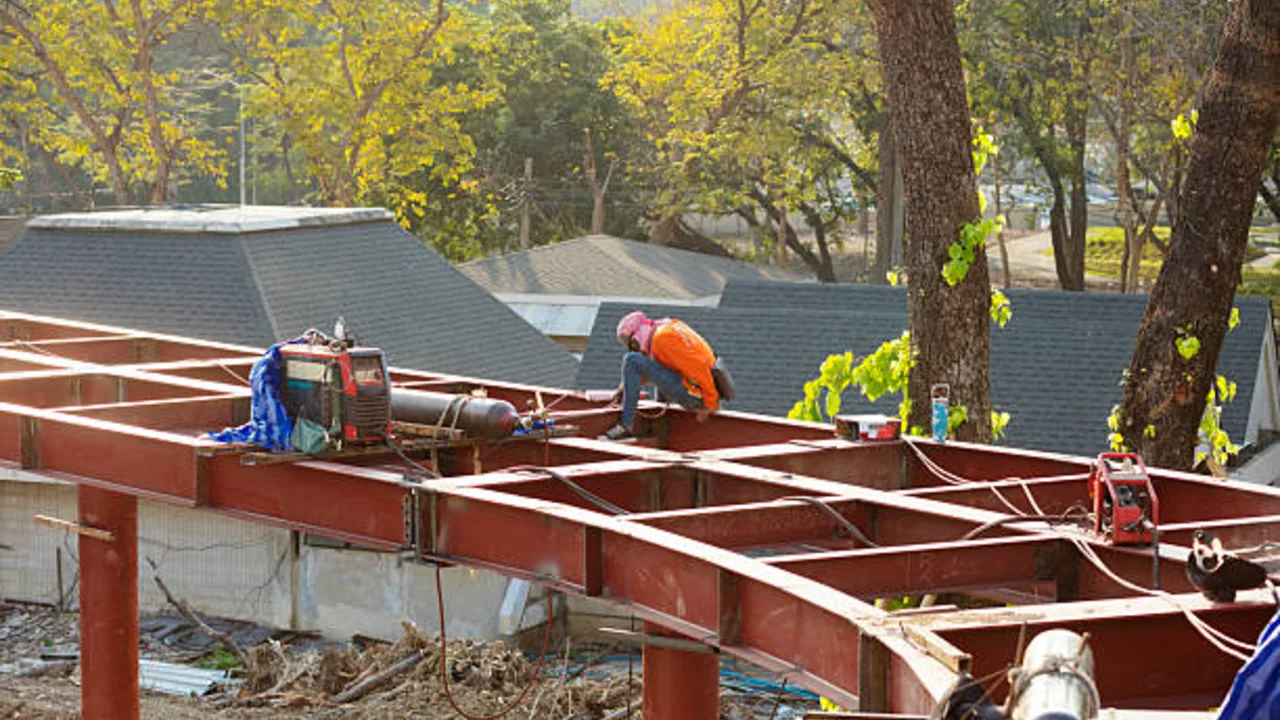
A high-rise steel structure project encountered significant issues due to poor welding practices. Although the design was structurally sound, the execution phase lacked proper quality control. Welding procedures were inconsistently followed, and inspection processes were insufficient.
Over time, micro-cracks developed at critical joints. These defects weakened the structural integrity, forcing a halt in construction and triggering extensive rework.
Key takeaway: Connection quality is as important as structural design, especially in high-rise applications.
Case Study 3: Corrosion Failure in a Coastal Warehouse
A steel warehouse located in a coastal environment suffered rapid corrosion within just a few years of operation. The design did not adequately account for the aggressive marine conditions, and the protective coating system was insufficient.
The corrosion compromised key structural elements, reducing load-bearing capacity and requiring major rehabilitation work.
Key takeaway: Environmental conditions must be fully integrated into both design and material selection.
Case Study 4: Erection Misalignment in a Large-Span Structure
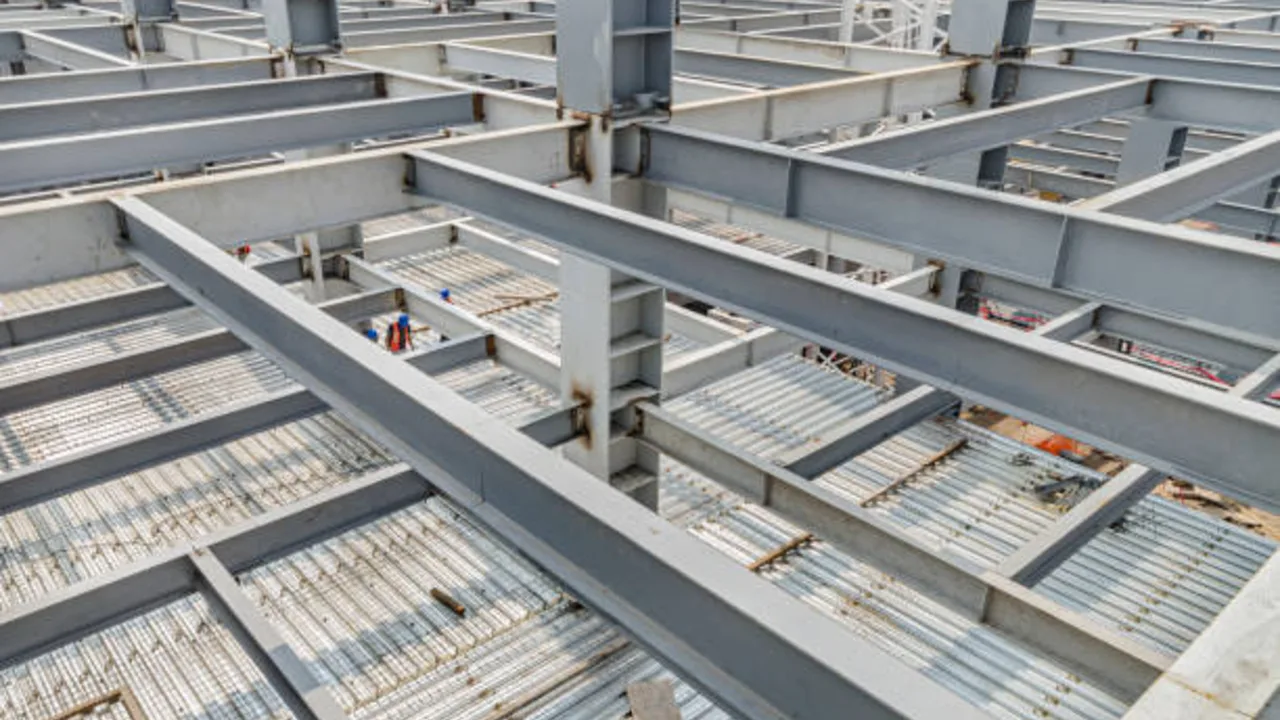
In a large-span steel structure, improper erection sequencing led to cumulative alignment errors. While each individual deviation was within tolerance, the combined effect resulted in significant structural misalignment.
This caused difficulties in connecting major components, delaying the project and increasing costs due to rework and adjustments.
Key takeaway: Tolerance management and erection planning are critical in large-scale steel projects.
Key Steel Construction Failure Lessons
Lesson 1: Accurate Structural Design Is Non-Negotiable
The foundation of any successful steel project lies in its design. Errors at this stage can propagate throughout the entire project lifecycle. Engineers must consider all possible load scenarios, including dynamic, environmental, and accidental loads.
Modern design tools provide advanced simulation capabilities, but they are only as reliable as the assumptions behind them. Over-reliance on software without proper engineering judgment can lead to critical oversights.
Key considerations include:
- Comprehensive load combinations
- Appropriate safety factors
- Realistic modeling of structural behavior
- Compliance with international design standards
Ultimately, design accuracy is the first line of defense against failure.
Lesson 2: Material Quality Control Must Be Strict
The quality of steel materials directly impacts structural performance. Using substandard materials can compromise strength, durability, and reliability.
Quality control should include:
- Verification of material certificates
- Mechanical property testing
- Chemical composition analysis
- Supplier qualification and auditing
Even small deviations in material properties can lead to significant performance issues under load.
Lesson 3: Welding and Connection Integrity Are Critical
Connections are often the weakest points in steel structures. Failures frequently originate at joints where stress concentrations are highest.
Ensuring connection integrity requires:
- Proper welding procedure specifications (WPS)
- Skilled and certified welders
- Non-destructive testing (NDT) methods
- Accurate bolt installation and tensioning
Neglecting these aspects can lead to hidden defects that only become apparent under stress.
Lesson 4: Environmental Factors Cannot Be Ignored
Steel structures are highly sensitive to environmental conditions. Factors such as humidity, temperature, wind, and chemical exposure can significantly affect performance.
Design and construction must account for:
- Corrosion protection systems
- Thermal expansion and contraction
- Wind and seismic loads
- Long-term exposure conditions
Ignoring environmental influences can result in accelerated deterioration and unexpected failures.
Lesson 5: Construction Execution Determines Final Performance
Even the best design can fail if execution is poor. Construction is where theoretical plans are translated into physical reality, and any deviation can have serious consequences.
Critical execution factors include:
- Proper erection sequencing
- Accurate alignment and positioning
- Effective site supervision
- Skilled labor and workmanship
Successful projects depend on the seamless integration of design, fabrication, and construction processes.
Root Causes of Steel Construction Failures
Design-Related Issues
Many steel construction failures can be traced back to design-stage decisions. Incomplete calculations, unrealistic assumptions, or insufficient detailing often create vulnerabilities that only become visible during construction or operation.
Common design-related problems include underestimating load conditions, ignoring dynamic forces, and failing to account for real-world constraints such as construction tolerances or installation limitations. In some cases, overdesign can also create inefficiencies that lead to constructability challenges.
Design is not just about structural capacity—it must also consider fabrication feasibility and construction practicality.
Fabrication Errors
Fabrication is the bridge between design and construction. Errors at this stage can introduce deviations that compromise the entire structural system.
Typical fabrication issues include:
- Incorrect cutting or drilling positions
- Dimensional inaccuracies beyond tolerance limits
- Improper welding execution
- Inconsistent quality control processes
Because steel components are prefabricated, any error made in the factory is difficult and costly to correct on-site.
Construction & Erection Mistakes
The construction phase is where most visible failures occur. Even with a perfect design and precise fabrication, improper erection practices can lead to serious problems.
Common construction mistakes include misalignment of structural members, incorrect sequencing, and inadequate temporary bracing. These issues can destabilize the structure during installation and create long-term performance risks.
In large-scale projects, small alignment errors can accumulate, resulting in significant deviations that affect the entire structure.
Management & Communication Failures
Not all failures are technical. Poor coordination between design, fabrication, and construction teams often leads to critical misunderstandings.
Typical management issues include:
- Lack of clear communication between stakeholders
- Inadequate documentation or outdated drawings
- Delayed decision-making
- Insufficient supervision and oversight
These factors can amplify technical errors and make them more difficult to resolve.
Comparative Analysis of Failure Causes
| Failure Category | Primary Cause | Impact Level | Preventability |
|---|---|---|---|
| Design Errors | Incorrect load assumptions | High | High |
| Fabrication Issues | Dimensional inaccuracies | Medium | High |
| Construction Mistakes | Misalignment during erection | High | Medium |
| Material Defects | Low-quality steel | High | High |
| Environmental Factors | Corrosion / climate exposure | Medium | Medium |
This comparison highlights an important insight: most failures are preventable when proper systems, controls, and expertise are in place.
How to Prevent Steel Construction Failures
Design Phase Best Practices
Preventing failure begins at the design stage. A robust design process integrates engineering accuracy with practical execution considerations.
Best practices include:
- Independent design reviews and peer checks
- Advanced structural simulations and modeling
- Strict adherence to international codes and standards
- Integration of construction constraints into design decisions
Design should not be treated as an isolated phase—it must align with fabrication and construction realities.
Fabrication Control Measures
Quality control in fabrication ensures that the designed structure is accurately translated into physical components.
Key measures include:
- Comprehensive QA/QC systems within the factory
- Precision measurement and dimensional verification
- Trial assembly for complex structures
- Continuous monitoring of welding and cutting processes
Factories with standardized processes and experienced teams significantly reduce the risk of fabrication-related failures.
Construction Phase Strategies
On-site execution must follow a well-defined plan to ensure structural integrity during and after installation.
Critical strategies include:
- Detailed erection planning and sequencing
- Strict control of alignment and tolerances
- Proper use of temporary supports and bracing
- Continuous supervision by experienced engineers
Construction is not just about assembling components—it is about maintaining structural stability at every stage.
Quality Assurance Systems
Quality assurance systems provide a structured approach to preventing failures. These systems ensure that every stage of the project meets predefined standards.
Effective QA systems include:
- Inspection checkpoints throughout the project lifecycle
- Comprehensive documentation and traceability
- Third-party inspections and certifications
- Clear acceptance criteria for all components and processes
Consistency in quality management is a key differentiator between successful and failed projects.
The Role of a Reliable Steel Structure Construction Company
The complexity of steel construction projects requires more than just technical knowledge—it requires a systematic approach to execution. Working with an experienced steel structure construction company significantly reduces the risk of failure.
Reliable companies bring several advantages:
- Standardized processes across design, fabrication, and construction
- Integrated project management systems
- Experienced engineering and construction teams
- Proven track record in handling complex projects
Instead of relying on fragmented execution, these companies ensure that all stages of the project are aligned, reducing uncertainties and improving delivery reliability.
Lessons for Future Steel Projects

Integrating Engineering and Construction
One of the most important steel construction failure lessons is the need to integrate engineering and construction processes. Design decisions must consider how components will be fabricated and assembled in real-world conditions.
This integration is often achieved through Design for Manufacturing and Assembly (DFMA) principles, which optimize structures for both production efficiency and construction practicality.
Importance of Documentation and Traceability
Accurate documentation is essential for maintaining control over complex projects. Missing or outdated information can lead to errors that propagate across multiple stages.
Effective documentation systems include:
- Version-controlled drawings
- Clear revision tracking
- Inspection and test records
- Material traceability logs
These systems ensure that every component and decision can be traced and verified.
Continuous Improvement Through Case Study Analysis
Every failure provides an opportunity to improve. Organizations that systematically analyze past projects and extract insights are better positioned to avoid repeating the same mistakes.
By incorporating lessons learned into standard procedures, companies can build a knowledge base that enhances future performance and reliability.
Conclusion: Turning Failures into Engineering Advantage
Failures in steel construction are not just setbacks—they are valuable sources of knowledge. By studying past mistakes, the industry can develop stronger design practices, improve execution methods, and implement more effective quality control systems.
The key steel construction failure lessons highlighted in this article demonstrate that most failures are preventable. They are often the result of gaps in design, fabrication, construction, or management rather than unavoidable circumstances.
Moving forward, the focus should be on building integrated systems that align all stages of a project. With the right approach, failures can be transformed into a foundation for safer, more efficient, and more reliable steel construction projects.
FAQ: Steel Construction Failure Lessons
What is the most common cause of steel construction failure?
The most common cause is a combination of design inaccuracies and poor execution. Errors in load calculation, connection detailing, and on-site installation often interact to create failure conditions.
Can steel construction failures be completely avoided?
While it is difficult to eliminate all risks, most failures can be prevented through proper design, strict quality control, and effective project management systems.
How important is quality control in steel projects?
Quality control is critical. It ensures that materials, fabrication, and construction processes meet the required standards, reducing the likelihood of defects and failures.
What role does the environment play in steel construction failures?
Environmental factors such as humidity, temperature, and chemical exposure can significantly affect steel performance, especially in terms of corrosion and long-term durability.
Why are connections considered the weakest points?
Connections are where loads are transferred between structural elements. Poor welding or bolting can create stress concentrations that lead to failure.
How can companies reduce failure risks?
Companies can reduce risks by implementing integrated systems that combine design accuracy, fabrication quality, and construction control with strong management practices.
Are large-span structures more prone to failure?
Large-span structures are more complex and sensitive to alignment and load distribution, making them more vulnerable if not properly designed and executed.
What is the value of case studies in steel construction?
Case study analysis provides real-world insights that help identify common failure patterns and improve future project planning and execution.