In modern steel fabrication, precision is no longer optional—it is a fundamental requirement. CNC cutting technology has transformed fabrication shops by enabling automated, high-speed, and highly repeatable cutting processes. However, the true value of CNC systems lies in their ability to maintain consistent accuracy across thousands of components.
The importance of cnc cutting accuracy steel extends beyond individual parts. Even small dimensional deviations can lead to alignment issues during assembly, increased rework, and structural inconsistencies. In large-scale projects such as industrial plants, warehouses, and infrastructure systems, these inaccuracies can accumulate into significant risks.
Accurate CNC cutting ensures that components fit together seamlessly, reduces installation time, and improves overall project efficiency. It also directly impacts cost control, as higher precision minimizes material waste and reduces corrective work.
This article explores the key factors influencing CNC cutting accuracy, compares different cutting technologies, and provides practical methods for maintaining precision in steel fabrication shops.
Understanding CNC Cutting in Steel Fabrication
What Is CNC Cutting?
CNC (Computer Numerical Control) cutting refers to the automated process of cutting steel components using programmed instructions. Unlike manual cutting methods, CNC systems rely on digital designs and machine-controlled movements to achieve precise and repeatable results.
In steel fabrication shops, CNC cutting is used to process plates, beams, and custom components with high efficiency. The integration of CAD/CAM systems allows for direct translation of design data into cutting instructions, reducing human error and improving consistency.
This level of automation makes CNC cutting a core process in modern steel structure fabrication, where precision and repeatability are critical for structural performance.
Main CNC Cutting Methods
Several CNC cutting technologies are used in steel fabrication, each with its own advantages and limitations:
- Plasma cutting: Known for its speed and cost efficiency, plasma cutting is widely used for medium-thickness steel plates. It provides good productivity but moderate accuracy compared to laser cutting.
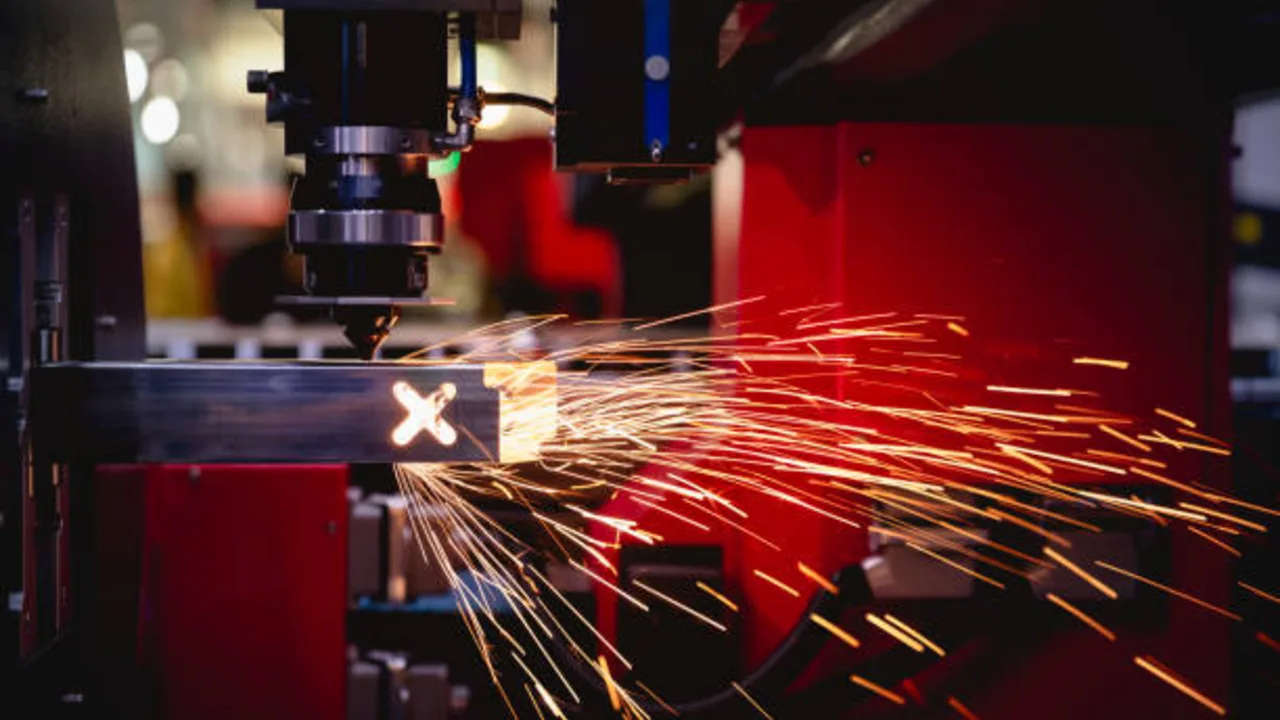
- Laser cutting: Offers high precision and excellent edge quality, making it ideal for components requiring tight tolerances. It is commonly used in high-end fabrication projects.
- Oxy-fuel cutting: Suitable for thick steel plates, this method is effective for heavy-duty applications but generally has lower precision.
The selection of cutting method plays a significant role in determining overall accuracy and must be aligned with project requirements.
Factors Affecting CNC Cutting Accuracy
Machine Calibration and Setup
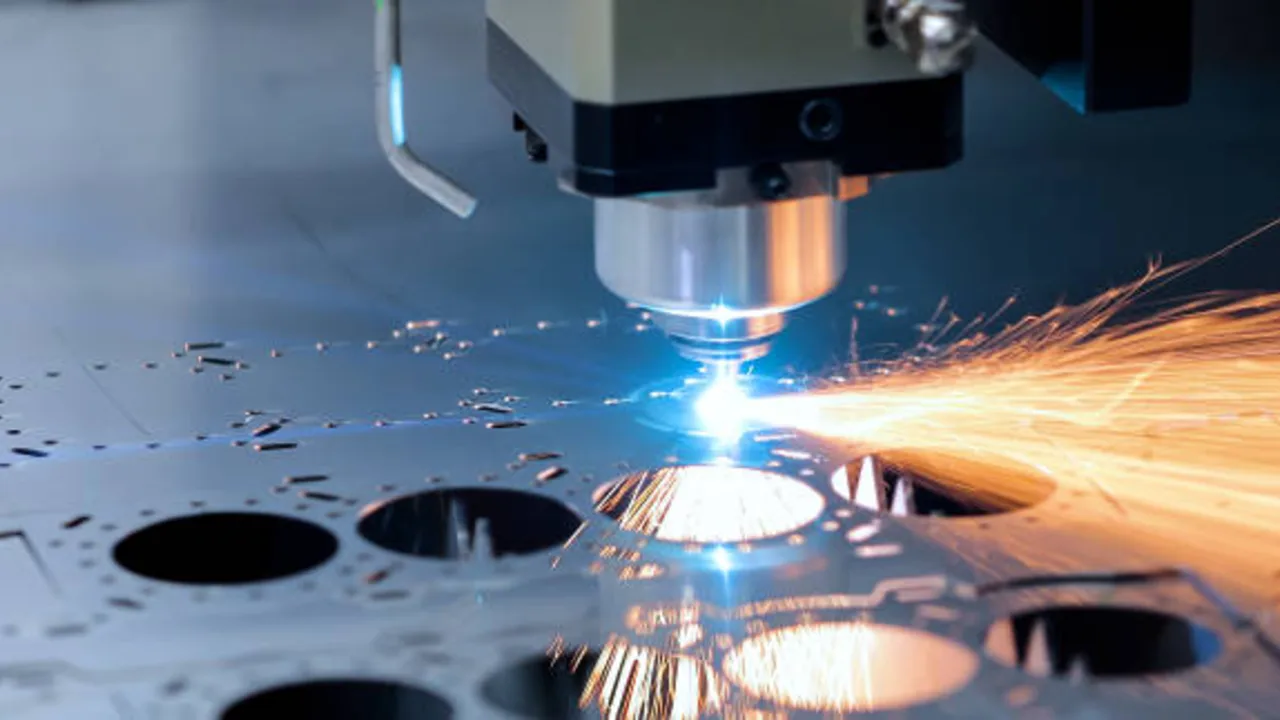
Machine condition is one of the most critical factors influencing cnc cutting accuracy steel. Even advanced CNC systems can produce inaccurate results if they are not properly calibrated.
- Axis alignment: Misalignment in X, Y, or Z axes can lead to dimensional errors
- Tool calibration: Incorrect torch or laser head positioning affects cut precision
- Maintenance: Worn components and lack of servicing reduce accuracy over time
Regular calibration and preventive maintenance are essential to ensure consistent performance.
Material Properties
The characteristics of the steel being cut also impact accuracy. Different materials respond differently to heat and cutting forces.
- Thickness: Thicker plates are more prone to thermal distortion
- Surface condition: Rust, oil, or scale can affect cutting stability
- Heat behavior: Expansion and contraction during cutting can cause deformation
Understanding material behavior allows operators to adjust cutting strategies accordingly.
Cutting Parameters
Cutting parameters must be carefully optimized to achieve the desired balance between speed and precision.
- Cutting speed: Excessive speed reduces accuracy, while slow speed increases heat input
- Power settings: Incorrect power levels can cause incomplete cuts or excessive melting
- Gas pressure: Proper gas flow is necessary for clean cuts and minimal slag
Fine-tuning these parameters is essential for maintaining consistent results across different projects.
Operator and Programming Factors
Despite automation, human input still plays a role in CNC cutting accuracy. Errors in programming or setup can significantly impact output quality.
Key considerations include:
- Accurate CAD/CAM data input
- Proper nesting and layout planning
- Operator experience and attention to detail
Well-trained operators and validated programs are critical to minimizing errors.
Accuracy Standards in Steel Fabrication
Typical Tolerance Requirements
Different applications require different levels of accuracy. Understanding tolerance ranges helps fabrication shops select the appropriate cutting method.
| Application | Tolerance Range | Method |
|---|---|---|
| Structural beams | ±1–3 mm | Plasma |
| Precision components | ±0.1–0.5 mm | Laser |
| Heavy plates | ±2–5 mm | Oxy-fuel |
These values are general references and may vary depending on project specifications.
International Standards and Compliance
To ensure consistency and quality, steel fabrication projects must comply with recognized standards. These standards define acceptable tolerances, inspection procedures, and documentation requirements.
- ISO standards for fabrication accuracy
- AWS guidelines for welding and cutting quality
- Project-specific engineering specifications
Adhering to these standards ensures that fabricated components meet both safety and performance requirements.
Common CNC Cutting Accuracy Problems
Dimensional Deviation
Dimensional deviation is one of the most frequent issues encountered in CNC cutting. Even small inaccuracies in dimensions can lead to misfits during assembly, requiring adjustments or rework.
This problem is often caused by incorrect machine calibration, inaccurate programming, or inconsistent cutting parameters. Over time, repeated deviations can significantly affect overall project quality.
Thermal Distortion
Thermal distortion occurs due to the intense heat generated during cutting processes such as plasma or oxy-fuel cutting. Heat causes expansion in the steel, followed by contraction as it cools, leading to warping or deformation.
This effect is more pronounced in thicker materials and can result in components that no longer meet dimensional tolerances.
Edge Quality Issues
Edge quality directly impacts both aesthetics and functionality. Poor edge quality can create problems during welding and assembly.
- Rough or uneven edges
- Excessive slag formation
- Heat-affected zones reducing material strength
These issues are often linked to incorrect cutting parameters or worn equipment.
Misalignment and Repetition Errors
Misalignment can occur when machine components drift out of position or when workpieces are not properly fixed. Repetition errors, on the other hand, happen when the same inaccuracy is repeated across multiple parts.
These errors are particularly problematic in large-scale production, where even minor inaccuracies can multiply into significant deviations.
Accuracy Control Techniques in CNC Cutting
Machine Calibration Best Practices
Maintaining machine accuracy requires consistent calibration and maintenance. Fabrication shops should implement routine calibration schedules to ensure optimal performance.
- Regular alignment checks of machine axes
- Calibration of cutting heads and sensors
- Preventive maintenance to avoid wear-related errors
Well-maintained equipment provides a stable foundation for precision cutting.
Optimizing Cutting Parameters
Balancing speed and precision is critical in CNC cutting operations. Each material and thickness requires specific parameter adjustments.
- Adjusting cutting speed based on material thickness
- Optimizing gas type and pressure for clean cuts
- Setting appropriate power levels for consistent results
Proper parameter optimization reduces errors and improves overall cutting quality.
Material Preparation
Preparing materials before cutting can significantly improve accuracy. Surface conditions and initial setup play an important role in the final outcome.
- Cleaning surfaces to remove rust, oil, or contaminants
- Ensuring flatness of steel plates
- Preheating materials when necessary to reduce thermal stress
Good preparation minimizes variability during the cutting process.
Use of Advanced CNC Software
Modern CNC software provides powerful tools for improving cutting accuracy. These systems allow for simulation, optimization, and error detection before actual cutting begins.
Key advantages include:
- Simulation of cutting paths to identify potential issues
- Automatic error correction features
- Optimized nesting to reduce material waste
Advanced software enhances both efficiency and precision.
Comparing Plasma Cutting vs Laser Cutting Accuracy
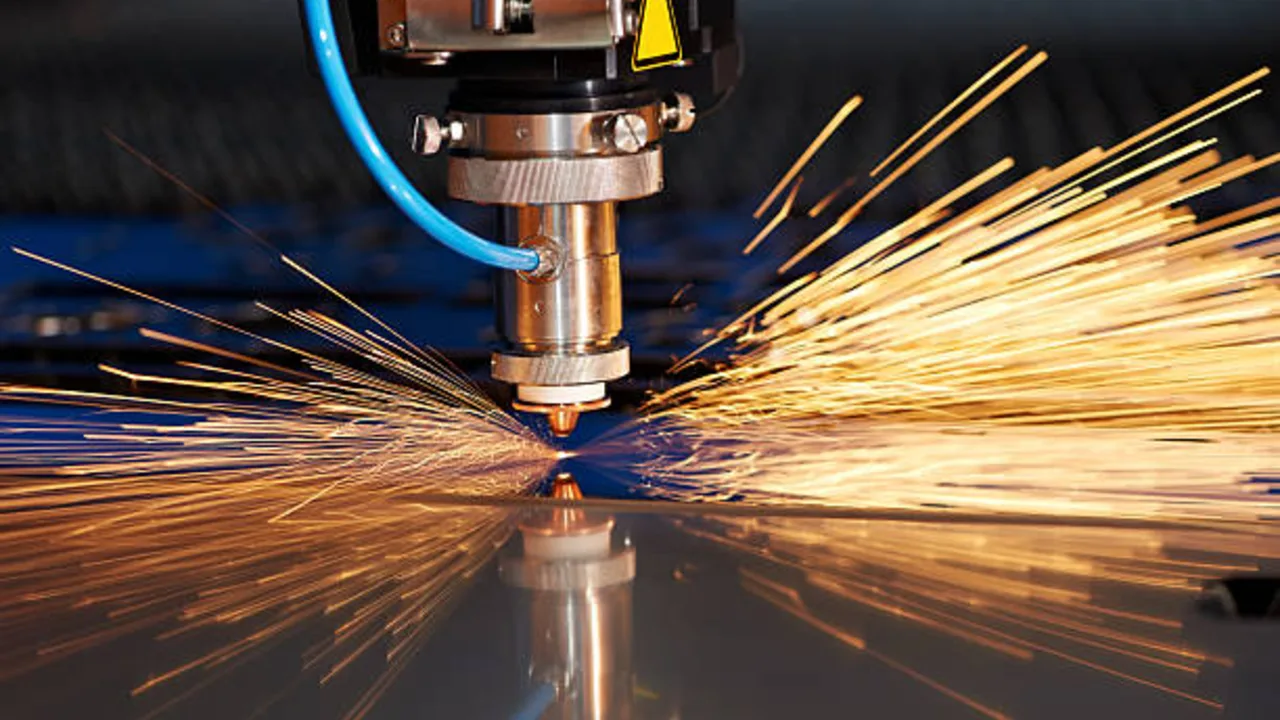
Choosing the right cutting method is essential for achieving the desired level of accuracy. Plasma and laser cutting are the two most commonly used methods in steel fabrication.
| Aspect | Plasma Cutting | Laser Cutting |
|---|---|---|
| Accuracy | Medium | High |
| Speed | High | Medium |
| Edge Quality | Moderate | Excellent |
| Cost | Lower | Higher |
Plasma cutting is ideal for large-scale, cost-sensitive projects, while laser cutting is better suited for high-precision applications. Selecting the appropriate method ensures optimal balance between cost and accuracy.
Quality Control and Inspection Methods
Dimensional Inspection
Dimensional inspection verifies that components meet specified tolerances. This can be done using both manual and digital measurement tools.
- Calipers and measuring tapes for basic checks
- Laser measurement tools for higher precision
Regular inspection ensures that deviations are detected early.
Visual Inspection
Visual inspection focuses on identifying surface defects and edge quality issues. Inspectors check for irregularities such as slag, rough edges, or burn marks.
This method is quick and effective for identifying obvious problems.
Digital Measurement Systems
Advanced fabrication shops use digital systems for more accurate and efficient inspections.
- 3D scanning for detailed measurement
- Automated inspection systems for high-volume production
These technologies improve consistency and reduce reliance on manual checks.
Role of a Steel Structure Fabrication Shop in Accuracy Control
The capability of a fabrication shop plays a major role in maintaining cutting accuracy. A well-equipped facility with experienced personnel can significantly reduce errors and improve overall quality.
Working with a professional steel structure fabrication provider ensures that advanced equipment, standardized processes, and strict quality control systems are in place.
Fabrication shops with integrated QA/QC systems can monitor every stage of production, from material preparation to final inspection, ensuring consistent accuracy across all components.
Benefits of High CNC Cutting Accuracy
Reduced Rework
Accurate cutting minimizes the need for corrections, saving both time and labor costs.
Improved Assembly Efficiency
Precisely cut components fit together seamlessly, speeding up installation and reducing alignment issues.
Enhanced Structural Integrity
Accurate components contribute to better load distribution and overall structural performance.
Cost Optimization
Reduced material waste and fewer errors lead to significant cost savings over the course of a project.
Future Trends in CNC Cutting Technology
Automation and Robotics
Automation is becoming increasingly prevalent in steel fabrication. Robotic systems improve consistency and reduce human error.
AI-Based Cutting Optimization
Artificial intelligence is being used to optimize cutting parameters and predict potential issues, improving both efficiency and accuracy.
Smart Fabrication Systems
Smart systems integrate data from multiple sources, enabling real-time monitoring and control of fabrication processes.
Conclusion: Precision as a Competitive Advantage
Maintaining high levels of cnc cutting accuracy steel is essential for achieving efficiency, quality, and reliability in steel fabrication projects. Precision is not just a technical requirement—it is a competitive advantage.
By implementing proper calibration, optimizing cutting parameters, and leveraging advanced technologies, fabrication shops can significantly improve performance and reduce risks.
In today’s competitive market, the ability to deliver precise, high-quality components sets leading fabrication companies apart from the rest.
FAQ: CNC Cutting Accuracy in Steel Fabrication
What affects CNC cutting accuracy?
Factors such as machine calibration, material properties, cutting parameters, and operator skill all influence accuracy.
Is laser cutting more accurate than plasma cutting?
Yes, laser cutting generally offers higher precision and better edge quality compared to plasma cutting.
How can cutting errors be reduced?
By maintaining equipment, optimizing parameters, and using advanced software tools.
What tolerance is acceptable in steel fabrication?
Typical tolerances range from ±0.1 mm to ±5 mm depending on the application and cutting method.
How often should CNC machines be calibrated?
Calibration should be performed regularly, depending on usage and manufacturer recommendations.
What is the role of operators in CNC accuracy?
Operators ensure proper setup, programming, and monitoring of cutting processes.
Can software improve cutting accuracy?
Yes, modern CNC software can simulate processes, detect errors, and optimize cutting paths.
Why is accuracy important in steel structures?
Accuracy ensures proper fit, reduces rework, and improves structural performance and safety.