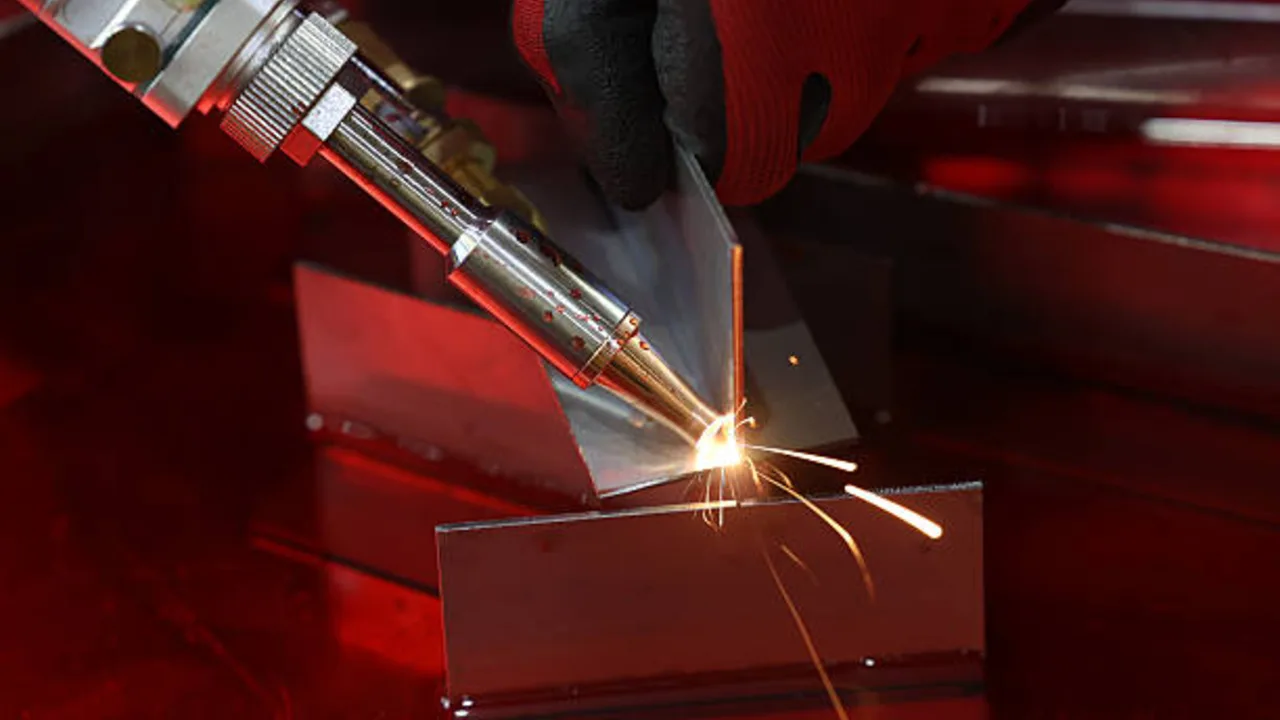
In modern steel fabrication, welding is a critical operation that directly determines structural integrity, durability, and overall project success. However, one of the most underestimated challenges in welding is distortion. Without proper steel welding distortion control, even well-designed components can experience dimensional inaccuracies, leading to costly rework, delays, and compromised performance.
Distortion occurs due to uneven heating and cooling during welding, where localized thermal expansion is followed by contraction. This process introduces internal stresses that can deform steel components in various ways. For large-scale industrial and infrastructure projects, even minor distortions can accumulate, resulting in misalignment during assembly and installation.
Understanding how to manage distortion is not just about correcting errors after they occur—it is about controlling variables such as heat input, welding sequence, and material behavior before welding begins. By adopting a proactive approach, fabrication teams can significantly improve accuracy, reduce waste, and ensure consistent structural performance.
Understanding Steel Welding Distortion
What is Welding Distortion?
Welding distortion refers to the unwanted deformation of steel components caused by thermal stresses during the welding process. When heat is applied to a localized area, the material expands. As it cools, it contracts. If this expansion and contraction are not uniform, the result is permanent deformation.
Unlike machining errors, which can often be corrected through reprocessing, distortion becomes locked into the structure once welding is completed. This makes prevention far more effective than correction, especially in precision-driven fabrication environments.
Why Distortion Happens in Steel Structures
Distortion in steel structures is primarily caused by uneven thermal distribution. During welding, heat is concentrated along the weld seam, creating localized expansion. Surrounding cooler areas resist this movement, leading to internal stress formation.
As the weld cools, contraction occurs. However, because different areas cool at different rates, the resulting shrinkage is uneven. This imbalance creates forces that pull the structure out of alignment.
Several factors influence the severity of distortion:
- Magnitude of heat input applied during welding
- Geometry and complexity of the steel component
- Material thickness and thermal conductivity
- Level of restraint applied during welding
Types of Welding Distortion
Understanding the different types of distortion helps in selecting appropriate control strategies. Each type results from specific thermal and mechanical conditions.
- Angular distortion: Occurs when one side of the weld shrinks more than the other, causing the component to bend
- Longitudinal shrinkage: Contraction along the length of the weld, leading to shortening
- Transverse shrinkage: Reduction in width across the weld joint
- Buckling distortion: Instability in thin plates due to compressive stresses
Each distortion type requires different mitigation approaches, making it essential for engineers and fabricators to identify the dominant mechanism early in the process.
Root Causes of Distortion in Welding
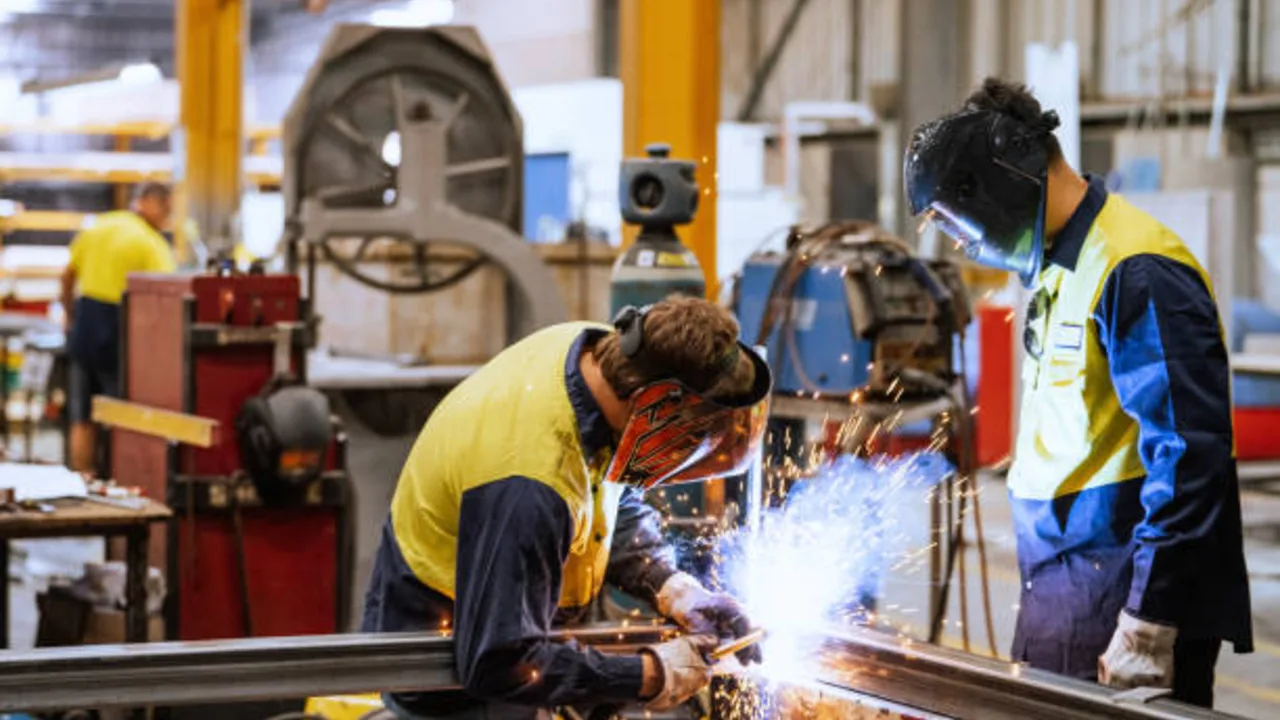
Heat Input and Thermal Imbalance
Heat input is the primary driver of distortion in welding. It represents the amount of energy introduced into the material during the welding process. Higher heat input increases the size of the heated zone, leading to greater expansion and subsequent contraction.
When heat input is not properly controlled, it creates significant thermal imbalance. This imbalance results in uneven stress distribution, which ultimately causes deformation. Effective steel welding distortion control starts with optimizing heat input to balance penetration and deformation.
Excessive heat input may improve weld penetration but increases distortion risk, while insufficient heat input may lead to poor weld quality. Therefore, achieving the right balance is essential.
Joint Design and Fit-Up Conditions
Joint design plays a crucial role in determining how heat is distributed during welding. Poorly designed joints can concentrate heat in specific areas, increasing distortion potential.
Fit-up conditions also significantly affect distortion behavior. Misalignment, inconsistent gaps, and improper edge preparation can amplify thermal stress effects. When components are not properly aligned before welding, distortion becomes more severe and difficult to control.
Maintaining precise fit-up conditions ensures that welding stresses are distributed more evenly, reducing the likelihood of deformation.
Welding Sequence and Technique
The sequence in which welds are applied has a direct impact on distortion. Continuous welding in one direction can cause cumulative heat buildup, leading to progressive deformation.
Improper welding techniques, such as excessive weld size or uncontrolled travel speed, further contribute to distortion. Techniques that fail to distribute heat evenly often result in localized stress concentration.
Strategic sequencing, such as alternating weld locations or using balanced welding patterns, helps minimize distortion by distributing thermal effects more evenly.
Material Properties and Thickness
Material characteristics, including thickness and thermal conductivity, influence how steel responds to heat. Thin materials are more susceptible to distortion due to their lower مقاومت terhadap thermal stress, while thicker sections require more heat, increasing the potential for residual stress.
Different steel grades also exhibit varying responses to thermal cycles. Understanding these properties allows fabricators to adjust welding parameters and distortion control strategies accordingly.
Impact of Welding Distortion on Steel Structures
Structural Performance Risks
Distortion can significantly affect the structural performance of steel components. Misaligned members may alter load paths, leading to unexpected stress concentrations and reduced load-bearing capacity.
In critical applications, such as industrial facilities or infrastructure systems, these deviations can compromise safety and long-term durability.
Fabrication and Assembly Challenges
Distorted components create difficulties during assembly and installation. Misalignment between parts can prevent proper fit-up, requiring additional adjustments or rework.
This not only increases labor costs but also disrupts the fabrication workflow, leading to inefficiencies across the entire project.
Cost and Schedule Implications
The financial impact of distortion is often underestimated. Rework, additional inspections, and delays can significantly increase project costs.
Projects with poor steel welding distortion control often experience extended timelines due to repeated corrections. In contrast, proactive distortion management reduces waste and ensures smoother project execution.
Real Project Insight: Managing Distortion in Large-Scale Steel Structures
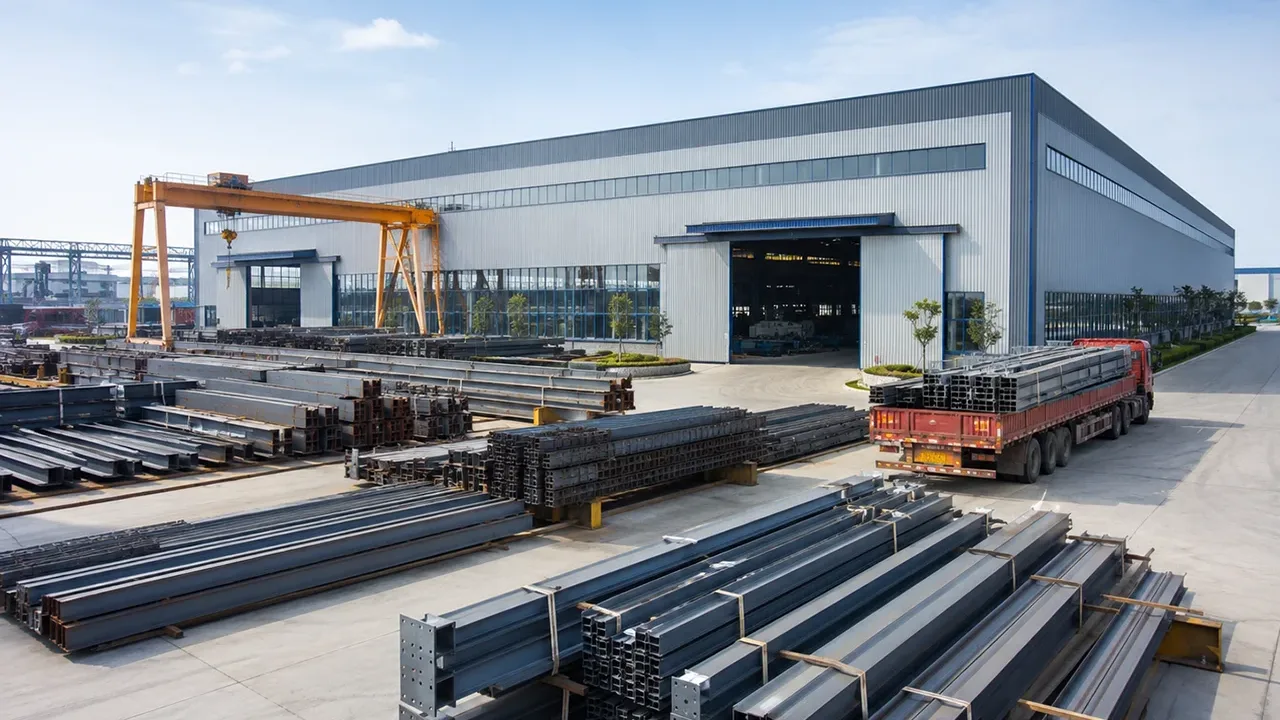
In real-world fabrication environments, distortion control becomes significantly more complex due to scale, component weight, and structural geometry. Projects involving industrial facilities, power infrastructure, and heavy steel systems require strict control over welding parameters to maintain dimensional accuracy.
A relevant example can be seen in large-scale steel infrastructure projects where multiple segments must align precisely during on-site assembly. In such cases, even minor welding distortion at the fabrication stage can lead to cumulative misalignment during installation.
To address this, experienced fabricators implement strict steel welding distortion control strategies from the early stages of production. This includes controlling heat input, optimizing welding sequences, and using temporary restraints to maintain structural stability.
Additionally, pre-planning plays a critical role. Engineers anticipate how components will behave under thermal stress and apply corrective measures such as pre-setting or controlled deformation. These proactive steps ensure that once welding is completed, the final structure aligns with design specifications without requiring extensive rework.
Projects executed by an experienced steel structure fabrication company demonstrate how systematic distortion control improves both fabrication accuracy and installation efficiency. By integrating engineering expertise with controlled welding practices, large and complex steel systems can be delivered with high precision.
Steel Welding Distortion Control: Key Strategies
Controlling Heat Input
Controlling heat input is the most fundamental approach to reducing distortion. Heat input directly affects the size of the heat-affected zone and the level of thermal expansion and contraction.
Optimizing parameters such as welding current, voltage, and travel speed allows fabricators to maintain adequate penetration while minimizing excessive heat. Lower heat input reduces distortion but must be carefully balanced to avoid compromising weld integrity.
Effective steel welding distortion control requires continuous monitoring of these parameters to ensure consistency across all welds.
Pre-Setting and Pre-Deformation Techniques
Pre-setting involves intentionally positioning components in the opposite direction of expected distortion. During welding, thermal contraction pulls the component into the correct alignment.
This method requires experience and accurate prediction of distortion behavior. When applied correctly, it significantly reduces the need for post-weld correction.
Use of Fixtures and Clamping Systems
Mechanical restraints such as fixtures, clamps, and jigs are commonly used to control movement during welding. These systems hold components in position, limiting deformation caused by thermal stresses.
While clamping does not eliminate distortion entirely, it helps maintain dimensional accuracy and reduces the severity of deformation.
Optimized Welding Sequence
The order in which welds are applied has a major impact on distortion. Balanced welding techniques distribute heat more evenly across the structure.
Common sequencing methods include:
- Back-step welding: Welding in short segments opposite to the overall direction
- Skip welding: Alternating weld locations to avoid heat concentration
- Symmetrical welding: Applying welds evenly on both sides of a structure
These techniques reduce thermal gradients and help maintain structural stability.
Comparison of Distortion Control Techniques
| Technique | Application | Advantage | Limitation |
|---|---|---|---|
| Heat input control | Thin and medium plates | Reduces overall deformation | May limit penetration if too low |
| Clamping systems | Heavy structures | Maintains alignment during welding | Requires setup and equipment |
| Welding sequence control | Complex assemblies | Balances thermal stress | Requires planning and coordination |
| Pre-setting | Predictable distortion cases | High final accuracy | Depends on experience |
Advanced Methods for Distortion Reduction
Thermal Management Techniques
Advanced thermal control methods involve regulating temperature during and after welding. Techniques such as controlled cooling and interpass temperature management help reduce thermal gradients.
By managing how heat dissipates, fabricators can minimize internal stresses and reduce deformation.
Automation and Robotic Welding
Automated welding systems provide consistent heat input and precise control over welding parameters. This consistency significantly reduces variability, which is a major cause of distortion.
Robotic welding is particularly effective in repetitive fabrication processes where uniformity is critical.
Digital Simulation and Prediction
Modern fabrication increasingly relies on simulation tools to predict distortion before welding begins. These tools model heat distribution, stress formation, and deformation behavior.
By identifying potential distortion risks early, engineers can adjust welding strategies and improve outcomes without trial-and-error.
Quality Control in Welding Distortion Management
Inspection Before, During, and After Welding
Quality control plays a vital role in ensuring effective distortion management. Inspections are conducted at multiple stages to verify alignment and dimensional accuracy.
- Pre-welding inspection ensures proper fit-up and alignment
- In-process monitoring tracks deformation during welding
- Post-welding inspection verifies final dimensions
Early detection of distortion allows corrective action before issues escalate.
Role of Engineering and QA Teams
Engineering teams are responsible for planning distortion control strategies, while QA teams verify compliance with specifications. This collaboration ensures that welding processes remain controlled and predictable.
Documentation and traceability are also essential, especially in large-scale projects where quality assurance standards are strict.
Common Measurement Tools
Accurate measurement is essential for detecting distortion. Common tools include:
- Laser alignment systems for precise positioning
- Straightedges and gauges for dimensional checks
- Digital measurement tools for real-time monitoring
These tools provide reliable data for maintaining quality control throughout fabrication.
Integration with Steel Fabrication Workflow
Distortion Control in Each Fabrication Stage
Effective distortion management must be integrated into every stage of fabrication. From material cutting to final assembly, each step influences the final outcome.
- Cutting: Ensures dimensional accuracy from the start
- Fit-up: Establishes correct alignment before welding
- Welding: Controls heat input and sequence
- Finishing: Verifies final geometry
By maintaining control throughout the workflow, fabricators can prevent distortion rather than correct it later.
Impact on Overall Project Efficiency
Proper distortion control improves overall efficiency by reducing rework and minimizing delays. Components that meet specifications can be assembled quickly, improving installation speed.
This results in lower costs, shorter timelines, and higher project reliability.
Choosing the Right Steel Fabrication Partner
The success of distortion management depends heavily on the capabilities of the fabrication partner. An experienced steel structure fabrication company will have established processes to control welding distortion effectively.
Key capabilities to look for include:
- Standardized welding procedures
- Advanced equipment and tools
- Skilled workforce and supervision
- Integrated quality control systems
These factors ensure consistent results across complex steel fabrication projects.
Lessons Learned for Future Welding Projects
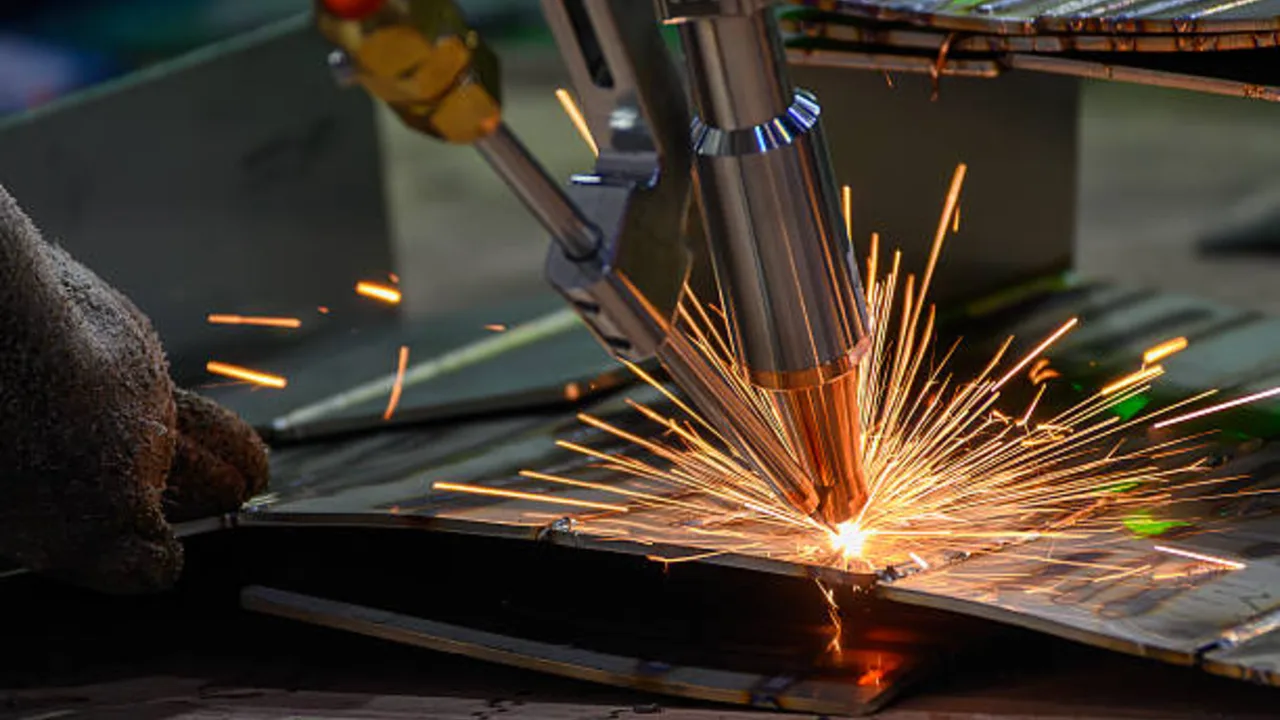
Process Standardization
Standardizing welding procedures reduces variability and improves repeatability. Clear guidelines help ensure that all teams follow consistent practices.
Training and Skill Development
Continuous training allows workers to stay updated on modern welding techniques and distortion control methods. Skilled teams are better equipped to handle complex fabrication challenges.
Technology Adoption
Adopting advanced technologies, including automation and simulation, enhances precision and efficiency. These tools enable better planning and execution of welding processes.
Conclusion
Welding distortion is not a random issue—it is a predictable result of thermal behavior and process conditions. Effective steel welding distortion control requires a proactive approach that starts before welding begins and continues throughout the fabrication process.
By managing heat input, optimizing welding techniques, and integrating control strategies into every stage, fabrication teams can significantly reduce distortion and improve structural accuracy.
Ultimately, precision-driven fabrication leads to stronger structures, lower costs, and more efficient project delivery, making distortion control a critical component of modern steel construction.