Modern construction increasingly relies on large, open spaces that demand structural systems capable of spanning significant distances without excessive support. From airport terminals and industrial warehouses to stadiums and exhibition halls, long-span steel members have become a cornerstone of contemporary engineering. Their ability to cover wide areas while maintaining structural efficiency makes them indispensable in projects where column-free space is critical.
Long span steel fabrication is not simply an extension of standard steelwork. As span length increases, so do the complexities related to material behavior, fabrication precision, and logistics. The challenges are no longer limited to cutting and welding; they extend into areas such as deformation control, transportation constraints, and installation sequencing. Understanding these factors is essential for delivering reliable and cost-effective long-span structures.
In this context, fabrication is not just a manufacturing process—it becomes a coordinated engineering discipline that integrates design, production, and construction.
Understanding Long-Span Structural Members
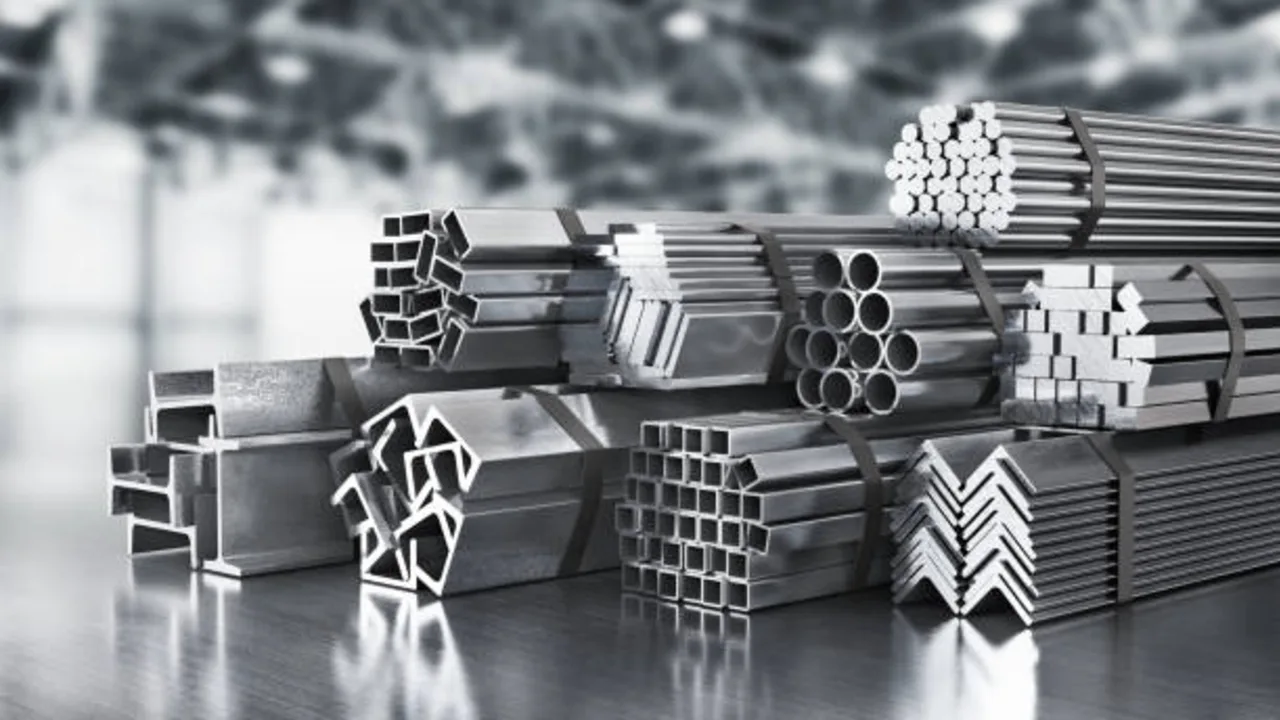
What Defines a Long-Span Structure?
There is no single universal definition for what qualifies as a long-span structure, but in practice, spans exceeding 20 to 30 meters are typically considered long-span in most industrial and commercial applications. Beyond this threshold, conventional beam systems begin to lose efficiency, and more advanced structural solutions become necessary.
The defining characteristic of long-span members is their ability to transfer loads over extended distances while controlling deflection and maintaining structural stability. Unlike standard beams, which rely on relatively simple load paths, long-span systems must address complex interactions between bending, compression, and tension forces.
As span increases, even minor inaccuracies in fabrication or alignment can lead to amplified structural effects. This makes precision and planning significantly more important than in smaller-scale steel construction.
Common Types of Long-Span Steel Members
Different structural systems are used depending on the project requirements, load conditions, and architectural design. Each type presents unique fabrication challenges and advantages.
- Plate girders: Built-up sections designed for high bending capacity over long distances
- Box girders: Closed-section members offering enhanced torsional rigidity
- Truss systems: Efficient load distribution through triangulated frameworks
- Arch structures: Utilize compression forces to achieve long spans
- Hybrid systems: Combine steel with cables or other materials for optimized performance
The choice of system directly impacts fabrication strategy, particularly in terms of component size, welding requirements, and transportation planning.
Core Challenges in Long Span Steel Fabrication
Material Behavior and Structural Stability
As structural members become longer, their behavior under load becomes increasingly sensitive. Deflection control is one of the primary concerns in long span steel fabrication. Even small deviations can affect not only structural performance but also architectural alignment and serviceability.
Buckling is another critical issue. Long slender members are more susceptible to instability, especially during handling and installation. Fabrication processes must account for these risks by incorporating design features such as stiffeners, cambering, and temporary supports.
Residual stress introduced during welding and cutting also plays a significant role. In long-span members, these stresses can accumulate over large distances, leading to distortion if not properly controlled.
Dimensional Accuracy Over Large Lengths
Maintaining dimensional accuracy across long steel members is far more challenging than working with smaller components. Tolerance accumulation becomes a major issue, where small measurement errors at individual sections can result in significant misalignment over the entire length.
To address this, fabrication facilities often rely on specialized jigs, fixtures, and alignment systems. Continuous measurement and verification are required throughout the fabrication process to ensure that deviations remain within acceptable limits.
Without strict control, even minor inconsistencies can create problems during site assembly, where correcting errors becomes more difficult and costly.
Transportation Limits and Logistics Constraints
One of the most defining challenges in long span steel fabrication is transportation. Physical limitations of roads, bridges, and shipping infrastructure impose strict constraints on the size of fabricated components. These transportation limits often dictate fabrication strategy as much as engineering requirements do.
Oversized steel members may require special permits, escort vehicles, and route planning. In some cases, transporting full-length components is simply not feasible, forcing fabricators to divide structures into smaller segments.
This introduces additional complexity, as segmented fabrication requires precise on-site assembly to ensure structural continuity. Balancing fabrication efficiency with transportation feasibility is a critical decision in long-span projects.
Fabrication Strategies for Long-Span Steel Members
Segmented Fabrication Approach
Segmented fabrication is one of the most commonly used strategies for long-span structures. Instead of producing a single continuous member, the structure is divided into manageable sections that can be transported and assembled on site.
This approach offers clear advantages in terms of logistics. Smaller segments are easier to transport and handle, reducing the need for specialized equipment and permits. However, it also introduces additional work during installation, particularly in welding and alignment.
The success of segmented fabrication depends heavily on the accuracy of each section and the quality of field connections.
Full-Length Fabrication
In some controlled environments, full-length fabrication is preferred. This approach minimizes the number of joints, which can improve structural integrity and reduce potential weak points.
However, full-length fabrication is only practical when transportation and site conditions allow it. The challenges associated with moving and installing large components often limit its application to specific projects with favorable logistics.
Careful evaluation of transport routes and lifting capacity is essential before selecting this method.
Hybrid Fabrication Strategy
Hybrid strategies combine the advantages of both segmented and full-length fabrication. Critical sections may be fabricated as larger units in the workshop, while other parts are assembled on site.
This approach allows for flexibility, optimizing both fabrication efficiency and logistical feasibility. It is commonly used in complex infrastructure projects where neither fully segmented nor fully continuous fabrication alone is ideal.
Successful hybrid fabrication requires close coordination between design, manufacturing, and construction teams.
Precision Control in Long Span Steel Fabrication
Alignment and Fit-Up Control
In long span steel fabrication, alignment is not just a quality factor—it is a structural necessity. The longer the member, the more sensitive it becomes to slight deviations. Even minimal misalignment during fabrication can result in significant deflection or stress concentration once the structure is in service.
Fit-up control plays a critical role in ensuring that all components connect seamlessly before welding. Proper alignment of joints, consistent gap control, and accurate positioning are essential to maintaining the intended load path. Without this level of precision, the effectiveness of even the most advanced welding techniques can be compromised.
Fabricators often implement multi-point alignment verification and use calibrated measurement systems to maintain consistency across the entire length of the member.
Welding Distortion Management
Welding distortion becomes more pronounced in long-span members due to cumulative heat effects. As welding progresses along extended sections, thermal expansion and contraction can lead to warping or bending.
To mitigate these effects, several strategies are applied:
- Controlled heat input to reduce thermal stress
- Sequenced welding to balance deformation
- Pre-cambering to offset expected deflection
- Use of temporary supports during fabrication
These methods ensure that the final geometry of the structure aligns with design expectations, even after welding-induced deformation occurs.
Quality Control Procedures
Quality control in long span steel fabrication must be both rigorous and continuous. Unlike smaller components, errors in long-span members are harder to correct and can have far-reaching consequences.
Typical quality control procedures include:
- Dimensional inspection at multiple fabrication stages
- Verification of alignment and straightness
- Non-destructive testing (NDT) for weld integrity
- Documentation and traceability of fabrication data
These checks ensure that every component meets structural and safety requirements before leaving the fabrication facility.
Transportation and Installation Considerations
Transportation Planning for Oversized Steel Members
Transportation is often the limiting factor in long span steel fabrication. Large structural members must be delivered safely from the fabrication facility to the project site, often across long distances and through complex routes.
Planning involves more than just selecting a transport method. It requires a comprehensive understanding of route constraints, including bridge clearances, road width, turning radius, and legal restrictions. Transportation limits directly influence whether a structure can be fabricated as a single piece or must be segmented.
Specialized equipment such as multi-axle trailers, cranes, and lifting frames are frequently required. In many cases, logistical planning begins at the design stage to ensure feasibility.
On-Site Assembly Challenges
Once the steel components reach the site, the focus shifts to assembly. Long-span structures often require precise coordination between multiple teams, heavy lifting equipment, and strict sequencing.
Challenges during installation include:
- Limited crane capacity for lifting large members
- Weather conditions affecting alignment and safety
- Maintaining tolerances during field welding
- Ensuring structural stability during partial assembly
Proper planning and experienced execution are essential to ensure that installation proceeds efficiently without compromising structural integrity.
Comparison of Fabrication Approaches
| Method | Advantages | Limitations | Best Use Case |
|---|---|---|---|
| Full-Length Fabrication | Fewer joints, higher structural integrity | Restricted by transportation limits | Projects with controlled logistics access |
| Segmented Fabrication | Easier transportation and handling | Requires more on-site assembly | Remote or logistically constrained projects |
| Hybrid Approach | Balanced efficiency and flexibility | Complex coordination required | Large-scale infrastructure projects |
Role of Experience in Long-Span Fabrication Projects
Long span steel fabrication is not solely a technical process—it is an exercise in coordination and experience. Projects of this scale require integration between engineering design, fabrication execution, and logistics planning.
Working with an experienced heavy steel structure fabrication provider ensures that all aspects of the process are aligned. From selecting the appropriate fabrication method to managing transportation and installation, expertise plays a decisive role in project success.
Experienced teams are better equipped to anticipate challenges, reduce risks, and deliver consistent results under complex conditions.
Lessons from Long-Span Steel Projects
Across various industries, long-span projects consistently highlight several key lessons:
- Early integration of design, fabrication, and logistics is critical
- Precision becomes increasingly important as span length grows
- Transportation constraints must be considered from the beginning
- Standardization improves efficiency and reduces error
These lessons emphasize that success in long span steel fabrication is driven by planning and execution rather than reactive problem-solving.
Future Trends in Long Span Steel Fabrication
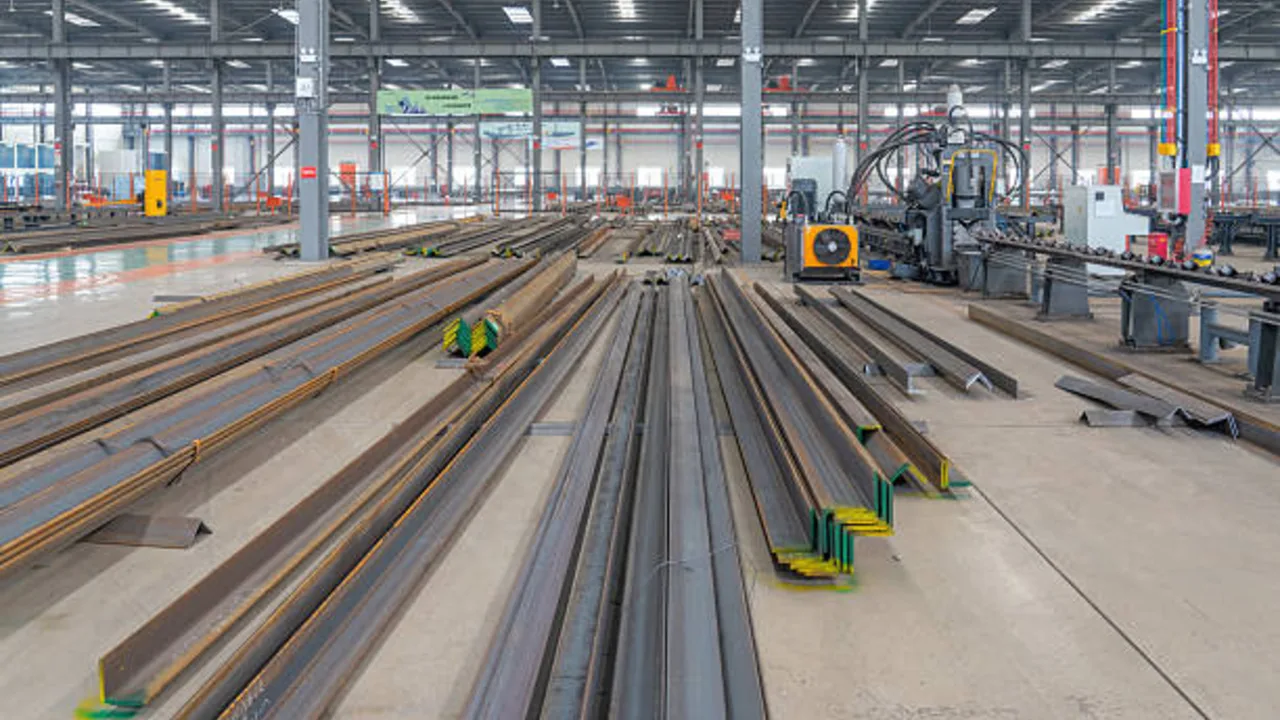
The future of long span steel fabrication is closely tied to advancements in technology and materials. As project demands grow more complex, the industry continues to evolve to meet new challenges.
Key trends include:
- Increased use of automation and CNC fabrication systems
- Integration of Building Information Modeling (BIM) for accuracy
- Expansion of modular construction techniques
- Development of high-strength steel materials for longer spans
These innovations are reshaping how long-span structures are designed, fabricated, and constructed, enabling greater efficiency and performance.
Real Project Insight: Long-Span Steel Fabrication in Libya Factory Project
A practical example of how long span steel fabrication is applied in real-world industrial projects can be seen in the Libya Steel Structure Factory project delivered by XTD Steel Structure. Completed in December 2024, the facility utilized approximately 1,450 tons of structural steel and was engineered to support high-throughput industrial operations with long-span, column-free interior spaces.
This project highlights how long-span structural members are not only a design requirement but also a fabrication and logistics challenge. The use of a portal rigid frame system allowed the building to achieve wide clear spans while maintaining structural stability and efficient load distribution. These long-span members required precise fabrication control to ensure alignment accuracy across extended lengths.
One of the key aspects of this project was the integration of modular fabrication strategies. Due to transportation limits and site logistics, structural components were carefully segmented during fabrication while maintaining strict dimensional tolerances. This ensured that on-site assembly could be executed efficiently without compromising structural integrity.
Additionally, the project demonstrates the importance of coordination between fabrication and installation. Long-span members must be fabricated with full consideration of erection sequencing, crane capacity, and site conditions. In the Libya factory project, this coordination enabled fast-track construction while preserving quality and safety standards.
The building was also designed for flexibility and future expansion, incorporating large open spans suitable for heavy machinery, high-density storage, and overhead crane systems. This reflects a key advantage of long span steel fabrication—its ability to adapt to evolving industrial requirements without major structural modifications.
Overall, the Libya Steel Structure Factory project reinforces a core principle discussed throughout this article: successful long span steel fabrication depends not only on structural design, but on the integration of precision manufacturing, transportation planning, and installation strategy. When these elements are aligned, long-span steel systems can deliver both performance and scalability in demanding industrial environments.
Conclusion
Long span steel fabrication represents one of the most advanced areas of modern structural engineering. It requires a balance between design precision, fabrication control, and logistical planning. As spans increase, the margin for error decreases, making every stage of the process more critical.
By integrating engineering expertise with practical fabrication strategies, project teams can overcome challenges related to alignment, transportation limits, and installation complexity. The result is a structure that not only meets performance requirements but also delivers long-term reliability.
In today’s construction landscape, mastering long span steel fabrication is essential for delivering efficient, scalable, and future-ready structural solutions.