In modern industrial construction, accuracy in material selection is just as critical as structural design and welding quality. Steel fabrication projects rely heavily on precise material specifications, where each component must meet strict mechanical and chemical requirements. However, one of the most overlooked risks in fabrication environments is the steel fabrication material mix up, a problem that can quietly compromise entire structures if not properly controlled.
Material identification errors are not just minor operational issues. They directly affect structural integrity, compliance, and long-term performance. A simple mix-up between steel grades or specifications can lead to improper load-bearing capacity, welding incompatibility, and costly rework. In high-risk sectors such as infrastructure, energy, and industrial facilities, these errors can escalate into safety hazards.
At the core of this issue lies traceability risk, the inability to track materials from procurement to final installation. Without a robust system for identification and traceability, fabrication teams lose visibility over material origins, properties, and intended applications. This makes preventing errors significantly more difficult and increases the likelihood of failure during inspection or operation.
Understanding Material Identification in Steel Fabrication
What is Material Identification?
Material identification refers to the process of verifying and tracking steel components throughout the fabrication lifecycle. Each material is assigned specific identifiers such as heat numbers, grade markings, and material test report (MTR) references. These identifiers ensure that every piece of steel used in a project meets the required standards and specifications.
In a controlled fabrication environment, material identification is not limited to initial delivery. It must be maintained through cutting, forming, assembly, and welding stages. Losing identification at any point introduces uncertainty and increases the risk of a steel fabrication material mix up.
Types of Steel Materials and Their Sensitivity
Different types of steel exhibit unique properties, making accurate identification essential. Carbon steel, alloy steel, and stainless steel may appear visually similar but behave very differently under stress, temperature, and welding conditions.
- Carbon steel: Widely used but sensitive to incorrect grade selection
- Alloy steel: Requires precise composition control for strength and durability
- Stainless steel: Highly sensitive to contamination and material mixing
Even a small mistake in material substitution can lead to performance issues that are difficult to detect until failure occurs. This is why preventing a steel fabrication material mix up is critical in every fabrication facility.
What is a Steel Fabrication Material Mix-Up?

Definition and Typical Scenarios
A steel fabrication material mix-up occurs when the wrong material is used in place of the specified one during any stage of fabrication. This may involve incorrect grade selection, swapped components, or the use of unidentified materials.
Typical scenarios include picking the wrong material from storage, losing identification markings after cutting, or mixing similar-looking materials during batch processing. These situations often arise due to weak control systems or human error.
Where Mix-Ups Usually Occur
Material identification errors can happen at multiple points in the fabrication process. Understanding where these risks occur is the first step toward prevention.
- Warehouse storage: Materials with similar appearance stored together
- Cutting stage: Loss of original markings during processing
- Assembly and fit-up: Incorrect components combined
- Welding stage: Undetected material substitution affecting weld quality
Each of these stages represents a critical control point where a steel fabrication material mix up can occur if proper systems are not in place.
Main Causes of Material Identification Errors
Poor Labeling and Marking Systems
One of the most common causes of material errors is inadequate labeling. Steel markings can fade, be removed during surface treatment, or become unreadable after cutting. When markings are lost, workers must rely on assumptions, increasing the likelihood of mistakes.
Without a durable and standardized marking system, maintaining identification throughout the fabrication process becomes extremely difficult.
Human Error and Process Gaps
Human error remains a major contributor to material mix-ups. Operators may select the wrong material due to time pressure, unclear labeling, or lack of training. Inconsistent procedures further amplify this risk.
When standard operating procedures (SOPs) are not strictly enforced, even experienced workers can make critical mistakes that lead to a steel fabrication material mix up.
Inadequate Material Tracking Systems
Fabrication facilities that rely solely on manual tracking methods are more vulnerable to identification errors. Paper-based systems and visual checks are prone to inaccuracies, especially in large-scale projects involving thousands of components.
Without digital tracking or automated systems, traceability gaps become inevitable, increasing overall traceability risk.
Mixing During Storage and Handling
Improper storage practices often lead to material mixing. When different grades or types of steel are stored in close proximity without clear separation, the chance of confusion increases significantly.
Similar shapes, sizes, and surface finishes make visual identification unreliable, especially under fast-paced production conditions.
Traceability Risk in Steel Fabrication Projects
What is Traceability Risk?
Traceability risk refers to the inability to track a material’s origin, specification, and processing history throughout the fabrication process. It is one of the most critical risks associated with a steel fabrication material mix up.
When traceability is lost, it becomes impossible to verify whether a component meets design and regulatory requirements. This creates uncertainty that can affect inspection outcomes and project acceptance.
Why Traceability is Critical
Traceability ensures that every material used in a project can be linked back to its source and certification. This is essential for meeting international standards such as ASTM, EN, and ISO.
Maintaining traceability also supports quality control, enabling engineers to identify and isolate issues quickly without affecting the entire project.
Consequences of Losing Traceability
Failure to maintain traceability can result in severe consequences:
- Rejection of materials during inspection
- Extensive rework and delays
- Increased project costs
- Potential safety and compliance issues
In many cases, the cost of resolving traceability issues far exceeds the cost of implementing proper control systems in the first place.
Impact of Material Mix-Up on Project Performance
Structural Integrity Issues
The most critical consequence of a steel fabrication material mix up is its impact on structural integrity. Using the wrong steel grade can compromise load-bearing capacity, reduce resistance to environmental factors, and increase the risk of structural failure.
For example, substituting high-strength steel with a lower-grade material may not immediately show visible issues, but under load conditions, the structure may deform or fail prematurely. These failures often occur after installation, making them far more dangerous and costly to address.
Welding Compatibility Problems
Welding performance is highly dependent on material compatibility. A steel fabrication material mix up can lead to mismatched welding parameters, resulting in defects such as cracking, lack of fusion, or excessive hardness in the heat-affected zone.
Incorrect material combinations also affect filler material selection, which can further compromise weld strength and durability. In critical applications, this can lead to long-term fatigue failure.
Cost and Schedule Delays
Material identification errors significantly impact project timelines and budgets. Once a mix-up is detected, the affected components must be inspected, removed, and replaced.
- Rework increases labor and material costs
- Inspection processes become more extensive
- Project schedules are delayed
- Client confidence may be affected
These cascading effects highlight why preventing a steel fabrication material mix up is far more efficient than correcting it later.
Common Real-World Examples of Material Errors
Material identification errors occur across a wide range of projects, from industrial plants to infrastructure developments. Understanding real-world scenarios helps illustrate the severity of these issues.
In one case, a fabrication team used a lower-grade steel plate for a load-bearing structure due to incorrect labeling. The issue was only discovered during inspection, requiring full replacement of the installed components.
Another example involved mixing stainless steel with carbon steel during assembly. This resulted in corrosion issues after installation, leading to costly repairs and system downtime.
In many fabrication environments, heat numbers are lost during cutting processes. Without proper re-marking, components become untraceable, increasing the risk of a steel fabrication material mix up and complicating quality verification.
Detection Methods for Material Identification Errors
Visual Inspection and Marking Checks
Visual inspection is the most basic method of detecting material identification issues. Inspectors verify markings, labels, and color codes to ensure materials match specifications.
However, visual methods alone are not sufficient, especially when markings are unclear or missing.
Material Test Reports (MTR)
Material Test Reports provide detailed information about chemical composition and mechanical properties. Cross-checking heat numbers against MTRs is a critical step in preventing a steel fabrication material mix up.
This method ensures that each material used complies with project requirements.
Positive Material Identification (PMI)
PMI testing uses technologies such as X-ray fluorescence (XRF) or optical emission spectroscopy (OES) to verify material composition. It is one of the most reliable methods for detecting material mix-ups.
Although more expensive, PMI is often required for high-risk projects where material accuracy is critical.
Audit and Documentation Review
Regular audits and documentation checks help identify traceability gaps. Reviewing records ensures that all materials are properly tracked and verified throughout the fabrication process.
Best Practices to Prevent Steel Fabrication Material Mix-Up
Standardized Labeling and Color Coding
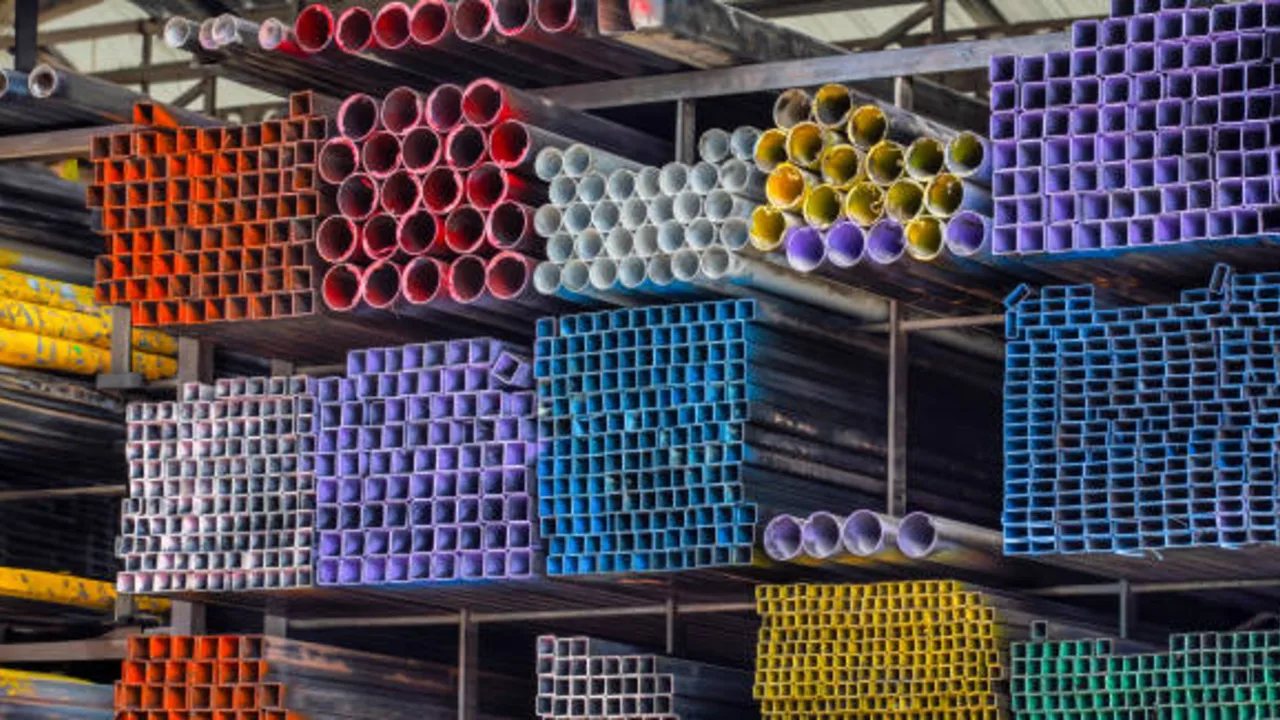
Implementing a standardized labeling system is essential for maintaining material identification. Durable markings, color coding, and consistent labeling practices reduce confusion and improve efficiency.
Clear visual identification helps workers quickly distinguish between different materials, minimizing the risk of a steel fabrication material mix up.
Material Segregation Strategy
Separating materials based on type, grade, and specification is a simple yet effective prevention method. Dedicated storage zones and organized rack systems reduce the likelihood of mixing materials.
Proper segregation also improves workflow and material handling efficiency.
Digital Traceability Systems
Modern fabrication facilities increasingly rely on digital tracking systems such as barcodes, QR codes, and RFID. These technologies provide real-time visibility and significantly reduce traceability risk.
Digital systems ensure that materials remain identifiable throughout the entire fabrication lifecycle.
Operator Training and SOP Enforcement
Training plays a crucial role in preventing errors. Workers must understand the importance of material identification and follow standardized procedures consistently.
Strong SOP enforcement ensures that every step, from material selection to final inspection, is executed correctly.
Material Control Workflow in Steel Fabrication
From Receiving to Installation
Effective material control requires a structured workflow that ensures traceability at every stage. The following table outlines key control points:
| Stage | Risk | Control Method |
|---|---|---|
| Receiving | Incorrect material delivery | MTR verification and inspection |
| Storage | Material mixing | Segregation and labeling |
| Cutting | Loss of identification | Re-marking and tracking |
| Assembly | Wrong material usage | QC inspection and verification |
| Welding | Compatibility issues | WPS and material check |
This structured approach minimizes the risk of a steel fabrication material mix up and ensures consistent quality throughout the project.
Choosing a Reliable Steel Structure Fabrication Company
The success of any fabrication project depends heavily on the contractor’s ability to manage materials effectively. Working with an experienced steel structure fabrication company ensures that proper identification and traceability systems are in place.
Reliable fabrication partners typically offer:
- Advanced material tracking systems
- Strict quality control procedures
- Comprehensive documentation and traceability records
- Experienced engineering and inspection teams
These capabilities significantly reduce the likelihood of material errors and improve overall project performance.
Lessons Learned: Strengthening Material Control Systems
Process Standardization
Standardizing material handling and identification procedures reduces variability and improves consistency. Clear guidelines ensure that all team members follow the same processes.
Technology Integration
Integrating digital tools enhances traceability and reduces reliance on manual systems. Automation improves accuracy and efficiency in material tracking.
Continuous Improvement Culture
Organizations that prioritize continuous improvement are better equipped to prevent errors. Regular training, audits, and process updates help maintain high standards.
Conclusion: Eliminating Material Identification Errors at the Source
Material identification errors remain one of the most preventable risks in steel fabrication. By addressing the root causes of a steel fabrication material mix up, fabrication teams can significantly improve quality, safety, and efficiency.
Focusing on prevention rather than correction ensures that errors are eliminated at the source. Through proper systems, training, and technology, fabrication facilities can achieve reliable traceability and consistent performance across all projects.
In the long term, strong material control practices lead to safer structures, reduced costs, and more successful project outcomes.