In modern fabrication environments, steel fabrication NCR handling has become a critical part of maintaining quality, ensuring compliance, and protecting project timelines. Non-Conformance Reports (NCRs) are not simply documentation tools—they represent real deviations in production that can directly impact structural performance, safety, and cost efficiency. Without a structured system for managing NCRs, fabrication workshops risk accumulating errors that compound over time.
Effective steel fabrication NCR handling is not about reacting to problems—it is about controlling them at the source. From early detection to implementing a proper corrective action, every stage of the NCR process plays a role in maintaining production consistency. In high-volume steel structure manufacturing, the ability to handle NCRs efficiently often separates reliable fabrication workshops from those that struggle with rework and delays.
Understanding NCRs in Steel Fabrication
What is an NCR in Steel Fabrication?
An NCR, or Non-Conformance Report, is a formal record that identifies any deviation from specified requirements during the fabrication process. In steel fabrication workshops, NCRs can be triggered by issues such as dimensional inaccuracies, welding defects, material inconsistencies, or improper surface treatment.
Steel fabrication NCR handling begins at the moment a deviation is identified. The purpose of the NCR is not only to record the issue but also to ensure that it is properly evaluated, corrected, and prevented from recurring. This structured approach allows fabrication teams to maintain traceability and accountability across all production stages.
In a well-managed system, NCRs are integrated into the broader quality assurance process. They serve as checkpoints that highlight weaknesses in workflow, materials, or execution—providing valuable insights for continuous improvement.
Why NCR Handling Matters in Steel Fabrication
The importance of steel fabrication NCR handling extends beyond simple defect correction. Poor handling of NCRs can lead to structural risks, project delays, and increased operational costs. In contrast, a robust NCR system strengthens quality control and enhances overall project performance.
- Structural integrity: Unresolved non-conformities can compromise load-bearing capacity
- Cost control: Early corrective action reduces expensive rework
- Schedule protection: Efficient NCR closure prevents production bottlenecks
- Compliance: Proper documentation supports audits and certifications
In large-scale projects, even a minor deviation can escalate if not handled correctly. This is why steel fabrication NCR handling must be embedded into daily workshop operations rather than treated as an isolated task.
Common Types of NCR in Steel Fabrication Workshops
Understanding the most common NCR categories helps fabrication teams anticipate risks and improve preventive strategies. While each workshop may face unique challenges, several recurring types of NCRs are observed across the industry.
- Welding defects: Lack of fusion, porosity, cracks, and incomplete penetration
- Dimensional deviations: Incorrect measurements, misalignment, tolerance issues
- Material non-compliance: Incorrect grade, certification issues, or damaged materials
- Surface treatment problems: Coating defects, corrosion protection failures
- Documentation errors: Missing records, incorrect specifications, traceability gaps
Each type of NCR requires a specific approach to corrective action. A standardized steel fabrication NCR handling system ensures that every issue is addressed consistently, regardless of its category.
Root Causes of NCRs in Fabrication Workshops
Human Errors and Skill Gaps
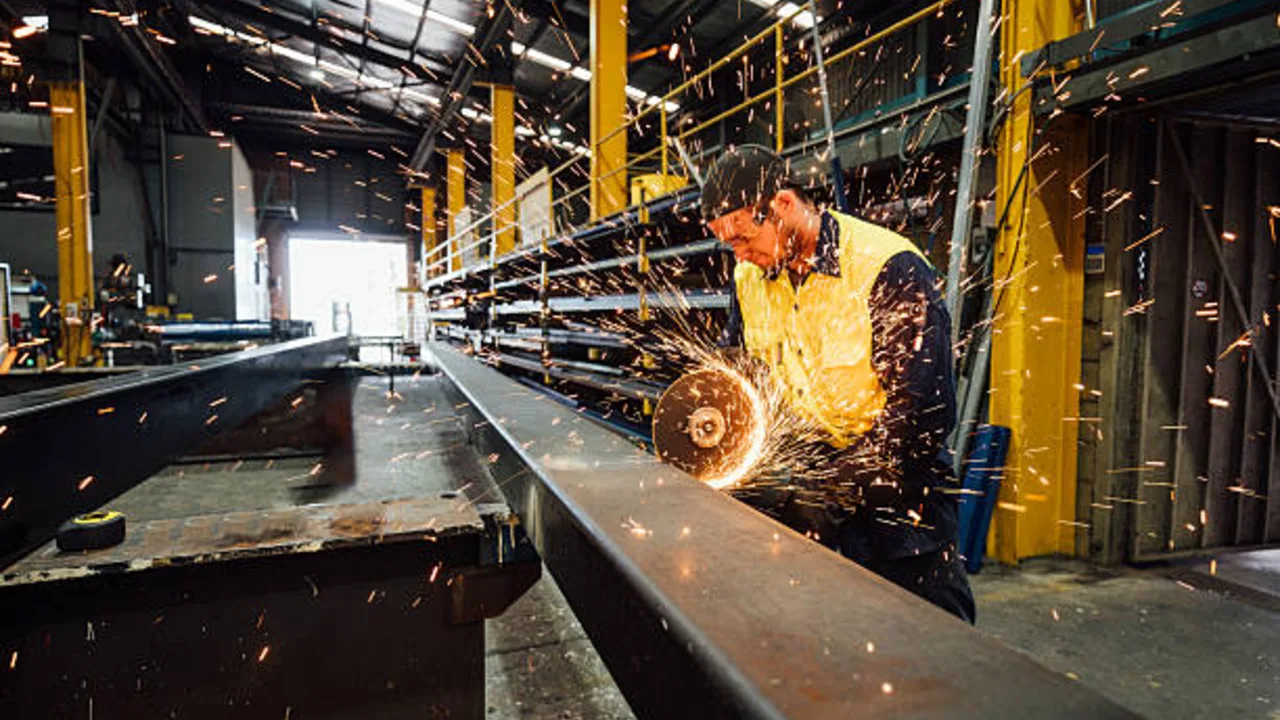
One of the most common sources of non-conformance is human error. Even experienced workers can make mistakes, especially in complex fabrication environments where precision is critical.
Typical issues include incorrect interpretation of drawings, improper setup of equipment, or failure to follow established procedures. Without proper training and supervision, these errors can lead to repeated NCR occurrences.
Addressing human-related NCRs requires more than correction—it requires structured corrective action such as training programs, skill assessments, and improved communication between engineering and production teams.
Process and System Failures
In many cases, NCRs are not caused by individuals but by weaknesses in the system itself. Poorly defined workflows, unclear standard operating procedures (SOPs), and lack of quality checkpoints can all contribute to non-conformities.
Steel fabrication NCR handling must therefore include process evaluation. Identifying gaps in workflow allows teams to implement long-term corrective action that improves consistency and reduces variability.
- Inconsistent process control
- Lack of inspection stages
- Undefined responsibilities
- Poor documentation flow
Material and Equipment Issues
Material defects and equipment-related problems are another major source of NCRs. Using incorrect materials or poorly calibrated machines can result in deviations that are difficult to detect until later stages of production.
Effective steel fabrication NCR handling includes verifying material certifications, maintaining equipment calibration, and ensuring proper tooling selection. Preventive maintenance plays a key role in minimizing these risks.
Communication Breakdowns
Miscommunication between departments often leads to NCRs. When design intent is not clearly conveyed to the fabrication team, errors can occur during execution.
Common issues include:
- Mismatch between engineering drawings and shop floor instructions
- Lack of coordination between QC and production teams
- Delayed information flow
Improving communication channels is a critical corrective action that enhances overall steel fabrication NCR handling efficiency.
NCR Handling Workflow in Steel Fabrication
Step 1: Identification and Reporting
The first step in steel fabrication NCR handling is identifying the non-conformance. This can occur during inspection, production, or even during installation. Once detected, the issue must be reported immediately using a standardized NCR format.
Accurate reporting ensures that the problem is clearly defined and can be addressed efficiently. Delayed or incomplete reporting often leads to escalation and increased rework.
Step 2: NCR Documentation and Classification
After identification, the NCR must be properly documented and classified. Classification helps prioritize the issue and determine the level of response required.
- Minor NCR: Limited impact, easy to correct
- Major NCR: Significant deviation affecting performance
- Critical NCR: Potential safety or compliance risk
This step is essential in steel fabrication NCR handling because it guides decision-making and resource allocation.
Step 3: Root Cause Analysis
Understanding why the NCR occurred is key to preventing recurrence. Root cause analysis methods such as the 5 Whys or fishbone diagrams are commonly used in fabrication workshops.
This stage connects directly to corrective action planning. Without identifying the root cause, any solution applied will likely be temporary.
Step 4: Corrective Action Implementation
Once the root cause has been identified, the next step in steel fabrication NCR handling is implementing an effective corrective action. This phase determines whether the issue will truly be resolved or simply delayed.
Corrective actions can be categorized into immediate fixes and long-term improvements. Immediate actions focus on restoring product compliance, while long-term actions address the underlying cause to prevent recurrence.
- Rework: Adjusting the component to meet specifications
- Repair: Acceptable modification under engineering approval
- Reject: Scrapping non-recoverable components
Each corrective action must be evaluated based on cost, time, and structural impact. Inconsistent decision-making at this stage can lead to repeated NCR cycles and reduced workshop efficiency.
Step 5: Verification and Closure
The final stage of steel fabrication NCR handling involves verification and closure. After corrective action has been applied, the component must be re-inspected to confirm compliance with specifications.
Verification ensures that the issue has been fully resolved and that no secondary defects have been introduced. Once validated, the NCR can be formally closed with complete documentation.
Proper closure includes:
- QC re-inspection and approval
- Updated documentation and traceability records
- Recording lessons learned for future prevention
This structured approach ensures that every NCR contributes to continuous improvement rather than recurring inefficiencies.
Corrective Action Strategies for NCR Handling
Short-Term Corrective Actions
Short-term corrective action focuses on immediate containment of the issue. These actions are critical for maintaining production flow while preventing further defects.
- On-site adjustments to correct minor deviations
- Temporary process controls
- Additional inspection checkpoints
Although effective in the short term, these actions must always be followed by deeper analysis to prevent recurrence.
Long-Term Preventive Actions
Long-term strategies aim to eliminate the root cause of NCRs. This is where steel fabrication NCR handling becomes a strategic advantage rather than a reactive process.
- Updating SOPs and work instructions
- Enhancing workforce training programs
- Improving process standardization
- Upgrading equipment and tools
Effective long-term corrective action reduces NCR frequency and stabilizes production quality over time.
Tracking and Monitoring Corrective Actions
Tracking the effectiveness of corrective action is essential for continuous improvement. Without monitoring, it is impossible to determine whether implemented solutions are working.
Workshops should establish measurable indicators such as:
- NCR recurrence rate
- Average closure time
- Cost of rework
- Process compliance rate
These metrics provide valuable insights into the effectiveness of steel fabrication NCR handling systems.
Table: NCR Types and Recommended Actions
| NCR Type | Root Cause | Corrective Action | Preventive Action |
|---|---|---|---|
| Welding defect | Poor technique or incorrect parameters | Rework welding area | Welder training and WPS optimization |
| Dimensional deviation | Incorrect measurement or setup | Re-align and adjust component | Improve measurement procedures |
| Material non-compliance | Wrong material selection | Replace material | Strengthen material verification process |
| Surface treatment issue | Improper coating application | Reapply coating | Improve surface preparation SOP |
| Documentation error | Incomplete or incorrect records | Correct documentation | Implement digital tracking system |
Quality Control Integration in NCR Management
Role of QC Engineers
QC engineers are the backbone of effective steel fabrication NCR handling. They are not only responsible for detecting non-conformities but also for controlling how each issue is evaluated, escalated, and resolved. In a well-structured fabrication workshop, QC engineers act as the bridge between engineering intent and shop floor execution.
Their role goes beyond inspection—they are decision-makers in the NCR lifecycle. From identifying deviations to validating corrective action, QC engineers ensure that every non-conformance is handled with technical accuracy and consistency.
In practice, their responsibilities extend to:
- Inspection and defect identification
Conducting visual, dimensional, and welding inspections at defined checkpoints to detect deviations early before they escalate. - Approval of corrective actions
Evaluating whether proposed corrective action (rework, repair, or rejection) meets engineering and quality requirements. - Ensuring documentation accuracy
Verifying that all NCR records are complete, properly categorized, and aligned with traceability requirements. - Maintaining quality standards
Enforcing compliance with project specifications, welding procedures (WPS), and international standards.
Beyond these core tasks, experienced QC engineers contribute to process improvement by identifying recurring NCR patterns. This allows workshops to shift from reactive correction to preventive quality control.
Documentation and Traceability
Accurate documentation is the foundation of any reliable steel fabrication NCR handling system. Without proper records, it becomes impossible to track issues, validate corrective action, or demonstrate compliance during audits.
Every NCR must be fully traceable across its entire lifecycle:
- Detection → Reporting → Evaluation → Corrective Action → Verification → Closure
This traceability ensures that no issue is lost, ignored, or improperly resolved.
A robust documentation system typically includes:
- Unique NCR identification numbers
- Detailed description of non-conformance
- Root cause analysis results
- Defined corrective action and responsible personnel
- Inspection and verification records
- Final closure approval
More importantly, documentation must be consistent and accessible. Whether using paper-based systems or digital platforms, the goal is to create a transparent record that supports both operational control and audit requirements.
Strong traceability also enables data analysis. By reviewing NCR history, workshops can identify recurring issues, measure the effectiveness of corrective action, and continuously improve fabrication processes.
Standards and Compliance
Steel fabrication workshops operate under strict industry standards and project-specific requirements. Effective steel fabrication NCR handling plays a critical role in demonstrating compliance with these standards, especially during third-party inspections and audits.
Common frameworks include:
- ISO quality management systems
- Welding standards (such as AWS, EN, or ISO welding codes)
- Project-specific technical specifications
NCRs serve as documented evidence that the workshop is actively controlling quality deviations. Rather than hiding defects, a mature system shows how issues are identified, evaluated, and corrected in a controlled manner.
A structured NCR system ensures:
- All deviations are formally recorded
- Corrective action is technically justified and approved
- Compliance is verified before final acceptance
- Audit trails are complete and transparent
In high-level projects, clients and inspectors often assess not only the number of NCRs, but how they are handled. A workshop with a disciplined NCR process demonstrates professionalism, reliability, and strong quality governance.
Ultimately, integrating QC into NCR management transforms quality control from a checkpoint activity into a fully embedded system that supports both compliance and continuous improvement.
Digitalization in NCR Handling
Using Digital NCR Systems
Digital systems are transforming steel fabrication NCR handling by improving efficiency and traceability. Modern workshops use software solutions to track NCRs in real time and automate workflows.
- Centralized NCR database
- Automated reporting and alerts
- Improved data accuracy
Data Analytics for NCR Reduction
Analyzing NCR data allows workshops to identify patterns and recurring issues. This enables proactive decision-making and targeted corrective action strategies.
Over time, data-driven approaches significantly reduce NCR frequency and improve production stability.
Improving NCR Handling Efficiency in Workshops
Standardization of Processes
Standardizing workflows is one of the most effective ways to stabilize steel fabrication NCR handling across a workshop environment. Without standardization, different teams may interpret procedures differently, leading to inconsistent execution and repeated non-conformities.
A well-structured system defines:
- Clear Standard Operating Procedures (SOPs) for each fabrication stage
- Defined NCR handling workflow from detection to closure
- Standard templates for NCR reporting and documentation
- Fixed approval hierarchy for corrective action decisions
More importantly, standardization reduces dependency on individual judgment. Instead of relying on experience alone, the system ensures that every NCR is handled using the same logic, criteria, and quality expectations.
Over time, this consistency improves predictability in production outcomes and significantly reduces variability in steel fabrication NCR handling.
Training and Skill Development
Even with strong systems in place, human capability remains a critical factor in NCR generation. Many NCRs originate from skill gaps, misinterpretation of drawings, or improper execution of fabrication processes.
Continuous training transforms corrective action from a reactive measure into a preventive strategy. Instead of fixing recurring issues, workshops can eliminate them at the source by improving workforce competence.
Effective training programs typically include:
- Technical training on welding, fit-up, and dimensional control
- Interpretation of engineering drawings and tolerances
- Quality awareness and NCR reporting procedures
- Hands-on workshops for problem-solving scenarios
In high-performance fabrication workshops, training is not a one-time activity—it is embedded into daily operations. Skilled workers are not only more accurate but also more proactive in identifying potential non-conformities before they escalate.
Integration with Production Planning
One of the most overlooked aspects of steel fabrication NCR handling is its integration with production planning. When NCR management operates separately from production schedules, it often leads to delays, bottlenecks, and inefficient resource allocation.
Integrating NCR handling into production planning allows workshops to:
- Allocate time for inspection and corrective action without disrupting workflow
- Prioritize critical NCRs that impact delivery timelines
- Coordinate rework activities with ongoing fabrication tasks
- Optimize resource utilization across departments
For example, instead of stopping an entire production line due to an NCR, a coordinated approach allows partial continuation while corrective action is being implemented. This reduces downtime and maintains overall productivity.
A synchronized system ensures that NCR handling supports production goals rather than competing with them.
Continuous Improvement Culture
The most advanced fabrication workshops treat NCRs not as failures, but as valuable data points for improvement. A strong continuous improvement culture transforms steel fabrication NCR handling into a long-term competitive advantage.
This mindset shift involves:
- Encouraging transparent reporting without blame
- Analyzing NCR trends instead of isolated incidents
- Using data to refine processes and eliminate root causes
- Promoting cross-department collaboration
Rather than asking “who made the mistake,” effective teams ask “why did the system allow it to happen?” This approach leads to systemic improvements instead of temporary fixes.
Over time, workshops that embrace continuous improvement experience:
- Lower NCR frequency
- Faster corrective action implementation
- Higher product consistency
- Stronger quality culture across teams
In this environment, NCRs become tools for learning and optimization—driving long-term efficiency rather than short-term correction.
Choosing the Right Steel Structure Fabrication Factory
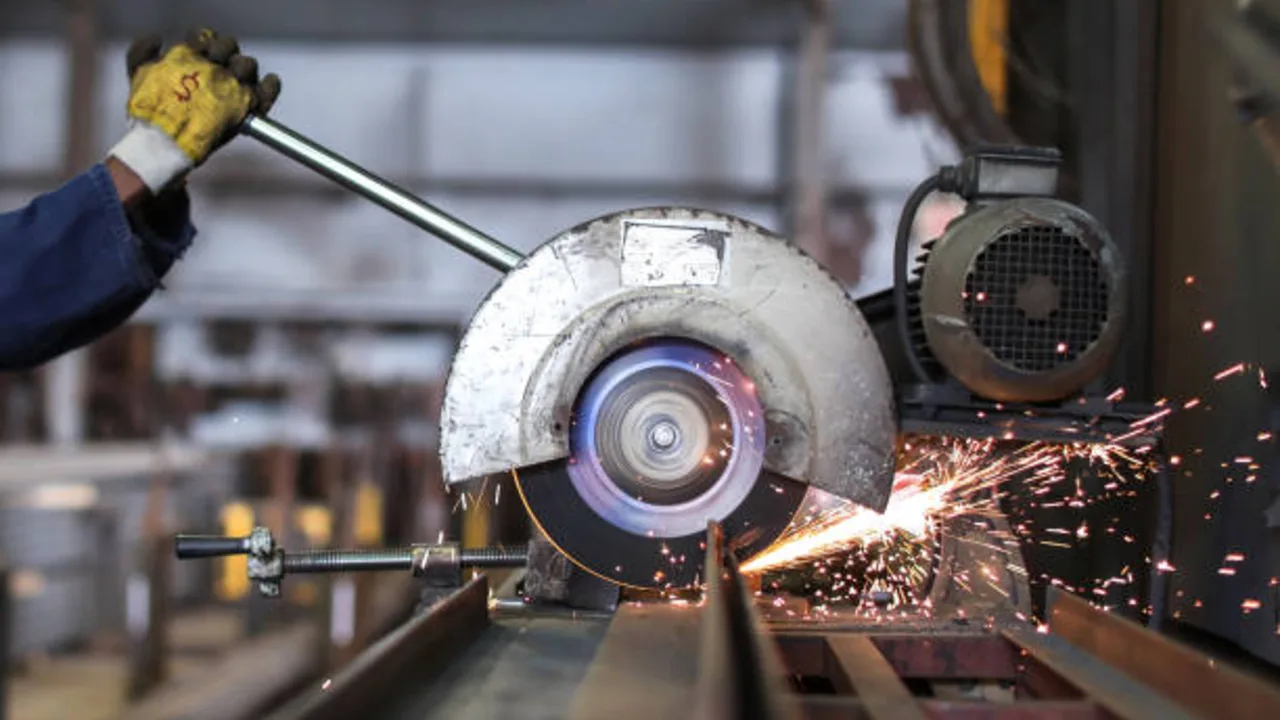
Selecting the right steel structure fabrication factory is critical for ensuring effective NCR management. A capable fabrication partner will have established systems for steel fabrication NCR handling, including structured workflows, experienced QC teams, and proven corrective action strategies.
Key factors to consider include:
- Quality management system maturity
- Experience in handling complex projects
- Availability of skilled workforce
- Use of advanced tools and technologies
Working with a reliable fabrication partner reduces risks and ensures consistent project outcomes.
Lessons Learned from Effective NCR Management
Successful workshops treat NCRs as opportunities for improvement rather than setbacks. By focusing on prevention, early detection, and systematic corrective action, they achieve higher levels of quality and efficiency.
Key lessons include:
- Early detection minimizes impact
- Root cause analysis is essential
- System improvements outperform individual fixes
- Continuous monitoring drives long-term success
Building a Strong NCR Handling System
A strong steel fabrication NCR handling system is built on discipline, standardization, and continuous improvement. By integrating NCR management into daily operations, fabrication workshops can maintain quality, reduce costs, and deliver projects with greater reliability.
In today’s competitive market, effective NCR handling is not optional—it is a fundamental requirement for achieving operational excellence in steel fabrication.