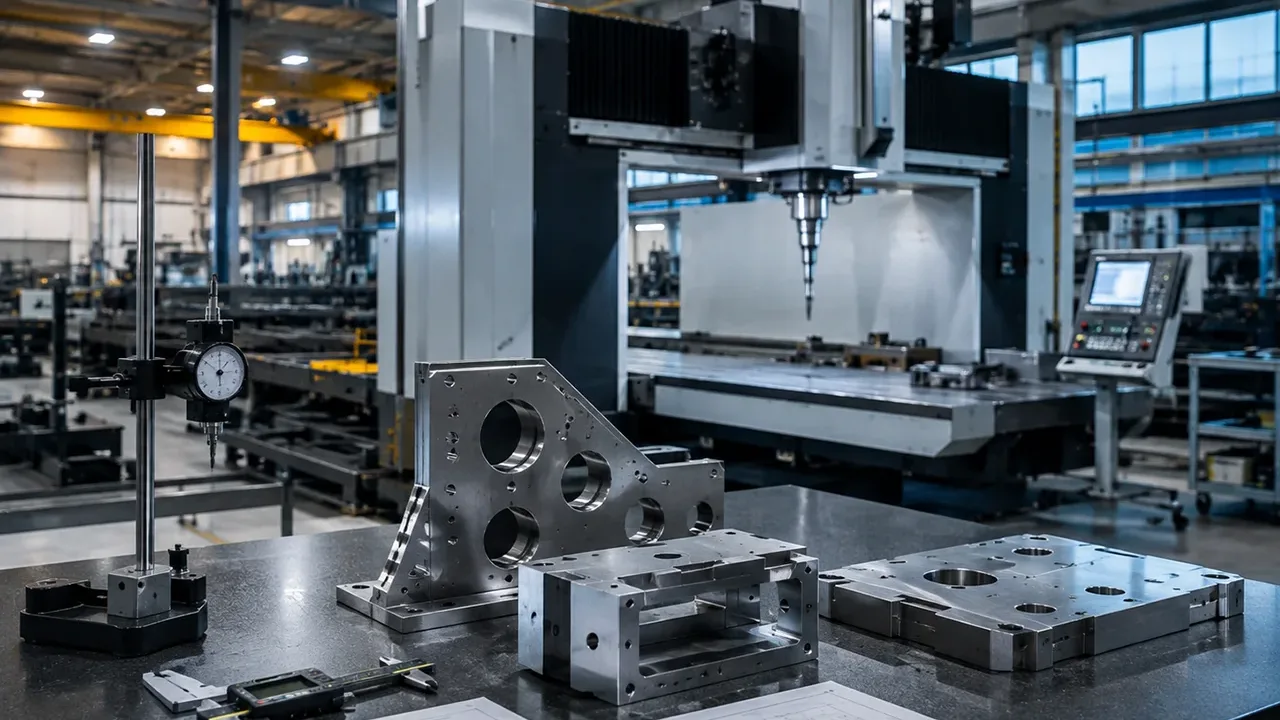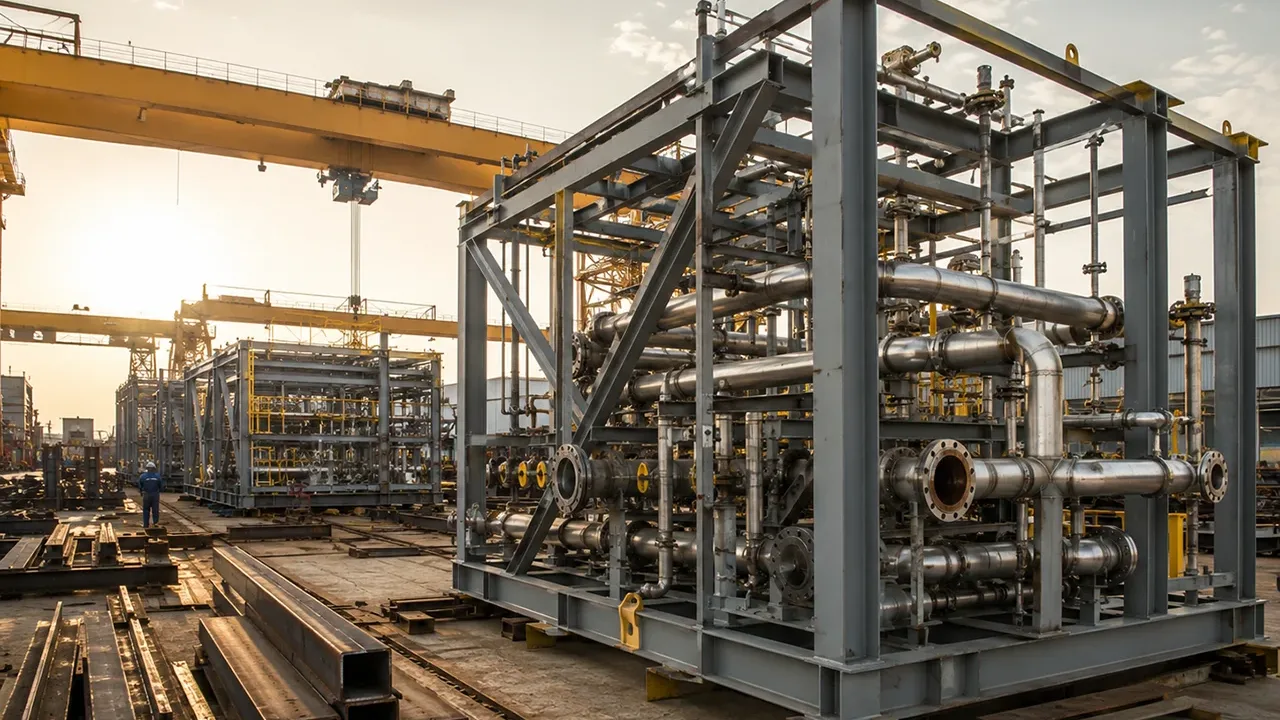
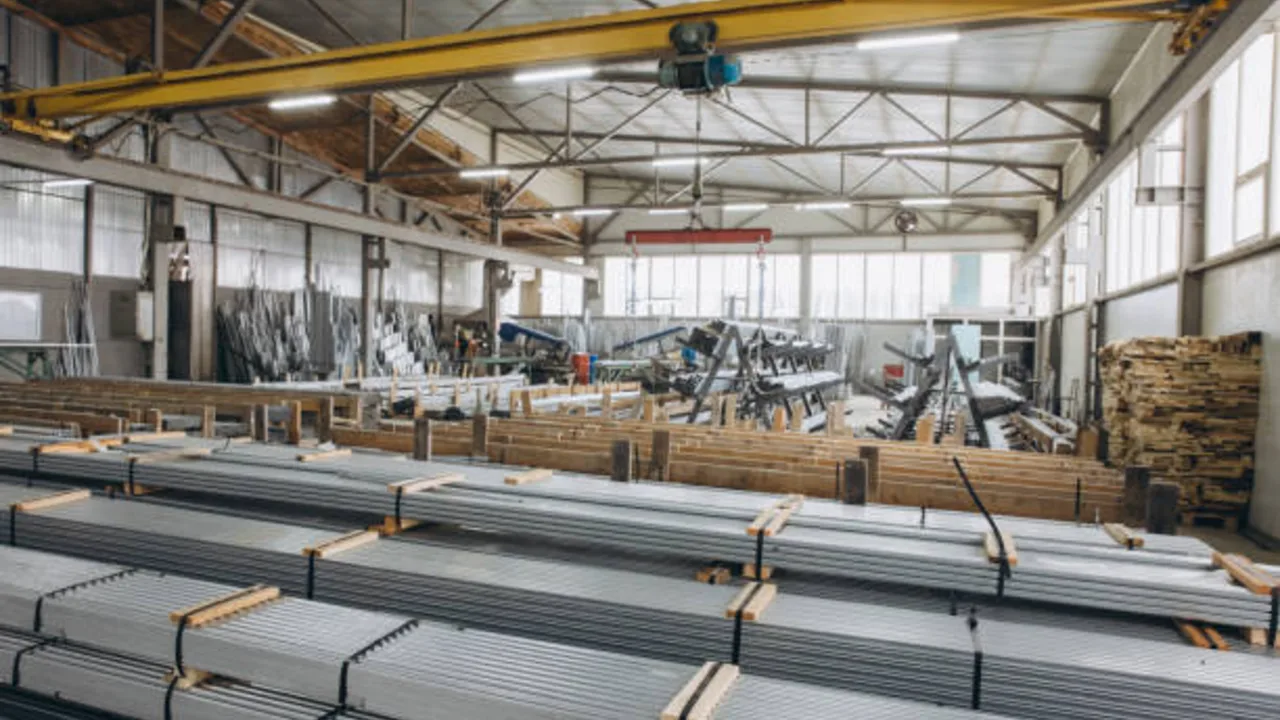
In global construction and infrastructure projects, steel fabrication export packing plays a critical role in ensuring that fabricated components arrive safely, efficiently, and ready for installation. While fabrication quality is essential, improper packing can compromise structural integrity before the steel even reaches the job site. Export packing is not just about wrapping and loading; it is a strategic process that integrates engineering, logistics, and corrosion protection.
When steel components are shipped across long distances—especially through sea freight—they are exposed to moisture, vibration, handling impact, and environmental changes. Without proper packing design, these factors can lead to deformation, coating damage, or even corrosion before installation begins. This is why professional steel manufacturers treat export packing as an extension of fabrication quality control.
By combining precise fabrication processes with optimized packing methods, companies can reduce damage risks, improve delivery efficiency, and minimize costly rework at the destination. This article explores how steel fabrication export packing is structured, the materials involved, and how corrosion protection strategies are integrated into global shipping operations.
Understanding Export Packing in Steel Fabrication
What is Export Packing in Steel Fabrication?
Export packing in steel fabrication refers to the process of preparing, protecting, and organizing fabricated steel components for international transportation. It ensures that each structural member, connection part, and accessory is securely packaged to withstand the stresses of transit.
Unlike domestic delivery, export packing must account for extended transit times, multiple handling stages, and varying environmental conditions. This requires a more systematic approach that integrates packing design with fabrication planning.
Why Export Packing is Critical for Steel Structures
The importance of steel fabrication export packing becomes evident when considering the scale and weight of structural steel components. Large beams, columns, and trusses are not only heavy but also sensitive to improper load distribution and impact forces.
- Prevents mechanical damage during loading and unloading
- Maintains dimensional accuracy of fabricated components
- Protects surface coatings from scratches and exposure
- Supports efficient handling at ports and construction sites
Without proper packing, even high-quality fabricated steel can arrive in unusable condition, leading to project delays and increased costs.
Key Risks in International Steel Transportation
Exporting steel structures involves multiple risk factors that must be addressed during packing design. These risks are especially critical for long-distance shipments involving sea transport.
- Moisture exposure: High humidity and salt air can accelerate corrosion
- Mechanical impact: Handling equipment can cause dents or deformation
- Vibration: Continuous movement during transit can loosen connections
- Stacking pressure: Improper loading can lead to structural distortion
Addressing these risks requires a combination of structural packing design and effective corrosion protection strategies integrated into the packing system.
Core Objectives of Export Packing for Steel Components
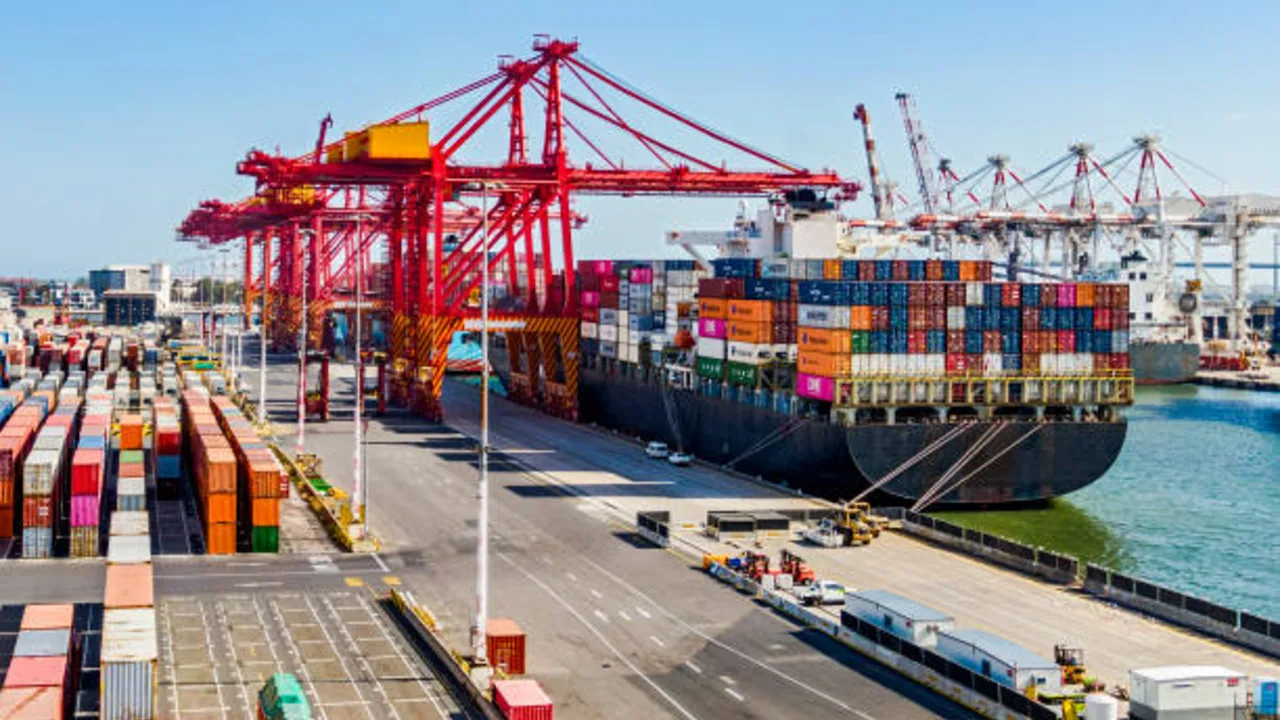
Protection Against Physical Damage
The primary objective of steel fabrication export packing is to protect components from physical damage. Steel members must be secured in a way that prevents movement, impact, and deformation during transit.
This involves using proper supports, spacing, and securing techniques to maintain stability inside containers or transport vehicles.
Corrosion Protection During Transit
Corrosion protection is a key consideration in export packing, especially for shipments exposed to marine environments. Moisture, temperature fluctuations, and salt exposure can degrade steel surfaces if not properly controlled.
Effective corrosion protection strategies include:
- Applying protective coatings before packing
- Using moisture-resistant wrapping materials
- Incorporating desiccants to control humidity
- Sealing packages to minimize air exposure
Integrating corrosion protection into steel fabrication export packing ensures that components maintain their surface quality and structural performance.
Ease of Handling and Installation at Destination
Export packing must also consider the conditions at the destination site. Components should be packed in a way that allows easy unloading, identification, and installation.
Proper labeling, grouping of components, and logical packing sequences improve workflow efficiency during construction.
Compliance with International Shipping Standards
Export packing must comply with international regulations and standards. This includes requirements for packaging materials, handling procedures, and documentation.
Failure to meet these standards can result in delays, penalties, or rejection at customs checkpoints.
Common Export Packing Methods in Steel Fabrication
Loose Packing for Bulk Steel Members
Loose packing is commonly used for large structural members such as beams and columns. These components are stacked and secured using steel straps and spacers.
This method is cost-effective but requires careful load distribution to prevent deformation.
Palletized Packing for Smaller Components
For smaller parts such as bolts, plates, and connectors, palletized packing provides better organization and protection. Components are grouped and secured on pallets for easier handling.
- Improves loading efficiency
- Reduces risk of loss or misplacement
- Enhances handling safety
Pallet packing is widely used in steel fabrication export packing for mixed shipments.
Containerized Packing Systems
Containerized packing is the standard method for international steel shipments. Components are arranged inside containers to maximize space utilization and ensure stability.
This method requires precise planning to balance weight distribution and minimize empty space.
Crate and Wooden Box Packing for Precision Parts
Precision components, such as machined parts or sensitive connections, are often packed in wooden crates. These provide higher protection against impact and environmental exposure.
Crated packing is particularly important when corrosion protection and dimensional accuracy are critical.
Material Selection for Export Packing
Wooden Materials and ISPM 15 Compliance
Wood is widely used in export packing due to its strength and availability. However, all wooden materials must comply with ISPM 15 regulations to prevent pest contamination.
Proper treatment and certification are required before international shipment.
Steel Strapping and Reinforcement Materials
Steel straps are used to secure components and prevent movement during transit. They must be strong enough to withstand dynamic loads without damaging the steel surfaces.
Protective Wrapping Materials
Wrapping materials such as plastic films and protective sheets are used to shield steel surfaces from moisture and physical damage.
These materials are essential for maintaining coating integrity during transportation.
Moisture Barrier and Desiccants
Moisture control is a critical aspect of corrosion protection. Desiccants and moisture barriers are used to maintain a dry environment inside packaging.
These solutions are especially important for long-duration shipments involving sea freight.
Corrosion Protection Strategies in Export Packing
Surface Treatment Before Packing
Before any packing begins, proper surface treatment is essential to ensure long-term durability. Steel components are typically cleaned, blasted, and coated to remove contaminants and provide a protective base layer. This step is critical in any steel fabrication export packing process, as untreated surfaces are highly vulnerable to environmental exposure.
Surface preparation ensures that protective coatings adhere properly and perform effectively throughout the shipping cycle.
Use of Anti-Corrosion Coatings
Protective coatings such as primers, galvanization, or specialized anti-corrosion paints are widely used to shield steel surfaces from moisture and oxidation. These coatings act as the first line of defense against corrosion during transit.
- Epoxy coatings for high durability
- Galvanized finishes for long-term protection
- Zinc-rich primers for enhanced corrosion resistance
Combining coatings with proper packing materials significantly enhances corrosion protection performance.
VCI (Volatile Corrosion Inhibitor) Packaging
VCI technology is increasingly used in steel fabrication export packing to protect components during long-distance shipping. VCI materials release corrosion-inhibiting molecules that form a protective layer on metal surfaces.
This method is particularly effective for enclosed packaging environments such as crates or sealed containers.
Sealing and Environmental Isolation
Sealing packaging units helps isolate steel components from external environmental conditions. This includes using waterproof wrapping, sealed containers, and controlled internal environments.
Effective sealing ensures that humidity and contaminants do not compromise the integrity of steel components during transit.
Export Packing Design Based on Transportation Mode
Sea Freight Packing Requirements
Sea freight is the most common transportation method for steel structures. However, it presents the highest risk of corrosion due to prolonged exposure to humidity and salt air.
Export packing for sea transport must prioritize:
- Enhanced corrosion protection systems
- Moisture control using desiccants
- Secure load fixing to withstand vessel movement
Air Freight Considerations for Steel Components
Although less common, air freight is used for urgent or high-value steel components. In this case, packing must balance protection with weight limitations.
Lightweight packing materials and compact designs are prioritized to reduce transportation costs while maintaining protection.
Land Transportation and Multimodal Logistics
Steel components often go through multiple transportation stages, including trucks, rail, and ports. Export packing must be designed to handle repeated loading and unloading cycles without compromising stability.
This requires durable packing structures and consistent securing systems across all logistics stages.
Structural Stability and Load Securing Techniques
Load Distribution and Weight Balancing
Proper load distribution is essential to prevent deformation and ensure safe transport. Uneven weight distribution can lead to structural stress and damage during transit.
Engineers must carefully plan packing layouts to maintain balance within containers.
Securing Steel Components Inside Containers
Steel components must be firmly secured to prevent movement. This is achieved through strapping, blocking, and bracing techniques.
- Steel straps for heavy components
- Wooden blocks for positioning
- Anti-slip materials for added stability
Preventing Movement and Impact Damage
Movement during transport is one of the leading causes of damage. Effective steel fabrication export packing ensures that all components are immobilized and protected from external impact.
Shock-absorbing materials and proper spacing between components help reduce collision risks.
Export Packing Standards and Regulations
International Shipping Standards for Steel Products
Steel export packing must comply with international shipping standards to ensure safe handling and acceptance at destination ports. These standards regulate packaging methods, labeling, and documentation.
ISPM 15 for Wooden Packaging
Wooden packaging materials must meet ISPM 15 requirements, including heat treatment and certification. This prevents the spread of pests across international borders.
Client-Specific Packing Requirements
In many projects, clients provide detailed packing specifications that must be followed. These may include labeling systems, packing sequences, and corrosion protection requirements.
Meeting these specifications is essential for project approval and smooth installation processes.
Inspection and Quality Control in Export Packing
Pre-Packing Inspection Checklist
Before packing begins, all components must be inspected to ensure they meet fabrication and quality standards. This includes checking dimensions, surface conditions, and coating quality.
- Verify component dimensions
- Inspect coating integrity
- Ensure completeness of parts
- Confirm identification markings
Packing Verification Procedures
After packing, verification procedures are carried out to ensure that all packing requirements are met. This includes checking securing methods, labeling accuracy, and documentation completeness.
Documentation and Traceability
Accurate documentation is essential for export logistics. Packing lists, shipping marks, and traceability systems ensure that components can be identified and tracked throughout the supply chain.
Cost Optimization in Export Packing
Balancing Protection and Cost Efficiency
While protection is critical, excessive packing can increase costs. The goal is to find the optimal balance between protection and efficiency.
Smart steel fabrication export packing strategies focus on minimizing waste while maintaining safety.
Reducing Material Waste
Optimizing packing design reduces unnecessary material usage. Reusable materials and standardized packing systems can significantly lower costs.
Optimizing Container Space Utilization
Efficient container loading reduces shipping costs by maximizing space utilization. Proper planning ensures that each shipment is both cost-effective and secure.
Choosing the Right Steel Fabrication Partner for Export Projects
Importance of Experience in Global Shipping
Working with experienced manufacturers ensures that export packing requirements are properly managed. Expertise in logistics, standards, and handling is essential.
Working with a china steel structure fabrication supplier
Choosing a reliable china steel structure fabrication supplier ensures that both fabrication and packing processes meet international standards. Integrated capabilities provide better coordination between production and logistics.
Integrated Fabrication and Logistics Capability
Manufacturers with integrated systems can optimize packing design based on fabrication output, reducing errors and improving efficiency.
Future Trends in Steel Fabrication Export Packing
Digital Packing Planning and Optimization
Digitalization is rapidly transforming how steel fabrication export packing is designed and executed. Instead of relying on manual planning and experience-based estimation, advanced software tools now enable engineers to simulate packing configurations before physical loading begins.
These systems integrate with fabrication drawings and 3D models, allowing precise calculation of component dimensions, weight distribution, and container capacity. By using digital packing simulations, manufacturers can identify inefficiencies, reduce empty space, and improve load stability.
- 3D packing simulation for container layout optimization
- Automated weight balancing to prevent structural stress
- Integration with BIM models for accurate component mapping
- Real-time adjustments based on shipment constraints
This level of planning significantly reduces trial-and-error during loading operations and ensures that export packing aligns with both logistics requirements and installation sequencing.
In addition, digital optimization directly contributes to cost efficiency. By maximizing container utilization, companies can reduce the number of shipments required, lowering freight costs while maintaining high protection standards.
Sustainable Packaging Solutions
Environmental sustainability is becoming an increasingly important factor in steel fabrication export packing. As global regulations tighten and clients demand greener solutions, manufacturers are shifting toward eco-friendly packing materials and processes.
Traditional packing methods often rely heavily on disposable materials, especially wood and plastic. However, modern approaches focus on reducing waste and improving recyclability without compromising protection or structural integrity.
- Reusable steel racks and modular packing systems
- Recyclable protective films and wrapping materials
- Reduced use of single-use plastics
- Optimized packing designs to minimize material consumption
Another important trend is the adoption of certified sustainable wood materials that comply with international environmental standards while still meeting ISPM 15 requirements.
Beyond compliance, sustainable packing also enhances brand positioning. Companies that implement environmentally responsible practices are more competitive in global markets, especially in large-scale infrastructure and government projects.
Smart Monitoring and Tracking Systems
The integration of smart technologies is redefining how export shipments are monitored and managed. IoT-based tracking systems are now being embedded into packing units to provide real-time data throughout the transportation process.
These systems track critical environmental and physical conditions that directly impact steel quality and corrosion protection performance.
- Temperature monitoring to detect extreme conditions
- Humidity sensors to assess corrosion risk
- Shock and vibration tracking to identify impact events
- GPS tracking for real-time shipment location
This data allows manufacturers and project managers to proactively respond to potential risks. For example, if humidity levels exceed safe thresholds, corrective measures can be taken immediately upon arrival to prevent corrosion-related damage.
Smart tracking also improves accountability across the supply chain. By having transparent shipment data, stakeholders can identify where issues occur—whether during port handling, inland transport, or storage.
Over time, collected data contributes to continuous improvement. Historical tracking information can be analyzed to refine steel fabrication export packing strategies, optimize corrosion protection measures, and enhance overall logistics performance.
As these technologies become more accessible, smart packing systems are expected to become standard practice in high-value and international steel fabrication projects.
Real Project Application: Lesotho Bus Station Export Packing Strategy
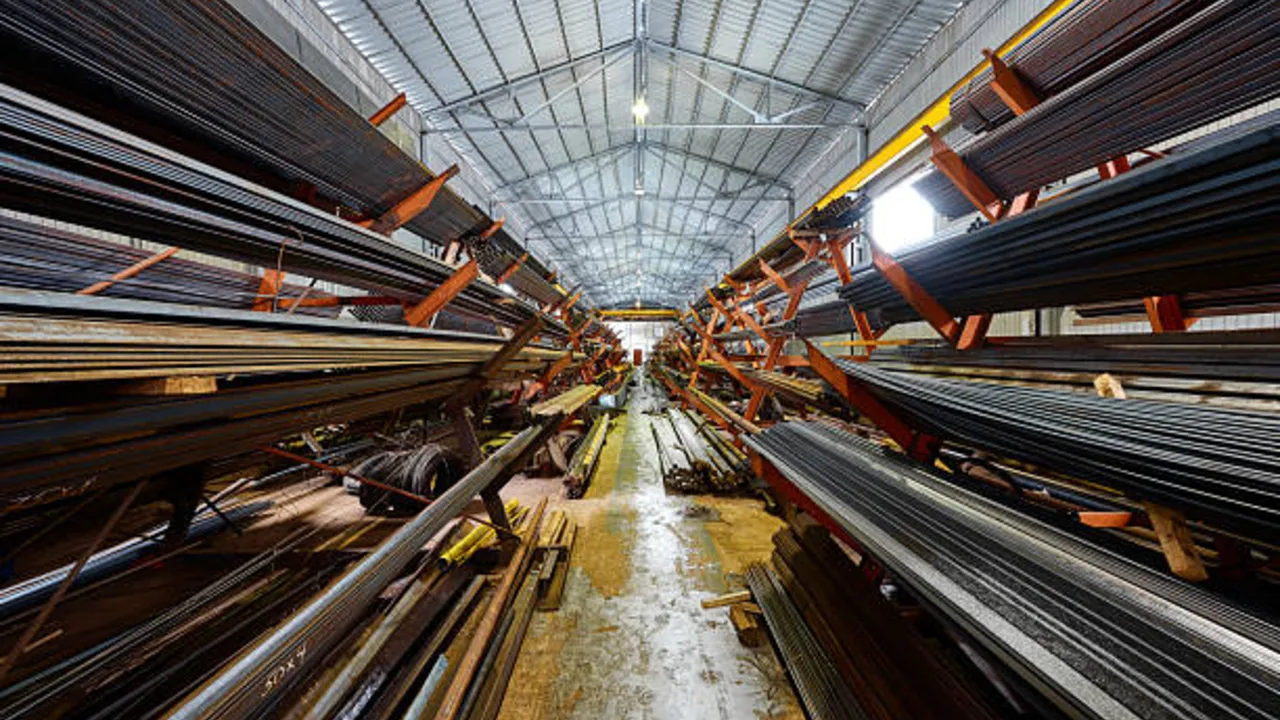
Project Overview and Fabrication Context
A practical example of how steel fabrication export packing is implemented can be seen in the Lesotho Bus Station project delivered by XTD Steel Structure. This infrastructure project utilized approximately 30 tons of structural steel and adopted a prefabricated modular system to enable fast installation and long-term durability.
The structure combines a portal rigid frame with a lightweight space-truss canopy, designed for efficient load distribution, weather protection, and simplified on-site assembly. Because the project required international delivery, export packing became a critical component of the fabrication workflow.
Export Packing Strategy for Long-Distance Shipment
Given the long transportation route to Lesotho, packing design was closely integrated with fabrication planning. Steel members were grouped and packed based on erection sequence, ensuring that components could be unloaded and installed efficiently at the destination site.
Key packing strategies included:
- Sequenced packing aligned with installation workflow
- Weather-resistant labeling for fast identification
- Segmentation of structural members to optimize container loading
- Secure bundling to prevent movement during transit
This approach minimized handling time on-site and reduced the risk of misplacement or damage.
Corrosion Protection in Export Conditions
Because the shipment involved sea freight and long transit durations, corrosion protection was a major priority. The project applied multiple protection layers to ensure durability throughout transportation.
- Hot-dip galvanizing or zinc-rich primer systems
- Protective coatings such as PU or PVDF finishes
- Moisture-resistant wrapping and sealed packing units
- Rust-inhibiting packaging for long-haul shipping conditions
These measures ensured that steel components maintained coating integrity and structural performance upon arrival, even under high humidity and marine exposure conditions.
Integration of Fabrication, Packing, and Logistics
The project demonstrates how steel fabrication export packing is not an isolated step, but part of a fully integrated delivery system. From BIM-based design coordination to factory fabrication and final shipment, each stage was aligned to maintain quality and efficiency.
Fabrication included dimensional verification, coating inspection, and labeling prior to packing. Packing then followed strict logistics sequencing, ensuring that each container load matched the erection schedule.
This level of integration reduced delays, improved traceability, and ensured that the project could be assembled quickly with minimal on-site adjustments.
Lessons for Export Steel Fabrication Projects
The Lesotho Bus Station project highlights several key lessons for international steel projects:
- Export packing must be planned during the fabrication stage, not after
- Corrosion protection is essential for long-distance transport reliability
- Sequenced packing significantly improves installation efficiency
- Integrated logistics planning reduces risk across the supply chain
By applying these principles, manufacturers can ensure that steel structures arrive on-site in optimal condition, ready for immediate installation without delays or quality issues.
Conclusion: Export Packing as a Critical Part of Steel Fabrication
Export packing is not a secondary process—it is a critical component of modern steel fabrication. By integrating packing design with fabrication planning, manufacturers can ensure that components arrive safely, maintain quality, and support efficient project execution.
Through proper steel fabrication export packing, combined with effective corrosion protection, companies can enhance reliability, reduce costs, and strengthen their position in the global construction market.