Steel manufacturing bottlenecks are one of the most critical challenges faced by modern steel structure factories. These bottlenecks occur when a specific stage in the production process limits the overall workflow, reducing efficiency and slowing down project delivery. In large-scale steel construction projects, even a minor disruption in production flow can lead to significant delays and increased costs.
Steel manufacturing bottlenecks refer to constraints within the production system that restrict output capacity. These constraints can arise from equipment limitations, workforce inefficiencies, or poor process coordination.
In steel structure factories, production involves multiple interconnected stages, including material preparation, cutting, welding, assembly, and finishing. If any one of these stages becomes slower than the others, it creates a bottleneck that affects the entire production line.
Understanding Steel Manufacturing Bottlenecks in Modern Factories
Modern steel factories operate with complex workflows that require coordination between different departments. From raw material handling to final inspection, each step must be synchronized to maintain efficiency.
Steel manufacturing bottlenecks often occur when there is an imbalance between these processes. For example, if cutting operations are faster than welding, unfinished components will accumulate, creating congestion and delays.
Key Areas Where Steel Manufacturing Bottlenecks Occur
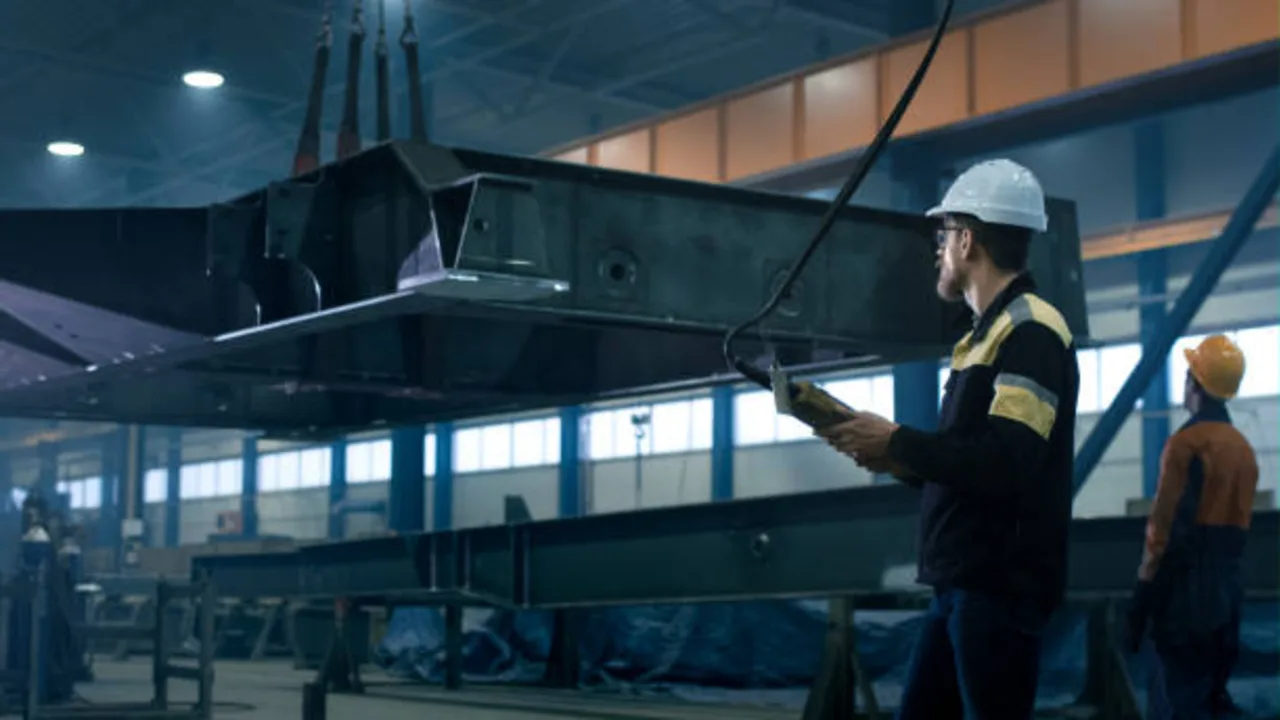
Bottlenecks in steel production can appear in several critical areas. Identifying these areas is essential for improving productivity.
Raw Material Handling Constraints
Raw material handling is the first stage where steel manufacturing bottlenecks can occur. Delays in material supply, inefficient storage systems, and poor internal logistics can slow down production before it even begins.
Improper handling can also lead to material damage, increasing waste and reducing overall efficiency.
Cutting and Processing Delays
Cutting and processing operations rely heavily on CNC machines and automated systems. However, limited machine capacity, maintenance downtime, and high workload demand can create queues and slow production.
When cutting operations become a bottleneck, it disrupts the entire workflow, as downstream processes depend on timely component preparation.
Welding and Assembly Bottlenecks
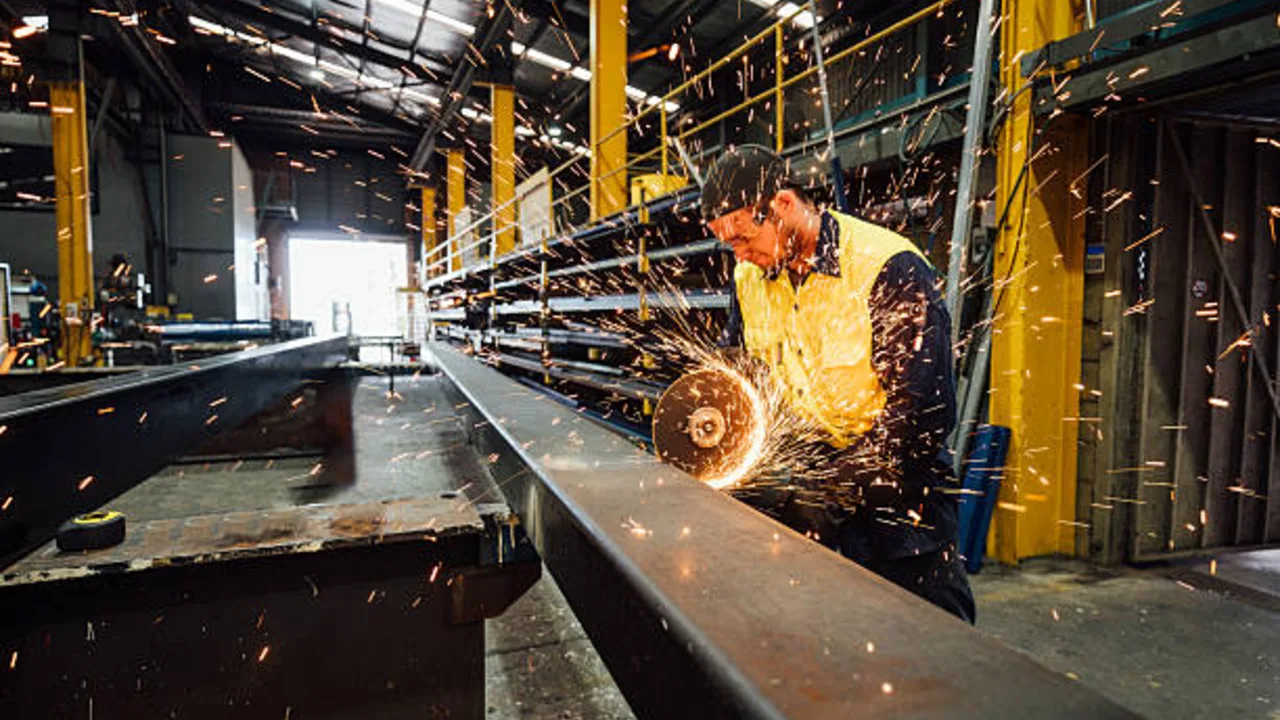
Welding is one of the most labor-intensive processes in steel structure manufacturing. It requires skilled workers and precise execution, making it a common source of steel manufacturing bottlenecks.
Shortages of skilled welders, inconsistent quality, and rework cycles can significantly reduce production speed.
Surface Treatment and Painting Delays
Surface treatment and coating processes are essential for protecting steel structures from corrosion. However, these processes are often time-consuming and dependent on environmental conditions.
Limited painting lines and drying time requirements can create bottlenecks, especially in projects with tight schedules.
Capacity Constraint in Steel Structure Factories
Capacity constraint is a major factor contributing to steel manufacturing bottlenecks. It occurs when the production capacity of a specific process is lower than the demand placed on it.
This imbalance leads to reduced throughput and increased waiting time between processes. In large factories, even a single constrained operation can affect the entire production system.
Real case: Impact of Steel Manufacturing Bottlenecks on Project Delivery
Steel manufacturing bottlenecks have a direct and often compounding impact on project timelines, costs, and overall execution reliability. Because steel structures are typically part of a critical path in construction projects, any delay in fabrication immediately affects downstream activities such as transportation, site assembly, and installation sequencing.
When bottlenecks occur, production schedules become unpredictable. Even short disruptions in fabrication can accumulate into significant delays, especially in projects that rely on just-in-time delivery. Missed deadlines not only affect contractual commitments but can also trigger penalties and disrupt coordination with other contractors on-site.
From a cost perspective, steel manufacturing bottlenecks increase operational expenses in multiple ways. Idle labor waiting for upstream processes, overtime required to recover lost time, and inefficient use of equipment all contribute to rising production costs. In addition, logistical complications such as rescheduling shipments or adjusting site operations can further inflate project budgets.
Beyond time and cost, quality is another critical area impacted by bottlenecks. When production lines are under pressure to catch up, there is a higher risk of rushed fabrication, incomplete inspections, and compromised workmanship. Overloaded systems and tight deadlines can lead to defects such as welding inconsistencies, dimensional inaccuracies, or coating failures.
- Delays in fabrication leading to missed project milestones
- Increased labor and operational costs due to inefficiencies
- Logistical disruptions affecting transportation and installation
- Higher risk of defects caused by rushed production
In large-scale steel structure projects, these impacts are amplified due to the interdependence of multiple components. A single delayed element can halt entire assembly sequences, making bottleneck management a critical factor in successful project delivery.
Collaboration Between Departments
Effective communication between departments is essential to avoid steel manufacturing bottlenecks and maintain a consistent production flow. In steel structure factories, operations are highly interdependent—delays or misalignment in one department can quickly cascade into others, creating congestion and inefficiencies across the entire production line.
Production planning, scheduling, procurement, fabrication, quality control, and logistics must operate as a synchronized system rather than isolated units. When planning teams do not align with real production capacity, or when workshop execution does not reflect updated schedules, bottlenecks become inevitable.
Alignment Between Planning and Production
One of the most critical aspects of interdepartmental collaboration is ensuring that production plans are realistic and aligned with actual workshop conditions. Planning teams must consider machine availability, labor capacity, and ongoing workloads before setting schedules.
Regular coordination meetings between planning engineers and workshop supervisors help ensure that targets are achievable and resources are properly allocated. This alignment minimizes sudden workload spikes that often lead to steel manufacturing bottlenecks.
- Synchronizing production schedules with real-time capacity
- Adjusting plans based on workshop feedback
- Preventing overloading of critical production stages
Coordination Between Fabrication and Quality Control
Fabrication and quality control must work closely to ensure that inspection processes do not become bottlenecks themselves. If quality checks are delayed or poorly scheduled, completed components may accumulate, occupying valuable space and slowing down subsequent operations.
By integrating quality control checkpoints into the production workflow, inspections can be conducted in parallel with fabrication activities rather than after completion. This approach reduces waiting time and improves overall throughput.
- Integrating inspection steps into production stages
- Reducing rework through early defect detection
- Ensuring continuous flow between fabrication and QA teams
Material Flow and Logistics Coordination
Internal logistics plays a crucial role in supporting smooth interdepartmental operations. Efficient material movement between cutting, welding, assembly, and finishing areas ensures that no department experiences unnecessary delays.
Poor coordination between storage, transport, and production teams can result in idle time, misplaced materials, or congestion in key areas. Implementing structured material tracking systems helps maintain visibility and control.
- Optimizing internal transportation routes
- Ensuring timely delivery of components between departments
- Maintaining organized storage and inventory systems
Use of Integrated Digital Systems
Modern steel factories increasingly rely on integrated digital systems to improve collaboration. Enterprise Resource Planning (ERP) and Manufacturing Execution Systems (MES) allow real-time data sharing across departments, enabling better decision-making and faster response to issues.
These systems provide visibility into production status, resource utilization, and workflow progress, helping teams identify potential steel manufacturing bottlenecks before they escalate.
- Real-time tracking of production and inventory
- Centralized data access for all departments
- Automated alerts for delays or capacity issues
Clear Communication Channels and Responsibility
Beyond systems and processes, clear communication structures are essential. Each department must understand its responsibilities, deadlines, and dependencies on other teams. Miscommunication or unclear roles often lead to duplicated efforts or missed tasks.
Establishing standardized reporting procedures, daily progress updates, and clear escalation paths ensures that issues are addressed quickly and efficiently.
- Defined roles and accountability across departments
- Regular progress reporting and updates
- Fast escalation of issues impacting production flow
By strengthening collaboration between departments, steel structure factories can significantly reduce inefficiencies, improve coordination, and minimize steel manufacturing bottlenecks. A well-integrated operation ensures that every stage of production supports the next, resulting in smoother workflows and more reliable project delivery.
Identifying Bottlenecks in Steel Production
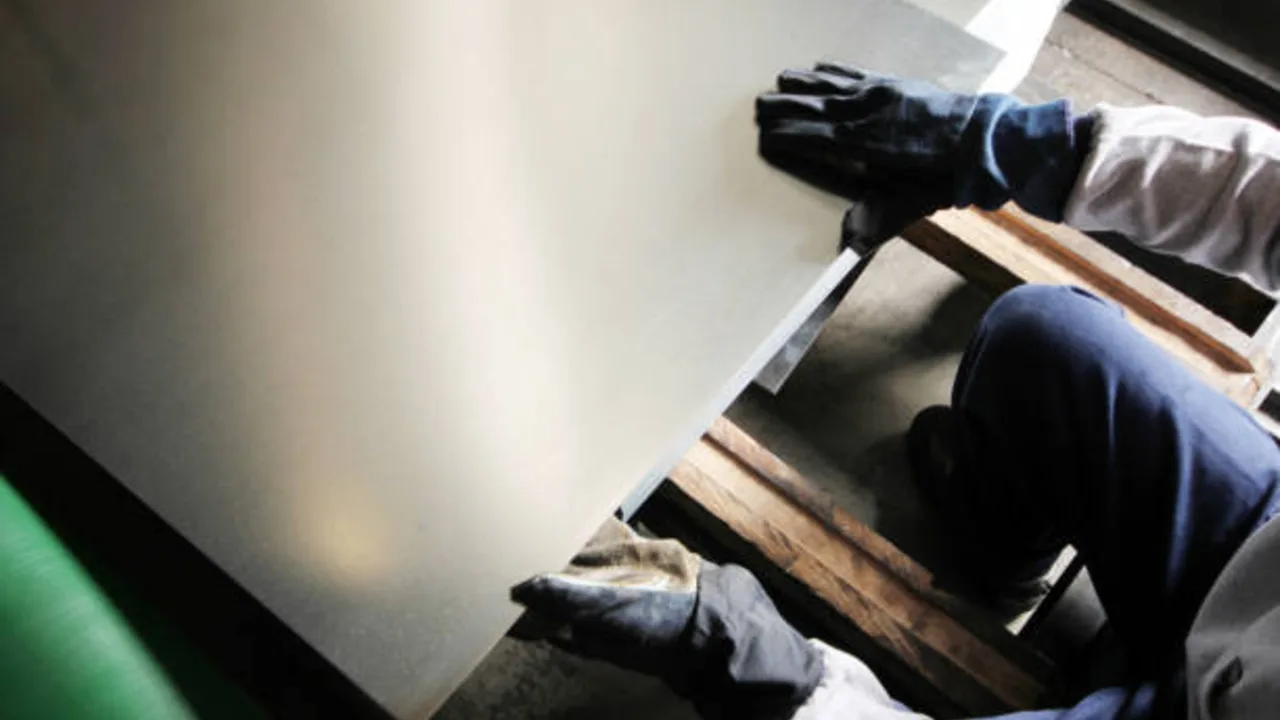
Identifying steel manufacturing bottlenecks requires a systematic and data-driven approach. Rather than relying on assumptions, manufacturers must analyze real production performance to understand where constraints exist and how they affect overall throughput.
One of the most effective methods is continuous data tracking across all production stages. By collecting real-time information on machine utilization, processing times, and queue lengths, manufacturers can gain visibility into workflow inefficiencies. This data forms the foundation for identifying recurring delays and performance gaps.
Workflow analysis is another critical tool in bottleneck identification. Mapping the entire production process—from raw material handling to final finishing—helps reveal imbalances between stages. For example, if cutting operations consistently outperform welding capacity, unfinished components will accumulate, clearly indicating a bottleneck in the welding stage.
Key Performance Indicators (KPIs) are widely used to monitor production efficiency and detect bottlenecks. Metrics such as cycle time, throughput rate, equipment utilization, and work-in-progress (WIP) levels provide measurable insights into where constraints occur.
- Tracking production data to monitor performance trends
- Analyzing workflow to identify process imbalances
- Using KPIs such as throughput and cycle time for evaluation
- Monitoring work-in-progress accumulation to detect congestion
Advanced manufacturing systems further enhance bottleneck identification by providing real-time dashboards and automated alerts. These tools enable production managers to respond quickly to emerging issues, preventing minor slowdowns from escalating into major disruptions.
By systematically analyzing production data, manufacturers can pinpoint exactly where steel manufacturing bottlenecks occur and implement targeted improvements. This proactive approach not only improves efficiency but also ensures smoother and more predictable production performance.
Choosing the Right Steel Structure Manufacturer
Selecting an experienced steel structure workshop manufacturer is crucial for avoiding production bottlenecks. A reliable manufacturer will have optimized processes, sufficient capacity, and strong quality control systems.
Working with the right partner ensures that projects are completed efficiently and delivered on time.
Conclusion
Steel manufacturing bottlenecks are a common challenge in steel structure factories, but they can be managed through proper planning, technology, and process optimization. By identifying constraints and improving workflow efficiency, manufacturers can enhance productivity and ensure successful project delivery.