Steel manufacturing supervision is a critical component of efficient production in steel structure factories. It ensures that daily operations on the shop floor are executed according to plan, maintaining productivity, quality, and safety standards. In complex manufacturing environments where multiple processes occur simultaneously, effective supervision plays a key role in preventing delays and operational inefficiencies.
Steel manufacturing supervision refers to the structured oversight of production activities within a factory. It involves monitoring workflows, managing labor, coordinating tasks, and ensuring compliance with technical specifications.
Without proper supervision, even well-designed production systems can become inefficient due to miscommunication, errors, and lack of coordination. In steel structure manufacturing, where precision and timing are essential, supervision becomes even more important.
Understanding Steel Manufacturing Supervision on the Shop Floor
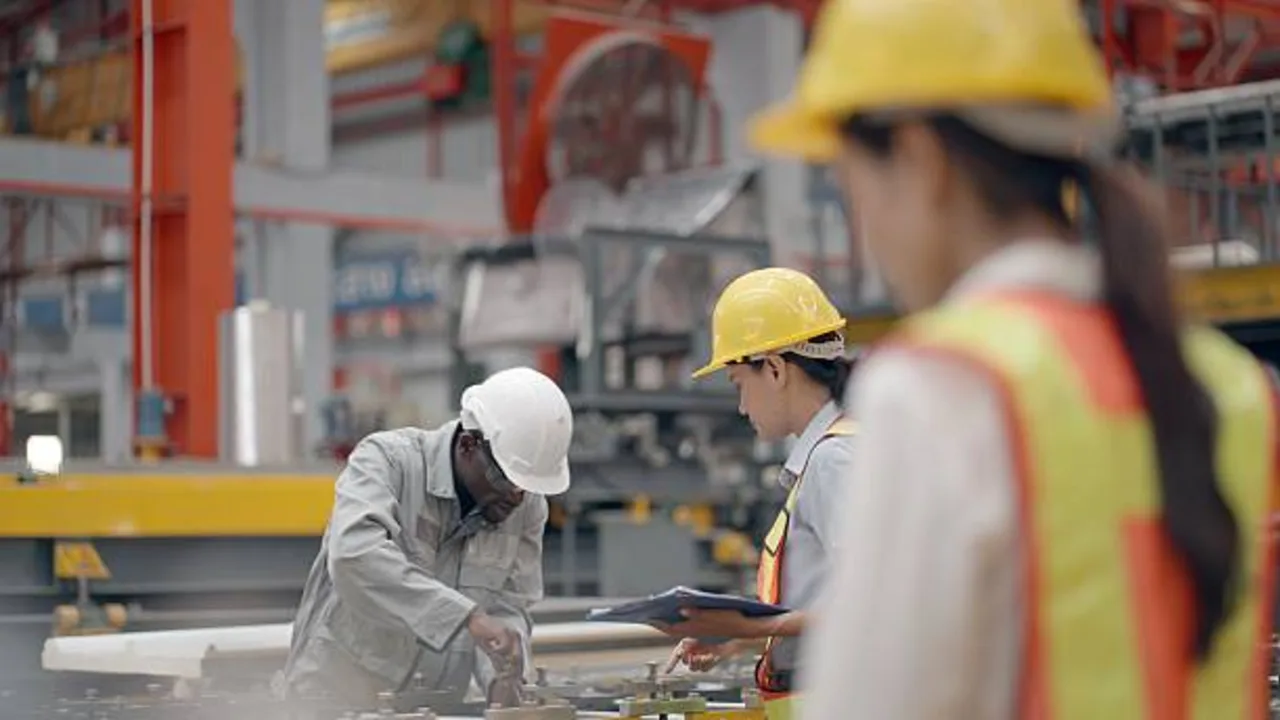
The shop floor is where all manufacturing activities take place, including cutting, welding, assembly, and finishing. Supervisors must manage interactions between workers, machines, and materials to ensure smooth operations.
Steel manufacturing supervision directly impacts workflow efficiency. When supervision is weak, production may become inconsistent, leading to delays and quality issues.
Traditional Supervision Models in Steel Manufacturing
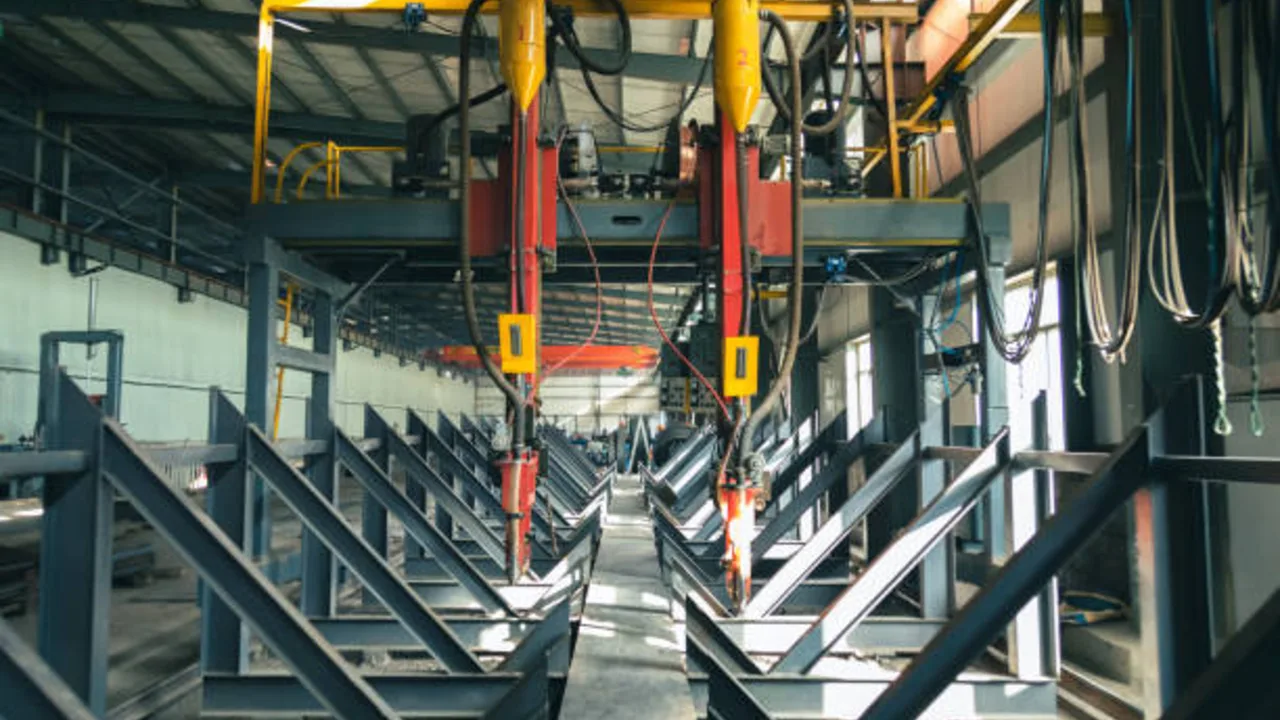
Traditional supervision models are typically hierarchical, with clear lines of authority and responsibility. These models rely heavily on experienced supervisors to manage operations.
The Foreman System in Steel Factories
The foreman system is one of the most widely used supervision models in steel manufacturing. In this system, a foreman oversees a group of workers and is responsible for ensuring that tasks are completed efficiently.
Foremen play a critical role in daily operations, including assigning tasks, monitoring progress, and resolving issues on the shop floor. Their experience allows them to make quick decisions and maintain workflow continuity.
- Assigning daily production tasks
- Monitoring worker performance
- Ensuring compliance with safety standards
Line Supervisor Model
In the line supervisor model, supervision is organized around specific production lines or processes. Supervisors focus on achieving production targets and maintaining workflow consistency.
This model allows for better control of individual processes but may require strong coordination between different supervisors to avoid bottlenecks.
Modern Steel Manufacturing Supervision Models
Modern factories are moving toward more flexible and data-driven supervision models. These approaches aim to improve efficiency and adaptability in dynamic production environments.
Team-Based Supervision
Team-based supervision involves distributing responsibility among team members rather than relying on a single supervisor. This approach encourages collaboration and faster problem-solving.
Workers are empowered to take ownership of their tasks, reducing dependency on hierarchical decision-making.
- Improved communication within teams
- Faster response to production issues
- Greater flexibility in operations
Digital Supervision Systems
Digital supervision systems use technology to monitor production in real time. These systems provide data on machine performance, workflow status, and resource utilization.
By integrating with ERP and MES platforms, digital supervision enhances visibility and enables data-driven decision-making.
- Real-time production monitoring
- Centralized data management
- Automated performance tracking
Key Responsibilities in Steel Manufacturing Supervision
Supervisors in steel manufacturing have a wide range of responsibilities that directly influence production efficiency, product quality, and overall operational performance. Their role is not limited to oversight; it involves active coordination, decision-making, and continuous monitoring of all shop floor activities.
To better understand the scope of steel manufacturing supervision, the key responsibilities can be structured as follows:
| Responsibility Area | Description | Impact on Production |
|---|---|---|
| Workforce Allocation and Performance | Assigning workers to appropriate tasks based on skills, workload, and production priorities while monitoring individual and team performance. | Ensures efficient use of labor resources and prevents idle time or overload in critical operations. |
| Production Tracking and Scheduling | Monitoring daily production progress, aligning activities with schedules, and ensuring that deadlines are met. | Maintains workflow consistency and reduces delays across interconnected processes. |
| Quality Control and Compliance | Ensuring that all manufacturing activities meet technical specifications, standards, and inspection requirements. | Reduces defects, minimizes rework, and maintains product reliability. |
| Safety Management | Enforcing safety protocols, monitoring workplace conditions, and ensuring compliance with safety regulations. | Prevents accidents, protects workers, and avoids production disruptions due to safety incidents. |
Each of these responsibilities is interconnected. For example, improper workforce allocation can lead to delays in production tracking, which in turn affects quality control and increases safety risks. Therefore, steel manufacturing supervision requires a holistic approach where all elements are managed simultaneously.
Effective steel manufacturing supervision ensures that these responsibilities are not handled in isolation but are fully aligned to achieve optimal performance, stable production flow, and consistent project delivery.
Role of Supervision in Quality Control
Steel manufacturing supervision plays a critical role in maintaining consistent quality across all production stages. In steel structure factories, where precision, durability, and compliance with engineering standards are essential, supervision acts as the first line of defense against defects and non-conformities.
Supervisors are responsible for ensuring that every production activity aligns with approved drawings, technical specifications, and quality requirements. They continuously monitor shop floor operations to verify that processes such as cutting, welding, assembly, and finishing are executed correctly and within tolerance limits.
Beyond simple oversight, steel manufacturing supervision involves proactive quality management. Supervisors coordinate inspection activities, ensuring that quality checks are performed at the right stages rather than only at the end of production. This approach minimizes the risk of defects progressing further down the production line.
- Coordinating in-process inspections at critical production stages
- Verifying compliance with technical drawings and specifications
- Ensuring proper documentation of quality checks
Monitoring quality checkpoints is another key responsibility. Supervisors track key parameters such as weld quality, dimensional accuracy, and coating performance to ensure consistency. Any deviation from standards must be identified immediately and addressed before it escalates into a larger issue.
Defect management is also a core function. When defects are identified, supervisors coordinate corrective actions, including rework, repair, or process adjustments. By resolving issues early, steel manufacturing supervision prevents defective components from reaching final inspection or shipment.
In high-volume production environments, this continuous oversight helps maintain a stable level of quality while reducing waste and rework costs. Effective supervision ensures that quality is built into the process rather than inspected at the end.
Improving Steel Manufacturing Supervision Systems
Improving steel manufacturing supervision systems requires a structured and continuous approach focused on evaluation, standardization, and performance enhancement. As production environments become more complex, traditional supervision methods must evolve to maintain efficiency and control.
One of the most important steps is the implementation of targeted training programs. Supervisors must possess both technical knowledge and management skills to effectively oversee operations. Training programs help improve decision-making, communication, and problem-solving abilities on the shop floor.
- Technical training on fabrication processes and standards
- Leadership and communication skill development
- Problem-solving and decision-making training
Standardized procedures also play a critical role in improving supervision systems. Clearly defined workflows, inspection protocols, and reporting formats ensure consistency across different shifts and departments. Standardization reduces variability and makes it easier to identify deviations.
In addition, continuous evaluation is necessary to maintain effective supervision. Production environments change over time due to new technologies, increased capacity, or shifting project requirements. Regular assessment of supervision practices ensures that systems remain relevant and efficient.
Performance monitoring is another essential component. Supervisors should be evaluated based on measurable indicators such as production efficiency, defect rates, and adherence to schedules. These metrics provide objective insights into performance and highlight areas for improvement.
Regular performance reviews and feedback systems ensure that supervision practices remain effective. Structured feedback allows supervisors to understand their strengths and identify areas where improvement is needed. It also promotes accountability and continuous development.
- Periodic performance evaluations using KPIs
- Structured feedback sessions with management
- Continuous improvement initiatives based on performance data
By combining training, standardization, and performance monitoring, manufacturers can build robust supervision systems that support long-term operational excellence.
Integration of Technology in Supervision
Technology is transforming steel manufacturing supervision by introducing new tools that enhance visibility, control, and decision-making. In modern factories, digital systems are becoming essential for managing complex production environments.
Automation reduces dependency on manual monitoring by providing real-time data on machine performance and production status. Supervisors can quickly identify issues such as equipment downtime, process delays, or abnormal operating conditions.
Data analytics further strengthens steel manufacturing supervision by enabling deeper insights into production performance. By analyzing historical and real-time data, supervisors can identify patterns, predict potential issues, and make informed decisions.
Smart factory systems integrate various technologies, including sensors, IoT devices, and centralized control platforms. These systems create a connected environment where information flows seamlessly across departments.
- Real-time monitoring of machines and production processes
- Data-driven decision-making using analytics tools
- Integration of IoT and smart factory technologies
Another key advantage of technology integration is improved coordination. Digital platforms allow different departments to access the same information, reducing communication gaps and ensuring alignment across operations.
Supervisors can use dashboards and automated alerts to track production progress and respond quickly to issues. This reduces reaction time and prevents small problems from escalating into major disruptions.
Ultimately, the integration of technology enhances steel manufacturing supervision by making it more proactive, data-driven, and efficient. As factories continue to adopt digital transformation strategies, supervision systems will become increasingly advanced and capable of supporting higher levels of productivity and quality.
Choosing the Right Steel Structure Manufacturer
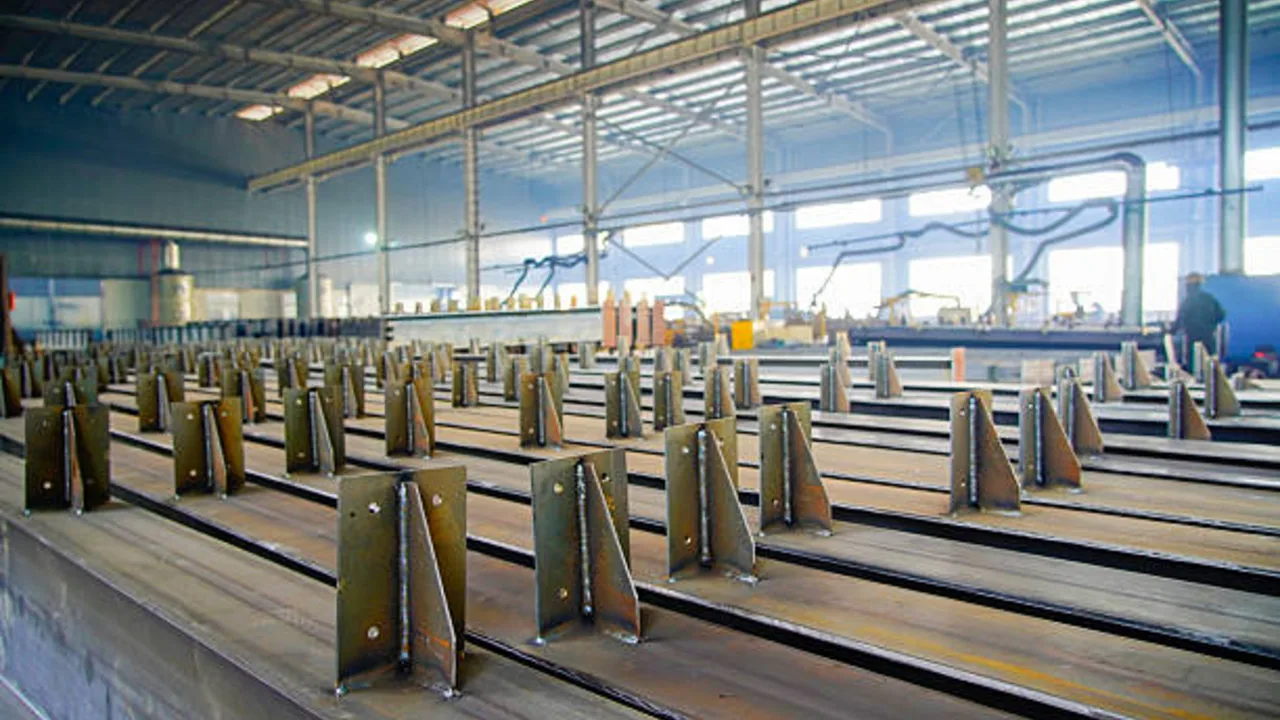
When selecting a steel structure workshop manufacturer, it is important to evaluate their supervision systems. A well-managed factory with strong supervision practices is more likely to deliver high-quality products on time.
Reliable manufacturers invest in both human expertise and technological systems to ensure consistent performance.
Real Project Application of Steel Manufacturing Supervision in Indonesia
A practical example of effective steel manufacturing supervision can be seen in the execution of the Banten steel structure factory project in Indonesia, delivered by XTD Steel Structure. This project demonstrates how structured supervision systems directly influence production efficiency, quality consistency, and on-time delivery in real-world conditions.
The project involved the fabrication and installation of a large-scale industrial steel structure, requiring precise coordination between multiple production stages. From raw material preparation to final component delivery, steel manufacturing supervision played a central role in maintaining workflow stability.
During fabrication, supervisors implemented a structured foreman system combined with process-based supervision. Each production segment—cutting, welding, assembly, and finishing—was managed by experienced supervisors responsible for ensuring task execution aligned with technical drawings and project timelines.
- Clear division of responsibilities across production teams
- Continuous monitoring of fabrication progress and output
- Immediate response to production deviations or delays
One of the key success factors in this project was the integration of quality control into daily supervision activities. Instead of treating inspection as a separate phase, supervisors coordinated in-process quality checks to identify issues early. This reduced rework and ensured that components met required standards before reaching final inspection.
In addition, internal coordination between departments was tightly managed. Production planning, workshop execution, and logistics were aligned through regular communication, ensuring that materials and components moved efficiently between stages without creating bottlenecks.
The project also highlighted the importance of capacity awareness in supervision. By balancing workloads across production lines and avoiding overloading critical processes such as welding, supervisors minimized delays and maintained a steady production rhythm.
As a result, the Banten factory project was completed with consistent quality and within the required schedule. This outcome reflects how strong steel manufacturing supervision—supported by experienced personnel and structured workflows—can significantly improve project execution.
For clients evaluating a steel structure workshop manufacturer, real project performance like this provides clear evidence of operational capability. Effective supervision systems are not just theoretical frameworks; they are proven drivers of efficiency and reliability in actual steel structure projects.
Conclusion
Steel manufacturing supervision is a foundational element in ensuring that steel structure factories operate efficiently, consistently, and safely. In an environment where multiple processes—such as cutting, welding, assembly, and finishing—must work in precise coordination, supervision acts as the control layer that keeps everything aligned with production goals and quality standards.
Without effective steel manufacturing supervision, even well-equipped factories can struggle with inefficiencies, communication gaps, and inconsistent output. Supervisors play a critical role in bridging the gap between planning and execution, ensuring that resources are properly utilized and that workflows remain stable under varying production demands.
By adopting appropriate supervision models—whether traditional foreman systems or modern data-driven approaches—manufacturers can significantly enhance operational control. Each model offers unique advantages, and the most effective factories often combine structured leadership with digital tools to create a balanced supervision system.
Continuous improvement is equally important. As production complexity increases, supervision systems must evolve through training, standardization, and performance monitoring. Investing in supervisor development and refining operational procedures allows factories to maintain high levels of efficiency and adaptability.
- Strengthening coordination between departments and processes
- Improving production consistency and reducing variability
- Enhancing quality control and minimizing defects
- Maintaining a safe and compliant working environment
In addition, the integration of technology—such as real-time monitoring systems, data analytics, and smart factory solutions—further elevates steel manufacturing supervision. These tools enable faster decision-making, greater transparency, and proactive problem-solving, which are essential in modern manufacturing environments.
Ultimately, effective steel manufacturing supervision ensures that all aspects of production are aligned toward a common objective: delivering high-quality steel structures on time and within budget. By continuously optimizing supervision systems and embracing innovation, manufacturers can achieve sustainable performance and long-term project success.