Steel manufacturer change management is a critical process in modern steel structure production. It ensures that any modification to design, materials, or fabrication processes is properly controlled, documented, and implemented. In complex steel projects, changes are inevitable, and without a structured approach, they can lead to confusion, delays, and costly errors.
Steel manufacturer change management refers to the systematic handling of engineering and production changes within a steel fabrication environment. It involves identifying, evaluating, approving, and implementing modifications while maintaining consistency and quality.
In large-scale steel structure projects, multiple stakeholders—including engineers, fabricators, and contractors—are involved. Managing changes effectively ensures that all parties work with the latest information and avoid miscommunication.
Understanding Steel Manufacturer Change Management in Practice
In real-world steel manufacturing environments, steel manufacturer change management is not a one-time activity but a continuous process that spans the entire project lifecycle—from initial design development to final delivery and installation. Because steel structure projects are highly dynamic, changes can originate at any stage and must be managed in a structured and traceable way to avoid disruption.
Changes may arise from multiple sources, including design optimization, evolving client requirements, site conditions, regulatory updates, or even supply chain constraints. For example, engineers may revise structural details to improve load performance, while clients may request modifications to meet functional or aesthetic needs. On-site conditions can also trigger unexpected adjustments, such as foundation deviations or alignment issues that require design updates.
Each change must be carefully evaluated for its impact on production, cost, and project timeline. This evaluation is not limited to engineering considerations but also includes fabrication feasibility, material availability, and downstream effects on assembly and logistics. Without a comprehensive assessment, seemingly minor revisions can create significant complications in later stages of production.
Integration Across Design and Manufacturing
One of the most critical aspects of steel manufacturer change management in practice is the integration between design and manufacturing teams. Engineering changes must be translated into clear, actionable instructions for fabrication, ensuring that workshop operations can adapt without confusion or delay.
This requires close coordination between design engineers, production planners, and workshop supervisors. Any gap in communication can result in misinterpretation of changes, leading to incorrect fabrication or inconsistencies across components.
- Ensuring design updates are clearly reflected in shop drawings
- Aligning engineering revisions with fabrication capabilities
- Maintaining consistency between digital models and physical production
Cross-Functional Impact of Changes
In steel structure manufacturing, changes rarely affect a single department. A revision in design can influence material procurement, cutting schedules, welding procedures, inspection requirements, and delivery timelines. This interconnected nature makes steel manufacturer change management a cross-functional responsibility.
For instance, a change in material grade may require procurement adjustments, updated welding procedures, and revised quality inspection criteria. Similarly, dimensional modifications can affect cutting programs, assembly sequences, and transportation planning.
- Impact on procurement and material sourcing
- Adjustments in fabrication processes and scheduling
- Revisions in quality control and inspection procedures
- Influence on logistics and delivery planning
Risk of Uncontrolled Changes
Without proper coordination, even small revisions can disrupt the entire manufacturing process. Uncontrolled changes often lead to confusion on the shop floor, where different teams may operate based on inconsistent or outdated information.
This can result in duplicated work, incorrect fabrication, and delays in production. In worst-case scenarios, components may need to be scrapped and remanufactured, significantly increasing project costs and extending timelines.
To prevent these issues, steel manufacturer change management must include strict control mechanisms such as approval workflows, revision tracking, and controlled document distribution.
- Preventing use of outdated drawings in production
- Avoiding misalignment between departments
- Reducing risk of rework and production delays
Continuous Monitoring and Feedback
Effective steel manufacturer change management does not end with implementation. Continuous monitoring is required to ensure that changes are correctly applied and do not introduce unintended consequences.
Feedback from production teams, quality inspectors, and site engineers plays a crucial role in validating the effectiveness of changes. This feedback loop allows manufacturers to refine processes and improve future change management practices.
- Monitoring implementation of changes in real time
- Collecting feedback from workshop and site teams
- Improving future change management processes through lessons learned
By embedding these practices into daily operations, steel manufacturer change management becomes a proactive system rather than a reactive response. This ensures smoother workflows, better coordination, and more predictable project outcomes across the entire manufacturing process.
Types of Engineering Changes in Steel Manufacturing
Engineering changes in steel manufacturing can take various forms, depending on project requirements and external factors.
Design Revision Changes
Design revisions are among the most common types of changes. These include updates to structural drawings, modifications to dimensions, and adjustments to load requirements.
Such changes directly impact fabrication, requiring updates in cutting, welding, and assembly processes.
Material and Specification Changes
Material changes may occur due to availability issues, cost considerations, or compliance requirements. Substituting materials must be carefully evaluated to ensure performance is not compromised.
Specification changes also require adjustments in fabrication and inspection procedures.
Process and Fabrication Changes
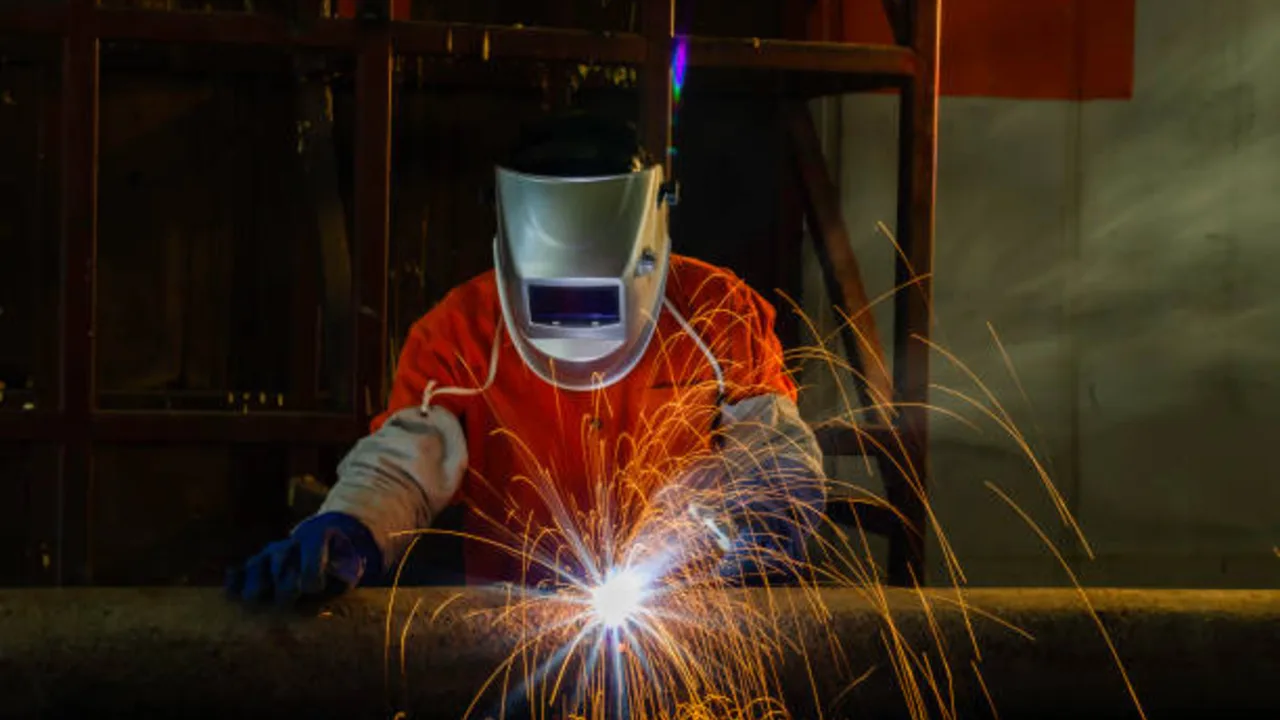
Changes in fabrication processes can include updates to welding procedures, equipment modifications, or workflow improvements.
These changes aim to enhance efficiency but must be controlled to avoid inconsistencies.
Implementation Role of Revision Control in Steel Manufacturer Change Management
Revision control is a fundamental pillar of steel manufacturer change management, ensuring that every stage of production is aligned with the most current and approved engineering data. In steel structure manufacturing, where fabrication relies heavily on precise drawings and specifications, even a minor discrepancy between document versions can lead to significant downstream issues.
Effective revision control establishes a clear system for managing document updates, tracking changes, and distributing the latest versions to all relevant departments. This includes engineering drawings, material specifications, welding procedures, and inspection requirements. Each revision is typically assigned a unique identifier, along with a revision history that records what was changed, when it was changed, and who approved it.
By maintaining strict revision control, manufacturers can eliminate confusion between outdated and updated documents. Production teams, quality inspectors, and procurement staff all rely on consistent information to perform their tasks accurately. Without this control, different departments may unknowingly work from different document versions, leading to misalignment and inefficiency.
- Centralized document management systems for version control
- Clear revision numbering and change history tracking
- Controlled distribution of updated drawings and specifications
- Ensuring all departments use the latest approved documents
Without proper revision control, outdated drawings can easily enter the production workflow. This often results in incorrect fabrication, where components are produced based on superseded designs. The consequences include costly rework, wasted materials, and project delays. In severe cases, it may even lead to structural non-compliance if errors are not detected in time.
In modern steel factories, digital document control systems are increasingly used to enhance revision control. These systems provide real-time access to updated documents, reduce the risk of human error, and ensure traceability throughout the project lifecycle.
Impact of Poor Change Management
Ineffective steel manufacturer change management can have wide-ranging consequences that affect not only production efficiency but also overall project success. When changes are not properly controlled, documented, or communicated, they create uncertainty within the manufacturing process and increase operational risks.
One of the most immediate impacts is rework. If fabrication is carried out based on outdated or incorrect information, components must be modified or remade to meet the latest requirements. This not only wastes materials but also consumes additional labor and machine time.
Production delays are another major consequence. Unplanned changes disrupt the production schedule, forcing teams to halt ongoing work, re-evaluate tasks, and implement adjustments. These interruptions can cascade through the workflow, affecting multiple stages of manufacturing.
Increased costs are closely tied to both rework and delays. Additional labor, extended equipment usage, and logistical adjustments all contribute to higher project expenses. Moreover, delays in fabrication can impact downstream activities such as transportation and site installation, further amplifying costs.
Quality issues may also arise when steel manufacturer change management is not properly implemented. Changes that are rushed or poorly communicated can result in inconsistent fabrication, incomplete inspections, and deviations from design specifications. These issues compromise the reliability and safety of the final structure.
- High levels of rework due to outdated or incorrect information
- Production disruptions and schedule delays
- Increased operational and project costs
- Quality inconsistencies and compliance risks
In complex steel projects, these problems are magnified due to the interdependence of components and processes. A single unmanaged change can trigger a chain reaction of issues, making structured change management essential for maintaining control.
Engineering Change Workflow in Steel Factories
A structured workflow is essential for managing engineering changes effectively in steel manufacturing. Steel manufacturer change management relies on a defined sequence of steps that ensures every change is properly evaluated, approved, implemented, and monitored.
Change Request Initiation
The process begins with the identification of a required change. This may originate from design optimization, client requirements, site conditions, or manufacturing constraints. A formal change request is submitted, detailing the nature of the modification, the reason for the change, and the expected impact.
Clear documentation at this stage is critical, as it forms the basis for evaluation and decision-making. Incomplete or unclear requests can lead to misinterpretation and delays in the approval process.
Impact Evaluation and Approval
Once a change request is submitted, it undergoes a comprehensive evaluation. Engineering teams assess the technical implications, while production and procurement teams evaluate the impact on manufacturing processes, material availability, cost, and schedule.
This cross-functional review ensures that all potential consequences are considered before approval. Depending on the complexity of the change, multiple levels of authorization may be required, including client approval or third-party verification.
- Technical assessment of design changes
- Evaluation of cost and schedule impact
- Coordination between engineering, production, and procurement
- Formal approval before implementation
Implementation and Monitoring
After approval, the change is implemented across all relevant departments. Updated drawings, specifications, and instructions are distributed through controlled channels to ensure consistency.
During implementation, close monitoring is required to verify that the change is executed correctly. Quality control teams play a key role in validating that the updated requirements are met during fabrication.
Tracking systems are often used to monitor the status of changes, ensuring full traceability from initiation to completion. This allows manufacturers to identify any issues quickly and take corrective action if necessary.
- Controlled release of updated documents
- Verification of implementation during production
- Continuous tracking and documentation of changes
This structured workflow ensures that steel manufacturer change management is executed in a controlled and transparent manner. By following these steps, manufacturers can minimize risks, maintain production stability, and ensure that all changes contribute positively to project outcomes.
Choosing the Right Steel Structure Building Manufacturer
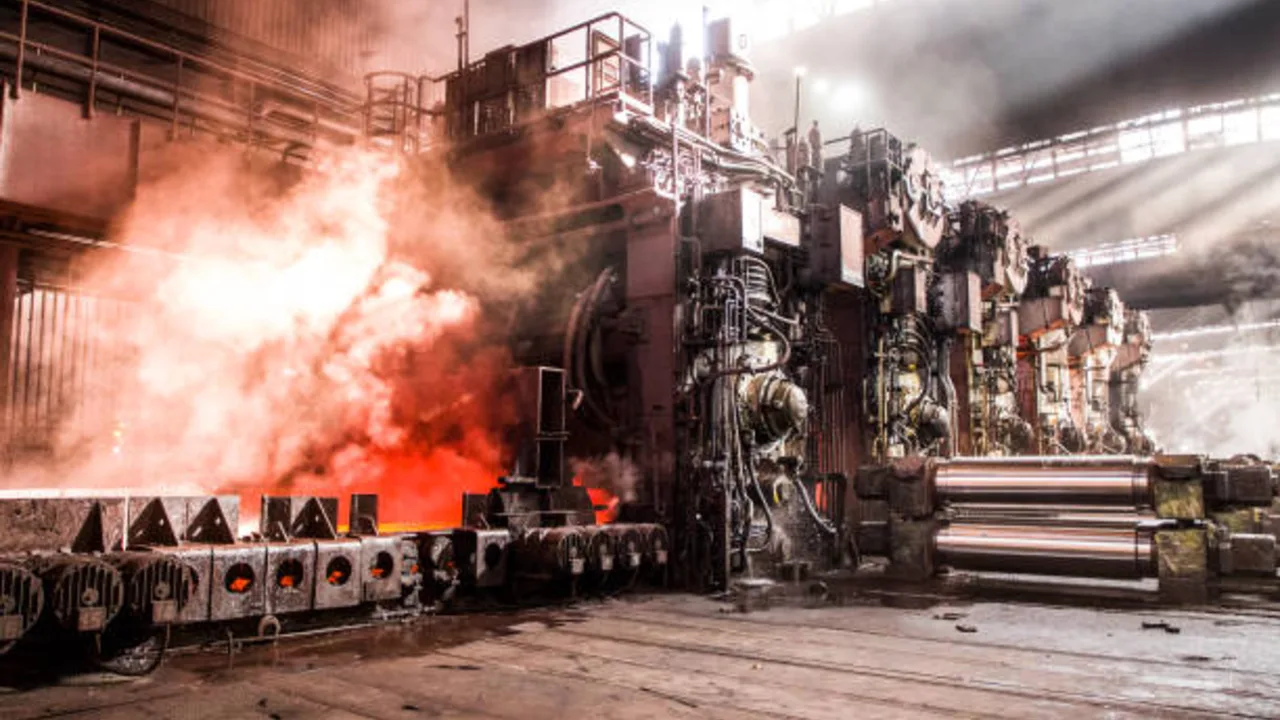
Selecting a reliable steel structure building manufacturer is essential for effective change management. Experienced manufacturers have robust systems to handle modifications without disrupting production. They ensure that projects remain on schedule and meet quality standards.
Conclusion
Steel manufacturer change management is a vital component of successful steel manufacturing. By implementing structured processes, effective communication, and digital tools, manufacturers can manage changes efficiently and deliver high-quality results.