In modern steel fabrication, inspection is not just a final checkpoint—it is an integrated part of the manufacturing system. For any professional fabricator, especially those involved in large-scale structural projects, steel manufacturer third party inspection plays a critical role in ensuring quality, compliance, and client confidence.
Third-party inspections are conducted by independent organizations to verify that materials, fabrication processes, and final products meet contractual and international standards. These inspections are often required by project owners, consultants, or regulatory authorities to minimize risk and ensure accountability.
Rather than treating inspections as isolated events, experienced manufacturers build structured systems to prepare for them at every stage of production. From documentation control to shop floor readiness, successful inspection outcomes depend on planning, coordination, and disciplined execution.
What Is Third-Party Inspection in Steel Manufacturing?
Definition and Purpose
Third-party inspection in steel fabrication refers to the involvement of an independent inspection agency that evaluates whether manufacturing processes, materials, and final outputs comply with contractual specifications and recognized standards. Within a structured steel manufacturer third party inspection system, these inspectors act as neutral authorities, ensuring that quality is not influenced by internal production pressures.
Unlike internal QA/QC teams, third-party inspectors represent the interests of project owners, consultants, and regulatory bodies. Their role is not only to verify compliance but also to provide transparency and accountability across the entire manufacturing process.
The primary objectives of a steel manufacturer third party inspection include:
- Ensuring compliance with technical specifications and engineering drawings
- Verifying adherence to international and project-specific standards
- Identifying defects early to reduce rework and project risk
- Providing independent validation for client confidence
From raw material procurement to final delivery, third-party inspection ensures that every stage of steel fabrication meets defined safety and performance requirements.
Common Standards and Codes
Steel manufacturers operate under a combination of international standards, client specifications, and project-specific requirements. A well-prepared steel manufacturer third party inspection process must align internal systems with these external standards to ensure smooth inspection approval.
Commonly applied standards include:
- AWS (American Welding Society): Governs welding procedures, qualifications, and inspection methods
- ISO (International Organization for Standardization): Covers quality management systems such as ISO 9001
- EN Standards: Structural steel execution and compliance requirements in European markets
- Project-Specific Specifications: Client-defined technical and inspection requirements
Inspection criteria are typically defined in contract documents, technical specifications, and Inspection & Test Plans (ITP). Manufacturers must ensure that all internal procedures, documentation, and execution methods are fully aligned with these requirements.
Failure to align with applicable standards is one of the most common causes of rejection during a steel manufacturer third party inspection.
Types of Inspections
Third-party inspections are conducted at multiple stages throughout the manufacturing lifecycle. Each stage serves a specific function in ensuring consistent quality and preventing defects from progressing.
| Inspection Stage | Key Activities | Purpose in Steel Manufacturer Third Party Inspection |
|---|---|---|
| Pre-Production Inspection | Material verification, MTC review, document checks | Ensure all inputs meet specifications before fabrication begins |
| In-Process Inspection | Welding checks, fit-up inspection, dimensional control | Monitor critical operations and prevent defects during production |
| Final Inspection | Dimensional verification, NDT results review, coating inspection | Confirm finished product meets all requirements before shipment |
Each stage plays a distinct role in maintaining quality consistency. Pre-production inspections eliminate material-related risks, in-process inspections control fabrication quality, and final inspections ensure that the completed structure is fully compliant.
In a mature steel manufacturer third party inspection system, these stages are not isolated checkpoints but interconnected controls that ensure continuous quality assurance throughout the entire production process.
Why Multi-Stage Inspection Matters
A single inspection at the end of production is not sufficient for complex steel structures. By the time defects are detected at the final stage, correction may require extensive rework or even material replacement.
That is why professional manufacturers integrate inspection at multiple levels:
- Early-stage inspections prevent incorrect materials from entering production
- Mid-stage inspections control workmanship and process accuracy
- Final-stage inspections validate overall compliance and readiness
This layered approach significantly reduces risk and improves overall efficiency. It also ensures that the steel manufacturer third party inspection process supports—not disrupts—production flow.
Key Stages of Steel Manufacturer Third Party Inspection
Material Inspection
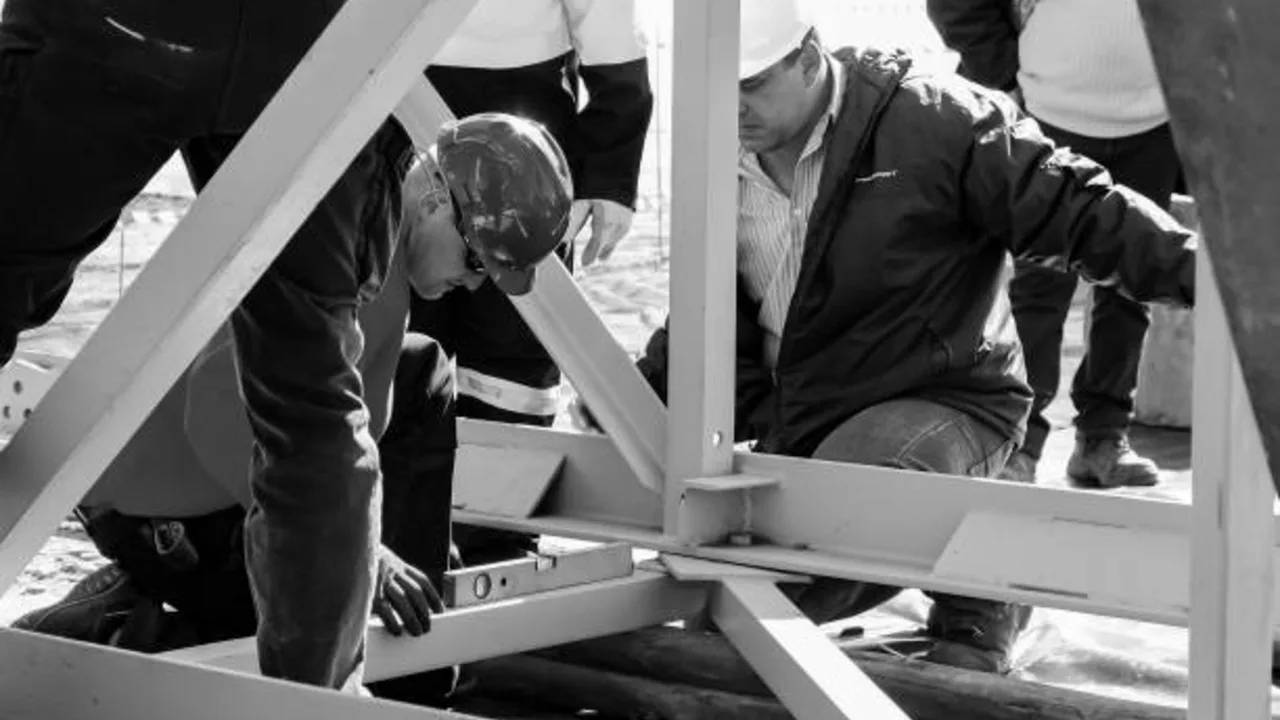
The inspection process begins with raw materials. Inspectors verify material test certificates (MTC), ensuring that steel grades, thicknesses, and mechanical properties match project specifications. Any discrepancy at this stage can lead to rejection before fabrication even starts.
Fabrication Inspection
During fabrication, inspectors evaluate processes such as cutting, drilling, and assembly. Dimensional accuracy and adherence to drawings are critical factors. Manufacturers must ensure that all fabrication steps follow approved procedures and tolerances.
Welding Inspection
Welding is one of the most closely monitored processes in any steel manufacturer third party inspection. Inspectors review Welding Procedure Specifications (WPS), Procedure Qualification Records (PQR), and welder qualifications.
Additionally, weld quality is assessed through visual inspection and non-destructive testing methods such as ultrasonic or radiographic testing.
Surface Treatment Inspection
Protective coatings are essential for long-term durability. Inspectors check surface preparation, coating thickness, and application quality. For galvanized structures, coating uniformity and adhesion are verified.
Final Dimensional and Structural Checks
Before shipment, the final product undergoes dimensional checks to confirm alignment with approved drawings. Structural integrity, tolerances, and completeness are evaluated to ensure readiness for installation.
Understanding Witness Points and Hold Points
What Is a Witness Point?
A witness point is a predefined stage in the inspection workflow where the third-party inspector is formally invited to observe a specific activity. In a structured steel manufacturer third party inspection system, witness points are used to provide visibility into key processes without interrupting production flow.
At a witness point:
- The manufacturer must notify the inspector in advance
- The activity can proceed even if the inspector is not present
- Records must still be properly documented and available for review
Witness points are commonly applied to operations such as:
- Fit-up checks before welding
- Trial assemblies
- Surface preparation before coating
Although not mandatory stopping points, they still play an important role in demonstrating process transparency. A well-managed steel manufacturer third party inspection process ensures that all witness point activities are documented and traceable, even when inspectors are not physically present.
What Is a Hold Point?
A hold point is a critical inspection stage where production must stop until approval is granted by the inspector. Unlike witness points, these checkpoints are mandatory and cannot be bypassed under any circumstances within a compliant steel manufacturer third party inspection framework.
At a hold point:
- Work must pause until inspection is completed
- Formal approval is required before proceeding
- Any non-conformance must be resolved before continuation
Typical hold points include:
- Material verification before fabrication
- Welding procedure approval
- Final dimensional inspection
- Coating thickness verification
Because hold points directly impact production timelines, they must be carefully planned. Failure to obtain clearance at a hold point can result in:
- Production delays
- Costly rework
- Rescheduling of inspection activities
In high-standard projects, hold points are strategically placed to prevent defects from progressing to later stages, making them essential to maintaining quality control in any steel manufacturer third party inspection process.
How Manufacturers Manage Inspection Points
Effective management of witness and hold points requires a structured and proactive approach. Professional manufacturers integrate these checkpoints into a comprehensive Inspection and Test Plan (ITP), which serves as the operational blueprint for all inspection activities.
An effective ITP typically includes:
- Clearly defined witness and hold points across all production stages
- Responsibilities assigned to QA/QC teams and inspectors
- Acceptance criteria based on project specifications
- Required documentation and reporting formats
To ensure smooth execution, manufacturers must align inspection schedules with production timelines. This involves:
- Early coordination with third-party inspectors
- Advance notification for all inspection points
- Real-time communication during critical stages
In a well-organized steel manufacturer third party inspection system, inspection points are not treated as disruptions but as integrated control mechanisms. When properly managed, they enhance quality assurance while minimizing delays.
Ultimately, the ability to control witness and hold points effectively reflects the maturity of a manufacturer’s inspection system and directly impacts project success.
Internal Preparation Before Third-Party Inspection
Document Preparation
Documentation is one of the most critical aspects of inspection readiness. Manufacturers must prepare complete and accurate records, including:
- Approved drawings and specifications
- Material certificates
- WPS and PQR documentation
- Inspection reports and checklists
Incomplete or inconsistent documentation is one of the most common causes of inspection delays.
Pre-Inspection Checks
Before inviting third-party inspectors, internal QA/QC teams conduct their own inspections. These pre-checks ensure that all requirements are met and reduce the risk of non-conformance during official inspections.
This proactive approach is a hallmark of professional manufacturers.
Equipment and Calibration
All measuring and testing equipment must be properly calibrated and documented. Inspectors often verify calibration certificates to ensure measurement accuracy.
Using uncalibrated tools can invalidate inspection results and lead to rejection.
Staff Readiness
Inspection success depends heavily on the readiness of personnel. Welders, supervisors, and quality inspectors must be familiar with procedures, documentation, and inspection requirements.
Clear communication between teams ensures that everyone understands their roles during the inspection process.
Role of Quality Control Systems in Inspection Readiness
QA vs QC in Steel Manufacturing
Quality assurance (QA) and quality control (QC) play complementary roles in preparing for inspections. QA focuses on establishing systems, procedures, and standards to prevent defects, while QC focuses on verifying that the final output meets those standards.
In a well-structured manufacturing environment, QA defines the process, and QC ensures execution aligns with that process. Together, they form the foundation of a successful steel manufacturer third party inspection system.
Traceability Systems
Traceability is essential for linking every component, weld, and process back to its source. Manufacturers implement marking systems, documentation logs, and tracking records to ensure that each part can be traced to its material certificate, fabrication stage, and inspection history.
This level of traceability allows inspectors to verify compliance quickly and provides confidence in the integrity of the manufacturing process.
Inspection Records and Reports
Accurate documentation is critical for demonstrating compliance. Inspection reports must be properly recorded, signed, and organized. These records include welding inspection reports, dimensional checks, and non-destructive testing results.
Well-maintained records not only support inspection approval but also serve as long-term references for quality assurance and future audits.
Non-Conformance Handling
No manufacturing process is entirely free of issues. When defects or deviations occur, manufacturers must follow structured non-conformance procedures. This includes identifying the issue, implementing corrective actions, and documenting the resolution.
Inspectors often review how non-conformances are handled, making it a critical aspect of inspection readiness.
Common Challenges During Third-Party Inspections
Documentation Gaps
Missing or incomplete documentation is one of the most frequent causes of inspection delays. Even if the physical product meets specifications, lack of proper records can result in rejection or re-inspection.
Miscommunication with Inspectors
Coordination issues between manufacturers and inspectors can lead to missed witness points or delays at hold points. Clear communication and scheduling are essential to avoid disruptions.
Scheduling Delays
Third-party inspectors often work across multiple projects, making scheduling a challenge. Without proper planning, inspection timelines can conflict with production schedules.
Non-Compliance Issues
Failure to meet specified requirements can result in rework, additional inspections, and increased costs. This highlights the importance of thorough preparation before inspection.
Real Project Perspective: Third-Party Inspection in Large Steel Projects
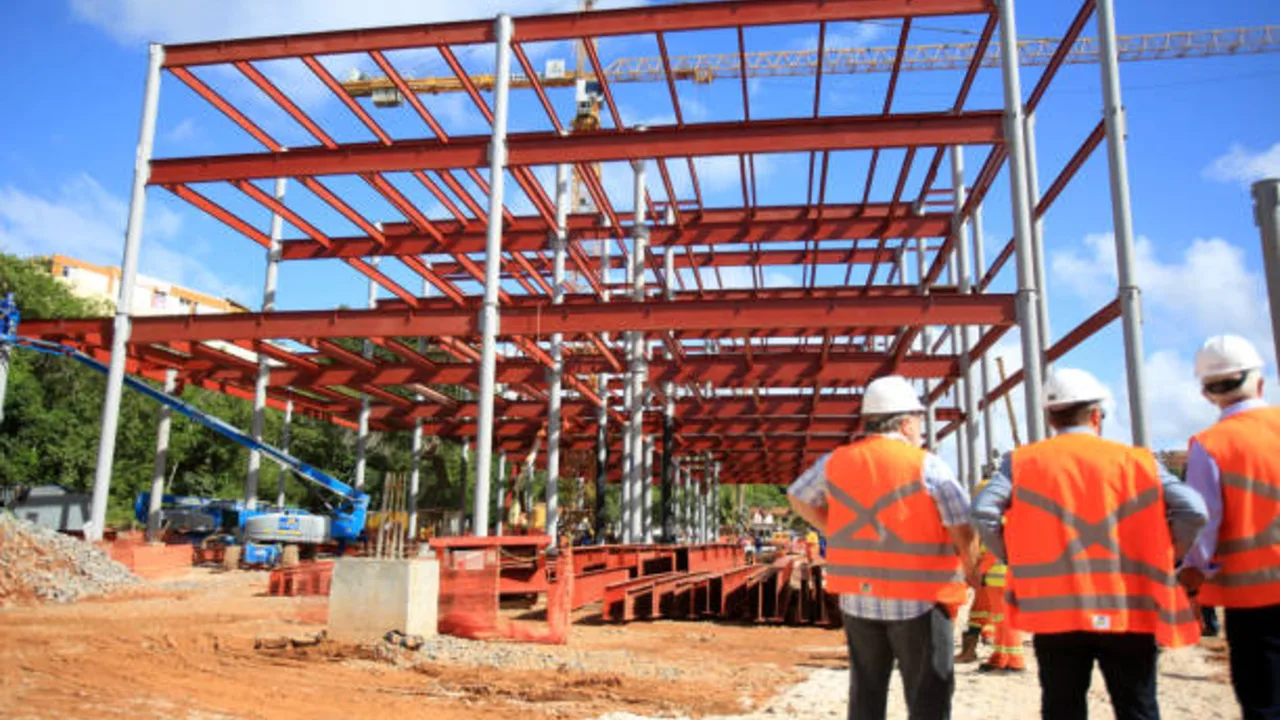
In large-scale steel projects, third-party inspections are integrated into every stage of production. From raw material verification to final assembly checks, inspectors play a continuous role in validating quality.
For example, during complex infrastructure projects, multiple witness and hold points are defined within the Inspection and Test Plan. These checkpoints ensure that critical activities such as welding, assembly, and coating are properly verified before proceeding.
Effective coordination between the manufacturer, client, and inspection body is essential to maintain progress while ensuring compliance.
Best Practices for Managing Third-Party Inspections
Develop a Clear Inspection & Test Plan (ITP)
An Inspection and Test Plan (ITP) is the backbone of any successful steel manufacturer third party inspection process. It defines not only what needs to be inspected, but also when, how, and by whom each inspection activity must be performed.
A well-structured ITP should clearly outline:
- Inspection stages across the full production cycle (material, fabrication, welding, coating, final)
- Defined witness points and hold points
- Responsible parties (manufacturer QA/QC, third-party inspector, client representative)
- Acceptance criteria based on standards and project specifications
By establishing this framework early, manufacturers eliminate ambiguity and ensure that inspection activities are aligned with production schedules. This reduces downtime, prevents missed inspections, and creates a predictable workflow for both internal teams and external inspectors.
In practice, a detailed ITP transforms the steel manufacturer third party inspection from a reactive process into a fully controlled system.
Maintain Complete Documentation
Documentation is one of the most critical success factors in any steel manufacturer third party inspection. Even if the physical product meets all requirements, incomplete or disorganized documentation can lead to inspection rejection or delays.
Manufacturers must ensure that all required documents are:
- Accurate and consistent with approved drawings
- Updated to the latest revision
- Properly signed and traceable
Key documents typically include:
- Material Test Certificates (MTC)
- Welding records (WPS, PQR, WQR)
- Inspection reports and NDT results
- Dimensional check reports
- Coating and surface treatment records
A strong documentation system allows inspectors to verify compliance quickly and confidently. Many advanced manufacturers now use digital document management systems to centralize records, reduce errors, and improve accessibility during inspections.
Without complete documentation, even the most well-executed fabrication work cannot pass a professional steel manufacturer third party inspection.
Train Teams for Inspection Readiness
Inspection readiness is not just about systems—it depends heavily on people. Skilled and well-prepared personnel are essential for executing inspection requirements smoothly and professionally.
Manufacturers should implement structured training programs that cover:
- Understanding of inspection procedures and ITP requirements
- Awareness of witness and hold point responsibilities
- Proper documentation handling and record keeping
- Communication protocols during inspections
Welders, supervisors, and QA/QC inspectors must all be aligned in terms of expectations and responsibilities. When teams understand the inspection process, they can anticipate requirements rather than react to them.
This level of preparedness significantly improves efficiency and reduces the risk of non-conformance during a steel manufacturer third party inspection.
Communicate Clearly with Inspectors
Effective communication is a key factor in avoiding delays and misunderstandings during inspections. Since third-party inspectors often manage multiple projects, coordination must be proactive and well-organized.
Manufacturers should:
- Provide advance notice for all witness and hold points
- Confirm inspection schedules in writing
- Share relevant documentation before inspection visits
- Maintain clear on-site communication during inspections
Poor communication can result in missed inspection windows, idle production time, or unnecessary rescheduling. In contrast, clear and timely coordination ensures that inspection activities are conducted efficiently without disrupting workflow.
A well-managed communication process strengthens trust between the manufacturer and the inspection body, improving overall performance in steel manufacturer third party inspection scenarios.
Review and Improve After Each Inspection
Every inspection provides valuable insights into the effectiveness of manufacturing and quality control systems. Instead of treating inspections as isolated events, professional manufacturers use them as opportunities for continuous improvement.
Post-inspection reviews should focus on:
- Identifying recurring issues or bottlenecks
- Evaluating documentation accuracy and completeness
- Assessing team performance and communication efficiency
- Reviewing inspector feedback and comments
Based on these insights, manufacturers can refine procedures, update training programs, and improve documentation systems. Over time, this iterative approach leads to more efficient processes and higher success rates in future inspections.
A mature steel manufacturer third party inspection system is not static—it evolves continuously to meet higher standards and more complex project requirements.
Conclusion: Inspection as a Core Manufacturing System
Third-party inspection is not just a requirement—it is a critical component of modern steel manufacturing. A well-prepared steel manufacturer third party inspection system ensures that products meet quality standards, comply with specifications, and satisfy client expectations.
Manufacturers that integrate inspection into their core processes achieve higher consistency, reduced risks, and stronger market credibility. In today’s competitive environment, structured inspection readiness is not optional—it is essential for long-term success.
As a china steel structure manufacturer, maintaining disciplined inspection systems is a key factor in delivering reliable, high-quality steel structures across global projects.