In modern construction and industrial projects, quality assurance begins long before installation. One of the most critical elements in ensuring structural reliability is the definition and implementation of steel manufacturer acceptance criteria. These criteria establish the benchmarks that fabricated steel components must meet before they are approved for delivery and installation.
For global projects, especially those involving large-scale steel structures, acceptance criteria serve as the foundation of quality control. They guide inspection processes, define tolerances, and ensure compliance with international standards. Without clear and well-managed acceptance criteria, even well-designed projects can face delays, rework, and safety risks.
Professional manufacturers, such as XTD Steel Structure, integrate acceptance criteria into every stage of production. From material procurement to final inspection, each step is governed by strict quality requirements to ensure consistency, reliability, and compliance.
Understanding Steel Manufacturer Acceptance Criteria
Steel manufacturer acceptance criteria refer to the set of predefined standards and conditions that steel components must satisfy before being approved for use. These criteria are typically defined based on project specifications, international codes, and client requirements.
The purpose of acceptance criteria is to ensure that every fabricated element meets the required performance, safety, and durability standards. They serve as a checkpoint system that validates whether production outputs align with design intent.
Acceptance criteria are not limited to final inspection. Instead, they are applied throughout the entire manufacturing lifecycle, ensuring continuous quality verification rather than relying on a single approval stage.
Key Components of Steel Manufacturer Acceptance Criteria
Material Acceptance Standards
Material quality is the foundation of any steel structure. Acceptance criteria begin with strict verification of raw materials to ensure they meet required mechanical and chemical properties.
This process includes reviewing Material Test Certificates (MTC), verifying heat numbers, and confirming traceability from supplier to final component. Manufacturers must ensure that materials comply with standards such as ASTM, EN, or ISO, depending on project requirements.
Any deviation from specified material properties must be identified and addressed before fabrication begins. Failure to control material acceptance can lead to structural weaknesses and potential project failure.
Dimensional and Fabrication Tolerances
Precision is essential in steel fabrication. Acceptance criteria define allowable tolerances for cutting, welding, and assembly to ensure components fit correctly during installation.
Dimensional inspections are conducted at multiple stages, including pre-assembly and final checks. These inspections verify alignment, geometry, and overall accuracy of fabricated elements.
Even minor deviations can cause significant issues during erection, leading to delays and increased costs. Therefore, strict adherence to tolerance limits is a key part of steel manufacturer acceptance criteria.
Welding Acceptance Criteria
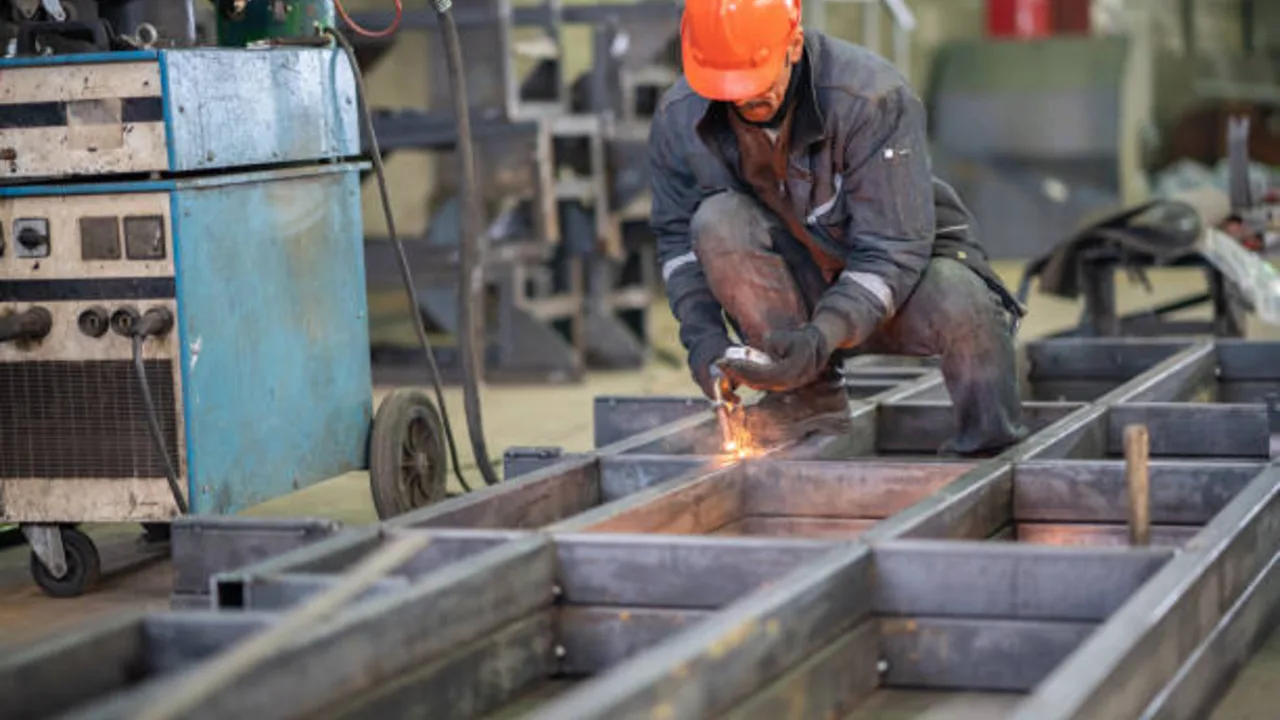
Welding plays a critical role in structural integrity, making it a major focus of acceptance criteria. Manufacturers must ensure that all welding activities follow approved Welding Procedure Specifications (WPS).
This includes verifying welder qualifications, monitoring welding parameters, and conducting inspections such as visual checks and Non-Destructive Testing (NDT). Acceptance thresholds for NDT methods such as ultrasonic testing (UT) or radiographic testing (RT) must be clearly defined.
Consistent welding quality ensures structural performance and reduces the risk of failure under load conditions.
Surface Treatment and Coating Standards
Surface treatment is essential for protecting steel structures against corrosion and environmental damage. Acceptance criteria define coating thickness, adhesion quality, and surface preparation requirements.
Inspection methods include dry film thickness measurement, visual inspection, and adhesion testing. These checks ensure that coatings meet durability expectations, especially for structures exposed to harsh environments.
Proper surface treatment not only enhances longevity but also reduces long-term maintenance costs.
Inspection and Testing Processes in Factory Acceptance
Incoming Material Inspection
Before fabrication begins, incoming materials must undergo thorough inspection. This step verifies that all materials match project specifications and are free from defects.
Documentation review is a key part of this process, ensuring that certificates and traceability records are accurate and complete.
In-Process Inspection
Inspection during fabrication ensures that quality is maintained throughout production. This includes monitoring welding operations, checking dimensions, and verifying assembly accuracy.
Hold points and witness points are often established to control critical stages of production. These checkpoints ensure that work does not proceed without proper verification.
Final Inspection Before Release
The final inspection is the last stage before components are approved for delivery. This includes comprehensive checks of dimensions, welding quality, surface treatment, and documentation.
Only after meeting all steel manufacturer acceptance criteria can components be released for shipment. This ensures that delivered products are fully compliant and ready for installation.
Documentation and Release Standards
Required Documentation for Acceptance
Documentation plays a critical role in verifying compliance with acceptance criteria. Manufacturers must provide complete and accurate records to support inspection results.
Typical documentation includes material certificates, inspection reports, welding records, and NDT results. These documents serve as proof that all requirements have been met.
Role of Release Standard in Steel Manufacturing
A release standard defines the conditions under which fabricated components can be approved for shipment. It acts as the final checkpoint in the quality assurance process.
The release standard is directly linked to acceptance criteria. Only when all conditions are satisfied can the product be officially released.
This ensures that no non-compliant components leave the factory, protecting both the manufacturer and the client from potential risks.
Digital Documentation and Traceability
Modern steel manufacturers increasingly rely on digital systems to manage documentation and traceability. These systems improve accuracy, reduce errors, and enhance transparency.
Digital tools allow real-time tracking of materials, inspections, and approvals, ensuring that all data is accessible and up to date. This strengthens compliance and supports efficient project management.
Third-Party Inspection and Client Acceptance
Role of Third-Party Inspectors
In many steel structure projects, third-party inspection agencies are involved to provide independent verification of quality. These inspectors review whether the fabricated components meet the defined steel manufacturer acceptance criteria and project specifications.
The presence of third-party inspectors adds an additional layer of accountability. They assess materials, monitor fabrication processes, and validate final inspection results. Their approval is often required before components can proceed to shipment.
Effective coordination between manufacturers and inspectors ensures that inspections are conducted smoothly and without disrupting production schedules.
Client-Specific Acceptance Requirements
In addition to standard codes and specifications, clients may define their own acceptance requirements. These can include stricter tolerances, additional testing, or customized documentation formats.
Manufacturers must align their internal quality control systems with these requirements to avoid discrepancies. Clear communication at the early stages of the project helps ensure that all expectations are understood and implemented correctly.
Flexibility in meeting client-specific acceptance criteria is often a key factor in maintaining strong long-term partnerships.
Common Challenges in Meeting Acceptance Criteria
Despite well-defined standards, manufacturers often face challenges in consistently meeting acceptance requirements. These challenges can arise from technical, operational, or communication-related factors.
Misalignment Between Design and Fabrication
One of the most common issues is the gap between design intent and manufacturing execution. Inaccurate drawings, unclear specifications, or late design changes can lead to inconsistencies during production.
Early coordination between design and manufacturing teams is essential to minimize these risks.
Documentation Inconsistencies
Errors or missing information in documentation can delay inspections and approvals. Since documentation is a key part of acceptance, even minor inconsistencies can affect project timelines.
Maintaining strict document control systems helps ensure accuracy and completeness.
Inspection Delays and Rework
Failure to meet acceptance criteria during inspection can result in rework, which increases costs and extends project schedules. In some cases, rework may require significant modifications or even replacement of components.
Preventive quality control measures are critical to reducing the likelihood of such issues.
Best Practices for Managing Acceptance Criteria
Standardize Acceptance Procedures
Standardization is the backbone of consistent quality in steel manufacturing. By developing structured and repeatable procedures, manufacturers can ensure that every project follows the same high standards regardless of complexity or scale.
Standardized acceptance procedures typically include clearly defined inspection steps, testing requirements, documentation formats, and approval workflows. This reduces ambiguity and ensures that all stakeholders operate under the same expectations.
When properly implemented, standardized procedures improve efficiency, reduce human error, and strengthen compliance with steel manufacturer acceptance criteria across multiple projects.
Align Early with Project Specifications
Early alignment between project specifications and manufacturing capabilities is critical to avoiding costly rework and delays. Before production begins, manufacturers must thoroughly review all technical requirements, including drawings, material specifications, and applicable standards.
This alignment process helps identify potential risks such as unrealistic tolerances, incompatible materials, or unclear requirements. Addressing these issues at an early stage ensures smoother execution and minimizes disruptions during fabrication.
Proactive coordination between engineering, QA/QC teams, and clients plays a key role in ensuring that steel manufacturer acceptance criteria are clearly understood and achievable.
Train Teams on Acceptance Standards
The effectiveness of acceptance criteria depends heavily on the competence of the workforce. Skilled personnel are essential for executing procedures accurately and maintaining consistent quality throughout production.
Training programs should focus on key areas such as welding standards, inspection techniques, quality documentation, and safety practices. In addition, continuous training ensures that teams stay updated with evolving standards and technologies.
Improving workforce competency directly enhances compliance with steel manufacturer acceptance criteria and reduces the likelihood of defects and rework.
Implement Strong Quality Control Systems
Quality control should not be limited to final inspection. Instead, it must be integrated into every stage of the manufacturing process, from material intake to final release.
A strong quality control system includes defined checkpoints, inspection protocols, and real-time monitoring of production activities. This proactive approach enables manufacturers to detect and resolve issues early, preventing defects from progressing further.
By embedding quality control into daily operations, manufacturers can ensure consistent adherence to steel manufacturer acceptance criteria and improve overall production reliability.
Maintain Transparent Communication
Effective communication is essential for aligning manufacturers, clients, and inspection bodies. Clear and consistent communication helps ensure that expectations are understood and that any issues are addressed promptly.
Best practices include regular progress updates, scheduled coordination meetings, and clearly defined communication channels. These measures help prevent misunderstandings and ensure that all parties remain aligned throughout the project lifecycle.
Transparent communication also supports faster decision-making and contributes to smoother project execution.
Summary of Best Practices
| Best Practice | Key Focus | Impact on Acceptance Criteria |
|---|---|---|
| Standardize Procedures | Inspection, testing, documentation | Ensures consistency and reduces errors |
| Early Alignment | Specifications and requirements | Prevents rework and delays |
| Team Training | Skills and knowledge | Improves compliance and execution quality |
| Quality Control Systems | Process monitoring | Detects issues early and prevents defects |
| Transparent Communication | Coordination and updates | Reduces misunderstandings and improves efficiency |
By applying these best practices, manufacturers can strengthen their approach to steel manufacturer acceptance criteria, ensuring higher quality outcomes, improved efficiency, and stronger client confidence in every project.
Real Project Application of Acceptance Criteria
In real-world projects, acceptance criteria are applied across multiple stages to ensure consistent quality. A typical workflow begins with material verification, followed by fabrication inspections, and ends with final approval before shipment.
For example, in large infrastructure projects, strict acceptance criteria ensure that all components meet structural and safety requirements. This reduces the risk of failure during installation and operation.
By maintaining strict control over each stage, manufacturers can deliver products that meet both technical and client expectations.
Why Acceptance Criteria Define Manufacturer Reliability
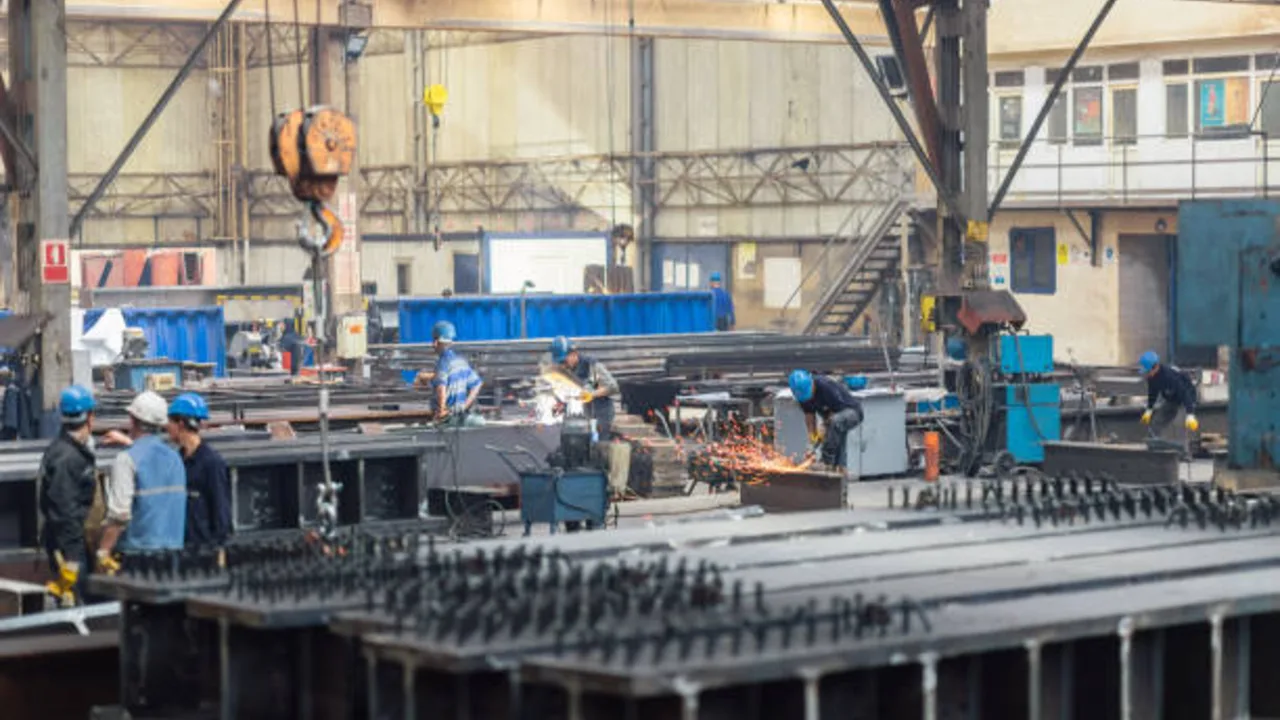
The ability to consistently meet acceptance criteria is a strong indicator of a manufacturer’s reliability. It reflects their commitment to quality, attention to detail, and capability to manage complex projects.
Manufacturers who maintain strict acceptance standards are better positioned to compete in global markets. They gain trust from clients and are more likely to be selected for high-value projects.
Working with an experienced steel structure manufacturer ensures that all acceptance criteria are properly managed, reducing risks and improving overall project performance.
Conclusion: Acceptance Criteria as a Foundation of Quality
In steel manufacturing, acceptance criteria are more than just technical requirements—they are the foundation of quality assurance. From material selection to final inspection, every step depends on clearly defined and properly managed standards.
By implementing strong steel manufacturer acceptance criteria, manufacturers can ensure consistency, minimize risks, and deliver high-quality products that meet global standards.
Ultimately, well-managed acceptance criteria not only improve project outcomes but also strengthen long-term relationships between manufacturers and clients.