In modern construction and industrial projects, steel manufacturers are constantly challenged to deliver high-quality structures while maintaining competitive pricing. Achieving the right steel manufacturer cost quality balance is not simply about reducing expenses or maximizing quality—it is about making informed decisions that optimize both without compromising structural integrity or project outcomes.
For global projects, where cost pressures, regulatory requirements, and performance expectations all converge, manufacturers must carefully manage every stage of production. From material sourcing to final inspection, each decision plays a role in shaping the balance between cost efficiency and quality assurance.
Rather than viewing cost and quality as opposing forces, leading manufacturers treat them as interconnected variables. When managed correctly, quality control can actually reduce long-term costs, while smart cost strategies can enhance efficiency without sacrificing performance.
Understanding Cost–Quality Dynamics in Steel Manufacturing
The relationship between cost and quality in steel manufacturing is often misunderstood. Many assume that lower cost automatically means lower quality, or that higher quality always requires higher investment. In reality, the steel manufacturer cost quality balance lies in understanding how these two factors interact across the entire production lifecycle.
Cost in steel manufacturing is influenced by multiple elements, including raw material prices, labor, fabrication complexity, equipment usage, and logistics. Quality, on the other hand, is defined by compliance with technical standards, structural performance, durability, and precision.
The challenge for manufacturers is to make trade-off decisions that do not compromise the overall value of the project. For example, choosing a slightly higher-grade material may increase upfront cost but reduce maintenance and lifecycle expenses. Similarly, investing in better fabrication processes can minimize defects and eliminate costly rework.
In large-scale steel structure projects, poor cost–quality decisions can lead to significant consequences, including structural failures, delays, and increased long-term costs. This is why professional manufacturers adopt a holistic approach, ensuring that cost optimization aligns with quality objectives.
Key Cost Drivers in Steel Manufacturing

To achieve an effective steel manufacturer cost quality balance, it is essential to understand the primary cost drivers within the manufacturing process.
Raw Material Procurement
Steel accounts for a significant portion of total project cost. Variations in steel grade, supplier selection, and market fluctuations directly impact overall expenses. Strategic sourcing is critical—not just finding the lowest price, but ensuring material consistency, traceability, and compliance with project specifications.
Labor and Fabrication Complexity
Labor costs are influenced by fabrication difficulty, welding requirements, and production efficiency. Complex designs often require more skilled labor, increasing cost. Simplifying fabrication through design optimization can significantly reduce labor expenses without affecting performance.
Equipment and Technology
Advanced machinery and automation systems require high initial investment but can improve precision, reduce waste, and increase production speed. Over time, these technologies contribute to a better cost–quality balance by lowering operational inefficiencies.
Logistics and Transportation
For export projects, logistics costs—including packaging, shipping, and handling—can be substantial. Improper planning can lead to damage, delays, and additional expenses. Efficient logistics strategies help maintain both cost control and product quality.
Quality Control Requirements in Steel Fabrication
Quality control is a non-negotiable aspect of steel manufacturing. It ensures that all components meet design specifications, safety standards, and performance expectations. Within the steel manufacturer cost quality balance, quality control acts as both a safeguard and a cost-saving mechanism.
Welding Quality Management
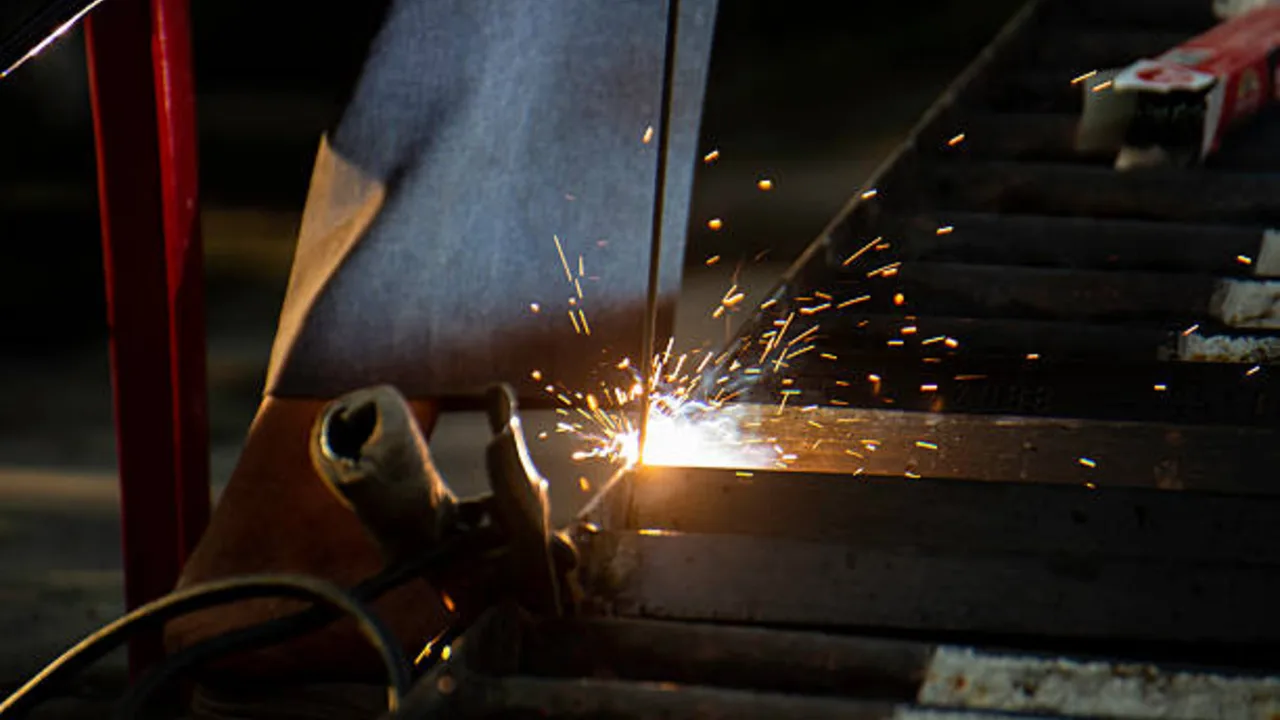
Welding is one of the most critical processes in steel fabrication. Manufacturers must follow qualified Welding Procedure Specifications (WPS) and ensure that welders are properly certified. Poor welding quality can lead to structural weaknesses and costly repairs.
Dimensional Accuracy
Precision in fabrication is essential for proper assembly and structural integrity. Maintaining tight tolerances reduces installation issues and prevents rework during construction.
Inspection and Testing
Inspection processes, including visual checks and non-destructive testing (NDT), are used to verify quality at different stages of production. Third-party inspections may also be required for international projects.
While these quality control measures add to upfront costs, they prevent much larger expenses caused by defects, failures, or project delays. This demonstrates how quality investment supports long-term cost efficiency.
Trade-Off Decision: Cost vs Quality in Real Projects
Every steel manufacturing project involves a series of trade-off decisions. These decisions determine how resources are allocated and how risks are managed.
For instance, a manufacturer may consider using lower-cost materials to reduce budget pressure. However, if those materials fail to meet performance requirements, the result could be structural issues or rejection during inspection. In contrast, selecting higher-quality materials may increase initial cost but ensure long-term reliability.
Another common trade-off involves production speed versus precision. Accelerating fabrication may reduce labor costs and meet tight deadlines, but it can also increase the risk of errors. Balancing speed with quality control is essential to avoid costly rework.
The key to effective steel manufacturer cost quality balance is not eliminating trade-offs, but managing them intelligently. This requires experience, data-driven decision-making, and a deep understanding of project requirements.
Strategies to Achieve Steel Manufacturer Cost Quality Balance
Leading steel manufacturers implement a range of strategies to maintain an optimal balance between cost and quality. These strategies focus on efficiency, innovation, and long-term value rather than short-term savings.
Value Engineering
Value engineering involves optimizing design and material usage without compromising structural performance. By analyzing each component, manufacturers can identify opportunities to reduce unnecessary costs while maintaining safety and functionality.
Process Standardization
Standardizing fabrication processes reduces variability, improves efficiency, and simplifies quality control. It also allows manufacturers to train workers more effectively and minimize errors.
Material Optimization
Efficient material utilization reduces waste and lowers cost. Advanced nesting techniques and cutting optimization can significantly improve yield rates.
Digital Manufacturing and Automation
The use of digital tools and automation enhances precision, reduces manual errors, and increases productivity. These technologies play a crucial role in achieving a sustainable steel manufacturer cost quality balance.
Role of Engineering Optimization
Engineering optimization plays a crucial role in achieving a sustainable steel manufacturer cost quality balance. Decisions made during the design phase have a direct impact on fabrication efficiency, material consumption, and overall project cost.
By simplifying structural layouts, optimizing connection details, and eliminating unnecessary complexity, manufacturers can reduce fabrication time and labor requirements. At the same time, these optimizations must preserve structural integrity and meet all design codes.
Early involvement of the manufacturer in the design process allows for better alignment between engineering intent and fabrication capability. This reduces the likelihood of design revisions during production, which can be both time-consuming and expensive.
In many projects, overdesign is a hidden cost driver. While conservative design may increase safety margins, excessive material usage can significantly raise costs. Professional manufacturers evaluate these factors carefully to ensure that safety and efficiency are both maintained.
Quality Control Systems That Reduce Cost in the Long Run
Although quality control is often seen as an added expense, it is actually one of the most effective tools for reducing overall project cost. A strong quality management system ensures that issues are identified early, preventing expensive corrections later.
Preventive QA/QC measures—such as process monitoring, inspection checkpoints, and documentation control—help eliminate defects before they escalate. This approach minimizes rework, reduces material waste, and avoids project delays.
Traceability systems also play an important role. By tracking materials, welds, and inspection records, manufacturers can quickly identify and resolve issues without disrupting the entire production process.
In advanced manufacturing environments, digital inspection tools and real-time monitoring systems provide greater visibility and accuracy. These technologies enhance the steel manufacturer cost quality balance by improving efficiency while maintaining strict quality standards.
Supply Chain and Procurement Optimization
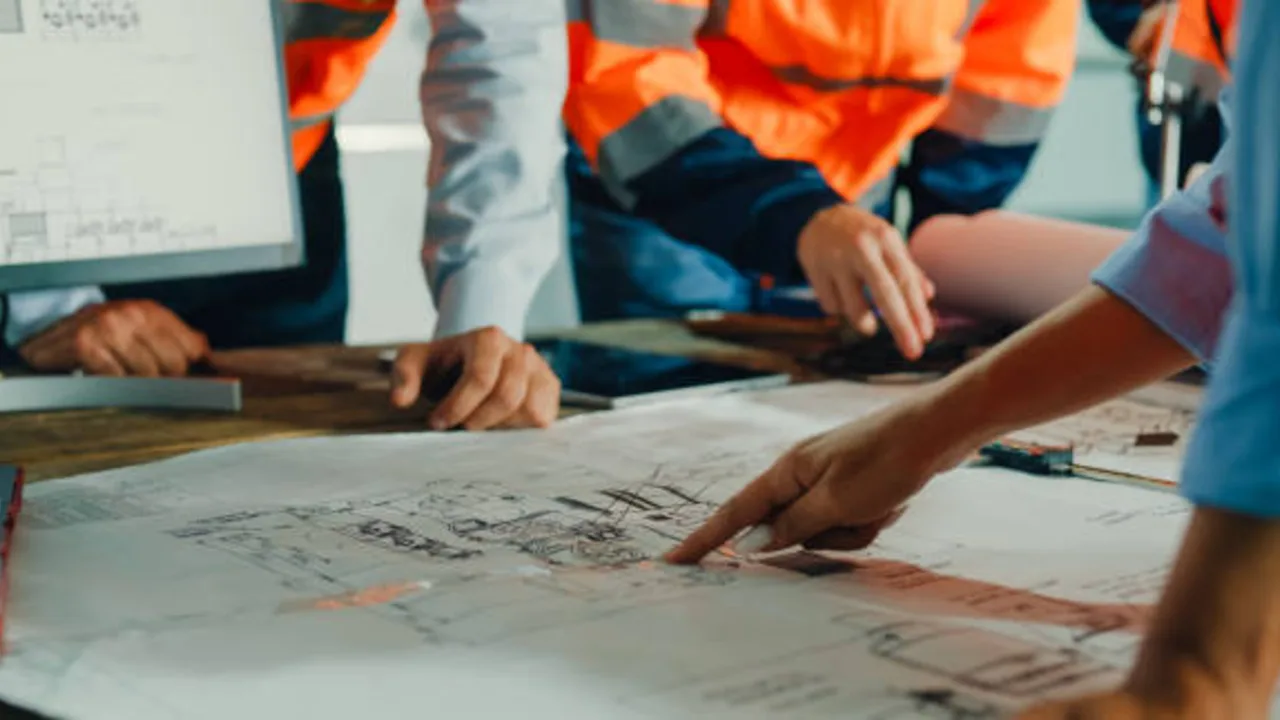
Supply chain management is another key factor in balancing cost and quality. The way materials are sourced, stored, and delivered can significantly impact both project cost and performance.
Choosing suppliers based solely on price can introduce risks related to quality inconsistency, delays, and lack of compliance. Instead, manufacturers focus on building long-term partnerships with reliable suppliers who can provide consistent quality and documentation.
Bulk procurement strategies can also reduce costs, especially for large-scale projects. However, these strategies must be carefully planned to avoid excess inventory or storage issues.
Effective procurement management ensures that materials arrive on time, meet specifications, and support the overall steel manufacturer cost quality balance throughout the project lifecycle.
Real Project Perspective: Balancing Cost and Quality in Practice
In real-world projects, achieving the right balance between cost and quality requires coordination across engineering, fabrication, and logistics. A clear example can be seen in large-scale infrastructure developments, where precision, durability, and timeline efficiency are equally critical.
In one major railway station project delivered by XTD Steel Structure, the manufacturer was responsible for producing and supplying complex steel components under strict technical and schedule requirements. The project demanded high-quality fabrication while maintaining cost efficiency across all stages.
To achieve this, the engineering team optimized structural designs to reduce unnecessary material usage without affecting load-bearing performance. Standardized fabrication processes were implemented to improve efficiency and reduce labor variability.
At the same time, a comprehensive quality control system ensured that all components met international standards. Inspection checkpoints and documentation tracking minimized the risk of defects and ensured smooth approval during third-party inspections.
Logistics planning also played a crucial role. Components were packaged and delivered in sequences aligned with on-site installation, reducing handling time and avoiding unnecessary delays.
This integrated approach demonstrates how effective coordination can achieve a strong steel manufacturer cost quality balance, delivering both cost efficiency and high-quality results.
Common Mistakes in Cost–Quality Decisions
Despite the importance of balance, many projects still suffer from poor decision-making when it comes to cost and quality.
One common mistake is prioritizing the lowest possible cost without considering long-term consequences. Using substandard materials or skipping quality checks may reduce initial expenses but often leads to failures, rework, and increased lifecycle costs.
Another issue is overemphasizing quality without considering cost efficiency. While high standards are essential, unnecessary over-specification can result in wasted resources and reduced competitiveness.
Lack of communication between departments is also a frequent problem. When engineering, procurement, and production teams operate in isolation, decisions may not align with overall project goals.
Ultimately, achieving the right steel manufacturer cost quality balance requires coordination, transparency, and a clear understanding of project priorities.
How Professional Steel Manufacturers Maintain Balance
Experienced manufacturers use structured systems and processes to manage cost and quality simultaneously.
Integrated project management systems connect engineering, production, quality control, and logistics, providing visibility across all stages of the project. This ensures that decisions are based on accurate and up-to-date information.
Cross-department coordination is essential. Engineering teams must work closely with production to ensure that designs are practical, while QA/QC teams must verify that all processes meet required standards.
Digital tools further enhance efficiency. From document management systems to real-time tracking platforms, these technologies reduce errors and improve communication.
Equally important is client communication. Regular updates on progress, quality status, and delivery schedules help align expectations and build trust.
For companies seeking reliable solutions, working with an experienced steel structure building manufacturer ensures better coordination, reduced risk, and consistent project performance.
Best Practices for Achieving Cost–Quality Balance
To maintain a consistent steel manufacturer cost quality balance, manufacturers must go beyond general guidelines and implement structured, actionable practices across all project stages. These practices are not isolated actions, but integrated strategies that connect engineering, procurement, fabrication, and quality control into a unified system.
The following table outlines key best practices, their implementation methods, and their impact on both cost efficiency and quality performance:
| Best Practice | Implementation Approach | Impact on Cost | Impact on Quality |
|---|---|---|---|
| Define project priorities early | Establish clear objectives for cost, quality, and timeline at the beginning of the project | Prevents budget overruns and inefficient resource allocation | Ensures all stakeholders are aligned with quality expectations from the start |
| Align engineering, procurement, and fabrication | Integrate workflows across departments and maintain continuous communication | Reduces delays, duplication, and unnecessary costs | Improves consistency and minimizes execution errors |
| Implement strong QA/QC systems | Apply inspection checkpoints, WPS compliance, and standardized quality procedures | Minimizes rework, scrap, and hidden costs | Ensures structural reliability and compliance with standards |
| Use data-driven decision-making | Leverage project data, cost analysis, and performance metrics to guide decisions | Optimizes cost control and resource utilization | Supports informed decisions that maintain consistent quality |
| Maintain stakeholder transparency | Provide regular updates, clear documentation, and open communication channels | Reduces risk of costly misunderstandings and disputes | Builds trust and ensures alignment on quality requirements |
Each of these practices directly contributes to a sustainable steel manufacturer cost quality balance. For example, early alignment between departments reduces the need for costly design changes during fabrication, while strong quality control systems prevent defects that would otherwise lead to expensive corrections.
Manufacturers that rely on structured processes and data-driven strategies are better equipped to evaluate trade-off decisions. Instead of reacting to cost pressures, they can proactively identify opportunities to improve efficiency without compromising performance.
Ultimately, achieving the right balance is not about choosing cost over quality. It is about building a system where both factors reinforce each other—where quality improvements reduce long-term costs, and cost efficiency enhances overall project performance.
Conclusion: Cost–Quality Balance as a Competitive Advantage
In today’s competitive market, achieving the right steel manufacturer cost quality balance is more than an operational requirement—it is a strategic advantage. Manufacturers who successfully balance these factors are better positioned to deliver reliable, cost-effective solutions that meet both technical and commercial expectations.
By integrating engineering optimization, quality control, and efficient supply chain management, steel manufacturers can reduce risks, improve performance, and build long-term partnerships with clients worldwide.
Ultimately, the goal is not to choose between cost and quality, but to optimize both in a way that maximizes value across the entire project lifecycle.