Steel manufacturing KPI tracking has become a critical component in modern industrial operations, especially for manufacturers competing in global markets. In an industry where precision, efficiency, and reliability directly impact profitability, tracking key performance indicators (KPIs) allows manufacturers to maintain control over complex production workflows.
Unlike traditional reporting methods, KPI tracking in steel manufacturing focuses on real-time data, actionable insights, and measurable outcomes. From raw material handling to final delivery, every stage of production generates data that can be used to evaluate performance, identify inefficiencies, and improve operational decision-making.
For companies such as XTD Steel Structure, implementing structured steel manufacturing KPI tracking systems enables better alignment between engineering, fabrication, quality control, and logistics. This integrated approach not only improves productivity but also strengthens competitiveness in large-scale domestic and international projects.
What Is Steel Manufacturing KPI Tracking?
Steel manufacturing KPI tracking refers to the systematic measurement and monitoring of performance indicators across all stages of steel production. These indicators are used to evaluate efficiency, quality, cost control, and delivery performance, providing a clear picture of operational effectiveness.
Unlike raw production data, KPIs are structured metrics designed to support decision-making. While raw data may include machine output or labor hours, KPI tracking translates this information into meaningful indicators such as production efficiency, defect rates, or on-time delivery percentages.
The primary goal of KPI tracking is to enable manufacturers to move from reactive management to proactive control. Instead of identifying issues after they occur, KPI systems allow teams to detect trends, anticipate risks, and implement corrective actions early in the process.
Core Performance Metrics in Steel Manufacturing
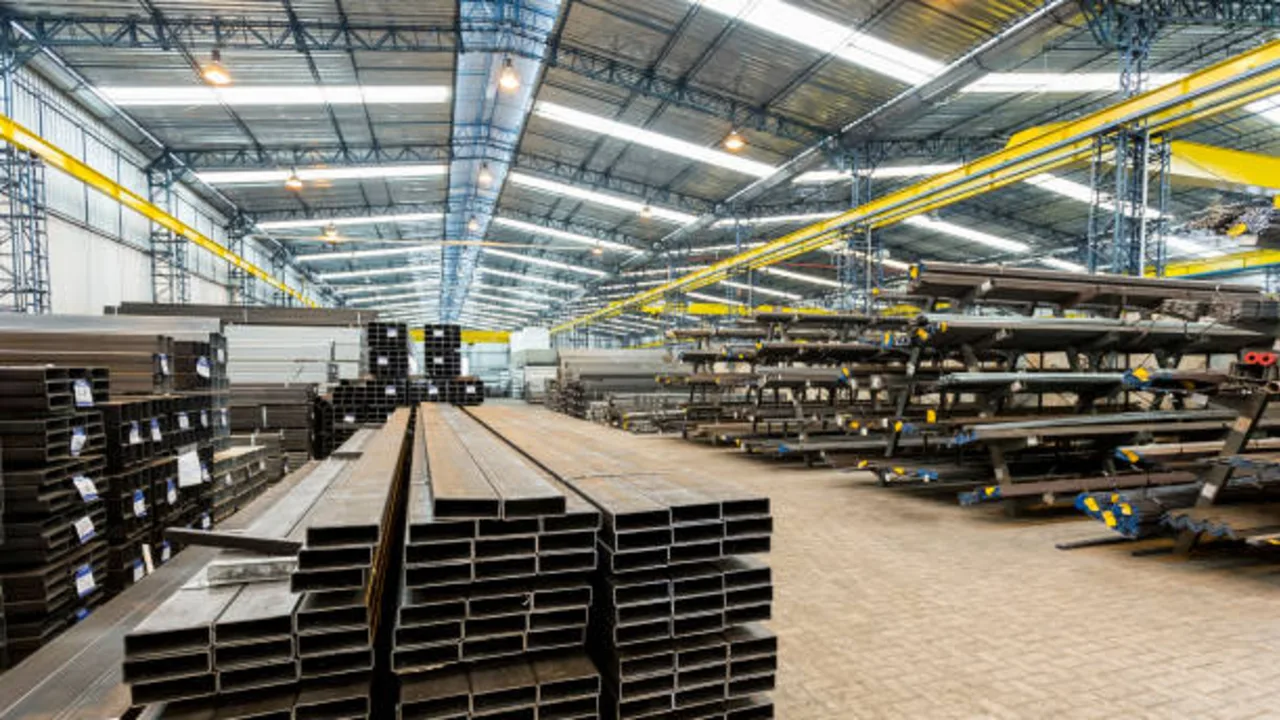
Production Efficiency Metrics
Production efficiency is one of the most important areas measured in steel manufacturing KPI tracking. These metrics provide insight into how effectively resources are being utilized during fabrication.
Common efficiency KPIs include output rate, cycle time, and equipment utilization. Output rate measures the volume of steel components produced within a given timeframe, while cycle time evaluates how long it takes to complete specific fabrication tasks.
Machine utilization rates are also critical, as idle equipment represents lost productivity. By tracking these indicators, manufacturers can optimize scheduling, reduce downtime, and improve overall throughput.
Quality Control Metrics
Quality performance is another essential dimension of steel manufacturing KPI tracking. In steel fabrication, even minor defects can lead to structural issues, rework, or project delays.
Key quality KPIs include defect rate, rework ratio, and inspection pass rate. The defect rate measures the percentage of components that fail to meet specifications, while the rework ratio indicates how much production must be corrected.
Inspection pass rate reflects the effectiveness of quality control processes, particularly during third-party inspections or internal QA/QC checks. Maintaining high performance in these areas ensures compliance with project standards and reduces the risk of costly corrections.
Cost Performance Metrics
Cost control plays a major role in maintaining competitiveness in steel manufacturing. KPI tracking helps manufacturers monitor and optimize production costs without compromising quality.
Typical cost-related KPIs include cost per ton, material utilization, and labor efficiency. Cost per ton provides a direct measure of production efficiency, while material utilization tracks how effectively raw materials are used.
Material waste is a key concern in steel production, as excessive waste increases costs and reduces profitability. By analyzing waste patterns, manufacturers can adjust cutting strategies and improve material planning.
Labor efficiency is another critical factor, measuring output relative to workforce input. Efficient labor allocation ensures that production targets are met without unnecessary overhead.
Delivery and Logistics Metrics
In export-oriented projects, delivery performance is just as important as production efficiency. Steel manufacturing KPI tracking includes metrics that evaluate how well manufacturers meet project timelines and logistics requirements.
On-time delivery rate is one of the most important KPIs, measuring the percentage of shipments delivered according to schedule. Lead time, which tracks the duration from order confirmation to delivery, provides insight into production and logistics efficiency.
Shipment accuracy is another key metric, ensuring that the correct components are delivered in the right quantities and specifications. Errors in this area can lead to installation delays and additional costs on-site.
KPI Tracking Across the Steel Manufacturing Workflow
Engineering and Design Phase
KPI tracking begins at the earliest stages of a project, during engineering and design. Metrics in this phase focus on design accuracy, revision frequency, and coordination efficiency.
Frequent design revisions can indicate misalignment between project requirements and engineering output. By tracking revision rates, manufacturers can identify inefficiencies and improve design processes.
Effective coordination between engineering teams and clients ensures that design data is accurate and ready for production, reducing delays later in the workflow.
Fabrication Stage
The fabrication stage generates the majority of KPI data in steel manufacturing. Metrics such as welding efficiency, throughput, and machine downtime provide detailed insights into production performance.
Welding efficiency is particularly important, as welding is a core process in steel fabrication. Tracking parameters such as weld completion rates and rejection rates helps maintain consistent quality.
Throughput measures the overall output of the production line, while downtime tracking identifies interruptions caused by equipment failures, maintenance, or scheduling issues.
For manufacturers aiming to improve performance, integrating KPI tracking into fabrication operations is essential. Companies that operate as a steel structure workshop manufacturer often rely on detailed KPI systems to maintain consistency across large-scale projects.
Inspection and Quality Assurance Stage
After fabrication, KPI tracking continues through inspection and quality assurance processes. At this stage, performance metrics focus on compliance rates, inspection turnaround time, and non-conformance reports.
Inspection efficiency is a key component of steel manufacturing KPI tracking, as delays in approvals can disrupt delivery schedules. Metrics such as inspection pass rate and response time for corrective actions help ensure that quality processes remain aligned with project timelines.
Tracking non-conformance trends also allows manufacturers to identify recurring issues and implement long-term improvements. By linking inspection results back to fabrication data, teams can address root causes rather than just symptoms.
Packaging and Delivery Stage
The final stage of KPI tracking focuses on packaging accuracy, shipment readiness, and logistics coordination. Errors at this stage can negate the efficiency achieved during earlier phases.
Packaging KPIs include packing accuracy, labeling correctness, and loading efficiency. These metrics ensure that steel components are prepared correctly for transport, reducing the risk of damage or misidentification.
Delivery KPIs such as on-time shipment rate and logistics coordination performance are critical in export projects. Effective tracking ensures that products arrive at the destination according to schedule, supporting smooth installation processes.
Tools and Systems for KPI Tracking
Modern steel manufacturing KPI tracking relies heavily on digital tools and integrated systems. Traditional manual reporting methods are no longer sufficient for managing complex manufacturing operations.
Enterprise Resource Planning (ERP) systems are widely used to centralize data across departments, while Manufacturing Execution Systems (MES) provide real-time insights into shop floor activities. These systems allow manufacturers to monitor performance continuously rather than relying on periodic reports.
Data dashboards further enhance visibility by presenting KPIs in a clear and actionable format. Managers can quickly identify deviations from targets and take corrective action before issues escalate.
The transition from manual to digital KPI tracking improves accuracy, reduces reporting delays, and enhances decision-making across the organization.
Challenges in Steel Manufacturing KPI Tracking
Despite its benefits, implementing effective KPI tracking systems in steel manufacturing is not without challenges. One of the most common issues is data inconsistency, particularly when information is collected from multiple departments without standardized formats.
Lack of standardization can lead to confusion and misinterpretation of performance metrics. Without clearly defined KPIs, different teams may measure performance using different criteria, reducing the effectiveness of tracking systems.
Cross-department coordination is another major challenge. Engineering, production, quality control, and logistics teams must work together to ensure that KPI data is accurate and aligned. Poor communication between departments can result in incomplete or delayed reporting.
Human error also remains a concern, especially in environments where data entry is performed manually. Inaccurate data can lead to incorrect conclusions and ineffective decision-making.
How Professional Manufacturers Optimize KPI Tracking
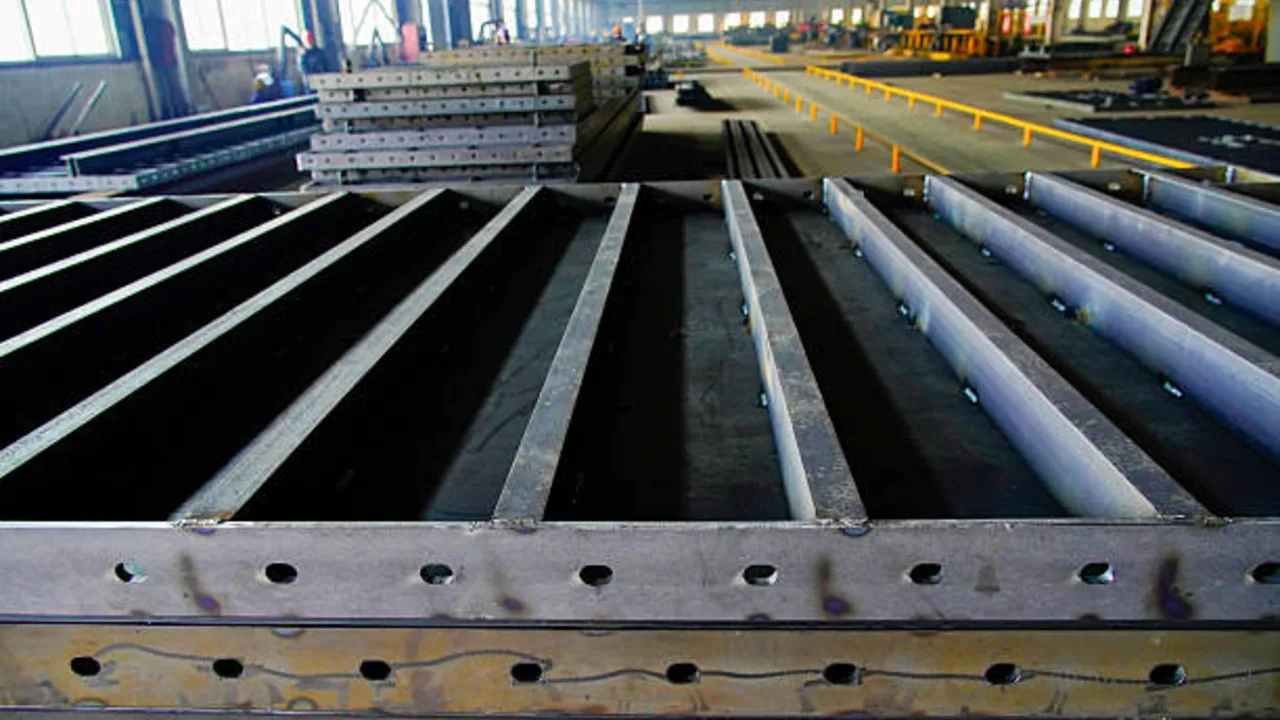
Standardized KPI Frameworks
Leading manufacturers develop standardized KPI frameworks that define clear performance indicators across all departments. These frameworks ensure consistency in measurement and provide a common reference point for evaluating performance.
Standardization also makes it easier to compare performance across different projects and production lines, supporting continuous improvement efforts.
Integrated Data Systems
Integration of data systems is essential for effective KPI tracking. By connecting engineering, production, and logistics data, manufacturers can gain a holistic view of operations.
Integrated systems reduce data silos and improve information flow, allowing teams to respond quickly to changes in production conditions.
Cross-Functional Alignment
Successful KPI tracking requires alignment across all departments involved in the manufacturing process. Each team must understand how their performance impacts overall project outcomes.
Regular coordination meetings and shared performance dashboards help maintain alignment and ensure that all stakeholders are working toward common goals.
Continuous Improvement Loops
KPI tracking is not a one-time activity but an ongoing process. Manufacturers must regularly review performance data, identify improvement opportunities, and implement corrective actions.
Continuous improvement loops allow organizations to refine processes over time, increasing efficiency and reducing operational risks.
Real Project Insight: KPI Tracking in Large Steel Projects
In large-scale steel manufacturing projects, KPI tracking plays a crucial role in maintaining control over complex workflows. From initial design coordination to final delivery, each stage generates performance data that must be monitored and analyzed.
For example, in export-oriented projects, delays in fabrication or inspection can have a cascading effect on shipping schedules. By tracking KPIs such as production throughput and inspection turnaround time, manufacturers can identify bottlenecks and adjust operations accordingly.
In practice, successful KPI tracking systems enable manufacturers to maintain consistent quality while meeting tight deadlines. This is particularly important in projects involving international logistics, where timing and coordination are critical.
Best Practices for Steel Manufacturing KPI Tracking
Define Clear and Measurable KPIs
Manufacturers should establish KPIs that are specific, measurable, and directly linked to operational goals. Clearly defined metrics provide a strong foundation for performance evaluation.
Use Real-Time Tracking Tools
Real-time monitoring allows manufacturers to detect issues as they occur, enabling faster response and minimizing disruptions.
Align KPIs with Business Objectives
KPI tracking should support broader business goals such as cost reduction, quality improvement, and delivery reliability.
Conduct Regular Performance Reviews
Regular analysis of KPI data helps identify trends and improvement opportunities, ensuring continuous optimization of manufacturing processes.
Train Teams for KPI Awareness
Employees at all levels should understand the importance of KPI tracking and how their roles contribute to overall performance.
Conclusion: KPI Tracking as a Competitive Advantage
In today’s competitive market, steel manufacturing KPI tracking is more than a performance measurement tool—it is a strategic advantage. Manufacturers that effectively track and manage KPIs can achieve higher efficiency, better quality, and more reliable delivery.
By implementing structured KPI systems, integrating data across departments, and continuously improving processes, steel manufacturers can strengthen their position in both domestic and international markets.
Ultimately, strong KPI tracking capabilities enable manufacturers to deliver consistent results, reduce risks, and support long-term growth.