Modern prefab steel construction depends not only on engineering quality and fabrication precision, but also on logistics efficiency. As global projects become increasingly dependent on international supply chains, shipping performance has become a major factor influencing overall project profitability. One of the most important logistical considerations is prefab steel packing density.
Efficient packing directly affects container utilization, transportation cost, cargo safety, customs handling, and installation coordination. Poor packing density can lead to wasted container space, higher freight expenses, unstable cargo conditions, and inefficient unloading operations. In contrast, optimized shipment planning improves overall operational efficiency from factory to construction site.
For manufacturers exporting steel structures globally, logistics optimization is no longer optional. The ability to maximize prefab steel packing density has become a strategic advantage in competitive international construction markets.
As prefab construction continues expanding across industrial warehouses, factories, infrastructure facilities, modular buildings, and commercial developments, manufacturers must integrate engineering and logistics planning together. Shipment efficiency now plays a direct role in project execution quality and customer satisfaction.
Understanding Prefab Steel Packing Density
Prefab steel packing density refers to how efficiently fabricated steel components are arranged within shipping containers, flat racks, trailers, or cargo transport systems.
The objective is not simply to load as much material as possible. Instead, the goal is to maximize usable transport capacity while maintaining cargo safety, structural protection, loading efficiency, and regulatory compliance.
In prefab steel exports, packing density affects:
- Freight cost per ton
- Container utilization efficiency
- Loading and unloading speed
- Cargo stability during transport
- International logistics coordination
- Project delivery timelines
A poorly optimized shipment may require additional containers even when sufficient space technically exists. Conversely, overly aggressive loading can create cargo instability, structural damage, or customs handling problems.
Therefore, achieving effective prefab steel packing density requires balancing engineering practicality, transportation regulations, and operational safety.
How Packing Density Affects Prefab Steel Transportation
Container Space Utilization
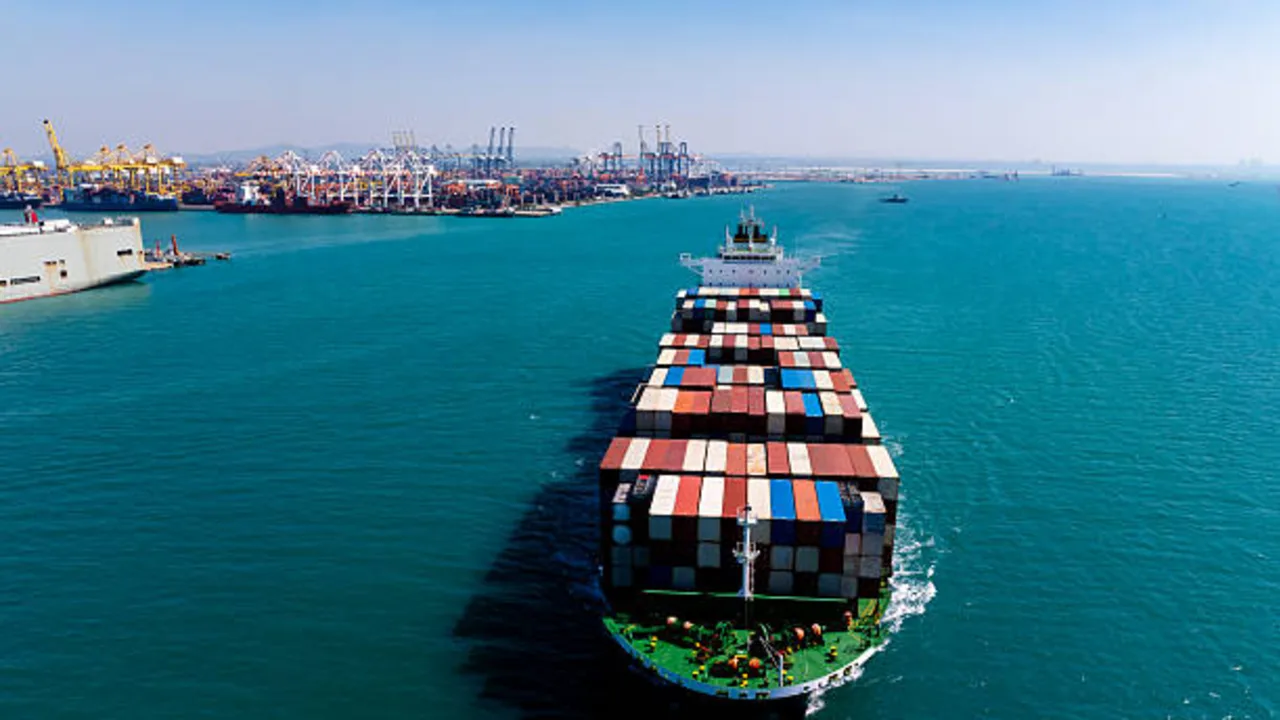
Container utilization is one of the most direct impacts of packing density optimization. Shipping containers possess fixed dimensions and weight limitations, meaning every unused area represents lost transportation efficiency.
Efficient loading strategies aim to minimize:
- Empty vertical spaces
- Unused side clearances
- Irregular component gaps
- Inefficient stacking arrangements
Optimizing prefab steel packing density allows manufacturers to transport more structural components using fewer containers.
This becomes especially important for international projects where ocean freight costs represent a major percentage of total logistics expenditure.
Shipping Cost Efficiency
Freight pricing is heavily influenced by both weight and volume utilization. Containers with poor packing efficiency often ship partially empty while still incurring full transportation costs.
As freight rates fluctuate globally, inefficient container loading can significantly increase project expenses.
Optimized prefab steel packing density helps reduce:
- Cost per shipped ton
- Number of required containers
- Port handling expenses
- Cargo repositioning operations
- Transportation waste
For large industrial projects involving hundreds or thousands of steel members, even small improvements in packing efficiency can create substantial cost savings.
Port and Handling Efficiency
Packing density also affects operational handling throughout the shipping process. Efficiently organized cargo is generally easier to load, secure, unload, inspect, and distribute at the destination.
Poorly arranged cargo may require:
- Additional crane operations
- Manual repositioning
- Extended unloading durations
- Higher handling risks
In contrast, properly planned prefab steel packing density improves cargo accessibility and reduces operational complexity during logistics operations.
This becomes increasingly valuable in busy ports where handling efficiency directly affects scheduling reliability.
International Shipping Constraints
Global steel exports must comply with various transportation regulations across different countries and regions. Container weight limits, cargo securing standards, and customs inspection requirements can all influence loading strategies.
Optimizing prefab steel packing density therefore requires consideration of:
- Container weight distribution
- Axle load restrictions
- Port equipment limitations
- Cargo inspection accessibility
- International freight regulations
Ignoring these factors may result in shipment delays, customs complications, or transportation non-compliance.
For this reason, logistics planning should be integrated into prefab steel engineering workflows from the earliest project stages.
Engineering Factors Behind Packing Density Optimization
Component Geometry Planning
The physical geometry of steel components plays a major role in shipment efficiency. Structural members with irregular dimensions often create unusable dead space inside containers.
Manufacturers improve prefab steel packing density by optimizing:
- Beam nesting configurations
- Pipe stacking arrangements
- Hollow section utilization
- Modular grouping layouts
- Orientation sequencing
Proper geometry planning allows components to interlock more efficiently, improving both space utilization and cargo stability.
Structural Member Standardization
Standardized component dimensions simplify logistics planning and improve container loading efficiency.
When structural members share similar sizes and repetitive configurations, loading sequences become easier to organize and dead space is reduced.
Within large projects, standardized packaging systems improve:
- Loading consistency
- Container balancing
- Cargo securing efficiency
- Unloading coordination
As a result, standardized engineering strategies can directly improve prefab steel packing density.
Packaging and Protection Design
Packing density optimization cannot compromise cargo protection. Steel components remain vulnerable to:
- Surface damage
- Corrosion exposure
- Impact deformation
- Coating scratches
- Transport vibration
Therefore, packaging systems must balance compact loading with proper protection methods.
Protective materials, separators, support frames, and anti-corrosion coverings are frequently integrated into prefab steel shipments.
Effective prefab steel packing density improves efficiency while still maintaining cargo integrity throughout international transportation.
Digital Packing Simulation
Modern manufacturers increasingly rely on digital simulation tools to optimize shipment planning before loading begins.
Simulation systems help analyze:
- Container utilization rates
- Weight distribution balance
- Cargo stability conditions
- Loading sequence efficiency
- Transport feasibility
Many advanced projects now integrate BIM and logistics coordination systems together to improve shipment planning accuracy.
To better understand how digital coordination improves construction logistics, this overview of Building Information Modeling (BIM) provides additional industry insight.
Container Utilization Strategies in Prefab Steel Export
Optimizing 20FT vs 40FT Containers
Different container sizes create different packing opportunities and constraints. Selecting the correct container type is essential for maximizing shipping efficiency.
20FT containers typically provide higher weight efficiency for dense steel cargo, while 40FT containers offer greater volume capacity for lighter modular systems.
The ideal choice depends on:
- Structural member dimensions
- Total shipment weight
- Cargo density characteristics
- Destination logistics infrastructure
Effective prefab steel packing density requires balancing both weight and spatial efficiency rather than focusing on only one variable.
Balancing Weight and Volume
One of the biggest logistical challenges in steel shipment planning is balancing weight limitations against available volume.
Steel structures often reach container weight limits before available volume is fully utilized. However, irregular geometry may also leave unused spaces despite maximum weight utilization.
Manufacturers optimize prefab steel packing density by carefully coordinating:
- Component stacking order
- Weight distribution zones
- Container floor loading
- Cargo orientation angles
This coordination helps maximize shipping efficiency while maintaining transportation safety.
Reducing Empty Loading Zones
Unused loading zones significantly reduce shipping efficiency. Even relatively small empty spaces can accumulate into major transportation waste across large-scale prefab steel exports.
Dead zones commonly occur because of:
- Irregular member geometry
- Poor loading sequence planning
- Inconsistent bundle dimensions
- Inefficient cargo orientation
Manufacturers improve prefab steel packing density by strategically combining structural components of varying dimensions to reduce unused space.
This often includes integrating smaller connection plates, bracing systems, fastener boxes, or accessory components into gaps between primary structural members.
As a result, overall container utilization improves without increasing transportation risk.
Mixed Cargo Coordination
Many prefab steel shipments involve multiple categories of components within the same container. Columns, beams, purlins, braces, connection plates, bolts, and accessories may all require coordinated loading.
Without proper organization, mixed cargo arrangements can create:
- Cargo instability
- Unloading confusion
- Installation sequencing delays
- Higher handling risks
Optimized prefab steel packing density therefore depends not only on maximizing space usage, but also on preserving logical unloading and installation workflows.
Advanced logistics planning often organizes containers according to:
- Building zones
- Installation sequences
- Structural categories
- Site unloading priorities
This integration between logistics and construction planning improves overall project efficiency.
Flat Rack and Open Top Container Planning
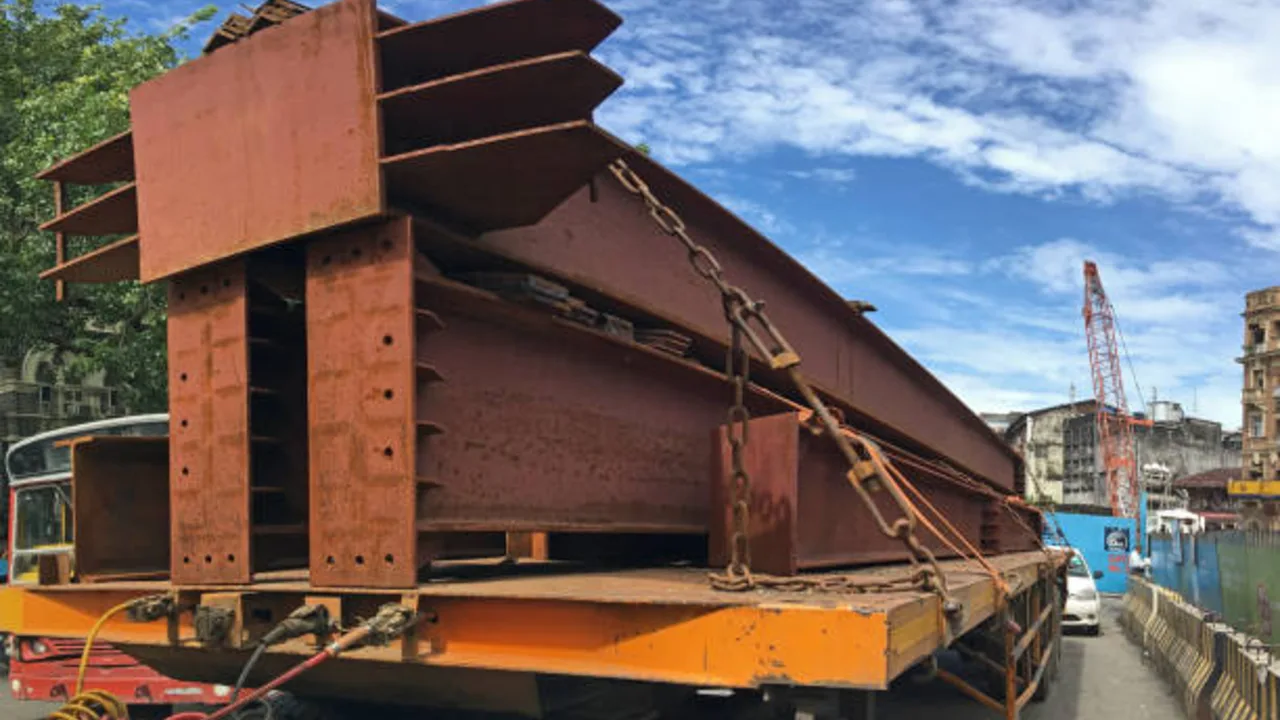
Not all prefab steel components can fit within standard enclosed containers. Oversized structural members frequently require flat rack or open top shipping systems.
These specialized container types introduce additional planning considerations:
- External dimension regulations
- Cargo securing systems
- Weather exposure protection
- Port crane compatibility
- Shipping route restrictions
Even when using specialized transport systems, manufacturers still aim to maximize prefab steel packing density while maintaining cargo safety and transport compliance.
Common Problems Caused by Poor Packing Density
Increased Shipping Costs
One of the most immediate consequences of poor packing density is increased transportation cost.
Containers that are partially empty still generate:
- Ocean freight charges
- Port handling fees
- Customs processing costs
- Container repositioning expenses
Across large export projects, inefficient loading can create substantial avoidable expenses.
Improving prefab steel packing density directly improves transportation cost efficiency.
Container Waste
Unused container capacity represents wasted logistical resources. Poor loading layouts may force projects to use additional containers unnecessarily.
This creates:
- Higher transportation demand
- More handling operations
- Additional unloading requirements
- Increased scheduling complexity
Container waste also affects environmental sustainability by increasing fuel consumption and transportation emissions.
Cargo Instability During Transit
Improperly balanced cargo can shift during ocean transport or inland delivery.
Cargo instability increases the risk of:
- Structural deformation
- Surface damage
- Container safety incidents
- Transport inspection problems
For this reason, effective prefab steel packing density must include proper weight distribution and cargo securing engineering.
Damage Risks from Improper Stacking
Aggressive packing without adequate structural protection can damage fabricated components during transportation.
Potential problems include:
- Coating scratches
- Edge deformation
- Connector damage
- Corrosion exposure
- Impact distortion
Proper shipment engineering balances compact loading with structural protection requirements.
Customs and Inspection Delays
Disorganized cargo arrangements can complicate customs inspections and delay shipment clearance.
Poorly coordinated loading may require:
- Additional cargo repositioning
- Manual unloading for inspection access
- Extended port storage durations
- Additional documentation verification
Efficient prefab steel packing density improves not only transportation efficiency, but also international shipment processing reliability.
Real Project Scenario: Optimized vs Non-Optimized Shipment
Consider two prefab steel export projects with similar structural quantities and delivery schedules.
In the first project, shipment planning was handled only after fabrication was completed. Structural members were loaded based primarily on available space rather than coordinated logistics engineering.
As loading progressed, inconsistent bundle sizes created significant dead space within containers. Several oversized members required separate flat rack shipments because transportation constraints had not been considered during engineering stages.
The project ultimately required additional containers, increased port handling operations, and multiple shipment phases. Installation sequencing also became inefficient because site unloading did not match erection priorities.
In the second project, logistics planning was integrated into engineering and fabrication workflows from the beginning. Structural members were grouped according to shipment zones, installation sequences, and optimized container configurations.
The engineering team coordinated:
- Component dimensions
- Bundle standardization
- Container balancing
- Loading accessibility
- Weight distribution
As a result, the project achieved significantly improved prefab steel packing density, reduced freight costs, fewer containers, faster unloading, and more efficient installation coordination.
This comparison demonstrates how shipment engineering directly influences overall prefab construction performance.
Role of Experienced Manufacturers in Packing Optimization
Experienced prefab steel manufacturers understand that logistics efficiency begins long before shipment starts.
Packing optimization requires coordination between:
- Structural engineering
- Fabrication planning
- Container loading strategy
- Transportation regulations
- Site installation sequencing
Manufacturers with global export experience can integrate these variables into unified project workflows.
This integrated approach improves:
- Freight efficiency
- Project scheduling
- Cargo protection
- Transportation reliability
- Installation coordination
Companies seeking reliable export logistics often benefit from working with a professional china prefabricated steel structure building manufacturer capable of coordinating both engineering and shipment planning together.
Best Practices for Prefab Steel Packing Density
| Best Practice | Application | Project Benefit |
|---|---|---|
| Integrate logistics early in engineering | Coordinate shipment planning before fabrication begins | Reduces redesign and shipment inefficiencies |
| Use digital packing simulations | Analyze container utilization before loading | Improves freight efficiency and cargo stability |
| Standardize bundle dimensions | Create repetitive loading configurations | Improves loading speed and reduces dead space |
| Balance weight distribution carefully | Prevent uneven container loading conditions | Enhances transportation safety and compliance |
| Coordinate shipment with installation sequencing | Align unloading order with erection priorities | Improves site efficiency and reduces handling |
Each of these strategies directly supports more efficient prefab steel packing density while improving overall logistics coordination.
Projects that ignore these principles frequently encounter avoidable transportation delays, excessive freight expenses, and operational inefficiencies.
By contrast, integrated shipment engineering creates smoother workflows across the entire prefab steel supply chain.
Future Trends in Prefab Steel Shipment Optimization
The future of prefab steel logistics will increasingly depend on digital integration, automation, and intelligent transportation systems.
As global supply chains become more complex, manufacturers are investing heavily in technologies that improve shipment predictability and transportation efficiency.
Future innovations affecting prefab steel packing density include:
- AI-driven container optimization
- Automated packing simulations
- Smart cargo tracking systems
- Digital logistics coordination platforms
- Real-time shipment monitoring
- Integrated BIM logistics workflows
These technologies will help manufacturers reduce waste, improve shipping reliability, and optimize global prefab steel distribution.
As international construction projects continue expanding, shipment efficiency will become increasingly important for maintaining competitive project delivery.
Environmental Benefits of Packing Density Optimization
Logistics optimization also contributes directly to sustainability goals within the construction industry.
Improved prefab steel packing density reduces:
- Container usage
- Fuel consumption
- Transportation emissions
- Port handling operations
- Cargo repositioning activities
Fewer shipments and better transportation utilization help lower the environmental impact of global steel construction supply chains.
This aligns with growing industry demand for more sustainable construction practices and more efficient material transportation systems.
For additional information about sustainable logistics and transportation efficiency, this resource from the World Shipping Council provides valuable global shipping insights.
Conclusion
Modern prefab steel construction depends on far more than fabrication quality alone. Transportation efficiency now plays a major role in project profitability, scheduling reliability, and operational coordination.
Effective prefab steel packing density requires balancing engineering practicality, container utilization, cargo protection, transportation regulations, and installation sequencing within a unified logistics strategy.
Projects that integrate shipment planning early achieve:
- Lower freight costs
- Improved container utilization
- Reduced transportation risks
- Faster unloading operations
- Better installation coordination
As prefab construction continues expanding globally, manufacturers that optimize shipment engineering alongside fabrication will be better positioned to improve delivery performance and maintain competitive advantages.
For developers and contractors managing international modular projects, partnering with an experienced china prefabricated steel structure building supplier can significantly improve both logistics efficiency and project execution quality.