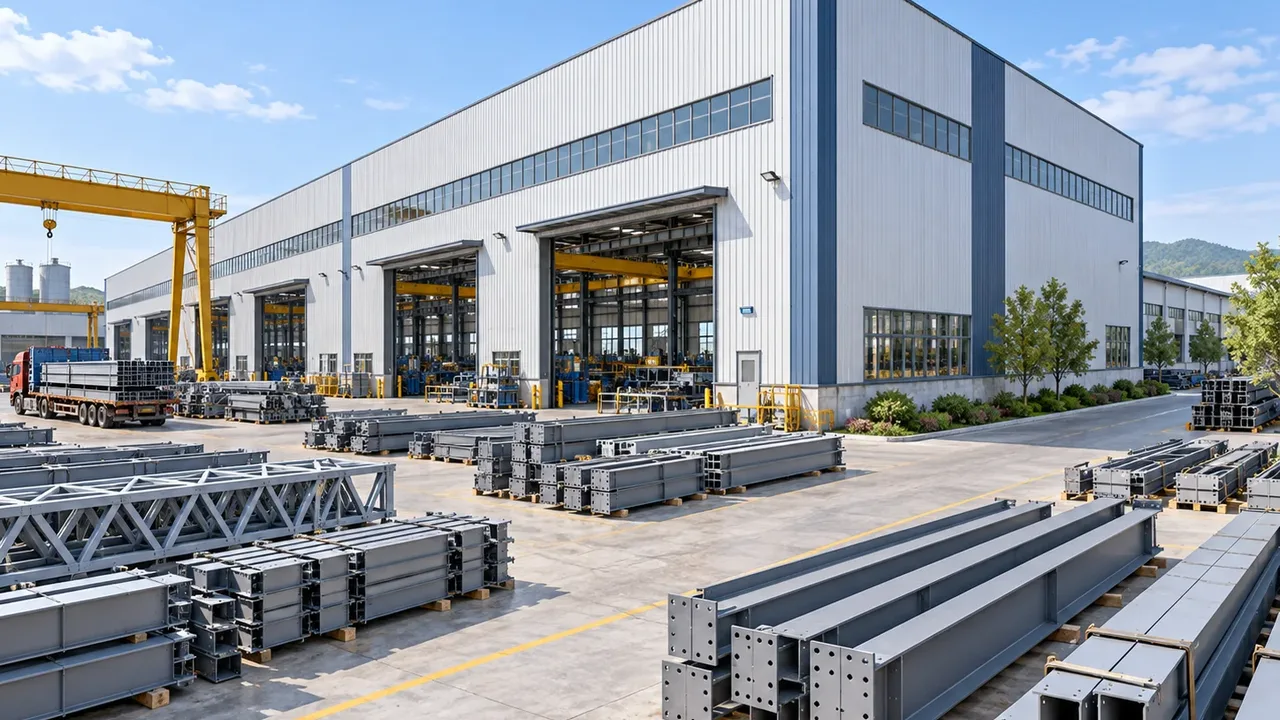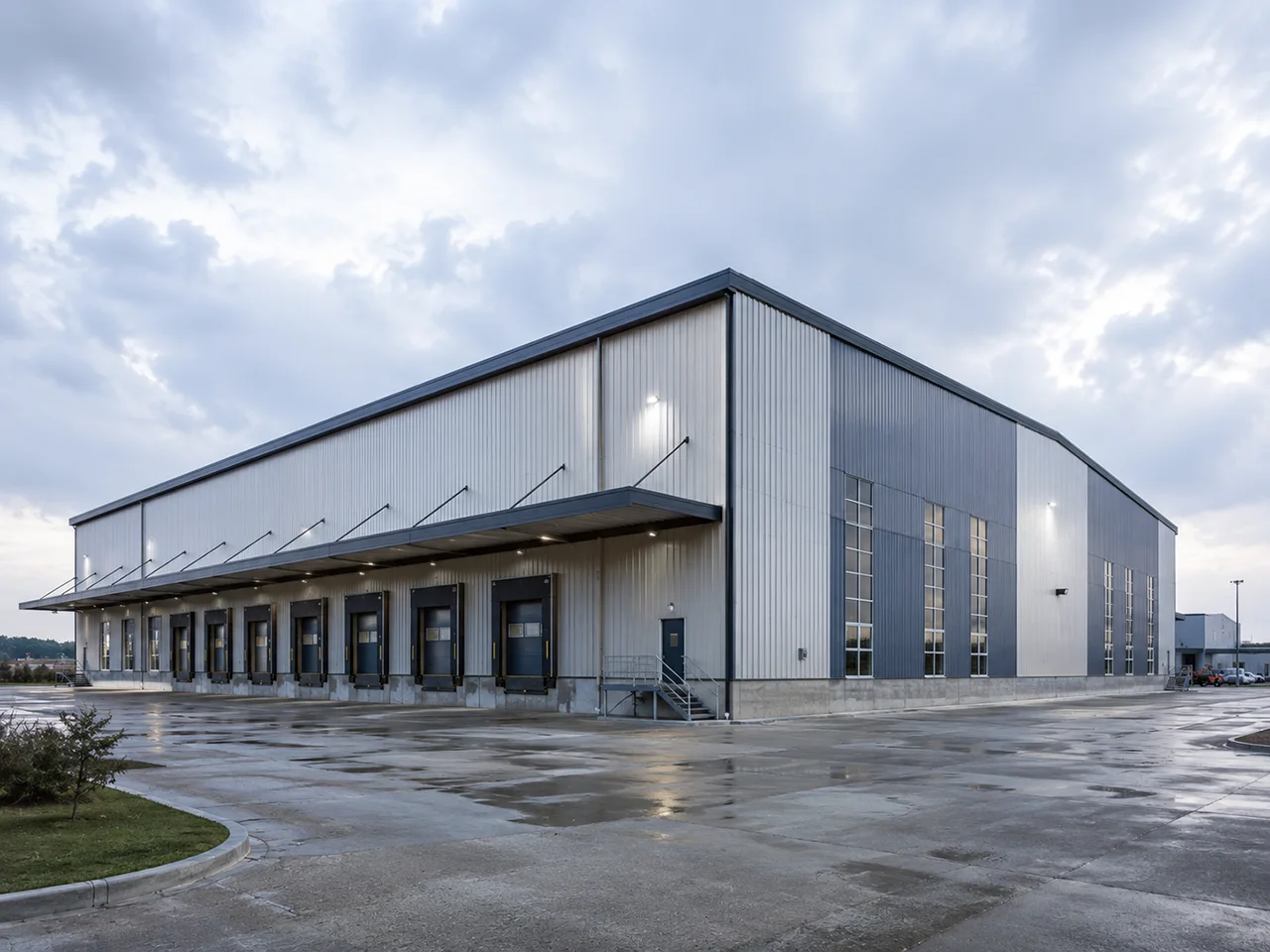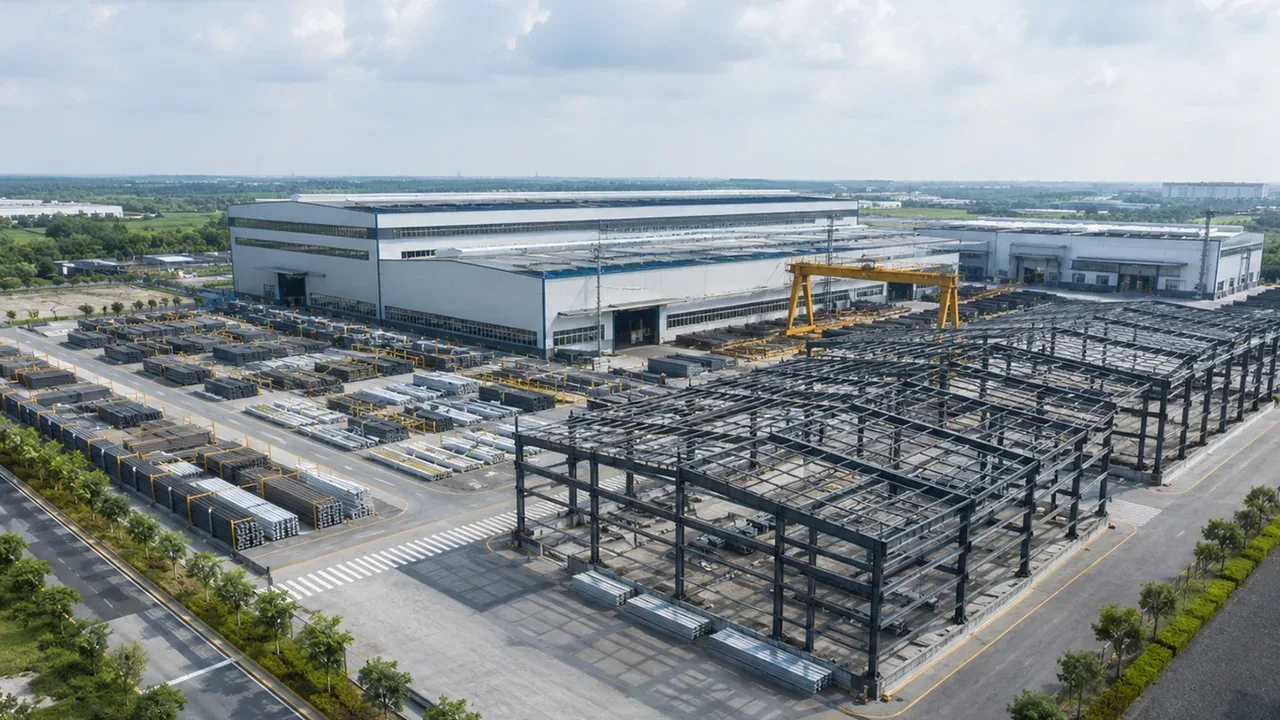
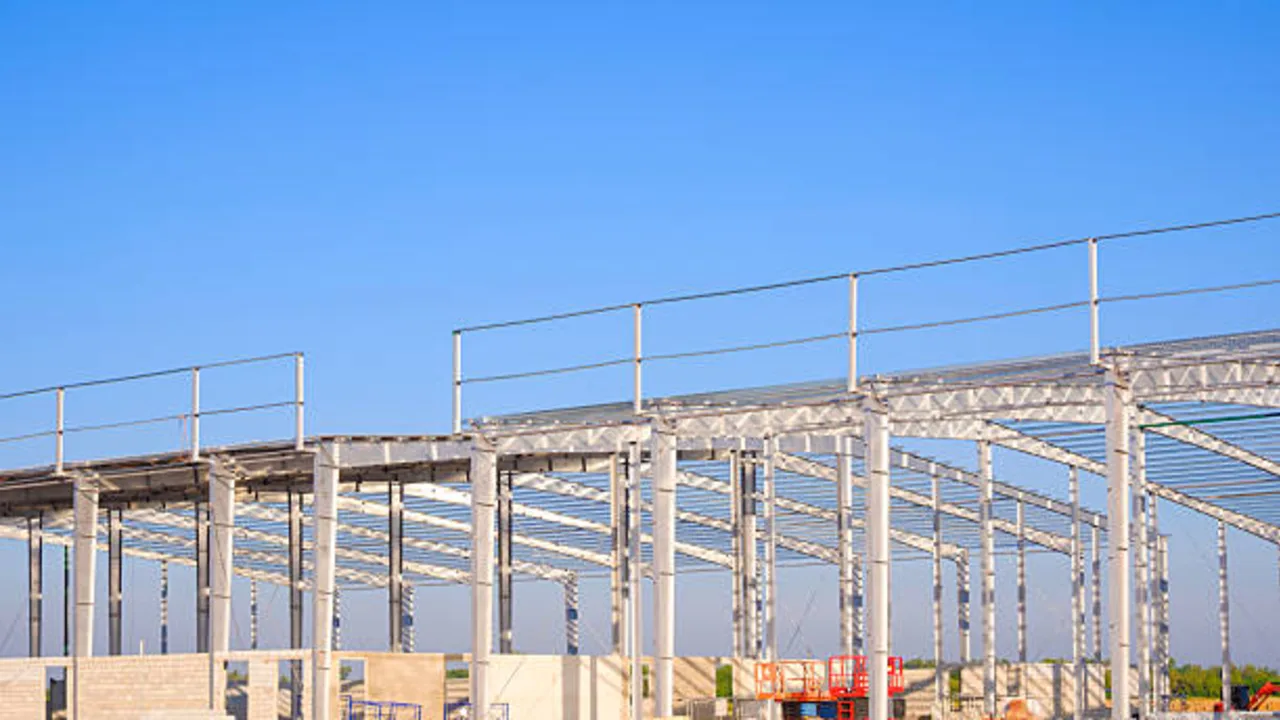
Modern prefabricated construction depends heavily on coordination, sequencing, and manufacturing precision. Unlike traditional construction methods where modifications can often be handled progressively on-site, prefab systems require extensive engineering decisions before fabrication begins. As a result, prefab design freeze timing has become one of the most important management factors affecting project success.
In prefabricated steel construction, fabrication activities frequently start long before site installation begins. Structural members, modular assemblies, MEP interfaces, and transportation logistics all rely on finalized design information. Once production starts, even small revisions can create significant downstream disruptions.
A poorly managed design freeze process may trigger:
- Manufacturing delays
- Shop drawing revisions
- Material waste
- Transportation conflicts
- Installation disruptions
- Budget overruns
On the other hand, well-managed prefab design freeze timing improves manufacturing predictability, enhances coordination efficiency, and reduces project uncertainty across all stages of delivery.
As industrialized construction continues expanding globally, contractors, engineers, and manufacturers are placing greater emphasis on design freeze strategies to maintain schedule reliability and production stability.
Understanding how design freeze timing influences prefab project outcomes is essential for improving coordination, reducing risk, and optimizing prefabricated steel structure delivery.
Understanding Design Freeze in Prefabricated Construction
What Design Freeze Means in Prefab Projects
Design freeze refers to the formal point at which project design information becomes sufficiently finalized for manufacturing and procurement activities to proceed without major changes.
In conventional construction, many decisions can continue evolving during site work. However, prefabricated systems require substantially earlier coordination because fabrication occurs off-site and depends on precise dimensional integration.
A design freeze package may include:
- Structural engineering drawings
- Connection details
- MEP coordination layouts
- Architectural interfaces
- Material specifications
- Transportation constraints
Once fabrication begins, changes become progressively more expensive and disruptive.
This is why prefab design freeze timing directly affects manufacturing efficiency and project execution stability.
Why Prefabricated Systems Require Earlier Decisions
Prefab construction compresses multiple project phases into parallel workflows. Engineering, procurement, fabrication, transportation, and installation often overlap.
Because of this overlap:
- Manufacturing decisions occur earlier
- Material procurement must be accelerated
- Shop drawings require early approval
- Logistics planning starts sooner
- Coordination conflicts become more critical
In many industrial prefab projects, steel fabrication may begin months before on-site erection activities.
As a result, delayed design decisions can create cascading impacts throughout the entire delivery chain.
Managing prefab design freeze timing effectively helps stabilize these overlapping workflows.
Difference Between Traditional and Prefab Construction Flexibility
Traditional construction often allows greater field flexibility because many systems are assembled directly on-site.
Prefab construction operates differently. Factory production depends on precise dimensional control and predefined assembly sequencing.
Late modifications may affect:
- CNC production files
- Welding procedures
- Module dimensions
- Transportation permits
- Crane lifting plans
- Installation tolerances
Consequently, prefab projects generally require stronger design discipline and tighter approval control than conventional construction methods.
This makes prefab design freeze timing a central coordination mechanism in industrialized construction.
Why Prefab Design Freeze Timing Matters
Influence on Manufacturing Schedules
Manufacturing schedules depend heavily on stable design information.
Fabrication facilities typically organize production according to:
- Material availability
- Machine scheduling
- Welding sequences
- Painting operations
- Assembly workflows
- Shipping deadlines
When design revisions occur after fabrication planning begins, production sequencing often needs to be reorganized.
This may create:
- Factory downtime
- Rescheduled machine operations
- Interrupted production flow
- Increased labor inefficiency
Proper prefab design freeze timing helps maintain stable production planning and manufacturing continuity.
Impact on Procurement and Material Ordering
Procurement activities are closely linked to design freeze milestones.
Many steel projects involve long-lead materials such as:
- Special steel grades
- Custom connection hardware
- Architectural facade systems
- Mechanical equipment
- Special coatings
If design changes occur after procurement orders are released, projects may face:
- Material waste
- Supplier delays
- Storage complications
- Procurement cost increases
Well-managed prefab design freeze timing improves procurement predictability while reducing supply chain disruptions.
Coordination Between Engineering and Fabrication
Prefab manufacturing depends on close integration between engineering teams and fabrication facilities.
Engineering outputs directly drive:
- CNC cutting data
- Drilling coordinates
- Connection geometry
- Assembly dimensions
- Welding specifications
Frequent revisions after fabrication release may create inconsistencies between:
- Engineering models
- Shop drawings
- Manufacturing files
- Field installation requirements
This coordination instability increases project risk significantly.
Effective prefab design freeze timing helps synchronize engineering and manufacturing workflows more reliably.
Relationship With Installation Sequencing
Installation sequencing depends on stable fabrication outputs.
Crane planning, delivery scheduling, temporary storage, and erection sequencing all rely on finalized module geometry and connection details.
Late revisions can affect:
- Lift weights
- Module dimensions
- Transportation routes
- Connection accessibility
- Temporary stability planning
These disruptions may delay field installation and create coordination bottlenecks.
As a result, prefab design freeze timing directly influences overall project execution efficiency.
Common Problems Caused by Late Design Freeze
Fabrication Delays
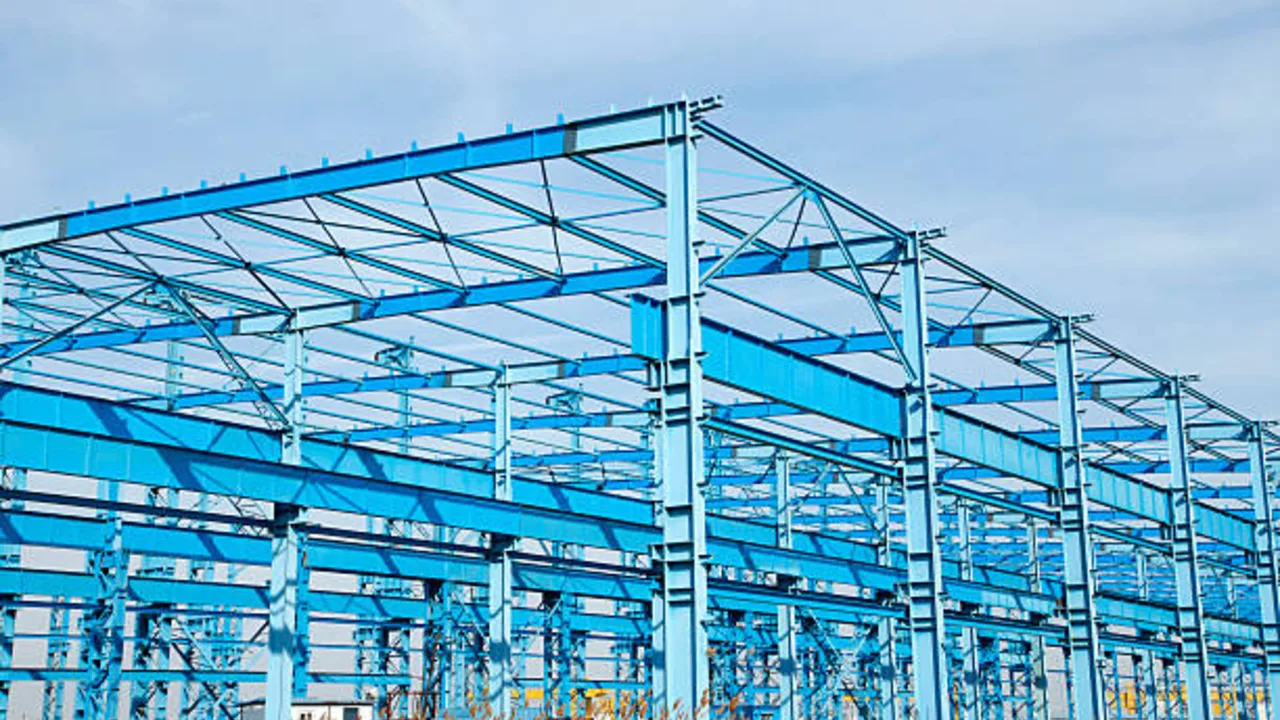
One of the most immediate consequences of late design freeze is fabrication delay.
Factories often operate according to tightly coordinated production schedules. When revised drawings arrive after production has started, fabrication lines may require:
- Production stoppages
- Reprogramming CNC systems
- Reordering materials
- Reissuing shop drawings
These disruptions reduce manufacturing efficiency and can impact multiple projects simultaneously.
In large industrial fabrication facilities, even small revisions can trigger widespread scheduling conflicts.
This is why stable prefab design freeze timing is essential for maintaining factory productivity.
Rework in Modular Steel Components
Late revisions frequently result in expensive rework.
Partially fabricated modules may require:
- Cutting modifications
- Additional welding
- Connection plate replacement
- Dimensional adjustments
- Protective coating repairs
Rework not only increases direct costs but may also affect:
- Structural tolerances
- Production quality
- Inspection schedules
- Delivery sequencing
Reducing rework is one of the major operational benefits of properly managed prefab design freeze timing.
Coordination Conflicts Between Disciplines
Prefab projects require close coordination between multiple disciplines, including:
- Structural engineering
- Architectural design
- Mechanical systems
- Electrical systems
- Fire protection
- Transportation planning
When design freeze occurs too late, unresolved coordination issues often remain active during fabrication.
Typical conflicts may involve:
- MEP penetration clashes
- Connection interference
- Module dimension conflicts
- Equipment clearance problems
- Access limitations
Because prefab systems rely heavily on dimensional precision, unresolved clashes can severely disrupt both manufacturing and installation.
Managing prefab design freeze timing properly helps reduce interdisciplinary coordination risks.
Increased Transportation and Logistics Risks
Transportation planning in prefab projects depends on stable module dimensions and shipment sequencing.
Late revisions may affect:
- Truck loading configurations
- Shipping permits
- Escort requirements
- Port handling arrangements
- Site unloading procedures
Even small dimensional changes can alter transportation classifications for oversized components.
This may lead to:
- Delayed permits
- Rescheduled deliveries
- Storage congestion
- Increased freight costs
Stable prefab design freeze timing improves logistics predictability throughout the supply chain.
Site Installation Disruptions
Installation teams rely on consistent fabrication outputs and coordinated delivery sequencing.
When late revisions affect fabricated components, site crews may encounter:
- Misaligned connections
- Missing components
- Incorrect module sequencing
- Temporary stability complications
- Crane scheduling conflicts
These issues often create schedule compression pressure during erection activities.
As installation delays accumulate, labor productivity frequently declines.
This is why maintaining controlled prefab design freeze timing is critical for efficient field operations.
Early Design Freeze vs Flexible Design Development
Benefits of Early Freeze Strategies
Early design freeze strategies can significantly improve project predictability.
Advantages often include:
- Better production planning
- Earlier procurement release
- Improved dimensional coordination
- Reduced manufacturing uncertainty
- More stable installation sequencing
Early freeze milestones also allow fabrication facilities to optimize:
- Machine scheduling
- Labor allocation
- Material purchasing
- Assembly sequencing
In large-scale prefab projects, these efficiencies can substantially improve delivery reliability.
Proper prefab design freeze timing therefore supports stronger production control.
Risks of Freezing Too Early
Despite its advantages, freezing design information too early also carries risks.
Premature freeze decisions may occur before:
- Coordination is fully resolved
- Client approvals are finalized
- MEP layouts are stabilized
- Site conditions are confirmed
- Procurement interfaces are validated
This may create:
- Higher revision risk later
- Design compromise decisions
- Field modification requirements
- Reduced project flexibility
Balancing design maturity with manufacturing readiness remains one of the most difficult aspects of prefab design freeze timing.
Balancing Flexibility and Manufacturing Certainty
Successful prefab projects typically use staged freeze strategies rather than relying on a single final approval milestone.
Different systems may freeze at different times according to:
- Procurement lead times
- Manufacturing complexity
- Coordination dependencies
- Installation sequencing
For example:
- Primary structural steel may freeze first
- Secondary framing may freeze later
- Architectural systems may retain longer flexibility
- MEP coordination may evolve progressively
This phased approach improves coordination while preserving manageable project flexibility.
Well-structured prefab design freeze timing strategies help reduce both manufacturing disruption and coordination uncertainty.
Engineering Coordination in Prefab Projects
Structural Coordination Requirements
Structural coordination in prefab projects requires extensive dimensional integration.
Engineers must coordinate:
- Connection geometry
- Member tolerances
- Transportation dimensions
- Lifting points
- Erection stability requirements
Because prefab systems are manufactured in controlled factory conditions, dimensional precision becomes far more critical than in conventional construction.
Poor coordination may create:
- Connection alignment issues
- Fabrication conflicts
- Transportation limitations
- Installation access problems
Strong engineering coordination supports stable prefab design freeze timing decisions.
MEP Integration Challenges
Mechanical, electrical, and plumbing systems frequently create major coordination challenges in prefab construction.
MEP systems often interact closely with:
- Structural framing
- Module interfaces
- Access zones
- Maintenance clearances
- Transportation constraints
Late MEP revisions may force significant structural changes after fabrication has already begun.
This creates elevated risk for:
- Rework
- Installation clashes
- Schedule delays
- Quality inconsistencies
As a result, MEP coordination plays a central role in successful prefab design freeze timing.
BIM-Driven Clash Detection
Building Information Modeling (BIM) has become one of the most important coordination tools in prefab construction.
BIM platforms allow project teams to:
- Detect clashes earlier
- Validate dimensional integration
- Coordinate multiple disciplines
- Simulate installation sequencing
- Reduce revision risk
By resolving conflicts digitally before fabrication begins, BIM significantly improves manufacturing stability.
This digital coordination capability directly supports better prefab design freeze timing management.
To better understand BIM coordination workflows, refer to this overview of Building Information Modeling (BIM).
Role of Digital Approval Workflows
Modern prefab projects increasingly depend on digital approval systems.
Cloud-based workflows help manage:
- Revision tracking
- Drawing approvals
- Coordination comments
- Model version control
- Stakeholder communication
Without structured approval systems, revision confusion may spread across engineering, manufacturing, and installation teams.
This coordination instability often leads to production errors and delayed fabrication releases.
Digital workflows therefore help strengthen prefab design freeze timing reliability.
Managing Multi-Party Communication
Prefab projects involve multiple stakeholders operating simultaneously across different project phases.
Communication typically includes:
- Owners
- Architects
- Structural engineers
- MEP consultants
- Fabricators
- Logistics providers
- Installation contractors
Without clear communication structures, revision management becomes increasingly difficult.
Coordinated communication protocols help improve alignment between all participants while supporting more stable prefab design freeze timing.
Manufacturing Impact of Prefab Design Freeze Timing
CNC Production Planning
Modern prefab manufacturing relies heavily on CNC-driven production systems.
Fabrication equipment depends on finalized:
- Geometry files
- Drilling coordinates
- Connection layouts
- Cutting paths
- Assembly dimensions
Late design revisions may require extensive reprogramming of manufacturing systems.
This can disrupt:
- Machine utilization
- Production sequencing
- Labor scheduling
- Factory throughput
Stable prefab design freeze timing improves manufacturing continuity and operational efficiency.
Shop Drawing Release Management
Shop drawings serve as the bridge between engineering and fabrication.
Drawing release schedules must align carefully with:
- Material procurement
- Production sequencing
- Inspection workflows
- Shipping schedules
Frequent revisions after release can create:
- Version control confusion
- Incorrect fabrication
- Manufacturing delays
- Inspection inconsistencies
Structured drawing management processes help maintain reliable prefab design freeze timing.
Material Procurement Timing
Many prefab projects depend on long-lead materials and specialized components.
Examples include:
- Heavy structural steel sections
- Custom bolts and hardware
- Architectural facade systems
- Mechanical equipment supports
- Special coatings
Procurement delays caused by late design changes may affect the entire production chain.
Stable prefab design freeze timing helps synchronize procurement activities with fabrication schedules more effectively.
Modular Assembly Sequencing
Prefab manufacturing frequently involves staged assembly sequencing.
Modules may pass through:
- Cutting stations
- Fit-up zones
- Welding areas
- Painting facilities
- Pre-assembly stages
Design changes introduced mid-sequence may interrupt multiple production stages simultaneously.
These disruptions often reduce:
- Factory efficiency
- Labor productivity
- Production predictability
Well-controlled prefab design freeze timing helps preserve manufacturing flow consistency.
Quality Control Scheduling
Inspection schedules in prefab projects are tightly integrated with fabrication sequencing.
Quality control activities may include:
- Dimensional verification
- Welding inspection
- Coating inspection
- Bolt alignment checks
- Pre-shipment verification
Late revisions may force repeated inspections or invalidate previous approvals.
This can create:
- Inspection bottlenecks
- Documentation confusion
- Additional project delays
Proper prefab design freeze timing improves quality management efficiency throughout production.
Installation and Site Effects
Crane Scheduling Impacts
Crane operations in prefab projects require highly coordinated planning.
Lift schedules depend on:
- Module dimensions
- Component weights
- Delivery sequencing
- Site access conditions
- Temporary stability requirements
Late design changes may alter lifting conditions significantly.
This can force:
- Revised crane selection
- Rescheduled lifting operations
- Modified rigging plans
- Additional engineering reviews
Reliable prefab design freeze timing improves installation predictability and crane utilization efficiency.
Transportation Coordination
Transportation planning depends heavily on finalized fabrication outputs.
Prefab logistics may involve:
- Oversized load permits
- Shipping route restrictions
- Port coordination
- Escort vehicle scheduling
- Just-in-time delivery sequencing
Design revisions affecting dimensions or weights can create substantial transportation disruptions.
Stable prefab design freeze timing helps reduce logistics uncertainty across the delivery chain.
Temporary Storage Risks
When installation schedules become unstable, site storage complications often increase.
Delayed erection activities may require:
- Temporary staging zones
- Additional material handling
- Extended storage durations
- Protective storage measures
These conditions increase the risk of:
- Component damage
- Corrosion exposure
- Inventory confusion
- Site congestion
Controlled prefab design freeze timing helps improve installation flow and reduce storage-related risks.
Interface Alignment Problems
Prefab systems depend on highly accurate interface alignment between:
- Structural modules
- Mechanical systems
- Architectural finishes
- Connection assemblies
Late revisions may alter dimensional relationships after fabrication has already progressed.
This creates elevated risk for:
- Misalignment
- Field modifications
- Installation delays
- Reduced quality consistency
Managing prefab design freeze timing carefully helps maintain interface reliability during erection.
Schedule Compression During Erection
When fabrication delays occur, installation teams often face schedule compression pressure.
Compressed schedules may increase:
- Labor inefficiency
- Safety risks
- Coordination errors
- Overtime costs
Installation quality may also decline when field teams attempt to recover lost schedule time.
Reducing late-stage revisions through better prefab design freeze timing helps preserve safer and more stable installation conditions.
Digital Tools Supporting Better Freeze Management
BIM Coordination Platforms
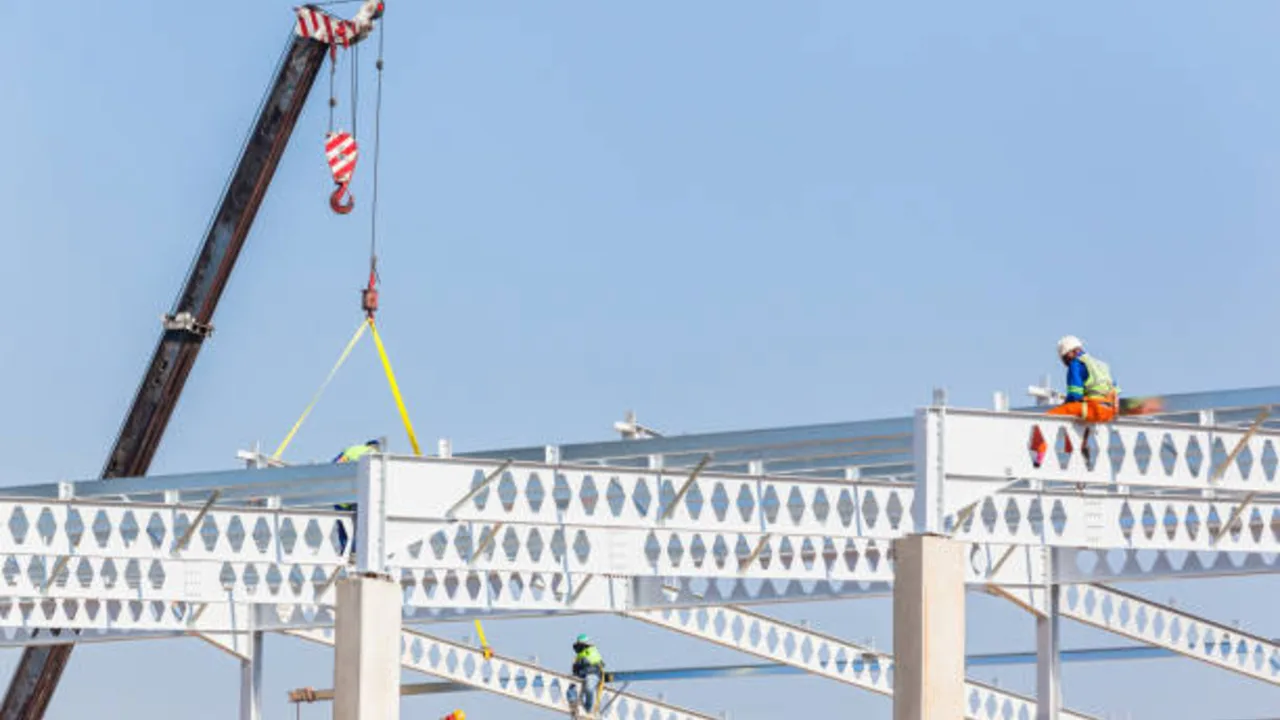
BIM coordination platforms help integrate multiple disciplines into unified project models.
These systems improve:
- Clash detection
- Version coordination
- Installation simulation
- Dimensional validation
- Workflow transparency
By improving interdisciplinary coordination, BIM platforms help reduce revision risk before fabrication begins.
This directly strengthens prefab design freeze timing management.
Cloud-Based Revision Tracking
Cloud collaboration platforms allow project teams to manage revisions more efficiently.
These systems support:
- Real-time document sharing
- Centralized revision history
- Stakeholder approval workflows
- Automated notifications
Better revision transparency reduces the risk of fabrication proceeding with outdated information.
This improves coordination stability throughout prefab project execution.
Integrated Project Scheduling Tools
Advanced scheduling systems increasingly connect:
- Engineering milestones
- Procurement activities
- Fabrication sequencing
- Transportation planning
- Installation scheduling
Integrated planning improves visibility into how design freeze decisions affect downstream project activities.
This allows teams to optimize prefab design freeze timing more strategically.
Digital Twin Verification
Digital twin systems compare fabrication and installation progress against virtual project models.
These tools help identify:
- Coordination inconsistencies
- Dimensional deviations
- Installation sequencing conflicts
- Schedule disruptions
As digital construction technologies continue advancing, digital twins are becoming increasingly important for prefab coordination management.
Best Practices for Managing Prefab Design Freeze Timing
Define Freeze Milestones Early
Successful prefab projects establish freeze milestones during early project planning.
Clear milestones help coordinate:
- Engineering deliverables
- Procurement schedules
- Fabrication releases
- Installation planning
Early planning improves project-wide coordination stability.
Align Engineering and Procurement Schedules
Engineering decisions should align closely with procurement lead times.
Critical materials and specialized systems often require earlier approvals than standard structural components.
Integrated planning helps reduce procurement-related revision risks.
Create Controlled Revision Procedures
Even after freeze milestones, some revisions may still occur.
Projects should establish structured procedures for:
- Revision approval
- Impact evaluation
- Cost assessment
- Schedule analysis
Controlled revision systems help prevent uncontrolled disruption after fabrication starts.
Improve Stakeholder Approval Workflows
Delays in approvals frequently destabilize prefab coordination.
Improved communication and structured approval systems help accelerate decision-making while reducing revision uncertainty.
Use Progressive Coordination Checkpoints
Rather than relying on a single final approval stage, progressive coordination checkpoints allow teams to identify conflicts earlier.
This phased coordination approach supports more reliable prefab design freeze timing throughout project execution.
How Experienced Prefab Manufacturers Reduce Design Freeze Risks
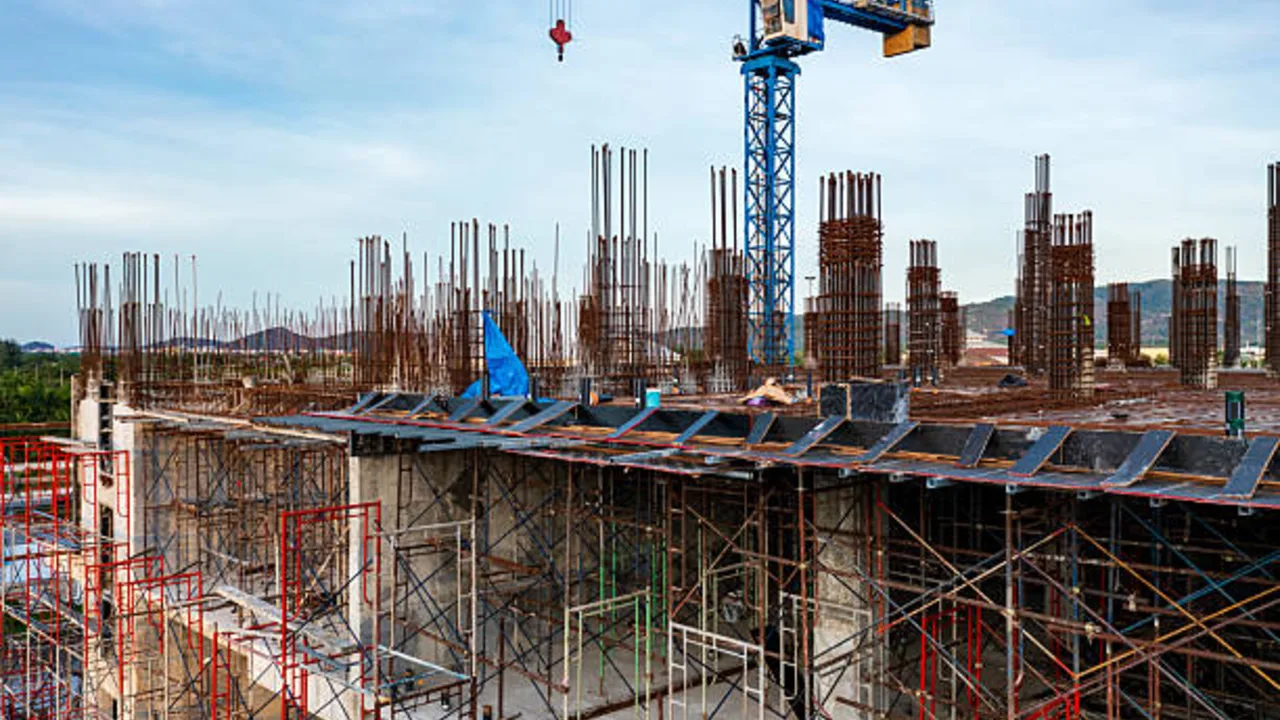
Experienced manufacturers often integrate engineering, fabrication, and logistics coordination into unified workflows.
Advanced prefab manufacturers typically implement:
- Early manufacturability reviews
- Integrated BIM coordination
- Production simulation systems
- Revision control protocols
- Cross-department coordination teams
These capabilities help reduce the impact of late revisions while improving manufacturing stability.
Companies working with experienced prefabricated steel structure manufacturers often achieve more predictable schedules, fewer fabrication conflicts, and improved installation efficiency.
Future Trends in Prefab Design Coordination
As industrialized construction continues evolving, prefab coordination systems are becoming increasingly digital and automated.
Emerging technologies include:
- AI-assisted coordination systems
- Automated revision analysis
- Real-time model synchronization
- Predictive manufacturing scheduling
- Integrated digital supply chain management
These technologies will help improve coordination visibility while reducing revision-related risks.
In the future, effective prefab design freeze timing will remain a foundational element for successful modular and industrialized steel construction projects.